The Body Keeps the Score
Bessel van der Kolk M.D.
Mentioned 3 weeks ago
Movement Practice to Strengthen Your Mind-Body Connection | Ido Portal
The Huberman Lab podcast is hosted by Andrew Huberman, Ph.D., a neuroscientist and tenured professor in the department of neurobiology, and by courtesy, psychiatry and behavioral sciences at Stanford School of Medicine. The podcast discusses neuroscience and science-based tools, including how our br...
Recently mentioned
Bessel van der Kolk M.D.
Mentioned 3 weeks ago
Movement Practice to Strengthen Your Mind-Body Connection | Ido Portal
Andrew D. Huberman Ph.D.
Mentioned 1 month ago
The Mental Frame & Specific Daily Actions to Succeed | Andy Stumpf
Stefan Klein
Mentioned 1 month ago
The Mental Frame & Specific Daily Actions to Succeed | Andy Stumpf
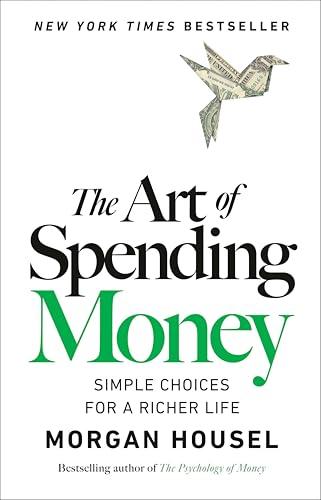
Morgan Housel
Mentioned 1 month ago
The Mental Frame & Specific Daily Actions to Succeed | Andy Stumpf
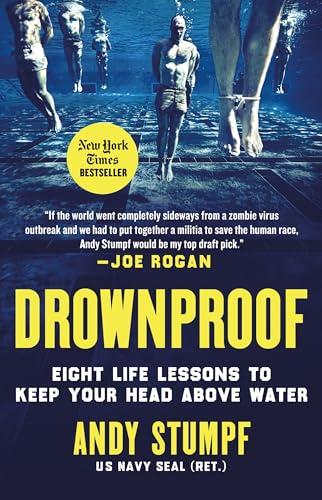
Andy Stumpf
Mentioned 1 month ago
The Mental Frame & Specific Daily Actions to Succeed | Andy Stumpf
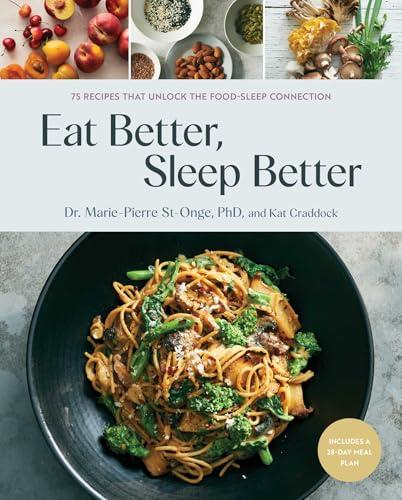
Dr Marie-Pierre St-Onge
Mentioned 1 month ago
Eating for Better Sleep & Foods that Improve Metabolic Health | Dr. Marie-Pierre St-Onge
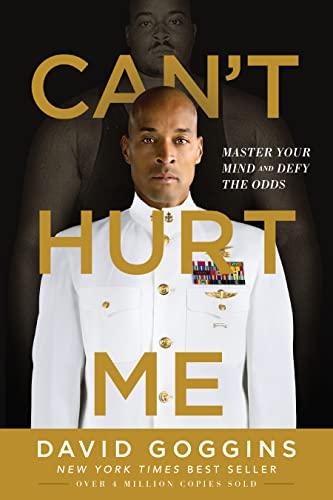
David Goggins
Mentioned 2 months ago
Master Self Control & Overcome Procrastination | Dr. Kentaro Fujita
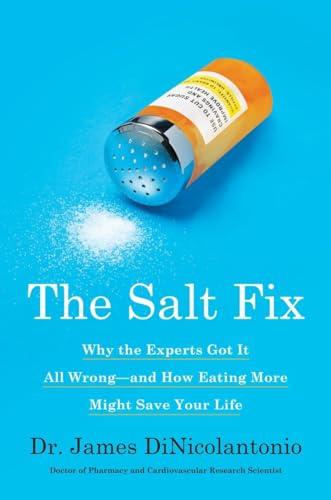
Dr. James DiNicolantonio
Mentioned 3 months ago
Essentials: Using Salt to Optimize Mental & Physical Performance
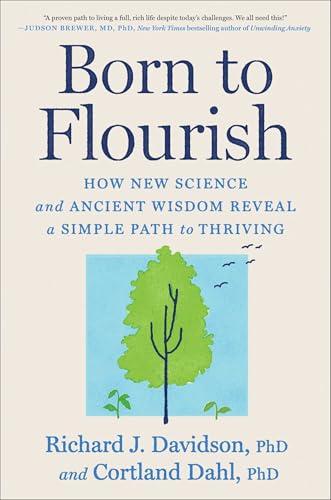
Richard J. Davidson PhD
Mentioned 4 months ago
Science-Based Meditation Tools to Improve Your Brain & Health | Dr. Richard Davidson
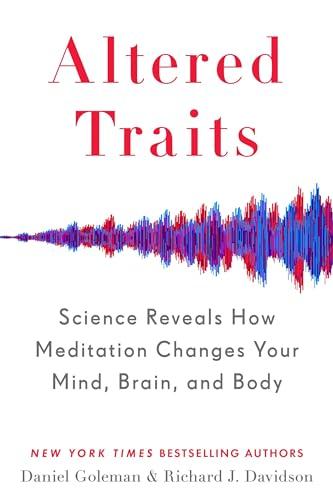
Daniel Goleman
Mentioned 4 months ago
Science-Based Meditation Tools to Improve Your Brain & Health | Dr. Richard Davidson
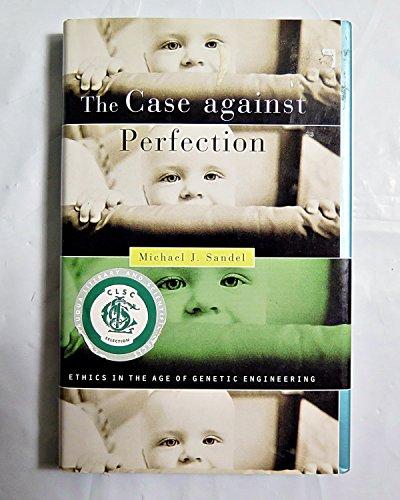
Michael J. Sandel
Mentioned 4 months ago
Avoiding, Treating & Curing Cancer With the Immune System | Dr. Alex Marson
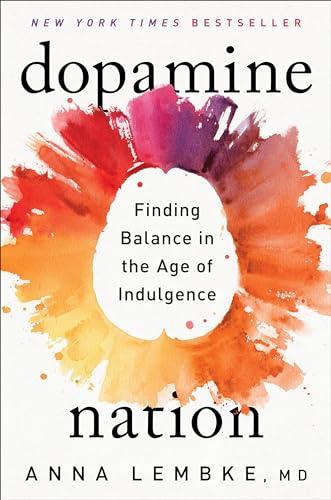
Anna Lembke MD
Mentioned 4 months ago
Unlearn Negative Thoughts & Behaviors Patterns | Dr. Alok Kanojia
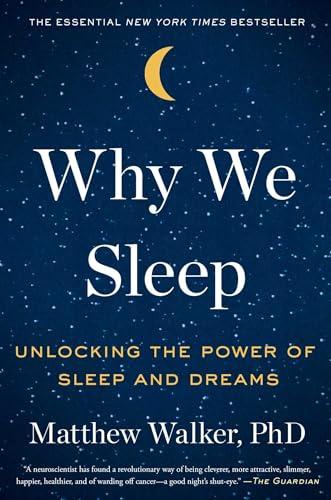
Unlocking the Power of Sleep and Dreams
The book was repeatedly highlighted as a key reference for understanding why sleep matters, linking it to mental health, learning, and hormone regulation. Host Andrew Huberman and guest Matt Walker both cited it when discussing sleep protocols, the impact of sleep deprivation, and practical tips such as temperature and caffeine timing. Their discussions emphasized its role in shifting listeners from a 'sleep when I’m dead' mindset to actively improving sleep quality.
This is the book written by Matt Walker, who discusses the importance of sleep and sleep quality.
We just recorded a six episode series that will be aired later this year with the one and only Mighty Matt Walker, who wrote the marvelous book, Why We Sleep.
Dr. Walker mentioned his book, "Why We Sleep", discussing the biology of sleep and actionable items to get the basics of sleep worked out for each individual.
And then you explained how to define those needs.
And you beautifully described in-depth protocols for, let's call it, optimizing one's sleep.
And then you beautifully described the literature and actionable tools for connecting sleep to emotional health and mental health, as well as the relationship between lack of sleep and certain mental health challenges or conditions.
And I know there's a lot of interest in lucid dreaming. That is, one dreaming while being aware that one is dreaming.
And I'm really excited to dive into this topic since it's something that I've been fascinated by, and I know many people are fascinated by.
Dr. Walker stated that in 20 years of research, he had not been able to discover a single psychiatric condition in which sleep was normal. He mentioned a quote from an American entrepreneur called E. Joseph Cosman that summarized a lot of what he's learned in the field in a single sentence: 'The best bridge between despair and hope is a good night of sleep.'
The best bridge between despair and hope is a good night of sleep.
In that 20 years of research, we have not been able to discover a single psychiatric condition in which sleep is normal.
The book "Why We Sleep" was written by Dr. Matthew Walker, a professor of neuroscience and psychology at the University of California, Berkeley. It discusses the relationship between sleep and learning, memory, and creativity.
It was a splendid pleasure to be back on the show. Thank you for having me.
The book "Why We Sleep" was written by Dr. Matthew Walker, a professor of neuroscience and psychology at the University of California, Berkeley. It discusses the relationship between sleep and learning, memory, and creativity.
The average school start time is somewhere around 7:30, 7:45.
That difference is non-trivial and it will change exactly where those individuals will go to university in terms of the tier of the university and likely change the trajectory of their lives.
We've got very consistent data. When you start school times later, academic grades improve, psychological and psychiatric problems decrease, truancy rates decrease.
The great Matt Walker wrote the book Why We Sleep. It was mentioned that the book talks about the relationship between temperature and sleep, stating that you need to warm up to cool down to fall asleep, stay cool to stay asleep, and warm up to wake up. The Huberman Lab will have a sleep series with Matt Walker later this year.
The great Matt Walker who wrote the great book Why We Sleep.
And by the way, we have a sleep series with The Mighty Matt Walker coming out later this year.
He says, and I hope I'm getting this right, he says you need to warm up to cool down to go to sleep or to fall. Warm up to cool down to fall asleep. Stay cool to stay asleep. Warm up to wake up.
That's a straight bite out of Matt Walker's mouth, so he deserves that citation, not me.
Dr. Walker mentioned his book, which is about the science of sleep and its importance for health, disease, and performance. It is mentioned in the context of Dr. Walker's expertise on the topic of sleep.
To learn more about Dr. Walker's research and to learn more about his book and his social media handles please see the links in our show note captions
It was mentioned that Matthew Walker researched data for his books some years ago, and he started meditating six years ago after reading many papers showing strong data on meditation, and that data came from research groups he respected.
When I was researching data for my books some years ago, I did look into meditation and I wasn't a meditator.
But time and again I read paper after paper and the data was very strong and it was coming from research groups that I respected very much indeed.
Dr. Walker discussed the importance of sleep in maintaining overall health, covering aspects like hormone regulation, immune system function, and learning and memory.
He is also the author of the best-selling book, Why We Sleep.
And I think it's fair to say, I know it's fair to say that the cautionary notes that you spoke about in those early TED talks and in your book, Why We Sleep, while they may have stimulated some anxiety for some people, they absolutely had and have a net positive effect in the sense that they cued people to the importance of this thing called sleep because prior to you doing that or those things, it was the case that it was the, I'll sleep when I'm dead mentality.
The book 'Why We Sleep' was mentioned as a valuable resource for understanding the importance of sleep in relation to learning and neuroplasticity, particularly after physical and mental training.
and episode guest episode with the great Matthew Walker who wrote the book why you Why We Sleep incredibly important book all of those as well as our toolkit for sleep describe ways to improve your sleep so you can refer to those episodes if you're having challenges with sleep and want to improve on sleep
Dr. Matt Walker, a sleep researcher, has written a book about the importance of sleep. He believes that sleep is the bedrock of mental and physical health and performance.
He will remind us and I'll remind you now that the quarter life of caffeine is 12 hours I mentioned this earlier but I'm going to repeat it again and that means that if you ingest caffeine at noon 25% of its effects more or less okay I'm using broad stroke here to talk about quarter life 25% of that is still going to be bioactive at midnight that night which will disrupt the early phase of your night the amount of slow wave sleep which then in turn will disrupt.
He's been on this podcast many other podcasts talking about the importance of sleep.
Dr. Walker, a world expert in sleep, wrote the book Why We Sleep, which was mentioned in relation to how alcohol disrupts sleep architecture, making it difficult to get restorative sleep.
Dr. Walker told me and it's certainly supported by lots and lots of quality peer reviewed studies in animals and in humans that when alcohol is present in the brain and blood stream that the architecture sleep is disrupted slow wave sleep deep sleep and rapid I move in sleep all of which are essential for getting a restorative night sleep or all disrupted so for those of you that are drinking a glass or two wine or having a hard liquor drink or a beer in order to fall asleep the sleep you're getting is simply not.
The book was mentioned positively for raising awareness of the importance of sleep to overall health, and its influence on mental and physical health.
Thanks to the great work of Professor Matt Walker at University of California Berkeley and the wonderful book that he wrote, Why We Sleep.
Matt Walker, a neuroscientist at Berkeley, wrote this book about the importance of sleep, and he was surprised to learn that if you get a poor night's sleep, or if you're up late the previous night for good reasons, many people feel like they just want to go to bed early the next night but it turns out that's not the best thing to do for your immediate and long-term health.
whose name I'm sure most of you are familiar with, wrote this wonderful book, Why We Sleep.
and he was also surprised to see these new data and I was surprised to see these new data that emphasized that if you get a poor night's sleep or if you're up late the previous night for good reasons, many people feel like they just want to go to bed early the next night but it turns out that's not the best thing to do for your immediate and long-term health.
The book was described as a great resource on sleep science, providing insights into the reasons we sleep and strategies for improvement.
Matt Walker's book Why We Sleep. Matt of course is a professor at UC Berkeley and Why We Sleep is a terrific book about Why We Sleep the science of sleeping and things you can do to improve your sleep.
It was recommended as a book that could help listeners optimize their sleep, which is discussed as being a key factor for optimal hormone levels, including estrogen and testosterone.
also check out Matt Walker's triffit book while we sleep.
The book was referenced in relation to the topic of learning while sleeping, specifically using sounds or smells during both learning and sleep to enhance memory.
These studies just to remind you are structured the following way. An individual is brought into a laboratory does a spatial memory task.
They did this in different stages of sleep, non-rem sleep and rapid eye movement sleep, REM sleep.
What this means that you can cue the subconscious brain, the asleep brain to learn particular things better and faster.
It's remarkable because it really shows that sleep is an extension of the waking state.
Dr. Huberman mentioned it as a book that helped people understand the importance of sleep, a topic he also discusses frequently.
he deserves such a token of praise for that because prior to that there was this oh I'll sleep when I'm dead mentality
I think people knew sleep was important but they didn't really understand and he had to come out as kind of the kind of a downer message like listen you know this is serious stuff you better sleep
Huberman cited Matthew Walker's book Why We Sleep as a transformative work that clarified the importance of sleep for health and performance.
Matt Walker, UC Berkeley, with the book, Why We Sleep transformed what we now understand.
Andrew Huberman praised the book for emphasizing that sleep quality depends on timing as much as duration, and highlighted its impact on understanding the importance of regular sleep schedules for ADHD.
Matthew Walker in his great book on sleep, one of my favorite things about it is he really emphasizes this point, that quality sleep isn't just about eight hours. It isn't just duration. It's getting quality sleep. And the timing of your sleep is every bit as important as the duration.
Huberman noted that Walker's book highlighted the consequences of insufficient sleep and emphasized its importance for health.
I do think that books like Matt Walker's, you know, Why We Sleep, et cetera, came out, although that book focused more on the bad things that happen if you don't sleep enough.
He mentioned that Matt Walker referenced his book "Why We Sleep" while discussing sleep research studies.
Matt Walker also talks about some of these studies done by others in his book, Why We Sleep.
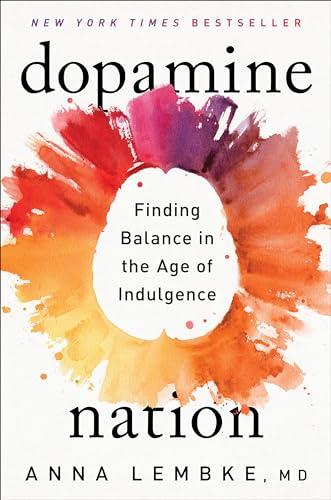
Finding Balance in the Age of Indulgence
The book was repeatedly highlighted by Andrew Huberman, with occasional endorsement from guests like Martha Beck, as a crucial resource for understanding dopamine's role in addiction and the pleasure‑pain balance in today’s dopamine‑rich world. He pointed out that it provided clear, science‑based explanations and engaging patient stories that made the material accessible to both professionals and the general public. Across episodes covering topics from sugar and alcohol to social media and cold exposure, it was consistently recommended for anyone interested in motivation, addiction, or mental health.
Dr. Lembke, the director of the Dual Diagnosis Addiction Clinic at Stanford, wrote a book about the underlying biological mechanisms of addiction. This book was recommended for its insights into dopamine and its role in addiction, as well as its approach to treatment.
Also Anna's book, Dopamine Nation is a wonderful one.
It will allow you to see and understand that these are brain mechanisms that are at play.
These are not, it's not a lack of willpower. It's a disruption in neurochemical circuit regulation.
The book by Anna Lemke, which discusses dopamine, addiction and its effects on the brain was mentioned by Andrew Huberman.
And one of the things that I love so much about Anna's message, she wrote the book Dopamine Nation.
Oh, I love that book.
Yeah, wonderful book.
The book "Dopamine Nation" by Anna Lembke was mentioned in relation to addictive behaviors and how people become habituated to certain activities, such as scrolling social media or consuming pornography, and lose touch with the pleasure of those activities. This was mentioned as an analogy to the effects of addictive foods.
It's not this like an anilemmke when she came on the podcast, author of Dopamine Nation and obviously had a dual diagnosis addiction clinic. The Stanford talked about, you know, these consumptive behaviors where people are scrolling social media or consuming porn or consuming drugs or alcohol in a way that like they're not in touch with the pleasure of the substance or behavior anymore.
It was highly recommended for its insightful exploration into dopamine and its role in various types of addiction, beyond just substance abuse.
excellent book by the way highly recommended if you haven't read it already it's a fascinating exploration into dopamine as it relates to addiction not just drug addiction but other types of addiction again the name of that book is Dopamine Nation will provide a link to it in the show no captions.
It was discussed as an important read for everyone, particularly regarding modern life's dopamine-rich environment and its potential to lead to depletion and issues like depression and addiction.
Dr. Anna Lemke is the author of this incredible book, Dopamine Nation that I think everybody should read.
I do believe everyone should read that book so important for the addict and non addict alike because it deals with basically the state of our life nowadays we're living in this dopamine rich world where we can quickly become dopamine depleted which is terrible leads to depression in addition to things like addiction and some folks etc.
It was discussed in relation to addiction and how large dopamine peaks can lead to a lower baseline, requiring more effort to replenish.
what happens is after those big peaks in dopamine the reservoir the baseline in dopamine drops below its initial level so it's as if the reservoir got deeper and it's emptier and it takes much much longer to fill
Dr. Analemki's book, "Dopamine Nation", was recommended for its clear and informative content on the topic of dopamine and addiction.
If you're interested in dopamine and addiction in particular that's a wonderful clear and extremely informative read.
It was mentioned in relation to cold water therapy, and how it has helped some patients in recovery from addiction and depression.
my colleague at Stanford doctor on a limkey who's ahead of our dual diagnosis addiction clinic has talked about in her amazing book Dopamine Nation about patients of hers that have really helped themselves along and out of the more depressive phases of working through addiction and in just depression in general through directed cold water therapy.
Dr. Lemke, a medical doctor, wrote the book Dopamine Nation and talked about the pleasure-pain balance associated with alcohol, which is relevant to tolerance and how people might drink more to try and regain the initial feel-good effect.
We're all experts in addiction and she talked about this pleasure pain balance that extends beyond alcohol to things like sex and gambling and to other behaviors that can potentially become addictive but certainly includes alcohol so tolerance it seems is a process in which people are ingesting more and more alcohol as an attempt to get that feeling of well being back.
It is about dopamine and its uses both healthy and its perils in things like addiction. It describes a patient of hers who used deliberate cold exposure to try and maintain dopamine levels while coming off of drugs that were increasing dopamine so potently that they were putting him down the path of addiction.
she is an amazing book called Dopamine Nation all about dopamine and both its uses healthy and its perils in things like addiction
and she describes a patient of hers that used deliberate cold exposure to try and maintain dopamine levels while coming off of drugs that were increasing dopamine so politely that they were putting him down the path of addiction
It was highly recommended by Andrew Huberman for its in-depth explanation of the dopamine system and the pleasure-pain balance within it, particularly as it relates to addiction.
Excellent book, I recommend to all people, addicts or not.
The author's book was mentioned as a resource for information about dopamine, addiction and the use of dopamine from cold water exposure.
One of our previous guests, Dr. Anna Lemke, who's a medical doctor at Stanford University School of Medicine, she's a close colleague of mine, described the use of dopamine in her book Dopamine Nation, an incredible book about addiction and dopamine I should mention, and the use of dopamine elicited by cold water exposure by one of her patients.
Dr. Lembke, an expert on addiction and dopamine pathways, was referenced in the context of the pleasure-pain balance that exists within dopamine circuits. This book is strongly recommended for understanding motivated behaviors and how to channel behaviors in life towards healthy motivation.
Nobody has dopamine circuits that allow them to escape this pleasure-pain balance.
the dopamine circuits of the brain have what we call a pleasure-pain balance and there I'm paraphrasing what Dr. Analemke has said and has written about in her beautiful book Dopamine Nation if you haven't read that book I highly recommend it whether or not you have issues with addiction or you know people that do or you don't it's an incredibly important read especially if you're interested in understanding motivated behaviors and ways to channel your behaviors in life toward healthy motivated behaviors and make sure that you avoid some of the common pitfalls that people fall into not just addiction but things like over use of social media or wasting time in general it's a phenomenal book.
Dr. Anna Lemke, head of the addiction dual diagnosis clinic at Stanford, wrote a book called "Dopamine Nation" about finding balance in the age of indulgence. This book discusses dopamine schedules and the relationship between dopamine peaks and baselines.
She's head of the addiction dual diagnosis clinic at Stanford has a amazing book Dopamine Nation finding balance in the age of indulgence if you haven't read the book i highly encourage you to check it out it's fantastic
In Dr. Lemke's book and when she was on the Hibberman Lab podcast another podcast she's talked about this pleasure pain and balance that when we seek something that we really like or we indulge in it like eating a little piece of chocolate if we really like chocolate there's some pleasure but then there's a little bit of pain that exceeds the amount of pleasure and it's subtle and we experience it as wanting more of that thing okay so there's a pleasure pain balance and i'm telling you that the pleasure and the pain are governed by dopamine to some extent
The book explains how our chronic exposure to substances or behaviors that release dopamine can change our baseline levels and lead to a dopamine deficit state, which is akin to clinical depression. The book also discusses how to treat various types of addiction and regain balance in our lives.
The book comes out August 24th and is an absolutely fascinating read into addiction and ways to treat various types of addiction.
I've read the book, Cover to Cover, and all I'll tell you is that at the very first chapter and throughout, you are going to be absolutely blown away.
The stories about her patients are extremely engaging.
It brings forward the real struggle of addiction and the incredible, I think it's fair to say heroic battles that people fight in order to get through addictions of various kinds.
All of that is woven through with story, with science and ways that make it very accessible to anyone whether or not you have a science background or not.
The book was cited as evidence that humans now have more free time across socioeconomic groups, linking this to increased dopaminedriven instant gratification and its impact on frustration tolerance.
my colleague Anna Lemke wrote Dopamine Nation cited some data that humans have more free time now across socioeconomic groups, more free time now ... and it's not just the texts that we're getting but the number of tethers is just astonishing.
Dopamine Nation was cited as a recent book that examines modern addiction through the lens of dopamine and its impact on behavior.
I gave them Ana's book, Dopamine Nation, and obviously really hard work on their part is what made the change happen.
An Operating Manual for the Human Body
The host announced his first book, describing it as an operating manual that gathered over 30 years of research into science‑backed protocols for sleep, exercise, stress control, focus and motivation. He emphasized that the protocols were supported by scientific evidence and that the book was available for pre‑order. The overall tone was enthusiastic promotion, presenting the title as a valuable practical guide for improving health and performance.
A book that the speaker has been working on for over five years, based on more than 30 years of research and experience. It covers protocols for everything from sleep to exercise, to stress control, protocols related to focus and motivation. The author provides the scientific substantiation for the protocols that are included.
It's my very first book. It's entitled Protocols, an Operating Manual for the Human Body.
The book is now available by presale at Protocolsbook.com.
Again, the book is called Protocols, an Operating Manual for the Human Body.
Covers protocols for everything from sleep, to exercise, to stress control, protocols related to focus and motivation. The author provides the scientific substantiation for the protocols that are included.
It's entitled Protocols, an Operating Manual for the Human Body.
This is a book that I've been working on for more than five years and that's based on more than 30 years of research and experience.
And it covers Protocols for everything from sleep, to exercise, to stress control, Protocols related to focus and motivation.
And of course I provide the scientific substantiation for the Protocols that are included.
The book is now available by presale at Protocolsbook.com.
Dr. Huberman's book, "Protocols", is mentioned as an operating manual for the human body, covering topics like sleep, motivation, nutrition, exercise, and more. It's designed for practicality and information, teaching readers about the science behind improving mental and physical health.
I'm pleased to announce that my new book, which I've been working on for more than five years, is now available for presale purchase.
The book is entitled, "Protocols", an Operating Manual for the Human Body.
And within the book, you can find, as the name suggests, Protocols for everything from how to improve and even optimize your sleep, for increasing your motivation and focus,
Within the book, you'll also find the scientific basis, that is the mechanisms and specific studies that substantiate these Protocols.
And the book is designed to be incredibly easy to use, such that if you're suffering from a particular pain point in life, such as difficulty sleeping or excess stress,
To order "Protocols", go to Protocolsbook.com and there you will find links to any number of different vendors and you can select the one that you prefer.
It's his very first book and covers protocols for everything from sleep to exercise to stress control. It was in development for over five years and covers protocols for sleep, exercise, stress control, focus, motivation and more, providing the scientific substantiation for the protocols.
For those of you that haven't heard, I have a new book coming out. It's my very first book. It's entitled Protocols, an Operating Manual for the Human Body.
This is a book that I've been working on for more than five years and that's based on more than 30 years of research and experience.
And it covers Protocols for everything from sleep to exercise to stress control, Protocols related to focus and motivation.
Again, the book is called Protocols, an Operating Manual for the Human Body.
The book is in multiple languages and it is about science-based tools for everyday life. The speaker encourages listeners to pre-order a copy.
If you want to buy a pre-order copy, it's Protocolsbook.com.
It's there in multiple languages now.
I'd be grateful if you did.
The upcoming book by Andrew Huberman, which is about protocols for sleep, exercise, stress control, focus, motivation, etc, was mentioned.
For those of you that haven't heard, I have a new book coming out.
It's my very first book.
It's entitled Protocols and Operating Manual for the Human Body.
This is a book that I've been working on for more than five years.
And that's based on more than 30 years of research and experience.
And it covers Protocols for everything from sleep to exercise to stress control, Protocols related to focus and motivation.
And of course, I provide the scientific substantiation for the Protocols that are included.
The book is now available by presale at Protocolsbook.com.
There you can find links to various vendors.
You can pick the one that you like best.
Again, the book is called Protocols and Operating Manual for the Human Body.
This book covers protocols for everything from sleep to exercise, stress control and protocols related to focus and motivation. The book is based on over 30 years of research and experience.
Pre-order Andrew's new book, Protocols, at Protocolsbook.com.
It's my very first book.
It's entitled, Protocols, an Operating Manual for the Human Body.
This is a book that I've been working on for more than five years and that's based on more than 30 years of research and experience.
And it covers Protocols for everything from sleep to exercise, to stress control, Protocols related to focus and motivation.
This was mentioned by Andrew Huberman as his first book, covering topics like sleep, exercise, stress control, focus, and motivation.
For those of you that haven't heard, I have a new book coming out. It's my very first book. It's entitled Protocols, an Operating Manual for the Human Body.
The book is now available by presale at Protocolsbook.com.
Again, the book is called Protocols, an Operating Manual for the Human Body.
It was discussed at the end of the podcast, and it is a book that the host has been working on for over 5 years, and covers a range of topics including sleep, exercise, stress control, and focus and motivation, backed by scientific research.
It's my very first book. It's entitled Protocols and Operating Manual for the Human Body.
This is a book that I've been working on for more than five years and that's based on more than 30 years of research and experience.
And it covers Protocols or everything from sleep to exercise, to stress control, Protocols related to focus and motivation.
And of course, I provide the scientific substantiation for the Protocols that are included.
The book is now available by Presale at Protocolsbook.com.
Andrew Huberman's book, "Protocols," was mentioned as a new book to be released and focuses on science-based tools for everyday life, covering topics such as sleep, exercise, stress control, and focus.
I have a new book coming out. It's my very first book. It's entitled Protocols, an Operating Manual for the Human Body.
Andrew Huberman mentioned his upcoming book, which contains protocols for various aspects of human health and well-being, including sleep, exercise, and stress control, all backed by scientific evidence.
I have a new book coming out it's my very first book it's entitled Protocols an operating manual for the human body.
Dr. Huberman announced his first book, which covers topics such as sleep, exercise, and stress control, and is based on over 30 years of research.
I have a new book coming out it's my very first book it's entitled Protocols an operating manual for the human body
this is a book that I've been working on for more than five years and that's based on more than 30 years of research and experience and it covers Protocols for everything from sleep to exercise to stress control Protocols related to focus and motivation and of course I provide the scientific substantiation for the Protocols that are included
It was mentioned that Huberman has a new book coming out, titled "Protocols: An Operating Manual for the Human Body." The book, which he's been working on for over five years, covers protocols for various aspects of health, backed by scientific research.
I have a new book coming out. It's my very first book. It's entitled "Protocols: An Operating Manual for the Human Body". This is a book that I've been working on for more than five years and that's based on more than 30 years of research and experience and it covers Protocols for everything from sleep to exercise to stress control Protocols related to focus and motivation and of course I provide the scientific substantiation for the Protocols that are included.
The host announced the upcoming release of his first book, describing it as an operating manual covering sleep, nutrition, exercise, learning, neuroplasticity, and stress management.
All right, my book is finally ready for release. Protocols, an operating manual for the human body is coming out in three months. It's my first book and I've been working on it for many years now. ... It covers the science and most effective Protocols for sleep, nutrition, exercise, focused learning and neuroplasticity, stress management, and much more.
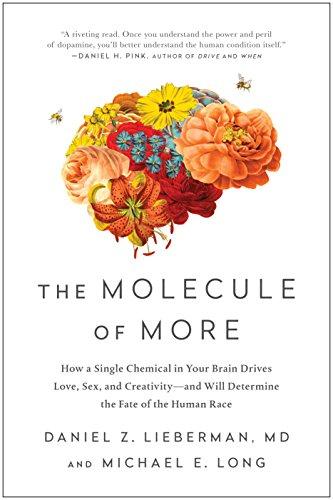
How a Single Chemical in Your Brain Drives Love, Sex, and Creativity―and Will Determine the Fate of the Human Race
Across several episodes, the host repeatedly highlighted the book as an excellent resource for understanding dopamine’s role beyond addiction, emphasizing its insights into motivation, craving, and emotional regulation. He recommended it for listeners interested in how dopamine influences everyday behavior, reward prediction, and impulsivity, noting its clear explanations and practical relevance. Overall, the discussion portrayed the title as a highly valuable read for anyone seeking a deeper grasp of brain chemistry and motivation.
This book, "The Molecule of More", was described as an excellent read for understanding dopamine in everyday life, beyond addiction.
If you're interested in dopamine more generally just not just in the states of addiction but in everyday life and in pursuit and motivation The Molecule of More is an excellent book related to that.
It was said that dopamine is not just about pleasure, but it establishes craving.
There's a book, great book called The Molecule of More. I didn't write the book unfortunately, but someone else did, and it's a great book. And it's really about how dopamine, we think it's about pleasure, but it establishes craving.
The book "The Molecule of More" discusses dopamine schedules and the relationship between dopamine peaks and baselines, and focuses on behaviors other than addiction.
The other terrific book about dopamine is The Molecule of More which is similar in some regard but isn't so much about addiction it's more about other types of behaviors both books really focus on these dopamine schedules and the relationship between these peaks and baselines of dopamine
It was referred to as a source of information about the 'here and now' molecules like serotonin and oxytocin, which are related to contentment and satisfaction.
Those were described as the 'here and now' molecules, the ones that allow you to experience your sensations and pleasure in the present and for which the brain stops projecting into the future.
in the book The Molecule of More, wonderful book.
there's an experiment described in the book The Molecule of More which is really interesting where they looked at impulsivity in obese children
The book 'The Molecule of More' was described as terrific and was recommended to learn more about dopamine, reward prediction error, and how dopamine regulates aspects of emotional and motivational life.
A book since people often ask for book recommendations, I don't know the author personally but I love the book it's called The Molecule of More, it's a terrific book I wish I had written it frankly, but if you want to learn more about dopamine reward prediction error and how dopamine regulates various aspects of your emotional and motivational life it's a terrific read.
It was highly recommended due to its detailed and insightful exploration of dopamine, beyond just its reward function, and how subjective the molecule's effects can be.
It's called The Molecule of More and it really talks about dopamine not just as a molecule associated with reward, but a molecule associated with motivation and pursuit and just how subjectively controlled dopamine can be.
Huberman said the episode would cover neuromodulators like serotonin and oxytocin and referenced the concepts in the book The Molecule of More, calling it a wonderful book.
So we're going to talk about all of those in the book, The Molecule of More, wonderful book.
Huberman highlighted the book as a top recommendation for learning about dopamine, noting it explains dopamine's role beyond reward to motivation and pursuit and emphasizes its subjective control.
In fact, a book that I highly recommend if you want to read more about dopamine, it's a book that frankly, I wish I had written. It's such a wonderful book, it's called The Molecule of More, and it really talks about dopamine not just as a molecule associated with reward, but a molecule associated with motivation and pursuit and just how subjectively controlled dopamine can be.
Brain, Mind, and Body in the Healing of Trauma
Dr. Walker stated that Paul Conti, a former guest on the podcast, defined trauma as some event that is aversive, that changes the way that our nervous system works such that we function less well in the future.
Paul defined trauma as some event that is aversive, that changes the way that our nervous system works such that we function less well in the future.
— Episode: GUEST SERIES | Dr. Matt Walker: Improve...
Dr. Walker stated that Paul Conti, a former guest on the podcast, defined trauma as some event that is aversive, that changes the way that our nervous system works such that we function less well in the future.
Paul defined trauma as some event that is aversive, that changes the way that our nervous system works such that we function less well in the future.
It was recommended for a reference to the word 'alexithymia' that was in the book 'Body Keeps the Score', that was about not being able to put language to what is going on and how to deal with that and move on. It was a good reference to the author's own struggles with putting language to emotional pain.
And then I got you know once a week therapy amazing people.
I didn't want to put language to it I couldn't I just didn't feel like it like I just felt like gutting through it.
It was mentioned as an excellent book about trauma, which Dr. Huberman had also featured in a four-part podcast series on mental health.
Dr. Paul Conti who is some of you know is a medical doctor and psychiatrist he's been a guest on this podcast first to talk about trauma he wrote an excellent book about trauma I provide a link to that book in the show no captions by the way and he and I did four episodes of the human lab podcast a so called guest series specifically aimed at mental health what it is how to build mental health specific protocols and Dr. Paul Conti is really a great person to talk about.
This book was highly recommended for its explanation of trauma and PTSD, as well as Dr. Conti's experiences with his patients.
I highly recommend the book Trauma by Dr. Paul Conti.
He's an MD, medical doctor, psychiatrist.
He was featured as a guest on this podcast. He's been on a number of other prominent podcasts. We will provide a link in our show note captions to the book Trauma.
I consider that book to be the best book in terms of describing what trauma is and isn't and how it leads to PTSD.
It also describes some of Dr. Paul Conti's own experiences with trauma and his own treatment of trauma in his patient population, which is quite wide-ranging: men, women, young people, older people, and a variety of traumatic experiences.
The book "Trauma" by Dr. Paul Conti was highly recommended for its thorough and easy-to-read content on trauma and coping mechanisms.
And here again I'm paraphrasing but Dr. Conti describes trauma something that fundamentally changes the way that our brain and body function in a way that makes other aspects of living more challenging again an event either emotional or physical or both that fundamentally changes the way that our brain and our body as our nervous system and other organs function in a way that prevents us from in enjoying daily activities and that could even be ongoing.
I personally think it's the best book on trauma and tools for alleviating traumas incredibly thorough easy to read and well informed.
The book was highlighted as an outofdate yet influential work in psychology, noted for its catchy title and lasting impact.
the quite pioneering, although I would say somewhat outofdate book, The Body Keeps the Score, I think it was an important book. Best title of any book you could imagine in the psychology space because it's so catchy. And I want to give proper respect to Bessel for doing that book.
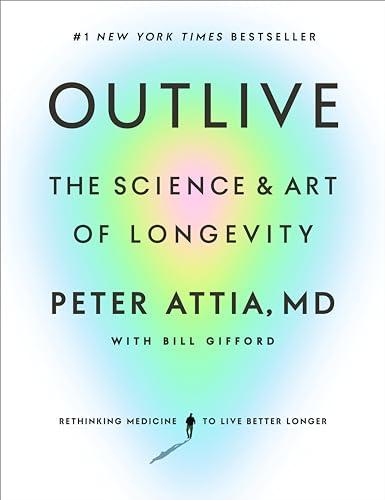
The Science and Art of Longevity
Across multiple episodes, Dr. Andrew Huberman and his guests highlighted the book as a comprehensive, data‑driven guide to longevity, emphasizing its practical advice on movement, nutrition, muscle preservation, spine health, and emotional well‑being. Dr. Peter Attia, the author, discussed core concepts such as delaying chronic disease and the importance of maintaining muscle mass, while Huberman repeatedly praised it as a phenomenal and essential resource for improving healthspan. The repeated endorsements and detailed discussion indicated strong approval of the title.
Dr. Peter Atia's book, "Outlive," is about having a strong spine and the ability to break falls.
Some of you may know Dr. Peter Atia because he's been a guest on this podcast.
He wrote the incredible book Outlive and he talks about how having a strong spine, having the ability to break falls by virtue of training your ability to jump down things and step down things with confidence is essential to offset the aging process.
Dr. Attia's book "Outlive" discusses "do's and don'ts" for longevity, including moving appropriately, eating right, and understanding genetics.
Your book Outlive beautifully covered these, and I tend to regurgitate some of what you say on this podcast.
So I kind of think of like if you want to live longer, and I described this, I think in chapter four of Outlive, that turns out to be mathematically equivalent in the modern society to delaying the onset of chronic disease.
The book "Outlive" by Peter Attia was mentioned in reference to sarcopenia, a lack of muscle mass, and how it is one of the drivers of mortality. The podcast host mentioned that the book makes it very clear how critical maintaining muscle mass is.
And we mentioned Peter, a tear earlier, okay? In Outlive he's made it very clear that sarcopenia lack of muscle mass is one of the drivers of mortality. So losing muscle is not a good idea.
Dr. Conti mentioned Dr. Peter Attia's book "Outlive" which discusses healthspan and lifespan, or longevity.
Dr. Conti emphasized the fact that one of the ways that we hold ourselves back and indeed can exacerbate the negative consequences of trauma are the ways in which we modify our language to describe those traumas.
Dr. Conti and Dr. Atilla, Dr. Conti emphasized the fact that one of the ways that we hold ourselves back and indeed can exacerbate the negative consequences of trauma are the ways in which we modify our language to describe those traumas.
Peter Attia's best-selling book "Outlive" was mentioned as a phenomenal resource on health, lifespan, and longevity.
He is the author of a best-selling book entitled Outlive, which is a phenomenal resource on all things health, span and lifespan.
And he is the host of the very popular podcast The Drive where he interviews various experts in all domains of medicine and scientists as well.
The question is you know do you need to be fasting all the time? Do you need to be doing all of these other things and the answer appears to be Outside of using them as tools to manage energy balance. It's not clear right and energy balance probably plays a greater role in glucose homeostasis than From a nutrition standpoint then the individual constituents of the meal
The book examines disease prevention and healthy aging, including emotional health, and is grounded in data and real-life conditions.
Finally there is a modern thorough, clear and actionable manual for how to maximize our immediate and long-term health. Firmly grounded in data and real-life conditions, this is the most accurate and comprehensive health guide published to date.
Outlive is not just informative, it is important.
This is a phenomenal book. I've read it covered to cover it now three times. I have extensive notes written throughout, and the book of course focuses on longevity and health span and also has an extensive section on emotional health. It gets quite detailed into Dr. Atiyah's personal experiences with emotional health and tools to improve emotional health that are very actionable for anybody to use.
Outlive is an important book, as is the discussion that Dr. Atiyah so graciously provided us in today's episode.
I think the best way for me to summarize my feelings about the book would simply be to read the back jacket quote which I provided.
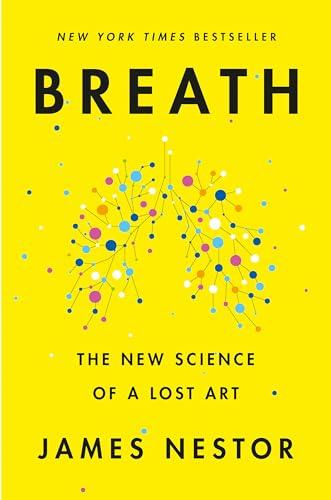
The New Science of a Lost Art
Andrew Huberman repeatedly highlighted the book as an excellent resource on nasal breathing, noting its practical advice such as mouth‑taping to encourage nose breathing during sleep. He cited the title's discussion of how nasal breathing can improve sleep quality, cardiovascular health, and hormonal balance, and praised its scientific coverage of various breathing practices. The overall tone across episodes was strongly positive, presenting the book as a valuable tool for listeners seeking better health through breath control.
The book was mentioned in the context of nasal breathing, specifically for its coverage of the benefits of nasal breathing for sleep and health.
it's a good idea to be a nose Breather unless you need to mouth Breathe and it's a great idea it's a superb idea to be a nose Breather in sleep and one way to really get good at that is to take a little bit of medical tape and to tape your mouth shut before going to sleep you heard me right puts a medical tape over your mouth and force yourself to nose Breathe during sleep it also prevents snoring in most cases really offset sleep apnea sleep apnea again being a very serious health concern I should also mention as a tool that if you have a hard time being a nose Breather in sleep you can try doing your cardiovascular exercise at least the lower intensity cardiovascular exercise through purely nasal Breathing and one way to do that again is to tape your mouth shut or put a gulp of water in your mouth but don't actually swallow that mouthful of water or to use a mouthpiece or just deliberately keep your mouth closed and then cyst on Breathing through your nose most people find that when they start doing cardiovascular exercise that way it's really challenging at first but over time they actually can feel quite calm and still can generate a lot of physical effort purely using nose Breathing the reason that doing nose Breathing during cardiovascular exercise translates to being a nose Breather during sleep is that your son is is actually can dilate their plastic and over time plastic meaning they're they're sh- they're malleable that is and they can become wider you're not going to get giant nostrils don't worry about it your airways within your your skull because that's what the sinuses really are these little passages within the skull and of course within the nasal passages art will dilate and will allow you to Breathe more easily through your nose but for those of you that are waking up in the middle of the night Breathing on your back or your partner is telling you that or other people are telling you that or that person on the plane with your mouth hanging open and drooling in your mouth Breathing terrible terrible terrible for health reasons and other reasons puts a medical take over your mouth learn to be a nose Breather during sleep your sleep will improve and your daytime feelings of wakefulness and focus will improve your cardiovascular health will improve and on and on and on so now we've largely covered the tools that one could use to get and stay asleep and we talked about exercise we talked about temperature we talked about supplements and we talked about of course keeping the sleeping environment both cool and as dark as possible
It was mentioned as an excellent resource for understanding the benefits of nasal breathing, along with its discussion of various breathing practices. The book's content was favorably mentioned.
There's the recent book, Breath by James Nestor, which is an excellent book that describes some of the positive effects of nasal Breathing as well as other Breathing practices.
It was mentioned as a book that discussed taping the mouth shut as a means of encouraging nasal breathing, which can improve sleep and have positive effects on hormones.
This sounds a little bit extreme and you certainly don't want to do this in any way that's dangerous. James Nester talked about this in his book, Breath the new science of a lost art that simply taping shut the mouth with some tape that will allow you to open your mouth if you really need to during sleep can allow people to shift over from being mouth Breathers and snores to nose Breathers.
It was mentioned as an excellent book published last year, focusing on the science of breathing and its impact on overall health, and was specifically used as a reference regarding nasal breathing.
There's a plethora of information out there now because of James Nester's book Breath the new science of a law start which came out this last year excellent book as well as jaws which is from Sandra con Paul Erlich with a forward by Jared Diamond and Robert Sapolsky
The hosts recommended it as a useful resource for anyone interested in nasal breathing and oral health.
I'd recommend Breath by James Nestor.
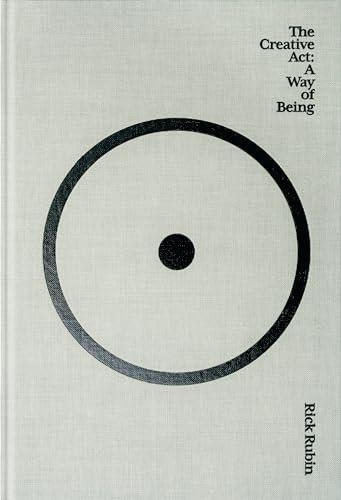
A Way of Being
The book was highlighted as a best‑selling guide to accessing creative energy, covering practical habits like morning routines, movement, idea capture, and dream interpretation while promoting work‑life balance. Andrew Huberman noted that he had read it multiple times because it was packed with wisdom applicable to both professional and everyday life, and he praised Rick Rubin’s ability to translate his creative insights for anyone. He strongly recommended it to musicians and anyone interested in the broader creative process.
It is a best-selling book about the creative process, exploring practical aspects of creativity, like morning routines, the role of movement, sourcing and capturing ideas, interpreting dreams, and generating work-life balance.
His book is entitled The Creative Act Away Of Being.
The book was given to me when I was about 14 and a half when I was released from a particularly uncomfortable, non-voluntary state of affairs.
It's a beautiful idea.
It's an invitation to think.
It's not clear exactly what the cover design is supposed to be.
Rick Rubin's book, 'The Creative Act: A Way of Being,' explores the creative process and how to access creativity. It was described as being rich with wisdom and information, and the speaker found it meaningful to apply in multiple domains of their life.
The title of the book is The Creative Act, A Way of Being by Rick Rubin.
This is a book that I've now read three times from cover to cover and I'm now reading it fourth time because it is so rich with wisdom and information that I'm applying in multiple domains of my life, not just my work but my everyday life.
I cannot recommend it highly enough. Rick has an incredible ability to translate his understanding of the creative process in a way that is meaningful for anybody.
If you're in music, if you're a musician it will certainly be meaningful for you but it is not about music, it is about the creative process.
Whether or not you consider yourself somebody creative or not or whether or not you seek to be more creative, Rick's book in today's conversation sheds light on what I believe to be the fundamental features of what makes us human beings.
Huberman recalled reading Rick Rubin's book Creative Act and highlighted its advice about keeping one's antenna up to stay receptive to comedic ideas.
I remembered reading that book he put out, Creative Act, and he was like there's something about... having your antenna up.
Huberman highlighted that Rick Rubin authored The Creative Act and noted its influence on creativity and artistic inspiration.
Rick Rubin, whose name is sort of synonymous with creativity, because he wrote that amazing book, The Creative Act, is so into sky and clouds and sunsets and space, open space.
Huberman referred to Rubin's book as an exploration of the creative process and the obstacles artists face.
He just has a, you know, a kind of supernatural level of ability to do this. And he keeps coming back to this thing in our discussions, but also in his book and elsewhere about how the impediment, the greatest impediment to the creative process is to think about the publicity or cultural milieu that it's going to exist in. ... He basically wrote The Creative Act.
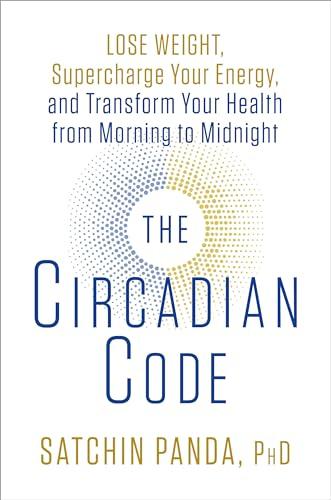
Lose Weight, Supercharge Your Energy, and Transform Your Health from Morning to Midnight
The book was repeatedly highlighted for its guidance on using circadian timing and intermittent fasting to improve metabolism, liver and brain health, and to enhance exercise outcomes. Andrew Huberman introduced it in several episodes, noting its comprehensive coverage of feeding windows, light exposure, and hormone regulation. He consistently described it as an excellent and highly recommended resource for listeners interested in optimizing sleep, energy, and weight management.
Dr. Panda has authored several important books on the topic of intermittent fasting, including this one which was described as providing information on how intermittent fasting can benefit various aspects of health.
Those books include The Circadian Code and a more recent book, the circadian diabetes code, both of which we've provided links to in the show note captions.
Dr. Huberman mentioned this book by Dr. Panda and highlighted its content about the importance of having a period of each 24-hour day in which we are not eating anything.
Such in we're referring to such in pandas where he wrote a beautiful book called The Circadian Code maybe Samar with with some luck you'll write a book as well um meaning the world would be lucky to have that book but such in data really strongly pointed the fact that liver health brain health metabolic factors and endocrine factors in various systems in organs all seem to benefit from having a period of each 24 hour day in which we are not eating anything and then eating it very regularly sometimes let's talk about eating in meal times and let's move a little bit away from the the science for the moment although we will return to it and talk a little bit more about your experience with eating in meal times so you're looking at shape lately thank you I know you've been putting work into it yeah we talk a lot and you've been exercising and you've been eating well meaning quality food you just came back from Jordan where I didn't assuming the food is amazing it's the food is amazing and honestly usually I gained a lot of weight in Jordan but this time I didn't gain any weight which was really nice so yeah you've you've when I met you you were probably about a hundred pounds heavier than you are now yeah 275 pounds I'm 219 that's crazy yeah you had a lot of vigor then and you have a lot of vigor now but I know that you undertook a very specific protocol in order to lose the weight based on your understanding of the circadian system and of light and appetite and mood maybe you could just tell us a little bit about what that schedule looks like and we realized that this is not a prescriptive for everybody but you found what worked for you yeah maybe just to describe those
I agree with such in spandas work that try to avoid eating when your system is supposed to be relaxing when you're supposed to be at non active time so you know limit your eating to the active time of your of your cycle and that seemed to be and Jo Takaash is doing some beautiful stuff on this that seems to be incredibly important for aspect of the circadian and for health and for health yeah I mean such in we're referring to such in pandas where he wrote a beautiful book called The Circadian Code maybe Samar with with some luck you'll write a book as well um meaning the world would be lucky to have that book but such in data really strongly pointed the fact that liver health brain health metabolic factors and endocrine factors in various systems in organs all seem to benefit from having a period of each 24 hour day in which we are not eating anything and then eating it very regularly sometimes let's talk about eating in meal times and let's move a little bit away from the the science for the moment although we will return to it and talk a little bit more about your experience with eating in meal times so you're looking at shape lately thank you I know you've been putting work into it yeah we talk a lot and you've been exercising and you've been eating well meaning quality food you just came back from Jordan where I didn't assuming the food is amazing it's the food is amazing and honestly usually I gained a lot of weight in Jordan but this time I didn't gain any weight which was really nice so yeah you've you've when I met you you were probably about a hundred pounds heavier than you are now yeah 275 pounds I'm 219 that's crazy yeah you had a lot of vigor then and you have a lot of vigor now but I know that you undertook a very specific protocol in order to lose the weight based on your understanding of the circadian system and of light and appetite and mood maybe you could just tell us a little bit about what that schedule looks like and we realized that this is not a prescriptive for everybody but you found what worked for you yeah maybe just to describe those
This book describes how engaging in physical exercise while fasted can amplify the effects of that exercise, not just for sake of increasing the percentage of things like body fat burned et cetera, but for cellular health, liver health and the health of other organs.
He wrote a wonderful book called The Circadian Code.
It was highly recommended by Andrew Huberman for its insights into circadian rhythms, retina neurons, and the relationship between feeding windows and health.
He has a book that's excellent called The Circadian Code that I highly recommend.
The title was repeatedly cited as a key source for understanding how loss aversion, framing effects, and the distinction between fast and slow thinking shape motivation and decision‑making. Hosts David Yeager, Asi Wind, and Peter Attia each referenced its insights when discussing prospect theory, question phrasing, and backcasting strategies. The overall tone was appreciative, treating the work as essential background for the podcast’s topics.
The book is referenced in connection with the concept of prospect theory, which suggests that the fear of a loss can be more motivating than the prospect of a gain. It's also noted that while this idea can be motivating, it shouldn't be interpreted as meaning that the prospect of a gain is unimportant.
I guess put simply take it down out of the ivory tower a little bit which is what we're doing here anyway. You can do things out of love, you can do things out of fear. You do it for both reasons too. You can do things to please yourself, you can do things to please others, you can do things to avoid others being disappointed in you, you being disappointed in yourself. Presumably it's both. But is there any, I'm dying for you to tell me that when we do things out of love, we learn faster but maybe that's not the case.
Well, I don't know. I mean, so two thoughts. One is just honoring Danny Kahneman who just passed away. His work with Amos Tversky took on a version of this question in prospect theory and it's the idea of does the fear of a loss motivate us more than the prospect of a gain?
And their argument is that both can be motivating as well as the possibility of a loss but that loss is loom larger, that people are more willing to take a risky gamble to prevent a loss than they are to get a numerically equal, like a mathematically equal gain.
The book talks about how people make decisions in a fast and slow way. Asi Wind mentioned it as a book that highlights how phrasing a question in different ways can make people prefer one choice over another, even if it's the same thing.
Daniel Conman in Amos Tversky they talk about it in their work you know they're thinking fast and slow for example which which to us is a magic book how people make decisions and he they often say if you phrase a question one way versus another way and even though the same thing is at stake it's the same equation if you phrase it this way they'll prefer that if you phrase it that way they prefer the other one it and it makes no sense because that's it about online it's like which one do you want well I think the brain runs algorithms and some of its historical and how we are raised
Dr. Attia mentioned this book in the context of backcasting, a decision-making process that involves planning backward from a desired outcome. He implied that Daniel Kahneman's book offers insights into cognitive biases and decision-making that are relevant to backcasting.
I should give a nod to Annie Duke. I used to always refer to this as reverse engineering, but in Annie Duke's book she wrote about this exact thing and called it backcasting, and I was like, I like the term backcasting better. I think it's more intuitive than reverse engineering.
Embrace Discomfort To Reclaim Your Wild, Happy, Healthy Self
The book was highlighted by Andrew Huberman as an incredible guide for voluntarily taking on hard experiences, noting its impact on his own daily life. In a conversation with author Michael Easter, they discussed applying its principles through a 30‑day Arctic trek and the importance of silence and dopamine management. Both episodes praised the work as a valuable framework for embracing discomfort.
Andrew Huberman highlighted the book as an incredible guide on navigating life and voluntarily taking on challenging experiences.
We had a guest on this podcast, Michael Easter. He wrote the book, The Comfort Crisis. It's an incredible book really about how to navigate life generally and doing really hard things voluntarily. He'd go do really hard expeditions and then come back from them with a renewed sense of gratitude.
The host said the book changed his daily life and made him realize how activities spend or invest dopamine, and the guest described using its ideas to plan a 30day Arctic adventure and to emphasize the value of silence.
One of the reasons Michael Easter is on this podcast is that his book, The Comfort Crisis, changed my daily life. The Comfort Crisis made me realize that every activity available to us, easy or challenging, destructive or constructive, can and should be viewed through the lens of whether it spends our dopamine reserves or invests them in a worthwhile way.
For The Comfort Crisis, I go and I spend 30 days in the Arctic, a little more than 30 days. ... If I want to drink anything, I got to hike down to a stream, and I got to carry the heavy water bags back up to camp. I am freezing cold the entire freaking time.
In The Comfort Crisis, I write about the value of silence, for example. We have increased the world's loudness fourfold as human beings. And yet silence is actually pretty good for us in this context of noise.
Huberman praised Michael Easter's Comfort Crisis, describing it as a compelling book about how modern comfort reduces resilience and the importance of embracing hardship.
Michael Easter's book, Comfort Crisis, is great.
The book was mentioned as a work by Michael Easter that discusses the benefits of outdoor activity and physical challenges for mental health.
Michael Easter is at a university out in Las Vegas and he got access to one of these - he wrote The Comfort Crisis about getting outdoors, getting away from things and basically carrying weight on your back and walking as a therapy of sorts.
The Simple Path to Cooking Like a Pro, Learning Anything, and Living the Good Life
The book was highlighted by both Dr. Casey Means and Dr. Andrew Huberman as a practical source of simple recipes such as sauerkraut, sourcrout, and a decent steak, and Huberman praised its forward‑thinking approach to nutrition and skill learning, noting that several of its predictions have been validated by scientific data. The hosts presented it as a valuable, go‑to resource for listeners interested in cooking and health.
This book contains a sauerkraut recipe.
Tim Ferris had a great recipe for this in the four hour chef you have to be careful because that you know that you can create some unhealthy ferment you have to do it the way he describes so check out the recipe it's online or you can buy sauerkraut.
Dr. Huberman mentioned learning how to make a decent steak and a few other simple recipes from Tim Ferriss's book, "The Four Hour Chef", which he found to be a fun and helpful resource.
Well I learned how to make a decent steak and a few other simple recipes not well from Tim Ferriss's book The Four Hour Chef because I really needed help that was a fun one.
Tim Ferriss's book, "The Four Hour Chef," was referenced in the context of vinegar being used to blunt blood glucose. It was highlighted that Ferris was early to the game regarding nutrition and skill learning, and some of his predictions regarding vinegar's effects have now been validated by scientific data.
Actually Tim Ferris I should say the great Tim Ferris because I do have great respect for the fact that he seems to be about 10 years ahead of everything in terms of nutrition and skill learning and things that sort many of the things that he predicted in his books. The four hour body and the four hour chef actually turned out to be true based on scientific data some of which only exists in the animal models but now also some predictions that played out to be true in both the animal models and the human models so I think Tim certainly deserves a hat tip for the fact that he experimented with these methods and reported his experiences with those methods and that now some of them many of them have been validated by what I perceive to be quality science.
It was mentioned as a source for a recipe on how to make your own sourcrout at home, a simple and cost-effective method to increase fermented food intake.
The best resource that I know of in order to follow a great recipe to make homemade sourcrout would be the recipe for homemade sourcrout that's contained in Tim Ferriss's book The Four Hour Chef.
Science Reveals How Meditation Changes Your Mind, Brain, and Body
Andrew Huberman repeatedly highlighted the book as a key source that clearly distinguished between state and trait changes from meditation and summarized recent scientific findings. He noted that it offered practical descriptions of various meditation lengths and emphasized its neuroscience focus, crediting the authors' expertise. The discussion conveyed strong endorsement of the book’s relevance for listeners interested in meditation and its long‑term effects.
It is a book that distinguishes between state changes and trait changes and discusses how meditation can impact both.
This is a theme that I've picked up from a terrific book that I'll refer to later, but the more that you can get into specific neural circuits quickly actually the less you need to meditate in order to drive the benefits of meditation.
It's a wonderful book where they very clearly distinguish between state changes and trait changes.
I would say that circa 2016 2017 this book really captured what I believe to be the most essential elements of the science of meditation.
A lot of the history of it as well today we're focusing on much of what's covered in this book but also a lot of things that have happened.
It's also born out in all the recent studies that have come out since that book was published consistency is key.
This book describes various meditation practices, including ones that are 17 minutes, 30 minutes, and even 60 minutes in length.
In fact, I invite you to interpret every time that you focus off that location about one inch behind your forehead as an opportunity to refocus and think about the refocusing as the trigger for teaching your neural circuits how to focus for extended periods of time.
In fact, I would prefer to call such a practice a refocus focus meditation or a constantly refocusing or maybe you all can come up with a better name for it.
So much so that in the beautiful book, Altered States they describe a number of different meditation practices.
Some a little bit longer than the one that I described, one that's 17 minutes and another one that's 30 minutes some people meditate as long as 60 minutes a day although that's quite a long time in my opinion.
The point here isn't how long you focus or somehow trying to achieve total focus for the entire 13 minute or 17 minute or 60 minute out of meditation while that would be wonderful and I think many people aspire to do that.
It was recommended for its focus on neuroscience, meditation, default mode networks, and related topics.
It's a book by Daniel Goldman and Richard Davidson.
Goldman is a well known author; he's written books on emotional intelligence and so forth.
Richard Davidson is also a PhD; he's a professor of psychology and psychiatry and he's at the University of Wisconsin-Madison; he's done a lot of work on brain states and the modulation of brain states, and so forth.
The book is called 'Altered Traits: Science Reveals How Meditation Changes Your Mind, Brain, and Body,' and no, I'm not going to try and convince you to meditate; I'm going to share with you a small passage in the book that relates some research data related to focus that are very important if you want to meditate; that's your choice; that's a separate matter.
The book discussed how meditation changes the mind, brain, and body, and was highlighted for its discussion of how certain meditation types can access slow-wave sleep-like brain states.
it's really kind of interesting it's not focused on growth hormone but the book is called Altered Traits this is the book it's an excellent book Altered Traits by goleman and davidson science reveals how meditation changes your mind brain and body very interesting book for those of you they're interested in meditation and perhaps those of you who are not but are considering it they what they talk about in this book is the fact that meditation has two separate lines of effects one of those lines of effects are things that change your state so your stress you sit down you meditate and you relax and you go into a particular state the other are the changes that occur over time those are changes in trait so personality can actually change with long bouts of of TM meditation or repeated meditation in any case the reason we're talking about Altered Traits today is because certain types of meditation can get people's brains into states that very closely mimic slow wave sleep
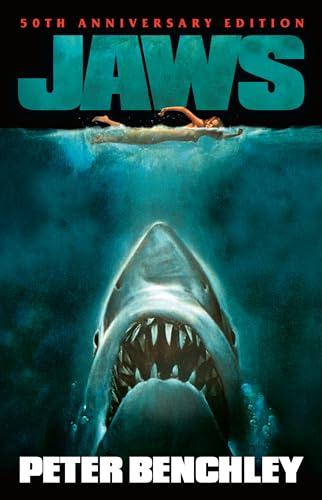
A Novel
Andrew Huberman referenced the book in several episodes as a key source on the importance of nasal breathing and its impact on infection risk, noting its authorship by Stanford researchers and a forward by prominent scientists. He described it as a valuable resource for understanding how mouth breathing can increase susceptibility to viral and bacterial illnesses.
The book "Jaws" was mentioned in the context of nasal breathing and how it is discussed in relation to the importance of nasal breathing and the negative effects of mouth breathing on children and adults, and how it could lead to increased levels of viral infections, specifically, bacterial infections, and viral infections, and the incredible benefits of consciously remembering to breathe through the nose, as opposed to the mouth.
I'll provide a link to another reference, which is the book Jaws by my colleagues at Stanford, which talks about nasal breathing and the importance of nasal breathing, but also the degree to which children and adults open themselves up to increased levels of viral infections, as well as bacterial infections, but viral infections in particular when they rely on mouth breathing.
It was mentioned in passing, in relation to nasal breathing and its importance for health, due to the microbiome acting as a filter for germs.
It was actually a book written by Paul Erlich and Sandra Con at Stanford with a forward by Jared Diamond and Robert Sapolsky the book Jaws so these are some heavy hitters.
It was mentioned as a book that discusses the increased risk of infection when breathing through the mouth instead of the nose, highlighting the importance of nasal breathing.
There's a terrific book called Jaws, a hidden epidemic which is written by my colleague Sandra Conn and Paul Erlich at Stanford and Stanford Medicine with a forward by Jared Diamond and Robert Sapolsky.
It was mentioned in conjunction with Breath, and was described as a book that explores the benefits of nasal breathing, and features a forward by Stanford-affiliated researchers.
There's a plethora of information out there now because of James Nester's book breath the new science of a law start which came out this last year excellent book as well as Jaws which is from Sandra con Paul Erlich with a forward by Jared Diamond and Robert Sapolsky
Making Sense of Life's Scarcest Commodity
Andrew Huberman highlighted the book in two episodes, noting that it examined how our perception of time can expand or contract depending on focus and environment. He described it as a wonderful, though audio‑unavailable, resource that delves into the science of space‑time perception, even referencing examples like a Hitchcock film. The discussion presented the title as a highly recommended read for listeners interested in the psychology of time.
It was mentioned in relation to the concept of space-time bridging and how our perception of time changes based on our focus and environment, with the example of a Hitchcock movie discussed in the book.
if you are interested in this in more detail there's a wonderful book called The Secret Pulse of Time
He mentioned a wonderful book not available in audio form that explores how perception of time expands and contracts.
There's a wonderful book that's not available in audio form called The Secret Pulse of Time that gets into how this expansion and contraction works.
Huberman referred to it as a wonderful book that discusses how perception of time changes as people approach the end of life.
There's a wonderful book, The Secret Pulse of Time that talks about this somewhat.
The host highlighted another intriguing book, noting it had no audio version and was about time perception.
There's a wonderful book in addition to yours. It turns out there's another great book out there. How dare someone? No audio version, but it's called The Secret Pulse of Time.
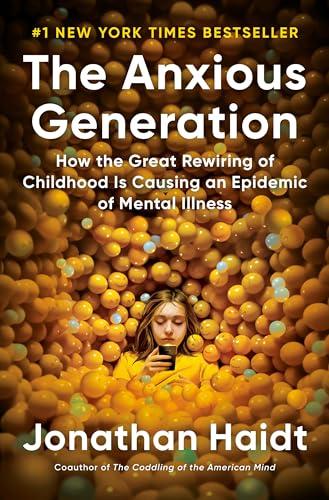
How the Great Rewiring of Childhood Is Causing an Epidemic of Mental Illness
Huberman highlighted the book while discussing concerns about young people's reliance on digital communication, noting that its authors urged kids to put away phones and engage more in real‑world interactions. In a later episode featuring Dr. Haidt, the book was described as an incredibly important work that examined how technology and culture reshape mental health and offered clear solutions to the crisis. The overall tone was strongly supportive, emphasizing its relevance and practical guidance.
It was an incredibly important book that discussed the impact of technology and culture on the psychology and health of kids, teens, and adults. It provided several solutions to the mental health crisis.
The Anxious Generation, incredibly important book.
And today we talk mainly about The Anxious Generation. However, it is not a purely pessimistic conversation. Indeed, Dr. Haidt offers several clear solutions to the mental health crisis that now exists and that we have all created through the use of smartphones, in particular in kids entering and transitioning through puberty.
We'll provide links to the books and to these other resources in the show note captions.
To learn more about and or to support Dr. Haidt's work and to find a link to his important new book, The Anxious Generation, How the Great Rewiring of Childhood is Causing an Epidemic of Mental Illness, please see the links in the show note captions.
Huberman referred to Haidt's The Anxious Generation while discussing concerns about young people's reliance on digital communication.
Jonathan Haidt and the author of The Anxious Generation have been encouraging young kids to put away their phones and get out and interact more.
The host said he had just read the book, noting its relevance to the discussion on generational impacts of social media and anxiety.
I have just read this book, The Anxious Generation.
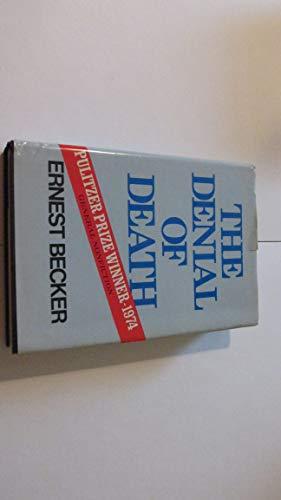
Andrew Huberman highlighted the book in two episodes, noting that it offered valuable insight into how people cope with the inevitability of death and humanity's awareness of mortality. He described it as a challenging, Pulitzer‑winning work that he was reading himself and strongly recommended to listeners. The discussion emphasized its depth and relevance for understanding grief and personal growth.
Huberman suggested reading the book to learn about how people cope with the inevitability of death.
If you read, uh, The Denial of Death, you learn about this.
Andrew Huberman said he was reading the hard, Pulitzerwinning book and strongly recommended it for its insight into humanity's awareness of mortality.
I happen to be reading - it's a hard book, a genuinely difficult book, but I'm really enjoying it. I'm reading Ernst Becker's The Denial of Death. I highly recommend it to everyone. One a Pulitzer, after all.
They cited The Denial of Death as a 1972 book that discusses humanity's awareness of mortality and its cultural implications.
In 1972, Ernest Becker wrote a book, which you'll know all about the book based on the title, called The Denial of Death. He won the Pillaritzer Prize for it.
Master Your Mind and Defy the Odds
The hosts referenced the memoir while discussing the value of tackling difficult challenges to strengthen mental resilience, noting the author's background and experiences. In a later episode, the author himself described his harsh upbringing and the mindset that the book illustrates, reinforcing its relevance to the show's focus on inner strength. The overall tone was supportive but not a formal endorsement.
David Goggins describes his incredibly challenging childhood and young adulthood, including abuse at home and school, and his journey to overcome those hardships and achieve success.
He put this lab rat which is me on this planet.
So to do that friction, you don't wake up in the morning time and go to the coffee maker. In fact, sometimes I even sleep.
And if people can learn to focus, this was possible while it may not be pretty like people want to do a documentary on me.
I go no, I want you to do a documentary on me because I will have normal everyday people picking me apart on his life is miserable. Who wants to live like that? He looks it's crazy how he someone's like he's sick. He's psychotic.
Yeah, all these things for me like I told you, I'm going to keep it real. I'm not coming here to talk about like you know, perform without purpose.
Huberman referenced the memoir Can't Hurt Me by David Goggins while discussing the value of doing hard things to build mental resilience.
I don't know if you're familiar with David Goggins, author of Can't Hurt Me.
The host recalled having David Goggins on the show and noted that Goggins is the author of Can't Hurt Me, a memoir about his extreme endurance feats and mental toughness.
We had David Goggins on this podcast, David, author of Can't Hurt Me, and famed for doing hard things all day long. He told a story about running 16 miles to the airport and how he literally ran to the airport with his luggage.
Galen in the Roman Empire
Andrew Huberman repeatedly highlighted the book across three episodes, describing it as a thorough, dense history of medicine that begins with Galen and explores why modern practice is often confusing. He suggested it was especially relevant for listeners interested in the origins of medical thought and even insomnia, noting its detailed and extensive nature. The overall tone was enthusiastic, positioning the title as a valuable, though challenging, resource for anyone curious about medical history.
The Prince of Medicine is a book about the origins of medicine, and it was discussed in the context of the importance of giving space between a stimulus and a reaction.
I've been reading a wonderful book called The Prince of Medicine, good dates back to the origins of medicine, very dense book people were talking about this stuff and thinking about this stuff for thousands of years
Huberman mentioned a wonderful book titled "The Prince of Medicine," describing it as a history of medicine that begins with Galen.
There's a wonderful book, The Prince of Medicine. There's a history of medicine, Galen.
Langer mentioned this book as a detailed and extensive work on the history and challenges of medicine.
There's a wonderful book that if anyone is suffering from insomnia, they should check out because it's extremely detailed and difficult to listen to or read. But it's called The Prince of Medicine, which basically details all the reasons why we are so confused about how medicine is done and should be done.
Break Through the Blocks and Win Your Inner Creative Battles
Andrew Huberman highlighted the book in two episodes, first noting its emphasis on using discomfort to boost creative discipline and identity‑based habits. He later shared that he had read the title years earlier, loved it, and said it transformed how he approached his science, the podcast, and many aspects of life, positioning it as a highly influential work. The overall tone was strongly endorsing.
Andrew said he had read the book years earlier, loved it, and said it transformed the way he approached his science and the podcast. He also noted that the book is frequently referenced as his most influential work.
I read Steven's book, The War of Art, some years ago, and I loved it. It transformed the way that I did my science, how I approached the podcast, and many, many other aspects of life.
First, War of Art. Then I started through the library.
It's either The War of Art or Gates of Fire.
It's in The War of Art, actually. I wrote this out in The War of Art.
including the now iconic War of Art and also the book Do the Work
The book was mentioned while discussing the importance of uncomfortable work environments and creative discipline, noting that Pressfield advocated for using discomfort to fuel productivity. It was cited as a source of insight on identitybased habits.
Steven Pressfield, author of The War of Art, sat in the exact chair you're sitting in right now. And he said, oh no, you want kind of an uncomfortable chair. So it's like kind of painful. Now he's a former Marine and wrote a book called The War of Art After All.
Note: The book recommendations on this page are discovered automatically from podcast transcripts, and may be incorrect or incomplete.
Podcast Name