The Body Keeps the Score
Bessel van der Kolk M.D.
Mentioned 3 weeks ago
Movement Practice to Strengthen Your Mind-Body Connection | Ido Portal
The Huberman Lab podcast is hosted by Andrew Huberman, Ph.D., a neuroscientist and tenured professor in the department of neurobiology, and by courtesy, psychiatry and behavioral sciences at Stanford School of Medicine. The podcast discusses neuroscience and science-based tools, including how our br...
Recently mentioned
Bessel van der Kolk M.D.
Mentioned 3 weeks ago
Movement Practice to Strengthen Your Mind-Body Connection | Ido Portal
Andrew D. Huberman Ph.D.
Mentioned 1 month ago
The Mental Frame & Specific Daily Actions to Succeed | Andy Stumpf
Stefan Klein
Mentioned 1 month ago
The Mental Frame & Specific Daily Actions to Succeed | Andy Stumpf
Morgan Housel
Mentioned 1 month ago
The Mental Frame & Specific Daily Actions to Succeed | Andy Stumpf
Andy Stumpf
Mentioned 1 month ago
The Mental Frame & Specific Daily Actions to Succeed | Andy Stumpf
Dr Marie-Pierre St-Onge
Mentioned 1 month ago
Eating for Better Sleep & Foods that Improve Metabolic Health | Dr. Marie-Pierre St-Onge
David Goggins
Mentioned 2 months ago
Master Self Control & Overcome Procrastination | Dr. Kentaro Fujita
Dr. James DiNicolantonio
Mentioned 3 months ago
Essentials: Using Salt to Optimize Mental & Physical Performance
Richard J. Davidson PhD
Mentioned 4 months ago
Science-Based Meditation Tools to Improve Your Brain & Health | Dr. Richard Davidson
Daniel Goleman
Mentioned 4 months ago
Science-Based Meditation Tools to Improve Your Brain & Health | Dr. Richard Davidson
Michael J. Sandel
Mentioned 4 months ago
Avoiding, Treating & Curing Cancer With the Immune System | Dr. Alex Marson
Anna Lembke MD
Mentioned 4 months ago
Unlearn Negative Thoughts & Behaviors Patterns | Dr. Alok Kanojia
It was discussed that the book focuses on human individuality, particularly in the way senses function and how we perceive the world differently.
The book unique is one that will provide a link to in the show no captions and it's a very interesting idea that we are all different especially coming from a neuroscientist who were trained at least...
— Episode: Dr. David Linden: Life, Death & the Neur...
It was discussed that the book focuses on human individuality, particularly in the way senses function and how we perceive the world differently.
The book unique is one that will provide a link to in the show no captions and it's a very interesting idea that we are all different especially coming from a neuroscientist who were trained at least similarly to learn that sure the bumps and ripples of the brain in the fine wiring of the brain is different and we are all unique and different that we have different shapes a game or apologies but focusing on human individuality is not something that modern neuroscience or classic neuroscience.
it's something that that requires a lot of attention and to me what's really fascinating is that when you look at the variation in the way sense organs function.
Almost a miracle that we can agree on a common reality at all even within the human species and this is true of more of of of some senses more than others obviously in your world in the retina we have various kinds of loss of color vision that are well known and some other more complicated phenomena having to do with impairments in the perception of motion or form.
But the place where this really happens is in the old factory system so we have approximately 400 functional receptors for different odor and molecule smells in our nose and if you sequence the genomes of many people you find that the DNA that encodes for these odorant receptors is.
Unusually variable from individual to individual as matter of fact if you take two different people on average they will have functional differences in 30% of their odor receptors and if you do as let's leave us all in her colleagues did at Rockefeller University and give.
How the Mind Creates Language
This pop science book was about our ability to comprehend and produce language. It was a turning point for the speaker, making them realize how sophisticated and complex our cognitive machinery is, and sparking their interest in cognition.
I started you know producing the bookshelf and then I came across this pop science book called The Language Instinct by Stephen Pinker
— Episode: Dr. Maya Shankar: How to Shape Your Iden...
This pop science book was about our ability to comprehend and produce language. It was a turning point for the speaker, making them realize how sophisticated and complex our cognitive machinery is, and sparking their interest in cognition.
I started you know producing the bookshelf and then I came across this pop science book called The Language Instinct by Stephen Pinker
That was a turning point for me. I mean I was I was headed to college maybe later that year
I opened up this book and it detailed our marvelous ability to comprehend and produce language
And up until this point in my life I had completely taken language abilities for granted just like something that I did and they're just like kind of learned it along the way and
When Pinker pulled the curtain back and revealed how sophisticated and complex the cognitive machinery is that's operating the behind the scenes that gives rise to language my mind was truly blown. I was like wow I never thought about it. It's not like me with three year olds
This book of poetry by various Black poets inspired Dwayne Betts, who was incarcerated at the time, to see a place for himself in the world outside of prison. It helped him find a new identity as a writer and ultimately led him to a successful career as a scholar and poet.
He actually talks about the fact that you know there was this underground library in the prison system and he didn't know what he could be in the prison what identity he could take on when everyone se...
— Episode: Dr. Maya Shankar: How to Shape Your Iden...
This book of poetry by various Black poets inspired Dwayne Betts, who was incarcerated at the time, to see a place for himself in the world outside of prison. It helped him find a new identity as a writer and ultimately led him to a successful career as a scholar and poet.
He actually talks about the fact that you know there was this underground library in the prison system and he didn't know what he could be in the prison what identity he could take on when everyone seemed to be defined by what crime they'd committed right it felt like his imagination was so limited to talk about identity paralysis right I mean like you're denied all your basic freedoms in this environment right so you really don't even have the ability to imagine what more you could be so one day he gets a book called The Black Poets and in the book he read a poem by etharid's night who had also spent time in prison
It's written this incredibly stirring poem about the criminal justice system and he goes by Dwayne but what Dwayne shared with me as he said I was inspired by what I was reading but the most important thing that happened in reading that book and understanding the author's history is that it gave me something to be I saw a place for myself in this world

This book was written by Alexander Schulgen, describing his discovery of MDMA, and it is available in audio and printed form.
For a long period of time, both before and after MDMA became illegal. There's a wonderful book called Peacall that stands for PIKHAL.
— Episode: The Science of MDMA & Its Therapeutic Us...
This book was written by Alexander Schulgen, describing his discovery of MDMA, and it is available in audio and printed form.
For a long period of time, both before and after MDMA became illegal. There's a wonderful book called Peacall that stands for PIKHAL.
Peacall is the title of the book which Schulgen wrote, which describes his discovery of MDMA. I confess it also describes the synthesis of MDMA and for that reason was a book that for a long time was not available but is now available again in audible form and in printed form.
Peacall stands for phenolethylamines I have known and loved. Phenolethylamines is the category of drug for which MDMA belongs to.
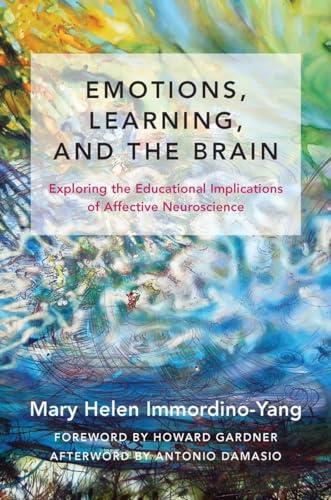
Exploring the Educational Implications of Affective Neuroscience (The Norton Series on the Social Neuroscience of Education)
This book was described as incredibly informative and designed for the general public. It was said to include many practical tools as well.
Dr. Immordino Yang authored an incredible book called Emotions Learning and the Brain.
— Episode: Dr. Immordino-Yang: How Emotions & Socia...
This book was described as incredibly informative and designed for the general public. It was said to include many practical tools as well.
Dr. Immordino Yang authored an incredible book called Emotions Learning and the Brain.
It's a book designed for the general public.
It's incredibly informative and has a lot of practical tools as well.
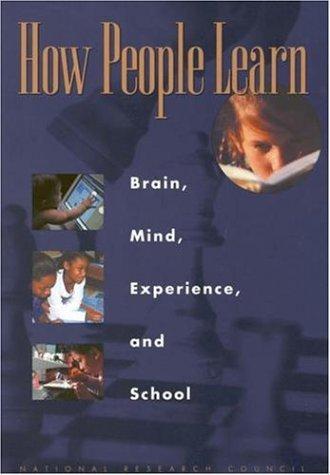
Brain, Mind, Experience, and School by Cognitive, and Sensory Sciences Board on Behavioral (1999-04-27)
This book was published by the National Academy of Sciences, Engineering, and Medicine. It was cited as an example of a widely-read textbook on learning and motivation.
It was published in the National Academy of Science, Engineering, and Maths book, How People Learn, Volume 2.
— Episode: Dr. Immordino-Yang: How Emotions & Socia...
This book was published by the National Academy of Sciences, Engineering, and Medicine. It was cited as an example of a widely-read textbook on learning and motivation.
It was published in the National Academy of Science, Engineering, and Maths book, How People Learn, Volume 2.
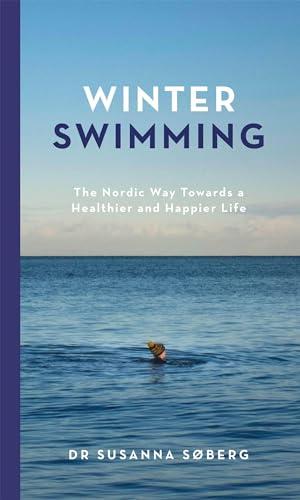
The Nordic Way Towards a Healthier and Happier Life
The book Winter Swimming is described as terrific because it explains cold acclimation, the cold shock response, the dangers and safeties of cold water, and the impact of cold and heat on human health, all in an easy-to-read and accessible format.
In fact she is the author of a recent book entitled Winter Swimming which is I have to say a terrific book because it breaks down chapter by chapter the different aspects of deliberat...
— Episode: Dr. Susanna Søberg: How to Use Cold & He...
The book Winter Swimming is described as terrific because it explains cold acclimation, the cold shock response, the dangers and safeties of cold water, and the impact of cold and heat on human health, all in an easy-to-read and accessible format.
In fact she is the author of a recent book entitled Winter Swimming which is I have to say a terrific book because it breaks down chapter by chapter the different aspects of deliberate heat and deliberate cold into its various constituent parts including cold acclimation, the cold shock response, dangers and safeties of cold water.
The impact of cold and the impact of heat on various aspects of human health as well as specifics relating to sauna versus ice versus cold swimming showers etc. It's a very thorough read and a very easy and accessible read that if you are interested in deliberate cold or deliberate heat exposure or both will allow you to embrace those protocols with the greatest degree of confidence that you're going to obtain the specific endpoints that you're interested in and to do so safely.
I also measured the temperature every time they went so I have this graph and it's actually in Winter Swimming book it shows the temperature and then mark going like from October to April and it's like it starts at 12 degrees uh I think it's around 12 degrees it sells you the water and then it goes down to two degrees in on average in January and then up again um so it's within the spectrum of very cold water I would say from around 15-15 degrees Celsius and down but it was actually not colder than like two to four degrees in on average when it was the coldest so it doesn't have to be that cold to be good enough and enough to activate our metabolism
And I had it in my book because people want to know if they have to swim with their bathing suit on or if they can take it off or what's the what's the difference is there any difference in this and if you ask me there is no difference oh if you have your little skinny be skinny on it's not going to do any difference to your cold exposure or your adaptation it's not going to do any difference for your benefits of course but I think that it has something else it has something to do with how you also observe yourself how your surroundings and it's some some sense of freedom in skinny dipping so I think people in Denmark who does this is they do the Winter Swimming because they feel free when they do they come home from work they go to this club and they skinny dip and they feel like in touch with nature and they have maybe done this their whole life so this is an old tradition in Denmark in some of the clubs um but the newer clubs that are coming they don't they don't the skinny dip so everyone has bathing suit I never skinny dip because there are people around people with phones and taking pictures all the time so this is different different nowadays everything is recorded yeah and also this this old tradition is also fading away because of that yeah I um I used sauna and cold at home but when I travel there there's a banya so russian banya has hot sauna and cold plunge there's one in san francisco called arcanadie's banya and that one is clothing optional so some people are clothes such as myself and then other people are not and it's co-ed most of the time I think they have male female separated evenings or something like that and then um the other banya's spa 88 which is on wall street in new york is an amazing banya as well and these are starting to crop up in different cities or maybe they've been there for a long time and as deliberate cold exposure in sauna gets more popular more people are using them the the one in new york that I that spa 88 is always clothed um and it's interesting because you know people here naked or skinny dipping and they they might get certain ideas in mind it yeah all these places are very well lit and they all have a tone of kind of of health that is about the kind of health and and wellness I guess the point being that there's no requirement to do one thing or the other although in the studies that you did obviously people were clothes but I I did I did pay attention to those pages in your book I thought it was interesting that you put some some dedicated passages in your book related to this and I think my publisher wanted that yeah yeah it was not me it was like my publisher really wanted to have a little discussion about that so it was like okay well I think it you know it points to a larger theme which is I think for a lot of people who already do these practices um there's no shock there um for people that do not do deliberate cold exposure or sauna I think that um you know there is this idea perhaps that oh you know these are um traditions that are are kind of fringe or that they're cut and I just I want to cue that point because there's so many things that are happening right now in biomedical research and medicine you know serious quality peer reviewed studies published in excellent journals like your paper on things like deliberate cold exposure sauna um the use of particular supplements natural natural herbs and supplements I mean there's an entire branch of the national institutes of health in the united states dedicated just to the study of supplements and behavioral interventions for health like meditation and breath work really incredible really incredible and psychedelics of course being something that for a long time was part of a certain community and feel and now is being um frankly adopted by mainstream medicine even pharma so the times are changing um and so uh yes I think it's important to know that um it's perfectly acceptable and encouraged to work clothing absolutely yeah yeah and one other thing that uh I wanted to to mention going back to your questions around with there were any observations in the studies which we really maybe haven't discussed yet and maybe it's in in the back of the the paper I'm not mentioned that much was one of the winter swimmers didn't have any brown fat when we measured him zero zero and uh in we do see this um in in in previous studies as well that some humans don't have any brown fat was he did he carry a lot of white fat out of post tissue was he was he obese no he wasn't no he was not obese because that he would not have been in the study then oh right yes you mentioned this earlier forgive me uh no no fine but he was um but what I did observe before I knew that he didn't have any brown fat was that during the cooling experiment where I cooled them for uh two hours before they go into the pet city scanner uh he was not able to control his uh shivering like the winter swimmers uh could so he got he got very uh cold very easily uh compared to the others so and without I didn't know what was different about him but we could all all or me and the three others were working on the experiment we were like okay what's going on because we turned down the temperature but he started like shivering and then we had to turn it off again and it was just all over the place the temperature is no it wasn't that controlled like the others it was pretty similar protocol I could just do pretty much the same because they were same size and they also same gender so it it was easier uh to like foresee what was going to happen and when will they start shivering I quickly learned that but with this subject it was just with this volunteer was just very much different and then when we scanned him and didn't find any brown fat I I I didn't even think about it so when we scanned him it didn't see anything I told the pet city people who like oh you put up the wrong uh scanning right like the technology yeah the technology was like this scanning looked like the thermonutral day the thermocomfortable day where we also scanned them to see if they have any brown fat so you have made a mistake I was pretty sure and they reanalyzed this scanning and they just concluded well the scanning was fine the experiment went well it was just that he didn't have any brown fat so he was like what we just in the paper called a brown fat negative so he didn't have any and in my studies he would be called a knockout so he didn't have any brown fat so what the observation with him and I think that would be that's interesting is that he both shivered very early on and didn't regulate his temperature as well he also told me that then he was like a five on the scale of how comfortable he felt with the cold and so it was from one to ten and five being thermocomfortable and ten being very cold and and one very hot so on this like scale up and up and down and he he was like more up and down on this scale than any of the others it was an observation that I did but we did see in his blood samples also that his blood samples looked a bit more like the control group um also his insulin levels were like the control groups are a little bit higher than the other winter swimmers and he also had um uh uh his blog glucose clearance was not as as fast as um as the the the other winter swimmers so he was like an outlier what we call it and in the analysis we also had to take him out of the analysis because he was an outlier so the results showing that the brown fat is more efficiently activated in the winter swimmers is without him having him in that group but it didn't ruin the study if we tried to put him in as well and didn't it didn't ruin the results or anything but just to to keep it more clear we put we took him out of the analysis yeah so he was a mutant anaka yeah and I'm sure they're out there um very interesting so if you shiver early um then perhaps you have less brown fat to begin with although it's hard to conclude from one person that's sort of the the implication there all you have an adaptive to the code so you should build that up yeah right so in addition to looking at regulation of blood sugar brown fat metabolism and so on were there any markers that you examined in the deliberate cold exposure group as compared to controls um that reveal to that deliberate cold exposure could have additional benefits um say for uh immune system function or for any function for that matter yeah so for um we looked at inflammation of course we measure the outcome of blood pressure and so on but we also measured the IL-6 in the study just to see also an inflammatory anti inflammatory marker so IL-6 went up and it also follows with IL-10 so that is like also very known in the literature so we measured that and I think it's very important to think about the cold exposure and the heat exposure as something that then lowers the inflammation in the body and what if we can do that we will have an open door for um a preventing lifestyle disease right so for um type 2 diabetes but actually also for some mental uh diseases as well so as known as depression and anxiety and also Alzheimer's disease which are all associated in uh research also newer research showing that uh that inflammation increases the risk of depression and anxiety and Alzheimer's if it neurological diseases so if we can decrease inflammation in the body we will decrease uh modern lifestyle diseases but also these increasing mental diseases that we see in these modern lifestyle times um so I think that it's I think it's very interesting that we can go out in nature and we can use these natural stressors and it don't want to have it sound very romantic or anything it's just it's just exposure to temperature actually just to cold or to heat that is going to trick our body into a natural state again and reset it where the the homoestasis the balance has lost a bit so the body is going to repair itself in that way and I think it's beautiful that we can do that just by changing the temperature of our body and although people are very scared of doing this because in our times we have been away from cold away from heat temperature uh for some for decades now um since we isolated our houses better and uh we are more sedentary we also sit more indoor we don't move as much so this very modern sedentary lifestyle has made us more temperature, comfortable just neutral so no no wonder I mean that obesity is increasing we don't expose ourselves to the natural stresses that we did earlier on um in in our involvement but also up until maybe the 70s the 60s where we started having more like a comfortable lifestyles right and obesity increases in the in the 80s we can see that from statistics so I think that if we can take in cold and heat and you mentioned other things also before but of course exercise is very important here and also a bit of fasting actually because it all increases the hermetic stress in the body so it's doesn't have to be uh other than natural stresses to the body which then could keep us in that natural balance again.
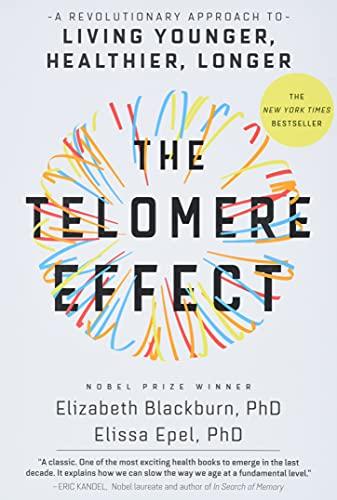
A Revolutionary Approach to Living Younger, Healthier, Longer
Dr. Eppel's work on stress and its effects on the body was mentioned, specifically relating to telomeres and aging, as discussed in one of her books, 'The Telomere Effect'.
To learn more about the work from Dr. Eppel's laboratory, as well as to learn more about her books entitled The Telemere Effect and now more recently the stress prescription you can find links to thos...
— Episode: Dr. Elissa Epel: Control Stress for Heal...
Dr. Eppel's work on stress and its effects on the body was mentioned, specifically relating to telomeres and aging, as discussed in one of her books, 'The Telomere Effect'.
To learn more about the work from Dr. Eppel's laboratory, as well as to learn more about her books entitled The Telemere Effect and now more recently the stress prescription you can find links to those in the show note captions.
Seven Days to More Joy and Ease (The Seven Days Series Book 3)
The book was discussed at length, featuring a variety of tools and techniques for managing stress, including meditation, breathwork, and reframing negative thoughts, ultimately aiming to reduce stress and improve various aspects of health.
and take any survey even pre pandemic and people feel the majority of people feel an overwhelming amount of stress so even this past year 46% of adults report feeling overwhelmed by stress
— Episode: Dr. Elissa Epel: Control Stress for Heal...
The book was discussed at length, featuring a variety of tools and techniques for managing stress, including meditation, breathwork, and reframing negative thoughts, ultimately aiming to reduce stress and improve various aspects of health.
and take any survey even pre pandemic and people feel the majority of people feel an overwhelming amount of stress so even this past year 46% of adults report feeling overwhelmed by stress
and so that's a really important strategy for people who feel like their life is going to be stressful forever because of X or Y
So they're blind and gazelle are both high blood pressure, high stress and the lions chasing the gazelle.
So they're blind and gazelle are both high blood pressure, high stress and the lions chasing the gazelle. The gazelle is having this total threat vasoconstriction response because she might die. Lion might get dinner right so it's needing to mount the stress response because it's so excited to get the tasty dinner for the next few days.
And so the lion is having that challenge response. And so we can remind ourselves be the lion. It's not that we're always lion or gazelle. We get to shape that.

Schrdinger, a renowned physicist, discussed the heritable material and evolution in this book, which is credited with inspiring many physicists to delve into molecular biology. He argued that Lamarckian inheritance (inheritance of acquired traits) is not tenable, meaning it doesn't happen.
He said unfortunately Lamarck is a more inheritance of a quadrate is untenable. It doesn't happen.
— Episode: Dr. Oded Rechavi: Genes & the Inheritanc...
Schrdinger, a renowned physicist, discussed the heritable material and evolution in this book, which is credited with inspiring many physicists to delve into molecular biology. He argued that Lamarckian inheritance (inheritance of acquired traits) is not tenable, meaning it doesn't happen.
He said unfortunately Lamarck is a more inheritance of a quadrate is untenable. It doesn't happen.
He writes this is very very sad or unfortunate because unlike Darwinism or natural selection which is gloomy doesn't matter what you do the next generation will be born based on the instruction in the sperm and the egg it doesn't met you can't influence it of course you can give your kids money and education but you can't biologically influence it
This book by Koestler recounts the story of Paul Kammerer, a scientist who claimed to have experimentally proven inheritance of acquired traits. Kammerer conducted research on midwife toads, claiming they developed new traits when forced to live underwater. The book details the controversy surrounding Kammerer's work, including the discovery of injected ink to fake results, leading to Kammerer's suicide.
So in the beginning of the 20th century in Vienna there was a researcher called Paul Camere was a very famous and also very colorful figure who did experiments on many different types of animals he di...
— Episode: Dr. Oded Rechavi: Genes & the Inheritanc...
This book by Koestler recounts the story of Paul Kammerer, a scientist who claimed to have experimentally proven inheritance of acquired traits. Kammerer conducted research on midwife toads, claiming they developed new traits when forced to live underwater. The book details the controversy surrounding Kammerer's work, including the discovery of injected ink to fake results, leading to Kammerer's suicide.
So in the beginning of the 20th century in Vienna there was a researcher called Paul Camere was a very famous and also very colorful figure who did experiments on many different types of animals he did experiments on toads that are called the midwife's toad because the male carries the DX.
And this is a very colorful book about it from Kessler telling the story of what happened and he there are a couple of types of of toads some of them live under water and some of them live on land and these toads are different in the shape and in the behavior.
So of course the capacity to live under water is one thing but also the morphology and appearance changes the toads live underwater develop these new pital pads is black pads on their hands that allow the males to grab onto the female without slipping for mating for mating.
And the ones on land don't have them he claimed that he can take the toads and train them to live underwater changing the temperature and all kinds of things is very difficult animal to work with eventually according to camera they will acquire the capacity to live underwater and also change the physiology and develop these new black new pital pads on their heads.
With this discovery he traveled the world became very famous and this was just the beginning of the previous century as the person who found the proof for inheritance for carat rates despite the controversy and so on and they are in the beginning of the realization of how it actually works with DNA and so on not with DNA but with natural selection DNA came later.
The Acclaimed Guide to Stress, Stress-Related Diseases, and Coping (Third Edition)
This book, written by Robert Sapolsky, was mentioned in connection with the topic of cortisol and its relationship to stress and depression. Sapolsky is known for his research on stress, and his book explores the relationship between stress and various health issues.
This is work by my colleague David Spiegel at Stanford Psychiatry and the great Bob Sapolsky, Robert Sapolsky of a waisie was don't get ulcers and behave etc. and fame lots of popular books there.
— Episode: GUEST SERIES | Dr. Andy Galpin: Maximize...
This book, written by Robert Sapolsky, was mentioned in connection with the topic of cortisol and its relationship to stress and depression. Sapolsky is known for his research on stress, and his book explores the relationship between stress and various health issues.
This is work by my colleague David Spiegel at Stanford Psychiatry and the great Bob Sapolsky, Robert Sapolsky of a waisie was don't get ulcers and behave etc. and fame lots of popular books there.
Dr. Gottfried mentioned this book in conjunction with "The Hormone Cure", both of which she has authored. They are about nutrition, hormones, and supplementation for women.
The two books that I'd like to highlight and that we provided links to in the show note captions are women, food and hormones and the hormone cure.
— Episode: Dr. Sara Gottfried: How to Optimize Fema...
Dr. Gottfried mentioned this book in conjunction with "The Hormone Cure", both of which she has authored. They are about nutrition, hormones, and supplementation for women.
The two books that I'd like to highlight and that we provided links to in the show note captions are women, food and hormones and the hormone cure.
I read the hormone cure and found it to be tremendously interesting and informative not just in terms of teaching me about female hormone health and various treatments for female hormone health but also as a man trying to understand how the endocrine system interacts with mindset, nutrition and supplementation more generally.
So I highly recommend the hormone cure for anybody interested in hormones and hormone health and women food and hormones in particular for women, although again in both books are going to be strongly informative for women wishing to optimize their hormone health vitality and longevity.
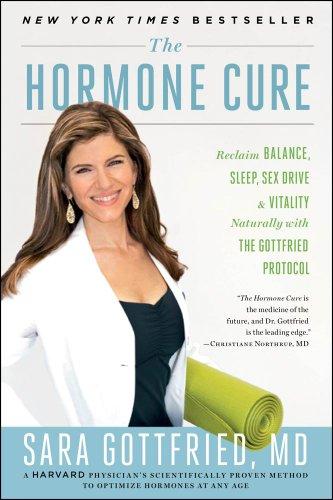
Reclaim Balance, Sleep, Sex Drive and Vitality Naturally with the Gottfried Protocol
Dr. Huberman read this book and found it extremely interesting and informative. He particularly appreciated the information about how the endocrine system interacts with mindset, nutrition, and supplementation.
The two books that I'd like to highlight and that we provided links to in the show note captions are women, food and hormones and The Hormone Cure.
— Episode: Dr. Sara Gottfried: How to Optimize Fema...
Dr. Huberman read this book and found it extremely interesting and informative. He particularly appreciated the information about how the endocrine system interacts with mindset, nutrition, and supplementation.
The two books that I'd like to highlight and that we provided links to in the show note captions are women, food and hormones and The Hormone Cure.
I read The Hormone Cure and found it to be tremendously interesting and informative not just in terms of teaching me about female hormone health and various treatments for female hormone health but also as a man trying to understand how the endocrine system interacts with mindset, nutrition and supplementation more generally.
So I highly recommend The Hormone Cure for anybody interested in hormones and hormone health and women food and hormones in particular for women, although again in both books are going to be strongly informative for women wishing to optimize their hormone health vitality and longevity.

The idea of narrative training as a way to enhance creativity can be traced back to Aristotle's Poetics, which was written in 335 BCE.
Narrative theory was actually birthed in 335 BCE in his writing called Poetics, which I think is incredible at least to me that people long before us were thinking about creativity and what goes into...
— Episode: The Science of Creativity & How to Enhan...
The idea of narrative training as a way to enhance creativity can be traced back to Aristotle's Poetics, which was written in 335 BCE.
Narrative theory was actually birthed in 335 BCE in his writing called Poetics, which I think is incredible at least to me that people long before us were thinking about creativity and what goes into creativity.
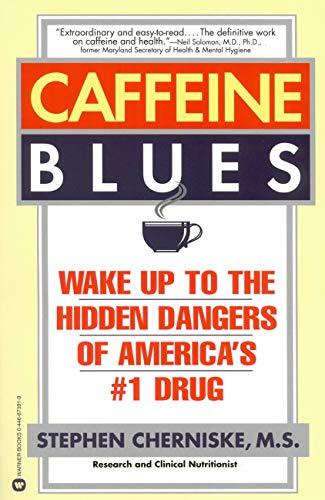
Wake Up to the Hidden Dangers of America's #1 Drug
The book by Michael Paulin delves into the world of caffeine, and explores the author's experience of abstaining from it for months. He found that even after a long period of abstinence, he still craved the effects of caffeine, highlighting how caffeine can impact our normal functioning without us realizing it.
It describes his experience with the decision to completely abstain from caffeine for a period of months although I confess that after hearing that book what it basically made me want to do is never q...
— Episode: Using Caffeine to Optimize Mental & Phys...
The book by Michael Paulin delves into the world of caffeine, and explores the author's experience of abstaining from it for months. He found that even after a long period of abstinence, he still craved the effects of caffeine, highlighting how caffeine can impact our normal functioning without us realizing it.
It describes his experience with the decision to completely abstain from caffeine for a period of months although I confess that after hearing that book what it basically made me want to do is never quit drinking caffeine because it sounded as if at least my interpretation was that even after several weeks or months of abstaining from caffeine that he still fantasized about the effects of caffeine.
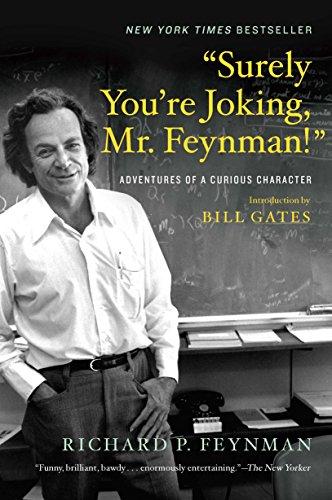
Adventures of a Curious Character
It was mentioned as a humorous and insightful book by a brilliant physicist. His unique approach to science and life, including his disregard for conventions, was discussed.
I read all of findman's books so I had the pleasure I never met him he was dead before I was born. But my dad did and he had good findman stories and they were inappropriate.
— Episode: LIVE EVENT Q&A: Dr. Andrew Huberman Ques...
It was mentioned as a humorous and insightful book by a brilliant physicist. His unique approach to science and life, including his disregard for conventions, was discussed.
I read all of findman's books so I had the pleasure I never met him he was dead before I was born. But my dad did and he had good findman stories and they were inappropriate.
surely you're joking Mr. Fiaminer what do you care what other people think all of that stuff it's wonderful he picked locks you know we worked at Los Alamos labs they're working on the bomb and he basically well there in elsewhere and every morning. The office is used to come in and he would spread all the top secret papers out on the floor he would break into the safe at night and then they were perplex who could do this and he like safe cracking literally like national security secrets just for fun prankster.
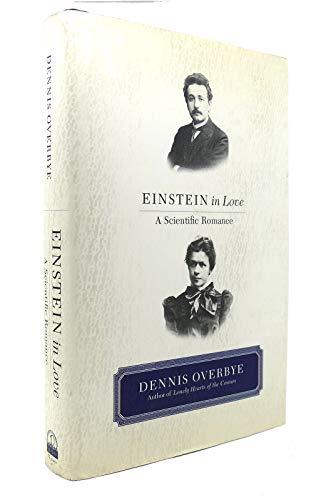
(A Scientific Romance)
It was mentioned as a 'wonderful book' that discussed the personal life of Albert Einstein. In the book, people who knew Einstein claimed that he would sometimes stare off into space for up to five minutes, and it was speculated that he had absence seizures.
I was reading a book a wonderful book actually Einstein in Love by Dennis overbios about Einstein and his more I guess his personal life.
— Episode: Dr. Eddie Chang: The Science of Learning...
It was mentioned as a 'wonderful book' that discussed the personal life of Albert Einstein. In the book, people who knew Einstein claimed that he would sometimes stare off into space for up to five minutes, and it was speculated that he had absence seizures.
I was reading a book a wonderful book actually Einstein in Love by Dennis overbios about Einstein and his more I guess his personal life.
People who knew him claim that he would sometimes walk along and then every once in a while just stop.
I can stare off into space for anywhere from a minute to three or five minutes and it was speculated that he had absence seizures what is an absent seizure and the reason I ask is I am occasionally walking along and I'll be thinking about something and I'll stop but I in my mind I think I'm thinking during that time but I realize that if I were to see myself from the outside it might appear that I was just.
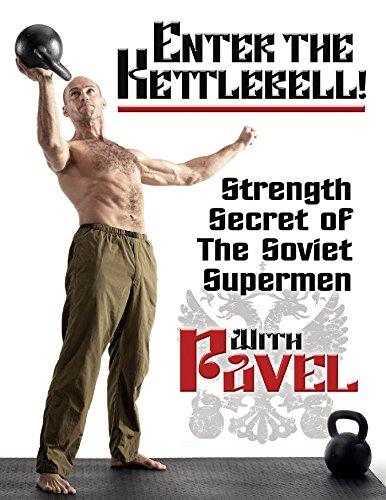
Strength Secret of the Soviet Supermen
Pavelsutsulin wrote a book on stretching that discussed how relaxation of the nervous system and the way that nerves innervate muscles allows for stretching. He also discussed how tendons and ligaments are integrated by nerves.
Pavlsuttsulin has an excellent book on stretching.
— Episode: Fitness Toolkit: Protocol & Tools to Opt...
Pavelsutsulin wrote a book on stretching that discussed how relaxation of the nervous system and the way that nerves innervate muscles allows for stretching. He also discussed how tendons and ligaments are integrated by nerves.
Pavlsuttsulin has an excellent book on stretching.
It talks about this. It has a lot to do with relaxation of the nervous system and the way that the nerves innervate muscles and allow for stretch if you will. Also the way that the tendons and ligaments are integrated by nerves.
The converse is also true and here again this is a principle that Pavlis put forth.
I believe he calls it irradiation meaning irradiating out or emanating out from a source which is that while exhaling and relaxing the torso and the lower, although some people don't like that term, can facilitate relaxation and stretching through a larger range of motion.

A Psychedelic Journey into the Heart of Contemporary Shamanism
The book discusses the use of ibogaine root bark, a sacrament used by the Buiti people in Gabon, Africa.
There's a book called "Breaking Open the Head" by Daniel Pinchbeck that goes goes through and talks about this this whole process
— Episode: Dr. Nolan Williams: Psychedelics & Neuro...
The book discusses the use of ibogaine root bark, a sacrament used by the Buiti people in Gabon, Africa.
There's a book called "Breaking Open the Head" by Daniel Pinchbeck that goes goes through and talks about this this whole process
Note: The book recommendations on this page are discovered automatically from podcast transcripts, and may be incorrect or incomplete.
Podcast Name