The Body Keeps the Score
Bessel van der Kolk M.D.
Mentioned 3 weeks ago
Movement Practice to Strengthen Your Mind-Body Connection | Ido Portal
The Huberman Lab podcast is hosted by Andrew Huberman, Ph.D., a neuroscientist and tenured professor in the department of neurobiology, and by courtesy, psychiatry and behavioral sciences at Stanford School of Medicine. The podcast discusses neuroscience and science-based tools, including how our br...
Recently mentioned
Bessel van der Kolk M.D.
Mentioned 3 weeks ago
Movement Practice to Strengthen Your Mind-Body Connection | Ido Portal
Andrew D. Huberman Ph.D.
Mentioned 1 month ago
The Mental Frame & Specific Daily Actions to Succeed | Andy Stumpf
Stefan Klein
Mentioned 1 month ago
The Mental Frame & Specific Daily Actions to Succeed | Andy Stumpf
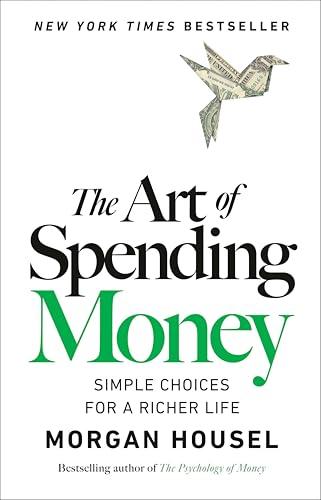
Morgan Housel
Mentioned 1 month ago
The Mental Frame & Specific Daily Actions to Succeed | Andy Stumpf
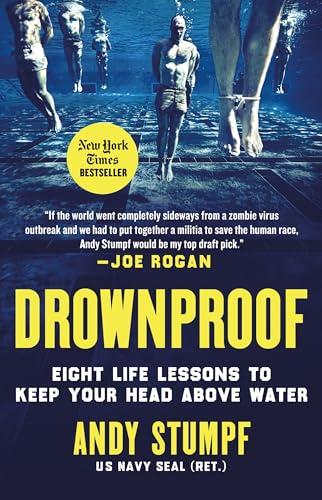
Andy Stumpf
Mentioned 1 month ago
The Mental Frame & Specific Daily Actions to Succeed | Andy Stumpf
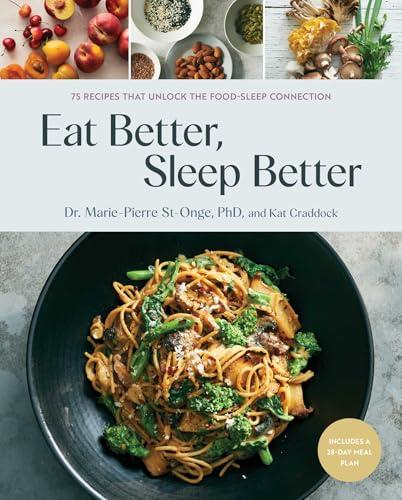
Dr Marie-Pierre St-Onge
Mentioned 1 month ago
Eating for Better Sleep & Foods that Improve Metabolic Health | Dr. Marie-Pierre St-Onge
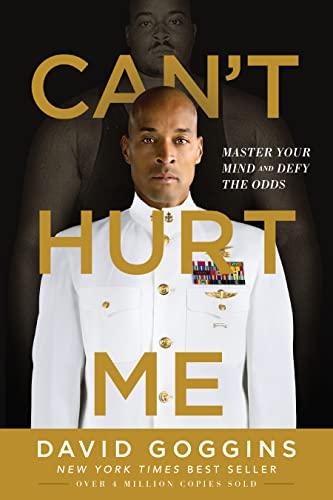
David Goggins
Mentioned 2 months ago
Master Self Control & Overcome Procrastination | Dr. Kentaro Fujita
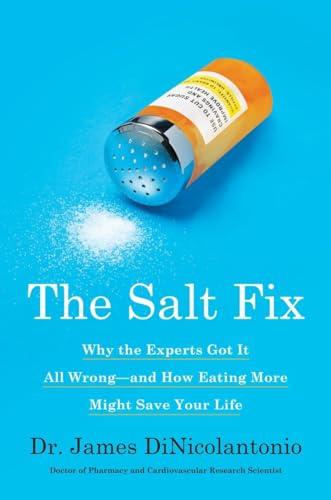
Dr. James DiNicolantonio
Mentioned 3 months ago
Essentials: Using Salt to Optimize Mental & Physical Performance
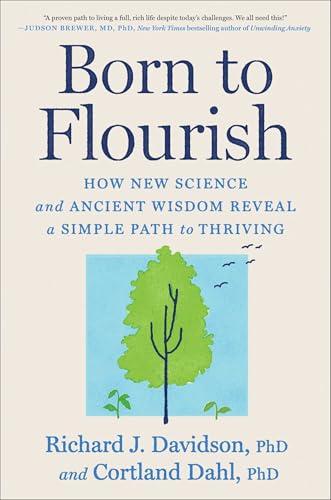
Richard J. Davidson PhD
Mentioned 4 months ago
Science-Based Meditation Tools to Improve Your Brain & Health | Dr. Richard Davidson
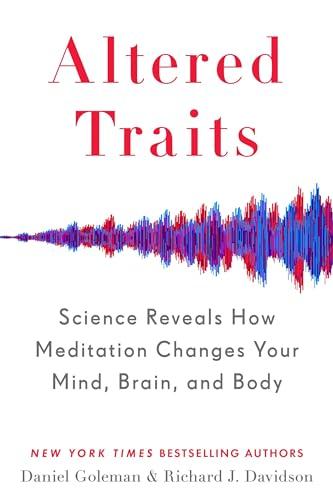
Daniel Goleman
Mentioned 4 months ago
Science-Based Meditation Tools to Improve Your Brain & Health | Dr. Richard Davidson
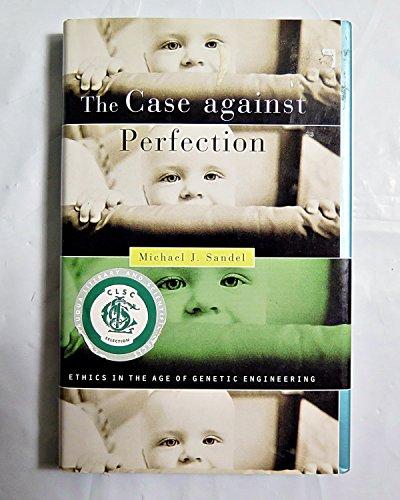
Michael J. Sandel
Mentioned 4 months ago
Avoiding, Treating & Curing Cancer With the Immune System | Dr. Alex Marson
Anna Lembke MD
Mentioned 4 months ago
Unlearn Negative Thoughts & Behaviors Patterns | Dr. Alok Kanojia
A Mother's Story of Nurturing, Genius and Autism
It was recommended for a reference to the C-squirt which is an aquatic animal that when it lands on a rock and stops moving it actually digests its own nervous system. It was an important anecdote in 'Spark' that helped with the reminder that physical activity is essential for the nervous system.
I mean since it might go back to John Rady's little anecdote in Spark, you know the C-squirt I guess swims around and as soon as it does whatever it needs to do it just dies when it stops moving.
— Episode: Coleman Ruiz: Overcoming Physical & Emot...
It was recommended for a reference to the C-squirt which is an aquatic animal that when it lands on a rock and stops moving it actually digests its own nervous system. It was an important anecdote in 'Spark' that helped with the reminder that physical activity is essential for the nervous system.
I mean since it might go back to John Rady's little anecdote in Spark, you know the C-squirt I guess swims around and as soon as it does whatever it needs to do it just dies when it stops moving.
Timeless lessons on wealth, greed, and happiness
Andrew Huberman highlighted that Morgan Housel is the author of the spectacular bestseller and said he had read the book and loved it, using it as a core reference throughout the discussion.
He is also the author of the spectacularly bestselling book, The Psychology of Money.
— Episode: Understand & Apply the Psychology of Mon...
Andrew Huberman highlighted that Morgan Housel is the author of the spectacular bestseller and said he had read the book and loved it, using it as a core reference throughout the discussion.
He is also the author of the spectacularly bestselling book, The Psychology of Money.
I read Morgan's book, The Psychology of Money, and I loved it.
Finding the Path to Your True Self (Oprah's Book Club)
The book by Martha Beck, which discusses integrity, was mentioned. Martha explained that she did an experiment for a year, where she did not lie to anyone, even herself.
And previously on the podcast, we had my colleague, Dr. Anna Lemke, who runs our dual diagnosis addiction clinic. She's done a tremendous service to the world talking about all the various kinds of ad...
— Episode: Dr. Martha Beck: Accessing Your Best Sel...
The book by Martha Beck, which discusses integrity, was mentioned. Martha explained that she did an experiment for a year, where she did not lie to anyone, even herself.
And previously on the podcast, we had my colleague, Dr. Anna Lemke, who runs our dual diagnosis addiction clinic. She's done a tremendous service to the world talking about all the various kinds of addiction, addiction as a disease, yes, but also something that people can overcome.
And one of the things that I love so much about Anna's message, she wrote the book Dopamine Nation.
Oh, I love that book.
Yeah, wonderful book.
She talks about how recovered addicts are actually her heroes because they've learned to navigate this internal process that most people perhaps who aren't addicts or don't think they are, are constantly being yanked around by these dopamine systems.
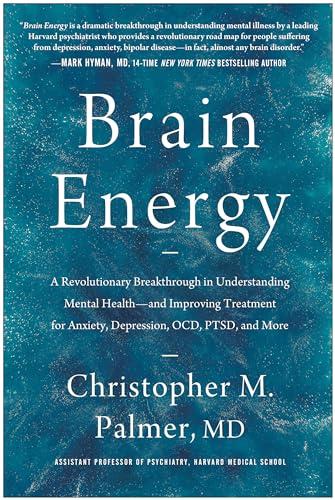
A Revolutionary Breakthrough in Understanding Mental Health--and Improving Treatment for Anxiety, Depression, OCD, PTSD, and More
The book, titled "Brain Energy", provides a revolutionary approach to understanding mental health and improving treatment for various conditions including anxiety, depression, OCD, PTSD and more. It was highly recommended for its well-written content and its evolved understanding of psychiatric disorders.
I've read the book and it is a terrific read. I came away from this book with a much evolved understanding of how the various psychiatric disorders that I just described as well as ADHD emerge in peop...
— Episode: Dr. Chris Palmer: Diet & Nutrition for M...
The book, titled "Brain Energy", provides a revolutionary approach to understanding mental health and improving treatment for various conditions including anxiety, depression, OCD, PTSD and more. It was highly recommended for its well-written content and its evolved understanding of psychiatric disorders.
I've read the book and it is a terrific read. I came away from this book with a much evolved understanding of how the various psychiatric disorders that I just described as well as ADHD emerge in people, and it has completely revised my understanding about the possible origins of various psychiatric disorders and the best ways to treat them, including both with medications but also with nutritional approaches.
I have one he's not even a patient just uh somebody who read my book I didn't tell him anything he came away from it saying he was ready to start an antidepress or an antidepressant for his anxiety had chronic anxiety trying meditation was trying all sorts of things nothing nothing those things weren't enough he was ready to go on prescription medicine he read an early copy of the book he took it upon himself without consulting me to restrict carbohydrates alone he did not go ketogenic he is a vegetarian he restricted carbs within three weeks said I don't need prescription medicine I can't believe how much better I feel and all I did was cut out some of the high carb foods in my diet.
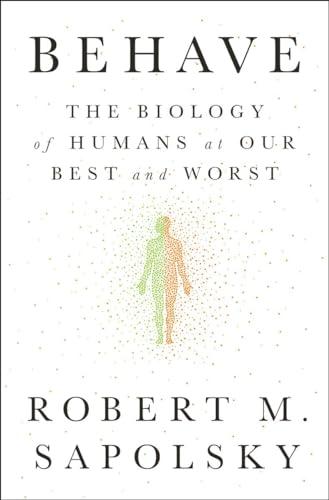
The Biology of Humans at Our Best and Worst
It was mentioned as an upcoming book by Robert Sapolsky exploring the concepts of free will and determinism, in the context of a discussion about higher-level cognitive functions and human behavior.
I'm friends with Robert Sapolsky and he's got a great book coming out about this I'm called Determine so he obviously doesn't believe in free will but he's far smarter than I ever could be and it just...
— Episode: LIVE EVENT Q&A: Dr. Andrew Huberman Ques...
It was mentioned as an upcoming book by Robert Sapolsky exploring the concepts of free will and determinism, in the context of a discussion about higher-level cognitive functions and human behavior.
I'm friends with Robert Sapolsky and he's got a great book coming out about this I'm called Determine so he obviously doesn't believe in free will but he's far smarter than I ever could be and it just feels like I don't know that there's an end point with that one but if anyone could find it, it would be Robert.
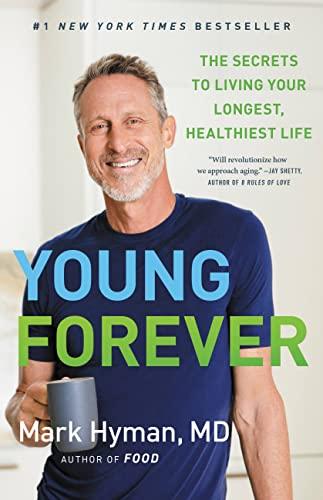
The Secrets to Living Your Longest, Healthiest Life (The Dr. Mark Hyman Library, 11)
He noted that he wrote a book called Young Forever discussing longevity pathways and how to keep youthful health.
I wrote a book called Young Forever and talk about longevity and the pathways that keep us youthful.
— Episode: How to Improve Your Vitality & Heal From...
He noted that he wrote a book called Young Forever discussing longevity pathways and how to keep youthful health.
I wrote a book called Young Forever and talk about longevity and the pathways that keep us youthful.
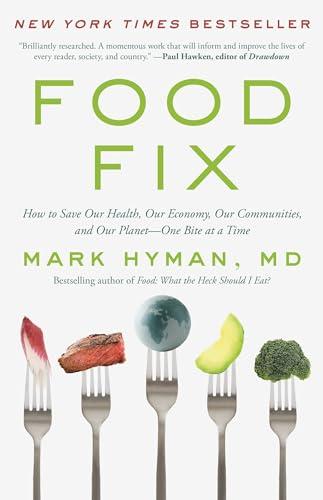
How to Save Our Health, Our Economy, Our Communities, and Our Planet--One Bite at a Time (The Dr. Hyman Library, 9)
He described his book Food Fix as mapping the food industry problem from field to fork and proposing solutions to improve health and the planet.
I wrote a book called Food Fix, How to Save Our Health, Our Economy, Our Communities, and Our Planet One Bite at a Time, where I mapped out from field to fork the problems with our fo...
— Episode: How to Improve Your Vitality & Heal From...
He described his book Food Fix as mapping the food industry problem from field to fork and proposing solutions to improve health and the planet.
I wrote a book called Food Fix, How to Save Our Health, Our Economy, Our Communities, and Our Planet One Bite at a Time, where I mapped out from field to fork the problems with our food industry, how it's making us sick, how it's costing us trillions of dollars, and how to fix it.
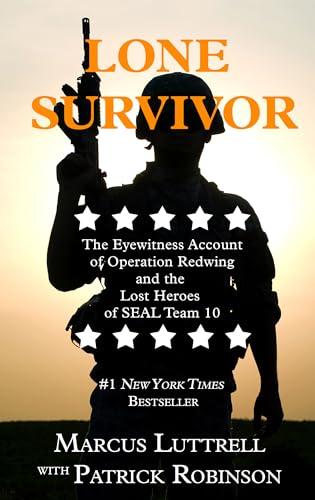
The Eyewitness Account of Operation Redwing and the Lost Heroes of SEAL Team 10 (Thorndike Nonfiction)
Huberman described it as an amazing book he really enjoyed, noting the movie captured key moments but emphasizing that the story is a true account of SEAL operations.
Lone Survivor. Amazing book, I should say. I really enjoyed the book. The movie does, I think, a pretty good job of extracting some of the key moments from the book. But more than a m...
— Episode: How to Make Yourself Unbreakable | DJ Sh...
Huberman described it as an amazing book he really enjoyed, noting the movie captured key moments but emphasizing that the story is a true account of SEAL operations.
Lone Survivor. Amazing book, I should say. I really enjoyed the book. The movie does, I think, a pretty good job of extracting some of the key moments from the book. But more than a movie or a book, it's a true story.
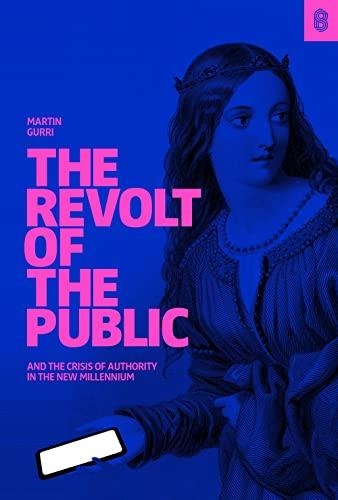
Gurry argues that social media contributed to the decline in trust in institutions in the last decade, but that the trend started in the 1970s with a fracturing of the media landscape, including the rise of talk radio, cable television, and paperback books. He also believes that the public is learning that institutions are bad, not being tricked into thinking so.
Martin Gurry wrote I think the best book on this called The Revolt of the Public where he goes through this in detail and he he does he does say that social media had a lot to do with what's happened...
— Episode: Marc Andreessen: How Risk Taking, Innova...
Gurry argues that social media contributed to the decline in trust in institutions in the last decade, but that the trend started in the 1970s with a fracturing of the media landscape, including the rise of talk radio, cable television, and paperback books. He also believes that the public is learning that institutions are bad, not being tricked into thinking so.
Martin Gurry wrote I think the best book on this called The Revolt of the Public where he goes through this in detail and he he does he does say that social media had a lot to do with what's happened in the last decade but he says yeah if you go further it was basically two things coinciding one was just a general change in the media environment and in particular the 1970s is when you started to again especially in the 1980s is when you started to get specifically talk radio which was a new outlet and then you also start you also got cable television and then you also by the way it's actually interesting in the 50s 60s you had paperback books which was another one of these which was an outlet so you you you had like a fracturing in the media landscape it started in the 50s through the 80s and then of course the internet like it went open having said that if the elites and institutions were fantastic you would know it more than ever if he has information as Mark Sensible and so the other thing that he says and I agree with is the public is not being tricked into thinking the least institutions are bad they're learning that they're bad right and the mystery and therefore the mystery of the Gallup poll is why those numbers aren't all just zero right which is arguably a lot of cases where they should be I think one reason that by the way he thinks this is bad so he and I have a different view on it so here's our he and I disagree he thinks this is bad so he's he basically says you can't replace it leads with nothing you can't replace institutions with nothing if if because what you're just left with is just going to be wreckage you're gonna left with a completely basically you know atomized out of control society that has no ability to marshal you know any sort of activity in a direction it's just going to be a doggy dog awful you know world I have a very different view on that which we can talk about
He said basically what Martin says Martin says as follows the elites deserve contempt but the only thing worse than these elites that deserve contempt would be no elites at all right and and because any basically says on the other side on the other side of the destruction of the elites and the institutions is nihilism you're basically left with nothing and then by the way there is a nihilistic streak I mean there's nihilistic streak in the in the culture in the politics today there are people who basically would just say yeah just tear the whole system down right and they're without any particular plan for what follows and so you you I think he makes a good point and that you want to be careful that you actually have a plan on the other side that you think it's actually achievable but but again the counter argument to that is if you're not willing to actually tear down the old you're not going to get to the new
The elites deserve contempt but the only thing worse than these elites that deserve contempt would be no elites at all
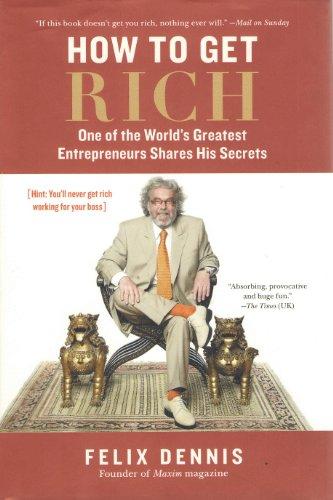
One of the World's Greatest Entrepreneurs Shares His Secrets
Morgan cited Felix Dennis's memoir, quoting Dennis's advice about making money early, retiring at 35, and planting trees, to illustrate a bold approach to wealth.
There's an entrepreneur named Felix Dennis who wrote a book many years ago called How to Get Rich. He said he was at the time, maybe in his seventies and worth about a billion dollars...
— Episode: Understand & Apply the Psychology of Mon...
Morgan cited Felix Dennis's memoir, quoting Dennis's advice about making money early, retiring at 35, and planting trees, to illustrate a bold approach to wealth.
There's an entrepreneur named Felix Dennis who wrote a book many years ago called How to Get Rich. He said he was at the time, maybe in his seventies and worth about a billion dollars, ... if I knew what I knew now and I could do life over again, I would make as much money as I could retire at age 35 and plant trees and write poetry.
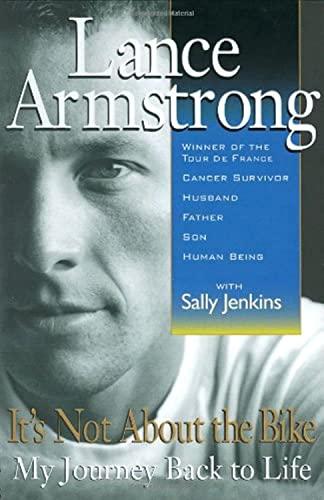
My Journey Back to Life
Dr. Conti briefly mentioned this book when discussing the idea that, for example, using a stationary bike as the sole form of exercise can lead to over-use injuries, and it's not about the bike itself but the underlying activities, such as heart rate elevation and healthy activities, that one is not engaging in as a consequence.
I guess this is stealing from the Lance Armstrong book but It's Not about the Bike, right?
— Episode: GUEST SERIES | Dr. Paul Conti: How to Im...
Dr. Conti briefly mentioned this book when discussing the idea that, for example, using a stationary bike as the sole form of exercise can lead to over-use injuries, and it's not about the bike itself but the underlying activities, such as heart rate elevation and healthy activities, that one is not engaging in as a consequence.
I guess this is stealing from the Lance Armstrong book but It's Not about the Bike, right?
Curiosity, Creativity, and Finding Your Life's Purpose
The upcoming book of the guest, which is about dealing with anxiety, curiosity, creativity, and finding life's purpose was mentioned by Andrew Huberman.
She is also considered one of the foremost experts in the personal development field, having authored many best-selling books, including her upcoming book, Beyond Anxiety, Curiosity,...
— Episode: Dr. Martha Beck: Accessing Your Best Sel...
The upcoming book of the guest, which is about dealing with anxiety, curiosity, creativity, and finding life's purpose was mentioned by Andrew Huberman.
She is also considered one of the foremost experts in the personal development field, having authored many best-selling books, including her upcoming book, Beyond Anxiety, Curiosity, Creativity, and Finding Your Life's Purpose.
The Divided Brain and the Making of the Western World
The book by Ian McGilchrist, which talks about how the left and right hemispheres of the brain work, was mentioned by Andrew Huberman. He also mentioned the book's premise, which is that the right side of the brain, which is associated with meaning and synthesis, should be the master, and the left side, which is the data collector, should be the emissary.
One of my favorite heroes, along with Oliver Sacks, is Ian McGilchrist at Oxford.
— Episode: Dr. Martha Beck: Accessing Your Best Sel...
The book by Ian McGilchrist, which talks about how the left and right hemispheres of the brain work, was mentioned by Andrew Huberman. He also mentioned the book's premise, which is that the right side of the brain, which is associated with meaning and synthesis, should be the master, and the left side, which is the data collector, should be the emissary.
One of my favorite heroes, along with Oliver Sacks, is Ian McGilchrist at Oxford.
I love that man.
He may wake up someday just to find me crouched on his bed watching him sleep.
He's like, he's not just a neurologist.
Ian, don't be scared.
Not in a creepy way.
Not in a creepy way, sir.
But he talks about how our particular culture for the last few hundred years has veered towards stuff that is preferentially favored by the left hemisphere of the brain.
And it has to do with grasping things and producing physical things and getting things to happen, controlling them,
where the right side of the brain, and of course it's all, I'm oversimplifying massively, but functions like meaning, synthesis, combinations of different bits of knowledge, we're moving away from those.
And one of my good friends is Jill Bolte Taylor, who had, she was a Harvard neuroanatomist,
And so she suddenly, she watched her left hemisphere go off.
She had a brain bleed, and it would pulse.
So her left hemisphere would be there, and she'd see everything as solid and measurable and verbal,
and then it would go off.
And she was in a world where she was like a fluid the size of the universe.
And she would watch, she was in the shower, and she watched her hand on the tiles dissolve into fields of energy.
And you were talking about energy earlier.
She said by the time her left hemisphere had shut down completely, she managed to get a phone call made.
She couldn't talk by the time that phone call went through.
She got to a hospital, took her eight years to come back to full functioning.
But she said during that time, I did not know people's names.
I didn't know the word person, but boy, could I feel people's energy.
And as she healed, she didn't bother to get rid of her ability to feel people's energy.
So she's a great fan of using the whole brain.
Whole Brain Living is her latest book, and it's great.
But Ian McGilchrist talks about how when we don't use the whole brain, his book The Master and His Emissary says the part of the brain that knows meaning should be the master, and the data collector is just the emissary.
But the data collector has taken over in Western society, Western educated, industrialized, rich, democratic, if you want to get technical.
The Anatomy of Choice and the Four Characters That Drive Our Life
The book by Jill Bolte Taylor, which discusses whole brain living, was mentioned by Andrew Huberman. She is a neuroanatomist who had a stroke in the left hemisphere of the brain, and she experienced the right hemisphere's functions and how the world appeared as a fluid.
And one of my good friends is Jill Bolte Taylor, who had, she was a Harvard neuroanatomist,
— Episode: Dr. Martha Beck: Accessing Your Best Sel...
The book by Jill Bolte Taylor, which discusses whole brain living, was mentioned by Andrew Huberman. She is a neuroanatomist who had a stroke in the left hemisphere of the brain, and she experienced the right hemisphere's functions and how the world appeared as a fluid.
And one of my good friends is Jill Bolte Taylor, who had, she was a Harvard neuroanatomist,
And so she suddenly, she watched her left hemisphere go off.
She had a brain bleed, and it would pulse.
So her left hemisphere would be there, and she'd see everything as solid and measurable and verbal,
and then it would go off.
And she was in a world where she was like a fluid the size of the universe.
And she would watch, she was in the shower, and she watched her hand on the tiles dissolve into fields of energy.
And you were talking about energy earlier.
She said by the time her left hemisphere had shut down completely, she managed to get a phone call made.
She couldn't talk by the time that phone call went through.
She got to a hospital, took her eight years to come back to full functioning.
But she said during that time, I did not know people's names.
I didn't know the word person, but boy, could I feel people's energy.
And as she healed, she didn't bother to get rid of her ability to feel people's energy.
So she's a great fan of using the whole brain.
Whole Brain Living is her latest book, and it's great.

The song "Let Me Fall", by an unknown musician who had fallen from a tree and became a paraplegic, was mentioned by Andrew Huberman. The song talks about how the one that the singer will become will catch him.
My oldest child as a teenager, I was so over involved in everything.
— Episode: Dr. Martha Beck: Accessing Your Best Sel...
The song "Let Me Fall", by an unknown musician who had fallen from a tree and became a paraplegic, was mentioned by Andrew Huberman. The song talks about how the one that the singer will become will catch him.
My oldest child as a teenager, I was so over involved in everything.
And they gave me a song called Let Me Fall by a man who had fallen from a tree and been he broke his spine.
He was a paraplegic.
And he just says, the one I will become will catch me.
Don't catch me anymore.
And it was so hard as a parent to let my child have, you know, suffer the slings and arrows of outrageous fortune.
And what they were telling me, they're they them pronouns, was that this is my life and my suffering is my birthright.
And I am here to figure it out as I go.
And you are not loving me when you shove yourself into my affairs to try to take away my suffering.
Let me fall.
And that's a very mature and generous thing for them to say.
Samantha Irby's book was mentioned by Andrew Huberman. The book's premise is that one should say "I like it!" when someone calls them out for doing something awful.
And she says here's what you say when people tell you that you're horrible and you're doing something awful.
— Episode: Dr. Martha Beck: Accessing Your Best Sel...
Samantha Irby's book was mentioned by Andrew Huberman. The book's premise is that one should say "I like it!" when someone calls them out for doing something awful.
And she says here's what you say when people tell you that you're horrible and you're doing something awful.
You say, I like it.
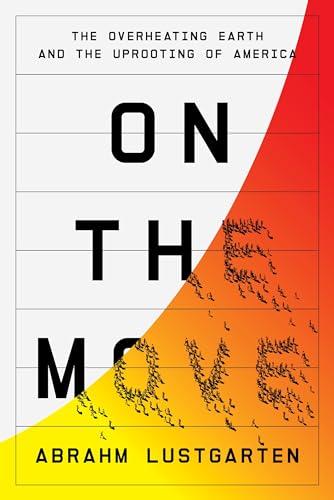
The Overheating Earth and the Uprooting of America
Dr. Huberman discussed how Oliver Sacks's book "On the Move" had a profound impact on him and how Sacks was a real seeker, despite facing criticism and scandals within the scientific community.
You know for nonfiction, well Oliver Sacks's autobiography On the Move had a perfect idea and it's a very profound impact on me you know people hated him the scientific community trie...
— Episode: LIVE EVENT Q&A: Dr. Andrew Huberman Ques...
Dr. Huberman discussed how Oliver Sacks's book "On the Move" had a profound impact on him and how Sacks was a real seeker, despite facing criticism and scandals within the scientific community.
You know for nonfiction, well Oliver Sacks's autobiography On the Move had a perfect idea and it's a very profound impact on me you know people hated him the scientific community tried to kick him out.
They said horrible things about him, created all sorts of scandals, it wasn't until awakenings became a blockbuster movie that suddenly he got appointments at NYU in Columbia.
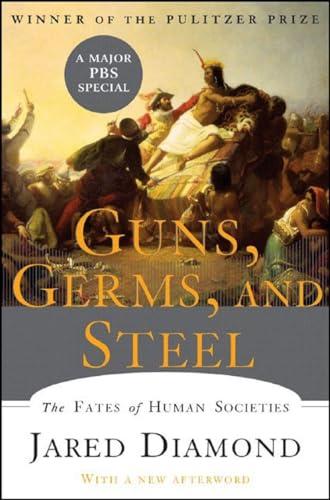
The Fates of Human Societies
It was mentioned as a book written by a Pulitzer winner, and it was stated to heavily endorse the book 'Jaws' by Sandra Kahn and Paul Ehrlich.
And it also has a heavy endorsement up front by Jared diamond the author of guns germs and steal the Pulitzer winner so a lot of heavy hitters on this book jaws it's not a book that a lot of people kn...
— Episode: How to Optimize Testosterone & Estrogen
It was mentioned as a book written by a Pulitzer winner, and it was stated to heavily endorse the book 'Jaws' by Sandra Kahn and Paul Ehrlich.
And it also has a heavy endorsement up front by Jared diamond the author of guns germs and steal the Pulitzer winner so a lot of heavy hitters on this book jaws it's not a book that a lot of people know about unfortunately but really describes the benefits of nasal breathing and the terrible things that happen when people in particular children.
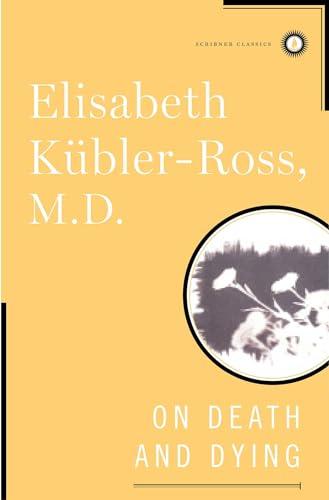
It was mentioned as a pioneering work in the understanding of grief stages, but modern science has shown that not everyone experiences them all or in a linear fashion.
Some of the myths and misunderstandings arrived from the beautiful work of Elizabeth Kubler-Ross, a psychologist who wrote the famous book on Death and Dying...
— Episode: The Science & Process of Healing from Gr...
It was mentioned as a pioneering work in the understanding of grief stages, but modern science has shown that not everyone experiences them all or in a linear fashion.
Some of the myths and misunderstandings arrived from the beautiful work of Elizabeth Kubler-Ross, a psychologist who wrote the famous book on Death and Dying...
The different stages of grief very quickly are denial, anger, bargaining, depression and acceptance.
In the Kubler-Ross model denial is always the first stage and denial is just as it sounds this disbelief it cannot be there's no way a refusal to accept the new reality that the person or animal is gone.
And we now know based on neuroimaging based on more in-depth psychological evaluation and frankly more researchers and clinicians moving into this area and observing that while much of what Kubla Ross described does hold true it's not always the case.
I do want to tip our hats to the incredible work of Elizabeth Kubla Ross by no means am I or do other researchers try and discount her incredible contributions but I think nowadays we have a different and frankly a better understanding of what the grief process is like and as a consequence better tools to move through grief.

Why More Is Less
Lori Gottlieb cited Barry Schwartz's book while discussing how having too many options can reduce happiness.
Barry Schwartz talks about this in his book, The Paradox of Choice.
— Episode: How to Find & Be a Great Romantic Partne...
Lori Gottlieb cited Barry Schwartz's book while discussing how having too many options can reduce happiness.
Barry Schwartz talks about this in his book, The Paradox of Choice.
Note: The book recommendations on this page are discovered automatically from podcast transcripts, and may be incorrect or incomplete.
Podcast Name