Honours versus Money
Bruno S. Frey
Mentioned 4 months ago
62. How Can You Escape a Drama Triangle?
Research psychologist Angela Duckworth (author of "Grit") and tech and sports executive Mike Maughan really like to ask people questions, and they believe there’s no such thing as a stupid one. So they have a podcast where they can ask each other as many “stupid questions” as they want. New episodes...
Recently mentioned
Bruno S. Frey
Mentioned 4 months ago
62. How Can You Escape a Drama Triangle?
William C. Dement
Mentioned 7 months ago
50. Are You as Observant as You Think?
Nassim Nicholas Taleb
Mentioned 7 months ago
49. How Does Facing Death Change Your Life?
Angela Duckworth
Mentioned 8 months ago
46. How Can You Stop Feeling So Irritable?
Michael Erard
Mentioned 8 months ago
45. How Much Better Do You Really Want to Be?
Paul Bloom
Mentioned 9 months ago
44. Is Empathy in Fact Immoral?
Meyer Friedman
Mentioned 9 months ago
44. Is Empathy in Fact Immoral?
Steven D. Levitt
Mentioned 9 months ago
42. How Does When You Are Born Affect Who You Are?
![Freakonomics [Revised and Expanded]: A Rogue Economist Explores the Hidden Side of Everything cover](https://media.podcastbookpicks.com/books/677.jpg)
Steven D. Levitt
Mentioned 9 months ago
41. Why Are We So Attracted to Fame?
Daniel Thomas Cook
Mentioned 9 months ago
41. Why Are We So Attracted to Fame?
Robert B. Cialdini PhD
Mentioned 9 months ago
41. Why Are We So Attracted to Fame?
Jordan Ellenberg
Mentioned 10 months ago
40. Have We All Lost Our Ability to Compromise?
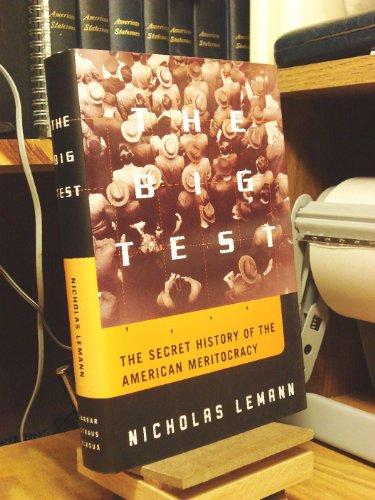
The Secret History of the American Meritocracy
The Big Test was discussed as a book that describes the history of Ivy League Admissions, it was mentioned that the book stated that there was a time when the last name of an applicant was how they were accepted into elite universities.
If you go back, I don't know how many decades, but I think it was Nicholas Lemon's book, The Big Test, which gives you a little history of these Ivy League admissions. Lemon says, you...
— Episode: 181. What’s So Great About Meritocracy?
The Big Test was discussed as a book that describes the history of Ivy League Admissions, it was mentioned that the book stated that there was a time when the last name of an applicant was how they were accepted into elite universities.
If you go back, I don't know how many decades, but I think it was Nicholas Lemon's book, The Big Test, which gives you a little history of these Ivy League admissions. Lemon says, you know, there was a time in the history of these elite universities that the way you got in was what your last name was.
Good Fortune and the Myth of Meritocracy
The book, Success and Luck, was mentioned as a book that was written by an economist, Robert Frank, and discussed the fact that people who get into Harvard may think they earned it but underestimate the factors that played a role in their success.
So Mike, there's an economist named Robert Frank, and he wrote a book called Success and Luck, Good Fortune and the Myth of Meritocracy. And I would say the through line in a lot of t...
— Episode: 181. What’s So Great About Meritocracy?
The book, Success and Luck, was mentioned as a book that was written by an economist, Robert Frank, and discussed the fact that people who get into Harvard may think they earned it but underestimate the factors that played a role in their success.
So Mike, there's an economist named Robert Frank, and he wrote a book called Success and Luck, Good Fortune and the Myth of Meritocracy. And I would say the through line in a lot of these arguments, including Sandell's, is that when you get into Harvard, you think you earned it.
It was mentioned in passing as a book about Native American schools and contained a character who is constantly sent to solitary confinement. The character befriends a rat in the room, which was an example of the need for psychological connection to something.
I was just reading a book called This Tender Land about Native American schools. And there's one child in it who is constantly sent to solitary confinement. This room. And there is a...
— Episode: 204. What Happens When You’re Cut Off Fr...
It was mentioned in passing as a book about Native American schools and contained a character who is constantly sent to solitary confinement. The character befriends a rat in the room, which was an example of the need for psychological connection to something.
I was just reading a book called This Tender Land about Native American schools. And there's one child in it who is constantly sent to solitary confinement. This room. And there is a rat there in the room that becomes like his buddy. And I think it's the same idea that we need this psychological connection to something.
From Lost to Found on the Pacific Crest Trail
It was described as a beautifully written book about a woman who decides to hike the Appalachian Trail to reset her life, an example of voluntary solitude. The speaker said they enjoyed the book and found it well written.
Did you ever read that book by Cheryl Strayed? What is it even called? She like goes on the Appalachian Trail. Is it Wild?
— Episode: 204. What Happens When You’re Cut Off Fr...
It was described as a beautifully written book about a woman who decides to hike the Appalachian Trail to reset her life, an example of voluntary solitude. The speaker said they enjoyed the book and found it well written.
Did you ever read that book by Cheryl Strayed? What is it even called? She like goes on the Appalachian Trail. Is it Wild?
I mean, there's this woman and she's having some kind of crisis in her life. It's beautifully written, by the way. I was like, wow, this woman can write. And the premise of it is like she decides to hike the Appalachian Trail as some people do when they are feeling like they really need to reset their life.
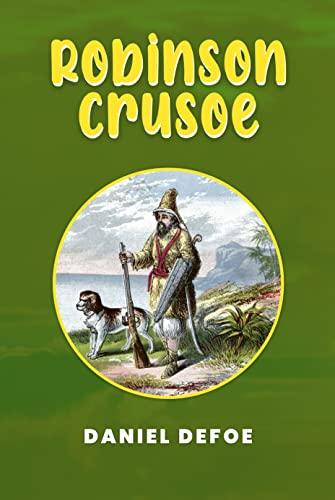
The Original 1719 Unabridged and Complete Edition (A Daniel Defoe Classics)
It was mentioned as a book about a man who shipwrecked and his experience. It was then explained that Alexander Selkirk, who was thought to be the inspiration for the book, was a Scottish sailor who was marooned on an island for four years and four months.
Robinson Crusoe is a book written about a man who shipwrecked and his experience in this shipwreck. This sounds like the kind of book I would not want to read.
— Episode: 204. What Happens When You’re Cut Off Fr...
It was mentioned as a book about a man who shipwrecked and his experience. It was then explained that Alexander Selkirk, who was thought to be the inspiration for the book, was a Scottish sailor who was marooned on an island for four years and four months.
Robinson Crusoe is a book written about a man who shipwrecked and his experience in this shipwreck. This sounds like the kind of book I would not want to read.
Robinson Crusoe. So I read this article in Smithsonian magazine about Alexander Selkirk, who is thought to be the guy who is the real Robinson Crusoe.
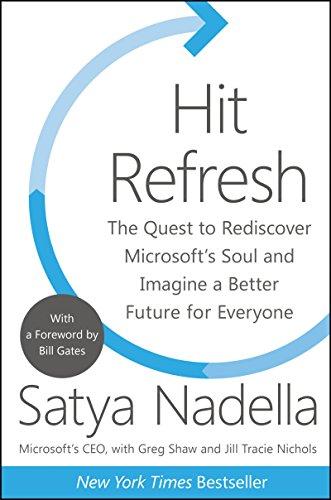
The Quest to Rediscover Microsoft's Soul and Imagine a Better Future for Everyone
It was mentioned as a book written by Satya Nadella, the CEO of Microsoft. Although not described as a great book, it was mentioned as related to the concepts of scarcity and abundance in the context of Microsoft's business strategy.
He wrote a book that I mean to be honest wasn't a great book Most books by CEOs aren't great books, but I know this book. It was like fresh restart.
— Episode: 145. Do You Have a Scarcity Mindset or a...
It was mentioned as a book written by Satya Nadella, the CEO of Microsoft. Although not described as a great book, it was mentioned as related to the concepts of scarcity and abundance in the context of Microsoft's business strategy.
He wrote a book that I mean to be honest wasn't a great book Most books by CEOs aren't great books, but I know this book. It was like fresh restart.
That sounds about right maybe it was something like hit reset or something there you go that sounds about right.
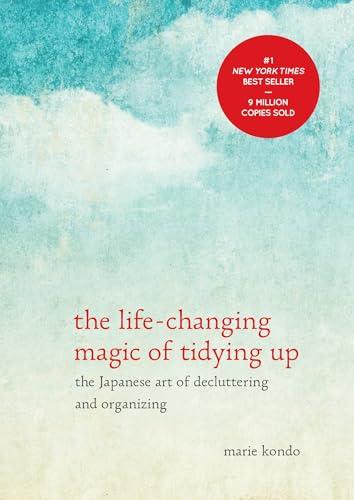
The Japanese Art of Decluttering and Organizing
It was discussed in the context of hoarding and decluttering, with a specific focus on the controversial recommendation of discarding parts of books that were not loved.
And in the world of The Life-Changing Magic of Tidying Up and the world that kind of called forth Marie Kondo to write a book about how we accumulate like so much crap in our lives.
— Episode: 180. What Makes Some Objects Feel Specia...
It was discussed in the context of hoarding and decluttering, with a specific focus on the controversial recommendation of discarding parts of books that were not loved.
And in the world of The Life-Changing Magic of Tidying Up and the world that kind of called forth Marie Kondo to write a book about how we accumulate like so much crap in our lives.
there's this piece in it where she talks about if you don't love a full book, but you just like a chapter, rip that chapter out and throw the rest of the book away.
Oh my gosh, I did read this book and I didn't remember that.
In her 2010 self-help book, The Life Changing Magic of Tidying Up, Kondo says that she experimented with this method but that it didn't end up working for her and she instead recommends discarding most books in their entirety.
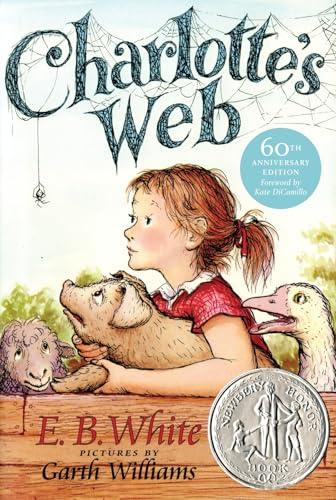
A Newbery Honor Award Winner
It was mentioned that the main plot of the book involved Wilbur the pig not becoming bacon, and that the speaker did not stop eating meat after reading it.
I didn't spend a day not eating meat after reading Charlotte's Web so I don't know what that makes me like a moral vagrant or something but look I think that Tolstoy and Fern and this...
— Episode: 51. What Separates Humans From Other Ani...
It was mentioned that the main plot of the book involved Wilbur the pig not becoming bacon, and that the speaker did not stop eating meat after reading it.
I didn't spend a day not eating meat after reading Charlotte's Web so I don't know what that makes me like a moral vagrant or something but look I think that Tolstoy and Fern and this Peter Singer argument I actually have to say I think it's right.
It was mentioned briefly in the fact-check section, as it was written by a Renaissance diplomat and is a treatise on acquiring and keeping power.
Nicolo Machiavelli was an Italian Renaissance diplomat who was infamous for his 1513 book, The Prince, a treatise on how to acquire power and keep it.
— Episode: 55. What Changes Will Stick When the Pan...
It was mentioned briefly in the fact-check section, as it was written by a Renaissance diplomat and is a treatise on acquiring and keeping power.
Nicolo Machiavelli was an Italian Renaissance diplomat who was infamous for his 1513 book, The Prince, a treatise on how to acquire power and keep it.
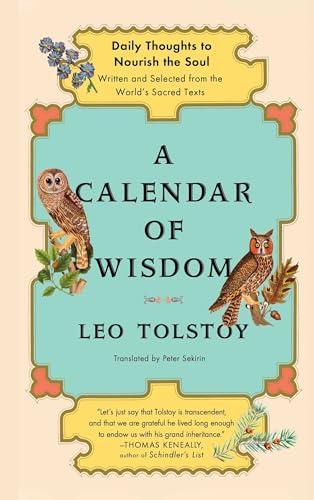
Daily Thoughts to Nourish the Soul, Written and Selected from the World's Sacred Texts
It was mentioned as a daily devotional that the speaker was reading, where a significant portion of quotes were about not eating meat, and that Tolstoy himself became a vegetarian.
You know I've been thinking about this recently for two reasons. One is I've been reading this book by Tolstoy called A Calendar of Days and it is kind of like this daily devotional. So he apparently...
— Episode: 51. What Separates Humans From Other Ani...
It was mentioned as a daily devotional that the speaker was reading, where a significant portion of quotes were about not eating meat, and that Tolstoy himself became a vegetarian.
You know I've been thinking about this recently for two reasons. One is I've been reading this book by Tolstoy called A Calendar of Days and it is kind of like this daily devotional. So he apparently for the last 15 or more years of his life created this journal where he kept all his favorite quotes from Blaise Pascal and from the Bible and from other sources and I have to say something like a fourth of these quotes are about not eating meat.
Here's a Leo Tolstoy quote his own, a man can live and be healthy without killing animals for food therefore if he eats meat he participates in taking animal life merely for the sake of his appetite and to act so is immoral.
So one reason I've been thinking about vegetarianism is that every day I wake up and I read the new Tolstoy missive and a lot of the time it's about being vegetarian.
Brave Work. Tough Conversations. Whole Hearts.
It was referenced as a 2018 book, where the author wrote that she first heard the phrase 'clear is kind, unclear is unkind' at a 12-step meeting, and it resonated with her.
Mike probably got this phrase from Brene Brown whose renowned TED Talk on vulnerability he referenced in episode 157 In her 2018 book, Dare to Lead Brown writes that she first heard t...
— Episode: 159. How Much Personal Space Do You Need...
It was referenced as a 2018 book, where the author wrote that she first heard the phrase 'clear is kind, unclear is unkind' at a 12-step meeting, and it resonated with her.
Mike probably got this phrase from Brene Brown whose renowned TED Talk on vulnerability he referenced in episode 157 In her 2018 book, Dare to Lead Brown writes that she first heard the phrase clear is kind, unclear is unkind at a 12-step meeting
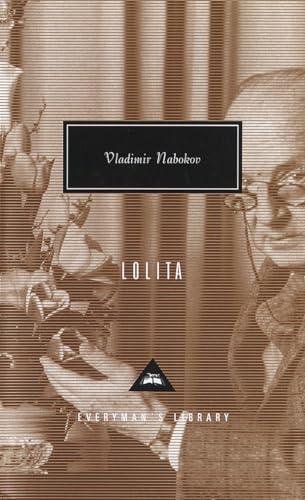
Introduction by Martin Amis (Everyman's Library Contemporary Classics Series)
The podcast discusses the book, highlighting how the narrative is told from the perspective of the protagonist, Humbert Humbert, a pedophile. Listeners are initially repulsed but may find themselves experiencing unexpected sympathy for him by the end, prompting reflection on the nature of evil.
Did you read Lolita by Nabokov?
— Episode: 213. What Is Evil?
The podcast discusses the book, highlighting how the narrative is told from the perspective of the protagonist, Humbert Humbert, a pedophile. Listeners are initially repulsed but may find themselves experiencing unexpected sympathy for him by the end, prompting reflection on the nature of evil.
Did you read Lolita by Nabokov?
You begin the book thinking this is pure evil. And at the end of the book, you're disgusted with yourself because you have spent all this time with Humbert Humbert. In his mind. And you feel some sympathy.
So I think this is a question people, I certainly asked myself when I was reading Lolita. Is there such a thing as evil? What is evil?
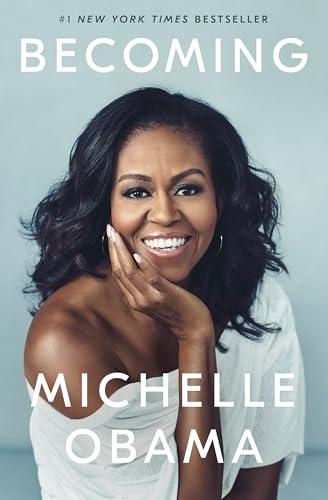
Michelle Obama's book 'Becoming' was mentioned in the context of a story where she recounted how her college counselor told her she wasn't 'Princeton material', inspiring her to prove them wrong and ultimately attend the university.
So I don't know if you've read her book 'Becoming'
— Episode: 160. How Do You Like Me Now?
Michelle Obama's book 'Becoming' was mentioned in the context of a story where she recounted how her college counselor told her she wasn't 'Princeton material', inspiring her to prove them wrong and ultimately attend the university.
So I don't know if you've read her book 'Becoming'
She said it was one of the most pivotal moments in her life because she goes to her college counselor, they're talking about what she wants to do, she says she's going to apply to Princeton and her counselor says you're not Princeton material and she says I'll show you
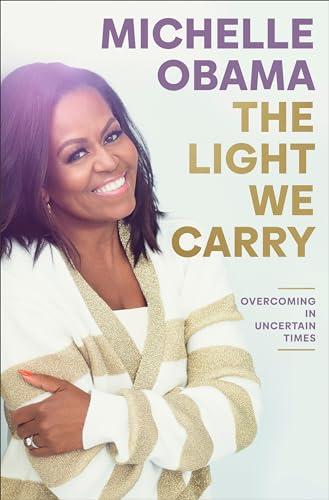
Overcoming in Uncertain Times
It was discussed in the context of being an 'only' or a 'first' in a particular setting, potentially contributing to feelings of imposter syndrome due to a lack of relatable examples.
And, you know, Michelle Obama in her book, The Light We Carry talks a lot about being an only and being a first.
— Episode: 164. Do You Have Impostor Syndrome?
It was discussed in the context of being an 'only' or a 'first' in a particular setting, potentially contributing to feelings of imposter syndrome due to a lack of relatable examples.
And, you know, Michelle Obama in her book, The Light We Carry talks a lot about being an only and being a first.
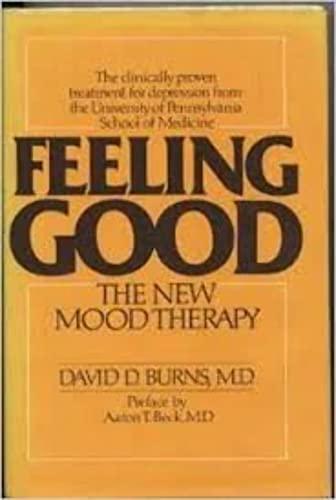
The New Mood Therapy
It was written as a manual, a continuation of the notes he gave his patients as homework in cognitive behavioral therapy sessions, which proved very helpful for them.
One of the bestselling books if you're feeling depressed or anxious and you don't have a cognitive behavioral therapist that you can go to one-on-one, you could buy Feeling Good by Da...
— Episode: 37. How Do You Know if People Don’t Like...
It was written as a manual, a continuation of the notes he gave his patients as homework in cognitive behavioral therapy sessions, which proved very helpful for them.
One of the bestselling books if you're feeling depressed or anxious and you don't have a cognitive behavioral therapist that you can go to one-on-one, you could buy Feeling Good by David Burns.
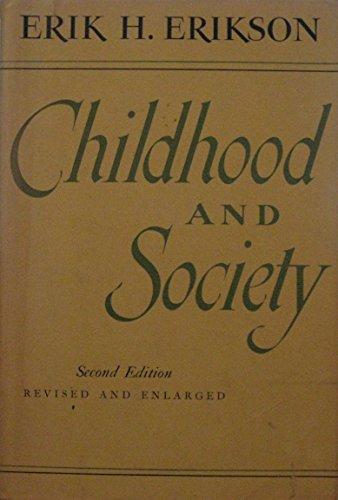
The book was referenced when discussing Erik Erikson's theory of psychosocial development. It was said that Erickson was a psychoanalyst who believed that each stage of life has a challenge that must be met to progress to the next stage.
I've heard of Eric Erickson.
— Episode: 206. When Is It Time to Step Aside?
The book was referenced when discussing Erik Erikson's theory of psychosocial development. It was said that Erickson was a psychoanalyst who believed that each stage of life has a challenge that must be met to progress to the next stage.
I've heard of Eric Erickson.
I'm not familiar. Well, I'm familiar with stages of life generally, not the ones he's probably defining.
So Erik Erickson was a psychoanalyst. He's no longer alive. I think he did the work that I'm going to talk about in like the 50s.
So Erickson said the first stage and all these stages have a challenge and you have to like successfully meet the challenge to progress to the next stage.
Childhood and Society
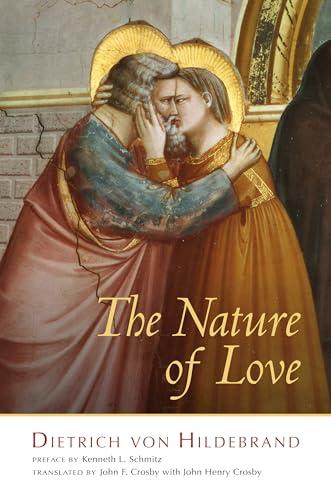
It was mentioned as a famous article by Harry Harlow that focused on infant monkeys and their preference for comfort over basic needs, suggesting a primal instinct for love and tenderness.
Harry Harlow was the mastermind behind these very creative experiments on primates like monkeys.
— Episode: 203. Do You Need a Hug?
It was mentioned as a famous article by Harry Harlow that focused on infant monkeys and their preference for comfort over basic needs, suggesting a primal instinct for love and tenderness.
Harry Harlow was the mastermind behind these very creative experiments on primates like monkeys.
Now I have to say that in present day harry harlow might have been canceled because He was really interested in The Nature of Love and actually his most famous article is called The Nature of Love And it's not a study of people. It's a study of infant monkeys.
Okay, so what harry harlow did was he raised these infant monkeys in Rooms in isolation of their moms.
And then there was another mom who had nothing to give you in terms of nutrition But was covered with like soft terry cloth And the question was when you observe these infant monkeys, what do they do?
Well, indeed the monkeys go to the wire mom that has the milk, you know They go and like they feed and then they go right back to the comforting mom who has nothing to give you other Their soft quote-unquote embrace and what harry harlow concluded was that we don't just need our basic needs to be met. There is a primitive Instinct for love. We want that tenderness and now we know that it's elemental
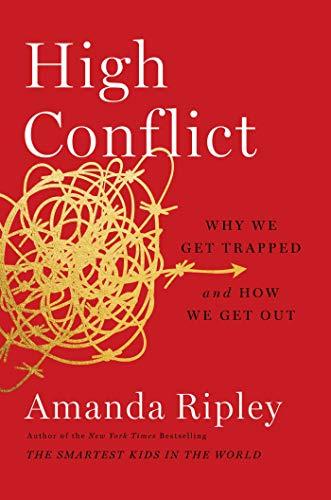
Why We Get Trapped and How We Get Out
This book popularized the term 'conflict entrepreneurs,' a concept previously used in warfare to describe actors who benefit from violent conflict.
The term was popularized by journalist Amanda Ripley in her 2021 book, High Conflict, Why We Get Trapped and How We Get Out.
— Episode: 221. Why Are We So Pessimistic?
This book popularized the term 'conflict entrepreneurs,' a concept previously used in warfare to describe actors who benefit from violent conflict.
The term was popularized by journalist Amanda Ripley in her 2021 book, High Conflict, Why We Get Trapped and How We Get Out.
Note: The book recommendations on this page are discovered automatically from podcast transcripts, and may be incorrect or incomplete.
Podcast Name