Honours versus Money
Bruno S. Frey
Mentioned 4 months ago
62. How Can You Escape a Drama Triangle?
Research psychologist Angela Duckworth (author of "Grit") and tech and sports executive Mike Maughan really like to ask people questions, and they believe there’s no such thing as a stupid one. So they have a podcast where they can ask each other as many “stupid questions” as they want. New episodes...
Recently mentioned
Bruno S. Frey
Mentioned 4 months ago
62. How Can You Escape a Drama Triangle?
William C. Dement
Mentioned 7 months ago
50. Are You as Observant as You Think?
Nassim Nicholas Taleb
Mentioned 7 months ago
49. How Does Facing Death Change Your Life?
Angela Duckworth
Mentioned 8 months ago
46. How Can You Stop Feeling So Irritable?
Michael Erard
Mentioned 8 months ago
45. How Much Better Do You Really Want to Be?
Paul Bloom
Mentioned 9 months ago
44. Is Empathy in Fact Immoral?
Meyer Friedman
Mentioned 9 months ago
44. Is Empathy in Fact Immoral?
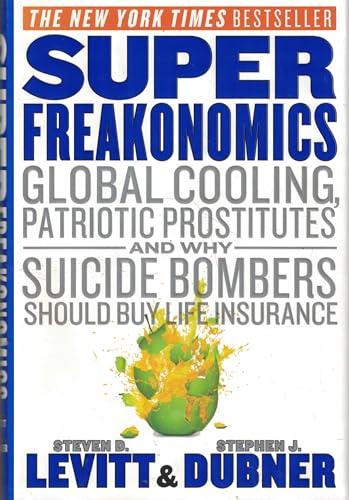
Steven D. Levitt
Mentioned 9 months ago
42. How Does When You Are Born Affect Who You Are?
![Freakonomics [Revised and Expanded]: A Rogue Economist Explores the Hidden Side of Everything cover](https://media.podcastbookpicks.com/books/677.jpg)
Steven D. Levitt
Mentioned 9 months ago
41. Why Are We So Attracted to Fame?
Daniel Thomas Cook
Mentioned 9 months ago
41. Why Are We So Attracted to Fame?
Robert B. Cialdini PhD
Mentioned 9 months ago
41. Why Are We So Attracted to Fame?
Jordan Ellenberg
Mentioned 10 months ago
40. Have We All Lost Our Ability to Compromise?
![Freakonomics [Revised and Expanded]: A Rogue Economist Explores the Hidden Side of Everything Cover](https://media.podcastbookpicks.com/books/35090.jpg)
A Rogue Economist Explores the Hidden Side of Everything
Stephen Dubner was noted to have written this book, among others.
And you wrote the book Freakonomics among quite a few others.
— Episode: 3. What Does It Mean to Be a “Hard Worke...
Stephen Dubner was noted to have written this book, among others.
And you wrote the book Freakonomics among quite a few others.
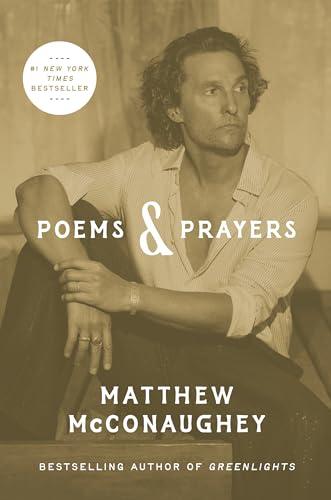
Stephen read poetry by Yehuda Amichai for about 10 or 15 minutes after removing himself from an aggravating situation, which made him feel connected to the human family again.
And I would just leave the room. And I would just then go sit and close the door and for 10 or 15 minutes read some, in this case, Yehuda Amichai poetry.
— Episode: 2. What is the Optimal Way to Be Angry?
Stephen read poetry by Yehuda Amichai for about 10 or 15 minutes after removing himself from an aggravating situation, which made him feel connected to the human family again.
And I would just leave the room. And I would just then go sit and close the door and for 10 or 15 minutes read some, in this case, Yehuda Amichai poetry.
![Freakonomics [Revised and Expanded]: A Rogue Economist Explores the Hidden Side of Everything Cover](https://media.podcastbookpicks.com/books/35092.jpg)
A Rogue Economist Explores the Hidden Side of Everything
The book was mentioned when describing Stephen Dubner's background as a writer and host of Freakonomics Radio.
And you wrote the book Freakonomics among quite a few others.
— Episode: 1. Did Covid-19 Kill the Handshake?
The book was mentioned when describing Stephen Dubner's background as a writer and host of Freakonomics Radio.
And you wrote the book Freakonomics among quite a few others.
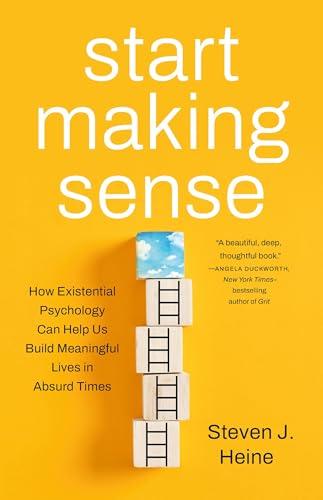
How Existential Psychology Can Help Us Build Meaningful Lives in Absurd Times
This book, which was unpublished at the time of recording but scheduled for release in January 2025, explored topics related to existential psychology and building meaningful lives, referencing Viktor Frankl extensively.
Start Making Sense, How Existential Psychology Can Help Us Build Meaningful Lives in Absurd Times, is really on the same topic.
— Episode: 223. What About All the Questions We Hav...
This book, which was unpublished at the time of recording but scheduled for release in January 2025, explored topics related to existential psychology and building meaningful lives, referencing Viktor Frankl extensively.
Start Making Sense, How Existential Psychology Can Help Us Build Meaningful Lives in Absurd Times, is really on the same topic.
Heine actually references Frankl more than, I think, two or three dozen times in the book.
And Steve Heine, as somebody who has kind of mastered the skill set of an experimental psychologist and has thought about human nature for a long time, you know, in this book, he kind of picks up these questions of like what makes life meaningful.
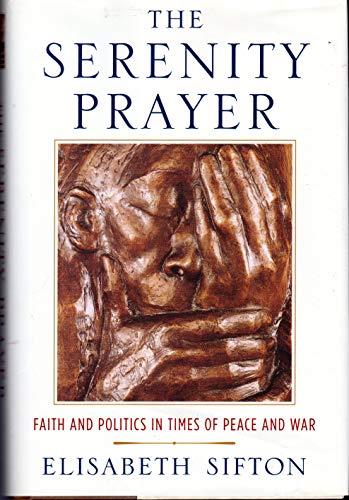
Faith and Politics in Times of Peace and War
This book was mentioned as being written by Reinhold Niebuhr's daughter, Elizabeth Sifton, concerning her father's famous Serenity Prayer and its evolution.
But actually, if you listen to Reinhold Niebuhr's daughter, who was named Elizabeth Sifton, she did not grow up to be a minister herself, but she did grow up to be a very famous editor, and she was al...
— Episode: 223. What About All the Questions We Hav...
This book was mentioned as being written by Reinhold Niebuhr's daughter, Elizabeth Sifton, concerning her father's famous Serenity Prayer and its evolution.
But actually, if you listen to Reinhold Niebuhr's daughter, who was named Elizabeth Sifton, she did not grow up to be a minister herself, but she did grow up to be a very famous editor, and she was also a writer, and she wrote a whole book on her father's serenity prayer and the evolution of this prayer.
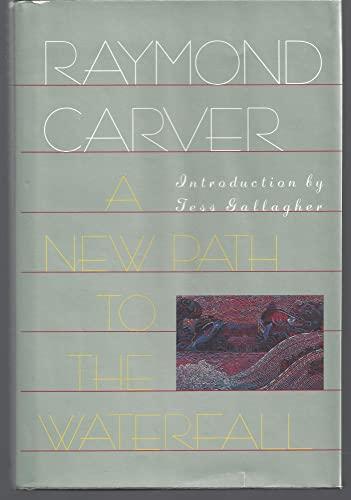
This book contained the final poem of Raymond Carver's life, which was inscribed on his tombstone, focusing on wanting to feel beloved on earth.
The writer Raymond Carver, the last poem in his last book when he was dying at age 50, which was inscribed on his tombstone. And did you get what you wanted from this life even so? I did. And what did...
— Episode: 223. What About All the Questions We Hav...
This book contained the final poem of Raymond Carver's life, which was inscribed on his tombstone, focusing on wanting to feel beloved on earth.
The writer Raymond Carver, the last poem in his last book when he was dying at age 50, which was inscribed on his tombstone. And did you get what you wanted from this life even so? I did. And what did you want? To call myself beloved. To feel myself beloved on the earth.
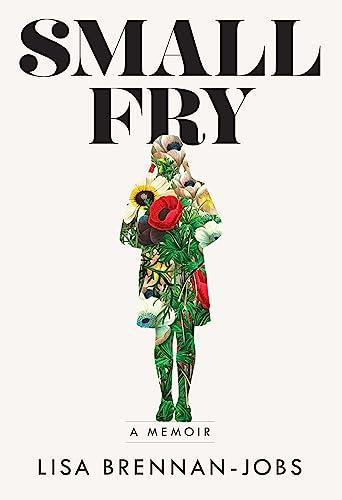
A Memoir
The speaker mentioned reading this memoir and being engrossed by every detail about Steve Jobs' personal life behind closed doors.
And I'm reading like Steve Jobs' daughter's memoir, Small Fry, oh my gosh, I'm just leaning into every detail.
— Episode: 222. What Makes an Idea Interesting?
The speaker mentioned reading this memoir and being engrossed by every detail about Steve Jobs' personal life behind closed doors.
And I'm reading like Steve Jobs' daughter's memoir, Small Fry, oh my gosh, I'm just leaning into every detail.
I had no idea she saw her dad a handful of times all the way up till, you know, age seven. And then I had no idea that this is what he was like personally behind closed doors when nobody could see.
![Freakonomics [Revised and Expanded]: A Rogue Economist Explores the Hidden Side of Everything Cover](https://media.podcastbookpicks.com/books/35097.jpg)
A Rogue Economist Explores the Hidden Side of Everything
This book was cited as an example where a counterintuitive and controversial idea--that crime reduction resulted from abortion legalization--made it widely discussed.
My immediate reaction went back to the book Freakonomics, the original Freakonomics book. I think I was early in my collegiate career when it came out and it introduced this idea that crime reduction...
— Episode: 222. What Makes an Idea Interesting?
This book was cited as an example where a counterintuitive and controversial idea--that crime reduction resulted from abortion legalization--made it widely discussed.
My immediate reaction went back to the book Freakonomics, the original Freakonomics book. I think I was early in my collegiate career when it came out and it introduced this idea that crime reduction was the direct result of the legalization of abortion.
And that was counterintuitive and it was controversial. And I felt like everyone I knew was discussing the book mostly because of that.
![Freakonomics [Revised and Expanded]: A Rogue Economist Explores the Hidden Side of Everything Cover](https://media.podcastbookpicks.com/books/35098.jpg)
A Rogue Economist Explores the Hidden Side of Everything
The book was mentioned as being read by the character Alex Dunphy in an episode of Modern Family, which Stephen referenced as a nerdy accoutrement.
I think they were at a swimming pool and everybody's jumping around having fun and she's sitting by the pool reading Freakonomics.
— Episode: Is It Weird for Adults to Have Imaginary...
The book was mentioned as being read by the character Alex Dunphy in an episode of Modern Family, which Stephen referenced as a nerdy accoutrement.
I think they were at a swimming pool and everybody's jumping around having fun and she's sitting by the pool reading Freakonomics.
We're in the top like 58 of nerd accoutrements in the history of nerd accoutrements.
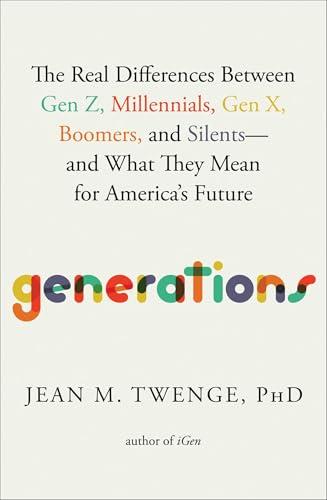
The Real Differences Between Gen Z, Millennials, Gen X, Boomers, and Silents―and What They Mean for America's Future
This book was mentioned in the context of Jean Twenge's work analyzing trends in pessimism among younger generations using data from the Monitoring the Future survey.
I think when I do think about the more recent years, I think about Gene Twenge. And we've talked a lot about Gene's work on the show, but I think this question of like, how are we feeling right now?
— Episode: 221. Why Are We So Pessimistic?
This book was mentioned in the context of Jean Twenge's work analyzing trends in pessimism among younger generations using data from the Monitoring the Future survey.
I think when I do think about the more recent years, I think about Gene Twenge. And we've talked a lot about Gene's work on the show, but I think this question of like, how are we feeling right now?
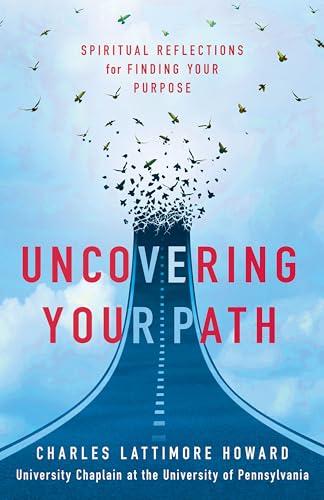
Spiritual Reflections for Finding Your Purpose
The speaker received this book from the author, who is a chaplain at the University of Pennsylvania, to endorse. The speaker initially tried to speed-read it but stopped after the author requested readers to savor the book, which the speaker then did, loving it.
please don't rush through this book. Please savor it.
— Episode: 220. Is Your Attention Span Shrinking?
The speaker received this book from the author, who is a chaplain at the University of Pennsylvania, to endorse. The speaker initially tried to speed-read it but stopped after the author requested readers to savor the book, which the speaker then did, loving it.
please don't rush through this book. Please savor it.
I read every word slowly. And my endorsement below is as sincere as could be.
I savored it. I absorbed it. I loved it.
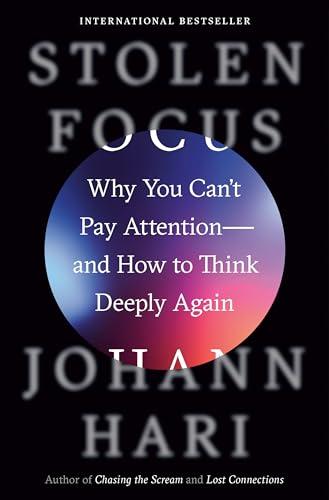
Why You Can't Pay Attention--and How to Think Deeply Again
The speaker started reading this book, which suggests we are in a war of distraction, heavily influenced by technology, and recommended by the speaker's 21-year-old daughter.
And the book really focuses on technology, by the way.
— Episode: 220. Is Your Attention Span Shrinking?
The speaker started reading this book, which suggests we are in a war of distraction, heavily influenced by technology, and recommended by the speaker's 21-year-old daughter.
And the book really focuses on technology, by the way.
Like we're living the world that Herb Simon described well before he could anticipate just how many distractions there would be.
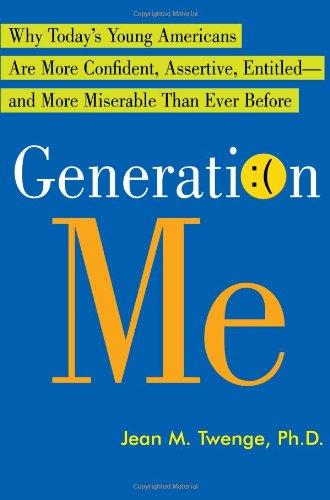
Why Today's Young Americans Are More Confident, Assertive, Entitled--and More Miserable Than Ever Before
This book was referenced as coining the term 'generation me,' which relates to the upward trend in narcissistic personality index scores found in data from the early 1980s up through the Great Recession.
I think Gene may have coined the term Generation Me.
— Episode: 219. How Do You Identify a Narcissist?
This book was referenced as coining the term 'generation me,' which relates to the upward trend in narcissistic personality index scores found in data from the early 1980s up through the Great Recession.
I think Gene may have coined the term Generation Me.
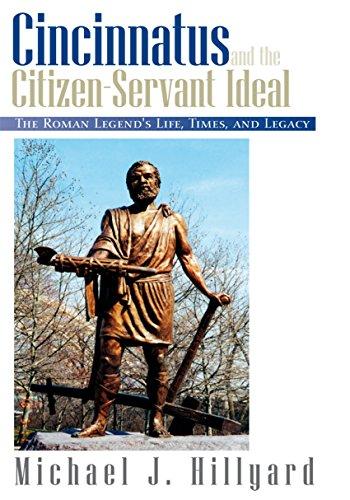
The Roman Legend's Life, Times, and Legacy
This book's subject, Cincinnatus, was discussed as a Roman figure celebrated for being a humble leader who prioritized civic duty, contrasting with the modern political desire for power out of self-belief.
So Cincinnati is named after Cincinnatus. He's a Roman figure. Like an actual person. In antiquity.
— Episode: 219. How Do You Identify a Narcissist?
This book's subject, Cincinnatus, was discussed as a Roman figure celebrated for being a humble leader who prioritized civic duty, contrasting with the modern political desire for power out of self-belief.
So Cincinnati is named after Cincinnatus. He's a Roman figure. Like an actual person. In antiquity.
So he was celebrated for being this humble leader who just focused on civic duty.
![Freakonomics [Revised and Expanded]: A Rogue Economist Explores the Hidden Side of Everything Cover](https://media.podcastbookpicks.com/books/35104.jpg)
A Rogue Economist Explores the Hidden Side of Everything
The speaker mentioned that Juliana's father inspired her to read all of the Freakonomics books, which was the reason she wanted to major in economics.
He inspired me to read all the Freakonomics books and he was the reason I wanted to major in economics.
— Episode: How Can You Give Better Gifts? (Replay)
The speaker mentioned that Juliana's father inspired her to read all of the Freakonomics books, which was the reason she wanted to major in economics.
He inspired me to read all the Freakonomics books and he was the reason I wanted to major in economics.
She writes, I have gotten him Freakonomics books the last three years.

Why You Shouldn't Buy Presents for the Holidays
Joel Waldfogel wrote a book that revolved around the concept of dead weight loss, arguing that much of the stuff people buy for others is wasted and they would be better off giving cash instead.
And Joel subsequently wrote a book that revolved around this. It was called Screwgenomics.
— Episode: How Can You Give Better Gifts? (Replay)
Joel Waldfogel wrote a book that revolved around the concept of dead weight loss, arguing that much of the stuff people buy for others is wasted and they would be better off giving cash instead.
And Joel subsequently wrote a book that revolved around this. It was called Screwgenomics.

Why You Shouldn't Buy Presents for the Holidays
This paper, written by Joel Waldfogel, dealt with the concept of deadweight loss in gift-giving, which measures the gap between the cost of a gift to the giver and its perceived value to the recipient.
So for those who wish to know more, you could search for dead weight loss, dead weight one word and Joel Waldfogel.
— Episode: How Can You Give Better Gifts? (Replay)
This paper, written by Joel Waldfogel, dealt with the concept of deadweight loss in gift-giving, which measures the gap between the cost of a gift to the giver and its perceived value to the recipient.
So for those who wish to know more, you could search for dead weight loss, dead weight one word and Joel Waldfogel.
I mean, she could print out the Joel Waldfogel article, Deadweight Loss of Christmas.
This influential 1988 paper discussed how explanations (excuses vs. justifications) function in negotiating reality after a negative outcome. The authors argued that employing an excuse sequence, focusing on external factors, preserved the excuse-giver's self-esteem and sense of control, contrasting with the self-focus of the no-excuse sequence.
It's excuses, colon, their effective role in the negotiation of reality.
— Episode: 216. Why Do We Make Excuses?
This influential 1988 paper discussed how explanations (excuses vs. justifications) function in negotiating reality after a negative outcome. The authors argued that employing an excuse sequence, focusing on external factors, preserved the excuse-giver's self-esteem and sense of control, contrasting with the self-focus of the no-excuse sequence.
It's excuses, colon, their effective role in the negotiation of reality.
If you are in the no excuse sequence, what you do is you internalize the cause to yourself. That's what it means not to make excuses.
Here, you think of external things. You know, the road blockages, the computer rebooted, the I was sent the wrong document, the whatever it is.
This questionnaire, developed by Marty Seligman and colleagues, was designed to assess an individual's spontaneous attribution style following negative events across three dimensions: personal, permanent, and pervasive. A profile scoring high on all three dimensions was found to be characteristic of individuals with clinical depression.
And when he came up with this questionnaire, he called it the attributional style questionnaire or ASQ for short.
— Episode: 216. Why Do We Make Excuses?
This questionnaire, developed by Marty Seligman and colleagues, was designed to assess an individual's spontaneous attribution style following negative events across three dimensions: personal, permanent, and pervasive. A profile scoring high on all three dimensions was found to be characteristic of individuals with clinical depression.
And when he came up with this questionnaire, he called it the attributional style questionnaire or ASQ for short.
And the three dimensions are personal, permanent, and pervasive.
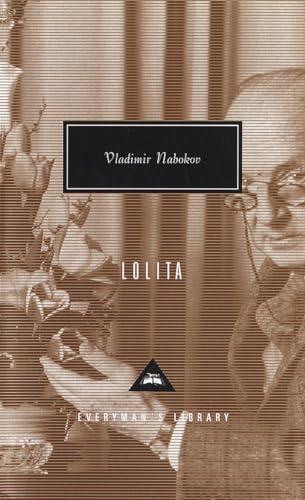
Introduction by Martin Amis (Everyman's Library Contemporary Classics Series)
This book was mentioned in the context of how its author forces readers to consider motivations behind actions, which is harder than simply labeling someone as pure evil.
much like Namikoff forces us to do in Lolita.
— Episode: 214. What Does It Take to Survive a Scan...
This book was mentioned in the context of how its author forces readers to consider motivations behind actions, which is harder than simply labeling someone as pure evil.
much like Namikoff forces us to do in Lolita.
Note: The book recommendations on this page are discovered automatically from podcast transcripts, and may be incorrect or incomplete.
Podcast Name