Honours versus Money
Bruno S. Frey
Mentioned 4 months ago
62. How Can You Escape a Drama Triangle?
Research psychologist Angela Duckworth (author of "Grit") and tech and sports executive Mike Maughan really like to ask people questions, and they believe there’s no such thing as a stupid one. So they have a podcast where they can ask each other as many “stupid questions” as they want. New episodes...
Recently mentioned
Bruno S. Frey
Mentioned 4 months ago
62. How Can You Escape a Drama Triangle?
William C. Dement
Mentioned 7 months ago
50. Are You as Observant as You Think?
Nassim Nicholas Taleb
Mentioned 7 months ago
49. How Does Facing Death Change Your Life?
Angela Duckworth
Mentioned 8 months ago
46. How Can You Stop Feeling So Irritable?
Michael Erard
Mentioned 8 months ago
45. How Much Better Do You Really Want to Be?
Paul Bloom
Mentioned 9 months ago
44. Is Empathy in Fact Immoral?
Meyer Friedman
Mentioned 9 months ago
44. Is Empathy in Fact Immoral?
Steven D. Levitt
Mentioned 9 months ago
42. How Does When You Are Born Affect Who You Are?
![Freakonomics [Revised and Expanded]: A Rogue Economist Explores the Hidden Side of Everything cover](https://media.podcastbookpicks.com/books/677.jpg)
Steven D. Levitt
Mentioned 9 months ago
41. Why Are We So Attracted to Fame?
Daniel Thomas Cook
Mentioned 9 months ago
41. Why Are We So Attracted to Fame?
Robert B. Cialdini PhD
Mentioned 9 months ago
41. Why Are We So Attracted to Fame?
Jordan Ellenberg
Mentioned 10 months ago
40. Have We All Lost Our Ability to Compromise?
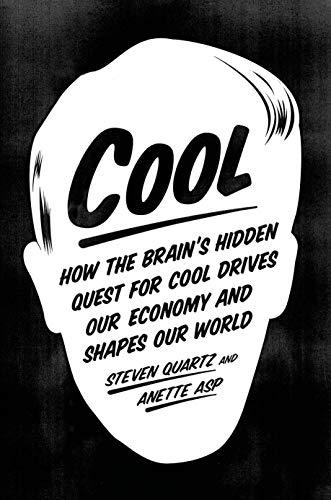
How the Brain’s Hidden Quest for Cool Drives Our Economy and Shapes Our World
The book discusses how neuroeconomics show humans have a basic need for status and respect, which is reflected in the medial prefrontal cortex, referred to as the 'social calculator' by Quartz.
And it is on neuroeconomics, but it's actually called Cool. How the brain's hidden quest for Cool drives our economy and shapes our world.
— Episode: 198. What Does It Mean to Be “Cool”?
The book discusses how neuroeconomics show humans have a basic need for status and respect, which is reflected in the medial prefrontal cortex, referred to as the 'social calculator' by Quartz.
And it is on neuroeconomics, but it's actually called Cool. How the brain's hidden quest for Cool drives our economy and shapes our world.
And what Quartz's research and other neuroscientists research show is that we have a basic human need for status and to be respected.
The identification of this part of the brain from Quartz's lab and others is the medial prefrontal cortex.
In Quartz's words, like this is where social identity lies.
And he has this phrase like a social calculator.
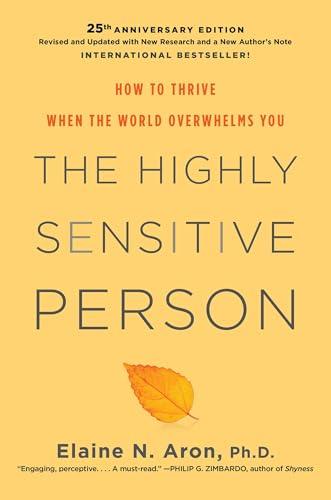
How to Thrive When the World Overwhelms You
It was recommended to Amanda (a caller) and others who feel similarly to the caller's form of neuroticism, as it explains how and why their neuroticism is, and highlights the advantages of being highly sensitive.
I wanted to recommend the book The Highly Sensitive Person by Dr. Elaine Aron to Amanda and anyone else who feels similarly. It gives very good explanations for the how and the why of...
— Episode: 197. Is It Wrong to Lie to Children?
It was recommended to Amanda (a caller) and others who feel similarly to the caller's form of neuroticism, as it explains how and why their neuroticism is, and highlights the advantages of being highly sensitive.
I wanted to recommend the book The Highly Sensitive Person by Dr. Elaine Aron to Amanda and anyone else who feels similarly. It gives very good explanations for the how and the why of her form of neuroticism. And above all, it underscores the many advantages of being highly sensitive.
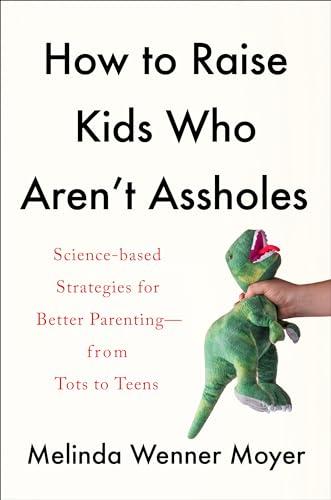
Science-Based Strategies for Better Parenting--from Tots to Teens
The author of this book, who also wrote an article on "The Santa Lie" in Slate, differentiates between "good lies" and "bad lies" in parenting, with the good lies being invoked for the benefit of the child and the bad lies being used to deflect blame or avoid responsibility.
She's also the author of a book called How to Raise Kids Who Aren't Assholes.
— Episode: 197. Is It Wrong to Lie to Children?
The author of this book, who also wrote an article on "The Santa Lie" in Slate, differentiates between "good lies" and "bad lies" in parenting, with the good lies being invoked for the benefit of the child and the bad lies being used to deflect blame or avoid responsibility.
She's also the author of a book called How to Raise Kids Who Aren't Assholes.
She basically in this article in Slate makes a differentiation on good lies and bad lies. The good lie pile is something that parents invoke for the benefit of their children.
Then on her bad lie pile, that is where you're just deflecting blame or avoiding responsibility. For example, hey, we can't go to the playground today. It's closed. But really, you're just too lazy to get off the couch.
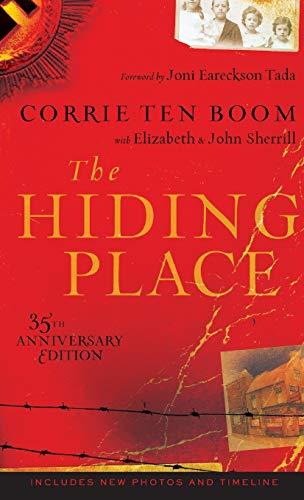
It was mentioned when Angela shared an example of when honesty is not the best policy, in this case a scene where one of the Ten Boom sisters admits to the Gestapo that they are hiding Jews.
Or there was a book called The Hiding Place about the Ten Boom family who was helping Jews escape during the Second World War and during the Holocaust.
— Episode: 197. Is It Wrong to Lie to Children?
It was mentioned when Angela shared an example of when honesty is not the best policy, in this case a scene where one of the Ten Boom sisters admits to the Gestapo that they are hiding Jews.
Or there was a book called The Hiding Place about the Ten Boom family who was helping Jews escape during the Second World War and during the Holocaust.
And one of the sisters, Nelly, the Gestapo, come into her home and say, are you hiding any Jews? And she has this philosophy that you cannot lie.
So she said, yes, they're under the floor.
And I was like, oh my gosh, that is the dumbest time to be honest. Wrong. Wrong.
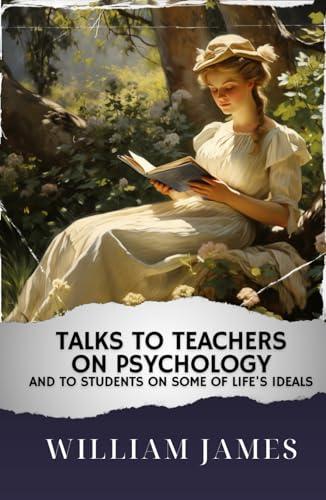
The Original Classic
William James, the chair of Harvard's psychology department, delivered a series of lectures called Talks to Teachers. He says that in giving these lectures he learned to take out more abstruse academic detail and leave in the practical implications and the most basic principles.
He says, what I have learned from giving these lectures to school teachers is that I would learn to take out more and more of this, like, abstruse academic detail and leave in the practical implicatio...
— Episode: Extra: Angela Duckworth on “Masters of S...
William James, the chair of Harvard's psychology department, delivered a series of lectures called Talks to Teachers. He says that in giving these lectures he learned to take out more abstruse academic detail and leave in the practical implications and the most basic principles.
He says, what I have learned from giving these lectures to school teachers is that I would learn to take out more and more of this, like, abstruse academic detail and leave in the practical implications and the most basic principles.
And you can actually just download Talks to Teachers for free.
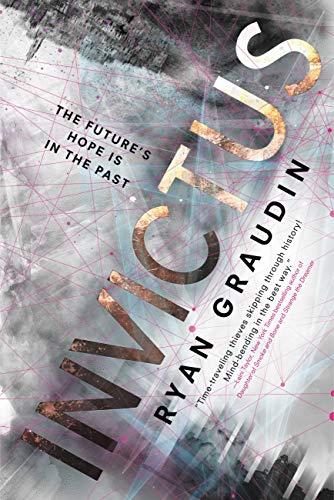
The poem, "Invictus", was referenced by Angela, who stated it was a great ode to internal locus of control. This poem had a stanza missing, in her opinion, that was about choosing to be around people who make you happier.
I'm sure you have read this many times.
— Episode: 196. What’s Wrong With Being a Little Ne...
The poem, "Invictus", was referenced by Angela, who stated it was a great ode to internal locus of control. This poem had a stanza missing, in her opinion, that was about choosing to be around people who make you happier.
I'm sure you have read this many times.
Of course.
It matters not how straight the gate, how charged with punishments the scroll. I am the master of my fate. I am the captain of my soul.
If there were ever an ode to an internal locus of control, this would be it.
Yes.
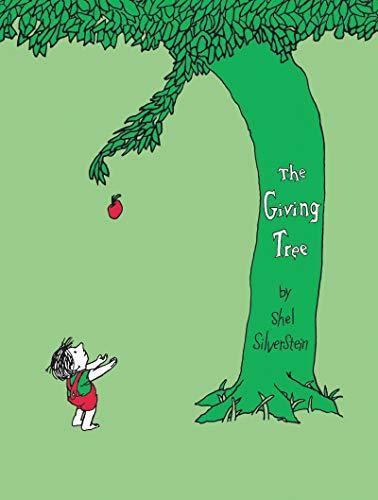
The podcast discussed the book "The Giving Tree" and its problematic message of endless self-sacrifice. The book was criticized for depicting a one-sided relationship where the tree gives everything, ultimately leaving it depleted. The podcast suggests a more balanced approach, arguing that the tree should have set boundaries to protect itself.
Then I think maybe that very famous book, The Giving Tree.
— Episode: 195. Can You Be Too Nice?
The podcast discussed the book "The Giving Tree" and its problematic message of endless self-sacrifice. The book was criticized for depicting a one-sided relationship where the tree gives everything, ultimately leaving it depleted. The podcast suggests a more balanced approach, arguing that the tree should have set boundaries to protect itself.
Then I think maybe that very famous book, The Giving Tree.
I think growing up it was about, oh, this really generous tree that just gave and gave and gave until there was nothing left.
So now there is nothing left to give to anybody else.
And now here's a fact check of today's conversation. In the first half of the show, Angela expresses her enthusiasm for Amazon's leadership principle, disagree but commit completely. The principle is actually half backbone, disagree and commit.
The phrase disagree and commit has also been attributed to former Intel CEO Andrew Grove and Tucson Microsystems co-founder Scott McNeely.
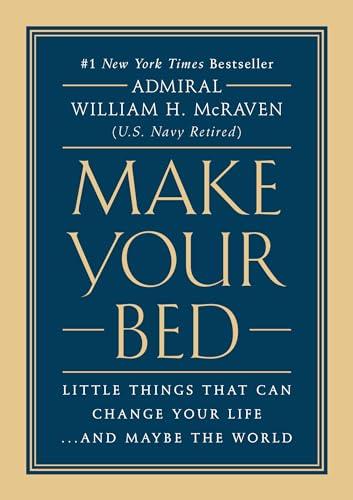
Little Things That Can Change Your Life...And Maybe the World
It was mentioned as a book that discusses the benefits of making your bed in the morning and how it can be a keystone habit for better productivity, well-being and stronger budgeting skills.
Charles Duhigg wrote about this as a keystone habit. He said, making your bed every morning is correlated with better productivity, a greater sense of wellbeing and stronger skills at sticking with a...
— Episode: 193. Are You as Conscientious as You Thi...
It was mentioned as a book that discusses the benefits of making your bed in the morning and how it can be a keystone habit for better productivity, well-being and stronger budgeting skills.
Charles Duhigg wrote about this as a keystone habit. He said, making your bed every morning is correlated with better productivity, a greater sense of wellbeing and stronger skills at sticking with a budget. That was in his book, The Power of Habit.
I think Charles Duhigg was just a guest on our sibling show, People I Mostly Admire. Yes?
But I think the most famous version came from Admiral William McRaven. Bill McRaven.
He went viral, you'll remember for his speech.
I know. I read it. I listened to it.
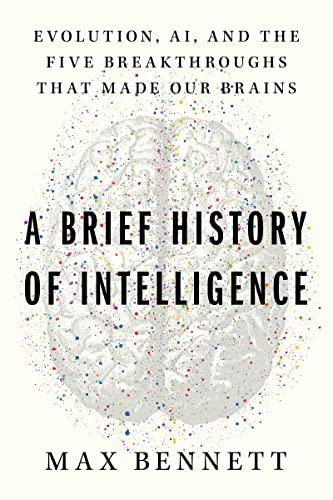
Evolution, AI, and the Five Breakthroughs That Made Our Brains
The book A Brief History of Intelligence, by Max Bennett, was recommended for its comprehensive and insightful exploration of intelligence from its origins to the future, covering topics like evolution, artificial intelligence, and the future of human intelligence.
He said Angela I'm going to do something I never do because I have a rule not to do this and then of course I was waiting on the edge of my seat he was like I'm going to recommend a book I never tell...
— Episode: 192. Should You Get Out of Your Comfort...
The book A Brief History of Intelligence, by Max Bennett, was recommended for its comprehensive and insightful exploration of intelligence from its origins to the future, covering topics like evolution, artificial intelligence, and the future of human intelligence.
He said Angela I'm going to do something I never do because I have a rule not to do this and then of course I was waiting on the edge of my seat he was like I'm going to recommend a book I never tell people what to read but I'm going to tell you to read this book and I was like okay what's the book and he said A Brief History of Intelligence by Max Bennett
I said to Danny I was like never heard of Max Bennett I spent 20 plus years studying intelligence and what it is and what it's not and it was like who the hell's Max Bennett he's like I had never heard of Max Bennett either but I was looking for something to read and he saw this book that he had never heard of
he's like I had never heard of Max Bennett either but I was looking for something to read and he saw this book that he had never heard of so Danny decides to start the book you know exploration not exploitation like why not give it a whirl yes and and he says he couldn't do anything else but read that book until he finished it so he read it cover to cover and then he read it again
so I indeed immediately ordered the book and I started reading it and even before I finished it I started evangelizing to all of my friends in psychology and I email these people and I'm like look you know take it from Danny Kahneman like you should just start reading this book they're like who the hell is Max Bennett and I'm like I don't know he's some kid who apparently got a BA in philosophy but like oh wait so he's like a young I mean he's not 12 but he's not a professor he doesn't have a PhD I think he runs an AI tech startup but he just got interested in what is it to have an intelligent thought and he does this kind of like tour of how we got smart as a species beginning with primordial sludge taking us all the way through to chat GPT-4 that kind of being like the next horizon like something human beings invented and I need to show you these email threads all of these eminent professors at Stanford at Harvard at Yale at MIT all of us are like holy sh** holy sh** this guy has come up with a story for the beginning and the middle and the future of intelligence that none of us who do this for a living could possibly have dreamed of
so Mike I'm not going to send you a song or a poem every week but I am going to tell you that you should read A Brief History of Intelligence and then you need to tell me later whether it blew your mind
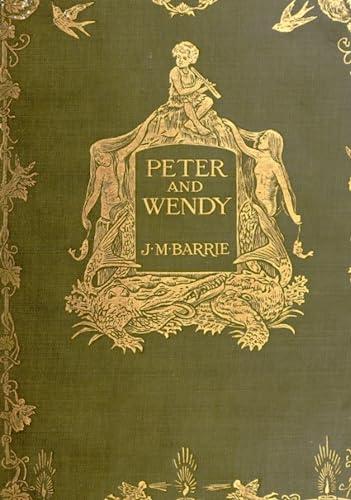
In this classic novel, Peter Pan is a boy who lives in Neverland with the Lost Boys, who never grow up. He encounters Wendy, John and Michael, and tries to teach them to fly by having them think "lovely wonderful thoughts." However, they discover that fairy dust is actually needed to fly. Although the Lost Boys are portrayed as never aging in some adaptations of the story, in Barrie's novel they do have the ability to grow older and are forced to leave Neverland.
You just think lovely wonderful thoughts and they lift you up in the air
— Episode: 190. What’s the Point of Nostalgia?
In this classic novel, Peter Pan is a boy who lives in Neverland with the Lost Boys, who never grow up. He encounters Wendy, John and Michael, and tries to teach them to fly by having them think "lovely wonderful thoughts." However, they discover that fairy dust is actually needed to fly. Although the Lost Boys are portrayed as never aging in some adaptations of the story, in Barrie's novel they do have the ability to grow older and are forced to leave Neverland.
You just think lovely wonderful thoughts and they lift you up in the air
Peter does say this in Berry's book, but the children find that his instructions don't work and that they actually need fairy dust in order to fly
In the original 1911 novel Peter and Wendy by Scottish author and playwright J. M. Berry
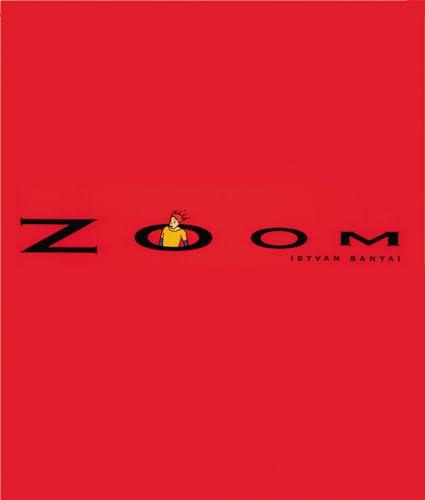
This children's book, which consists entirely of illustrations and no words, was described as repeating the words "zoom out" over and over. It was recommended as a way to gain perspective on a situation.
The children's book Mike discusses at the end of the episode is Zoom by Istvan Banyai, although it doesn't contain any words, just pictures
— Episode: 190. What’s the Point of Nostalgia?
This children's book, which consists entirely of illustrations and no words, was described as repeating the words "zoom out" over and over. It was recommended as a way to gain perspective on a situation.
The children's book Mike discusses at the end of the episode is Zoom by Istvan Banyai, although it doesn't contain any words, just pictures
The entire book just repeats over and over the two words, Zoom out, Zoom out
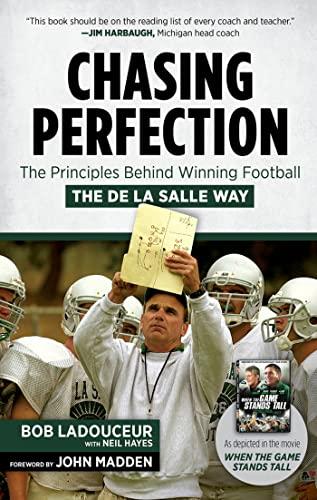
The Principles Behind Winning Football the De La Salle Way
The book was mentioned as being written by Bob Ladouceur, a legendary high school football coach, and it detailed his philosophy of coaching.
And he was telling me about his coaching philosophy so I was interviewing him because he's what I study you know paragon of grit somebody who encourages grit in his athletes and then he's telling me h...
— Episode: 188. Why Do Kids Today Get So Many A’s?
The book was mentioned as being written by Bob Ladouceur, a legendary high school football coach, and it detailed his philosophy of coaching.
And he was telling me about his coaching philosophy so I was interviewing him because he's what I study you know paragon of grit somebody who encourages grit in his athletes and then he's telling me his philosophy of like how you get 16 17 18 year old boys to become men because he was like this is not about football this is about life this is about character this is about learning to be accountable to the person standing next to you right.
And then he says you know a lot of it is love but it's tough love because what young people need is somebody who demands of them what they cannot yet do.
And I'm thinking to myself okay I've got the love part it's the tough that I'm not doing very well so you're right I should have said to these students I'm not a nanny you have to actually do the work if you don't do the work pass fail means you fail the class but I am no Bob Ladisur I was like okay T.A.s maybe you could text them.
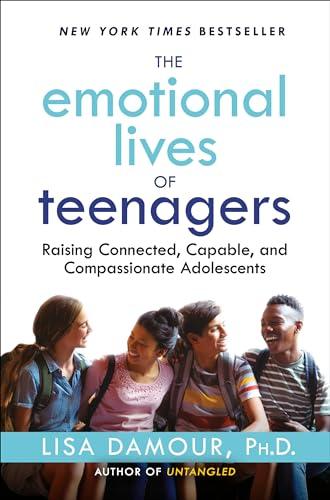
Raising Connected, Capable, and Compassionate Adolescents
The book talks about adolescent emotional health and how to help teenagers navigate their emotions, emphasizing that negative emotions are important signals and not just something to minimize.
She's like so many parents when they call their kids to see how they're doing college or they're checking in with them there's like a gauge when they're happy and they're confident and they're proud a...
— Episode: 187. Is Fear Running Your Life?
The book talks about adolescent emotional health and how to help teenagers navigate their emotions, emphasizing that negative emotions are important signals and not just something to minimize.
She's like so many parents when they call their kids to see how they're doing college or they're checking in with them there's like a gauge when they're happy and they're confident and they're proud and they're energetic that's good and when you check in with your kids and they're fearful or they're anxious or they're sad or they're lonely that's bad.
And it's understandable that we feel that way because of course it feels better and it does mean that your life is going better when you're experiencing a lot of these positive motions but she said a mistake that parents make is to think that the name of the game is to maximize positive motions and completely minimize all experience of negative emotions.
You know what not having anxiety is it's being a psychopath and I'm not kidding psychopaths are not able to experience anxiety and that's a problem they has some other problems too but I don't know that stopped me in my tracks when I was like Lisa Demore you have a point all those things are they're okay actually.
How Artists Work
It explores how order and routine can contribute to creativity and daring. The book was discussed in connection with the idea that many writers need routine to be creative.
I was reading this review of Mason Curry's book, Daily Rituals, How Artists Work.
— Episode: 186. Do You Need a Routine?
It explores how order and routine can contribute to creativity and daring. The book was discussed in connection with the idea that many writers need routine to be creative.
I was reading this review of Mason Curry's book, Daily Rituals, How Artists Work.
Oh, I read his books, both of them.
Then you're going to know more about this.
I've only read excerpts.
But I thought it was really interesting how he talked about this idea that maybe doesn't apply as much to Cass, but like you're saying, many writers need. And it's this idea that order and routine is what allows for creativity and daring.
This book discusses the relationship between fear and courage, challenging the misconception that courage is simply the absence of fear. Instead, the book argues that courage can be found in acting despite fear.
There's a psychologist named Stanley Rackman who was a lifelong scholar of fear and carriage and he wrote a book of the same title fear and carriage and he said people have the misunderstanding that c...
— Episode: 187. Is Fear Running Your Life?
This book discusses the relationship between fear and courage, challenging the misconception that courage is simply the absence of fear. Instead, the book argues that courage can be found in acting despite fear.
There's a psychologist named Stanley Rackman who was a lifelong scholar of fear and carriage and he wrote a book of the same title fear and carriage and he said people have the misunderstanding that carriage means lack of fear and I think what Rackman would say is that there may be a class of people who have a minimal fear response but that is not the only way to be courageous because any of us can learn to experience fear and do things nevertheless there was actually a New York Times article called searching for the source of a fountain of carriage where the journalist talked a lot about Rackman's research I thought it was a very nice lay summary this is about paratroopers actually who were being studied by Rackman as they prepared for their very first parachute jump so the article says the work revealed three basic groups the predator naturally fearless who displayed scant signs of the racing heart sweaty palms spike in blood pressure and other fight or flight responses associated with ordinary fear and who jumped without hesitation second group was the hand ringers whose powerful fear response at the critical moment kept them from jumping that's a direct quote from the article oh wow so they just didn't do it yeah that would be me and finally the ones who reacted physiologically like the hand ringers but who acted like the fearless leapers so this study by Rackman so nicely summarized in this article I think gives us some hope those of us who feel like we have the racing heart we have the sweating palms we have the spike in blood pressure we have the fighter flight response we feel like we have a highly functioning amygdala I feel like for me that is the only kind of carriage I'm ever going to be capable of and if I had to choose a surgeon or a collaborator or a friend honestly I think I would choose those courageous jumpers who did it despite the fear not because of the absence of fear right so I don't know permission to feel seems like a good well it's a great book but it's also just a good one liner for this question that Jeff gave us and maybe for life so Jeff there you have it permission to feel.
The work revealed three basic groups the predator naturally fearless who displayed scant signs of the racing heart sweaty palms spike in blood pressure and other fight or flight responses associated with ordinary fear and who jumped without hesitation second group was the hand ringers whose powerful fear response at the critical moment kept them from jumping that's a direct quote from the article oh wow so they just didn't do it yeah that would be me and finally the ones who reacted physiologically like the hand ringers but who acted like the fearless leapers so this study by Rackman so nicely summarized in this article I think gives us some hope those of us who feel like we have the racing heart we have the sweating palms we have the spike in blood pressure we have the fighter flight response we feel like we have a highly functioning amygdala I feel like for me that is the only kind of carriage I'm ever going to be capable of and if I had to choose a surgeon or a collaborator or a friend honestly I think I would choose those courageous jumpers who did it despite the fear not because of the absence of fear right so I don't know permission to feel seems like a good well it's a great book but it's also just a good one liner for this question that Jeff gave us and maybe for life so Jeff there you have it permission to feel.
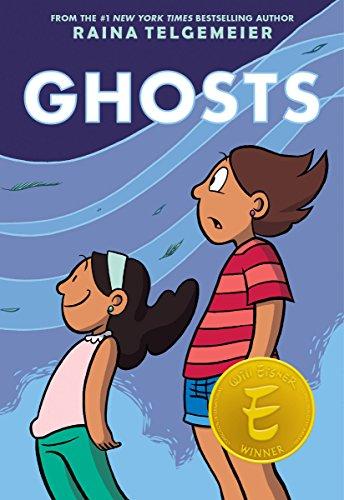
The author, Vauhini Vara, discussed her short story titled "Ghosts", which recounted the experience of her sister dying from Ewing sarcoma and the tape recordings her sister made for her. Vara shared that she found the topic difficult to write about and enlisted the help of artificial intelligence for editorial assistance.
There's this one short story that I read last year that I loved it so much that I actually tried to memorize the entire thing.
— Episode: 182. Is It Good or Bad to Keep Secrets?
The author, Vauhini Vara, discussed her short story titled "Ghosts", which recounted the experience of her sister dying from Ewing sarcoma and the tape recordings her sister made for her. Vara shared that she found the topic difficult to write about and enlisted the help of artificial intelligence for editorial assistance.
There's this one short story that I read last year that I loved it so much that I actually tried to memorize the entire thing.
It was called Ghosts, and it was written by this young woman about her sister.
This younger sister is remembering her older sister. And the older sister toward the end of her life wasn't able to speak for very long.
And she made these like tape recordings for her sister. And one of the last things that she said in a tape recording was, the happiest thing right now is I've learned to talk openly.
And the story, it's not fiction.
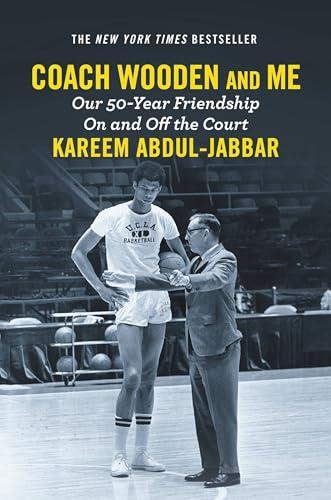
Our 50-Year Friendship On and Off the Court
The book, "Coach Wooden and Me", was written by former professional basketball player Kareem Abdul-Jabbar about his experiences playing for coach John Wooden at UCLA. The book was mentioned by Angela Duckworth as she was discussing her admiration for John Wooden and his influence on the fictional character Ted Lasso.
And so like I really went down the rabbit holes, like not only reading John Wooden and watching like podcasts of Jason Sudeikis talk about how John Wooden inspired Ted Lasso. I was like reading the bo...
— Episode: 182. Is It Good or Bad to Keep Secrets?
The book, "Coach Wooden and Me", was written by former professional basketball player Kareem Abdul-Jabbar about his experiences playing for coach John Wooden at UCLA. The book was mentioned by Angela Duckworth as she was discussing her admiration for John Wooden and his influence on the fictional character Ted Lasso.
And so like I really went down the rabbit holes, like not only reading John Wooden and watching like podcasts of Jason Sudeikis talk about how John Wooden inspired Ted Lasso. I was like reading the books of the players who had played with John Wooden about what they learned.
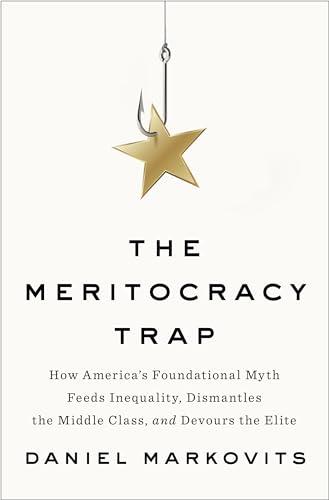
How America's Foundational Myth Feeds Inequality, Dismantles the Middle Class, and Devours the Elite
The Meritocracy Trap was mentioned as a book that discussed the potential failures of a meritocratic system and how it might be detrimental to a society. The book was written by a lawyer, Daniel Markovits, who is a professor of law at Yale.
He doesn't say where he's from, but in my mind, Patrick, you are from the great British Isles. Yes, exactly. So Patrick says, I'm a big fan of the podcast. It would be insightful if the two of you cou...
— Episode: 181. What’s So Great About Meritocracy?
The Meritocracy Trap was mentioned as a book that discussed the potential failures of a meritocratic system and how it might be detrimental to a society. The book was written by a lawyer, Daniel Markovits, who is a professor of law at Yale.
He doesn't say where he's from, but in my mind, Patrick, you are from the great British Isles. Yes, exactly. So Patrick says, I'm a big fan of the podcast. It would be insightful if the two of you could talk about the potential failures of a meritocracy like the one discussed in The Meritocracy Trap by Daniel Markovits. Are you familiar with this book? I haven't read The Meritocracy Trap, but I'm pretty familiar with these arguments against meritocracy.
And so there's a guy named Roger Karma. He wrote an article called The Meritocracy Trap explained for Vox Media. And it goes through sort of a progression of where meritocracy maybe went from the hero, as you described it, in solving previous societal issues to becoming maybe the issue itself.
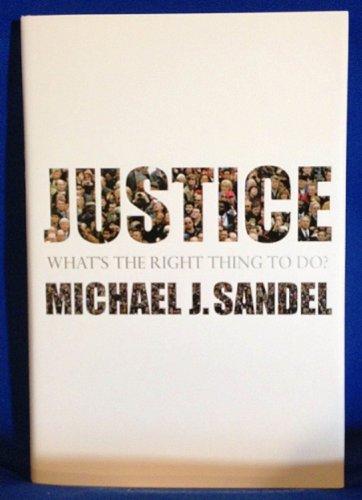
What's the Right Thing to Do?
The book Justice was mentioned in the context of meritocracy and discussed how it was one of the books that the speaker used in a class at Harvard, the book was the largest lecture class at Harvard with over a thousand students.
And at the time, it was the largest lecture class at Harvard. I think like over a thousand students. And so this is, I think, his latest book came out in 2020, The Tyranny of Merit. What's become of t...
— Episode: 181. What’s So Great About Meritocracy?
The book Justice was mentioned in the context of meritocracy and discussed how it was one of the books that the speaker used in a class at Harvard, the book was the largest lecture class at Harvard with over a thousand students.
And at the time, it was the largest lecture class at Harvard. I think like over a thousand students. And so this is, I think, his latest book came out in 2020, The Tyranny of Merit. What's become of the common good?
Note: The book recommendations on this page are discovered automatically from podcast transcripts, and may be incorrect or incomplete.
Podcast Name