Hidden Brain
Book Recommendations

Hidden Brain

Why do I feel stuck? How can I become more creative? What can I do to improve my relationships? If you’ve ever asked yourself these questions, you’re not alone. On Hidden Brain, we help you understand your own mind — and the minds of the people around you. (We're routinely rated the #1 science podca...

Episodes 615
Books 396

Most Recommended

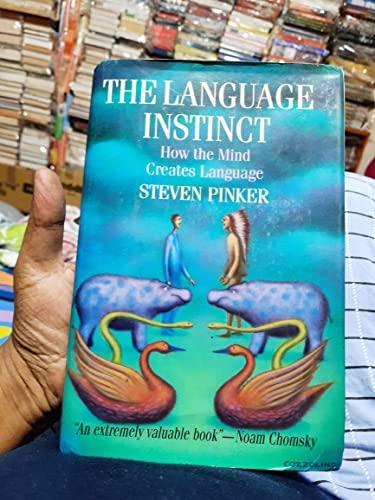
The Language Instinct: How the Mind Creates Language Cover

Steven Pinker

The Language Instinct

How the Mind Creates Language

Maya Shankar recounted discovering the title while cleaning her parents' basement, noting that its exploration of language and the mind sparked her fascination with cognitive science and ultimately influenced her career path. She described the book as remarkable and complex, highlighting how it deepened her appreciation for the brain's intricacies.

Listen on Audible 7-day free trial

Episode: Loss and Renewal

It was mentioned as a book that Maya Shankar stumbled upon while cleaning her parents' basement after her injury, and it sparked her interest in cognitive science.

"

just by luck I was helping my parents clean their basement in Cheshire, Connecticut and I stumbled upon an old course book of my sister's. It was called The Language Instinct by Steven Pinker.
Episode: You 2.0: Loss And Renewal

It was mentioned that Maya Shankar found and read this book after her violin injury, which sparked her interest in cognitive science and the brain.

"

It was called The Language Instinct by Steven Pinker.

It was remarkable for me to learn about just how complex our minds were and just what was required in order for us to have our day-to-day experiences.

And so it really whet my appetite for learning more about the mind and for exploring in more depth kind of the brilliance of the brain.

Episode: Loss and Renewal

It was discovered during a basement clean-up and piqued her interest in cognitive science, leading to a greater understanding of the complexity of the human mind.

"

And just by luck, I was helping my parents clean their basement in Cheshire, Connecticut. And I stumbled upon an old course book of my sister's. It was called The Language Instinct by Steven Pinker.
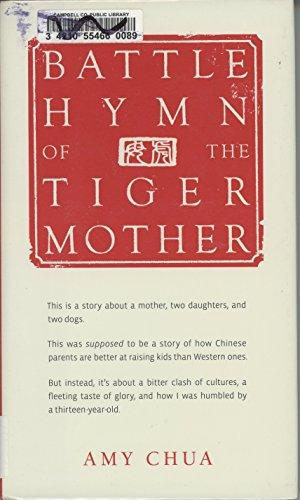
Battle Hymn of the Tiger Mother Cover

Amy Chua

Battle Hymn of the Tiger Mother

The book was cited across several episodes as a prominent example of the controversial "tiger mother" parenting style, with hosts noting its extreme rules and the debate it sparked about strict versus flexible child-rearing. While the author downplayed the severity, the podcast highlighted how the title ignited discussion about the potential drawbacks of such an approach.

Critiqued
Listen on Audible 7-day free trial

Episode: Escaping Perfectionism

The podcast discussed the author's parenting style, which some would consider extreme, and how it exemplifies other-oriented perfectionism. The author herself acknowledged that she may have gone overboard with some aspects of her parenting.

"

If you read the back of your book, it explains how to be a tiger mother.

There's a long list of things you didn't allow your children to do.

They were never allowed to attend a sleepover, have a play date, be in a school play, complain about not being in a school play, watch TV or play computer games, choose their own extracurricular activities, get any grade less than an A, not be the number one student in every subject except gym and drama, play any instrument other than the piano or violin, not play the piano or violin.

Well, it sounds tongue in cheek to me, but it doesn't sound so extreme.

And you know, when I talk to a lot of immigrants or immigrants' kids, they find it hysterical. They know that it's poking fun a little bit, but it really captures some truth.

Episode: Bringing Up Baby

It was briefly mentioned as a book that sparked debate about parenting styles, particularly Amy Chua's strict approach, which was contrasted with a more flexible and child-centered perspective.

"

This could be revolutionary You have to change the way you think about parenting because Amy Chua ignited a firestorm by sharing the surprising details of her strict parenting methods in the book Battle Hymn of the Tiger Mother

Episode: Radio Replay: Bringing Up Baby

It was brought up in the context of discussing different parenting styles, specifically the concept of "tiger parenting" and its impact on children.

"

Amy Chua ignited a firestorm by sharing the surprising details of her strict parenting methods in the book Battle Hymn of the Tiger Mother.

Episode: Kinder-Gardening

It was mentioned in the context of different parenting styles, specifically 'tiger parenting' or strict parenting methods.

"

Amy Chua ignited a firestorm by sharing the surprising details of her strict parenting methods in the book Battle Hymn of the Tiger Mother.

Episode: Kinder-Gardening

It was mentioned in the context of a discussion about parenting styles, particularly the 'Tiger Mother' approach.

"

Mom, Amy Chua ignited a firestorm by sharing the surprising details of her strict parenting methods in the book Battle Hymn of the Tiger Mother.

Episode: Escaping Perfectionism

The book was mentioned while describing Chua's extreme parenting advice.

"

Amy Chua wrote a book called Battle Hymn of the Tiger Mother and at one point in the book she tells her older daughter that if her piano playing isn't perfect she is going to take her stuffed animals and burn them.

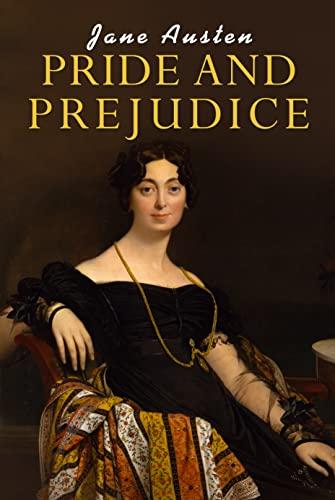
Pride and Prejudice Cover

Jane Austen

Pride and Prejudice

Shankar Vedantam referenced the title in four episodes to illustrate the historical shift toward love-based marriages, noting how Mr. Darcy chooses Elizabeth Bennet over a wealthy cousin. He used the story as an early example of a man marrying for affection rather than status, highlighting the evolving expectations around marriage.

Listen on Audible 7-day free trial

Episode: The Path to Enough

Anna Lembke mentioned that she had tried to justify her reading of Fifty Shades of Grey by comparing it to a modernday Pride and Prejudice.

"

But I remember rationalizing it to myself as a modernday Pride and Prejudice.

Episode: Relationships 2.0: When Did Marriage Become So Har...

It was mentioned as a book that illustrated a shift towards love matches, as a character defies expectations by choosing to marry for love over wealth.

"

For those who don't remember the plot of her book Pride and Prejudice, Mr. Darcy, who has been promised in marriage to his wealthy cousin, falls instead for Elizabeth Bennet, a woman of modest means.

Mr. Darcy is engaged to my daughter. Now what have you to say?

Only this, if that is the case you can have no reason to suppose he would make an offer to me. You selfish girl!

This union has been planned since their infancy. Do you think it can be prevented by a young woman of inferior birth?

Heaven and earth are the shades of Pemberley to be thus polluted. Now tell me once and for all, are you engaged to him? I am not.

Episode: You 2.0: When Did Marriage Become So Hard?

It was used as an example to show the budding idea that love was beginning to become a more prominent reason for marriage, though it was more easily accepted by men than women.

"

For those who don't remember the plot of her book Pride and Prejudice, Mr. Darcy, who has been promised in marriage to his wealthy cousin, falls instead for Elizabeth Bennet, a woman of modest means.

Episode: You 2.0: When Did Marriage Become So Hard?

It was mentioned as an early example of a story where love and marriage were intertwined, showcasing a man marrying for love instead of wealth or social standing, which was considered unconventional at the time.

"

For those who don't remember the plot of her book Pride and Prejudice, Mr. Darcy who has been promised in marriage to his wealthy cousin falls instead for Elizabeth Bennett, a woman of modest means.

Episode: When Did Marriage Become So Hard?

It was mentioned as an early example of a shift in how marriage was viewed, with Mr. Darcy choosing Elizabeth Bennett over a wealthy cousin, suggesting a move towards love matches.

"

For those who don't remember the plot of her book Pride and Prejudice, Mr. Darcy who has been promised in marriage to his wealthy cousin falls instead for Elizabeth Bennett, a woman of modest means.

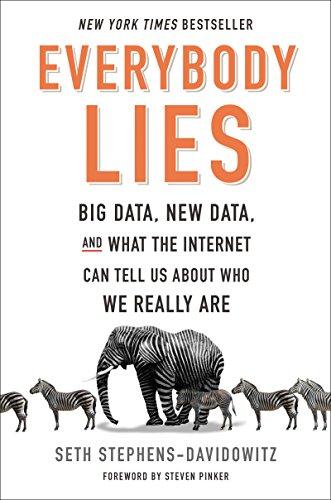
Everybody Lies: Big Data, New Data, and What the Internet Can Tell Us About Who We Really Are Cover

Seth Stephens-Davidowitz

Everybody Lies

Big Data, New Data, and What the Internet Can Tell Us About Who We Really Are

The book was highlighted for demonstrating how Google search data can predict community-level hate crimes, suicide rates, and reveal hidden thoughts that people rarely share. Host Shankar Vedantam and author Seth Stephens‑Davidowitz discussed its insights across several episodes, emphasizing its value for understanding human behavior through big data. Listeners were presented with the title as a key source for uncovering what people truly think but seldom say.

Highly Recommended
Listen on Audible 7-day free trial

Episode: The Air We Breathe

It was discussed in the context of how big data from Google searches can predict things like hate crime rates and suicide rates within communities.

"

In his book, Everybody Lies, Seth explains how big data from Google searches can predict with great accuracy things like the suicide rate in a community or the chances that a hate crime will take place.

We've shown that you can predict hate crimes against Muslims based on searches people make.

People make very, very, very disturbing searches, searches such as kill Muslims or I hate Muslims.

And these searches can predict on a given week how many hate crimes there will be against Muslims.

But I think the right approach to this is not to target any particular individual to show up at the door of any particular individual who make these searches.

Episode: Radio Replay: The Mind of the Village

It was mentioned as an example of how big data from Google searches can be used to predict things like hate crimes in a community, based on the searches people are making.

"

In his book, Everybody Lies, Seth explains how big data from Google searches can predict with great accuracy things like the suicide rate in a community or the chances that a hate crime will take place.

We've shown that you can predict hate crimes against Muslims based on searches people make. People make very, very, very disturbing searches, searches such as kill Muslims or I hate Muslims. And these searches can predict on a given week how many hate crimes there will be against Muslims.

Episode: Radio Replay: I, Robot

It was discussed in detail throughout the podcast, and focuses on the insights big data can provide about human behavior based on online searches, contradicting what people often report in surveys.

"

He used to be a data scientist at Google, and he's the author of the book Everybody Lies, Big Data, New Data, and What the Internet Can Tell Us About Who We Really Are.

Seth Stevens-Davidowicz is a former Google data scientist and the author of Everybody Lies, Big Data, New Data, and What the Internet Can Tell Us About Who We Really Are.

Seth Stevens-Davidowitz is a former data scientist at Google and the author of the book Everybody Lies, Big Data, New Data, and What the Internet Can Tell Us About Who We Really Are.

Episode: In The Air We Breathe

It was discussed how big data from Google searches can be used to predict things like the suicide rate or the likelihood of hate crimes within a community, using Google search data as a way to assess the collective sentiment of a community.

"

We've shown that you can predict hate crimes against Muslims based on searches people make.

People make very, very, very disturbing searches. Searches such as kill Muslims or I hate Muslims and these searches can predict on a given week how many hate crimes there will be against Muslims.

But I think the right approach to this is not to target any particular individual to show up at the door of any particular individual who make these searches.

That's what you're really saying, that you're picking up on things that are in the ether, if you will, in the community that might not show up in the individual but are likely to show up in the aggregate.

Yeah, and I think you don't really know the reason that any particular person makes a search, right? Someone could be searching kill Muslims because they're doing research or they're just curious about something or they made a mistake in their typing.

Episode: Ep. 70: Who We Are At 2 A.M.

It was discussed as a source of information on how big data, and the internet, can reveal our deepest thoughts and secrets, particularly things we wouldn't say out loud.

"

He's the author of the book Everybody Lies, Big Data, New Data, and What the Internet Can Tell Us About Who We Really Are.

Seth Stevens-Davidowitz is a former data scientist at Google and the author of the book Everybody Lies, Big Data, New Data, and What the Internet Can Tell Us About Who We Really Are.

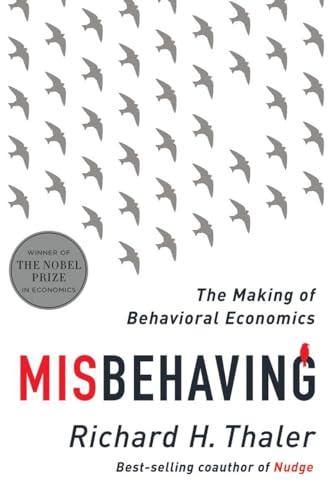
Misbehaving: The Making of Behavioral Economics Cover

Richard H. Thaler

Misbehaving

The Making of Behavioral Economics

The host highlighted the title as a key resource for understanding the emergence of behavioral economics and how people often act contrary to rational economic models. He pointed out that the book uses anecdotes and research to illustrate concepts such as mental accounting and the empathy gap. The discussion emphasized its relevance for anyone interested in the psychological factors shaping economic decisions.

Highly Recommended
Listen on Audible 7-day free trial

Episode: Follow the Anomalies

Richard Thaler's book, Misbehaving, explores the creation of the field of behavioral economics and how human behavior often deviates from traditional economic models. The book covers the development of the field through anecdotes and research, highlighting the importance of recognizing human psychology in economic decision-making.

"

Richard Thaler is the author of Misbehaving, the Making of Behavioral Economics.

You can read more about these ideas in his book, Misbehaving, the Making of Behavioral Economics.

Episode: Follow the Anomalies

This book tells the story of the creation of behavioral economics and provides insights into how human beings often fail to act like the rational economic actors in mathematical models.

"

Richard Thaler is the author of Misbehaving, the Making of Behavioral Economics.

You can read more about these ideas in his book, Misbehaving, the Making of Behavioral Economics.

Episode: Misbehaving with Richard Thaler

It was discussed as the latest book by Richard Thaler, outlining the development of behavioral economics, where it was explained that people often do not act as rationally as standard economic theory assumes.

"

Richard Thaler's latest book is Misbehaving, the Story of Behavioral Economics.

His latest book is called Misbehaving, The Making of Behavioral Economics.

Episode: Encore of Episode 16: Misbehaving

Richard Thaler's book, 'Misbehaving', was discussed at length, particularly the concepts of behavioral economics and mental accounting, explaining how people's decisions often deviate from the rational choices predicted by traditional economics.

"

Richard Thaler's latest book is Misbehaving, the Story of Behavioral Economics.

His latest book is called Misbehaving, the Making of Behavioral Economics.

LOL, this is just like one of the examples from your book.

Episode: Episode 16: Misbehaving

Richard Thaler's book "Misbehaving" explored the field of behavioral economics, highlighting how people deviate from the rational decision-making assumed by traditional economic models and how this impacts various aspects of our lives.

"

His latest book is called Misbehaving, The Making of Behavioral Economics.

That is the hot, cold empathy gap. Yeah. So when she was in the cold state, she didn't want any dessert. When she was staring the dessert in the face, you know, let me at it.

That was behavioral economist Richard Thaler. His latest book is called Misbehaving, the Making of Behavioral Economics.

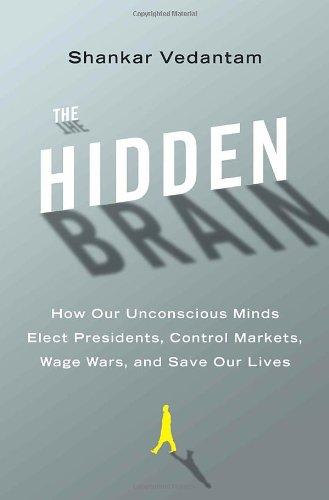
The Hidden Brain: How Our Unconscious Minds Elect Presidents, Control Markets, Wage Wars, and Save Our Lives Cover

Shankar Vedantam

The Hidden Brain

How Our Unconscious Minds Elect Presidents, Control Markets, Wage Wars, and Save Our Lives

The host Shankar Vedantam referenced the title several times, noting that he had written about the Implicit Association Test and how subconscious biases shape behavior. He also described how the book examined patterns that influence life‑and‑death decisions during emergencies, such as the 9/11 attacks. These mentions highlighted the book as a key source for understanding unconscious influences on our actions.

Highly Recommended
Listen on Audible 7-day free trial

Episode: Revealing Your Unconscious: Part 2

The podcast host mentioned that he wrote about the Implicit Association Test in his 2010 book, 'The Hidden Brain.'

"

I wrote about the test in my 2010 book, The Hidden Brain.

Episode: Revealing Your Unconscious: Part 2

It was mentioned as a book that the speaker had written about the implicit association test, suggesting it explored how people's subconscious biases can influence their actions.

"

I wrote about the test in my 2010 book, The Hidden Brain.

Episode: Persuasion: Part 2

The speaker mentioned his own book, 'The Hidden Brain', and how it described patterns of behavior that shape decisions involving life and death, referencing the events of September 11, 2001, specifically on the upper floors of the World Trade Center.

"

In my book, The Hidden Brain, I described how these patterns shape decisions involving life and death on the upper floors of the World Trade Center on September 11, 2001.

Episode: Persuasion: Part 2

The Hidden Brain was mentioned as a book that the host, Shankar Vedantam, wrote and it was explained how it helped him understand how people behave in emergencies. This was done by describing how people reacted on the upper floors of the World Trade Center during the 9/11 attacks.

"

In my book, The Hidden Brain, I described how these patterns shape decisions involving life and death on the upper floors of the World Trade Center on September 11, 2001.

Episode: Episode 1: Switchtracking

It was noted that Shankar Vedantam was the author of The Hidden Brain, a book about unconscious bias.

"

I'm Shankar Vedantam. You may know me as NPR social science correspondent or the author of The Hidden Brain, a book about unconscious bias.

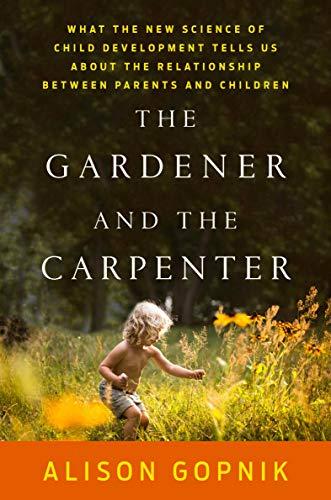
The Gardener and the Carpenter: What the New Science of Child Development Tells Us About the Relationship Between Parents and Children Cover

Alison Gopnik

The Gardener and the Carpenter

What the New Science of Child Development Tells Us About the Relationship Between Parents and Children

The book was highlighted as the central framework for the episode, with the host and the author using its gardener versus carpenter analogy to contrast nurturing, exploratory parenting with a more structured, goal‑driven approach. Both discussed how the science supports the gardener model and suggested it offers a more effective way to raise children.

Highly Recommended
Listen on Audible 7-day free trial

Episode: Bringing Up Baby

It was discussed as the core concept of Alison Gopnik's book, presenting two contrasting approaches to parenting, highlighting the gardener's more nurturing and adaptive perspective compared to the carpenter's structured and shaping approach.

"

Your book is built around an analogy Parents behaving like gardeners Parents behaving like carpenters Unpack those analogies for me

Well if you look at the prevailing culture of parents and caregiving in the United States It's a picture that's a lot like the picture you might imagine if you thought about a carpenter Do the right things, get the right skills read the right books You're going to be able to shape your child into a particular kind of adult

And that picture is very different from the kind of picture that comes from the science The picture that comes from the science is much more like being a gardener

I think the science suggests that being a caregiver for human beings is much more like being a gardener than being a carpenter It's much more about providing a protected space in which unexpected things can happen and shaping a child to come out to be a particular kind of desirable adult

Alison Gopnik is a professor of psychology and philosophy at the University of California Berkeley. She's the author of several books about children's development and her most recent one is The Gardener and the Carpenter

Episode: Radio Replay: Bringing Up Baby

It was discussed extensively in relation to the contrasting approaches of parenting: the carpenter (structured, goal-oriented) versus the gardener (nurturing, allowing for exploration and development).

"

In her book, The Gardener and the Carpenter, Alison looks at two approaches to being a parent and their consequences.

Your book is built around an analogy. Parents behaving like gardeners, parents behaving like carpenters.

Alison Gopnik is a professor of psychology and philosophy at the University of California, Berkeley. She's the author of several books about children's development and her most recent one is The Gardener and the Carpenter.

Episode: Kinder-Gardening

It was discussed as a metaphor for parenting, suggesting a shift from a structured, goal-oriented approach ('carpenter') to a more nurturing and flexible environment ('gardener').

"

Your book is built around an analogy. Parents behaving like gardeners, parents behaving like carpenters.

Well, if you look at the prevailing culture of parents and caregiving in the United States, even in Europe now, it's a picture that's a lot like the picture you might imagine if you thought about a carpenter.

And the idea is that if you just do the right things, get the right skills, read the right books, you're going to be able to shape your child into a particular kind of adult.

The picture that comes from the science is much more like being a gardener.

Alison Gopnik is a professor of psychology and philosophy at the University of California, Berkeley. She's the author of several books about children's development, and her most recent one is The Gardener and the Carpenter.

Episode: Kinder-Gardening

It was discussed as a metaphor for parenting styles, contrasting the 'carpenter' approach of shaping children with the 'gardener' approach of nurturing and providing a space for their development.

"

Your book is built around an analogy, parents behaving like gardeners, parents behaving like carpenters.

Her most recent book, The Gardener and the Carpenter, explores the different ways parents can raise kids and the consequences of those choices.

I think intuitively parents feel that there's something that's crazy about having your teenagers staying up until 2 o'clock at night studying for their SATs and trying to get that little extra edge that's going to get them into the college as opposed to someone else.

And I think that's exactly right. And I think both those messages are there. And my experience in going around and talking about this book is

Alison Gopnik is a professor of psychology and philosophy at the University of California, Berkeley. She's the author of several books about children's development, and her most recent one is The Gardener and the Carpenter.

Episode: Parents: Keep Out!

The book was recommended as a useful read for parents, contrasting two parenting styles and urging a more nurturing approach.

"

one thing i would recommend to parents is uh is the book by ellison gopnik called The Gardener and the Carpenter

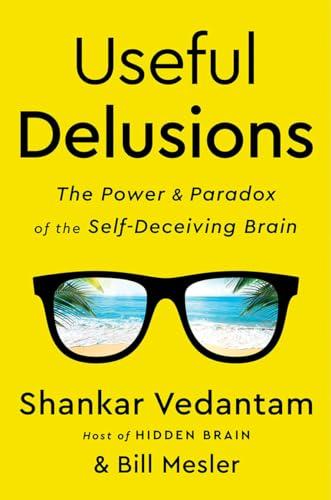
Useful Delusions: The Power and Paradox of the Self-Deceiving Brain Cover

Shankar Vedantam

Useful Delusions

The Power and Paradox of the Self-Deceiving Brain

Shankar Vedantam repeatedly highlighted the book across several episodes, introducing it as his new work that explores how self‑deception can be both beneficial and harmful. He connected its themes to episode topics such as the power of stories, apologies, and the paradox of self‑deception, and announced its availability for pre‑order. The host presented the ideas as compelling and worthwhile for listeners.

Highly Recommended
Listen on Audible 7-day free trial

Episode: The Power of Apologies

Shankar Vedantam's new book, 'Useful Delusions', was mentioned in the podcast's outro, acknowledging Johanna Ramos-Boyer's help in coordinating interviews related to it.

"

Johanna has helped me coordinate interviews that I've done about my new book, Useful Delusions.

Episode: The Story of Your Life

It is Shankar's new book and the episode's central theme of stories shaping how we see the world is also the main theme of the book.

"

Matt is my editor at Norton & Company, the publisher of my new book, Useful Delusions.

The idea that we explore today, how stories shape the way we see the world, is also a central theme of Useful Delusions.

Episode: The Snowball Effect

It was mentioned by the host as a book they had recently written and discussed at a conference with the podcast guest.

"

One of my fellow panelists was Damon Santola. I so enjoyed hearing about his ideas that I reached out to him shortly afterwards and asked him about coming on Hidden Brain.

Episode: Love is Blind

It was discussed as a new book by Shankar Vedantam that explores the paradox of self-deception and how it can have both positive and negative effects, using his parents' relationship as an example.

"

I have a new book out. It's called Useful Delusions and it looks at the paradox of self-deception.

You can find out more about how to make the paradox of self-deception work for you in my new book, Useful Delusions, The Power and Paradox of the Self-Deceiving Brain.

Episode: Our Brands, Our Selves

It was mentioned that Shankar Vedantam had written a new book, 'Useful Delusions', exploring rationality and its limitations, as well as the potential benefits of self-deception, and was available for pre-order.

"

Can self-deception ever be a good thing? Can we better address the problems with delusional thinking by understanding the emotional defense mechanisms that trigger such beliefs?

These counterintuitive ideas are at the core of a new book I've written. It's called Useful Delusions, and it's available now for pre-order. You can learn more at hiddenbrain.org books.

For more Hidden Brain you can follow us on Facebook and Twitter. Again if you'd like to learn more about my new book Useful Delusions go to hiddenbrain.org books.

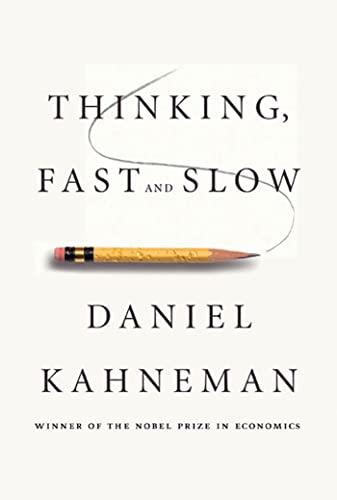
Thinking, Fast and Slow Cover

Daniel Kahneman

Thinking, Fast and Slow

The hosts highlighted the book as a key explanation of the brain's dual processing systems, noting how its careful, System 2 thinking can counteract the errors of the fast, intuitive System 1. They described it as a concise summary of Kahneman's lifelong research and praised its relevance to everyday decision‑making, even though Kahneman himself joked that reading it didn’t magically improve his mind. Overall, the discussion presented the title as essential listening for anyone interested in cognition.

Highly Recommended
Listen on Audible 7-day free trial

Episode: Why Trying Too Hard Can Backfire On You

Kahneman argued that the cool-headed system two, with its careful cognition can save us from the errors and biases of the hot-headed system one.

"

Thinking Fast and Slow

Episode: What Would Socrates Do?

It was suggested that this book, by Danny Kahneman, also suggests that we have different modes of thinking inside our heads, echoing the ancient ideas about divided selves.

"

Danny Kahneman, whose famous book, Thinking Fast and Slow, also suggests that we are a house divided.

If you think about the dual processing tradition, of which Danny Kahneman and Amos Fersky are the most famous proponents, what you're getting there is an exact echo of this Buddhist or Platonic picture.

Episode: Think Fast with Daniel Kahneman

The book, published in 2011, was discussed throughout the podcast as Daniel Kahneman's summary of his life's work into a single book, detailing many of the theories and insights he developed with Amos Tversky.

"

He's the author of the book Thinking Fast and Slow.

Some people read thinking fast and slow in the hope that reading it will improve their minds.

I wrote it and it didn't improve my mind.

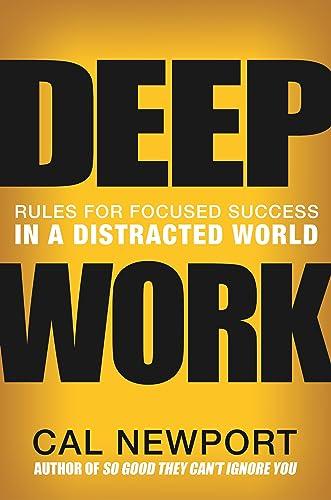
Deep Work: Rules for Focused Success in a Distracted World Cover

Cal Newport

Deep Work

Rules for Focused Success in a Distracted World

The hosts highlighted the book as a guide to improving focus and productivity by distinguishing deep work from shallow tasks, noting that dedicating intense, uninterrupted effort leads to greater professional satisfaction and a better life. They emphasized its practical strategies for minimizing distractions and cultivating a deep, fulfilling work style, and the author’s own insights reinforced its value for listeners.

Highly Recommended
Listen on Audible 7-day free trial

Episode: Work 2.0: Life, Interrupted

It was discussed as a way to improve focus and productivity, particularly in the modern workplace. Deep work was contrasted with shallow work and its benefits for both professional and personal satisfaction were highlighted.

"

Cal is the author of Deep Work, Rules for Focused Success in a Distracted World.

People who spend a larger proportion of their professional time concentrating intensely on a single high skill or high craft target tend to enjoy their work a lot more.

And there's a lot of different factors about why that might be true, but I ended by saying a deep life is a good life.

Cal Newport is the author of the book Deep Work Rules for Focused Success in a Distracted World.

I'm speaking to Cal Newport, a Georgetown University computer science professor who's the author of the book Deep Work.

Episode: You 2.0: Deep Work

It was discussed as a guide to focused success in a distracted world. The book's main points were discussed, along with its author's methods for achieving deep work.

"

Cal is the author of Deep Work, Rules for Focused Success in a Distracted World.

I ended up adding a chapter to the book that was not in the original proposal that was all about these findings I kept coming across and these stories I kept coming across about deep living also just being good living.

Cal Newport is a computer science professor at Georgetown University. He's the author of Deep Work, Rules for Focused Success in a Distracted World.

It's about how we can cultivate the ability to focus on work free of all distraction.

Episode: Radio Replay: Life, Interrupted

It was discussed as a guide to focused success in a distracted world, with the concept of deep work being a key element of success. Deep work was also said to be associated with deeper satisfaction in work.

"

Cal is the author of Deep Work, Rules for Focused Success in a Distracted World.

I'm talking with Cal Newport. He's a computer science professor at Georgetown University and the author of Deep Work, Rules for Focused Success in a Distracted World.

Cal Newport is the author of the book Deep Work, Rules for Focused Success in a Distracted World.

I'm speaking to Cal Newport, a Georgetown University computer science professor who's the author of the book Deep Work.

Cal Newport is a computer science professor at Georgetown University, and he's talking about his book Deep Work, Rules for Focused Success in a Distracted World.

Episode: You 2.0: Deep Work

It was discussed at length, emphasizing the importance of focused work and minimizing distractions to achieve high-quality results, and was explored as a concept with implications for productivity, happiness and career satisfaction.

"

Cal is the author of Deep Work, Rules for Focused Success in a Distracted World.

I'm speaking to Cal Newport, a Georgetown University computer science professor who's the author of the book, Deep Work. It's about how we can cultivate the ability to focus on work free of all distraction.

Cal Newport is a computer science professor at Georgetown University. He's the author of Deep Work, Rules for Focused Success in a Distracted World.

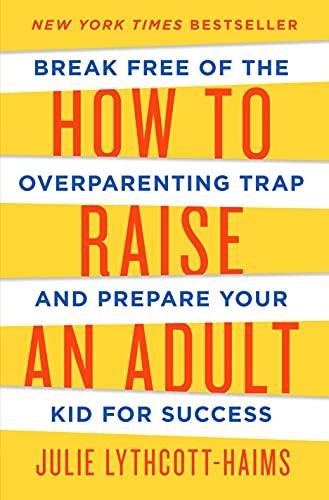
How to Raise an Adult: Break Free of the Overparenting Trap and Prepare Your Kid for Success Cover

Julie Lythcott-Haims

How to Raise an Adult

Break Free of the Overparenting Trap and Prepare Your Kid for Success

The book was highlighted across several episodes of "A Better Way to Worry," where Julie Lythcott-Haims discussed its bestseller status and argued that over‑parenting creates fragile children, urging parents to raise more resilient "warriors" for a supposedly less‑safe world. The hosts emphasized its message of breaking free from over‑parenting and preparing kids for success, presenting it as a valuable guide for parents.

Highly Recommended
Listen on Audible 7-day free trial

Episode: A Better Way to Worry

It was mentioned in relation to over-parenting and preparing children for the 'less safe' world. The author suggests raising children to be stronger and more capable.

"

If the world is less safe, which it really is not, statistically, but even if it was, don't we need our kids to be stronger and more capable to face what awaits them outside of our homes? If things are less safe out there, we need to be raising warriors, not fragile, weak pieces of veal who will be slaughtered by what the world brings to them.

Episode: A Better Way to Worry

It was mentioned as a bestselling book that encourages parents to break free from over-parenting and prepare their children for success, promoting a 'warrior' mindset.

"

If the world is less safe, which it really is not, statistically, but even if it was, don't we need our kids to be stronger and more capable to face what awaits them outside of our homes? If things are less safe out there, we need to be raising warriors, not fragile, weak pieces of veal who will be slaughtered by what the world brings to them.

Episode: A Better Way to Worry

The book's ideas were discussed regarding over-parenting and preparing children for the 'less safe' world, although this was contested by the psychologist.

"

If the world is less safe, which it really is not, statistically, but even if it was, don't we need our kids to be stronger and more capable to face what awaits them outside of our homes? If things are less safe out there, we need to be raising warriors, not fragile, weak pieces of veal who will be slaughtered by what the world brings to them.

Episode: A Better Way to Worry

It was mentioned as a bestselling book that advocates against over-parenting and encourages raising children to be more resilient and capable in facing life's challenges.

"

If the world is less safe, which it really is not, statistically, but even if it was, don't we need our kids to be stronger and more capable to face what awaits them outside of our homes? If things are less safe out there, we need to be raising warriors, not fragile, weak pieces of veal who will be slaughtered by what the world brings to them.

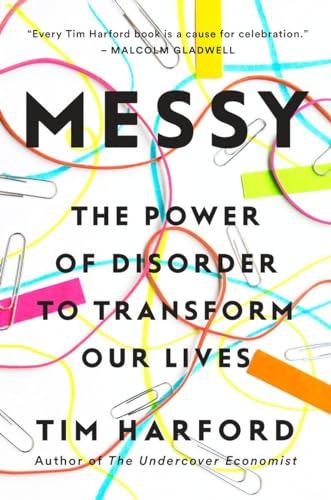
Messy: The Power of Disorder to Transform Our Lives Cover

Tim Harford

Messy

The Power of Disorder to Transform Our Lives

The book was highlighted by host Shankar Vedantam and author Tim Harford as promoting the idea that embracing disorder can spark creativity and unexpected solutions. They cited examples from music, commuting, and business, noting that while chaos can be harmful, it often leads to beneficial outcomes. The discussion conveyed a strong endorsement of its perspective.

Highly Recommended
Listen on Audible 7-day free trial

Episode: Don't Panic!

It was discussed as a book that promotes the idea of embracing disorder and chaos as a pathway to positive outcomes and innovation. It was mentioned in the context of how disruptions and challenges can lead to unexpected solutions and creative breakthroughs.

"

He's the author of Messy, the power of disorder to transform our lives.

And the argument in my book is very often we're faced with the unplayable piano and actually we produce something great out of it.

You have a number of examples besides Keith Jarrett about how disruptions and inconveniences and surprises can sometimes have paradoxically good effects on us, even though we all try to avoid those disruptions.

I said he is a master of using chaos to his advantage.

He described his creative strategy as it's a little bit similar to being in an accident.

Episode: Radio Replay: Don't Panic!

It was discussed as a book that explores the power of disorder to transform our lives, specifically how sometimes embracing chaos can lead to better outcomes.

"

He's the author of Messy, the power of disorder to transform our lives.

And the argument in my book is very often we're faced with the unplayable piano and actually we produce something great out of it.

You have a number of examples besides Keith Jarrett about how disruptions and inconveniences and surprises can sometimes have paradoxically good effects on us, even though we all try to avoid those disruptions.

I deny leaking the book to Donald Trump.

However you're absolutely right there is a section in the book about Donald Trump's campaigning style that was written before he won the election and it was published before he won the election.

Episode: You 2.0: Embrace the Chaos

It was discussed in detail, with the core argument being that disorder can be beneficial in many aspects of life, including music and business, while still acknowledging that it can also be detrimental.

"

Tim Harford is the author of Messy, the Power of Disorder to Transform Our Lives.

And the argument in my book is very often we're faced with the unplayable piano, and actually we produce something great out of it.

Now, your book came out only a few weeks ago but clearly he must have read an early draft. I deny leaking the book to Donald Trump.

I said he is a master of using chaos to his advantage.

So for all the children who are listening to this podcast I want to make clear that you're not saying that every time your parent tells you to clean up the room you should just say Tim Harford says I shouldn't.

Episode: Episode 53: Embrace the Chaos

It was discussed as a book that suggests embracing chaos and disorder can sometimes lead to positive outcomes, using various examples to demonstrate this point.

"

He's the author of Messy, the Power of Disorder to Transform Our Lives.

And the argument in my book is very often we're faced with the unplayable piano and actually we produce something great out of it.

You talk about commuters, for example, who suddenly have to find a new way to work or scientists who are working on so many projects that they are discombobulated because they don't know what they're working on.

In many of these cases you find that disorder and confusion could actually be helpful.

Well I have to say since writing the book I have stopped asking my children to clear up their room

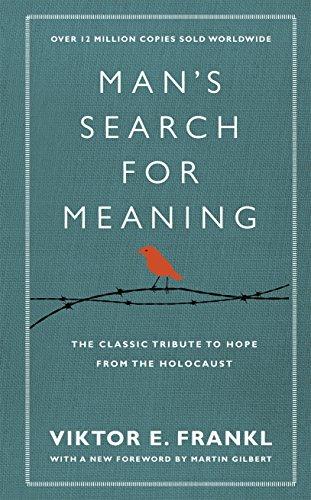
Man's Search For Meaning: The classic tribute to hope from the Holocaust (With New Material) Cover

Viktor E. Frankl

Man's Search For Meaning

The classic tribute to hope from the Holocaust (With New Material)

The book, which is a best seller, was written by Viktor Frankl, a Holocaust survivor, and discusses the importance of having a purpose in life, even in the most difficult of circumstances. Frankl argued that those who had a sense of purpose, even if it was something as simple as the hope of seeing a loved one again, were more likely to survive the horrors of the concentration camps.

"

The lesson one could learn in Auschwitz and in other concentration camps, in the final analysis was those who were oriented toward a meaning to be fulfilled by them in the future were most likely to s...

— Episode: Happiness 2.0: Cultivating Your Purpose

Listen on Audible 7-day free trial

Episode: Happiness 2.0: Cultivating Your Purpose

The book, which is a best seller, was written by Viktor Frankl, a Holocaust survivor, and discusses the importance of having a purpose in life, even in the most difficult of circumstances. Frankl argued that those who had a sense of purpose, even if it was something as simple as the hope of seeing a loved one again, were more likely to survive the horrors of the concentration camps.

"

The lesson one could learn in Auschwitz and in other concentration camps, in the final analysis was those who were oriented toward a meaning to be fulfilled by them in the future were most likely to survive.

And this has been confirmed afterwards by American Navy and Army psychiatrists in Japanese prisoner of war camps.

The orientation toward a future, toward a task, a personal task waiting for them to be fulfilled in their future or another person whom they were loving to be met again.

This was what was decisively upholding these people.

So, the orientation beyond oneself, you see, the question was not just survival, but there had to be a why of survival.

Episode: What We Gain from Pain

It was discussed in relation to maintaining a sense of control over one's life despite external circumstances, especially in difficult times. The speaker mentioned finding it impactful in college.

"

The book is about the experience that Viktor Frankl had in a concentration camp during the Second World War.

And specifically it was about his experience, how he was able to maintain a sense of control over his life despite the complete lack of control he had from an objective standpoint.

And one of the core lessons of that book is even when you have no control over your environment, you can still exert some degree of control over your reaction to the environment.

Especially in contexts where you feel like there's nothing you can do to make the situation better. Believing that well at least I can control my own reaction to the situation, I think gives you some degree of agency, right?

That allows you to both maintain an adequate level of well-being in the moment and also maintain some degree of hope to think that well, things are terrible now but at least there's a possibility for things to be better in the future.

Episode: You 2.0: Cultivating Your Purpose

It was discussed in the context of a Holocaust survivor who found purpose in a future task, even during immense hardship, which aided in survival, both psychologically and physically.

"

The lesson one could learn in Auschwitz and in other concentration camps in the final analysis was those who were oriented toward a meaning to be fulfilled by them in the future were most likely to survive.

And this has been confirmed afterwards by American Navy and Army psychiatrists in Japanese prisoner of war camps.

The orientation toward a future, toward a task, a personal task waiting for them to be fulfilled in their future or another person whom they were loving to be met again.

This was what was decisively upholding these people.

So this, the orientation beyond oneself, the, you see, the question was not just survival, but there had to be a why of survival.

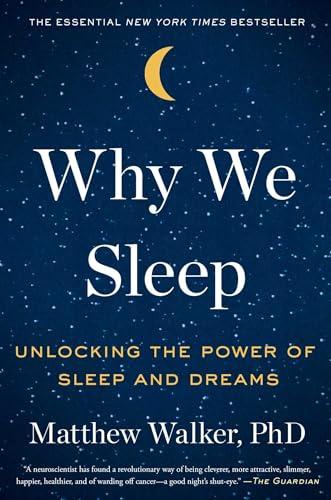
Why We Sleep: Unlocking the Power of Sleep and Dreams Cover

Matthew Walker PhD

Why We Sleep

Unlocking the Power of Sleep and Dreams

The book was highlighted across three episodes as a comprehensive look at why sleep is essential for health, creativity, and memory. Host Shankar Vedantam introduced the author, Matthew Walker, who was interviewed and explained the detrimental effects of sleep loss and the broad benefits of adequate rest. The discussion underscored the book’s persuasive evidence and positioned it as a must‑read for anyone interested in wellbeing.

Highly Recommended
Listen on Audible 7-day free trial

Episode: Radio Replay: Eyes Wide Open

It was discussed in the podcast as a book about the importance of sleep and its various benefits on the human body and mind. It was also mentioned that sleep deprivation has adverse effects.

"

If we didn't need eight hours of sleep and we could survive on six, Mother Nature would have done away with 25% of our sleep time millions of years ago.

Because when you think about it, sleep is an idiotic thing to do.

Matthew Walker is a professor of neuroscience and psychology at the University of California at Berkeley. He studies sleep, and he's the author of the book, Why We Sleep.

And I do hope you sleep well tonight.

I hope you have sweet dreams tonight.

Episode: Eyes Wide Open: Part 2

It was discussed throughout the episode, particularly in relation to sleep's impact on creativity, memory, and health. The book's author, Matthew Walker, was interviewed and he emphasized the importance of prioritizing sleep for optimal well-being.

"

If sleep does not provide a remarkable set of benefits, then it's the biggest mistake the evolutionary process has ever made.

Matthew Walker is a professor of neuroscience and psychology at the University of California at Berkeley. He studies sleep and he's the author of the book, Why We Sleep.

Matthew Walker is a professor of neuroscience and psychology at the University of California at Berkeley. He studies sleep and he's the author of the book, Why We Sleep.

You know, sleep is the Swiss Army knife of health.

You know, when sleep is deficient, there is sickness and disease. And when sleep is abundant, there is vitality and health.

Episode: Eyes Wide Open: Part 1

It was mentioned in relation to the importance of sleep, as the author spent over 20 years researching the topic and highlighted the negative health impacts of even small sleep disturbances.

"

Matthew Walker calls himself a sleep diplomat. He spent more than 20 years studying the topic, and he's written a book titled, Why We Sleep.

Fluke: Chance, Chaos, and Why Everything We Do Matters Cover

Brian Klaas

Fluke

Chance, Chaos, and Why Everything We Do Matters

The title was discussed as a deep dive into the mathematics and myths of coincidence, with the author Joseph Mazur explaining how many stories fall into recognizable categories while Shankar Vedantam highlighted its blend of wonder and analysis. The hosts presented it as an engaging collection of unlikely events that become patterned when studied, conveying an appreciative tone toward the work.

Listen on Audible 7-day free trial

Episode: What are the Odds?

It was written about the math and myth of coincidence and discussed the likelihood of coincidences, debunking the magical notion while still celebrating the stories.

"

Coincidences are wonderful stories. I don't want to blow the stories in favor of the mathematics because, you know, I was hitting a nerve on coincidences.

It's called Fluke, The Math and Myth of Coincidence.

If you categorize these coincidences to, let's say, 10 different categories, that particular kind of coincidence, meeting an acquaintance or somebody you're familiar with, in a very strange place, I would say perhaps 80% of all the coincidences I've heard fall into that category.

Joseph Mazur, professor of mathematics and author of Fluke, The Math and Myth of Coincidence.

Episode: Radio Replay: What's In It For Me?

It was described as a book full of stories about people experiencing coincidences and how, when studied, they fall into patterns.

"

It's called Fluke, The Math and Myth of Coincidence.

If you categorize these coincidences as an acquaintance or somebody you're familiar with, in a very strange place, I would say perhaps 80% of all the coincidences I've heard fall into that category.

Episode: Encore of Ep. 45: What Are The Odds?

It was written about the math and myth of coincidence, and was full of stories of unlikely events, but the coincidences started to fall into categories when studied.

"

Coincidences are wonderful stories. I don't want to blow the stories in favor of the mathematics because, you know, I was hitting a nerve on coincidences.

It's called Fluke, The Math and Myth of Coincidence.

If you categorize these coincidences to, let's say, 10 different categories, that particular kind of coincidence, meeting an acquaintance or somebody you're familiar with, in a very strange place, I would say perhaps 80% of all the coincidences I've heard fall into that category.

Joseph Mazur, professor of mathematics and author of Fluke, the math and myth of coincidence.

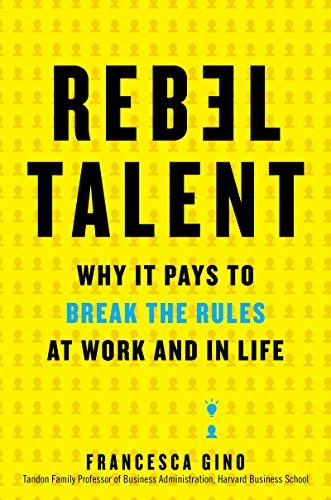
Rebel Talent: Why It Pays to Break the Rules at Work and in Life Cover

Francesca Gino

Rebel Talent

Why It Pays to Break the Rules at Work and in Life

The host discussed the book as exploring the tension between expertise and experimentation, arguing that a learning mindset and curiosity can lead to innovative outcomes. He highlighted examples like a chef and a pilot to illustrate how breaking rules constructively pays off and encouraged cultivating a rebellious mindset at work and in life.

Highly Recommended
Listen on Audible 7-day free trial

Episode: Work 2.0: Rebel with a Cause

It was discussed as a book that explores the idea that experience can be costly, and that it's important to have a learning mindset and to be open to new ideas, even as an expert.

"

Francesca Gino is a behavioral scientist at the Harvard Business School and author of Rebel Talent, Why it pays to break the rules at work and in life.

So I see too many leaders who focus so much on efficiency that curiosity shut down in people. And that's too bad because curiosity leads to all sorts of great results and great outcomes.

There's a tension that runs through much of the book, and the tension is the tension between expertise and experimentation.

Francesco Gino is a professor at Harvard Business School and the author of Rebel Talent, Why it Pays to Break the Rules at Work and in Life.

Episode: You 2.0: Rebel With A Cause

It explores the concept of 'rebel talent' by examining individuals who broke norms and achieved innovation, like Massimo Bottura and Captain Sully, and discussed how to cultivate a rebellious mindset.

"

Her book about this quest is called Rebel Talent, Why It Pays to Break the Rules at Work and in Life.

One of the things, again, the story reveals to me is this tension between expertise and experimentation.

So there's something that happens when you combine expertise with experimentation. That's where the magic is.

Francesco Gino is a professor at Harvard Business School and the author of Rebel Talent, Why It Pays to Break the Rules at Work and in Life.

Episode: You 2.0: Rebel With A Cause

It explored the idea of 'rebel talent' and how breaking rules constructively can lead to innovation and success. It examined examples like Massimo Bottura's cooking and Captain Sully's piloting.

"

Her book about this quest is called Rebel Talent, Why It Pays to Break the Rules at Work and in Life.

One of the things that makes this book so interesting, Francesca is that you've spent so much of your career exploring the pitfalls of breaking the rules...

but what the book hopefully teaches us or at least in looking at the story of these rebels what I've learned is that you might feel uncomfortable at first but really it does pay off.

Francesco Gino is a professor at Harvard Business School and the author of Rebel Talent, why it pays to break the rules at work and in life.

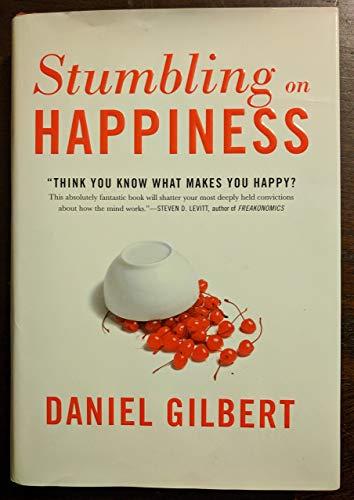
Stumbling on Happiness Cover

Daniel Gilbert

Stumbling on Happiness

Host Shankar Vedantam highlighted the book, calling Daniel Gilbert one of his favorite researchers. He used it to illustrate how humans are poor at predicting their future happiness and that more freedom does not always increase well‑being. Vedantam noted that Gilbert’s personal experiences sparked his research into the mismatch between expected and actual emotional states. The overall tone was enthusiastic and recommended.

Highly Recommended
Listen on Audible 7-day free trial

Episode: You 2.0: Decide Already!

It was discussed in the context of how humans are not good at predicting their future happiness, which was based on the author's personal experiences and subsequent research.

"

Daniel Gilbert is a psychology professor at Harvard University. He's the author of the book Stumbling on Happiness, and he's one of my favorite researchers in the world.

Episode: You 2.0: Decide Already!

It was discussed in the context of the author's personal experiences and how they led him to study the human ability to predict future emotional states, challenging the idea that more freedom always equals more happiness.

"

Daniel Gilbert is a psychology professor at Harvard University. He's the author of the book Stumbling on Happiness, and he's one of my favorite researchers in the world.

Episode: Episode 42: Decide Already!

It was discussed as the book in which the author describes his personal insights and research into how humans are poor at predicting future emotional states, particularly after making a decision.

"

He's the author of the book Stumbling on Happiness and one of my favorite researchers in the world.

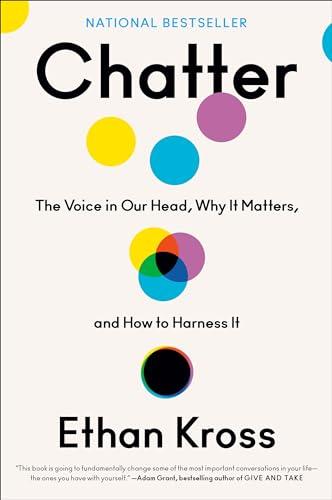
Chatter: The Voice in Our Head, Why It Matters, and How to Harness It Cover

Ethan Kross

Chatter

The Voice in Our Head, Why It Matters, and How to Harness It

The host Shankar Vedantam introduced the book during a series on befriending your inner voice, highlighting the author's research on the harsh judge, fearful prognosticator, and ruminator roles of our mental chatter. He discussed how the book offers practical techniques for managing and harnessing these inner voices, drawing on personal anecdotes and scientific findings. The conversation was positive and presented the title as a valuable resource for listeners seeking to understand and tame their inner dialogue.

Highly Recommended
Listen on Audible 7-day free trial

Episode: Befriending Your Inner Voice

The book explores the different roles of the voices we hear inside our heads, such as the harsh judge, the fearful prognosticator, and the repetitive ruminator, and provides strategies for managing them.

"

Ethan Cross is a psychologist at the University of Michigan. He's the author of the book Chatter, the voice in our head, why it matters and how to harness it.

Episode: You 2.0: Befriending Your Inner Voice

The book explores the negative inner voice, its various forms, and offers techniques to manage and harness it, drawing on personal anecdotes and research findings.

"

Ethan Cross is a psychologist at the University of Michigan. He's the author of the book, Chatter, The Voice in Our Head, Why It Matters and How to Harness It.

The book explores the different roles of the voices we hear inside our heads. The harsh judge, the fearful prognosticator, the repetitive ruminator.

Episode: You 2.0: Befriending Your Inner Voice

It was discussed in detail throughout the episode, focusing on the negative inner voice and how to manage and harness it. The author also shared his personal experiences with chatter.

"

Ethan Cross is a psychologist at the University of Michigan. He's the author of the book, Chatter, The Voice in Our Head, Why It Matters and How to Harness It.

We started this conversation by having you tell me about your experience as a young undergrad at Penn, who was dealing with setbacks when you first got to college.

Ethan Cross, welcome to Hidden Brain.

He has studied the different roles of the voices we hear inside our heads. The harsh judge, the fearful prognosticator, the repetitive ruminator.

If our inner voice is consistently a source of anxiety or a driver of depression, why do we have an inner voice at all?

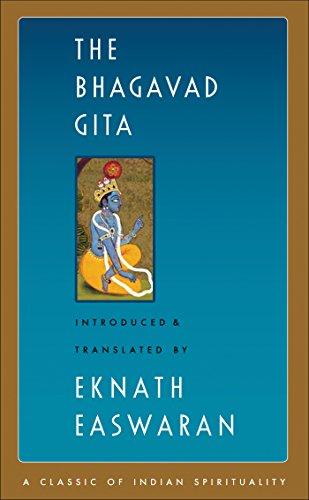
The Bhagavad Gita (Easwaran's Classics of Indian Spirituality Book 1) Cover

Eknath Easwaran

The Bhagavad Gita (Easwaran's Classics of Indian Spirituality Book 1)

The book was referenced as a source of Hindu philosophy that Jonathan Haidt had read and that Ethan’s father used to spark conversations about inner thought management. The hosts highlighted its role in fostering curiosity about Buddhism, Hinduism, and meditation, describing it as an illustrative example rather than a direct endorsement.

Listen on Audible 7-day free trial

Episode: Escaping the Matrix

It was mentioned as a book on Hinduism that Jonathan Haidt read.

"

And I'd been interested in Buddhism and Hinduism for a long time. I read the Bhagavad Gita.

Episode: You 2.0: Befriending Your Inner Voice

It was mentioned as a book Ethan's father read and discussed with him, fostering an early interest in introspection and managing inner thoughts.

"

But when he wasn't doing all those things, he was reading Eastern philosophy and The Bhagavad Gita and meditating.

Episode: You 2.0: Befriending Your Inner Voice

It was mentioned as a book that Ethan's father enjoyed reading and discussing with him, fostering his interest in the mind and its management.

"

But when he wasn't doing all those things, he was reading Eastern philosophy and The Bhagavad Gita and meditating.

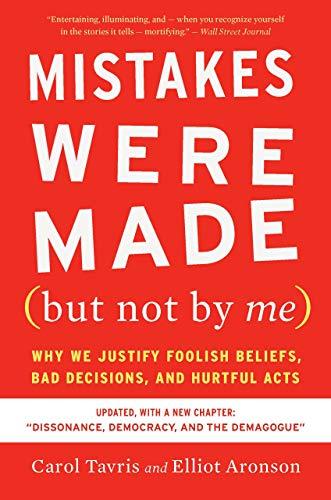
Mistakes Were Made (but Not By Me) Third Edition: Why We Justify Foolish Beliefs, Bad Decisions, and Hurtful Acts Cover

Caroll Tavris

Mistakes Were Made (but Not By Me) Third Edition

Why We Justify Foolish Beliefs, Bad Decisions, and Hurtful Acts

The hosts highlighted the book as a thorough exploration of cognitive dissonance, noting how it explains why people craft narratives to justify both happy and unhappy marriages. Shankar Vedantam and guest Elliot Aronson discussed its insights, calling it a very fine work by researchers linked to Leon Festinger. They presented it as a valuable resource for understanding self‑justification and decision‑making.

Highly Recommended
Listen on Audible 7-day free trial

Episode: Outsmarting Yourself

The book discusses the concept of cognitive dissonance and how it relates to marriage, where people often create narratives to justify their situations, regardless of whether the marriage is happy or not.

"

In the book that you wrote with Carol, Carol Tavares, Mistakes Were Made But Not By Me, you cite work looking at marriages, looking at how regardless of how marriages turn out, people tell stories that explain sort of why it is they've ended up the way they have.

The fascinating thing, I think, about the work that you and others have done is that it actually doesn't matter which course of life you choose. Cognitive dissonance is still probably going to be at play.

You have a happy marriage, you're going to tell yourself a story about why you have a happy marriage, but the same is true also if you have an unhappy marriage.

Yeah, it's true. But if you have a happy marriage, you don't need a story.

If you have an unhappy marriage, you need a story. You need a story as to why you're staying in it. You need a story as to why you're ending it. And chances are, the story is very self-enhancing.

Episode: When You Need It To Be True

It was described as a very fine book that explores the science of cognitive dissonance.

"

Elliot and Carol are also the authors of a very fine book that explores the science of cognitive dissonance. It's called Mistakes Were Made, But Not By Me.

Episode: When You Need It To Be True

It was mentioned as a very fine book that explores the science of cognitive dissonance, written by researchers who worked with Leon Festinger.

"

It's called Mistakes Were Made, But Not By Me.

Note: The book recommendations on this page are discovered automatically from podcast transcripts, and may be incorrect or incomplete.