Hidden Brain
Book Recommendations

Hidden Brain

Why do I feel stuck? How can I become more creative? What can I do to improve my relationships? If you’ve ever asked yourself these questions, you’re not alone. On Hidden Brain, we help you understand your own mind — and the minds of the people around you. (We're routinely rated the #1 science podca...

Episodes 615
Books 396

Most Recommended

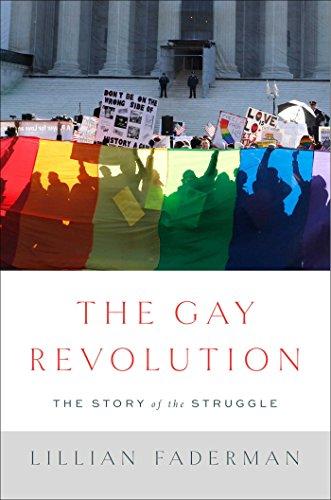
The Gay Revolution: The Story of the Struggle Cover

Lillian Faderman

The Gay Revolution

The Story of the Struggle

It was a detailed historical account of the gay rights movement, which was acknowledged as a helpful resource for the Hidden Brain podcast episode.

"

The work of researchers like Lillian was critical as we put together this episode.

— Episode: Radically Normal

Listen on Audible 7-day free trial

Episode: Radically Normal

It was a detailed historical account of the gay rights movement, which was acknowledged as a helpful resource for the Hidden Brain podcast episode.

"

The work of researchers like Lillian was critical as we put together this episode.

Episode: Radically Normal

It is a comprehensive history of the gay rights movement. It was acknowledged as being particularly helpful for the podcast team in their research.

"

Our unsung hero is Lillian Fadiman. She's a scholar who wrote a comprehensive history of the gay rights movement it was titled, The Gay Revolution.
The War for Kindness: Building Empathy in a Fractured World Cover

Jamil Zaki

The War for Kindness

Building Empathy in a Fractured World

It was discussed in relation to the author's personal experiences with empathy in his childhood, and it explored the idea of empathy as a skill that can be developed.

"

Jamil Zaki is a psychologist at Stanford University. He's the author of the book The War for Kindness, Building Empathy in a Fractured World.

— Episode: You 2.0: Empathy Gym

Listen on Audible 7-day free trial

Episode: You 2.0: Empathy Gym

It was discussed in relation to the author's personal experiences with empathy in his childhood, and it explored the idea of empathy as a skill that can be developed.

"

Jamil Zaki is a psychologist at Stanford University. He's the author of the book The War for Kindness, Building Empathy in a Fractured World.

Jameel Zaki is the author of The War for Kindness, Building Empathy in a Fractured World.

Jamil Zaki is the author of The War for Kindness Building Empathy in a Fractured World.

Episode: You 2.0: The Empathy Gym

It was discussed as a book that explores empathy building in a fractured world, specifically focusing on how empathy can be trained and developed like a muscle.

"

He's the author of the book The War for Kindness, Building Empathy in a Fractured World.

Jamil Zaki is the author of The War for Kindness, Building Empathy in a Fractured World.

Glowing Heat Cover

J. Geiling Brady

Glowing Heat

It was mentioned as one of the pornographic books Riley Shepard wrote under a pseudonym, in which he inserted pornographic scenes into other cheap novels before reselling them.

"

For a time, he wrote porn under the pseudonym Zachary Quill. One of his books, Glowing Heat.

— Episode: The Tale of the Cowboy Philosopher

Listen on Audible 7-day free trial

Episode: The Tale of the Cowboy Philosopher

It was mentioned as one of the pornographic books Riley Shepard wrote under a pseudonym, in which he inserted pornographic scenes into other cheap novels before reselling them.

"

For a time, he wrote porn under the pseudonym Zachary Quill. One of his books, Glowing Heat.

Episode: The Cowboy Philosopher

It was mentioned as one of Riley's books written under the pseudonym Zachary Quill, which Riley would insert pornographic scenes into and then resell.

"

One of his books, Glowing Heat.

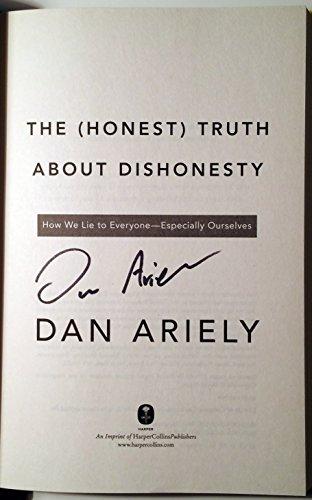
The (Honest) Truth About Dishonesty: How We Lie to Everyone---Especially Ourselves Cover

Dr. Dan Ariely

The (Honest) Truth About Dishonesty

How We Lie to Everyone---Especially Ourselves

It was discussed as a book that explores the concept of dishonesty and how it's often driven by opportunity rather than character, and was mentioned several times throughout the podcast.

"

This is Dan Ariely, researcher and author of The book, The Honest Truth About Dishonesty, how we lie to everyone, especially ourselves.

— Episode: Liar, Liar, Liar

Listen on Audible 7-day free trial

Episode: Liar, Liar, Liar

It was discussed as a book that explores the concept of dishonesty and how it's often driven by opportunity rather than character, and was mentioned several times throughout the podcast.

"

This is Dan Ariely, researcher and author of The book, The Honest Truth About Dishonesty, how we lie to everyone, especially ourselves.

Dan Ariely is a professor of psychology and behavioral economics at Duke University. He's The author of The book, The Honest Truth About Dishonesty.

Episode: Ep. 66: Liar, Liar

It was discussed in the context of dishonesty, opportunity, and how people often rationalize minor deceptions. It was mentioned that the book explores the 'fudge factor' in relation to our desire to be viewed as honest.

"

This is Dan Ariely, researcher and author of The book The Honest Truth About Dishonesty How We Lie To Everyone, Especially Ourselves

He's The author of The book The Honest Truth About Dishonesty.

You've made The case in several books and articles that lying and deception is not usually about a rational cost-benefit equation where people are balancing The advantages of deception against The risk of getting caught, but about something that you call The fudge factor.

What's The fudge factor?

And sadly I think I'm creative.

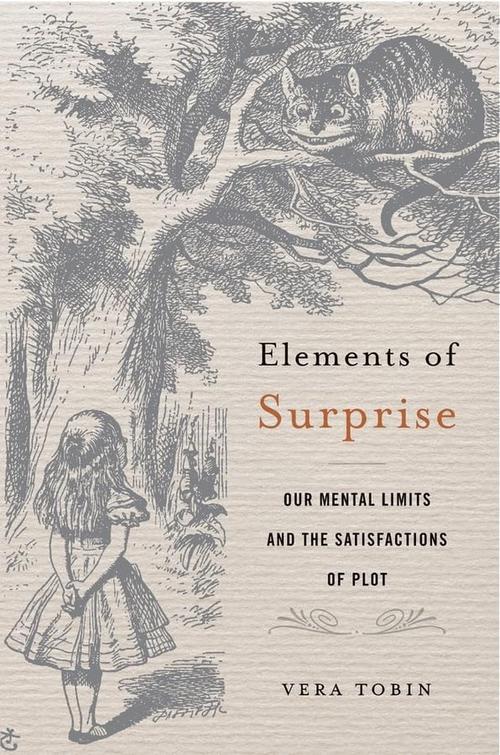
Elements of Surprise: Our Mental Limits and the Satisfactions of Plot Cover

Vera Tobin

Elements of Surprise

Our Mental Limits and the Satisfactions of Plot

It was discussed as being a book about mental limitations and the satisfaction of plot twists, and was mentioned as the author's book by the podcast host.

"

She's the author of Elements of Surprise, Our Mental Limits and The Satisfactions of Plot.

— Episode: Why We Love Surprises

Listen on Audible 7-day free trial

Episode: Why We Love Surprises

It was discussed as being a book about mental limitations and the satisfaction of plot twists, and was mentioned as the author's book by the podcast host.

"

She's the author of Elements of Surprise, Our Mental Limits and The Satisfactions of Plot.

Vera Torben is a cognitive scientist at Case Western Reserve University. She's the author of the book, Elements of Surprise, Our Mental Limits and the Satisfactions of Plot.

Episode: Spoiler Alert!

It was discussed in the context of surprise endings in movies and how they reveal the way the human mind works. The author's work focused on how stories exploit biases to create those moments.

"

She's the author of Elements of Surprise, Our Mental Limits and The Satisfactions of Plot.

Vera Torben is a cognitive scientist at Case Western Reserve University. She's the author of the book, Elements of Surprise, Our Mental Limits and the Satisfactions of Plot.

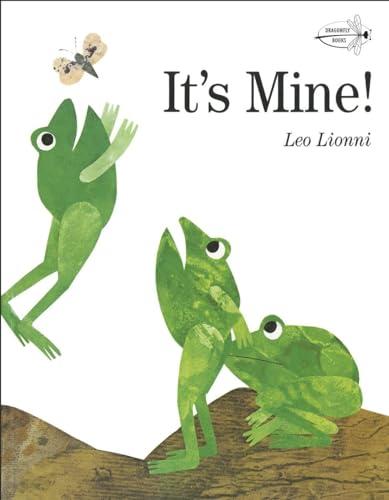
It's Mine! Cover

Leo Lionni

It's Mine!

It was a children's book about three frogs who quarrelled over their belongings on an island. It was read aloud as a lesson in a kindergarten classroom to help teach soft skills and the importance of cooperation.

"

This weekend I found this book and it's called It's Mine.

— Episode: Zipcode Destiny

Listen on Audible 7-day free trial

Episode: Zipcode Destiny

It was a children's book about three frogs who quarrelled over their belongings on an island. It was read aloud as a lesson in a kindergarten classroom to help teach soft skills and the importance of cooperation.

"

This weekend I found this book and it's called It's Mine.

They said, 'stay out of the pond, yelled Milton. The water is mine!' 'Get off the island,' shouted Rupert. 'The earth is mine!'

But they felt better now that they were together, sharing the same fears and hopes.

We can work together, can't we? Because at the beginning of the story when they were saying it's mine, it's mine, was anybody having fun? No. No. But get it, the frogs are happier when they stop being selfish.

Episode: Zipcode Destiny

It was a children's book about three frogs on an island who quarreled until a flood forced them together, teaching a lesson about selfishness and cooperation. It was read aloud to students during a kindergarten class meeting.

"

This weekend I found this book and it's called It's Mine.

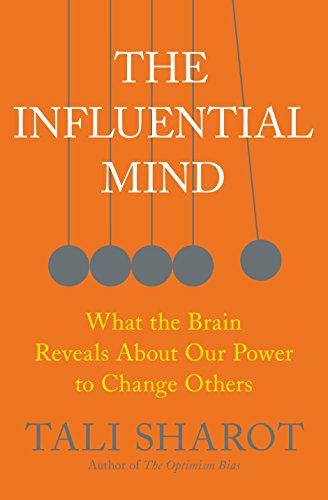
The Influential Mind: What the Brain Reveals About Our Power to Change Others Cover

Tali Sharot

The Influential Mind

What the Brain Reveals About Our Power to Change Others

Tali Sharot, a neuroscientist, discussed the book and how emotions and anxiety can override facts or evidence, illustrated by her own experience with vaccine anxieties and how she overcame them.

"

It's not enough to have the data. ... it has to be communicated in a way that would really tap into people's needs, their desires.

— Episode: Facts Aren't Enough

Listen on Audible 7-day free trial

Episode: Facts Aren't Enough

Tali Sharot, a neuroscientist, discussed the book and how emotions and anxiety can override facts or evidence, illustrated by her own experience with vaccine anxieties and how she overcame them.

"

It's not enough to have the data. ... it has to be communicated in a way that would really tap into people's needs, their desires.

What really helped is that I understood what was happening to me. ... I knew how it was going to affect me. And I think that awareness helped me to put it aside and say, okay I know that I am anxious for the wrong reasons and this is the action that I should take.

Confirmation bias is our tendency to take in any kind of data that confirms our prior convictions and to disregard data that does not conform to what we already believe.

Fear works in two situations. It works when people are ready, stressed out, and it also works when what you're trying to do is get someone not to do something, an inaction.

So by eliciting emotion, what you're able to do is change the perception of everything that comes after, to perceive information as the person who's giving the speech wants you to perceive it.

Episode: I'm Right, You're Wrong

It was discussed as an upcoming book where Tali Sharot explores the human mind's functions, why facts are ignored, and how to encourage others to listen to the truth.

"

In her upcoming book, The Influential Mind, she explores how our minds work, why we ignore the facts, and how you can get people to actually listen to the truth.

So I give an example in my book where if someone comes in and says, I just saw pink elephants flying in the sky, and I have a very strong belief obviously that no pink elephants fly in the sky,

And the further away the piece of data is from what you already believe, the less likely it is to change your belief.

it also means that it's really hard to change false beliefs.

If there's, you know, an apple that looks bad, I don't eat it. Fear is actually not such a good motivator for inducing action.

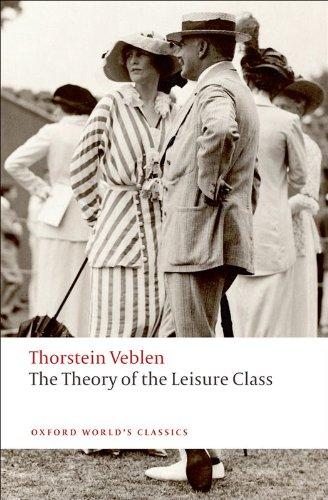
The Theory of the Leisure Class (Oxford World's Classics) Cover

Thorstein Veblen

The Theory of the Leisure Class (Oxford World's Classics)

It was referenced as an inspiration for Elizabeth's work, especially in understanding how everyday behaviors reveal social and economic positions, particularly in contrast to more modern trends.

"

I started thinking about this book really through being inspired by Thorstein Veblen's book The Theory of the Leisure Class which I read many many years ago as a graduate student and...

— Episode: Never Go To Vegas

Listen on Audible 7-day free trial

Episode: Never Go To Vegas

It was referenced as an inspiration for Elizabeth's work, especially in understanding how everyday behaviors reveal social and economic positions, particularly in contrast to more modern trends.

"

I started thinking about this book really through being inspired by Thorstein Veblen's book The Theory of the Leisure Class which I read many many years ago as a graduate student and continue to refer to in my later work and I was fascinated with his ability to Characterize day-to-day behavior that revealed social position and economic position But I also knew that things had changed a lot and these you know ways in which we showed social position were not material anymore or or not entirely material.

You know the wealthy bought silver spoons and even though they weren't more useful In fact people purchased them because they were a sign of status.

Episode: Never Go To Vegas

Veblen's classic was referenced as an early inspiration for the discussion of conspicuous consumption and social status.

"

She was inspired by Thorstein Veblen's book The Theory of the Leisure Class, which she read many years ago as a graduate student.

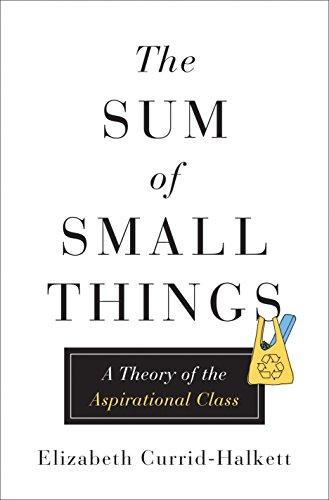
The Sum of Small Things: A Theory of the Aspirational Class Cover

Elizabeth Currid-Halkett

The Sum of Small Things

A Theory of the Aspirational Class

It is the main focus of the podcast episode. It explores how the wealthy spend their money, shifting away from conspicuous consumption to inconspicuous consumption, and the impact this has on social class and inequality.

"

Yoga Breastfeeding buying organic food attending farmers markets listening to NPR, you know reading the books on the New York Times bestseller list These are all physical manifestations of Your cultur...

— Episode: Never Go To Vegas

Listen on Audible 7-day free trial

Episode: Never Go To Vegas

It is the main focus of the podcast episode. It explores how the wealthy spend their money, shifting away from conspicuous consumption to inconspicuous consumption, and the impact this has on social class and inequality.

"

Yoga Breastfeeding buying organic food attending farmers markets listening to NPR, you know reading the books on the New York Times bestseller list These are all physical manifestations of Your cultural capital right?

Elizabeth Curritt Halcutt is a professor at the University of Southern California She's the author of starstruck and The Sum of Small Things a theory of the aspirational class

Episode: Never Go To Vegas

The work was mentioned as a recent title by the researcher that explores how subtle consumption patterns create a new social elite.

"

She is the author of Starstruck and The Sum of Small Things: A Theory of the Aspirational Class.

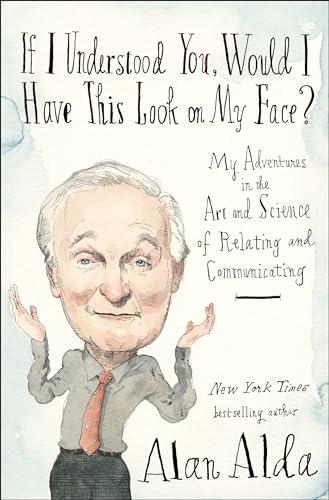
If I Understood You, Would I Have This Look on My Face?: My Adventures in the Art and Science of Relating and Communicating Cover

Alan Alda

If I Understood You, Would I Have This Look on My Face?

My Adventures in the Art and Science of Relating and Communicating

It was discussed in the context of improving communication. The book details Alda's journey into the art and science of relating and communicating, drawing on both personal anecdotes and research.

"

Alan Alda, welcome to Hit and Break Thank you I want to start by asking you about an episode in your life some years ago You were sitting in a dentist's chair and the dentist had a very sharp instrume...

— Episode: Alan Alda Wants Us To Have Better Conver...

Listen on Audible 7-day free trial

Episode: Alan Alda Wants Us To Have Better Conversations

It was discussed in the context of improving communication. The book details Alda's journey into the art and science of relating and communicating, drawing on both personal anecdotes and research.

"

Alan Alda, welcome to Hit and Break Thank you I want to start by asking you about an episode in your life some years ago You were sitting in a dentist's chair and the dentist had a very sharp instrument a couple of inches from your mouth What happened next?

I taped a conversation with Alan at a live event in Washington, D.C. about his new book If I Understood You, Would I Have This Look on My Face?

Alan Alda's book is called If I Understood You Would I Have This Look on My Face? My Adventures in the Art and Science of Relating and Communicating.

that's really the heart of my book the idea that you must listen to the other actor is so fundamental to me that that's in a way the essence of it you can't have spontaneity

things I've learned as an actor have made me understand the importance of how that doctor, Nelson Zepeda, in Chile in the middle of the night, 13 or 14 years ago, how he made a real effort to communicate with me and it made all the difference for me.

Episode: Alan Alda Wants Us To Have Better Conversations

It discusses the importance of communication and how to improve it, including the use of storytelling, empathy and active listening. The author shared numerous personal anecdotes throughout the book to illustrate his points.

"

His new book is If I Understood You, Would I Have This Look on My Face?

Alan Alda's book is called, If I Understood You, Would I Have This Look on My Face? My Adventures in the Art and Science of Relating and Communicating.

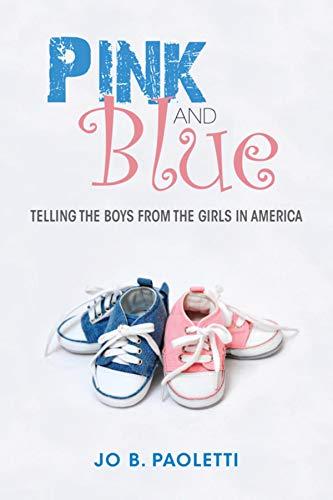
Pink and Blue: Telling the Boys from the Girls in America Cover

Jo B. Paoletti

Pink and Blue

Telling the Boys from the Girls in America

It explored the history of how children are dressed based on gender, and how that has evolved over time, especially with the rise of marketing and gendered clothing.

"

I'm a professor in American Studies at the University of Maryland.

— Episode: The Edge of Gender

Listen on Audible 7-day free trial

Episode: The Edge of Gender

It explored the history of how children are dressed based on gender, and how that has evolved over time, especially with the rise of marketing and gendered clothing.

"

I'm a professor in American Studies at the University of Maryland.

So I always head right for the infant's department first to see how much pink there is and how many things you could put either a boy or a girl in.

You know, one of my taglines that I'm going to put on my business card is, I think, deep thoughts about shallow things. It's what you do when you study popular culture.

A lot of navy blue and olive and brown and black and gray. The boys' shirts, sweaters, jackets, and pants have pictures of trucks, bulldozers, sports cars, and cute macho sayings.

It's a pocket because he's a boy.

Episode: The Edge of Gender

It explored the history of how children's clothing became gendered, and discussed the shift from more gender-neutral clothing to pink for girls and blue for boys.

"

So I always head right for the infant's department first to see how much pink there is...and how many things you could put either a boy or a girl in.

You know, one of my taglines that I'm going to put on my business card is...I think deep thoughts about shallow things.

It's what you do when you study popular culture. You can't just say, well, I'm only going to study the intellectual stuff.

What we think of now as, it's just a law, right, that pink is for girls and blue is for boys. That was invented too.

A girl can wear blue. I look around and I see plenty of blue things and nobody says, oh she's wearing blue, she must be a boy or she's wearing blue, her mother must be making a statement about gender politics.

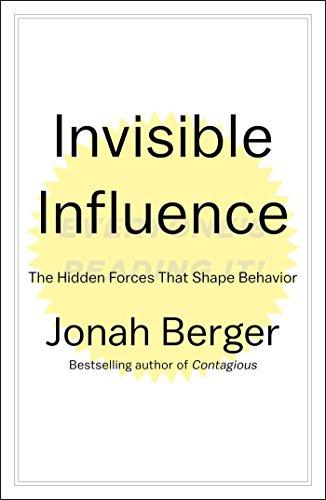
Invisible Influence: The Hidden Forces that Shape Behavior Cover

Jonah Berger

Invisible Influence

The Hidden Forces that Shape Behavior

It was discussed in the context of social influence, how it affects our behaviour, and how it can be both attractive and repulsive, influencing our choices in various aspects of life.

"

He's the author of the book, Invisible Influence, The Hidden Forces That Shape Behavior.

— Episode: Snooki and the Handbag

Listen on Audible 7-day free trial

Episode: Snooki and the Handbag

It was discussed in the context of social influence, how it affects our behaviour, and how it can be both attractive and repulsive, influencing our choices in various aspects of life.

"

He's the author of the book, Invisible Influence, The Hidden Forces That Shape Behavior.

One of the interesting things about the entire field of social psychology, and you talk about this at some length in the book, is the idea that people don't see themselves as clearly as they see other people.

You tell a story in the book about a friend of yours who's a lawyer, and he has some strong views about younger lawyers and their BMWs.

So as I was reading this section of the book, I started thinking immediately about driverless cars and the concerns and trepidations that many people have about cars that seem to drive themselves.

Episode: Episode 55: Snooki and the Handbag

It was discussed as exploring the subtle ways social influence shapes our behaviors, including how we make choices about products and political views. It was also mentioned as a book that explores the hidden forces that shape behavior.

"

My guest today has spent a lot of time thinking about these forces that act on us. Jonah Berger is a marketing professor at the University of Pennsylvania and the author of the book, Invisible Influence, The Hidden Forces That Shape Behavior.

One of the interesting things about the entire field of social psychology, and you talk about this at some length in the book, is the idea that people don't see themselves as clearly as they see other people.

You tell a story in the book about a friend of yours who's a lawyer, and he has some strong views about younger lawyers and their BMWs.

So I was writing this book and I was talking to a good friend of mine who's from Washington, D.C., and they happen to be a lawyer.

As I was reading this section of the book, I started thinking immediately about driverless cars and the concerns and trepidations that many people have about cars that seem to drive themselves.

Nostalgia: A Psychological Resource (Essays in Social Psychology) Cover

Clay Routledge

Nostalgia

A Psychological Resource (Essays in Social Psychology)

It was discussed as a book that explores the concept of nostalgia, its origins, and its potential benefits, particularly in relation to psychological well-being and future orientation.

"

Clay, welcome to Hidden Brain.

— Episode: Radio Replay: Looking Back

Listen on Audible 7-day free trial

Episode: Radio Replay: Looking Back

It was discussed as a book that explores the concept of nostalgia, its origins, and its potential benefits, particularly in relation to psychological well-being and future orientation.

"

Clay, welcome to Hidden Brain.

In your book, you describe the origin of the word Nostalgia.

Clay Rutledge is a psychology professor at North Dakota State University. He's the author of Nostalgia, A Psychological Resource.

Episode: The Good Old Days

It was discussed as the book that explored the history of nostalgia, moving from its early conception as a disease to a more commercial understanding in the 1980s.

"

In your book, you describe the origin of the word Nostalgia.

Clay, welcome to Hidden Brain.

Thank you for having me.

Clay Rutledge is a psychology professor at North Dakota State University. He's the author of Nostalgia, A Psychological Resource.

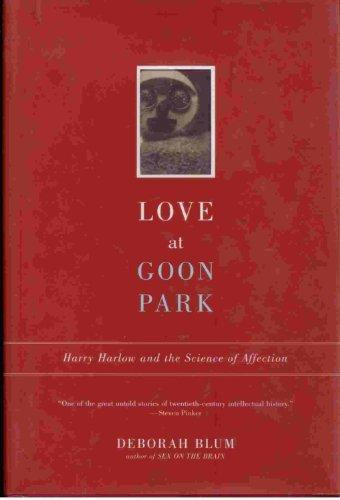
Love at Goon Park: Harry Harlow and the Science of Affection Cover

Deborah Blum

Love at Goon Park

Harry Harlow and the Science of Affection

It was discussed in the context of the importance of touch and affection, particularly in early childhood, and how it was once believed that excessive touch could be detrimental.

"

When I first heard Allison McAdam's story about her comfort blanket I remembered a wonderful book by the writer Deborah Blum. It explored the powerful role that touch plays in our lives.

— Episode: Encore of Ep. 35: Creature Comforts

Listen on Audible 7-day free trial

Episode: Encore of Ep. 35: Creature Comforts

It was discussed in the context of the importance of touch and affection, particularly in early childhood, and how it was once believed that excessive touch could be detrimental.

"

When I first heard Allison McAdam's story about her comfort blanket I remembered a wonderful book by the writer Deborah Blum. It explored the powerful role that touch plays in our lives.

You describe in your book something that seems very surprising to me which is that back in the 1950s there were many prominent behavioral experts who believed that touch was a problem.

The early books told mothers not to hold their children at all. If they could avoid it, that it would ruin the moral fiber of the child.

He gave a speech, it's still one of my favorite speeches ever in the history of science called The Nature of Love.

And he said, and I think this is correct, there's a lot of parents who get this. They're not listening to you because you have gotten this wrong and the nature of love is about touch and comfort.

Episode: Episode 35: Creature Comforts

It was discussed in the context of Harry Harlow's experiments and the importance of touch for child development, which challenged earlier beliefs that touch was detrimental.

"

It's so fascinating to look back on that period and think to yourself, how could you get that so wrong?

He gave a speech. It's still one of my favorite speeches ever in the history of science called The Nature of Love.

And he said, and I think this is correct, there's a lot of parents who get this. They're not listening to you because you have gotten this wrong.

The Nature of Love is about touch and comfort. And my favorite part of the Harlow message, the nature of love is every day. I'm there for you, which is what touch says.

They still have an important message, and you can love or hate Harry Harlow, and people do both, right? But some of the messages, some of the ideas, some of the things that he tried to teach still matter.

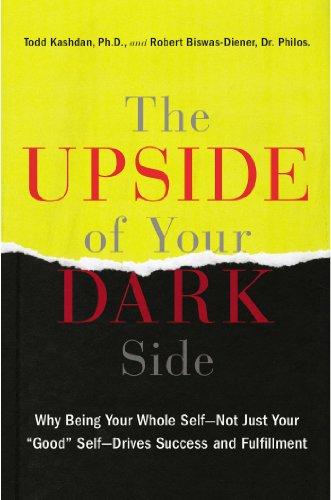
The Upside of Your Dark Side: Why Being Your Whole Self--Not Just Your "Good" Self--Drives Success and Fulfillment Cover

Todd Kashdan

The Upside of Your Dark Side

Why Being Your Whole Self--Not Just Your "Good" Self--Drives Success and Fulfillment

The host noted that Todd Kashdan authored this book, which argues that embracing one's whole self--including the less positive aspects--drives success and fulfillment.

"

He's the author of The Upside of Your Dark Side, Why Being Your Whole Self, Not Just Your Good Self, Drives Success and Fulfillment.

— Episode: Happiness 2.0: The Only Way Out Is Throu...

Listen on Audible 7-day free trial

Episode: Happiness 2.0: The Only Way Out Is Through

The host noted that Todd Kashdan authored this book, which argues that embracing one's whole self--including the less positive aspects--drives success and fulfillment.

"

He's the author of The Upside of Your Dark Side, Why Being Your Whole Self, Not Just Your Good Self, Drives Success and Fulfillment.

He's the author of The Art of Insubordination, How to Dissent and Defy Effectively and The Upside of Your Dark Side, Why Being Your Whole Self, Not Just Your Good Self, Drives Success and Fulfillment.

Episode: Happiness 2.0: The Only Way Out Is Through

The host noted that Todd Kashdan authored this book, which argues that embracing one's whole self, including darker traits, can drive success and fulfillment.

"

He is the author of The Upside of Your Dark Side, Why Being Your Whole Self, Not Just Your Good Self, Drives Success and Fulfillment.

He's the author of ... The Upside of Your Dark Side, Why Being Your Whole Self, Not Just Your Good Self, Drives Success and Fulfillment.

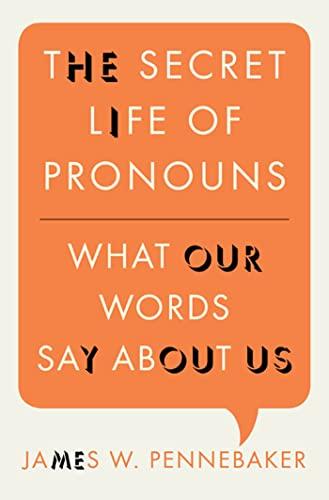
The Secret Life of Pronouns: What Our Words Say About Us Cover

James W. Pennebaker

The Secret Life of Pronouns

What Our Words Say About Us

This book was mentioned at the end of the podcast as the author's published work, detailing how our word choices reveal aspects of ourselves.

"

Psychologist James Pennebaker is the author of The Secret Life of Pronouns, What Our Words Say About Us.

— Episode: What's Hidden in Your Words

Listen on Audible 7-day free trial

Episode: What's Hidden in Your Words

This book was mentioned at the end of the podcast as the author's published work, detailing how our word choices reveal aspects of ourselves.

"

Psychologist James Pennebaker is the author of The Secret Life of Pronouns, What Our Words Say About Us.

Episode: What's Hidden in Your Words

The book explores how the words we use, particularly function words, reveal profound things about ourselves and others. It was discussed as an example of how language analysis can reveal hidden aspects of human behavior.

"

Psychologist James Pennebaker is the author of The Secret Life of Pronouns, What Our Words Say About Us.

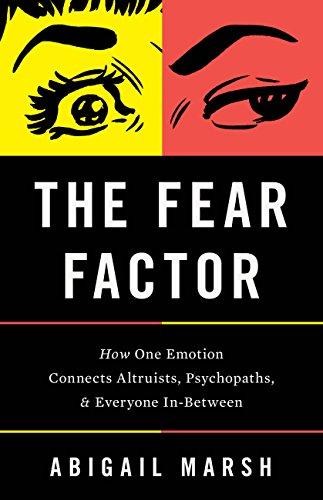
The Fear Factor: How One Emotion Connects Altruists, Psychopaths, and Everyone In-Between Cover

Abigail Marsh

The Fear Factor

How One Emotion Connects Altruists, Psychopaths, and Everyone In-Between

The book was presented as Marsh's work explaining how fear links altruists, psychopaths, and everyone else.

"

She's the author of The Fear Factor, How One Emotion Connects Altruists, Psychopaths, and Everyone In Between.

— Episode: Radical Kindness

Listen on Audible 7-day free trial

Episode: Radical Kindness

The book was presented as Marsh's work explaining how fear links altruists, psychopaths, and everyone else.

"

She's the author of The Fear Factor, How One Emotion Connects Altruists, Psychopaths, and Everyone In Between.

Abigail Marsh is a psychologist and neuroscientist at Georgetown University. She's the author of The Fear Factor, How One Emotion Connects Altruists, Psychopaths, and Everyone In Between.

Episode: You 2.0: Stop Spiraling!

Abigail Marsh was mentioned as the author of a book about how a single emotion links altruists, psychopaths, and everyone else.

"

Abigail Marsh is a psychologist and neuroscientist at Georgetown University. She's the author of The Fear Factor, How One Emotion Connects Altruists, Psychopaths, and Everyone in Between.

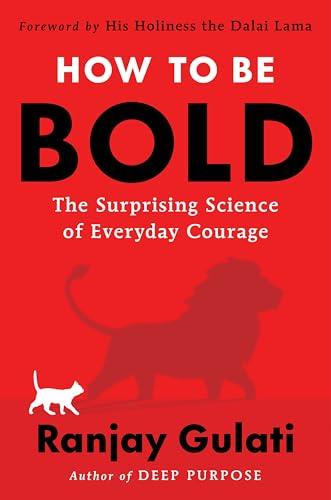
How to Be Bold: The Surprising Science of Everyday Courage – A USA Today Bestselling Guide to Managing Fear and Taking Action Cover

Ranjay Gulati

How to Be Bold

The Surprising Science of Everyday Courage – A USA Today Bestselling Guide to Managing Fear and Taking Action

The host identified Gulati as the author of "How to Be Bold, The Surprising Science of Everyday Courage" and later repeated this introduction, highlighting the book as his recent work.

"

Ranjay Gulati is a behavioral scientist at Harvard Business School. He's the author of How to Be Bold, The Surprising Science of Everyday Courage.

— Episode: You 2.0: Cultivating Courage

Listen on Audible 7-day free trial

Episode: You 2.0: Cultivating Courage

The host identified Gulati as the author of "How to Be Bold, The Surprising Science of Everyday Courage" and later repeated this introduction, highlighting the book as his recent work.

"

Ranjay Gulati is a behavioral scientist at Harvard Business School. He's the author of How to Be Bold, The Surprising Science of Everyday Courage.

Ranjay Gulati is a behavioral scientist at Harvard Business School. He's the author of How to Be Bold, The Surprising Science of Everyday Courage.

Episode: How to Change the World

Shankar announced that Ranjay Gulati is the author of How to Be Bold, describing it as a book about the surprising science of everyday courage.

"

Ranjay Gulati is the author of How to Be Bold, The Surprising Science of Everyday Courage.

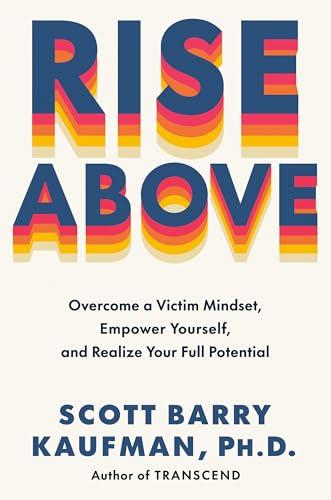
Rise Above: Overcome a Victim Mindset, Empower Yourself, and Realize Your Full Potential Cover

Scott Barry Kaufman PhD

Rise Above

Overcome a Victim Mindset, Empower Yourself, and Realize Your Full Potential

Shankar noted that Kaufman is the author of Rise Above among several selfhelp titles.

"

He is the author of Rise Above, Overcome a Victim Mindset, Empower Yourself, and Realize Your Full Potential.

— Episode: Why You're Smarter Than You Think

Listen on Audible 7-day free trial

Episode: Why You're Smarter Than You Think

Shankar noted that Kaufman is the author of Rise Above among several selfhelp titles.

"

He is the author of Rise Above, Overcome a Victim Mindset, Empower Yourself, and Realize Your Full Potential.

Episode: Who Are You, Really?

Scott Barry Kaufman was introduced as the author of Rise Above among other titles.

"

Scott Barry Kaufman is a psychologist at Columbia University. He is the author of Rise Above, Overcome a Victim Mindset, Empower Yourself, and Realize Your Full Potential.

Note: The book recommendations on this page are discovered automatically from podcast transcripts, and may be incorrect or incomplete.