Hidden Brain
Book Recommendations

Hidden Brain

Why do I feel stuck? How can I become more creative? What can I do to improve my relationships? If you’ve ever asked yourself these questions, you’re not alone. On Hidden Brain, we help you understand your own mind — and the minds of the people around you. (We're routinely rated the #1 science podca...

Episodes 615
Books 396

Most Recommended

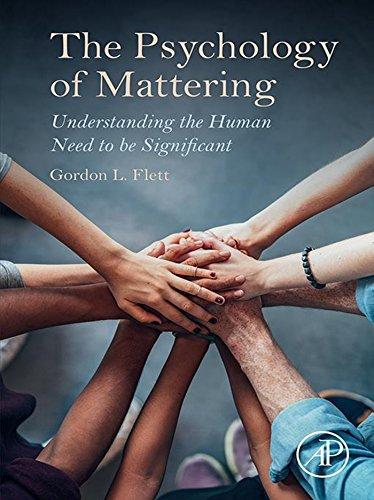
The Psychology of Mattering: Understanding the Human Need to be Significant Cover

Gordon Flett

The Psychology of Mattering

Understanding the Human Need to be Significant

Gordon Flett was identified as the author of The Psychology of Mattering, a work that explores the human need to be significant.

"

Gordon Flett is the author of The Psychology of Mattering understanding the human need to be significant.

— Episode: Do You Feel Invisible?

Listen on Audible 7-day free trial

Episode: Do You Feel Invisible?

Gordon Flett was identified as the author of The Psychology of Mattering, a work that explores the human need to be significant.

"

Gordon Flett is the author of The Psychology of Mattering understanding the human need to be significant.

Episode: A Secret Source of Connection

The episode noted that Gordon Flett authored The Psychology of Mattering, a book that examines the human need to feel significant and the role of mattering in wellbeing.

"

The psychologist Gordon Flett is the author of The Psychology of Mattering, Understanding the Human Need to be Significant.

Gordon Flett is a psychologist at York University in Canada. He's the author of The Psychology of Mattering, Understanding the Human Need to Be Significant.
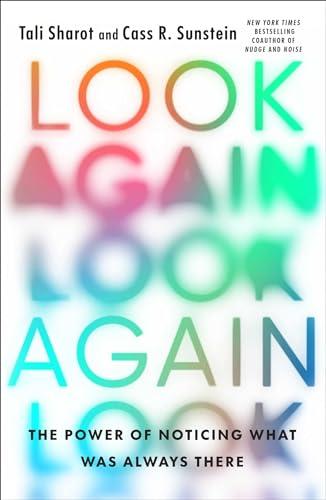
Look Again: The Power of Noticing What Was Always There Cover

Tali Sharot

Look Again

The Power of Noticing What Was Always There

Tali Sharratt co-authored the book Look Again with Cass Sunstein, which explores the power of noticing what was always there. The book delves into how habituation can both positively and negatively impact our lives and offers strategies to dishabituate and rediscover the beauty in everyday experiences.

"

Tali Sharratt is a cognitive neuroscientist at University College London. Along with Cass Sunstein, she's the author of Look Again, The Power of Noticing What Was Always There.

— Episode: Making the World Sparkle Again

Listen on Audible 7-day free trial

Episode: Making the World Sparkle Again

Tali Sharratt co-authored the book Look Again with Cass Sunstein, which explores the power of noticing what was always there. The book delves into how habituation can both positively and negatively impact our lives and offers strategies to dishabituate and rediscover the beauty in everyday experiences.

"

Tali Sharratt is a cognitive neuroscientist at University College London. Along with Cass Sunstein, she's the author of Look Again, The Power of Noticing What Was Always There.

With Cass Sunstein, Tali Sharratt is the co-author of the book, Look Again, The Power of Noticing What Was Always There.

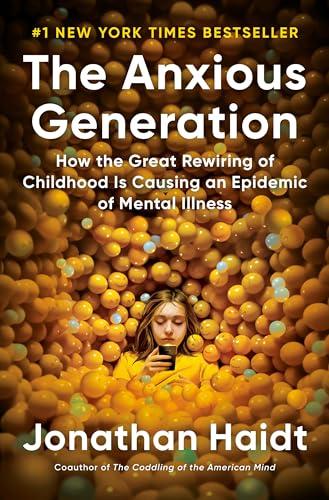
The Anxious Generation: How the Great Rewiring of Childhood Is Causing an Epidemic of Mental Illness Cover

Jonathan Haidt

The Anxious Generation

How the Great Rewiring of Childhood Is Causing an Epidemic of Mental Illness

It was mentioned as his book on the mental health of young people, particularly how their anxieties and depressions are linked to social media and childhood.

"

Jonathan Height is a psychologist at New York University he's the author of The Righteous Mind by good people are divided by politics and religion and The Anxious Generation how the g...

— Episode: Escaping the Matrix

Listen on Audible 7-day free trial

Episode: Escaping the Matrix

It was mentioned as his book on the mental health of young people, particularly how their anxieties and depressions are linked to social media and childhood.

"

Jonathan Height is a psychologist at New York University he's the author of The Righteous Mind by good people are divided by politics and religion and The Anxious Generation how the great rewiring of childhood is causing an epidemic of mental illness

Jonathan Height is a psychologist at New York University he is the author of the righteous mind why good people are divided by politics and religion and The Anxious Generation how the great rewiring of childhood is causing an epidemic of mental illness

My basic argument in The Anxious Generation is that we have over protected our kids in the real world where they desperately need a huge amount of experience and we've under protected them online which is this insane adult space that is not made for children in which a lot of kids are getting torn up so there's no contradiction

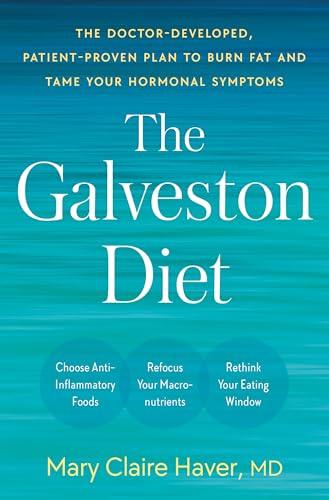
The Galveston Diet: The Doctor-Developed, Patient-Proven Plan to Burn Fat and Tame Your Hormonal Symptoms Cover

Mary Claire Haver MD

The Galveston Diet

The Doctor-Developed, Patient-Proven Plan to Burn Fat and Tame Your Hormonal Symptoms

Bettina Judd's book, 'Patient', was discussed in relation to her experiences with medical professionals and how her ordeal was connected to the stories of Anarcha, Betsy, and Lucy, who were subject to medical experimentation in the 1840s.

"

In 2006, in her first year of graduate school, Bettina Judd had what she calls an ordeal with medicine.

— Episode: Episode 20: Remembering Anarcha

Listen on Audible 7-day free trial

Episode: Episode 20: Remembering Anarcha

Bettina Judd's book, 'Patient', was discussed in relation to her experiences with medical professionals and how her ordeal was connected to the stories of Anarcha, Betsy, and Lucy, who were subject to medical experimentation in the 1840s.

"

In 2006, in her first year of graduate school, Bettina Judd had what she calls an ordeal with medicine.

She's also a poet and she recently wrote about a medical experience she had in a book called Patient, drawing not just on her personal history as a black woman but the stories of Anarcha, Betsy and Lucy.

Nurses ask me how much does it hurt on a scale from one to ten. Anarcha Westcott, Betsy Harris and Lucy Zimmerman are taken into the care of a reluctant country surgeon in Montgomery, Alabama.

Sims shapes his speculum, invents his silver sutures, perfects protocol for proper handling of the female pelvis. We wake, unanesthetized or addicted to opium. Children born, children disappeared. Helpless. Help.

Gynecology was built on the backs of Black women anyway.

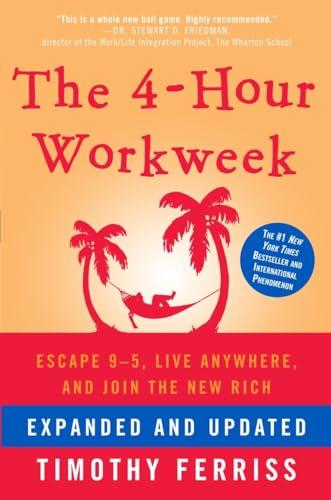
The 4-Hour Workweek: Escape 9-5, Live Anywhere, and Join the New Rich Cover

Timothy Ferriss

The 4-Hour Workweek

Escape 9-5, Live Anywhere, and Join the New Rich

The book was cited as an example of a bestseller that promises readers they can work only a few hours a week and then relax.

"

So the appeal of working less shows up in our books and popular culture almost everywhere. There are books like The 4-Hour Workweek, for example, and they become bestsellers because t...

— Episode: Doing it the Hard Way

Listen on Audible 7-day free trial

Episode: Doing it the Hard Way

The book was cited as an example of a bestseller that promises readers they can work only a few hours a week and then relax.

"

So the appeal of working less shows up in our books and popular culture almost everywhere. There are books like The 4-Hour Workweek, for example, and they become bestsellers because they promise we can work a few hours a week and then kick back and relax.

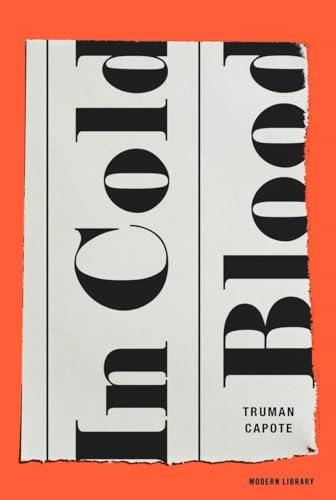
In Cold Blood (Modern Library 100 Best Nonfiction Books) Cover

Truman Capote

In Cold Blood (Modern Library 100 Best Nonfiction Books)

This film was mentioned as a scary film choice by college students on campus after a murder occurred, indicating increased interest in true crime narratives following real-life violent events.

"

In this case, in the town they were in, there were two films that were in theaters. There was Truman Capote's In Cold Blood, and then there was kind of a rom-com, and I can't recall the name of that o...

— Episode: Murder Mystery

Listen on Audible 7-day free trial

Episode: Murder Mystery

This film was mentioned as a scary film choice by college students on campus after a murder occurred, indicating increased interest in true crime narratives following real-life violent events.

"

In this case, in the town they were in, there were two films that were in theaters. There was Truman Capote's In Cold Blood, and then there was kind of a rom-com, and I can't recall the name of that one.

But what they found is that after this murder occurred, the students on the campus were much more likely to choose the scary film as a reward for taking part in a study.

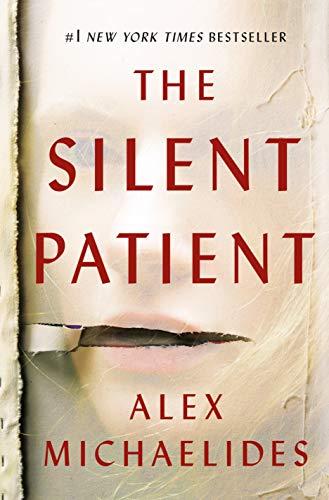
The Silent Patient Cover

Alex Michaelides

The Silent Patient

Bettina Judd's book, 'Patient', discussed her own medical experience and drew parallels to the stories of Anarcha, Betsy, and Lucy, highlighting the lasting impact of Sims's actions on black women's healthcare.

"

In 2006, in her first year of graduate school Bettina Judd had what she calls an ordeal with medicine.

— Episode: Encore of Episode 20: Remembering Anarch...

Listen on Audible 7-day free trial

Episode: Encore of Episode 20: Remembering Anarcha

Bettina Judd's book, 'Patient', discussed her own medical experience and drew parallels to the stories of Anarcha, Betsy, and Lucy, highlighting the lasting impact of Sims's actions on black women's healthcare.

"

In 2006, in her first year of graduate school Bettina Judd had what she calls an ordeal with medicine.

In 2006, I had an ordeal with medicine.

I must have been found guilty of something. I don't feel innocent here, lurking with ghosts. See? It happens like that. I start at a thought that is quite benign and end up peccant, debased. I had an ordeal with medicine and was found innocent or guilty.

She tried to understand what was happening to her through their stories.

Gynecology was built on the backs Of black women anyway

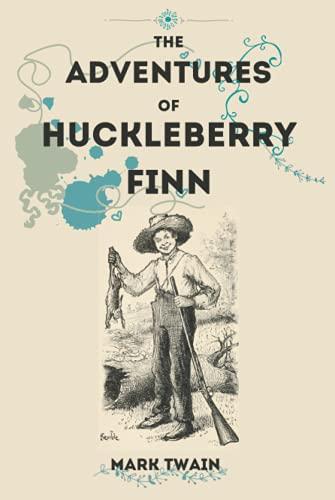
The Adventures of Huckleberry Finn: Original Text Cover

Mark Twain

The Adventures of Huckleberry Finn

Original Text

Abhijit Banerjee likened his experience of interacting with children from the slums to a moment from the book, as he recognized a wisdom he lacked and found them to be savvy and engaging.

"

This was the Huckleberry Finn moment for me. I mean, absolutely. There is a wisdom that for me was very clear that I didn't have.

— Episode: Putting Our Assumptions to the Test

Listen on Audible 7-day free trial

Episode: Putting Our Assumptions to the Test

Abhijit Banerjee likened his experience of interacting with children from the slums to a moment from the book, as he recognized a wisdom he lacked and found them to be savvy and engaging.

"

This was the Huckleberry Finn moment for me. I mean, absolutely. There is a wisdom that for me was very clear that I didn't have.

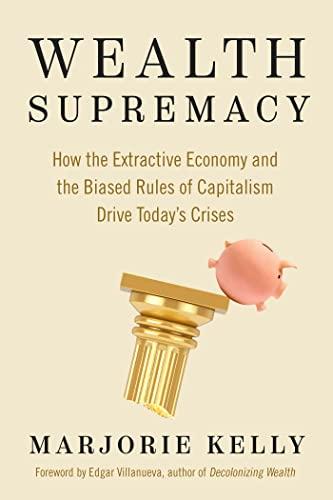
Wealth Supremacy: How the Extractive Economy and the Biased Rules of Capitalism Drive Today's Crises Cover

Marjorie Kelly

Wealth Supremacy

How the Extractive Economy and the Biased Rules of Capitalism Drive Today's Crises

Daniel Pink's book, 'Drive', was mentioned in relation to his expertise on human behavior, suggesting he's a leading expert on the topic.

"

He's the author of several books about human behavior.

— Episode: Episode 39: Vacations

Listen on Audible 7-day free trial

Episode: Episode 39: Vacations

Daniel Pink's book, 'Drive', was mentioned in relation to his expertise on human behavior, suggesting he's a leading expert on the topic.

"

He's the author of several books about human behavior.

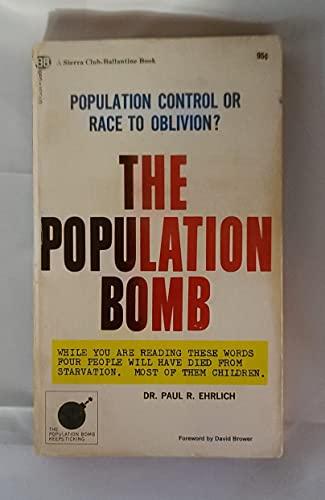
The Population Bomb Cover

Paul R. Ehrlich

The Population Bomb

It was discussed as a book with a central message of unsustainable population growth, potentially reaching 24 billion, due to uncontrolled reproduction, ultimately influencing policies and fears across the world.

"

In 1968, Sarah, a Stanford University biologist named Paul Ehrlich published a book, and it was titled The Population Bomb. What was its central message?

— Episode: The Bomb That Didn't Explode

Listen on Audible 7-day free trial

Episode: The Bomb That Didn't Explode

It was discussed as a book with a central message of unsustainable population growth, potentially reaching 24 billion, due to uncontrolled reproduction, ultimately influencing policies and fears across the world.

"

In 1968, Sarah, a Stanford University biologist named Paul Ehrlich published a book, and it was titled The Population Bomb. What was its central message?

The central warning of that book was that we were going to have massive out-of-control population growth, so much so that we were going to increase to about 24 billion people on the planet and that that was just going to be totally unsustainable.

If we do not by humane means limit our numbers, then numbers are going to be limited by more famines and shortages and consequent social conflicts.

That was the time when we actually thought that maximum world population was going to hit about 24 billion by the end of this century.

The story reveals why you see vast changes in fertility rates within a short time frame. To be sure, these changes are uneven across the planet, not just between countries, but within them. But the concerns raised in books such as The Population Bomb or in John Calhoun's terrifying experiment with mice that we wouldn't be able to feed ourselves, that famine and war were inevitable, that horror story has largely not come to pass.

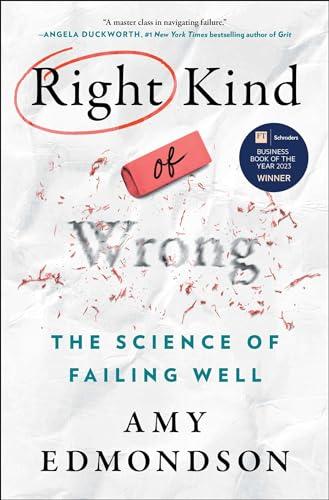
Right Kind of Wrong: The Science of Failing Well Cover

Amy C. Edmondson

Right Kind of Wrong

The Science of Failing Well

Amy Edmondson, the author of *Right Kind of Wrong*, explores the science of failure and how to use mistakes for growth and discovery. She emphasizes that not all errors are created equal and highlights the importance of distinguishing between intelligent failures, complex failures, and basic failures.

"

Amy Edmondson studies the science of mistakes. She's the author of Right Kind of Wrong, The Science of Failing Well.

— Episode: Making the Most of Your Mistakes

Listen on Audible 7-day free trial

Episode: Making the Most of Your Mistakes

Amy Edmondson, the author of *Right Kind of Wrong*, explores the science of failure and how to use mistakes for growth and discovery. She emphasizes that not all errors are created equal and highlights the importance of distinguishing between intelligent failures, complex failures, and basic failures.

"

Amy Edmondson studies the science of mistakes. She's the author of Right Kind of Wrong, The Science of Failing Well.

Amy Edmondson teaches at the Harvard Business School. She's the author of Right Kind of Wrong, The Science of Failing Well.

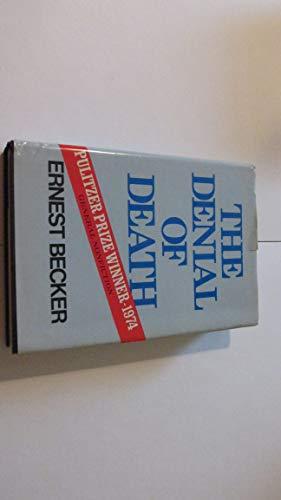
The Denial of Death Cover

Ernest Becker

The Denial of Death

It was the second book by Ernest Becker that the speaker grabbed from the shelf; the book discussed death's haunting nature and its impact on human activity.

"

So I grabbed the next book, The Denial of Death. And again, the first paragraph, Becker writes, the idea of death, the fear of it haunts the human animal like nothing else. It is a ma...

— Episode: We're All Gonna Die!

Listen on Audible 7-day free trial

Episode: We're All Gonna Die!

It was the second book by Ernest Becker that the speaker grabbed from the shelf; the book discussed death's haunting nature and its impact on human activity.

"

So I grabbed the next book, The Denial of Death. And again, the first paragraph, Becker writes, the idea of death, the fear of it haunts the human animal like nothing else. It is a mainspring of human activity.

The Wealth of Nations (Modern Library) Cover

Adam Smith

The Wealth of Nations (Modern Library)

It was mentioned as a book that focuses on economic growth through competition, but the podcast highlighted that it overlooks the significance of culture in maintaining a well-functioning economic system.

"

His two great books were The Wealth of Nations, as is well known, but also The Theory of Moral Sentiments.

— Episode: Our Better Angels

Listen on Audible 7-day free trial

Episode: Our Better Angels

It was mentioned as a book that focuses on economic growth through competition, but the podcast highlighted that it overlooks the significance of culture in maintaining a well-functioning economic system.

"

His two great books were The Wealth of Nations, as is well known, but also The Theory of Moral Sentiments.

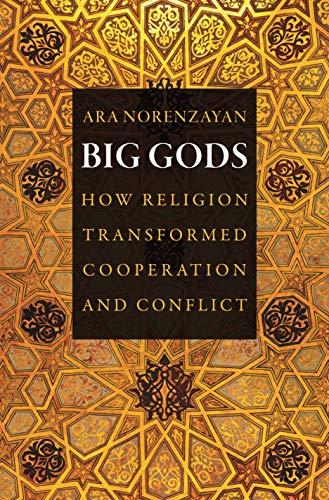
Big Gods: How Religion Transformed Cooperation and Conflict Cover

Ara Norenzayan

Big Gods

How Religion Transformed Cooperation and Conflict

Ara Norenzayan's book explores how religion has transformed cooperation and conflict throughout history, and specifically focuses on the development of 'Big Gods' and their impact on human societies.

"

Tara Norenzayan is a psychologist at the University of British Columbia. He is the author of Big Gods, How Religion Transformed Cooperation and Conflict.

— Episode: Our God-Shaped Brains

Listen on Audible 7-day free trial

Episode: Our God-Shaped Brains

Ara Norenzayan's book explores how religion has transformed cooperation and conflict throughout history, and specifically focuses on the development of 'Big Gods' and their impact on human societies.

"

Tara Norenzayan is a psychologist at the University of British Columbia. He is the author of Big Gods, How Religion Transformed Cooperation and Conflict.

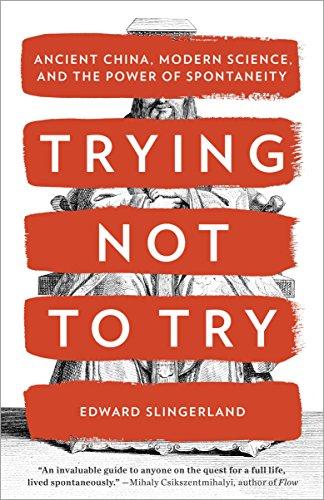
Trying Not to Try: Ancient China, Modern Science, and the Power of Spontaneity Cover

Edward Slingerland

Trying Not to Try

Ancient China, Modern Science, and the Power of Spontaneity

Slingerland wrote the book Trying Not To Try and explained his research on the counterintuitive benefits of letting go. He explained how, in many situations, people who try too hard can trip themselves up.

"

Trying Not to Try, Ancient China, Modern Science and the Power of Spontaneity

— Episode: Why Trying Too Hard Can Backfire On You

Listen on Audible 7-day free trial

Episode: Why Trying Too Hard Can Backfire On You

Slingerland wrote the book Trying Not To Try and explained his research on the counterintuitive benefits of letting go. He explained how, in many situations, people who try too hard can trip themselves up.

"

Trying Not to Try, Ancient China, Modern Science and the Power of Spontaneity

Try Not To Try

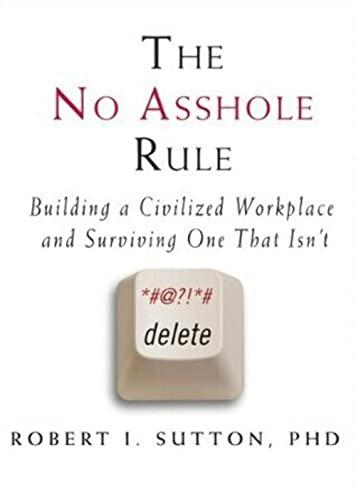
The No Asshole Rule: Building a Civilized Workplace and Surviving One That Isn't Cover

Robert I. Sutton

The No Asshole Rule

Building a Civilized Workplace and Surviving One That Isn't

The book argues that when people leave others feeling demeaned, de-energized, disrespected, that it's actually bad for business. When people feel that way, they perform less well, their health is negatively affected, and they are not willing to go the extra mile.

"

For better or worse, in 2007 I published a book called The No-A**hole Rule, which I thought was going to be my worst-selling book and it's turned out to be my best-selling book.

— Episode: Innovation 2.0: Shortcuts and Speed Bump...

Listen on Audible 7-day free trial

Episode: Innovation 2.0: Shortcuts and Speed Bumps

The book argues that when people leave others feeling demeaned, de-energized, disrespected, that it's actually bad for business. When people feel that way, they perform less well, their health is negatively affected, and they are not willing to go the extra mile.

"

For better or worse, in 2007 I published a book called The No-A**hole Rule, which I thought was going to be my worst-selling book and it's turned out to be my best-selling book.

And the argument that that book makes that when people leave others feeling demeaned, de-energized, disrespected, that it's actually bad for business.

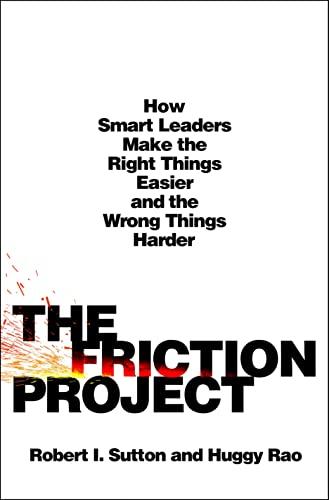
The Friction Project: How Smart Leaders Make the Right Things Easier and the Wrong Things Harder Cover

Robert I. Sutton

The Friction Project

How Smart Leaders Make the Right Things Easier and the Wrong Things Harder

The book explains how every organization, from convenience stores to international aid agencies, can be plagued by destructive friction. It gives examples of friction, but also how leaders can make the right things easier and the wrong things harder.

"

Along with Huggy Rau, Bob is co-author of The Friction Project, how smart leaders make the right things easier and the wrong things harder.

— Episode: Innovation 2.0: Shortcuts and Speed Bump...

Listen on Audible 7-day free trial

Episode: Innovation 2.0: Shortcuts and Speed Bumps

The book explains how every organization, from convenience stores to international aid agencies, can be plagued by destructive friction. It gives examples of friction, but also how leaders can make the right things easier and the wrong things harder.

"

Along with Huggy Rau, Bob is co-author of The Friction Project, how smart leaders make the right things easier and the wrong things harder.

Bob and Huggy argue that every organization, from corner convenience stores to international aid agencies, can be plagued by destructive friction.

Bob Sutton is an organizational psychologist at Stanford University. He studies friction, the resistance that we encounter in our daily lives and the organizational hoops we must jump through when we pay a utility bill or get a driver's license.

Bob Sutton is a psychologist at the Stanford School of Engineering. With Huggy Rau, he is co-author of The Friction Project, How Smart Leaders Make the Right Things Easier and the Wrong Things Harder.

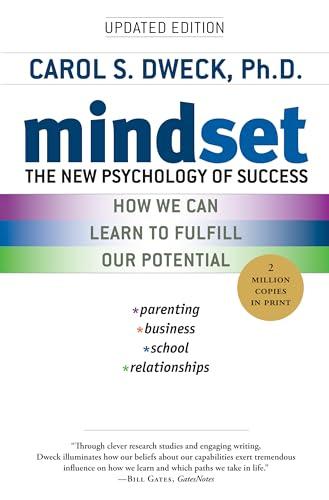
Mindset: The New Psychology of Success Cover

Carol S. Dweck

Mindset

The New Psychology of Success

The author's wife shared Carol Dweck's book on mindset with Satya Nadella, the CEO of Microsoft, inspiring him to shift the mindset culture of the company.

"

Satya Nadella's wife actually shared with him Carol Dweck's book on Mindset.

— Episode: Innovation 2.0: Multiplying the Growth M...

Listen on Audible 7-day free trial

Episode: Innovation 2.0: Multiplying the Growth Mindset

The author's wife shared Carol Dweck's book on mindset with Satya Nadella, the CEO of Microsoft, inspiring him to shift the mindset culture of the company.

"

Satya Nadella's wife actually shared with him Carol Dweck's book on Mindset.

And he was so inspired by this, he decided, I'm really going to take this Mindset idea and see if we can shift the Mindset culture of this organization through a lot of these practices and policies that we've been talking about today.

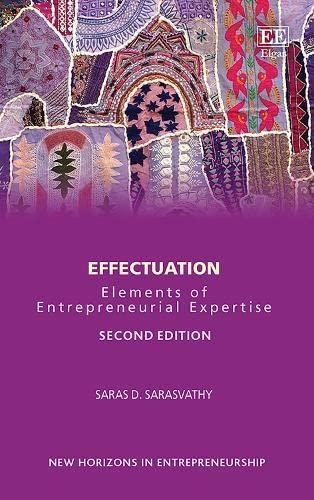
Effectuation: Elements of Entrepreneurial Expertise (New Horizons in Entrepreneurship series) Cover

Saras D. Sarasvathy

Effectuation

Elements of Entrepreneurial Expertise (New Horizons in Entrepreneurship series)

The book, written by Saras Saraswati, focuses on the principle of effectuation in entrepreneurship, a method to minimize predictive information and make decisions under uncertainty. It highlights the five habits of expert entrepreneurs who shape the future by working with what they have, instead of chasing predetermined goals.

"

Sarah Saraswati teaches entrepreneurship at the University of Virginia's Darden School of Business. She's the author of Effectuation, Elements of Entrepreneurial Expertise.

— Episode: Innovation 2.0: How Big Ideas Are Born

Listen on Audible 7-day free trial

Episode: Innovation 2.0: How Big Ideas Are Born

The book, written by Saras Saraswati, focuses on the principle of effectuation in entrepreneurship, a method to minimize predictive information and make decisions under uncertainty. It highlights the five habits of expert entrepreneurs who shape the future by working with what they have, instead of chasing predetermined goals.

"

Sarah Saraswati teaches entrepreneurship at the University of Virginia's Darden School of Business. She's the author of Effectuation, Elements of Entrepreneurial Expertise.

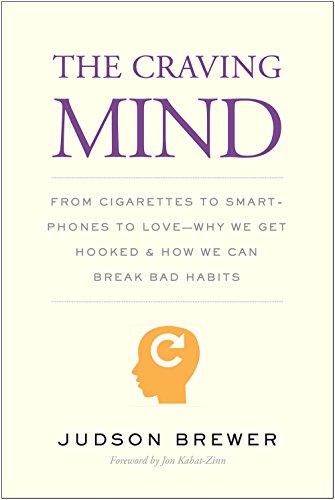
The Craving Mind: From Cigarettes to Smartphones to Love – Why We Get Hooked and How We Can Break Bad Habits Cover

Judson Brewer

The Craving Mind

From Cigarettes to Smartphones to Love – Why We Get Hooked and How We Can Break Bad Habits

The book details the author's research and insights into the nature of cravings, exploring how to overcome them by understanding the underlying mechanisms and developing techniques for mindful awareness.

"

In his books, The Craving Mind from Cigarettes to Smartphones to Love, Why We Get Hooked and How We Can Break Bad Habits, and The Hunger Habit, Why We Eat When We're Not Hungry and Ho...

— Episode: The Curious Science of Cravings

Listen on Audible 7-day free trial

Episode: The Curious Science of Cravings

The book details the author's research and insights into the nature of cravings, exploring how to overcome them by understanding the underlying mechanisms and developing techniques for mindful awareness.

"

In his books, The Craving Mind from Cigarettes to Smartphones to Love, Why We Get Hooked and How We Can Break Bad Habits, and The Hunger Habit, Why We Eat When We're Not Hungry and How to Stop, he asks what would happen if we examined the puppeteer standing behind the monster.

He's the author of The Hunger Habit, Why We Eat When We're Not Hungry and How to Stop, and The Craving Mind from Cigarettes to Smartphones to Love, Why We Get Hoped and How We Can Break Bad Habits.

Note: The book recommendations on this page are discovered automatically from podcast transcripts, and may be incorrect or incomplete.