Hidden Brain
Book Recommendations

Hidden Brain

Why do I feel stuck? How can I become more creative? What can I do to improve my relationships? If you’ve ever asked yourself these questions, you’re not alone. On Hidden Brain, we help you understand your own mind — and the minds of the people around you. (We're routinely rated the #1 science podca...

Episodes 615
Books 396

Most Recommended

Noise: A Flaw in Human Judgment Cover

Daniel Kahneman

Noise

A Flaw in Human Judgment

The new book was introduced as a work describing noise as a flaw in human judgment, coauthored with Olivier Sibony and Cass Sunstein.

"

In their new book, Noise, a flaw in human judgment.

— Episode: The Transformative Ideas of Daniel Kahne...

Listen on Audible 7-day free trial

Episode: The Transformative Ideas of Daniel Kahneman

The new book was introduced as a work describing noise as a flaw in human judgment, coauthored with Olivier Sibony and Cass Sunstein.

"

In their new book, Noise, a flaw in human judgment.

Daniel Kahneman, Olivia Sibouny and Cass Sunstein show that Noise also shapes what happens in the criminal justice system.

Episode: Our Noisy Minds

It's Kahneman's newest book, about noise in human judgment, specifically its prevalence and impact in several fields.

"

They are described in his new book, Noise, a Flaw in Human Judgment.

In their new book, Noise, A Flaw in Human Judgment, Daniel Kahneman and his co-authors, Olivier Siboney and Cass Sunstein, show that Noise also shapes what happens in the criminal justice system.

Daniel Kahneman, Olivier Siboney and Cass Sunstein are the authors of Noise, A Flaw in Human Judgment.
Anatomy of a Breakthrough: How to Get Unstuck When It Matters Most Cover

Adam Alter

Anatomy of a Breakthrough

How to Get Unstuck When It Matters Most

Alter's book was referenced as explaining mental obstacles that keep people stuck and offering strategies to become unstuck.

"

Adam, in your book, Anatomy of a Breakthrough, you illustrate one of these obstacles with a story about a musician.

— Episode: You 2.0: How to Break Out of a Rut

Listen on Audible 7-day free trial

Episode: You 2.0: How to Break Out of a Rut

Alter's book was referenced as explaining mental obstacles that keep people stuck and offering strategies to become unstuck.

"

Adam, in your book, Anatomy of a Breakthrough, you illustrate one of these obstacles with a story about a musician.

Adam Alter is a psychologist at NYU. He's the author of the book, Anatomy of a Breakthrough, How to Get Unstuck When It Matters Most.

Episode: You 2.0: How to Break Out of a Rut

Adam Alter's book was introduced as the source of the episode's ideas about getting unstuck and taking action.

"

He is the author of the book, Anatomy of a Breakthrough.

Think Again: The Power of Knowing What You Don't Know Cover

Adam Grant

Think Again

The Power of Knowing What You Don't Know

It was discussed in detail throughout the podcast episode and was explored as a basis for promoting intellectual humility and challenging one's own beliefs.

"

He's the author of Think Again, The Power of Knowing What You Don't Know.

— Episode: You 2.0: How to Open Your Mind

Listen on Audible 7-day free trial

Episode: You 2.0: How to Open Your Mind

It was discussed in detail throughout the podcast episode and was explored as a basis for promoting intellectual humility and challenging one's own beliefs.

"

He's the author of Think Again, The Power of Knowing What You Don't Know.

Psychologist Adam Grant is the author of Think Again, a book about the virtues of rethinking our positions.

University of Pennsylvania psychologist Adam Grant has written a book about the power of searching for the flaws in our own beliefs and arguments of challenging, deeply held views.

Adam Grant is the author of Think Again, The Power of Knowing What You Don't Know.

Episode: The Easiest Person to Fool

It was discussed in detail throughout the podcast, specifically its focus on the importance of challenging one's own beliefs and acknowledging what one does not know. It was also mentioned that the book itself was a catalyst for the discussion.

"

Adam Grant is an organizational psychologist at the Wharton School He is the author of Think Again The Power of Knowing What You Don't Know

Adam Grant is the author of Think Again a book about the virtues of rethinking our positions

Adam Grant is the author of Think Again, The Power of Knowing What You Don't Know

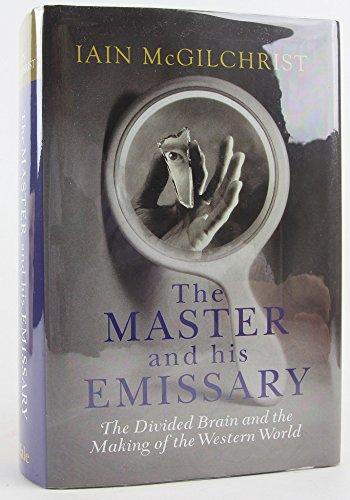
The Master and His Emissary: The Divided Brain and the Making of the Western World Cover

Iain McGilchrist

The Master and His Emissary

The Divided Brain and the Making of the Western World

It was discussed in detail throughout the podcast, focusing on the left and right hemispheres of the brain and how they shape our perceptions. It was mentioned as a book about the divided brain, exploring the relationship between the left and right hemispheres through various examples.

"

Ian's book on this topic has been on my radar for many years. It's called The Master and His Emissary.

— Episode: One Head, Two Brains

Listen on Audible 7-day free trial

Episode: One Head, Two Brains

It was discussed in detail throughout the podcast, focusing on the left and right hemispheres of the brain and how they shape our perceptions. It was mentioned as a book about the divided brain, exploring the relationship between the left and right hemispheres through various examples.

"

Ian's book on this topic has been on my radar for many years. It's called The Master and His Emissary.

Ian's book has a lot of science in it but it's also a commentary on modern industrial societies.

Ian McGilchrist is the author of The Master and His Emissary, a book about the divided brain.

Ian McGilchrist is the author of The Master and His Emissary, The Divided Brain and the Making of the Western World.

Episode: One Head, Two Brains

It was described as being on the podcast host's radar for several years, it explores the division of the brain and its consequences in Western society, particularly the over-reliance on the left hemisphere.

"

Ian's book on this topic has been on my radar for many years. It's called The Master and His Emissary.

Ian McGilchrist is the author of The Master and His Emissary, a book about the divided brain.

Ian McGilchrist is the author of The Master and His Emissary, The Divided Brain and the Making of the Western World.

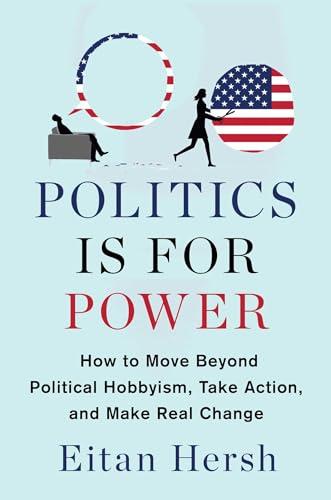
Politics Is for Power: How to Move Beyond Political Hobbyism, Take Action, and Make Real Change Cover

Eitan Hersh

Politics Is for Power

How to Move Beyond Political Hobbyism, Take Action, and Make Real Change

It was argued that many Americans are engaging in politics more for emotional satisfaction rather than pursuing real change, which can be ultimately self-defeating.

"

In his book, Politics Is for Power, Eitan makes the case that millions of Americans are engaging in politics in ways that are emotionally satisfying but ultimately self-defeating.

— Episode: Passion Isn't Enough

Listen on Audible 7-day free trial

Episode: Passion Isn't Enough

It was argued that many Americans are engaging in politics more for emotional satisfaction rather than pursuing real change, which can be ultimately self-defeating.

"

In his book, Politics Is for Power, Eitan makes the case that millions of Americans are engaging in politics in ways that are emotionally satisfying but ultimately self-defeating.

So I would imagine that a lot of people listening to you would disagree with your assessment of them.

And as I say in the book, I live right near Fenway Park.

So there it is. What news do political junkies demand? Outrage and gossip. Why? Because it's alluring. What news do we avoid? Local news. Why? It's boring. What do we think of our partisan opponents? We hate them. Do we really hate them? No, but politics is more fun if we root for a team and spew anger at the other side.

It's easier to hate and dismiss the other side than to empathize and connect to them. When do we vote? When there's a spectacle. When do we click? When politics can be a frivolous distraction. When do we donate? When there's a cocktail party or a viral video.

Episode: Passion Isn't Enough

It was argued that many Americans are engaging in politics in ways that are emotionally satisfying but ultimately self-defeating, and often more like a hobby than a serious effort to affect change.

"

In his book, Politics Is for Power, Eitan makes the case that millions of Americans are engaging in politics in ways that are emotionally satisfying, but ultimately self-defeating.

What feels right to him? It seemed to me that the way that people are doing politics is much more similar to a hobby than to what I think of as politics, which is acquiring power.

So they will learn a lot of facts and talk about those facts. They will participate in a kind of craft. Like they'll go online and share memes, have a discussion very similar to how sports fans listen to sports radio.

What news do political junkies demand? Outrage and gossip. Why? Because it's alluring. What news do we avoid? Local news. Why? It's boring.

When we come back, even as many political hobbyists expand their energies on the latest outrage on Twitter, Eitan Hirsch argues there are other people who are very serious about acquiring and wielding power.

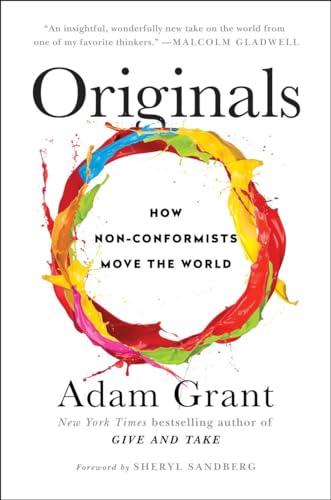
Originals: How Non-Conformists Move the World Cover

Adam Grant

Originals

How Non-Conformists Move the World

It was discussed as a new book at the time of the podcast, and it explored how nonconformists drive creativity and change in the world, including how they manage fears, doubts, and the process of developing ideas.

"

He's a professor at the Wharton School at the University of Pennsylvania and he's the author of the new book, Originals, How Nonconformists Move the World.

— Episode: You 2.0: Originals

Listen on Audible 7-day free trial

Episode: You 2.0: Originals

It was discussed as a new book at the time of the podcast, and it explored how nonconformists drive creativity and change in the world, including how they manage fears, doubts, and the process of developing ideas.

"

He's a professor at the Wharton School at the University of Pennsylvania and he's the author of the new book, Originals, How Nonconformists Move the World.

I would say that I was totally wrong about what it takes to be original.

I think of original people as the nonconformists who drive creativity and change in the world.

They often procrastinate and that's how they incubate ideas.

They feel the same fears and doubts that the rest of us do. They just manage them differently. They hate taking risks and they have lots of bad ideas and that's how they get to the good ones.

Episode: Episode 22: Originals

It was discussed how the book explores the characteristics of originals, including procrastination and hedging bets, and how these traits can lead to innovation and change.

"

He's the author of the new book, Originals, How Nonconformists Move the World.

In your book, you find that the writer and poet TS Eliot, Google's co-founder Larry Page, and the filmmaker all have something in common.

I think that's one of the hallmarks of being original, is being flexible enough in your thinking to admit, you know, this was wrong or this was a bad idea.

In the book you talk about the idea that birth order whether you have older siblings or younger siblings might play a role in your willingness to take chances.

If you study some of the America's most original architects and compare them with technically skilled but less creative peers. One of the things that happened in the families of the creative architects was their parents focused more on values than rules.

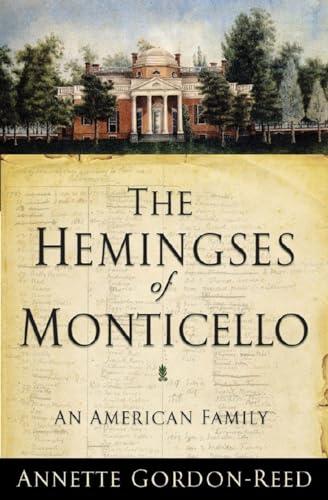
The Hemingses of Monticello: An American Family Cover

Annette Gordon-Reed

The Hemingses of Monticello

An American Family

It was mentioned as a book by Annette Gordon-Reed that explores the Hemings family's experiences as enslaved people at Monticello, shedding light on Jefferson's relationship with Sally Hemings.

"

Historian Annette Gordon-Reed won the Pulitzer Prize for her book The Hemingses of Monticello, which tells the story of the Hemings family and their lives as enslaved people on Thomas...

— Episode: A Founding Contradiction

Listen on Audible 7-day free trial

Episode: A Founding Contradiction

It was mentioned as a book by Annette Gordon-Reed that explores the Hemings family's experiences as enslaved people at Monticello, shedding light on Jefferson's relationship with Sally Hemings.

"

Historian Annette Gordon-Reed won the Pulitzer Prize for her book The Hemingses of Monticello, which tells the story of the Hemings family and their lives as enslaved people on Thomas Jefferson's estate in Virginia.

But when I started writing The Hemingses of Monticello and working on that, and I realized how important family was,

Episode: A Founding Contradiction

It won a Pulitzer Prize and delved into the lives of the Hemings family, specifically exploring Jefferson's relationship with Sally Hemings and the impact of slavery on their lives.

"

Her 2008 book The Hemingses of Monticello won the Pulitzer Prize.

But when I started writing The Hemingses of Monticello and working on that and I realized how important family was or I began to think about how important family would have been to someone like that.

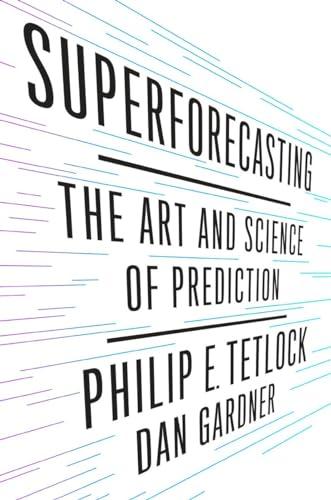
Superforecasting: The Art and Science of Prediction Cover

Philip E. Tetlock

Superforecasting

The Art and Science of Prediction

It was discussed that superforecasters are often ordinary people who focus on improving their forecasting skills and rely on a particular way of gathering information and updating their beliefs.

"

Predicting the future isn't about being unusually smart or especially knowledgeable. It's about understanding the pitfalls in the way we think and practicing better habits of mind.

— Episode: You Don't Need a Crystal Ball

Listen on Audible 7-day free trial

Episode: You Don't Need a Crystal Ball

It was discussed that superforecasters are often ordinary people who focus on improving their forecasting skills and rely on a particular way of gathering information and updating their beliefs.

"

Predicting the future isn't about being unusually smart or especially knowledgeable. It's about understanding the pitfalls in the way we think and practicing better habits of mind.

I would say the most distinctive attribute of the superforecasters is their curiosity and their willingness to give the idea a try.

Because it doesn't matter how intelligent you are or how knowledgeable you are, if you believe that it's essentially impossible to get better at these kinds of tasks, you're never going to try and it's never going to happen.

So when they say events are 80% likely, those events happen about 80% of the time. When they say things are 90% likely, they happen about 90% of the time.

So again, think of forecasting as a skill that can be improved with practice. When you're making a prediction, start with the base rate, the outside in view. Beware of the risks of storytelling. Finally, amateurs make three kinds of predictions, yes, no, and maybe. Professionals have many gradations of maybe.

Episode: Guessing Games

It explores how we can learn from people who are good at predicting the future to become better forecasters ourselves. The book was discussed in detail, with examples about heuristics and biases in forecasting.

"

In his book, Superforecasting, the Art and Science of Prediction, Phil explores how we can learn from these people to become better forecasters ourselves.

Psychologist Phil Tetlock is the author of Superforecasting, The Art and Science of Prediction.

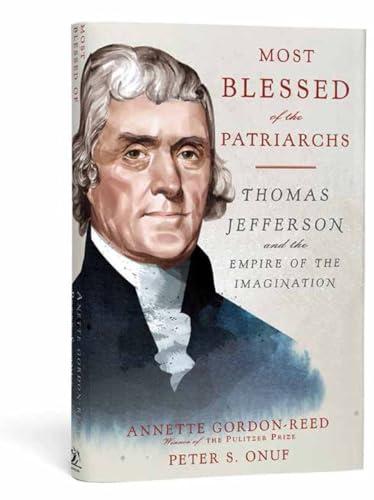
"Most Blessed of the Patriarchs": Thomas Jefferson and the Empire of the Imagination Cover

Annette Gordon-Reed

"Most Blessed of the Patriarchs"

Thomas Jefferson and the Empire of the Imagination

It was discussed as a book written by Annette Gordon-Reed and Peter Onuf, exploring Thomas Jefferson's internal life and contradictions, including his views on slavery and his relationship with Sally Hemings.

"

She and her co-author Peter Onuf explore Jefferson's inner life in their book Most Blessed of the Patriarchs, Thomas Jefferson and the Empire of the Imagination.

— Episode: A Founding Contradiction

Listen on Audible 7-day free trial

Episode: A Founding Contradiction

It was discussed as a book written by Annette Gordon-Reed and Peter Onuf, exploring Thomas Jefferson's internal life and contradictions, including his views on slavery and his relationship with Sally Hemings.

"

She and her co-author Peter Onuf explore Jefferson's inner life in their book Most Blessed of the Patriarchs, Thomas Jefferson and the Empire of the Imagination.

In their book, Most Blessed of the Patriarchs, Annette and her co-author Peter Onuf have also explored Thomas Jefferson's inner life and the contradictions between the values he espoused and the way he lived.

We've been talking today about her book, coauthored with Peter Onuf, Most Blessed of the Patriarchs, Thomas Jefferson and the Empire of the Imagination.

Episode: The Founding Contradiction

It was discussed as a book written by Annette Gordon-Reed and Peter Onuf, exploring Thomas Jefferson's inner life and how it relates to the US history of slavery.

"

Annette studies the life of Thomas Jefferson and the enslaved people who lived on his plantation.

She and her co-author Peter Onuf explore Jefferson's inner life in their book, Most Blessed of the Patriarchs, Thomas Jefferson and the Empire of the Imagination.

In her book, Annette writes...

We've been talking today about her book co-authored with Peter Onuf, Most Blessed of the Patriarchs, Thomas Jefferson and the Empire of the Imagination.

Private Truths, Public Lies: The Social Consequences of Preference Falsification Cover

Timur Kuran

Private Truths, Public Lies

The Social Consequences of Preference Falsification

It was discussed as the source of the podcast episode, and was mentioned as explaining the social consequences of preference falsification. The book was discussed multiple times throughout the episode.

"

Timur Kuran is the author of private truths public lies the social consequences of preference falsification

— Episode: A Conspiracy of Silence

Listen on Audible 7-day free trial

Episode: A Conspiracy of Silence

It was discussed as the source of the podcast episode, and was mentioned as explaining the social consequences of preference falsification. The book was discussed multiple times throughout the episode.

"

Timur Kuran is the author of private truths public lies the social consequences of preference falsification

Timur Koran is an economist and political scientist at Duke University He's the author of private truths public lies the social consequences of preference falsification

Episode: A Conspiracy of Silence

It was discussed as a book that explores preference falsification, explaining how people misrepresent their true beliefs due to social pressure, and how this phenomenon impacts personal, professional, and political life.

"

Timur Koran is the author of Private Truths, Public Lies, The Social Consequences of Preference Falsification.

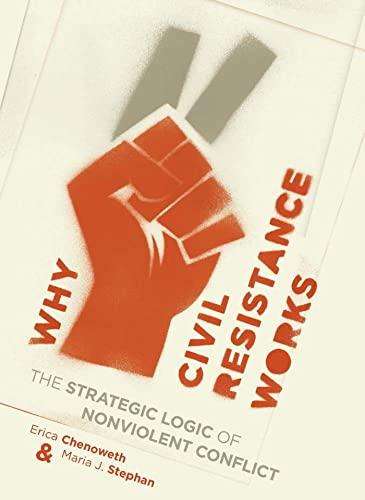
Why Civil Resistance Works: The Strategic Logic of Nonviolent Conflict (Columbia Studies in Terrorism and Irregular Warfare) Cover

Erica Chenoweth

Why Civil Resistance Works

The Strategic Logic of Nonviolent Conflict (Columbia Studies in Terrorism and Irregular Warfare)

It was co-authored with Maria Stephan and explored the strategic logic behind nonviolent conflict, focusing on how these movements can succeed.

"

Shankar Erikakorn Erika Chenoweth is a political scientist at Harvard University and the author of Civil Resistance, What Everyone Needs to Know, and with Maria Steffen, the book Why Civil Res...

— Episode: How to Change the World

Listen on Audible 7-day free trial

Episode: How to Change the World

It was co-authored with Maria Stephan and explored the strategic logic behind nonviolent conflict, focusing on how these movements can succeed.

"

Shankar Erikakorn Erika Chenoweth is a political scientist at Harvard University and the author of Civil Resistance, What Everyone Needs to Know, and with Maria Steffen, the book Why Civil Resistance Works, The Strategic Logic of Nonviolent Conflict.

Episode: How to Change the World

Shankar noted that Erica Chenoweth authored Civil Resistance, a guide on what everyone needs to know about nonviolent protest.

"

Erica is the author of Civil Resistance, What Everyone Needs to Know.

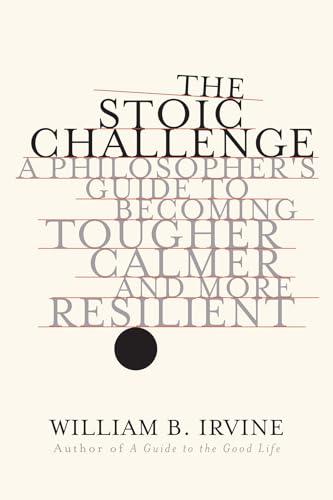
The Stoic Challenge: A Philosopher's Guide to Becoming Tougher, Calmer, and More Resilient Cover

William B. Irvine

The Stoic Challenge

A Philosopher's Guide to Becoming Tougher, Calmer, and More Resilient

It was discussed as a guide to becoming tougher, calmer, and more resilient by practicing specific techniques to respond to setbacks, presented through personal stories and anecdotes.

"

In his book The Stoic Challenge philosopher William Irwin says there's a way to change how we respond to the world

— Episode: Minimizing Pain, Maximizing Joy

Listen on Audible 7-day free trial

Episode: Minimizing Pain, Maximizing Joy

It was discussed as a guide to becoming tougher, calmer, and more resilient by practicing specific techniques to respond to setbacks, presented through personal stories and anecdotes.

"

In his book The Stoic Challenge philosopher William Irwin says there's a way to change how we respond to the world

Bill in your book you tell the story of the astronaut Neil Armstrong

Bill you've come up with a clever game that you play when you are dealing with frustrations in your book you describe a horrendous flight with a connection in Chicago

Yeah in stoic challenge book, I described what I call the five-second rule

William Irvin is a professor of philosophy at Wright State University in Ohio He's the author of The Stoic Challenge

Episode: Minimizing Pain, Maximizing Joy

It was discussed as a guide to becoming tougher, calmer, and more resilient, in the context of responding to life's setbacks and misfortunes.

"

In his book, The Stoic Challenge, philosopher William Irwin says there's a way to change how we respond to the world.

William Irvin is a professor of philosophy at Wright State University in Ohio. He's the author of The Stoic Challenge, A Philosopher's Guide to Becoming Tougher, Calmer and More Resilient.

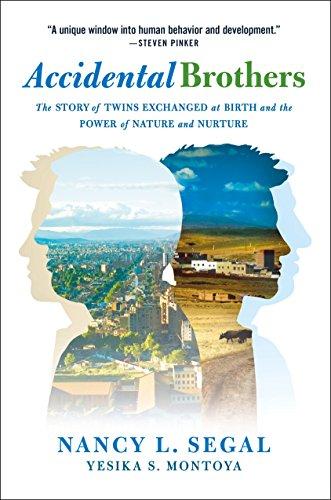
Accidental Brothers: The Story of Twins Exchanged at Birth and the Power of Nature and Nurture Cover

Dr. Nancy L. Segal

Accidental Brothers

The Story of Twins Exchanged at Birth and the Power of Nature and Nurture

It detailed the story of the Bogota twins, who were accidentally switched at birth, exploring the impact of nature and nurture on their personalities and life paths.

"

She wrote about the Bogota twins in her book, Accidental Brothers, the story of twins exchanged at birth and the power of nature and nurture.

— Episode: What Twins Tell Us

Listen on Audible 7-day free trial

Episode: What Twins Tell Us

It detailed the story of the Bogota twins, who were accidentally switched at birth, exploring the impact of nature and nurture on their personalities and life paths.

"

She wrote about the Bogota twins in her book, Accidental Brothers, the story of twins exchanged at birth and the power of nature and nurture.

Nancy Siegel is professor of psychology at California State University Fullerton and the director of their Twin Studies Center. She is the author of Accidental Brothers, the story of twins exchanged at birth and the power of nature and nurture.

Episode: What Twins Tell Us

It detailed the story of the Bogota twins, who were accidentally switched at birth, and highlighted the impact of nature versus nurture on their personalities and development.

"

Nancy says it was also deeply painful. It was also a tragedy in the sense that two of the twins grew up in a home where they were not biologically connected, and they discovered in a matter of minutes that their identities were totally shattered.

She wrote about the Bogota twins in her book, Accidental Brothers, The Story of Twins Exchanged at Birth and the Power of Nature and Nurture.

Opportunities for education in his poor farming village, Nancy says, were greatly limited.

And now that's where he's looking to continue his education. He has political aspirations. He wants to go back to the town that he grew up in and become the mayor of the town.

Nancy Siegel is professor of psychology at California State University, Fullerton, and the director of their Twin Studies Center. She is the author of Accidental Brothers, The Story of Twins Exchanged at Birth, and The Power of Nature and Nurture.

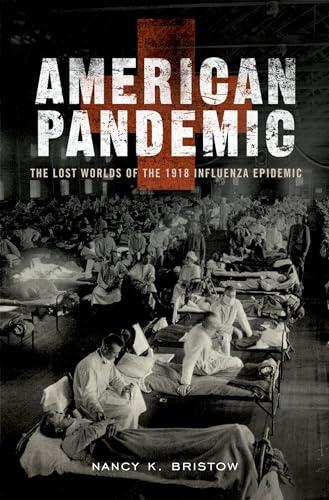
American Pandemic: The Lost Worlds of the 1918 Influenza Epidemic Cover

Nancy K. Bristow

American Pandemic

The Lost Worlds of the 1918 Influenza Epidemic

It was discussed as a primary source for understanding the 1918 influenza pandemic, with details of its scale, impact on life expectancy and the virus's mutations.

"

She's a historian at the University of Puget Sound and the author of American Pandemic, The Lost Worlds of the 1918 Influenza Epidemic.

— Episode: An Unfinished Lesson

Listen on Audible 7-day free trial

Episode: An Unfinished Lesson

It was discussed as a primary source for understanding the 1918 influenza pandemic, with details of its scale, impact on life expectancy and the virus's mutations.

"

She's a historian at the University of Puget Sound and the author of American Pandemic, The Lost Worlds of the 1918 Influenza Epidemic.

Nancy Bristow is the author of American Pandemic, The Lost Worlds of the 1918 Influenza Epidemic.

Nancy Bristow is a historian at the University of Puget Sound. She's the author of American Pandemic, The Lost Worlds of the 1918 Influenza Epidemic.

Episode: An Unfinished Lesson

It was discussed as a primary source for understanding the 1918 influenza epidemic, and detailed the experiences of the time, including personal stories and social reactions to the outbreak.

"

Nancy Bristow is a historian at the University of Puget Sound. She is the author of American Pandemic, The Lost Worlds of the 1918 Influenza Epidemic.

Nancy Bristow is the author of American Pandemic, The Lost Worlds of the 1918 Influenza Epidemic.

She has studied the lessons of the deadly outbreak a century ago and she sees historical parallels with our own battle against the coronavirus.

Christianity, Social Tolerance, and Homosexuality: Gay People in Western Europe from the Beginning of the Christian Era to the Fourteenth Century Cover

John. BOSWELL

Christianity, Social Tolerance, and Homosexuality

Gay People in Western Europe from the Beginning of the Christian Era to the Fourteenth Century

It was a history of the West's treatment of homosexuality across 4000 years, which impacted Evan Wolfson's thinking about gay rights, specifically about marriage equality as a catalyst for change.

"

In 1983, Evan Wolfson was a law student at Harvard. He was writing a thesis. His catalyst was a book he'd read over winter break. The book was called Christianity, Social Tolerance and Homosexuality b...

— Episode: Radically Normal

Listen on Audible 7-day free trial

Episode: Radically Normal

It was a history of the West's treatment of homosexuality across 4000 years, which impacted Evan Wolfson's thinking about gay rights, specifically about marriage equality as a catalyst for change.

"

In 1983, Evan Wolfson was a law student at Harvard. He was writing a thesis. His catalyst was a book he'd read over winter break. The book was called Christianity, Social Tolerance and Homosexuality by a man named John Boswell, a Yale professor.

And it was a sweeping history of the first 4,000 years of the West's treatment of homosexuality and gay people and how different societies and different centuries within this period had treated gay people.

Note: The book recommendations on this page are discovered automatically from podcast transcripts, and may be incorrect or incomplete.