Hidden Brain
Book Recommendations

Hidden Brain

Why do I feel stuck? How can I become more creative? What can I do to improve my relationships? If you’ve ever asked yourself these questions, you’re not alone. On Hidden Brain, we help you understand your own mind — and the minds of the people around you. (We're routinely rated the #1 science podca...

Episodes 615
Books 396

Most Recommended

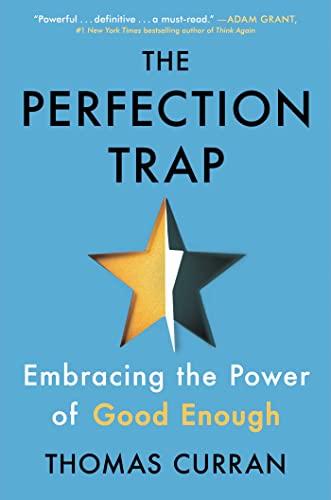
The Perfection Trap: Embracing the Power of Good Enough Cover

Thomas Curran

The Perfection Trap

Embracing the Power of Good Enough

The podcast speaker, Thomas Curran, is the author of this book, which explores the topic of perfectionism and provides strategies for escaping the perfectionist trap.

"

Thomas Curran is a psychologist at the London School of Economics he's the author of The Perfection Trap embracing the power of good enough

— Episode: Escaping Perfectionism

Listen on Audible 7-day free trial

Episode: Escaping Perfectionism

The podcast speaker, Thomas Curran, is the author of this book, which explores the topic of perfectionism and provides strategies for escaping the perfectionist trap.

"

Thomas Curran is a psychologist at the London School of Economics he's the author of The Perfection Trap embracing the power of good enough

Episode: Escaping Perfectionism

Curran was introduced as the author of this book about embracing the power of "good enough."

"

Thomas Curran is a psychologist at the London School of Economics, he's the author of The Perfection Trap Embracing the Power of Good Enough.
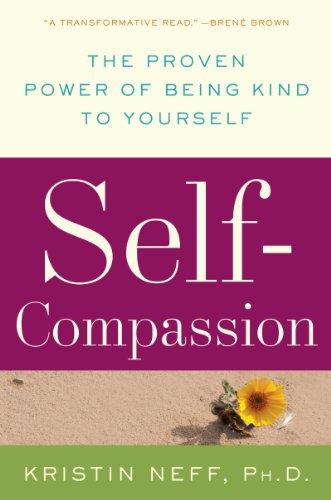
Self-Compassion: The Proven Power of Being Kind to Yourself Cover

Dr. Kristin Neff

Self-Compassion

The Proven Power of Being Kind to Yourself

This book discusses the benefits of self-compassion and provides strategies for cultivating this practice. Neff argues that self-compassion is an important component of well-being and happiness, and she shares a number of studies that show the positive effects of this practice.

"

Kristen Neff is a psychologist at the University of Texas at Austin. She's the author of Self-Compassion the Proven Power of Being Kind to Yourself and Fierce Self-Compassion<...

— Episode: Being Kind to Yourself

Listen on Audible 7-day free trial

Episode: Being Kind to Yourself

This book discusses the benefits of self-compassion and provides strategies for cultivating this practice. Neff argues that self-compassion is an important component of well-being and happiness, and she shares a number of studies that show the positive effects of this practice.

"

Kristen Neff is a psychologist at the University of Texas at Austin. She's the author of Self-Compassion the Proven Power of Being Kind to Yourself and Fierce Self-Compassion How Women Can Harness Kindness to Speak Up Claim Their Power and Thrive.

Episode: Being Kind to Yourself

It was discussed as a concept that involves being kind and supportive towards oneself, even when mistakes are made, and was highlighted as a key factor in improving well-being and relationships.

"

The belief that we need to be hard on ourselves, criticize ourselves, to succeed or reach our goals or make a change is actually the number one block to Self-Compassion we found in the research.

People are afraid that they're kind to themselves, they just won't get anything done.

It's okay, I messed up, it's only human, I'll just try again.

The literature now is huge. It's approaching 4,000 studies on the benefits of Self-Compassion.

So the research is, well, of course I'm a little biased but I think it's incontrovertible at this point that Self-Compassion is good for wellbeing.

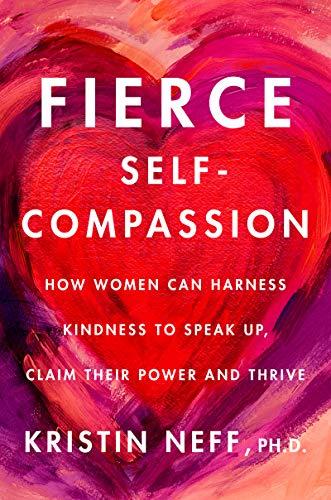
Fierce Self-Compassion: How Women Can Harness Kindness to Speak Up, Claim Their Power, and Thrive Cover

Dr. Kristin Neff

Fierce Self-Compassion

How Women Can Harness Kindness to Speak Up, Claim Their Power, and Thrive

This book focuses on helping women harness kindness to speak up, claim their power, and thrive. The book provides practical strategies for cultivating self-compassion and navigating challenging situations.

"

Kristen Neff is a psychologist at the University of Texas at Austin. She's the author of Self-Compassion the Proven Power of Being Kind to Yourself and Fierce Self-Compassion How Wome...

— Episode: Being Kind to Yourself

Listen on Audible 7-day free trial

Episode: Being Kind to Yourself

This book focuses on helping women harness kindness to speak up, claim their power, and thrive. The book provides practical strategies for cultivating self-compassion and navigating challenging situations.

"

Kristen Neff is a psychologist at the University of Texas at Austin. She's the author of Self-Compassion the Proven Power of Being Kind to Yourself and Fierce Self-Compassion How Women Can Harness Kindness to Speak Up Claim Their Power and Thrive.

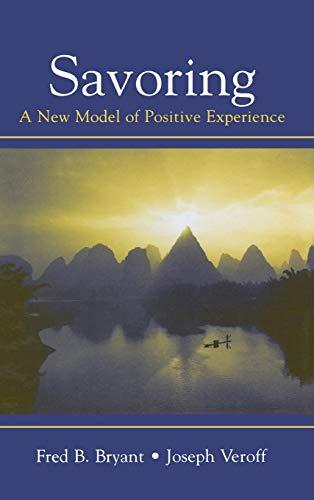
Savoring: A New Model of Positive Experience Cover

Fred B. Bryant

Savoring

A New Model of Positive Experience

The book explores the science of savoring, a process that involves noticing and appreciating the good things in our lives. Fred Bryant, the psychologist featured in the episode, co-authored this book.

"

Fred Bryant, welcome to Hidden Brain. Thank you, Shankar. It's a pleasure to be here.

— Episode: You 2.0: Make the Good Times Last

Listen on Audible 7-day free trial

Episode: You 2.0: Make the Good Times Last

The book explores the science of savoring, a process that involves noticing and appreciating the good things in our lives. Fred Bryant, the psychologist featured in the episode, co-authored this book.

"

Fred Bryant, welcome to Hidden Brain. Thank you, Shankar. It's a pleasure to be here.

Fred Bryant works at Loyola University, Chicago. Along with Joseph Veroff, he is the co-author of the book, Savoring, a New Model of Positive Experience.

Fred, thank you so much for joining me today on Hidden Brain. Thank you.

Fred Bryant is a psychologist at Loyola University Chicago. He is the co-author with Joseph Veroff of the book Savoring, A New Model of Positive Experience.

Episode: You 2.0: Slow Down!

The book is a collaboration between Fred Bryant and Joseph Viroff and it explores the concept of savoring, explaining its importance in achieving a more fulfilling life.

"

Fred Bryan is a psychologist at Loyola University, Chicago. He is the co-author with Joseph Viroff of the book Savoring A New Model of Positive Experience.

Fred Bryant is a psychologist at Loyola University Chicago. He's the author, with Joseph Veroff, of the book Savoring, a New Model of Positive Experience.

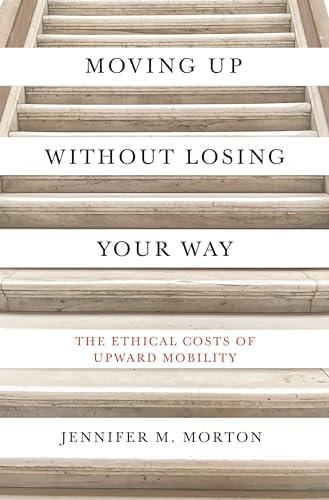
Moving Up without Losing Your Way: The Ethical Costs of Upward Mobility Cover

Jennifer M. Morton

Moving Up without Losing Your Way

The Ethical Costs of Upward Mobility

Jennifer Morton argues that upward mobility often comes at an ethical cost, requiring individuals to make difficult choices that can strain their relationships with family and community. She explores the complexities of this dilemma through personal stories of strivers who navigate the challenges of leaving behind their origins and adapting to new social and economic environments.

"

In her book, Moving Up without Losing Your Way, she explores the ethical costs that people often confront on the path to upward mobility.

— Episode: Between Two Worlds

Listen on Audible 7-day free trial

Episode: Between Two Worlds

Jennifer Morton argues that upward mobility often comes at an ethical cost, requiring individuals to make difficult choices that can strain their relationships with family and community. She explores the complexities of this dilemma through personal stories of strivers who navigate the challenges of leaving behind their origins and adapting to new social and economic environments.

"

In her book, Moving Up without Losing Your Way, she explores the ethical costs that people often confront on the path to upward mobility.

Jennifer Morton is a professor of philosophy at the University of Pennsylvania. She's the author of Moving Up without Losing Your Way.

Episode: Between Two Worlds

It explored the ethical costs of upward mobility, especially in communities with concentrated social disadvantage, and how strivers can navigate the difficult ethical trade-offs inherent in seeking success.

"

In her book, Moving Up without Losing Your Way, she explores the ethical costs that arise at the intersection of communities that face concentrated social disadvantage and the strivers from those communities who are on the path to upward mobility.

Jennifer Morton is a philosopher at the University of North Carolina at Chapel Hill. She's the author of Moving Up without Losing Your Way.

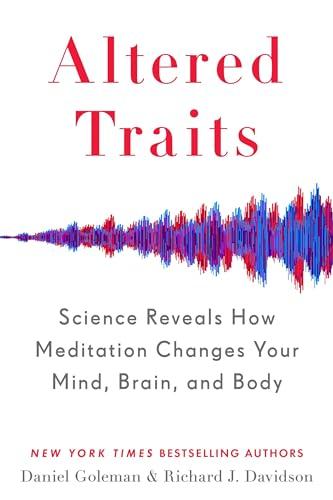
Altered Traits: Science Reveals How Meditation Changes Your Mind, Brain, and Body Cover

Daniel Goleman

Altered Traits

Science Reveals How Meditation Changes Your Mind, Brain, and Body

Richard Davidson, a psychologist at the University of Wisconsin Madison, is the author of "Altered Traits".

"

Richard Davidson is a psychologist at the University of Wisconsin Madison. He is the author of Altered Traits and the founder and director of the University's Center for Healthy Minds...

— Episode: Seeking Serenity: Part 2

Listen on Audible 7-day free trial

Episode: Seeking Serenity: Part 2

Richard Davidson, a psychologist at the University of Wisconsin Madison, is the author of "Altered Traits".

"

Richard Davidson is a psychologist at the University of Wisconsin Madison. He is the author of Altered Traits and the founder and director of the University's Center for Healthy Minds.

Episode: Seeking Serenity: Part 1

Richie mentioned his book "Altered Traits" when discussing the benefits of meditation, specifically the feeling of being in control of one's mind and not just a passenger.

"

You write in your book, Altered Traits, we did not have to be controlled by the mind with its random associations, sudden fears and angers and all the rest. We could take back the helm.

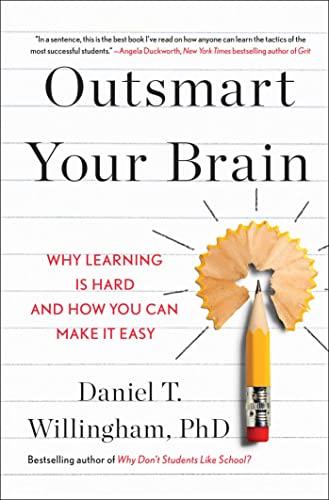
Outsmart Your Brain: Why Learning is Hard and How You Can Make It Easy Cover

Daniel T. Willingham Ph.D

Outsmart Your Brain

Why Learning is Hard and How You Can Make It Easy

Dan Willingham, a cognitive scientist at the University of Virginia, was interviewed on the podcast episode. He is also the author of the book, 'Outsmart Your Brain', which was mentioned as a resource for learning more about memory and how to improve it.

"

Dan Willingham is a cognitive scientist at the University of Virginia. He studies how memory works and how it fails. Dan is also the author of the book, Outsmart Your Brain, Why Learn...

— Episode: Remember More, Forget Less

Listen on Audible 7-day free trial

Episode: Remember More, Forget Less

Dan Willingham, a cognitive scientist at the University of Virginia, was interviewed on the podcast episode. He is also the author of the book, 'Outsmart Your Brain', which was mentioned as a resource for learning more about memory and how to improve it.

"

Dan Willingham is a cognitive scientist at the University of Virginia. He studies how memory works and how it fails. Dan is also the author of the book, Outsmart Your Brain, Why Learning is Hard and How You Can Make It Easy.

Daniel Willingham is a psychologist at the University of Virginia. He's the author of the book, Outsmart Your Brain, Why Learning is Hard and How You Can Make It Easy.

Episode: You 2.0: Remember More, Forget Less

The book, written by Dan Willingham, explores the challenges of learning and offers practical strategies to improve memory and make learning easier. It was mentioned in relation to the podcast's topic of memory and learning.

"

Dan, we've seen how science has come up with insights into strengthening memory. The problem is that most of us don't use these insights because they don't feel satisfying or easy. You draw an analogy with physical exercise to help people understand your point about the kind of effort that's necessary to create lasting memories.

Dan Willingham is a cognitive scientist at the University of Virginia. He studies how memory works and how it fails. Dan is also the author of the book, Outsmart Your Brain, Why Learning is Hard and How You Can Make It Easy.

Honor Bound Cover

W. E. B. Griffin

Honor Bound

The author explained the origin and evolution of honor culture and how it has shaped the American psyche, specifically mentioning its connections to masculinity, violence, mental health, and suicide. He also highlighted the prevalence of honor-related themes in movies and music.

"

Ryan Brown is a psychologist at Rice University. He's the author of Honor Bound, How a Cultural Ideal Has Shaped the American Psyche.

— Episode: Made of Honor

Listen on Audible 7-day free trial

Episode: Made of Honor

The author explained the origin and evolution of honor culture and how it has shaped the American psyche, specifically mentioning its connections to masculinity, violence, mental health, and suicide. He also highlighted the prevalence of honor-related themes in movies and music.

"

Ryan Brown is a psychologist at Rice University. He's the author of Honor Bound, How a Cultural Ideal Has Shaped the American Psyche.

Ryan Brown is a psychologist at Rice University. He's the author of Honor Bound, How a Cultural Ideal Has Shaped the American Psyche.

Episode: Made of Honor

It was written by Ryan Brown, a psychologist at Rice University, and explored how honor culture has shaped the American psyche. It was mentioned multiple times throughout the podcast as the source of much of the information discussed.

"

Ryan Brown is a psychologist at Rice University. He's the author of Honor Bound, How a Cultural Idea Has Shaped the American Psyche.

Ryan Brown is a psychologist at Rice University. He is the author of Honor Bound, How a Cultural Idea Has Shaped the American Psyche.

Blindspot: Hidden Biases of Good People Cover

Mahzarin R. Banaji

Blindspot

Hidden Biases of Good People

Mazarin Banaji, a psychologist at Harvard University, is co-author of the book 'Blindspot, Hidden Biases of Good People.'

"

Mazarin Banaji is a psychologist at Harvard University. Along with Toni Greenwald, she's the author of Blindspot, Hidden Biases of Good People.

— Episode: Revealing Your Unconscious: Part 2

Listen on Audible 7-day free trial

Episode: Revealing Your Unconscious: Part 2

Mazarin Banaji, a psychologist at Harvard University, is co-author of the book 'Blindspot, Hidden Biases of Good People.'

"

Mazarin Banaji is a psychologist at Harvard University. Along with Toni Greenwald, she's the author of Blindspot, Hidden Biases of Good People.

Episode: Revealing Your Unconscious: Part 2

The book was mentioned in the context of Mazarin Banaji's work on implicit biases and how good people can still hold subconscious prejudices.

"

Mazarin Banaji is a psychologist at Harvard University. Along with Toni Greenwald, she's the author of Blindspot, Hidden Biases of Good People.

The Ecology of Purposeful Living Across the Lifespan: Developmental, Educational, and Social Perspectives Cover

Anthony L. Burrow

The Ecology of Purposeful Living Across the Lifespan

Developmental, Educational, and Social Perspectives

This book, edited by Tony Burrow and Patrick Hale, explores the idea of purpose in life across different stages of the lifespan. It's a significant work because it emphasizes the importance of purpose not just for individuals but also for societies and communities.

"

Anthony Burrow is a psychologist at Cornell University. Along with Patrick Hale, he's the editor of the book, The Ecology of Purposeful Living Across the Lifespan.

— Episode: Happiness 2.0: Cultivating Your Purpose

Listen on Audible 7-day free trial

Episode: Happiness 2.0: Cultivating Your Purpose

This book, edited by Tony Burrow and Patrick Hale, explores the idea of purpose in life across different stages of the lifespan. It's a significant work because it emphasizes the importance of purpose not just for individuals but also for societies and communities.

"

Anthony Burrow is a psychologist at Cornell University. Along with Patrick Hale, he's the editor of the book, The Ecology of Purposeful Living Across the Lifespan.

How to Change: The Science of Getting from Where You Are to Where You Want to Be Cover

Katy Milkman

How to Change

The Science of Getting from Where You Are to Where You Want to Be

It discusses the science of getting from where you are to where you want to be, specifically exploring how we can turn our weaknesses on their head and get them to work for us.

"

Katie Milkman is the author of How to Change, the science of getting from where you are to where you want to be.

— Episode: You, But Better

Listen on Audible 7-day free trial

Episode: You, But Better

It discusses the science of getting from where you are to where you want to be, specifically exploring how we can turn our weaknesses on their head and get them to work for us.

"

Katie Milkman is the author of How to Change, the science of getting from where you are to where you want to be.

In the book, she explains how we can turn our weaknesses on their head, how we can get them to work for us.

Katie Milkman is a behavioral scientist at the University of Pennsylvania's Wharton School.

She's the author of How to Change, The Science of Getting from Where You Are to Where You Want to Be.

Episode: You, But Better

It explored how the human mind can work against itself and how individuals can apply behavioral science principles to overcome these challenges and achieve goals.

"

In her new book, How to Change, she studies how we can use the mind to combat the limitations of the mind.

Katie Milkman is the author of How to Change, the science of getting from where you are to where you want to be.

Katie Mcminn is a behavioral scientist at the University of Pennsylvania's Wharton school she's the author of How to Change the science of getting from where you are to where you want to be

Notre-Dame De Paris Cover

Victor Hugo

Notre-Dame De Paris

Victor Hugo used a clever commitment device to finish writing his novel: he locked up his clothes so he couldn't leave the house and go to parties. This forced him to write to meet his deadline.

"

You're a fan of the writer Victor Hugo, Katie and he came up with an astonishing commitment device in order to finish writing his great novel The Hunchback of Notre Dame.

— Episode: You, But Better

Listen on Audible 7-day free trial

Episode: You, But Better

Victor Hugo used a clever commitment device to finish writing his novel: he locked up his clothes so he couldn't leave the house and go to parties. This forced him to write to meet his deadline.

"

You're a fan of the writer Victor Hugo, Katie and he came up with an astonishing commitment device in order to finish writing his great novel The Hunchback of Notre Dame.

Victor Hugo was having trouble like all of us do with procrastination and he was going out to parties, he was a big socialite and he wasn't hitting his deadline. His publisher told him you've got to do it, you've got to hit this and he realized he had a problem so he used a clever commitment device which is he locked up his clothes and the punchline is because he couldn't go out in public anymore, he's naked basically at home, all he could do was write.

Episode: You, But Better

It was used as an example of how Victor Hugo used a commitment device (locking up his clothes) to help him focus on writing and complete his novel.

"

He locked up his clothes and the punch line is because he couldn't go out in public anymore he's you know naked basically at home all he could do was write he's able to get this magnificent piece of literature finished

Hunger Games 4-Book Hardcover Box Set (The Hunger Games, Catching Fire, Mockingjay, The Ballad of Songbirds and Snakes) Cover

Suzanne Collins

Hunger Games 4-Book Hardcover Box Set (The Hunger Games, Catching Fire, Mockingjay, The Ballad of Songbirds and Snakes)

The speaker was rushing to the gym to listen to the latest Hunger Games novel, finding it so engaging that she didn't even notice the pain of her workout.

"

I did it with page turners. I listened to audiobooks. So whatever, you know, the latest Harry Potter novel or Hunger Games novel that I was listening to, I just wanted to know what happened next.

— Episode: You, But Better

Listen on Audible 7-day free trial

Episode: You, But Better

The speaker was rushing to the gym to listen to the latest Hunger Games novel, finding it so engaging that she didn't even notice the pain of her workout.

"

I did it with page turners. I listened to audiobooks. So whatever, you know, the latest Harry Potter novel or Hunger Games novel that I was listening to, I just wanted to know what happened next.

Episode: You, But Better

It was mentioned as an example of an audiobook used in the context of temptation bundling to make exercise more enjoyable and encourage gym attendance.

"

I did it with page turners. I listened to audiobooks so whatever you know the latest Harry Potter novel or Hunger Games novel that I was listening to I just wanted to know what happened next. So I'm rushing to the gym time is flying while I'm there.

The Little Prince Cover

Antoine de Saint-Exupéry

The Little Prince

The hosts referenced a line from The Little Prince, noting the author's view that perfection comes when nothing is left to take away.

"

The Little Prince's author saying, Perfections achieve not when there's nothing more to add, but when there's nothing left to take away.

— Episode: Innovation 2.0: Do Less

Listen on Audible 7-day free trial

Episode: Innovation 2.0: Do Less

The hosts referenced a line from The Little Prince, noting the author's view that perfection comes when nothing is left to take away.

"

The Little Prince's author saying, Perfections achieve not when there's nothing more to add, but when there's nothing left to take away.

Episode: Do Less

It was mentioned with a quote suggesting that perfection is achieved not by adding but by subtracting, further supporting the idea of subtraction as a path to improvement.

"

And then you've got The Little Prince's author saying, perfection's achieved not when there's nothing more to add, but when there's nothing left to take away.

The Awakened Brain: The New Science of Spirituality and Our Quest for an Inspired Life Cover

Lisa Miller

The Awakened Brain

The New Science of Spirituality and Our Quest for an Inspired Life

She was named as the author of The Awakened Brain, emphasizing her work linking spiritual life to brain structure.

"

Lisa Miller is a psychologist at Teachers College, Columbia University. She's the author of The Awakened Brain, The New Science of Spirituality, and Our Quest for an Inspired Life.

— Episode: Waking Up Your Spiritual Brain: Part 1

Listen on Audible 7-day free trial

Episode: Waking Up Your Spiritual Brain: Part 1

She was named as the author of The Awakened Brain, emphasizing her work linking spiritual life to brain structure.

"

Lisa Miller is a psychologist at Teachers College, Columbia University. She's the author of The Awakened Brain, The New Science of Spirituality, and Our Quest for an Inspired Life.

Episode: Waking Up Your Spiritual Brain: Part 2

Lisa Miller was identified as the author of The Awakened Brain, The New Science of Spirituality and Our Quest for an Inspired Life.

"

Lisa Miller is a psychologist ... She's the author of The Awakened Brain, The New Science of Spirituality and Our Quest for an Inspired Life.

Against Empathy: The Case for Rational Compassion Cover

Paul Bloom

Against Empathy

The Case for Rational Compassion

It was mentioned in the context of a discussion on whether empathy is inherently biased and whether it should be avoided, specifically in regards to building rational compassion.

"

The psychologist Paul Bloom, who wrote the book Against Empathy, the Case for Rational Compassion, he argues that empathy tends to be parochial and it tends to be biased.

— Episode: You 2.0: Empathy Gym

Listen on Audible 7-day free trial

Episode: You 2.0: Empathy Gym

It was mentioned in the context of a discussion on whether empathy is inherently biased and whether it should be avoided, specifically in regards to building rational compassion.

"

The psychologist Paul Bloom, who wrote the book Against Empathy, the Case for Rational Compassion, he argues that empathy tends to be parochial and it tends to be biased.

Episode: You 2.0: The Empathy Gym

It was mentioned in the context of arguments against empathy, suggesting it's often parochial and biased, potentially leading to prejudice.

"

The psychologist Paul Bloom, who wrote the book Against Empathy, the Case for Rational Compassion, he argues that empathy tends to be parochial and it tends to be biased.

The Wisdom of Crowds: Why the Many Are Smarter Than the Few and How Collective Wisdom Shapes Business, Economies, Societies and Nations Cover

James Surowiecki

The Wisdom of Crowds

Why the Many Are Smarter Than the Few and How Collective Wisdom Shapes Business, Economies, Societies and Nations

The book was referenced as a recent publication summarizing research on collective judgment and how averaging independent estimates reduces noise.

"

That was summarized in a recent book by James Surouviakki on The Wisdom of Prouds and the fact that when you take multiple judgments independent judgments and average them you eliminate noise.

— Episode: The Transformative Ideas of Daniel Kahne...

Listen on Audible 7-day free trial

Episode: The Transformative Ideas of Daniel Kahneman

The book was referenced as a recent publication summarizing research on collective judgment and how averaging independent estimates reduces noise.

"

That was summarized in a recent book by James Surouviakki on The Wisdom of Prouds and the fact that when you take multiple judgments independent judgments and average them you eliminate noise.

He highlighted that averaging independent judgments is guaranteed to eliminate noise.

Episode: Our Noisy Minds

It was mentioned as a book summarizing the concept of how averaging independent judgments can eliminate noise and achieve more accurate outcomes.

"

And that led to a lot of research that was summarized in a recent book by James Surowiecki on The Wisdom of Crowds and the fact that when you take multiple judgments, independent judgments, and average them, you eliminate noise.

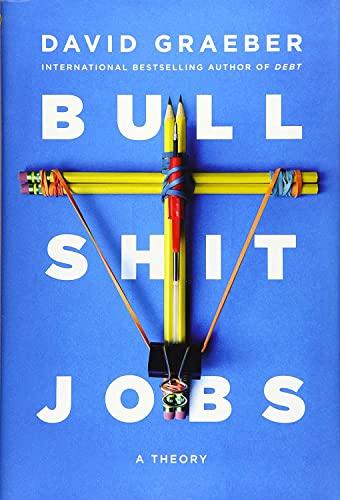
Bullshit Jobs: A Theory Cover

David Graeber

Bullshit Jobs

A Theory

It was discussed at length, and was described as an anthropological theory behind the concept of jobs that feel pointless.

"

David Graeber has spent quite a bit of time thinking about the many, many real-life versions of Michael Scott. He's a professor of anthropology at the London School of Economics, and he's the author o...

— Episode: BS Jobs

Listen on Audible 7-day free trial

Episode: BS Jobs

It was discussed at length, and was described as an anthropological theory behind the concept of jobs that feel pointless.

"

David Graeber has spent quite a bit of time thinking about the many, many real-life versions of Michael Scott. He's a professor of anthropology at the London School of Economics, and he's the author of the book, Bullshit Jobs, A Theory.

So you wrote this essay a couple of years ago that has now turned into a book, and you described an entire category of jobs you call these Bullshit Jobs.

You teach at the London School of Economics, but before that, you worked at Yale University in your book, David, you point out that the cost of education has skyrocketed in many parts of the world.

David Graeber is a professor of anthropology at the London School of Economics. He studies theories of value and social constructs. He's the author of the book Bullshit Jobs.

Episode: Bullshit Jobs

The book discussed the rise of pointless jobs and how they impact individuals, emphasizing the negative psychological consequences and societal effects of such roles.

"

So you wrote this essay a couple of years ago that has now turned into a book, and you described an entire category of jobs you call these Bullshit Jobs.

And they're not necessarily menial jobs or boring jobs, but they're almost always pointless jobs.

David Graeber is a professor of anthropology at the London School of Economics, and he's the author of the book, Bullshit Jobs, A Theory.

David Graeber is a professor of anthropology at the London School of Economics. He studies theories of value and social constructs. He's the author of the book Bullshit Jobs.

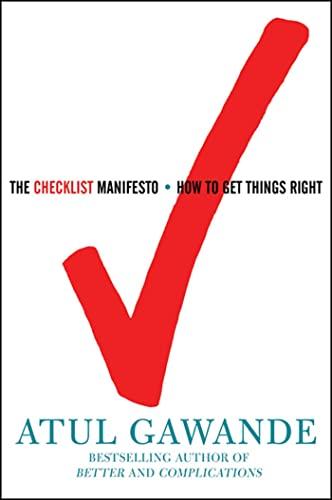
The Checklist Manifesto: How to Get Things Right Cover

Atul Gawande

The Checklist Manifesto

How to Get Things Right

It was mentioned that Atul Gawande is the author of "The Checklist Manifesto", a book that explores the power of checklists to improve outcomes in various fields, including medicine.

"

Atul Gawande is a surgeon at Brigham and Women's Hospital in Boston and the author of The Checklist Manifesto.

— Episode: You 2.0: Check Yourself

Listen on Audible 7-day free trial

Episode: You 2.0: Check Yourself

It was mentioned that Atul Gawande is the author of "The Checklist Manifesto", a book that explores the power of checklists to improve outcomes in various fields, including medicine.

"

Atul Gawande is a surgeon at Brigham and Women's Hospital in Boston and the author of The Checklist Manifesto.

Episode: Check Yourself

It was mentioned that Atul Gawande wrote a book about checklists and how they can help with complicated tasks, which was the main topic of the podcast.

"

Atul Gawande is a surgeon at Brigham and Women's Hospital in Boston and the author of The Checklist Manifesto.

Note: The book recommendations on this page are discovered automatically from podcast transcripts, and may be incorrect or incomplete.