Police Exam Prep 7th Edition
Kaplan Test Prep
Mentioned 5 months ago
1288: Test Prep | Skeptical Sunday
(Apple's Best of 2018) In-depth conversations with people at the top of their game. Jordan Harbinger unpacks guests' wisdom into practical nuggets you can use to impact your work, life, and relationships. Learn from leaders (Ray Dalio, Simon Sinek, Mark Cuban), entertainers (Moby, Tip "T.I." Harris,...
Recently mentioned
Kaplan Test Prep
Mentioned 5 months ago
1288: Test Prep | Skeptical Sunday

David Killoran
Mentioned 5 months ago
1288: Test Prep | Skeptical Sunday

Kaplan Test Prep
Mentioned 5 months ago
1288: Test Prep | Skeptical Sunday

Eve Ensler
Mentioned 5 months ago
1282: The Vagina | Skeptical Sunday
Richard Shotton
Mentioned 6 months ago
1273: Richard Shotton & MichaelAaron Flicker | Marketing to Human Minds
Derek Thompson
Mentioned 6 months ago
1273: Richard Shotton & MichaelAaron Flicker | Marketing to Human Minds
Milan Kundera
Mentioned 1 year ago
1042: Sex Trafficking | Skeptical Sunday
Ryan Holiday
Mentioned 1 year ago
1041: Groped In Your Sleep, Betrayal Runs Deep | Feedback Friday
James J. Sexton
Mentioned 1 year ago
1035: James Sexton | A Divorce Lawyer's Guide to Lasting Love Part One
Charles Duhigg
Mentioned 1 year ago
1034: Fat-Free Foods | Skeptical Sunday
Glennon Doyle
Mentioned 1 year ago
1031: Sarah Hill | How Birth Control Rewires Women's Brains Part One
Toni Weschler
Mentioned 1 year ago
1031: Sarah Hill | How Birth Control Rewires Women's Brains Part One
An Undercover FBI Agent Takes Down a Mafia Family
It was mentioned multiple times throughout the episode, discussing the author's experience as an undercover FBI agent who infiltrated the Gambino crime family, which led to arrests and convictions.
You remember the beginning of the book, the beating at Bloomingdale's, he couldn't put his hand on the guy, but yet he had him with a candlestick holder.
— Episode: 393: Joaquin "Jack" Garcia | Undercover...
It was mentioned multiple times throughout the episode, discussing the author's experience as an undercover FBI agent who infiltrated the Gambino crime family, which led to arrests and convictions.
You remember the beginning of the book, the beating at Bloomingdale's, he couldn't put his hand on the guy, but yet he had him with a candlestick holder.
When I was in the bureau, organized crime and narcotics were up here, they're on the top. Now they're not even in the top ten.
If you recall reading my book, I write about a chapter called 'Royal Charm'. You have to deal with China. China has been robbing intellectual property for how many years? They're still doing it.
One quick instance and I write in my book where, before we set up a wedding in order to bring all these guys from China to come in...
Mobsters would charge union rates for construction, but then just put non-union workers on the job and keep the difference in funds.
It details Joaquin "Jack" Garcia's experience as an undercover FBI agent who infiltrated the Gambino crime family for nearly three years, leading to the arrests of 35 mobsters.
This is part one of a two-part episode; part two drops later this week!
Joaquin "Jack" Garcia is the former undercover FBI agent who infiltrated the Gambino crime family of Cosa Nostra in New York for nearly three years, resulting in the arrest and conviction of 35 mobsters -- as revealed in his book Making Jack Falcone: An Undercover FBI Agent Takes Down a Mafia Family.
Links to Joaquin's book will be linked in the show notes if you do buy books from any guests on the show please do use our website links it helps support the show
It was mentioned multiple times throughout the podcast, detailing Garcia's time undercover in the Gambino crime family, culminating in the arrest and conviction of 35 mobsters.
You remember the beginning of the book, the beating at Bloomingdale's...
...he couldn't put his hand on the guy, but yet he had him with a candlestick holder...
...I write about a chapter called 'Royal Charm'...you have to deal with China...
...China has been robbing intellectual property for how many years? They're still doing it.
...one quick instance, and I write in my book where before we set up a wedding in order to bring all these guys from China to come in...
It details Jack Garcia's experience as an undercover FBI agent who infiltrated the Gambino crime family for nearly three years, resulting in the arrest and conviction of 35 mobsters.
Joaquin "Jack" Garcia is the former undercover FBI agent who infiltrated the Gambino crime family of Cosa Nostra in New York for nearly three years, resulting in the arrest and conviction of 35 mobsters -- as revealed in his book Making Jack Falcone: An Undercover FBI Agent Takes Down a Mafia Family.
Links to Joaquin's book will be linked in the show notes if you do buy books from any guests on the show please do use our website links it helps support the show
It was discussed how the book details the author's time undercover with the Gambino crime family, including details of his close calls and the arrests he helped facilitate.
You remember the beginning of the book, the beating at Bloomingdale's, he couldn't put his hand on the guy, but yet he had him with a candlestick holder.
If you recall reading my book, I write about a chapter called Royal Charm, you have to deal with China.
One quick instance, and I write in my book where, before we set up a wedding in order to bring all these guys from China to come in, the main undercover agent and a female agent were gonna get married, and I was the best man.
They were even involved in medication that was counterfeit.
In discovery, they got the information, so he says no, no, what happened is he was killed by those lousy marshals.
It details how Joaquin "Jack" Garcia infiltrated the Gambino crime family, spending almost three years undercover which led to the arrest and conviction of 35 mobsters.
Joaquin "Jack" Garcia is the former undercover FBI agent who infiltrated the Gambino crime family of Cosa Nostra in New York for nearly three years, resulting in the arrest and conviction of 35 mobsters -- as revealed in his book Making Jack Falcone: An Undercover FBI Agent Takes Down a Mafia Family.

My Descent into America's Most Violent Hate Movement -- and How I Got Out
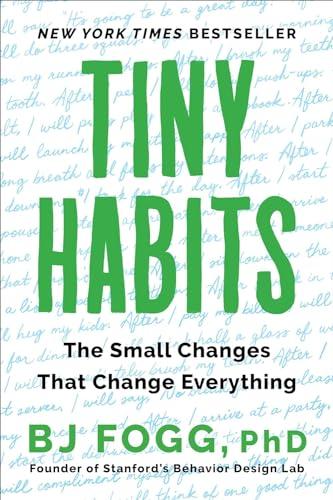
The Small Changes That Change Everything
It was described as a recent book and a likely future go-to guide for behaviour change and habit alteration.
His book Tiny Habits is recent and I think it's going to be one of the go-to guides for behavior change for habit change.
— Episode: 307: Help! I'm Too Physically Attractive...
It was described as a recent book and a likely future go-to guide for behaviour change and habit alteration.
His book Tiny Habits is recent and I think it's going to be one of the go-to guides for behavior change for habit change.
It was described as a great read with lots of practical advice, particularly on habit formation and change, and was touted as a go-to guide for the topic.
It's a great read, a lot of practical advice and I think you'll enjoy the show here today.
The book Tiny Habits is a great read. There's a lot of practical advice in the book and in our conversation here today.
I highly recommend about great read lots and lots of actionable practical stuff in there.
It's actually a really well designed book as well there's a lot of flowcharts and photos and graphs and illustrations so that you actually remember how to do things.
I'm hoping these become posters and show up in clinical settings where people are helping out you know professionals are helping say boom here are the three phases we're gonna start here and these will be huge posters because this is the roadmap and it's if you said what one thing are you proudest about in the book it's probably those three pages in the appendices those three pages in the back of the book worth the price of admission for sure.
It was mentioned as a recently published book that was expected to become a go-to guide for habit formation and behavior modification.
His book Tiny Habits is recent and I think it's going to be one of the go-to guides for behavior change for habit change.
It was described as a 'go-to guide' for habit change, providing practical advice on how to implement small changes to create lasting positive impact. The book focuses on a method called 'tiny habits' that utilizes positive emotions to rewire behaviour.
I think this is going to be The Go To Guide for habit change. Tiny Habits is the name.
The book Tiny Habits is a great read. There's a lot of practical advice in the book and in our conversation here today.
I changed by feeling good not by feeling bad.
It's actually a really well designed book as well there's a lot of flowcharts and photos and graphs and illustrations so that you actually remember how to do things.
I highly recommend about great read lots and lots of actionable practical stuff in there.
It was mentioned as a recent book and was predicted to be a popular guide for behavior modification and habit change in the future.
His book Tiny Habits is recent and I think it's going to be one of the go-to guides for behavior change for habit change. So go check out what we created for you here this week.
It was described as a 'go-to' guide for habit change, with a lot of practical advice. It was also mentioned to be well-designed with lots of flowcharts, photos, graphs and illustrations.
I think this is going to be The Go To Guide for habit change. Tiny Habits is the name.
It's a great read, a lot of practical advice and I think you'll enjoy the show here today.
The book Tiny Habits is a great read. There's a lot of practical advice in the book and in our conversation here today.
I highly recommend about great read lots and lots of actionable practical stuff in there.
it's actually a really well designed book as well there's a lot of flowcharts and photos and graphs and illustrations so that you actually remember how to do things
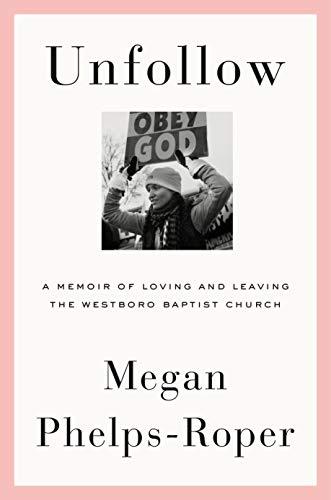
A Memoir of Loving and Leaving the Westboro Baptist Church
It was mentioned that Megan Phelps-Roper wrote a memoir about her experiences in the Westboro Baptist Church and leaving it, titled 'Unfollow: A Memoir of Loving and Leaving the Westboro Baptist Church'.
The book is called 'Unfollow', a memoir of loving and leaving the Westboro Baptist Church.
— Episode: 303: Megan Phelps-Roper | Unfollowing We...
It was mentioned that Megan Phelps-Roper wrote a memoir about her experiences in the Westboro Baptist Church and leaving it, titled 'Unfollow: A Memoir of Loving and Leaving the Westboro Baptist Church'.
The book is called 'Unfollow', a memoir of loving and leaving the Westboro Baptist Church.
There's a throwaway line in the book about you having brunch with these two gay men in New York City before a CNN interview.
It totally is. I mean, it's really funny because, obviously, so it's been seven years since I left.
Megan Phelps-Roper's memoir discussed her upbringing in the Westboro Baptist Church and how she eventually left the organization and its hateful ideologies.
When we started the book my wife goes wow the narrator is really good and I was like yeah this person has a really good voice let's see the narrator and it was you.
the book if you want to pick it up is called Unfollow a memoir of loving and leaving the Westboro Baptist Church.
It's a good read just an unbelievable story of course and lots more in part two as well links to the book and to Megan stuff will be in the show notes also in the show notes there are work sheets for each episode so you can review what you've learned here from Megan Phelpsropper
It was mentioned as a memoir that details Megan's experiences growing up in and leaving the Westboro Baptist Church. It was mentioned that she had written about her experiences in it.
There's a throwaway line in the book about you having brunch with these two gay men in New York City before a CNN interview.
And I was wondering at that point when I'm reading the book, are you ever just sitting there? You're sipping your mimosa and you're thinking, gee, a few years ago, I'd be praying for God to smite these men and condemn them to the fires of hell for all eternity.
And here we are splitting some kind of friggin duck comfy past the creme fresh. It has to be so surreal for you.
The book is called Unfollow: A Memoir of Loving and Leaving the Westboro Baptist Church.
I recount in the book this scene of, you know, a month after I left when I ran away to Deadwood to read books, walking into this casino and sitting down at the bar and having hot chocolate and the bartender describing experiences that sounded so much like my upbringing at Westboro.
It was discussed as a memoir detailing Megan's experiences growing up in and leaving the Westboro Baptist Church, highlighting her journey of leaving behind strong beliefs and making radical decisions.
The book if you want to pick it up is called Unfollow a memoir of loving and leaving the Westboro Baptist Church.
It's a good read just an unbelievable story of course and lots more in part two as well
links to the book and to Megan stuff will be in the show notes
Megan Phelps-Roper's memoir detailed her upbringing in the Westboro Baptist Church and the process of leaving, including her struggles and eventual hope for a better future.
It's the craziest thing in the world that all of these memories exist in the same person and that they're my memories and that I'm the same person.
The book is called Unfollow: A Memoir of Loving and Leaving the Westboro Baptist Church.
I wouldn't have had those experiences. I wouldn't.
It's incredibly moving to me the way that people have responded and the care and generosity that they've shown me. They didn't have to do that.
It totally is. I mean, it's really funny because I mean, obviously, so it's been seven years since I left.
Megan Phelps-Roper's memoir detailed her upbringing in the Westboro Baptist Church and her eventual departure from the organization, providing a nuanced understanding of the church's origins, beliefs, and impact on her life.
When we started the book my wife goes wow the narrator is really good and I was like yeah this person has a really good voice let's see the narrator and it was you.
the book if you want to pick it up is called Unfollow a memoir of loving and leaving the Westboro Baptist Church.
It's a good read just an unbelievable story of course and lots more in part two as well links to the book and to Megan stuff will be in the show notes also in the show notes there are work sheets for each episode so you can review what you've learned here from Megan Phelpsropper review everything you've heard here today
A Basically True Story
It was mentioned that the podcast guest read this book. It was discussed in relation to the bus driver's tough love approach, in which he advised Erik to stop fighting his disability and to accept it.
It reminds me of if you're ahead of that book the Way of the Peaceful Warrior I think I read it yeah yeah so it's a written by friend of mine and he's got this you know spiritual teac...
— Episode: 288: Erik Weihenmayer | A Blind Man Sees...
It was mentioned that the podcast guest read this book. It was discussed in relation to the bus driver's tough love approach, in which he advised Erik to stop fighting his disability and to accept it.
It reminds me of if you're ahead of that book the Way of the Peaceful Warrior I think I read it yeah yeah so it's a written by friend of mine and he's got this you know spiritual teacher Socrates who's like this guy who works at a gas station right when I saw the story about you in the bus driver I was like oh this is kind of like for at least a five minute period your Socrates where he's like look man you gotta drop this BS or you're gonna be stuck here forever
Dan Millman, a past guest on the show, offered a balanced and measured response regarding the ideal time to start a family, emphasizing that while there's no perfect time, the moment one seriously considers having children may be the best time.
any response to your good question about when to start having kids is a paradox because well on a practical level there may seem to be better times to raise children basic stability in locale and financials and when major schooling commitments are complete and one has some free attention and energy to give the children
on the other hand as you into it there's certainly no ideal or right time physiologically mid 20s to mid 30s probably works best for women but there are always exceptions one doesn't have to be totally established in a career in fact the birth of a child and children can be a great motivator giving meaning and purpose to making a good living basically despite concerns or doubts when you start thinking seriously about children that may be the best time from my perspective and experience
parenting is both a sacrifice and delight it's all in the abstract until it's real as you look into the eyes of your baby life will never be the same it's a form of voluntary adversity that will ultimately deepen and enrich your life and humanity good journeys Dan
It was mentioned in comparison to a specific part of the podcast where the bus driver had helped the speaker to realise he had to make a change.
it reminds me of if you're ahead of that book the Way of the Peaceful Warrior I think I read it yeah yeah so it's a written by friend of mine and he's got this you know spiritual teacher Socrates who's like this guy who works at a gas station right when I saw the story about you in the bus driver I was like oh this is kind of like for at least a five minute period your Socrates where he's like look man you gotta drop this BS or you're gonna be stuck here forever
Dan Millman provided a measured and balanced perspective on the ideal time to have children, acknowledging that there's no perfect time but suggesting that when seriously considering them, it may be the optimal moment.
any response to your good question about when to start having kids is a paradox because well on a practical level there may seem to be better times to raise children basic stability in locale and financials and when major schooling commitments are complete and one has some free attention and energy to give the children
on the other hand as you into it there's certainly no ideal or right time physiologically mid 20s to mid 30s probably works best for women but there are always exceptions one doesn't have to be totally established in a career in fact the birth of a child and children can be a great motivator giving meaning and purpose to making a good living basically despite concerns or doubts
when you start thinking seriously about children that may be the best time from my perspective and experience parenting is both a sacrifice and delight it's all in the abstract until it's real as you look into the eyes of your baby life will never be the same it's a form of voluntary adversity that will ultimately deepen and enrich your life and humanity
good journeys Dan
It was compared to the story of the bus driver incident, suggesting that the book's message of dropping unhelpful mindsets also resonated with Erik's experience.
It reminds me of if you're ahead of that book the Way of the Peaceful Warrior I think I read it yeah yeah so it's a written by friend of mine and he's got this you know spiritual teacher Socrates who's like this guy who works at a gas station right when I saw the story about you in the bus driver I was like oh this is kind of like for at least a five minute period your Socrates where he's like look man you gotta drop this BS or you're gonna be stuck here forever and yeah it seems to have hit home I'm wondering did it hit home right away or were you kind of like out of this guy such an A-hole for the first few days
Dan Millman's response regarding the ideal time to have children was paradoxical, suggesting that while there's no perfect time, starting when seriously considering it might be best, as it brings meaning and purpose.
any response to your good question about when to start having kids is a paradox because well on a practical level there may seem to be better times to raise children basic stability in locale and financials and when major schooling commitments are complete and one has some free attention and energy to give the children
on the other hand as you into it there's certainly no ideal or right time physiologically mid 20s to mid 30s probably works best for women but there are always exceptions one doesn't have to be totally established in a career in fact the birth of a child and children can be a great motivator giving meaning and purpose to making a good living basically despite concerns or doubts when you start thinking seriously about children that may be the best time from my perspective and experience
parenting is both a sacrifice and delight it's all in the abstract until it's real as you look into the eyes of your baby life will never be the same it's a form of voluntary adversity that will ultimately deepen and enrich your life and humanity good journeys Dan
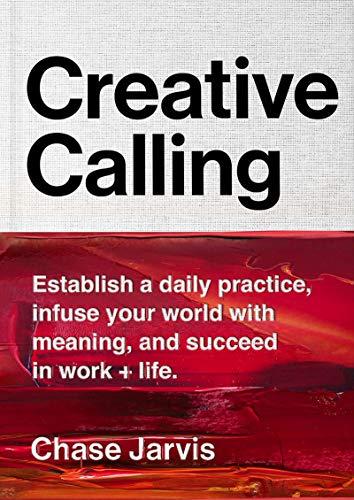
Establish a Daily Practice, Infuse Your World with Meaning, and Succeed in Work + Life
It was mentioned that the book discusses the importance of community building in promoting one's work, and how success often comes from consistently adding value to the community where you work.
The key here, Chase says, is community building...community will help you market, it'll help you promote because you'll have fans that'll help you with that, also you need to contribute to the communi...
— Episode: 260: How to Quit Your Prostitute Problem...
It was mentioned that the book discusses the importance of community building in promoting one's work, and how success often comes from consistently adding value to the community where you work.
The key here, Chase says, is community building...community will help you market, it'll help you promote because you'll have fans that'll help you with that, also you need to contribute to the community in which your work lives.
Chase's book is Creative Calling, you can hear his episode on the show a couple of weeks ago as well, I'm a link it in the show notes.
It was discussed how the book was written while Chase was in a creative slump and how he used it to help him overcome it. The book advocates for a daily practice of creativity, even if it's just a small act.
And the real point of that is that this happens to us all the time we sometimes take the path that we're supposed to take. And sometimes we continue to ignore it. And these wake up calls will just continue to happen.
The things we do in small daily ways. You creating the show, the meal you made for your family last night, the business that you're building, filling the blank, whatever you're doing that is creative.
And the same is true with the pot and this experiment as with life you start to experiment in lightweight ways remember go back to like principle three that I mentioned it's in doing small creative acts and acknowledging them that you ultimately realize that you have agency over your life just creativity to different scale.
If you value money comfort or convenience over creativity you jeopardize all four
I've put the basics in the book you will know what your basics are when you start to be able to look at yourself in this sort of framework and you can either think of that as scary because oh man you never actually I mean even when you've mastered it you haven't mastered it because you can still wobble I think that's beautiful you know we are imperfect and we can continue to bring ourselves back to who we are
It was discussed as a guide for marketing and promotion, and that good work does not always speak for itself, so community building is important.
He said look there's a few bad ideas or ideas that aren't really true, one of these is that good work speaks for itself.
The key here Chase says is community building and this is from his book Creative Calling, community will help you market it'll help you promote because you'll have fans that'll help you with that.
Also you need to contribute to the community in which your work lives.
You've got to be the fan you wish you had for your own work to other people for their work.
The people who do find success are constantly and consistently adding value to the communities in which they launch things so if something falls flat it's not just a failure of marketing and promotion, it's a failure of community.
It was written while the author was in a creative slump, and it focuses on the idea that everyone is creative and that creativity is a muscle that can be strengthened through daily practice.
And the real point of that is that this happens to us all the time we sometimes take the path that we're supposed to take. And sometimes we continue to ignore it. And these wake up calls will just continue to happen.
The things we do in small daily ways. You creating the show, the meal you made for your family last night, the business that you're building, filling the blank, whatever you're doing that is creative.
The reality is that we are programmed in our culture to ignore a lot of the things that we know inside to be true.
I think it's the riskiest thing that you could do to play it safe doing someone else's life.
And the same as true. Like it's not about me skiing in Alaska with action sports athletes and helicopters. Like right now whoever's listening, you might be at home in your underwear and Ohio saying like, you know what? I'm not actually falling that thing that I know to be true in myself.
It was mentioned that the book discusses the importance of community building for promoting work and that good work alone does not always lead to success.
The key here Chase says is community building...community will help you market it'll help you promote because you'll have fans that'll help you with that also you need to contribute to the community in which your work lives.
It was discussed in detail throughout the podcast episode, with the author sharing his personal experience of overcoming creative slumps and the importance of cultivating a daily creative practice. It provided a framework for viewers to understand and develop their own creativity in their day-to-day lives.
His latest book, Creative Calling: Establish a Daily Practice, Infuse Your World with Meaning, and Succeed in Work + Life, is out this week.
And the real point of that is that this happens to us all the time we sometimes take the path that we're supposed to take. And sometimes we continue to ignore it. And these wake up calls will just continue to happen.
And there's a lot of ambition in the book, but the moves are actually really simple.
The principles of the book are really simple. There's three of them. One is that everyone is creative. No questions asked is part of our DNA.
The world is always going to have a list of sheds for us and we're always going to go a little bit off track.
Management Techniques from the Best Damn Ship in the Navy, 10th Anniversary Edition
The podcast guest mentioned having recently finished 'It's Your Ship' by Michael Abrashoff, which focuses on leadership.
I'm in the process of moving up again been working on the six minute networking and just finished It's Your Ship from Mike Abershoff.
— Episode: 257: Overcoming Accidental Accomplice to...
The podcast guest mentioned having recently finished 'It's Your Ship' by Michael Abrashoff, which focuses on leadership.
I'm in the process of moving up again been working on the six minute networking and just finished It's Your Ship from Mike Abershoff.
It was discussed as a New York Times bestseller which detailed how a poorly performing naval ship was turned around through focused leadership, team building, and a culture of empowerment, leading to improved performance and retention.
The book title is It's Your Ship.
It's a great book because it includes a lot of I think when you wrote this book stuff probably nobody had heard before about leadership.
Now there some of your ideas are making their way into these edgy Silicon Valley leadership books.
But even now when I was reading this, I go, this guy did this but in the military, I mean, and we'll get into how that affected other other ships in the meantime because I think you there's no way it'd face a ton of pushback.
This line from your book here is if your bosses see you acting independently and they don't have to worry about your judgment they will give you more independence and freedom and you can use that to innovate and improve your ship.
It was mentioned as a book the speaker had recently finished, in relation to leadership qualities which he found useful and impressive.
just finished It's Your Ship from Mike Abrashoff
It was discussed throughout the podcast, highlighting leadership techniques and how a naval commander transformed a low-performing ship into the best in the navy using commitment and cohesion.
The book title is It's Your Ship.
It's a great book because it includes a lot of, I think when you wrote this book stuff probably nobody had heard before about leadership.
Now there some of your ideas are making their way into these edgy Silicon Valley leadership books.
But even now when I was reading this, I go, this guy did this but in the military, I mean, and we'll get into how that affected other other ships in the meantime because I think you there's no way it'd face a ton of pushback.
This line from your book here is if your bosses see you acting independently and they don't have to worry about your judgment they will give you more independence and freedom and you can use that to innovate and improve your ship I'm paraphrasing here I guess but that the important part here is when you act such as you're an extension of their brain then they don't have to worry about what you're doing and then they're not going to sit there and try to micromanage and question you and that gives you a little bit more leeway which you can then dedicate to since I haven't screwed up anything before how about I improve this process and they go well you haven't screwed up anything before so why not
It was mentioned in relation to the podcast host's personal growth and leadership development, specifically in regards to leading others.
just finished 'It's Your Ship' from Mike Abershoff
It was discussed at length as a New York Times bestseller, which shared leadership principles from the author's time as a Naval Commander, leading a low-performing ship to become the best in the Navy.
The book title is It's Your Ship.
It's a great book because it includes a lot of I think when you wrote this book stuff probably nobody had heard before about leadership.
Now there some of your ideas are making their way into these edgy Silicon Valley leadership books.
But even now when I was reading this, I go, this guy did this but in the military, I mean, and we'll get into how that affected other other ships in the meantime because I think you there's no way it'd face a ton of pushback.
This line from your book here is if your bosses see you acting independently and they don't have to worry about your judgment they will give you more independence and freedom and you can use that to innovate and improve your ship I'm paraphrasing here I guess but that the important part here is when you act such as you're an extension of their brain then they don't have to worry about what you're doing and then they're not going to sit there and try to micromanage and question you and that gives you a little bit more leeway which you can then dedicate to since I haven't screwed up anything before how about I improve this process and they go well you haven't screwed up anything before so why not
The Art and Science of Using Gifts to Cut Through the Noise, Increase Referrals, and Strengthen Retention
It was discussed as a useful resource for finding gift ideas for mentors or others who seem to have everything. It was also mentioned that the author has been on the podcast before.
We'll link to that in the show notes. It's by John Ruhlin, we talked about on the show before, he's really good at this, he really really is.
— Episode: 176: How to Cope with the Burden of Bein...
It was discussed as a useful resource for finding gift ideas for mentors or others who seem to have everything. It was also mentioned that the author has been on the podcast before.
We'll link to that in the show notes. It's by John Ruhlin, we talked about on the show before, he's really good at this, he really really is.
There's an audio version as well, he just, he knows what he's doing.
It was discussed throughout the podcast as a framework for maximizing customer loyalty through radical generosity, and the antithesis of swag and trinkets.
He is the founder of Ruhlin Group, and author of Giftology: The Art and Science of Using Gifts to Cut Through the Noise, Increase Referrals, and Strengthen Retention.
I read your book like 10 times, I've listened to like 50 of your interviews, I love what you do, I want to help you bless your wife and I answer these seven questions.
If you want to buy a copy of Giftology, that's our entire playbook is in that book.
It was discussed as a helpful book on the topic of gifting, especially for mentors who seem to have everything, especially if they're married.
We'll link to that in the show notes. It's by John Ruhlin. We talked about on the show before. He's really good at this. He really really is. There's an audio version as well.
It was discussed as the antithesis of swag and promo items, and it was described as a guide to maximizing customer loyalty through radical generosity.
He is the founder of Ruhlin Group, and author of *Giftology: The Art and Science of Using Gifts to Cut Through the Noise, Increase Referrals, and Strengthen Retention*.
I read your book like 10 times I've listened to like 50 of your interviews I love what you do I want to help you bless your wife and I answer these seven questions
If you want to buy a copy of Giftology that's our entire playbook is in that book
It was recommended as a resource for gift ideas, particularly for people who seem to already have everything they need, especially including their wives. It was mentioned in the context of a listener's question about thoughtful gifts for his mentors.
If they're married, which by the way, is statistically likely, successful men are almost exclusively married. I didn't realize that, but apparently, that's why I'm single.
There's a lot of gift ideas, some are better than others, but for in the affordable category, knives with their names, or if they've built a company, then you can use if they're company right, you can use the company logo, the company they built, if not, use their name or a quote that they love, because the wives are unacknowledged. Anything that includes the spouse is the key.
You can put one of their quotes on it, you can put an etching, if it's going to be for them as well, you get his and her knives literally, I know this sounds ridiculous, but they'll use it every day, they'll be talking about it all the time, they'll be talking about you all the time as the gifter.
You can etch like their lake house on there, their boat, something they love with the year and date on it, a quote, whatever. Then when the wives are asking and talking about you, if you want to take the relationship further, the option is much easier to do.
He's really good at this, he really really is. There's an audio version as well, he just he knows what he's doing.
It was discussed as a guide to understanding the importance of thoughtful gifts in building relationships. The host and guest discussed the impact of personalized gifts as opposed to generic promotional swag.
He is the founder of Ruhlin Group, and author of *Giftology: The Art and Science of Using Gifts to Cut Through the Noise, Increase Referrals, and Strengthen Retention*
I read your book like 10 times I've listened to like 50 of your interviews I love what you do I want to help you bless your wife and I answer these seven questions
if they then go to the givers edge dot com the givers edge dot com and download that for free and we also send some of our best articles and tips and kind of tricks in behind the scenes of what we do and how we do it it's all free resource for for your listeners but that's that's a great place to start they can also if they get inspired I want to go buy the book on Amazon it's like six different versions on Amazon but take the free resources and run and then if you get inspired and want to buy a copy of gift allergy that's our entire playbook is in that book
An FBI Profiler Shows You How to Identify and Protect Yourself from Harmful People
It was discussed in detail, focusing on narcissists and predators, and how to identify their characteristics and behaviors to protect oneself from them.
This book really had me not sleeping so easily.
— Episode: 135: Joe Navarro | How to Identify and P...
It was discussed in detail, focusing on narcissists and predators, and how to identify their characteristics and behaviors to protect oneself from them.
This book really had me not sleeping so easily.
It's not the kind of danger where you're like, oh yeah, this person, you know, he's walking down the street and he's going to take my wallet. It's more dangerous and scarier because you start thinking about all these people in your life that you know that have these qualities and you go, oh my gosh, is this person just hiding their crazy, really, really well and I don't know about it?
And I think that that's probably the case. Yeah, it's, well, you begin to analyze everybody around you, the constellation of friends you have and you wonder, okay, you know, I, that one I had issues with and I saw these behaviors or that relationship didn't work out and I saw these, these things that they were doing and now it makes sense.
And I think what it makes us realize is that there are a group of behaviors that when we see over and over in one individual, not occasionally but all the time, it makes us want to take a closer look and say, okay, is this person healthy for me or are they toxic? And that's the bottom line of the book.
I think the bottom line of the book is giving us a practical, I won't say rubric because it's not really a diagnostic tool but it kind of helps, it kind of helps clear the lens, the fog off the lens of is this person dangerous or we're just not getting along? And I thought that was extremely useful.
It was discussed that a narcissist's behaviour does not change and that people should expect them to pull some strings to keep them around.
I just finished the book and prep for that. Go grab that book in fact. It's called Dangerous Personalities by Joan Avaro.
What Joe says in the Narcissism chapters is that their behaviour does not change. You think it will. They'll tell you it will. It doesn't change. It won't change.
It was discussed in detail, with several real-life examples of how it can be used to identify and protect oneself from harmful people. It was described as being very useful and important.
This book really had me not sleeping so easily.
It's more dangerous and scarier because you start thinking about all these people in your life that you know that have these qualities and you go, oh my gosh, is this person just hiding their crazy, really, really well and I don't know about it?
I think the bottom line of the book is giving us a practical, I won't say rubric because it's not really a diagnostic tool but it kind of helps, it kind of helps clear the lens, the fog off the lens of is this person dangerous or we're just not getting along?
In Dangerous Personalities, you talk about identifying narcissists, especially the most malignant types, emotionally unstable personalities, predators and there are a couple more in there as well.
I had to listen burst but two I was definitely extra nice to my wife after I read it. I don't know I feel like she's fine but can never be too careful.
It was discussed that narcissists' behaviour does not change, despite what they might say, and that the book was useful in preparation for a future podcast episode with the author.
I just finished the book and prep for that. Go grab that book in fact. It's called Dangerous Personalities by Joan Avaro.
What Joe says in the Narcissism chapters is that their behavior does not change. You think it will. They'll tell you it will. It doesn't change. It won't change.
It was discussed at length, with a focus on narcissists and predators, and how to identify their characteristics and behaviours. It was said to be a practical guide that can help clear the lens and save lives.
This book really had me not sleeping so easily.
I was reading it on a plane and I thought, oh my gosh, some of these Dangerous Personalities, they're not, it's not the kind of danger where you're like, oh yeah, this person, you know, he's walking down the street and he's going to take my wallet. It's more dangerous and scarier because you start thinking about all these people in your life that you know that have these qualities and you go, oh my gosh, is this person just hiding their crazy, really, really well and I don't know about it?
In Dangerous Personalities, you talk about identifying narcissists, especially the most malignant types, emotionally unstable personalities, predators and there are a couple more in there as well.
I've now published 13 books. I think this is the one that's most important to me and I think it's the one that gives a lot back to society because it does save lives.
By the way I have to say I read Dangerous Personalities in short bursts I usually binge read things or binge listen but the stories are so vivid in a book and of course these are all real examples of the damage these types of personalities can do to other people even people that love them.
It was discussed in the context of a listener's experience with a covert narcissist boss, and the advice given was to be prepared for the boss's reaction upon quitting and to document everything.
I just finished the book and prep for that. Go grab that book in fact. It's called Dangerous Personalities by Joan Avaro.
What Joe says in the Narcissism chapters is that their behavior does not change. You think it will, they'll tell you it will, it doesn't change. It won't change.
How Good Intentions and Bad Ideas Are Setting Up a Generation for Failure
It was recommended to listen to the podcast episode featuring Jonathan Haidt who discussed the problem of people becoming offended by trivial matters, as a discussion point relating to a listener's question.
if you haven't yet find our recent episode with john height johnathan height in the show notes have a listen HAIDT if you're doing a search he explains much more in depth the problems caused by people...
— Episode: 119: How to Introduce Yourself to the Ne...
It was recommended to listen to the podcast episode featuring Jonathan Haidt who discussed the problem of people becoming offended by trivial matters, as a discussion point relating to a listener's question.
if you haven't yet find our recent episode with john height johnathan height in the show notes have a listen HAIDT if you're doing a search he explains much more in depth the problems caused by people getting fake offended or real offended by everything everywhere that they can and this he talks about where this is going to lead us his book was called the codling of the american mind
It was discussed in the context of how good intentions and bad ideas are potentially harming a generation. The book also talks about 'preparing the child for the road and not the road for the child'.
This is such an interesting read. This is a really good book about preparing the child for the road and not the road for the child, so to speak.
And I think in 2015 when we started all of this, it wasn't so clear that we had this giant national problem. And now here we are speaking in the early fall of 2018 and it's really clear to almost everybody that something's going terribly wrong.
So I find when I speak about the book now, whether people on the right or the left, they admit like wow, something's going off the wrist. What is happening to us?
And so that's why I'm so excited about this book and that's why it was so much fun to write is that this isn't really just about college campus. This is about how have we been changing our culture? How have we been changing the way we raise our kids? How has our national politics been changing so that we get this swirling mess on on many campuses and it's beginning to come into the corporate world, especially in tech and media.
The coddling of the American minus the title we didn't make it up it was made up by a really brilliant editor at the Atlantic don peck uh and it was catchy and we didn't like it and we tried to come up with something else we couldn't and so are we went with and then when we wrote the book we our title was misguided minds because we wanted to focus on the misguiding we didn't want to convey the idea that that kids are coddled um but the publishers hated all the ideas we came up and they were right like this isn't much catchy title so he said all right fine we'll take it as long as we get to pick the subtitle and so the subtitle is how good intentions and bad ideas are setting up a generation for failure that is exactly what the book is about it's an attempt to figure out what's going wrong and fix it
It was mentioned as a book that explained the problems caused by people taking offense or being outraged at trivial matters. The hosts discussed the phenomenon of outrage being used to gain control and attention.
If you haven't yet find our recent episode with John Height, Jonathan Haidt in the show notes have a listen HAIDT if you're doing a search he explains much more in depth the problems caused by people getting fake offended or real offended by everything everywhere that they can and this he talks about where this is going to lead us his book was called the codling of the American mind and that's exactly what's gonna happen if we have to coddle these two roommates
It was discussed as a book that highlights how good intentions and bad ideas are creating a fragile and overly protected generation, potentially hindering their growth and resilience.
This is such an interesting read. This is a really good book about preparing the child for the road and not the road for the child, so to speak.
This book was really good by the way. And you already know that because you wrote it.
And if you think I don't have to worry about that just make sure that you're not a parent, not hiring anyone, not working with anybody except for people that look, dress, behave, think, live near, act like you.
The Coddling of the American Mind is the book how good intentions and bad ideas are setting up a generation for failure he co-authored that with Greg lukeye on off really interesting read the examples in there will keep you up at night I'm telling you there's all kinds of stuff in there Jason that's like the president of a university was trying to help a student who felt like she didn't fit the mold and the president said don't worry if you don't fit the mold we're working on that then the student gets offended that the president said she didn't fit the mold even though she was just repeating what the student said dot dot dot angry mobs dot dot dot president resigns and you're just thinking oh my gosh this is why we can't have nice things ridiculous yeah
look if the people just read The Coddling of the American Mind available at a store near you I mean I think you know once we let it was the same with the happiness I bought this once you lay out the arguments people get people understand why these truths are true
The Codling of the American Mind, by Jonathan Haidt, was mentioned regarding the topic of people becoming offended easily and the effects this can have on society.
If you haven't yet find our recent episode with John Height, Johnathan Haidt in the show notes, have a listen.
He explains much more in depth the problems caused by people getting fake offended or real offended by everything everywhere that they can.
And that's exactly what's gonna happen if we have to coddle these two roommates.
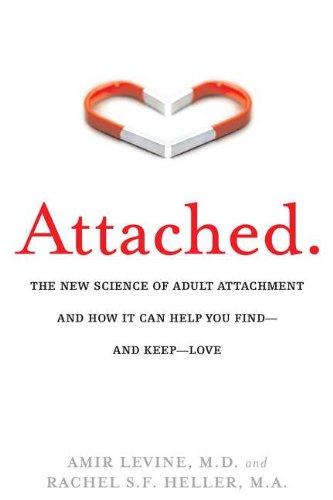
The New Science of Adult Attachment and How It Can Help YouFind?and Keep?Love
It was recommended as a good introduction to the concept of attachment theory.
I would also check out Jordan's interview with Amir Levine. He's the author of the book Attached.
— Episode: 980: Sister Was Wild — Should You Adopt...
It was recommended as a good introduction to the concept of attachment theory.
I would also check out Jordan's interview with Amir Levine. He's the author of the book Attached.
That'll be a really good intro to the whole concept of attachment theory.
The author, Amir Levine, discussed the science behind attachment styles and their impact on finding and keeping love. He explained the four attachment styles: secure, anxious, avoidant, and anxious-avoidant, and how genetics, environment, and upbringing influence these styles. Levine also talked about how people handle relationships based on their attachment style and how the development of these styles has evolved over time.
Attached author Amir Levine is here to share what the science has to say!
It was suggested as a book to explore attachment theory, possibly offering insights into why one might get attached easily in dating situations.
Attached by Amir Levine and Rachel S.F. Heller
The book was described as another insightful resource for understanding attachment theory and its impact on relationship dynamics.
I've got some books here, will link them in the show notes at JordanHarbinger.com, but also list them here for you: Hold Me Tight by Sue Johnson is a great one, Wired for Love by Stan Tatkin, Attached by Amir Levine and Rachel S.F. Heller.
Attached, Wired for Love, and Hold Me Tight are the three books and these are, these go in depth on attachment theory.
![Sapiens [Tenth Anniversary Edition]: A Brief History of Humankind Cover](https://media.podcastbookpicks.com/books/563.jpg)
A Brief History of Humankind
It was mentioned as a book that might be relevant for a conversation about the development of the human brain and societal structures throughout history.
This is probably a conversation we should be having with like you've all know a harrari who wrote sapiens or something like that.
— Episode: 11: How to Deal with Conversational Narc...
It was mentioned as a book that might be relevant for a conversation about the development of the human brain and societal structures throughout history.
This is probably a conversation we should be having with like you've all know a harrari who wrote sapiens or something like that.
It was suggested that a conversation about human development and maturity could be had with the author, due to the book's focus on human history and evolution.
this is probably a conversation we should be having with like you've all know a harrari who wrote sapiens or something like that.
It was mentioned as a book that the hosts might be able to have a conversation with a scientist about, due to its topic of human evolution.
This is probably a conversation we should be having with like you've all know a harrari who wrote sapiens or something like that.
It was mentioned in relation to a discussion about the social science that suggests humans are bad, and this book seemingly debunks that.
We had Rutger Breggman on some of the social science that says how bad humans are and we're gonna debunk some of that because things are not as bad as they might seem in human nature is actually much better and more positive than we thought according to well actual science.
It was mentioned that Yuval Noah Harari's book 'Sapiens' discussed the 'useless class' which is a class of people who can't produce economic value due to AI replacing jobs, but that people could adapt by focusing on jobs that involve human compassion and interaction.
In Professor Harari's new book I think he has become more optimistic he talks about the same thing I talk about that maybe people have to go back on their human instincts, their compassion, things that machines can't do right because we're talking about people who can't do routine jobs better than a machine.
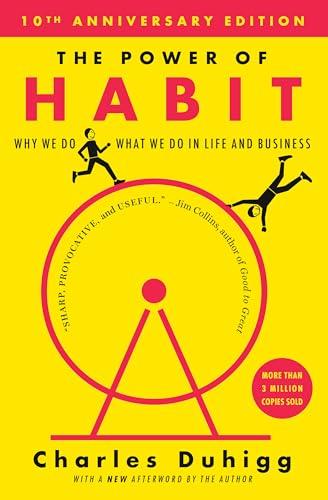
Why We Do What We Do in Life and Business
The speaker mentioned Charles Duhigg's book "The Power of Habit" as an example of how even a well-respected author may be misconstrued in their work.
He said a lot of us grew up watching Friends, the sitcom. They're all matched right, when Ross is surprised, he's like, and his jaw drops and his eyes get really wide. He takes a deep breath in and he...
— Episode: 1024: Blake Eastman | Can Machines Read...
The speaker mentioned Charles Duhigg's book "The Power of Habit" as an example of how even a well-respected author may be misconstrued in their work.
He said a lot of us grew up watching Friends, the sitcom. They're all matched right, when Ross is surprised, he's like, and his jaw drops and his eyes get really wide. He takes a deep breath in and he pauses and he freezes and every they zoom in on his face so now everybody thinks this is what normal people look like when they're surprised. And so he also brought up Amanda Knox because she was mismatched and we don't trust people who are mismatched. So she wasn't crying and screaming and tearing her hair out when her roommate got murdered. She was like hugging her boyfriend and kissing him a little bit and just staring and they were like she did it based on her eyes or whatever because she was mismatched. That's Gladwell's.
It was mentioned in relation to the concept of visualization and the example of Michael Phelps's coach teaching him to visualize every race. It also helped to explain habit formation.
In The Power of Habit, there's this whole section about how Michael Phelps's coach taught him to visualize every single race...
It was mentioned in the context of a discussion about habit formation, and specifically how Michael Phelps' coach used visualization techniques to help him achieve success.
In fact Michael Phelps in The Power of Habit there's this whole section about how Michael Phelps' coach taught him to visualize every single race to what it would feel like for his hand to come out of the water.
Kelly McGonigal's book on stress was mentioned, and it was said that she discussed the idea of telling people they can handle the stress they are experiencing to see improvements in their ability to cope.
She had mentioned that in her book about stress that you can actually tell people that they seem like the kind of person who can handle this and you see that person feeling better about their own capability and handling a specific situation or problem so that's kind of nice.
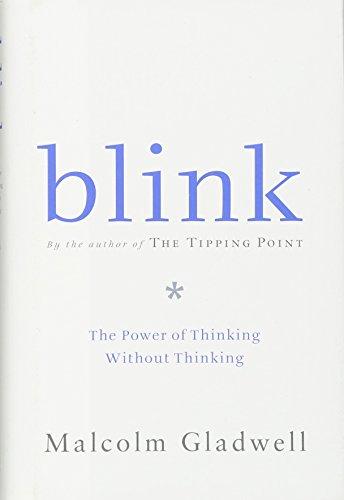
The Power of Thinking Without Thinking
It was mentioned in relation to the idea of having an immediate intuitive sense about someone or something that one can't fully explain, such as red flags in relationships, a similar idea that was also explored in Goleman's work.
And Malcolm Gladwell writes a little bit about this in Blink too right where there's something going on you see it, you can't articulate it.
— Episode: 232: Daniel Goleman | A Logical Look at...
It was mentioned in relation to the idea of having an immediate intuitive sense about someone or something that one can't fully explain, such as red flags in relationships, a similar idea that was also explored in Goleman's work.
And Malcolm Gladwell writes a little bit about this in Blink too right where there's something going on you see it, you can't articulate it.
It was mentioned in relation to the concept of having a gut feeling about something, being able to sense something without being able to articulate it.
And Malcolm Gladwell writes a little bit about this in Blink too right where there's something going on you see it, you can't articulate it.
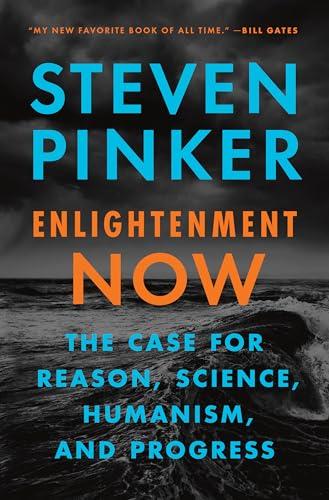
The Case for Reason, Science, Humanism, and Progress
It was discussed multiple times, focusing on how it counters the idea that things are always getting worse. It was mentioned as a counterpoint to a common negativity bias in the media and declining trends.
It's kind of a theme of my last book Enlightenment Now I also go into the psychology and more detail in my new book rationality which is among other things about how our sense of risk...
— Episode: 593: Steven Pinker | Why Rationality See...
It was discussed multiple times, focusing on how it counters the idea that things are always getting worse. It was mentioned as a counterpoint to a common negativity bias in the media and declining trends.
It's kind of a theme of my last book Enlightenment Now I also go into the psychology and more detail in my new book rationality which is among other things about how our sense of risk and probability and prevalence are driven by images and anecdotes and narratives and not by data.
writing books like Enlightenment Now or better angels rationality are inherently encouraging it's almost contrarian because of our propensity to focus on the negative why do we need an accurate view of the world that why is this important well it's for the same reason that it's better to see things than to wear a blindfold or hallucinate namely the more you know about the world the better equipped you are to act on it to solve problems when they arise to figure out what works and what doesn't to protect the institutions and the laws and the practices that have made life better get rid of the ones that have made life worse the more you know about the world the better equipped you are to act on it
In the past as we've automated, we found new things for people to do so there used to be elevator operators. I still remember elevator operators when I was a kid in the big department stores guys who just stand all day with a lever making the elevator stop at every floor. We don't have them anymore but we do have your tattoo removal technicians and pet psychiatrists.
Yeah and it's something I deal with in my Enlightenment Now because if I'm just saying well we are look at the way the the New York Times sensationalizes this story this morning. Some could say well you're doing the same thing you're just right cherry picking anecdote so actually have a graph showing the results of an algorithm that did sentiment mapping in stories in the New York Times in an example of world media going back to the 40s and it's really true the media have gotten more negative.
It was mentioned as a book that presented data and graphs demonstrating progress in areas like global poverty, literacy, and working hours, pushing back against the idea that a belief in human nature is depressing.
I do have a graph in my previous book Enlightenment Now showing Working Hours in the United States in Europe which have gone way down for more than 60 hours a week to fewer than 40 hours and that's probably an area in which there could be there should be more progress.
It's kind of a theme of my last book Enlightenment Now I also go into the psychology and more detail in my new book rationality which is among other things about how our sense of risk and probability and prevalence are driven by images and anecdotes and narratives and not by data.
writing books like Enlightenment Now or better angels rationality are inherently encouraging it's almost contrarian because of our propensity to focus on the negative why do we need an accurate view of the world that why is this important well it's for the same reason that it's better to see things than to wear a blindfold or hallucinate namely the more you know about the world the better equipped you are to act on it to solve problems when they arise to figure out what works and what doesn't to protect the institutions and the laws and the practices that have made life better get rid of the ones that have made life worse the more you know about the world the better equipped you are to act on it don't get me wrong I agree with the idea that we should keep our eye on a positive view of the future because I think it also encourages us to solve the problems that we do have.
I'm on record as the second biggest contributor to Hillary Clinton among Harvard faculty but yes there is that danger that just analyzing things objectively in the case of the alt right I can tell you that it's true that not all of them are teaky torch wielding skinheads because at least one of my former students at Harvard University gravitated to the alt right to my horror but you know he was one of the smartest students I ever had and the point of that discussion that ended up on YouTube and selectively edited is that if you have an atmosphere in which has what we increase in we do in academia in which there's some things you just can't say well they're going to be people who are part of the tribe we're going to say well geez what are they what are they afraid of if you get punished for saying something that must mean it we should take a look at it because if it was so preposterous no one would bother suppressing it in the first place maybe there's something to it I think that academia has become something of an incubator of the alt right by having such an atmosphere of repression that people think that there are truths that are being suppressed that terrifies me a little bit right because I did a bit of a debunk of this fake documentary called planned to make which was something like an anti-vaxxer yes magnum opus and I went through the first half of it and I just deconstructed a lot of the so-called experts and things like that and people one of the primary comments on there was if it's not true why isn't it allowed on YouTube and that's hard to argue with in a lot of ways I mean it's hard to argue effectively obviously there are reasons for not disseminating misinformation and disinformation but it's very hard to convince somebody that they're not allowed to watch something because it's not true when usually they're going to assume the opposite is the case.
it's something I deal with in my Enlightenment Now because if I'm just saying well we are look at the way the the New York Times sensationalizes this story this morning Some could say well you're doing the same thing you're just right cherry picking anecdote so actually have a graph showing the results of an algorithm that did sentiment mapping in stories in the New York Times in an example of world media going back to the 40s and it's really true the media have gotten more negative.
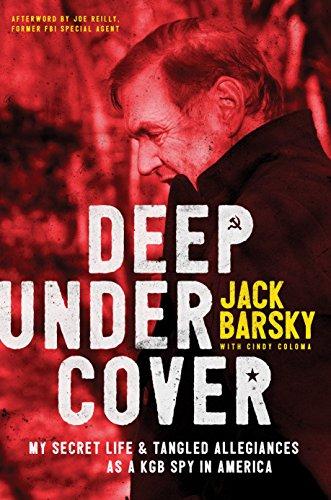
My Secret Life and Tangled Allegiances as a KGB Spy in America
It was discussed throughout the episode, and was mentioned as a great read with lots of insights into the KGB recruiting process and spy training.
Jack Barsky, author of Deep Undercover My Secret Life and Tangled Allegiances as a KGB spy in America.
— Episode: 285: Jack Barsky | Deep Undercover with...
It was discussed throughout the episode, and was mentioned as a great read with lots of insights into the KGB recruiting process and spy training.
Jack Barsky, author of Deep Undercover My Secret Life and Tangled Allegiances as a KGB spy in America.
for those of you who are looking for that will link to that in the show notes
You mentioned in the book Deep Undercover that caution is a spies best friend and paranoia is his enemy what does that mean?
Jack Barsky's book detailed his life as a KGB spy in America, including his double life and eventual decision to defect and become an American citizen.
If you haven't heard part one, go back now and listen, you don't want to miss that and you are depriving yourself of an amazing story.
Jack Barzky, author of Deep Undercover, My Secret Life and Tangled Allegiance is a KGB spy in America.
As I'd say in the book is one of the most evil entities of capitalism to us as we were told in East Germany in those days where the insurance companies I had no idea why they would zero in on insurance companies was banks insurance companies Wall Street these were the epitome of capitalist evil greedy money hoarders and people who exploit others.
There's a book that I read called Stalin's Hangman and that describes the bloody history of the KGB I kid you not page after page every page there's somebody who gets killed sometimes it's one person sometimes it's a group sometimes it's a mass killing literally at one point when I was like two thirds into the book I broke down crying because I realized that what a evil cause I had served even though it was modified and moderated when I joined the KGB but it still had its root and that very evil that was perpetrated on the Stalin.
The book title is Deep Undercover my secret life and tangled allegiances as a KGB spy in America
The book details Jack Barsky's life as a KGB spy in America, including his recruitment, training, and experiences while living undercover.
The story is bananas. He consulted for the TV show The Americans which of course is one of my favorite shows on TV back when it was on.
in the book by the way Deep Undercover is the title my secret life and tangled allegiances as a KGB spy in America for those of you who are looking for that will link to that in the show notes
in your book again title Deep Undercover the school doesn't have any discussion the truth comes down from the top in that play to part
You mentioned in the book Deep Undercover that caution is a spies best friend and paranoia is his enemy what does that mean?
I realized this in the book is quite the saga but how did you become Jack Barsky who was this person because it's easier for us to say oh it's the person you're talking to now but that wasn't always the case.
The book details Jack Barsky's experiences as a KGB spy in America, including how he handled a double life, the waning allure of communism, and his ultimate decision to stay in the US and become an American citizen.
If this weren't such a litigious society I would do another book just based on a handshake but in New York City it's not very likely that you find people like that out in public who promise you a great deal.
As I'd say in the book is one of the most evil entities of capitalism to us as we were told in East Germany in those days where the insurance companies I had no idea why they would zero in on insurance companies was banks insurance companies Wall Street these were the epitome of capitalist evil greedy money hoarders and people who exploit others.
I started poking around and I started looking obviously the wall had come down a year after I resigned I started trying to figure out what was East Germany actually all about and there's enough truly authentic information to be found about East Germany because of the way that it fell I was very much disabuse of any residual idea that we were actually doing the right thing we just set the wrong leaders.
There's a book that I read called Stalin's Hangman and that describes the bloody history of the KGB I kid you not page after page every page there's somebody who gets killed sometimes it's one person sometimes it's a group sometimes it's a mass killing literally at one point when I was like two thirds into the book I broke down crying because I realized that what a evil cause I had served even though it was modified and moderated when I joined the KGB but it still had its root and that very evil that was perpetrated on the Stalin.
The book title is Deep Undercover My Secret Life and Tangled Allegiances as a KGB spy in America.
It was discussed in detail throughout the podcast, exploring Jack Barsky's life as a KGB spy and his experiences in America, including his assimilation and challenges while living under a false identity.
Jack Barsky, author of Deep Undercover My Secret Life and Tangled Allegiances as a KGB spy in America.
for those of you who are looking for that will link to that in the show notes
You mentioned in the book Deep Undercover that caution is a spies best friend and paranoia is his enemy what does that mean?
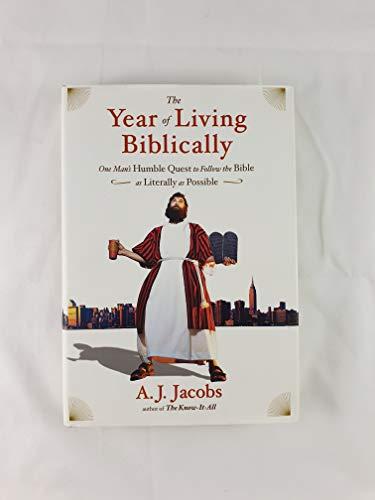
One Man's Humble Quest to Follow the Bible as Literally as Possible
Jacobs recounts his experiences living according to the rules of the Old Testament for a year. He discusses the book, his decision to live biblically, and the challenges he faced, including the difficulty of following all of the rules and the reactions of those around him.
And one of them I think was about your year of living biblically where you didn't wear mixed fabrics and you didn't sit on a chair that your wife had sat on while menstruating.
— Episode: 994: A.J. Jacobs | The Year of Living Co...
Jacobs recounts his experiences living according to the rules of the Old Testament for a year. He discusses the book, his decision to live biblically, and the challenges he faced, including the difficulty of following all of the rules and the reactions of those around him.
And one of them I think was about your year of living biblically where you didn't wear mixed fabrics and you didn't sit on a chair that your wife had sat on while menstruating.
I wanted to understand religion because I knew nothing about it grew up very secular.
And the way I like to understand things is by walking the walk talking the talk wearing the robe grow in the beard throw in the pebbles. Yeah, and I love it.
And that was one of my favorite books to write The Year of Living Biblically.
It was discussed how the book came about from an experiment of living biblically for a year, which made him realize many modern rules are followed out of habit and he no longer felt connected to them.
It was a year. That's a long to year. Oh my God.
It's funny because my first thought was your wife must be a very patient woman to have put up with that.
I tried to get extra lives because you know in the Old Testament, you can have 12, 15 but she put the kebash on that.
I mean, it really did make me realize that in biblical times they didn't have this idea of an individual. It was all about the community, like respect your elders, like you have to stand when an old person comes into the room.
And we are all about the rights individual rights. I have the right to everything. And I think there's a balance and I think we've gone too far to the individual side.
It detailed his year of living according to the Bible, literally, including the more obscure and challenging rules. It improved his gratitude, but also led to many funny and inconvenient situations for him and his family.
One was a year of living biblically so he followed the Bible as literally as possible.
I grew up with no religion at all. As I say in the book, I'm Jewish, but I'm Jewish in the same way the olive garden is Italian.
I thought one way to learn about the Bible might be to actually live it and dive in and sort of follow in the footsteps of our forefathers.
I got a board of spiritual advisors. I had rabbis and ministers and scholars and then I wrote down every single rule in the Bible and there are hundreds. And I wanted to follow the famous ones like the Ten Commandments and love your neighbor but also the weird forgotten rules like don't shave the corners of your beard.
Not lying seems very tough. I talked about that with Sam Harris here on the show, not lying anymore. It's extremely hard because white lies count and untruths and omissions all of us have counts.
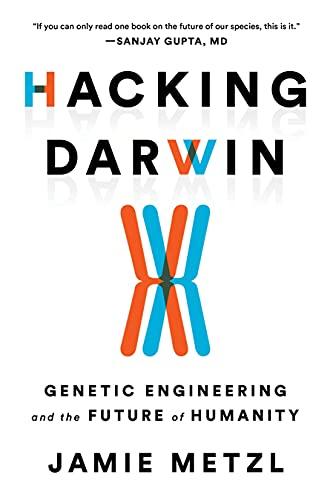
Genetic Engineering and the Future of Humanity
The book is mentioned as an example of Jamie's work in making complex scientific concepts accessible to a wider audience.
And frankly, that's why my last book, Hacking Darwin, before that I'd written my two science fiction novels, Genesis Code and Eternal Sonata.
— Episode: 1015: Jamie Metzl | AI Solutions for Hun...
The book is mentioned as an example of Jamie's work in making complex scientific concepts accessible to a wider audience.
And frankly, that's why my last book, Hacking Darwin, before that I'd written my two science fiction novels, Genesis Code and Eternal Sonata.
Jamie Metzl's book "Hacking Darwin" explores the future of human genetic engineering, focusing on human assisted reproduction. The author predicted the birth of the first CRISPR babies, which happened in China.
The first time you and I spoke was around the time, I think it was 2019 for the launch of my then book Hacking Darwin and that book was on the future of human genetic engineering when a big piece of that was human assisted reproduction.
And so for this which was the hardback version, all we need to do is I just need to add a couple of sentences saying and this thing that I've exactly predicted has happened.
In my last book Hacking Darwin, I have a chapter called the end of sex which is exactly about this that nature has an error rate.
It was discussed as an example of how genetic engineering is advancing at an unprecedented rate and how humans are developing the ability to alter and control genetic traits, including those related to intelligence, physical appearance, and disease resistance.
I mean we've been evolving for about four billion years since we started as a single cell organism and for four billion years we've evolved by the random mutation and natural selection to our winning evolution. And now we are amassing these incredibly powerful tools that are allowing us to shape life, shape life on earth and shape our own life.
But if we bring a baby from a thousand years in the future and I'm thinking probably more like a hundred or two hundred years in the future I don't know where you're thinking but from your book that's what it looks like if we bring that baby from the future back to now it's going to have a lot of outlier traits in terms of intelligence and athletic prowess genetic disease resistance things we have never seen in one human so what's going on here why is this the case?
I talk about this in the book you know I went to the fertility clinic to freeze my sperm and it's actually pretty easy they walk you in the back that you know there's no fancy science they got like a little thing it used to be a broom closet you know they got a video recorder and some radiot magazines and they give you a plastic cup and that's that and you got you know however somebody chooses to do it you get about a billion sperm cells in average so you don't need science we have old tried and true method
I talk a lot and write about in the book this concept of exponential change which I think is what Rob is also it also talks about is that anything that becomes digitized gets on this curve kind of like a Moore's Law curve but with the whole world networked nobody has to solve a problem that's already been solved by somebody else and so we have more people who are educated more people who are working on these incredible thorny problems and every time something gets solved I mean different parts of the world figured out copper and bronze thousands of years different from each other but imagine if you know the first civilization that discovered bronze was able just to send an email to everybody else and are the hey just discovered bronze here's the formula that means all right great we're two thousand years ahead developmentally and that's what's happening every day so that's why our imagination about the speed of change is often too conservative because we're looking in the rear of you mirror rather than imagining what exponential change is going to look like going forward
So is there a Moore's Law curve for biology you know is this yes I can't remember what it's called my friend Rob Reid mentioned this it's not a curve though it's more like it goes down and then it really drops crazily exponentially yes so basically certainly for genome sequencing so Moore's Law the computing power roughly doubles every two years for the same price is kind of the shorthand for it and so if you applied Moore's Law to genome sequencing and you started a billion dollars in 2003 we wouldn't be close to the six hundred dollars today and we wouldn't be close to the close to zero it's going to be well within a decade so the cost of sequencing is advancing matter rate far faster than Moore's Law would suggest
It was discussed at length as it details the potential future of genetic engineering and its profound impact on humanity, including the ability to edit genes and select embryos with desired traits.
I illustrate this really well in Hacking Darwin where you say if we brought a baby from a thousand years ago in a time machine and we brought him back today it would be pretty much the same organism right.
I talk about this in the book, you know I went to the fertility clinic to freeze my sperm and it's actually pretty easy.
I talk a lot and write about in the book this concept of exponential change.
I know we'll talk about so this CRISPR gene editing was invented in 2012 seven years ago the first CRISPR gene edited babies were born six years later in 2018.
Big thanks to Jamie Meetzel the book is called Hacking Darwin we'll throw that in the show notes.
It was discussed as a book that illustrates the potential for genetic engineering to alter humanity's future, with outlier traits becoming commonplace. The book also delves into the ethical complexities of this technology, particularly in the context of embryo selection.
If we brought a baby from a thousand years ago in a time machine and we brought him back today it would be pretty much the same organism right. But if we bring a baby from a thousand years in the future and I'm thinking probably more like a hundred or two hundred years in the future I don't know where you're thinking but from your book that's what it looks like if we bring that baby from the future back to now it's going to have a lot of outlier traits in terms of intelligence and athletic prowess genetic disease resistance things we have never seen in one human so what's going on here why is this the case?
I talk about this in the book you know I went to the fertility clinic to freeze my sperm and it's actually pretty easy they walk you in the back that you know there's no fancy science they got like a little thing it used to be a broom closet you know they got a video recorder and some radiot magazines and they give you a plastic cup and that's that and you got you know however somebody chooses to do it you get about a billion sperm cells in average so you don't need science we have old tried and true method
I talk a lot and write about in the book this concept of exponential change which I think is what Rob is also it also talks about is that anything that becomes digitized gets on this curve kind of like a Moore's Law curve but with the whole world networked nobody has to solve a problem that's already been solved by somebody else and so we have more people who are educated more people who are working on these incredible thorny problems and every time something gets solved I mean different parts of the world figured out copper and bronze thousands of years different from each other but imagine if you know the first civilization that discovered bronze was able just to send an email to everybody else and are the hey just discovered bronze here's the formula that means all right great we're two thousand years ahead developmentally and that's what's happening every day so that's why our imagination about the speed of change is often too conservative because we're looking in the rear of you mirror rather than imagining what exponential change is going to look like going forward
I have a chapter in the book called the arms race of the human race and that's one of the possibilities and it's a scary one because what we're talking about is the future of life and you know if somebody changes humans in China or in Russia or in Kazakhstan or whatever eventually our kids are likely to procreate with their kids I mean it's not like they were going to be able to segregate out people who have been genetically altered and not so we are as humans we all are and should be stakeholders in how this story plays out
I write about that in the book so certainly let's just say we talked about having your own 10,000 fertilized eggs there will be a range so if you have let's say 10 of your your unimplanted embryos on average there's probably like a 10 or 15 IQ point differential it's hard to fully test this but between your potentially highest IQ embryo genetic component of IQ and your lowest if you have 10,000 that number becomes significantly bigger so you let's say that high genetic component of IQ is your number one priority in making those selections you can get a very high IQ relative to all of your other options and let's say somebody else has done the same thing you know so then you already are starting from this starting point that from an IQ perspective is beyond most other people and if you keep doing that and in the book I talk about a process of breeding embryos with other embryos which is that's kind of this mind blowing stuff is so you do that process you select from among your 10,000 you select your boy embryo and somebody else does the same thing to with two different parents so you're not genetically related and they select their girl female embryo and then you extract cells from each of those embryos so from the male embryo you do the same induced stem cell process so you go stem cell to sperm precursor cell to sperm and from the female embryo you go from the stem cell to the egg precursor cell to egg now my five day old embryo and your five day old embryo can themselves have a baby and then you do that same process with somebody else who's done that with a different two different genetic lines and so you see where this is going if we could push these chickens from one egg a month to one egg a day how far can we push some of these other traits and then there are huge unmassive unknowns with all this because all of our traits have evolved over millions or in some cases billions of years and so our bodies our beings are these balances if we had these super high IQs would there be other liabilities that we don't yet understand their very well could be but the basic point is that our biology is malleable and we understand that it's malleable in some abstract way because we know we used to be single cell organisms and we evolved into those single cell organisms involved into all of life on earth so we know that life can be expressed in many different ways but we don't know what it would mean for us and now we have the potential to find out which is exciting and everyone should feel exciting and it's scary and everyone should feel scared as well
A True Story of High Finance, Murder, and One Man's Fight for Justice
It was mentioned at the beginning of the episode as one of the books written by Bill Browder. It was also mentioned when Bill Browder was discussing his subpoena issues with his lawyer.
My first book, which is called Red Notice...
— Episode: 681: Bill Browder | Surviving Vladimir P...
It was mentioned at the beginning of the episode as one of the books written by Bill Browder. It was also mentioned when Bill Browder was discussing his subpoena issues with his lawyer.
My first book, which is called Red Notice...
It was discussed in detail throughout the episode, and was highlighted as a true story of high finance, murder, and one man's fight for justice in Russia. It was described as a James Bond style spy novel by Jordan Harbinger.
The irony that really struck me in the beginning of Red Notice was that your grandfather was the head of the American Communist Party and so you're this amazing capitalist has made lots of successful investments billions of dollars here and your grandfather was kind of not trying to do that he was at least one of the least capitalistic people I guess of his day and had that reputation to match.
I love the idea of the substance instead of the form and I want to come back to that theme as well throughout the rest of our talk here because when I'm reading the, when I'm reading Red Notice these voucher auctions where you have to buy things this isn't show up. Have a meeting, sign some documents. There's a series of escrow bank wires. This is duffle bag full of millions of dollars in vouchers for cash that are stacked.
There's a story in Red Notice that made me think that even that is a huge challenge over in Eastern Europe and in Russia because there's this story where you see this man having a seizure in the road and nobody wants to stop and your driver even he didn't want to stop.
The stories in Red Notice are in, it just gets worse I mean not worse but more and more unbelievably incredible I mean these oligarchs Putin that says Game of Thrones I mean these guys are getting thrown in jail people are pilfering they're getting persecuted politically and you're not by any stretch immune to this.
And Red Notice the book has so many people who are intimidated into silence how are you able to go up against Putin a murderer one of the most powerful men in the world without just giving into the intimidation yourself?
Bill Browder's book detailed his experiences as an investor in Russia, including his encounters with corrupt oligarchs and his fight for justice after his lawyer, Sergei Magnitsky, was murdered.
The irony that really struck me in the beginning of Red Notice was that your grandfather was the head of the American Communist Party and so you're this amazing capitalist has made lots of successful investments billions of dollars here and your grandfather was kind of not trying to do that he was at least one of the least capitalistic people I guess of his day and had that reputation to match.
I love the idea of the substance instead of the form and I want to come back to that theme as well throughout the rest of our talk here because when I'm reading the, when I'm reading Red Notice these voucher auctions where you have to buy things this isn't show up. Have a meeting, sign some documents. There's a series of escrow bank wires. This is duffle bag full of millions of dollars in vouchers for cash that are stacked.
There's a story in Red Notice that made me think that even that is a huge challenge over in Eastern Europe and in Russia because there's this story where you see this man having a seizure in the road and nobody wants to stop and your driver even he didn't want to stop.
In these oligarchs by the way for people who don't know the term oligarch it's essentially some super wealthy robber baron type usually what we're talking about here are Russian oligarchs these are the guys that sort of had a similar game maybe as you of course a lot of them would say oh yeah okay I'm just gonna buy one of the national oil companies because I'm friends with people in the government and I can secure financing from wherever China or some other thing.
And Red Notice the book has so many people who are intimidated into silence how are you able to go up against Putin a murderer one of the most powerful men in the world without just giving into the intimidation yourself?
It was described as a James Bond spy novel level story, detailing Browder's experiences in Russia and his fight for justice after the death of his friend, Sergei Magnitsky.
The irony that really struck me in the beginning of Red Notice was that your grandfather was the head of the American Communist Party and so you're this amazing capitalist has made lots of successful investments billions of dollars here and your grandfather was kind of not trying to do that he was at least one of the least capitalistic people I guess of his day and had that reputation to match.
I love the idea of the substance instead of the form and I want to come back to that theme as well throughout the rest of our talk here because when I'm reading the, when I'm reading Red Notice these voucher auctions where you have to buy things this isn't show up. Have a meeting, sign some documents. There's a series of escrow bank wires. This is duffle bag full of millions of dollars in vouchers for cash that are stacked.
But there's a story in Red Notice that made me think that even that is a huge challenge over in Eastern Europe and in Russia because there's this story where you see this man having a seizure in the road and nobody wants to stop and your driver even he didn't want to stop.
the details we just glossed over everything in the interest of course in time but in Red Notice there's just so much that goes into the him resisting and having the courage to resist making a false confession in the face of this horrific pain and it's really it truly is unbelievable
and my mind is so blown in the book we left out half more of the things that are happening in the book or they talk about everything that's happening to him. I mean, just the KGB or the FSB's rating is offices and the people who are prosecuting him are also the police in charge of this but they're also the investors that are involved in the tax fraud.
It was mentioned as Bill Browder's first book, and also that it was launched at the same time as a Russian attempt to subpoena him for his personal information.
My first book, which is called Red Notice...
Note: The book recommendations on this page are discovered automatically from podcast transcripts, and may be incorrect or incomplete.
Podcast Name