
Podcast
Pivot
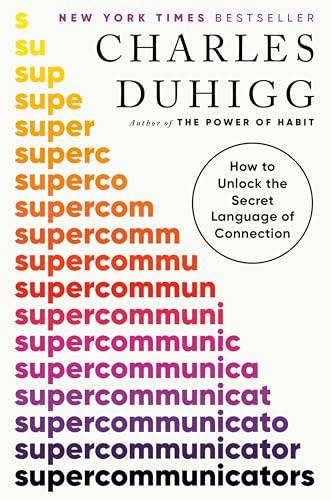
Charles Duhigg explains his experience learning to communicate better through the research he conducted for his new book 'Supercommunicators' which was spurred by his struggles to communicate effectively with his wife. He learned that different conversations require different communication styles and the importance of asking deep, probing questions to encourage authentic responses from people.
And I just was saying previously, I admire your beard. You're going in the Malcolm Gladwell School of weird hair situations, follicular.
— Episode: Trump on Trial, Big Bank Earnings, and G...
Episode: Trump on Trial, Big Bank Earnings, and Guest Charl...
Charles Duhigg explains his experience learning to communicate better through the research he conducted for his new book 'Supercommunicators' which was spurred by his struggles to communicate effectively with his wife. He learned that different conversations require different communication styles and the importance of asking deep, probing questions to encourage authentic responses from people.
And I just was saying previously, I admire your beard. You're going in the Malcolm Gladwell School of weird hair situations, follicular.
So, I had this problem where I'd come home from work and I would complain to my wife about my day and she would give me this really good advice, like, you know, take your boss out to lunch, get to know him better. And instead of being able to hear her, I would, you know, get upset and say, why aren't you supporting me? You're supposed to be on my side. And then she would get upset because I was attacking her for giving me good advice. And I wanted to understand what was going on.
And one of the things that we know now is that we think of a discussion as being about one thing, but it's actually many different kinds of conversations. And in general, they tend to fall into one or three buckets. There's practical conversations where we're solving problems, we're making plans together. But then there's emotional conversations where I tell you what I'm feeling and I don't want you to solve my feelings. I want you to empathize. And then finally, there's social conversations about how we relate to each other.
So, you know, you're from 1864, say Arizona. I look like Lenin if he was less sexy.
And so I went out to researchers and I asked them, you know, why am I miscommunicating? I'm a professional communicator. I'm an age of understanding communication. And one of the things that we know now is that we think of a discussion as being about one thing, but it's actually many different kinds of conversations.