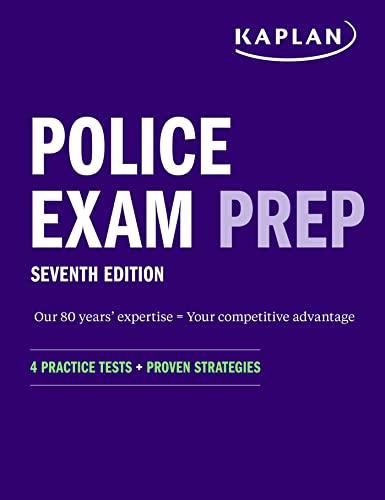
Police Exam Prep 7th Edition
Kaplan Test Prep
Mentioned 4 months ago
1288: Test Prep | Skeptical Sunday

(Apple's Best of 2018) In-depth conversations with people at the top of their game. Jordan Harbinger unpacks guests' wisdom into practical nuggets you can use to impact your work, life, and relationships. Learn from leaders (Ray Dalio, Simon Sinek, Mark Cuban), entertainers (Moby, Tip "T.I." Harris,...
Recently mentioned
Kaplan Test Prep
Mentioned 4 months ago
1288: Test Prep | Skeptical Sunday
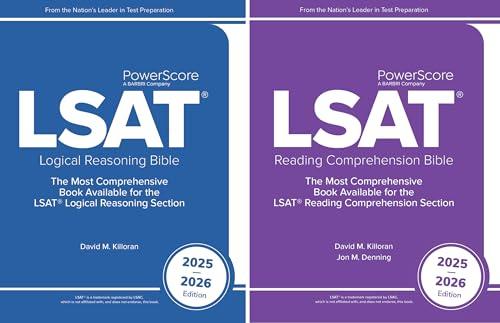
David Killoran
Mentioned 4 months ago
1288: Test Prep | Skeptical Sunday

Kaplan Test Prep
Mentioned 4 months ago
1288: Test Prep | Skeptical Sunday

Eve Ensler
Mentioned 5 months ago
1282: The Vagina | Skeptical Sunday
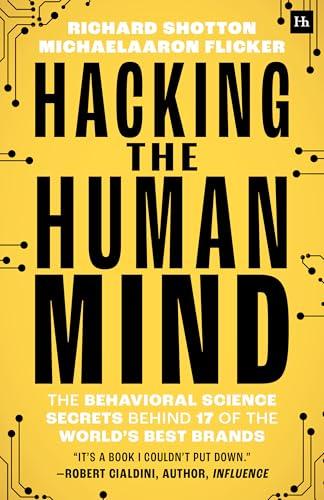
Richard Shotton
Mentioned 6 months ago
1273: Richard Shotton & MichaelAaron Flicker | Marketing to Human Minds
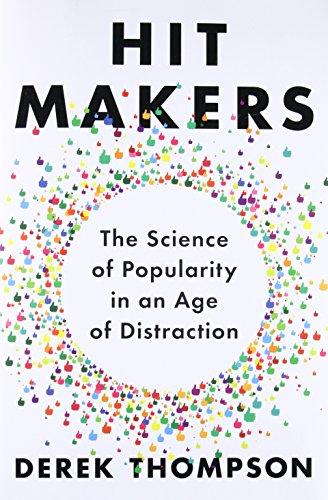
Derek Thompson
Mentioned 6 months ago
1273: Richard Shotton & MichaelAaron Flicker | Marketing to Human Minds
Milan Kundera
Mentioned 1 year ago
1042: Sex Trafficking | Skeptical Sunday
Ryan Holiday
Mentioned 1 year ago
1041: Groped In Your Sleep, Betrayal Runs Deep | Feedback Friday
James J. Sexton
Mentioned 1 year ago
1035: James Sexton | A Divorce Lawyer's Guide to Lasting Love Part One
Charles Duhigg
Mentioned 1 year ago
1034: Fat-Free Foods | Skeptical Sunday
Glennon Doyle
Mentioned 1 year ago
1031: Sarah Hill | How Birth Control Rewires Women's Brains Part One
Toni Weschler
Mentioned 1 year ago
1031: Sarah Hill | How Birth Control Rewires Women's Brains Part One
How Great Leaders Inspire Everyone to Take Action
The book was repeatedly referenced as a key work by its author, with Jordan Harbinger noting he had read it, handed copies to his staff, and found its message about purpose especially valuable during uncertain times. Jim Kwik highlighted it as one of his favorite reads for aligning goals with a clear "why." While Simon Sinek acknowledged criticism that the book lacked practical steps, the overall tone on the show was strongly endorsing its insights.
It was initially perceived as a good business book, but later became more relevant in times of uncertainty, particularly regarding the importance of purpose.
back when I first read it, I thought, okay yeah you got to have a purpose and you got to have a reason why you're doing everything. I get it. Okay cool business book. I enjoyed it.
I read this great book Start with Why all my employees should go through it okay I'm done I did my part I read it and handed it I gave a stack of it away to my to my staff
admittedly I was doing a tour of zappos and there was a big stack of them and I was like I'm going to take one of these unless I can't
the biggest criticism I get for Start with Why which came out if you can believe it nine years ago wow the biggest criticism I get with Start with Why is totally got it totally buy into the case you made for the existence of this thing called the why but you didn't tell us how to do it
so you know eight years later I wrote the book to answer that question only took eight years
It was mentioned as one of Jim's favourite books, in the context of having a strong 'why' and acting in accordance with one's goals and values.
one of my favorite books another not books are all my favorite right is Start with Why by Simon Sinek
It was initially perceived as a good business book with the core message of having a purpose and reason for actions. It was later found to be more impactful during times of uncertainty and crisis.
I thought, okay yeah you got to have a purpose and you got to have a reason why you're doing everything. I get it. Okay cool business book. I enjoyed it.
I read this great book 'Start with Why', all my employees should go through it.
in fact that's where I got mine admittedly I was doing a tour of Zappos and there was a big stack of them and I was like I'm going to take one of these
the biggest criticism I get for 'Start with Why' which came out if you can believe it nine years ago...
totally got it, totally buy into the case you made for the existence of this thing called the why but you didn't tell us how to do it
It was mentioned as one of Jim's favourite books that discusses the importance of understanding your purpose and acting in alignment with it.
is Start with Why by Simon Sinek
It was initially perceived as a good business book, and later found to be more relevant during times of uncertainty, particularly for understanding purpose and destination.
I thought, okay yeah you got to have a purpose and you got to have a reason why you're doing everything. I get it. Okay cool business book.
I read this great book 'Start with Why', all my employees should go through it, okay, I'm done, I did my part.
I was doing a tour of Zappos and there was a big stack of them and I was like I'm going to take one of these.
The biggest criticism I get for 'Start with Why' which came out if you can believe it nine years ago...
totally got it, totally buy into the case you made for the existence of this thing called the why but you didn't tell us how to do it.
The book was mentioned within a conversation about actions and motivations, highlighting the importance of connecting goals with a sense of purpose or 'why.'
is Start with Why by Simon Sinek
A Practical Guide for Discovering Purpose for You and Your Team
The book was repeatedly referenced as one of Simon Sinek’s titles, and Jordan Harbinger highlighted the workbook version, noting that he completed it with Chris Lockhead and gained clarity for his future plans. He advised listeners to purchase the paperback rather than an audiobook because the exercises are best done on paper, presenting it as a practical tool for applying the concepts from 'Start with Why'. The overall tone was supportive and endorsing.
It was described as a workbook that helps implement the principles outlined in 'Start with Why'. It was recommended to be purchased in paperback rather than as an audiobook.
and now we're rebooting. We used to be a different show. I used to host this different show called The Art of Charm. Now it's the Jordan Harbinger Show.
and the example you given in Find Your Why was uh how you run into Americans overseas and you're like oh hey man you're from New York I'm from Michigan we should totally hang out for the day and go to the museum
the new book is called Find Your Why don't get it an audio get it in paper because it's a workbook and it will help you implement Start with Why if you've already read that
I did I did make I don't say this I read audio books this is one where I would say go ahead and get the paper because listening to somebody read exercises in a book was far less practical than you might think
yeah really proud of it I think you should be proud of it I was going to say I think your work is great and I think it's that was something where that's a criticism I have of a lot of books which have really great ideas which is cool that was so enlightening I have no freaking clue how to actually implement it maybe you'll come back with something else and you did so I appreciate that coming back with the new work and coming back here on the Jordan Harbinger show
It was described as a workbook that provides practical guidance for discovering one's purpose, both personally and professionally, helping to implement the concepts from 'Start with Why'.
Find Your Why. He's big on why.
it's a workbook really I did I did make I don't say this I read audio books this is one where I would say go ahead and get the paper because listening to somebody read exercises in a book was far less practical than you might think
the new book is called Find Your Why don't get it an audio get it in paper because it's a workbook and it will help you implement start with why if you've already read that
and the example you given in 'Find Your Why' was uh how you run into Americans overseas and you're like oh hey man you're from New York I'm from Michigan we should totally hang out for the day and go to the museum
Jordan mentioned working through the workbook for this book with Chris Lockhead, gaining clarity for the future and hopefully some catchy, clever stuff Simon Sinek would approve of.
I actually went through and did like, I did Simon Sinek's Find Your Why workbook with Chris Lockhead from Find Your Different podcast, so I've got some clarity on what's coming in the future hopefully, you know, or at least some catchy clever stuff it's Simon Sinek would approve of
It was described as a workbook, rather than an audiobook, and was recommended to be purchased in paperback to more effectively implement the exercises.
and now Find Your Why. He's big on why.
The example you given in 'Find Your Why' was uh how you run into Americans overseas and you're like oh hey man you're from New York I'm from Michigan we should totally hang out for the day and go to the museum.
don't get it an audio get it in paper because it's a workbook and it will help you implement 'Start with Why' if you've already read that.
yeah it's funny you know the biggest criticism I get for 'Start with Why' which came out if you can believe it nine years ago...
only took eight years yeah I suppose I suppose it was a lot of time flying around on planes giving cousin and writing this into a workbook yeah really proud of it
Jordan mentioned completing Simon Sinek's 'Find Your Why' workbook, suggesting he gained clarity and new ideas for the future from it.
I actually went through and did like, I did Simon Sinek's Find Your Why workbook with Chris Lockhead from Find Your Different podcast so I've got some clarity on what's coming in the future hopefully, you know, or at least some catchy clever stuff it's Simon Sinek would approve of.
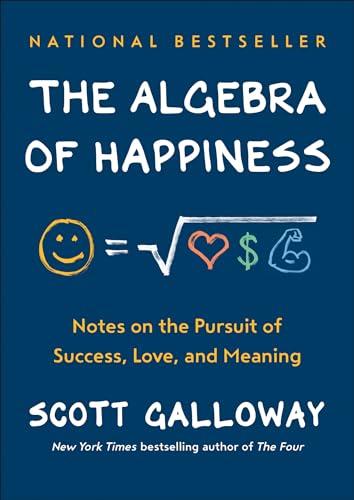
Notes on the Pursuit of Success, Love, and Meaning
It was mentioned that it was written in early 2019 and discussed how the pandemic would accelerate changes that were already occurring, particularly in e-commerce and related industries. It was also described as an easy read with helpful advice.
the coronavirus pandemic changed a hell of a lot since you wrote The Algebra of Happiness which was 20 early 2019 I think if memory serves yeah that's you mentioned that the pandemic...
— Episode: 473: Scott Galloway | From Crisis to Opp...
It was mentioned that it was written in early 2019 and discussed how the pandemic would accelerate changes that were already occurring, particularly in e-commerce and related industries. It was also described as an easy read with helpful advice.
the coronavirus pandemic changed a hell of a lot since you wrote The Algebra of Happiness which was 20 early 2019 I think if memory serves yeah that's you mentioned that the pandemic will accelerate changes already in the making yeah
our previous episode was got incredibly popular we will link to that in the show notes as well so if you liked scot on this episode definitely check out our previous episode which focused on things like relationships why you should invest early and invest often that's true for money and relationships he talks about living a good healthy sane happy life in many ways the book he wrote for that episode is called The Algebra of Happiness highly recommended a really easy read and some simple advice that really could and probably will change your life that is if you apply it
It was mentioned that the book contains advice that if you don't work non-stop in your 20s and 30s and stop worrying about work-life balance, you might not be successful economically.
if you don't work like non-stop in your 20s and 30s and stop worrying about work, life balance, there's a pretty good chance you'll just never be successful economically.
all these there's all this whole sort of cult of the entrepreneur right now where everyone's like, I work from home and I'm a consultant in gig economy and I'm an influencer and it's like okay cool and there's people on the hustle for that.
He's just like yeah that's not real, it's just not. He's very few outliers can do that assume you are not one of those people because the statistics are not on your side.
I loved the book, I loved that episode I could have gone on for another hour.
It was mentioned in the context of the host's advice to a listener facing a terminal illness. He recalled a passage about the author's experience when his mother was dying, and the impact of loved ones visiting her during that time.
Scott Galloway wrote about this in his book The Algebra of Happiness about when his mother was dying also I believe of cancer a lot of people came to visit and he stayed with her and it was just the most amazing time and he really remembers it well.
It was mentioned that the book suggests that if you don't work non-stop in your 20s and 30s, and stop worrying about work-life balance, you may never be financially successful.
if you don't work like non-stop in your 20s and 30s and stop worrying about work, life balance, there's a pretty good chance you'll just never be successful economically.
It was described as an easy read that discussed the importance of relationships, the pursuit of economic success, and the reality of success versus expectations.
I read The Algebra of Happiness from cover to cover because it's a really great easy read and of course we'll link to it in the show notes as we do with every book.
And we'll throw your sort of synopsis video in bedded in the show notes as well but one thing that really stands out that you're certainly not trying to hide in the book is you kind of showed up to school smoked a lot of pod as college students do got a 2.27 GPA went to business school and then started a bunch of companies and had a lot of great success and now you're a professor at Stern business in New York.
The book title is The Algebra of Happiness
Scott this has been great is there anything that I haven't asked you that you want to make sure you deliver well people often asking the book about the book was there a you know what is the key to happiness and the answer is there is no silver bullet but there is a best practice and it comes from the Harvard Grant study which is the largest study on longitudinal happiness ever undertaken and they looked at 400 men age 19 and tracked them from 1929 until they died most of them died about 75 years later I think the last one died when he was 94 maybe 104 anyways the study survived four principal scientists they kept having to swap out the principal scientists because they kept dying and they measured everything from their food intake the job they had the relationships where they lived there's zip code type of job and then query them frequently on their levels of satisfaction and happiness and then trying to correlate what were the drivers of happiness and unhappiness and what they found was that simply put that the strength and depth of your relationships were really the key to happiness at work do you feel respected and you feel admired and do you respect and admire other people with your friends do you feel a sense of camaraderie and joy and just as importantly do you know they feel a sense of joy and camaraderie from you and then with your family do you feel a sense of love and support and again just as importantly do you know that they feel a sense of love and support from you and it has this academic study has the most wonderful opening line of any academic study in history and they summarize a 400 page report in the first sentence they say happiness is love full stop so the depth and number of relationships across work family and friends is really the best practice around happiness
It was mentioned in the context of a previous episode, where Scott Galloway spoke about the future of work, and that the pandemic accelerated changes that were already in motion.
the coronavirus pandemic changed a hell of a lot since you wrote The Algebra of Happiness which was 20 early 2019 I think if memory serves yeah that's you mentioned that the pandemic will accelerate changes already in the making yeah
when we talked about The Algebra of Happiness yeah we were talking about income and salaries and you'd said one of the most important things people can do is move to cities
our previous episode was got incredibly popular we will link to that in the show notes as well so if you liked scot on this episode definitely check out our previous episode which focused on things like relationships why you should invest early and invest often that's true for money and relationships he talks about living a good healthy sane happy life in many ways the book he wrote for that episode is called The Algebra of Happiness highly recommended a really easy read and some simple advice that really could and probably will change your life that is if you apply it
It was mentioned in the context of a discussion about the importance of working tirelessly in one's 20s and 30s to achieve economic success, suggesting that a work-life balance might hinder this goal.
if you don't work like non-stop in your 20s and 30s and stop worrying about work, life balance, there's a pretty good chance you'll just never be successful economically.
all these there's all this whole sort of cult of the entrepreneur right now where everyone's like, I work from home and I'm a consultant in gig economy and I'm an influencer and it's like okay cool and there's people on the hustle for that.
He's just like yeah that's not real, it's just not. He's very few outliers can do that assume you are not one of those people because the statistics are not on your side.
I loved the book, I loved that episode I could have gone on for another hour.
It was described as an easy read with valuable insights, particularly about the realities of career progression and the importance of relationships. It also emphasizes the role of luck in success.
I read The Algebra of Happiness from cover to cover because it's a really great easy read.
One thing that really stands out that you're certainly not trying to hide in the book is you kind of showed up to school smoked a lot of pot as college students do got a 2.27 GPA went to business school and then started a bunch of companies and had a lot of great success and now you're a professor at Stern business in New York.
And he just kept delivering the whole time I'm like texting you on slacks and okay gold gold yeah yeah what I love is he's not afraid to be like hey by the way this thing you saw in Instagram is BS or like you're not going to be able to not bust your ass during your 20s and 30s if you want to be successful later like that's just how this works for 99% of people
I wish he was there for me in my 20s I really do because I went the complete opposite I listened to all the BS and now it's just like okay I got a slog back up that hill if I had to listen to him I mean such a better place so oh so good stuff.
The book title is The Algebra of Happiness
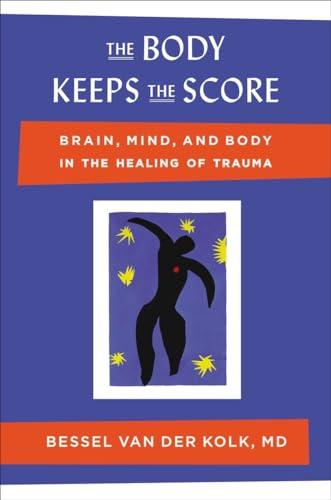
Brain, Mind, and Body in the Healing of Trauma
It was described as one of the best books about trauma theory and treatment.
I would also encourage you to read the book The Body Keeps the Score. It's one of the best books about trauma theory and treatment.
— Episode: 980: Sister Was Wild — Should You Adopt...
It was described as one of the best books about trauma theory and treatment.
I would also encourage you to read the book The Body Keeps the Score. It's one of the best books about trauma theory and treatment.
It is extremely educational, very eye-opening.
It was said to be a definitive book on trauma, discussing how it can cause black and white thinking and limit mental flexibility.
The book 'The Body Keeps the Score' is the number one definitive book on trauma, so dense and insane but what he's done so many studies on people with like PTSD, but even just small forms of trauma and what what it does, yeah, the black and white thinking.
The book, which concerns stress, was mentioned in relation to the ability to tell people they can handle stress, which was mentioned as having been shown to improve the individual's capability to deal with their specific situation or problem.
She had mentioned that in her book about stress that you can actually tell people that they seem like the kind of person who can handle this and you see that person feeling better about their own capability and handling a specific situation or problem so that's kind of nice.
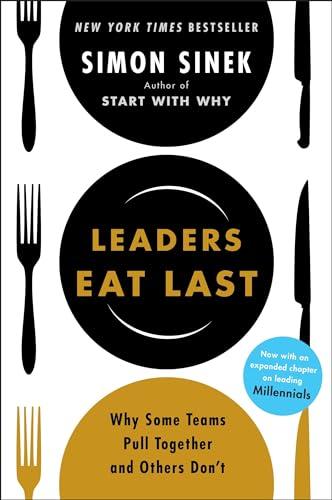
Why Some Teams Pull Together and Others Don't
It was mentioned as a book that Simon Sinek wrote, where he had lots of ideas while showering and forgot them, so he started writing them on the tiles in his bathroom.
When I was writing Leaders Eat Last I would have so many ideas in the shower and I would forget them as quickly as I had them that I kept a dry race marker in my bathroom and I wrote...
— Episode: 610: Bill Sullivan | Pleased to Meet Me
It was mentioned as a book that Simon Sinek wrote, where he had lots of ideas while showering and forgot them, so he started writing them on the tiles in his bathroom.
When I was writing Leaders Eat Last I would have so many ideas in the shower and I would forget them as quickly as I had them that I kept a dry race marker in my bathroom and I wrote them the tiles and so as soon as I got out of the shower while I was brushing my teeth I'd write an idea in the tile and someone I was standing there the next day brushing my teeth I'd be staring at my writing on the tile and I'd sometimes have another idea so you it looked like a beautiful mind it was ridiculous all the tiles had these little chicken scratches all over and I didn't want to raise any of them because I didn't know what ideas were going to be sparked but my point is is like if you figure out what works for you do that keep a notebook by your bed if you go for a run take a notebook with you I usually carry a notebook in the back of my pocket at all times because I don't know when I'm going to have an idea and like I said I lose them as quickly as I have them.
It was mentioned in passing that Simon Sinek had many ideas while showering while writing this book, and he kept a dry erase marker in his bathroom to write them down on the tiles.
when I was writing Leaders Eat Last I would have so many ideas in the shower and I would forget them as quickly as I had them that I kept a dry erase marker in my bathroom and I wrote them the tiles
It was mentioned in the context of Simon Sinek's shower-related idea generation, where he used to write ideas on his bathroom tiles while showering or brushing his teeth.
When I was writing Leaders Eat Last, I would have so many ideas in the shower, or when I was brushing my teeth for example, and I would forget them as quickly as I had them.
A story from a former undersecretary of defense was shared about how perks are often tied to a position rather than to the individual, illustrating the importance of not conflating position with identity.
it reminds me of one of my favorite stories which I wrote about in Leaders Eat Last of a former undersecretary of defense who is giving a presentation middle-large conference about a thousand people he's giving his prepared remarks and in the middle of his remarks he interrupts himself and smiles and says you know last year I was still the undersecretary and I spoke at this exact same conference and last year I flew here business class and there was somebody waiting for me at the airport to take me to the hotel and they took me to the hotel and somebody had already checked me in and they simply took me up to my room and the next morning I came down and somebody was waiting for me in the lobby and they brought me to the same venue they took me in the back entrance they took me into the green room and handed me a cup of coffee in a beautiful ceramic cup he says I'm no longer the undersecretary and I flew her coach I took a taxi to the hotel I checked myself in this morning I came down and took another taxi to the venue I walked through the front doors found my way backstage and when I asked somebody do you have any coffee he pointed to the coffee machine and I poured myself a cup of coffee into this here Styrofoam cup he says the lesson is the ceramic cup was never meant for me it was meant for the position I held I deserve a Styrofoam cup and that's the point we all only deserve a Styrofoam cup and many of the perks that we are given come as a result of the position we hold but not based on who we are
It was briefly mentioned in relation to Simon Sinek having many ideas while showering or brushing his teeth, which led him to write them down in his bathroom.
When I was writing 'Leaders Eat Last', I would have so many ideas in the shower or when I was brushing my teeth, for example, and I would forget them as quickly as I had them.
A story about a former undersecretary of defense was shared to illustrate how the treatment people receive can change based on the position they hold, rather than who they are as individuals. The ceramic cup was a symbol of this concept.
it reminds me of one of my favorite stories which I wrote about in 'Leaders Eat Last' of a former undersecretary of defense who is giving a presentation middle-large conference about a thousand people
It was briefly mentioned as a book that Simon Sinek wrote, which he alluded to while sharing how he came up with ideas in the shower and would jot them down on bathroom tiles.
When I was writing Leaders Eat Last I would have so many ideas in the shower and I would forget them as quickly as I had them that I kept a dry race marker in my bathroom and I wrote them the tiles and so as soon as I got out of the shower while I was brushing my teeth I'd write an idea in the tile and someone I was standing there the next day brushing my teeth I'd be staring at my writing on the tile and I'd sometimes have another idea so you it looked like a beautiful mind it was ridiculous all the tiles had these little chicken scratches all over and I didn't want to raise any of them because I didn't know what ideas were going to be sparked but my point is is like if you figure out what works for you do that keep a notebook by your bed if you go for a run take a notebook with you I usually carry a notebook in the back of my pocket at all times because I don't know when I'm going to have an idea and like I said I lose them as quickly as I have them.
Simon Sinek's book, 'Leaders Eat Last', was mentioned as a source of ideas for the speaker, with the example of having ideas in the shower and writing them on bathroom tiles being cited.
when I was writing Leaders Eat Last I would have so many ideas in the shower and I would forget them as quickly as I had them that I kept a dry erase marker in my bathroom and I wrote them the tiles and so as soon as I got out of the shower while I was brushing my teeth I'd write an idea in the tile and someone I was standing there the next day brushing my teeth I'd be staring at my writing on the tile and I'd sometimes have another idea so you it looked like a beautiful mind it was ridiculous all the tiles had these little chicken scratches all over and I didn't want to raise any of them because I didn't know what ideas were going to be sparked but my point is is like if you figure out what works for you do that keep a notebook by your bed if you go for a run take a notebook with you I usually carry a notebook in the back of my pocket at all times because I don't know when I'm going to have an idea and like I said I lose them as quickly as I have them
It was mentioned during the discussion of where Simon Sinek gets his ideas that he had many while showering and brushing his teeth when writing this book.
when I was writing 'Leaders Eat Last', I would have so many ideas in the shower or when I was brushing my teeth for example and I would forget them as quickly as I had them.
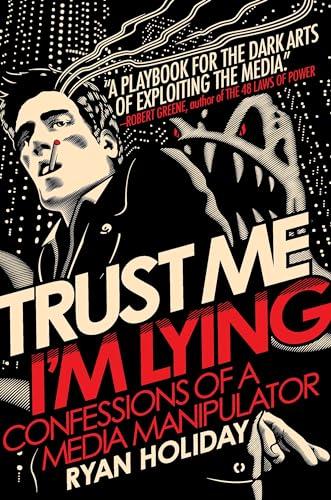
Confessions of a Media Manipulator
It was mentioned as Ryan Holiday's book that discussed the tactics and strategies of the online marketing and blogging world, it was discussed as a book that brought aspects of the field to light.
I was introduced to him with Trust Me I'm Lying and I thought it was such an amazing book because it outlined everything that we knew in the blogging world and kind of brought it to light.
— Episode: 45: Ryan Holiday | Solving for What You...
It was mentioned as Ryan Holiday's book that discussed the tactics and strategies of the online marketing and blogging world, it was discussed as a book that brought aspects of the field to light.
I was introduced to him with Trust Me I'm Lying and I thought it was such an amazing book because it outlined everything that we knew in the blogging world and kind of brought it to light.
It was mentioned as Ryan's first book, the one that helped introduce him and his perspective on marketing and blogging to the wider audience.
I was introduced to him with Trust Me I'm lying and I thought it was such an amazing book because it outlined everything that we knew in the blogging world and kind of brought it to light.
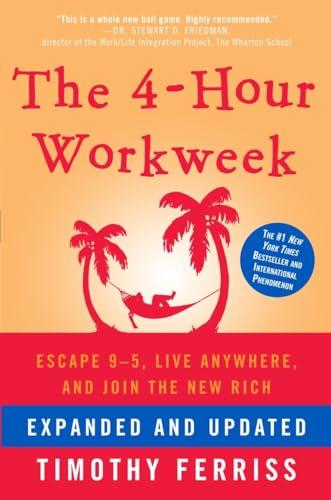
Escape 9-5, Live Anywhere, and Join the New Rich
It was mentioned as an example of a book that could be read by a podcast guest or summarised by a virtual assistant, and was negatively referenced as an example of poor show quality in a hypothetical podcast.
oh you should hire a virtual assistant to read the book for you and then give you a one-pager
— Episode: 321: How to Ask for Advice | Deep Dive
It was mentioned as an example of a book that could be read by a podcast guest or summarised by a virtual assistant, and was negatively referenced as an example of poor show quality in a hypothetical podcast.
oh you should hire a virtual assistant to read the book for you and then give you a one-pager
and their shows suck because they're reading a one-pager for an hour long show
It was mentioned in the context of outsourcing tasks, such as having a virtual assistant read a book and provide a summary, which was portrayed as a negative example.
he would just read the four hour work week so he doesn't do anything outsource I mean oh you should hire a virtual assistant to read the book for you and then give you a one-pager
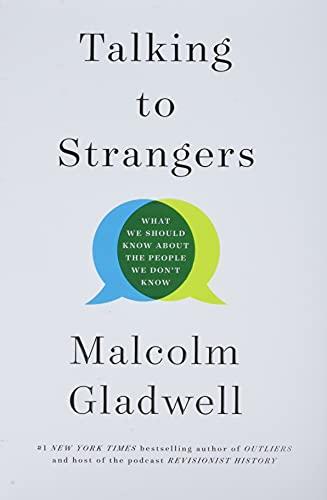
What We Should Know about the People We Don't Know
The podcast host, Jordan Harbinger, discussed Malcolm Gladwell's new book, 'Talking to Strangers', and highlighted that the interview about it was very in-depth.
He wrote Outliers. He wrote the tipping point. His new book is called Talking to Strangers. This is one of the most in-depth interviews about his new work and we did I would say a ban...
— Episode: 257: Overcoming Accidental Accomplice to...
The podcast host, Jordan Harbinger, discussed Malcolm Gladwell's new book, 'Talking to Strangers', and highlighted that the interview about it was very in-depth.
He wrote Outliers. He wrote the tipping point. His new book is called Talking to Strangers. This is one of the most in-depth interviews about his new work and we did I would say a bang up job.
It was described as his angriest work, stemming from the Sandra Bland case, and exploring how we misinterpret strangers' behaviour due to training and misperception of their actions.
His newest book is Talking to Strangers what we should know about the people we don't know basically all the tools we have when we talk to our friends and family betray us when we talk to strangers in this book is a deep dive on that
You've said that this is your angriest work why is that the case well because i've written books that begin in with a sense of wonder or curiosity or all outliers's a book about i mean awe of the success of certain people i want to make sense of it but this one really begins with the Sandra Blanc case which made me angry not just me made many many Americans angry and i was even angrier maybe even more angry with the way that i thought that that string of high profile cases involving law enforcement and african americans were just kind of i felt like we just kind of pushed them aside and went on with our lives that struck me as being profoundly wrong
in a way this book is it's sort of like blink but about people but it's one other side of the same ten sided die that maybe these social characteristics are it's not exactly yeah same thing but it's how our impressions might be right at first but for reasons we can't explain or how we form impressions that are completely wrong based on the wrong data
the real solution to this problem is not to have police conduct these kinds of stops the problem begins not with the mistake i think is because we have videotape of this encounter to think the encounter begins when the videotape starts rolling but in fact it begins when he spots her on the street and he makes this decision which is consistent with his training to pull her over because she's discrepant she's out of state plates in a small Texas town young black woman Hyundai i think
the book title is Talking to Strangers what we should know about the people we don't know
It was mentioned as a book that discussed the Larry Nassar and Jerry Sandusky cases, where the author excused people who failed to report warning signs of abuse.
I was reading Malcolm Gladwell's new book just recently he's got an entire chapter on sexual abuse on the jury's in dusky case and the Larry Nasser case and he excuses every single person who didn't report those warnings in fact he recently said we should be re-reacting the statue of Joe Paterno and his reasoning was even though Paterno knew that sand dusky was seen naked in a shower with his body pressed against a pre-pubescent boy it's quote very difficult to determine pedophilia if you're not specially trained and so he is excused himself and spent an entire chapter in his book arguing that we default to truth and that the reason that Larry wasn't caught in sand dusky wasn't caught in that we that we don't catch predators is because we default to truth.
It was the focus of an in-depth discussion with the author, who was a guest on the podcast, with a detailed discussion of his new work.
His new book is called Talking to Strangers.
This is one of the most in-depth interviews about his new work and we did, I would say, a bang up job.
The book was described as Malcolm's latest work, exploring the difficulties and consequences of misinterpreting strangers' behavior and communication.
His newest book is Talking to Strangers what we should know about the people we don't know basically all the tools we have when we talk to our friends and family betray us when we talk to strangers in this book is a deep dive on that
it's a wholly different story when you hear all those voices and throughout the whole book you will hear like i interviewed one of the CIA guys who did all that did the enhanced interrogation
the book title is Talking to Strangers what we should know about the people we don't know
and links to that will be in the show notes
It was discussed how Gladwell's book had a chapter about the Larry Nassar case, in which he excused the adults who didn't report Larry's abuse. It was mentioned that his conclusion that people default to the truth rather than comfort was a false premise.
I was reading Malcolm Gladwell's new book just recently he's got an entire chapter on sexual abuse on the jury's in dusky case and the larry nasser case and he excuses every single person who didn't report those warnings
he recently said we should be re-reacting the statue of joe paterno and his reasoning was even though paterno knew that sand dusky was seen naked in a shower with his body pressed against a pre-pubescent boy it's quote very difficult to determine pedophilia if you're not specially trained
we default to truth and that the reason that larry wasn't caught in sand dusky wasn't caught in that we that we don't catch predators is because we default to truth that's not true that is not inaccurate premise we do not default to truth we default to what's comfortable to us and perpetuating the notion that we are defaulting to truth normalizes ignoring pedophilia gladwell is normalizing and excusing not acting on very clear warning signs of childhood sexual abuse
It was discussed in an in-depth interview with the author, Malcolm Gladwell. The interview was considered very good by Jordan Harbinger.
He wrote blank. He wrote outliers. He wrote the tipping point. His new book is called Talking to Strangers.
This is one of the most in-depth interviews about his new work and we did I would say a bang up job.
It was described as Malcolm Gladwell's angriest work, inspired by the Sandra Bland case and exploring how we misperceive strangers.
His newest book is Talking to Strangers what we should know about the people we don't know basically all the tools we have when we talk to our friends and family betray us when we talk to strangers in this book is a deep dive on that
You've said that this is your angriest work why is that the case well because i've written books that begin in with a sense of wonder or curiosity or all outliers's a book about i mean awe of the success of certain people i want to make sense of it but this one really begins with the Sandra Blanc case which made me angry not just me made many many Americans angry and i was even angrier maybe even more angry with the way that i thought that that string of high profile cases involving law enforcement and african americans were just kind of i felt like we just kind of pushed them aside and went on with our lives that struck me as being profoundly wrong
in this book what i'm trying to say is the same thing happens here is that these incidents happen and we say oh it's a racist cop and that's what we get riled up about and then we neglect the fact actually there's a whole system behind that to explain what happened and that's where we should be spending our attention
it's like let's figure it out and let's see whether we can prevent this kind of thing happening again
the book title is Talking to Strangers what we should know about the people we don't know
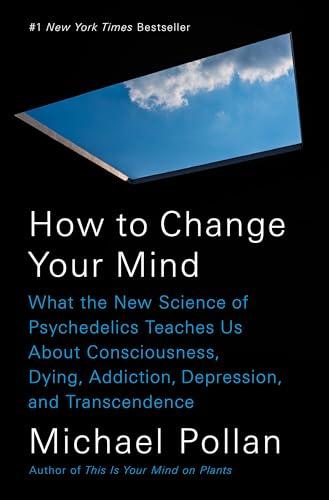
What the New Science of Psychedelics Teaches Us About Consciousness, Dying, Addiction, Depression, and Transcendence
It was recommended as a good read and guide on how to approach psychedelic substances, particularly in a safe and conscious way.
I recommend reading How to Change Your Mind if you're really interested in the stuff read How to Change Your Mind by Michael Pollen we actually did an episode of this...
— Episode: 490: Boo's Rightful Vexation Over Fright...
It was recommended as a good read and guide on how to approach psychedelic substances, particularly in a safe and conscious way.
I recommend reading How to Change Your Mind if you're really interested in the stuff read How to Change Your Mind by Michael Pollen we actually did an episode of this show with him about that that's a good read a good guide on how to start to approach these substances
It was mentioned in the context of psychedelic therapy, specifically MDMA and psilocybin, being helpful for patients and families dealing with the prospect of death.
I actually recommend I heard about this from Michael Pollen who talked earlier on the show last year about his book is called How to Change Your Mind it's about psychedelics
It discussed the history and science behind psychedelics, exploring the therapeutic potential of these substances for various mental health conditions, particularly in the treatment of addiction, depression, and trauma.
Today we're talking with Michael Pollan, author of How to Change Your Mind With the new science of psychedelics teaches us about consciousness, dying, addiction, depression and transcendence.
I would not include, for example, MDMA or ecstasy, although some people do or cannabis that some people consider a mild psychedelic.
There's a well a very good book called the psychedelic explorer's manual, oh yeah, that um, you know if you want to figure out how to do this or trade that favor with a friend you could do that.
I don't think it's so crazy anymore uh I think that this is opening a window on consciousness that and we have very few windows unconscious it's a very hard to study and it's a huge mystery we do not know how brains produce consciousness the feeling of being you where does that come from and indeed we do not know for sure that it is brains that produce consciousness.
I've heard the fda is asked for trials with yeah and and which i don't does that happen a lot it doesn't seem like it happens a lot well you go into the fda i mean what happened was that um people who had done pilot studies and small studies of uh the the cancer anxiety study uh and another depression study go to the fda and say now we want to go to phase three on what we were doing which was treating cancer patients and apparently what happened uh is that the people at the fda at this at this it's a kind of an advise meeting advice meeting uh said you know you're getting a real signal here that this may be helpful in depression and we want you to test it in the general public not just the dying so they were actually asked to expand the scope of their ambition and um and i think that's a measure of the fact that the fda knows there's not a lot a lot of work being done to come up with new medicines for depression uh big farmers not doing this work um they're not they're disinvesting in mental health drugs if anything and um uh so the fda would love to see some new pharmaceuticals involved so we'll see we'll see how it goes i you know there's a reason to believe it would work better in the depression of people dying than in depression in general in that it is an existential or spiritual crisis that's causing the depression and and depression may be have a variety of different causes.
It was mentioned in relation to psychedelic therapy and how it can help with the prospect of death, particularly with MDMA and psilocybin.
I actually recommend I heard about this from Michael pollen who talked earlier on the show last year about his book is called How to Change Your Mind it's about psychedelics
It was discussed in detail, covering the history and science of psychedelics and their potential therapeutic uses for a range of conditions, particularly depression, anxiety and addiction.
Today we're talking with Michael Pollan, author of How to Change Your Mind With the new science of psychedelics teaches us about consciousness, dying, addiction, depression and transcendence.
I'm very reluctant to proselytize in any way I interviewed a lot of people for whom it was enormously helpful and I learned a lot myself it was uh I'm so happy I went on this journey um I know things that I didn't know before I had you know some of the more profound experiences of my life um due to a molecule how how amazing is that
The book How to Change Your Mind we'll link to it in the show notes as well a lot of good stuff in here thank you
it's not just for tie-dye wearing hippies anymore and we'll learn who can potentially benefit from the use of psychedelics, from quitting smoking, to lowering anxiety, interminal disease and coping with end of life.
I think that there's potential for neural feedback in this area I had a really interesting experience where I went to a lab uh of a of a man named Jetson Brewer who's a psychiatrist and neuroscientist who studies meditation and he's very interested in a part of the default mode network called the posterior single-it cortex which is involved and we were talking earlier about the autobiographical or narrative self and you wear this bathing cap that has 128 sensors and uh it's they're all aimed at this particular structure and um you can uh do various exercise to see if you can downregulate the self obsession basically
It was recommended as a good read and guide on how to approach psychedelics, particularly for those interested in the subject. It was mentioned in the context of psychedelics being a tool for self-improvement and gaining deeper awareness.
I recommend reading How to Change Your Mind if you're really interested in the stuff read How to Change Your Mind by Michael Pollen we actually did an episode of this show with him about that that's a good read a good guide on how to start to approach these substances
It was mentioned as a book about psychedelics, and that psychedelic therapy with MDMA or psilocybin might help with the prospect of death for a terminally ill individual.
I actually recommend I heard about this from Michael Pollen who talked earlier on the show last year about his book is called How to Change Your Mind it's about psychedelics
and one of the things that he had mentioned on the show and the book was psychedelic therapy you've got to go to the right person but studies have shown that MDMA silo cyber aka magic mushrooms can be really helpful for families especially the patient when dealing with the prospect of death and it is in the book How to Change Your Mind will link to that
It discussed the history of psychedelics and the potential benefits of using them to treat mental health issues like PTSD, depression, and addiction. It was discussed that psychedelics can be used to expand one's consciousness and provide new perspectives on life.
His findings will absolutely surprise and hopefully enlighten you.
It's not just for tie-dye wearing hippies anymore.
There's a lot of amazing discoveries in this one and today's discussion is really something outside the norm and I know you'll enjoy it.
The drugs at that time were called psychotomimetics... which meant mimicking psychosis.
I think that this is opening a window on consciousness that we have very few windows unconsciousness. It's a very hard to study and it's a huge mystery.
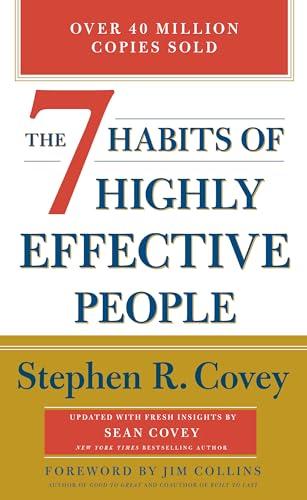
30th Anniversary Edition (*LARGE PRINT)
It was mentioned as an example of a book that achieved lasting influence because it was built as a system, not just a one-time publication, and was discussed in the context of creating residual results.
when he decided he would write seven habits one of the reasons he did that what sort of push them over the edge was that he had a friend who was very successful at the time as a speaker and had ideas...
— Episode: 534: Greg McKeown | How to Make What Mat...
It was mentioned as an example of a book that achieved lasting influence because it was built as a system, not just a one-time publication, and was discussed in the context of creating residual results.
when he decided he would write seven habits one of the reasons he did that what sort of push them over the edge was that he had a friend who was very successful at the time as a speaker and had ideas and had people that were interested in so on and then he died prematurely and that was it was gone his ideas were gone there was nothing else left and that was when he said okay well I've got to create something that is independent of me but I don't show up for the event you know when I can't show up for the event anymore this thing carries on.
so for me my goal when writing essentialism and now writing effortless isn't just hey have a New York Times best seller I'm glad they both have been but the key is to write something that can exist in perpetuity.
Steven Covey's marketer said he spent three years day and night making that book an overnight success
It was mentioned in the context of a listener struggling with procrastination and instant gratification, and the book was referenced as a guide to prioritizing tasks.
I've read the seven habits of highly effective people by Stephen Covey and I know that I should be spending time focusing on activities in the first and second quadrant but I just seem to be perpetually trapped in the fourth quadrant.
It was referenced in relation to the concept of seeking first to understand before being understood, a key principle for effective communication and building relationships.
one of my favorite books growing up was by mentor mine Dr. Stephen Covey wrote seven habits highly effective people and one of the habits of most effective people that he's his research found is they seek first to understand then to be understood they seek first to understand someone and then to be understood by them
It was mentioned in relation to the importance of focusing on important activities, but the individual felt stuck in less productive ones.
I've read the seven habits of highly effective people by Stephen Covey and I know that I should be spending time focusing on activities in the first and second quadrant but I just seem to be perpetually trapped in the fourth quadrant
It was referenced as a book by Jim's mentor which discussed the habit of seeking first to understand then to be understood, a concept related to active listening and presence.
one of my favorite books growing up was by mentor mine Dr. Stephen Covey wrote seven habits highly effective people and one of the habits of most effective people that he's his research found is they seek first to understand then to be understood they seek first to understand someone and then to be understood by them
It was discussed as a book that served as an example of creating something that could exist independently of the author, with the author's friend's untimely death pushing him to create something that would last.
One of the reasons he did that what sort of push them over the edge was that he had a friend who was very successful at the time as a speaker and had ideas and had people that were interested in so on and then he died prematurely and that was it was gone his ideas were gone there was nothing else left.
He spent three years day and night making that book an overnight success.
They built two systems they built the ideas into books and they built an institute so to speak it's a business that would continue.
It was mentioned in passing that the book discusses the importance of focusing on important activities, but the individual in the scenario felt perpetually trapped in the fourth quadrant.
I've read the seven habits of highly effective people by Stephen Covey and I know that I should be spending time focusing on activities in the first and second quadrant but I just seem to be perpetually trapped in the fourth quadrant.
The book was mentioned during a discussion about the importance of listening, where the speaker highlighted Covey's emphasis on seeking first to understand before being understood.
One of my favorite books growing up was by mentor mine Dr. Stephen Covey wrote seven habits highly effective people and one of the habits of most effective people that he's his research found is they seek first to understand then to be understood.
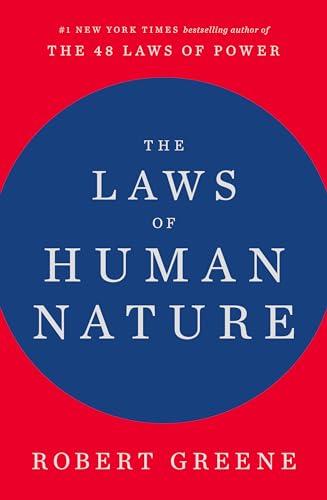
It was mentioned as the source of the discussion on attitude, and it included various examples of how one's attitude can influence outcomes and interactions.
This is from, I think, The Laws of Human Nature.
— Episode: 582: Robert Greene | The Daily Laws Part...
It was mentioned as the source of the discussion on attitude, and it included various examples of how one's attitude can influence outcomes and interactions.
This is from, I think, The Laws of Human Nature.
The attitude is if we are fearful, we see negative in every circumstance. We don't take chances, we blame others for mistakes.
If we are suspicious or negative, we make others feel those same emotions. Then we create those outcomes for ourselves at home and at work.
The host mentioned reading this book to prepare for a guest interview, and the guest's positive feedback on the preparation was mentioned as a turning point for the host.
I was interviewing Robert Green... I read his whole book... he was like oh this is really good why did this take so long you were so well prepared
and then I told Jen I was like oh yeah Robert Green really enjoyed this and it's because I read the whole book and she goes yeah and then I thought crap I probably have to read the book for every guest that comes on the show so that I'm equally well prepared that's really gonna make a difference in the show quality
It was described as a deep dive into human nature, exploring the dark side of human behavior and how to understand and potentially overcome it. The podcast host found it particularly insightful and engaging.
I loved The Laws of Human Nature I read the whole thing in about a week devoured it which is no small task on audible it's about 28 and a half hours long 29 hours.
When I look at The Laws of Human Nature there is a lot of that but I look at it as if we don't understand these laws these are the these are the fundamental concepts that push and pull us as humans right.
And so this book comes from a similar place we're all flawed you know we come from we're all evolved from the same roots and we can't control who we are very into a large extent.
It's not all negative we have some positive traits but once you realize oh I am capable of feeling envy oh I am irrational at times oh I'm not going to be able to do that. I have a dark side with that awareness you can actually finally start to change yourself instead of going around in circles or deluding yourself that you are changing when in fact you're not.
I'm trying to bring that out in this book at the end of every chapter which you could sort of say is slightly negative. Narcissism irrationality you know on and on.
It was mentioned as an example of a guest's book that Jordan Harbinger read to prepare for an interview, emphasizing the importance of being well-prepared for guests.
I was interviewing Robert Green the example I give a lot of time I read his whole book and he was like oh this is really good why did this take so long you were so well prepared
It was described as a deep dive into human nature, exploring weaknesses, vulnerabilities, and how to avoid being manipulated by others. The book also explores how to leverage one's 'higher nature' to achieve goals.
I loved The Laws of Human Nature I read the whole thing in about a week devoured it which is no small task on audible it's about 28 and a half hours long 29 hours.
What I loved about this though was not and I think a lot of people grabbed this from the 48 laws of power they go oh well it's all about manipulation and stuff like that.
We have to understand this about ourselves so that we're not take an advantage of by others and we also need to understand our own weaknesses and vulnerabilities so that either we can find out when they're getting triggered or we can possibly eliminate them.
It's extremely liberating to be rid of all of that emotional baggage that you assume from other people thinking that they're they have something about against you or that they're reacting about you know something personal so that's the liberating aspect but the thing is we're social animals to the core right you wouldn't be here talking without all the millions of people who created language before you without your education.
The book is negative you mean? Well you could interpret it that way. Well I mean the chapter is about kind of a slight flaw in our chemistry right but at the end of each chapter I show how you can take that and turn it around. How you can take the lower nature and turn it into something positive right to give you a simple example.
It was mentioned as a source for understanding human irrationality, including the conviction bias, and how demagogues manipulate emotions.
This is very profound but it also sort of implies well, it does imply that demagogues use emotional pull to would you say influence us or control us?
Well, yeah, I think that's fairly obvious there. I mean, you don't have to call that thing out. I'm like, that makes me sound less intelligent. Okay, Captain obvious.
That's true, it's true. All I did was rephrase something and I'm supposed people go, wow Jordan really he understands the things that he looks at. Wow, Jordan, that was really, you really understand me.
So yes, the obvious that demagogues thrive on the emotional pull that they have over us.
Well, I mean the obvious elements they're not appealing to us through reason.
It was described as a deep dive into human nature, exploring manipulation, dark sides, and how to leverage our emotions. It also covered topics like envy, irrationality, and how to improve self-awareness.
I loved The Laws of Human Nature I read the whole thing in about a week devoured it which is no small task on audible it's about 28 and a half hours long 29 hours.
When I look at The Laws of Human Nature there is a lot of that but I look at it as if we don't understand these laws these are the these are the fundamental concepts that push and pull us as humans right.
It can turn into the desire to compete and instead of envying what that other person has to actually achieve it for yourself and to emulate great people and try and you know instead of envying some really good writer why don't I become that good writer and sell enough books so I don't have to feel envy.
Envy was the chapter that hit me the hardest I actually just scrolled way down in my iPad notes here because I thought we may or may not get to this okay this chapter really spoke to me and I'm almost ashamed to admit it which actually is something you predict in the chapter on envy is that it's this emotion where.
If you need a favor don't remind people what you've done for them in the past, remind them of what they've done for you in the past.
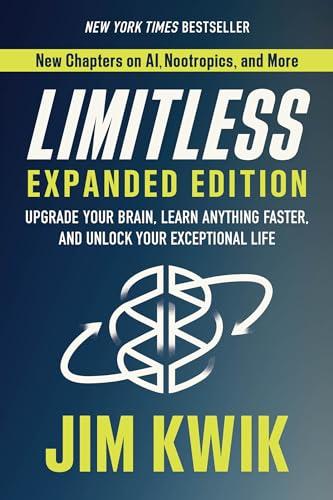
Upgrade Your Brain, Learn Anything Faster, and Unlock Your Exceptional Life
It was described as a book about methodology, but also added mindset and motivation elements. The core concept was a three-part framework called the Limitless Model that centered around Mindset, Motivation and Methods.
It was with Bradley Cooper, Robert De Niro where he goes from zero to hero and he takes that pill, on his incredible focus and he has incredible memory, learns languages and he has this surge of motiv...
— Episode: 345: Jim Kwik | How to Upgrade Your Brai...
It was described as a book about methodology, but also added mindset and motivation elements. The core concept was a three-part framework called the Limitless Model that centered around Mindset, Motivation and Methods.
It was with Bradley Cooper, Robert De Niro where he goes from zero to hero and he takes that pill, on his incredible focus and he has incredible memory, learns languages and he has this surge of motivation, but when the pill wears off 24 hours later, he goes back down to zero again.
The forward of the book was by Dr. Mark Hyman and he writes in it that there is no genius pill, but Jim gives you the process for unlocking your best brain in your brightest future.
The limitless model is a three-part framework for not only celebrated learning, but for unlocking human potential.
I want everybody to think about an area of their life where they feel like they're not making progress, where they are not advancing, it could be in their career, it could be in their income, it could be in their pact, it could be in their health, maybe it's in their personal relationships or maybe they're not progressing in their learning, you know, as we talk about in terms of reading speed or their memory.
So when people go to limitlessbook.com we created a speed reading memory course there that we give to every single person as a thank you because I want you it's kind of like for people like audiobooks and videos, this is like a book summary if you will that'll inspire you to and give you tools to be able to read the book.
The book, and related podcast episode, were mentioned as a good resource for listeners interested in changing careers or embracing second acts in life.
If you want more on this you can check out Laura Gassner Otting's episode on the show, it's just a couple of weeks ago, and she's got her book as well, called Limitless.
It was described as a book that challenges the conventional idea of success and encourages readers to define it on their own terms, rather than relying on external validation or societal expectations. It was mentioned as being helpful in finding a career path that aligns with personal values and fulfillment.
Well, your book centers around many questions but one that I noticed was what if success and happiness were like two different things? What if success didn't equal happiness?
It means that you are going to spend your life trying to be successful, right? We all want to be successful but where do we get the idea of what success is?
I hated lean-in
it actually started the first line of it started I hated lean-in
It's a fairly intense quiz it takes about 20 minutes but anyone is listening can tell that I'm fairly attentive on the cell
It was described as a book about methodology, with a focus on accelerated learning and unlocking human potential, specifically speed reading, memory enhancement, focus, study, and critical thinking skills. It was also discussed as a three-part framework that includes mindset, motivation, and methods.
The forward of the book was by Dr. Mark Hyman and he writes in it that there is no genius pill but Jim gives you the process for unlocking your best brain in your brightest future.
What you're titled in your book is from that move well I don't know if it's from that movie but there was a movie called Limitless was that Bradley Cooper by the way.
It's not about being perfect it's about progressing and advancing beyond what you currently believe as possible.
I believe that when people see for example when I do things on stage and I memorize 100 people's names or 100 words numbers I always tell people there's a method behind what looks like magic that genius in fact is not necessarily born that genius is built and that's just another lie you know that genius is born that through deep work and practice that we could actually grow our talent and we can get better at skills and we could have new distinctions.
And so intelligence is not fixed, it's certainly fluid. We know that the IQ thing is kind of not necessarily the case because when people take IQ tests with different backgrounds or even in different contexts but they're the same person and it's the same time of day or a different time of day the results change.
It was discussed as a guide to defining success on one's own terms rather than based on societal expectations and how that can lead to a more fulfilling life, contrasting success and happiness as separate concepts.
Well, your book centers around many questions but one that I noticed was what if success and happiness were like two different things? What if success didn't equal happiness? Am I saying this right?
It means that you are going to spend your life trying to be successful, right? We all want to be successful but where do we get the idea of what success is?
So if we are doing work and we feel stuck, even though on paper we look like we should be crushing it, you think that in all likelihood that's a problem of how we've defined success or maybe we haven't bothered to define it. We just let other people define it for us.
I hated lean-in. It was like the very beginning of it.
I'm just unsubscribing to that as my only way of measuring success.
It was described as a three-part framework for unlocking human potential, primarily through mindset, motivation, and methods, with a focus on accelerated learning.
It was with Bradley Cooper, Robert De Niro, where he goes from zero to hero and he takes that pill and his incredible focus and he has incredible memory, learns languages and he has this surge of motivation, but when the pill wears off 24 hours later, he goes back down to zero again.
The forward of the book was by Dr. Mark Hyman and he writes in it that there is no genius pill, but Jim gives you the process for unlocking your best brain in your brightest future.
So the limitless model is a three-part framework for not only accelerated learning, but for unlocking human potential.
It's not about being perfect, it's about progressing and advancing beyond what you currently believe as possible.
The cover quote for the book Limitless is from Will Smith.
It was discussed how the book explores the idea that success and happiness are not necessarily the same thing and that it's crucial to define success on one's own terms, instead of letting others dictate it.
Well, your book centers around many questions, but one that I noticed was what if success and happiness were like two different things? What if success didn't equal happiness? Am I saying this right?
It means that you are going to spend your life trying to be successful, right? We all want to be successful, but where do we get the idea of what success is?
I hated lean-in
So, I say often on stage in speaking that, um, follow your passion is the, it's the spoken word illegitimate sister of the live love laugh tattoo.
Follow your passion is terrible advice. I want you to invest in your passion. Right? Like, figure out what it's gonna take, get better at things, be willing to fail, be willing to fail all the time.
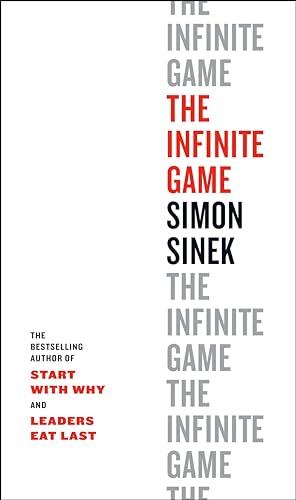
It was discussed at length in the context of the infinite mindset, particularly in relation to business and leadership, with examples like Boeing, Walmart, and Facebook.
He returns to the show to discuss his latest offering, The Infinite Game, which offers a framework for leading with an infinite mindset in a limitless world.
— Episode: 300: Simon Sinek | How to Play the Infin...
It was discussed at length in the context of the infinite mindset, particularly in relation to business and leadership, with examples like Boeing, Walmart, and Facebook.
He returns to the show to discuss his latest offering, The Infinite Game, which offers a framework for leading with an infinite mindset in a limitless world.
James Carse, philosopher who used to teach at NYU for many years, he's 87 now, some amazing guy, he theorized in 1986 and he wrote a little book about these two types of games, finite games and infinite games.
Now a finite game is defined as known players, fixed rules, and an agreed-upon objective. Baseball, there's a beginning, middle, end, the goal is to win, and if there's a winner, there has to be a loser, right?
Then you have an infinite game, and an infinite game is defined as known and unknown players, the rules are changeable, which means you can play however you want, there's no referees, and the objective is to perpetuate the game, to stay in the game as long as possible.
We are players in infinite games every day of our lives. These are games that have no finish line, right? There's no agreed-upon metrics, there's no agreed-upon rules, there's no agreed-upon timeframes.
The concept of finite and infinite games was discussed, with finite games having a clear end goal and infinite games continuing indefinitely. It was suggested that human life is an infinite game.
James Carson wrote in his book there's finite games and infinite games and a finite game is there's a start and a stop like a baseball game and all those two teams care about is winning the game so we'll do anything to win that game in that finite period of time an infinite game you basically the only incentive of the players in the game is you keep on playing the game and right now we all want to live life we want to experience life to its fullest in relationships and all the things we all care about and therefore it makes sense that we only care about doing things that help all of us continue to play the game
It was discussed throughout the episode as a framework for leadership in a limitless world. The book was the basis for many of the topics in the episode.
The new book is called 'The Infinite Game'. All his books are good. They're a good read.
The concept of finite and infinite games was discussed, where finite games have a start and end, and infinite games focus on continuing to play and improve.
James Carson wrote in his book there's finite games and infinite games and a finite game is there's a start and a stop like a baseball game and all those two teams care about is winning the game so we'll do anything to win that game in that finite period of time an infinite game you basically the only incentive of the players in the game is you keep on playing the game and right now we all want to live life we want to experience life to its fullest in relationships and all the things we all care about and therefore it makes sense that we only care about doing things that help all of us continue to play the game
The podcast primarily focused on this book's central theme of infinite mindset in a world without end, with discussions on leadership, rivalries, and business strategy.
The new book is called 'The Infinite Game'.
all his books are good, they're a good read
The concept of finite and infinite games was mentioned in relation to Brian Johnson's focus on the future of humanity, which he views as an infinite game.
James Carson wrote in his book there's finite games and infinite games and a finite game is there's a start and a stop like a baseball game and all those two teams care about is winning the game so we'll do anything to win that game in that finite period of time an infinite game you basically the only incentive of the players in the game is you keep on playing the game and right now we all want to live life we want to experience life to its fullest in relationships and all the things we all care about and therefore it makes sense that we only care about doing things that help all of us continue to play the game
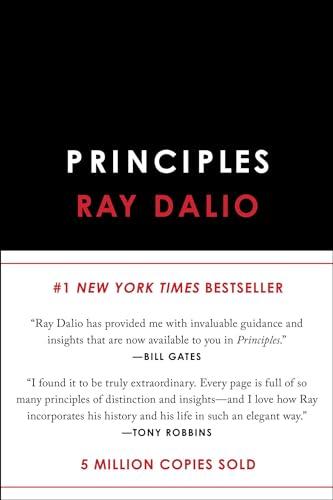
Life and Work
It was discussed how the author's principles have helped him throughout his career, particularly when dealing with what he doesn't know and how he learned from grief and loss.
whatever success I've had in life has had to do more with how to deal with what I don't know than anything I know and that's after doing this investing game for over 50 years.
— Episode: 491: Ray Dalio | The Changing World Orde...
It was discussed how the author's principles have helped him throughout his career, particularly when dealing with what he doesn't know and how he learned from grief and loss.
whatever success I've had in life has had to do more with how to deal with what I don't know than anything I know and that's after doing this investing game for over 50 years.
the future is not just another better version of the present it's much different in reality and that's something I believe that I took from Principles
some of the Principles that I've grown in Principles help me a lot like for example it's correct that each of us are vessels for our DNA and our vessels are passing through and I could see in his daughter and I could see us in her and move on and so he's with us in that way and then we are.
It was discussed how the book contains techniques for radical transparency and meritocracy in the workplace and beyond, also how to examine one's principles and align them with goals.
I will recommend to people to go check this out especially regarding radical transparency.
You do mention in the book the Ego Barrier that blocks us from learning the blind spots that we need to identify within ourselves and you have a lot of techniques to get down to brass tax with your bridge water team as well.
and you said that the antidote in many ways to those things is that radical open-mindedness believing you may not have the best possible path as you said recognizing that decision-making is a two-step process.
I think it's probably wise of you to have yourselves examine this internally rather than waiting for a judge or even a judge in a jury or a grand jury to examine it for you at some point.
there was a lot more in the book about decision making and critical thinking once again big thank you to read all your his book Principles and Principles of success will be linked in the show notes
It was discussed that meaningful work and meaningful relationships are the most important things in life, and that money should not be the ultimate goal, although it is important to have security for oneself and family.
I would say like I said in the book meaningful work and meaningful relationships have for me been the most important things and I do want the security for my family and I want to be able to have freedom and then on the increment when you start to get more money than that then the questions are what do you choose and I choose other things but I'm not working for money
I recommend people definitely check out the app but also don't think oh I got the app so I don't need to read the book obviously a deeper explanation is going to be suitable well but I'm saying the book is in the app oh the whole book is in the app as well yeah I don't know that yeah if you want that and it's on your iPhone attendee but anyway either way you know there are different ways of getting it I just wanted to touch on that because I'm gonna move along past the Principles pretty quickly and I don't want people to think left the best part out or that I'm leaving them in the in the dust here
the Principles are what would you call these systems rubrics for making decisions based on inputs or is that too basic well that's good I would say recipes in other words we encounter things and everything has happened before many times and so through those encounters there's sort of our recipes for success when you're in this situation what should you do you can go get them for mothers you can come up with them yourself
what I did in my early days of running bridge water is reflect on what I was doing and I also to videos of it and had everybody take videos of themselves doing whatever thing but most importantly I reflected on why I would do what Principles I would use for certain circumstances I wrote them down and I shared them with the people I worked with and shared my life with and then I said would you handle it the same way would you use the same principle so we went from individual cases of things happening in decisions to reflecting on what recipes would you use for certain circumstances
Ray Dalio discussed his book 'Principles', which details his approach to decision-making and leadership, including radical transparency and meritocracy, in both work and personal life.
I will recommend to people to go check this out especially regarding radical transparency.
You do mention in the book the Ego Barrier that blocks us from learning the blind spots that we need to identify within ourselves.
You've said most people decide too early when they're making a decision and then simply seek to reinforce their existing opinion.
In the book there are five things that you need to do to be successful if you do these five things you will be successful and you don't have to do them alone.
You can practically have anything you want but you can't have everything you want so you have to know what your goals are.
The book was discussed in the context of decision making, understanding reality, and how to achieve the best life possible. Dalio mentioned he wants to share his principles and recipes for success in specific circumstances.
I would say like I said in the book meaningful work and meaningful relationships have for me been the most important things and I do want the security for my family and I want to be able to have freedom and then on the increment when you start to get more money than that then the questions are what do you choose and I choose other things but I'm not working for money
I'm not working for money
the whole book Principles has been you've talked about it a lot people should read it will link to it in the show notes along with the changing world order linked in post will be in there as well you can also if you want there's an app called Principles in action right now it's on the Apple iOS store for free that has also the book in it and it also shows some of these Principles in action so you can get that for free or you could buy the book or do whatever you want I recommend people definitely check out the app but also don't think oh I got the app so I don't need to read the book obviously a deeper explanation is going to be suitable
the Principles are what would you call these systems rubrics for making decisions based on inputs or is that too basic
I would say recipes in other words we encounter things and everything has happened before many times and so through those encounters there's sort of our recipes for success when you're in this situation what should you do you can go get them for mothers you can come up with them yourself what I did in my early days of running bridge water is reflect on what I was doing and I also to videos of it and had everybody take videos of themselves doing whatever thing but most importantly I reflected on why I would do what Principles I would use for certain circumstances I wrote them down and I shared them with the people I worked with and shared my life with and then I said would you handle it the same way would you use the same principle so we went from individual cases of things happening in decisions to reflecting on what recipes would you use for certain circumstances and so I would say their recipes for different circumstances everybody has Principles every successful person if you were to say how does how did Steve Jobs do things he's got the actions he took in certain circumstances or he'd take anybody a Nobel Prize winner something and you want those Principles so I wrote down mine I think it's important that people have their own and I think it would be good for people to exchange Principles and say so I'm pulling the amount also of other accomplished people and we're going to have on that Principles in action we're going to have the possibility that people can search for the most appreciated Principles for the circumstances they face going to where they could say what are Bill Gates's Principles or ex-YZ Principles and then you could do that and it also makes it easy for people in that app to write down their own Principles and then have easy access with them so that's what Principles are recipe for success of how you'd handle certain circumstances
It was discussed how Dalio's principles, developed over decades of investing, helped him navigate the profound grief of losing his son.
Whatever success I've had in life has had to do more with how to deal with what I don't know than anything I know and that's after doing this investing game for over 50 years.
...pain plus reflection equals progress...
...it's correct that each of us are vessels for our DNA and our vessels are passing through and I could see in his daughter and I could see us in her and move on and so he's with us in that way...
It was discussed at length throughout the podcast and was recommended, particularly the radical transparency aspects that Ray Dalio has implemented at Bridgewater.
I will recommend to people to go check this out especially regarding radical transparency.
You do mention in the book the Ego Barrier that blocks us from learning the blind spots that we need to identify within ourselves and you have a lot of techniques to get down to brass tax with your bridge water team as well and you said that the antidote in many ways to those things is that radical open-mindedness believing you may not have the best possible path as you said recognizing that decision-making is a two-step process.
I think that that goes to show that well looking at the character of an organization you've said when mistakes and weaknesses are hidden in an organization poor characters developed but you also have to on the other side of that make sure that's any mistakes weaknesses bad decisions or the right to decide versus the right to know are clearly delineated otherwise you just have a messy soup of this is what's happening and we're still not sure how we got to that particular outcome.
there was a lot more in the book about decision making and critical thinking once again big thank you to read all your his book Principles and Principles of success will be linked in the show notes please use our website links if you buy the books it does help support the show worksheets for this episode in the show notes transcripts in the show notes there's a video of this interview on our YouTube channel at jordan harbinger calm slash youtube
Ray believes that wealth inequality is going to get worse and is a huge problem just as diseases affect people regardless of nationality there are economic diseases that happen in every country regardless of where or who additionally the future is not just another better version of the present it's a much different reality this tricks investors all the time and being successful in the market is more difficult than getting a gold medal in the Olympics but what's funny about this is no one thinks about trying their hand in the Olympics but everyone thinks they can compete in the market and invest in investing you have to understand the historical context and get smart people around you so you're not making big decisions on your own and that's a big thing over at bridgewater
Ray Dalio discussed the importance of having principles for decision-making and how he developed them throughout his career. He also detailed how his company Bridgewater developed and used principles as well.
I would say recipes in other words we encounter things and everything has happened before many times and so through those encounters there's sort of our recipes for success when you're in this situation what should you do you can go get them for mothers you can come up with them yourself what I did in my early days of running bridge water is reflect on what I was doing and I also to videos of it and had everybody take videos of themselves doing whatever thing but most importantly I reflected on why I would do what Principles I would use for certain circumstances I wrote them down and I shared them with the people I worked with and shared my life with and then I said would you handle it the same way would you use the same principle so we went from individual cases of things happening in decisions to reflecting on what recipes would you use for certain circumstances
I recommend people definitely check out the app but also don't think oh I got the app so I don't need to read the book obviously a deeper explanation is going to be suitable well but I'm saying the book is in the app oh the whole book is in the app as well yeah I don't know that yeah if you want that and it's on your iPhone attendee but anyway either way you know there are different ways of getting it I just wanted to touch on that because I'm gonna move along past the Principles pretty quickly and I don't want people to think left the best part out or that I'm leaving them in the in the dust here
the whole book Principles has been you've talked about it a lot people should read it will link to it in the show notes along with the changing world order linked in post will be in there as well you can also if you want there's an app called Principles in action right now it's on the Apple iOS store for free that has also the book in it and it also shows some of these Principles in action so you can get that for free or you could buy the book or do whatever you want
I would say like I said in the book meaningful work and meaningful relationships have for me been the most important things and I do want the security for my family and I want to be able to have freedom and then on the increment when you start to get more money than that then the questions are what do you choose and I choose other things but I'm not working for money
I think you called that in the book reluctance don't mistake disagreement for conflict and thus avoid disagreement I think a lot of us do this I now lean into conflict perhaps a bit too much if he asks some of those who work with me every day but I certainly know that I used to do this it would be like I should say something but I don't want them to get mad at me so I'll just sweep this problem under the rug for three years or whatever
Why Nations Succeed and Fail
The book's content was discussed throughout the episode. The author's insights into historical cycles, economic trends, and the rise of populism were examined in detail.
the times ahead will be radically different from the times we've experienced so far in our lifetimes but they will look similar to many other times in history
— Episode: 491: Ray Dalio | The Changing World Orde...
The book's content was discussed throughout the episode. The author's insights into historical cycles, economic trends, and the rise of populism were examined in detail.
the times ahead will be radically different from the times we've experienced so far in our lifetimes but they will look similar to many other times in history
if you read history I hope they'll read chapters 8 and 9 in the changing world order because it's about internal water and disorders that segment but there's a sequence of events that's like a script and it just keeps happening over and over again so you could see it in past revolutions.
when you have a situation where people are at each other's throat and everybody says I need more and you're trying to figure out how do you make it fair who that's a lot to deal with
It was mentioned as an upcoming book and a research piece that was being converted into a book, focusing on the changing global order, as well as economic and investment principles.
this series that I'm putting out now is a I'm writing this book on the changing world order because I think it's important for me to pass that along and its research I'm doing from myself but now at 71 I'll be 71 in August I'm passing things along that I think are important so that's sort of a book it's a research piece that is being converted into a book and but people could see it on LinkedIn and then I have to pass along the economic and investment principles because that's an area that I had I suppose enough of a unique understanding that I'd like to pass along and then I'll be done I suspect I'll be done and go quiet in about two years
The book was mentioned as a work in progress which was being converted into a book after being shared via LinkedIn. It focuses on global economic cycles, the rise and fall of empires, and the challenges facing the US and China.
I'm writing this book on the changing world order because I think it's important for me to pass that along and its research I'm doing from myself but now at 71 I'll be 71 in August I'm passing things along that I think are important so that's sort of a book it's a research piece that is being converted into a book and but people could see it on LinkedIn and then I have to pass along the economic and investment principles because that's an area that I had I suppose enough of a unique understanding that I'd like to pass along and then I'll be done I suspect I'll be done and go quiet in about two years
will link to it in the show notes along with the changing world order linked in post will be in there as well
It's a book that explores historical cycles, particularly the rise and fall of empires and nations, in relation to the current world order, specifically the growing influence of China and the potential for societal conflict.
...the times ahead will be radically different from the times we've experienced so far in our lifetimes but they will look similar to many other times in history...
...you could see it in past revolutions. It's important to understand the mechanics of it...
...if you read history I hope they'll read chapters 8 and 9 in the changing world order because it's about internal water and disorders that segment...
Ray Dalio discussed his upcoming book, 'The Changing World Order', which explores the rise and fall of nations throughout history. He connected past cycles to the current global landscape and discussed how these are often repeated throughout history.
I'm writing this book on the changing world order because I think it's important for me to pass that along and its research I'm doing from myself but now at 71 I'll be 71 in August I'm passing things along that I think are important so that's sort of a book it's a research piece that is being converted into a book and but people could see it on LinkedIn
On The Jordan Harbinger Show, we decode the stories, secrets and skills of the world's most fascinating people. If you're new to The Show, we have in-depth conversations with people at the top of their game. Astronauts, entrepreneurs, vise psychologists, even the occasional Russian chess grandmaster, in each show turns our guests' wisdom into practical advice that you can use to build a deeper understanding of how the world works and become a better critical thinker. Today, one of the hundred most influential people alive according to Time Magazine, he began investing at age 12 and now has over $160 billion under management at his company Bridgewater and Associates. It's no surprise he's known as the Steve Jobs of investing. Of course, we not only discuss investing in the macroeconomy, the current recession and COVID economy but also radical transparency, decision making, mental models and why he's partially responsible, love it or hate it for bringing the chicken McNuggets into the world.
Discover the Hidden Keys to Success
It was discussed that willpower is not the key to success, and that environments can be intentionally shaped to influence behavior in a desired direction. The book explored concepts like automaticity, enriched environments, and forcing functions.
If you have to use willpower, it's because you actually haven't made a choice yet.
— Episode: 21: Benjamin Hardy | What to Do When Wil...
It was discussed that willpower is not the key to success, and that environments can be intentionally shaped to influence behavior in a desired direction. The book explored concepts like automaticity, enriched environments, and forcing functions.
If you have to use willpower, it's because you actually haven't made a choice yet.
If you do not create and control your environment your environment creates and controls you.
It's better to surround yourself with people who remind you more of your future than your past.
You and your environment are one and if you want to change anything you ultimately have to change everything.
Willpower Doesn't Work, it's literally the title of the book.
It was discussed in the context of procrastination and how to avoid it, with the suggestion to limit distractions and set up systems to encourage productivity.
You can't just outwill power this thing. A la Benjamin Hardy.
It was discussed how willpower is not the best way to achieve goals and that instead, designing the environment to support desired behavior is more effective. The book also explores how behaviour shapes our personality and identity, rather than the other way around.
If you have to use willpower, it's because you actually haven't made a choice yet.
If you do not create and control your environment your environment creates and controls you.
It's better to surround yourself with people who remind you more of your future than your past.
You and your environment are one and if you want to change anything you ultimately have to change everything.
Willpower Doesn't Work. It's literally the title of the book and it will show you how to organize your environment in very different ways.
It was discussed that willpower is not the key to success, rather the environment you create and control is. The book explores how to change your behavior and identity by structuring your environment.
If you have to use willpower, it's because you actually haven't made a choice yet.
If you do not create and control your environment your environment creates and controls you.
It's better to surround yourself with people who remind you more of your future than your past.
You and your environment are one and if you want to change anything you ultimately have to change everything.
Willpower Doesn't Work, it's literally the title of the book and it will show you how to organize your environment in very different ways.
Why Certain Experiences Have Extraordinary Impact
It explored how certain experiences create extraordinary impact and how to create those moments using the 'epic' formula. It was discussed in the context of improving customer experiences and personal lives.
Today, we're talking with Dan Heath, co-author of The Power of Moments, why certain experiences have extraordinary impact.
— Episode: 12: Dan Heath | The Power of Moments and...
It explored how certain experiences create extraordinary impact and how to create those moments using the 'epic' formula. It was discussed in the context of improving customer experiences and personal lives.
Today, we're talking with Dan Heath, co-author of The Power of Moments, why certain experiences have extraordinary impact.
So I read the book Moments and at first I thought, oh, okay, it's a business book about creating experiences.
And so the book is about how do we create those peak moments? The ones that are most memorable, the ones that are most meaningful as a way of improving people's experience.
The book title is The Power of Moments Why Certain Experiences Have Extraordinary Impact.
I found this book useful for people who study that kind of thing.
It was referenced as an example of a woman who lost her husband to ALS and how she needed a lot of support from others to move on.
we're just talking with Dan Heath and his book Moments...
It was referenced as a resource for teachers and counselors to learn about creating moments that stick out and are memorable for students.
I email Dan Heath this question Dan Heath was kind enough to reply he sent a book chapter from one of his books that focuses on things like this I sent this to middle school mayhem but you can find that in the book with Dan Heath if you're a teacher or a counselor and you're interested in this the the book of moments
It was discussed how certain experiences have a greater impact than others, and how these moments can be created, particularly within organizations and societies. The authors provided a formula and numerous anecdotes to achieve memorable experiences.
Today, we're talking with Dan Heath, co-author of The Power of Moments, why certain experiences have extraordinary impact.
So I read the book Moments and at first I thought, oh, okay, it's a business book about creating experiences.
And so the book is about how do we create those peak moments? The ones that are most memorable, the ones that are most meaningful as a way of improving people's experience.
The book title is The Power of Moments Why Certain Experiences Have Extra Ordinary Impact
I found this book useful for people who study that kind of thing.
The book was referenced as an example of how support can help someone overcome suffering after the loss of a loved one, specifically a wife who lost her husband to ALS.
we're just talking with Dan Heath and his book Moments
It was discussed in relation to memorable moments that have a significant impact on children, and how such moments can positively influence their lives later on.
seldom is there a moment that really sticks out for people and I email Dan Heath this question Dan Heath was kind enough to reply he sent a book chapter from one of his books that focuses on things like this I sent this to middle school mayhem but you can find that in the book with Dan Heath if you're a teacher or a counselor and you're interested in this the the book of moments there's things that really stick out for people in there and I think this is really important
It explored how certain experiences have extraordinary impact and how those moments can be created, particularly highlighting the 'peak-end' principle of memory.
Today, we're talking with Dan Heath, co-author of The Power of Moments, why certain experiences have extraordinary impact.
So I read the book Moments and at first I thought, oh, okay, it's a business book about creating experiences.
And the book is about how do we create those peak moments? The ones that are most memorable, the ones that are most meaningful as a way of improving people's experience.
The book title is The Power of Moments Why Certain Experiences Have Extra Ordinary Impact
It was used as an example of a book that contained a story about a woman dealing with the loss of her husband due to ALS, requiring a lot of support to move forward.
we're just talking with Dan Heath and his book Moments
Fully Revised & Updated Edition
It was mentioned as being read by Jordan, who highlighted the importance of disagreeing with strong leaders, especially in a Silicon Valley context.
She's got all these stories Jason about Silicon Valley companies where very page founder of Google will be saying hey I've got this idea and somebody who's like 17 rungs under him will be like oh you'...
— Episode: 86: How to Handle an Accident in a Renta...
It was mentioned as being read by Jordan, who highlighted the importance of disagreeing with strong leaders, especially in a Silicon Valley context.
She's got all these stories Jason about Silicon Valley companies where very page founder of Google will be saying hey I've got this idea and somebody who's like 17 rungs under him will be like oh you're going to be causing our department so much trouble there's going to be so much web spam and crap we're going to have to deal with we can't do this is a terrible idea.
or Steve Jobs saying something like hey we're going to try this and one of the other people on the board at Apple or in the C suite or even just below that saying this is a bad idea Steve you you have no idea why.
and there's a quote from the book that I love and again this will come up in the show which is Steve Jobs was a lion and you if you rose it you you better roar back but only if you're a lion also because otherwise he's going to eat you for lunch.
It was inspired by a negative experience where the author was ridiculed in an email chain. It explains how to challenge directly and care personally in the workplace.
I think so much of what we learn about management we learned from the worst boss we ever had
The formula and techniques we'll hear about today will help us view honesty, candor and empathy in a totally different way
So the point of Radical Candor is the right response is to challenge directly but also in a way that shows you see that other person as another human being and ideally you care personally
care personally challenge directly
The compliment sandwich or the shit sandwich as it's often called the reason why the shit sandwich is such a problem is that it usually not always but it usually winds up with very insincere praise and harsh criticism
It was mentioned as a book the host is reading. The book was described as containing stories about Silicon Valley companies, and examples of strong leaders who appreciate disagreement from their staff.
And I'm reading Radical Candor right now with Kim Scott who's coming on the show and she's got all these stories Jason about Silicon Valley companies where very page founder of Google will be saying hey I've got this idea and somebody who's like 17 rungs under him will be like oh you're going to be causing our department so much trouble there's going to be so much web spam and crap we're going to have to deal with we can't do this is a terrible idea and they're saying this to like the absolute CEO be all and all power in the company
or Steve Jobs saying something like hey we're going to try this and one of the other people on the board at Apple or in the C suite or even just below that saying this is a bad idea Steve you you have no idea why and there's a quote from the book that I love and again this will come up in the show which is Steve Jobs was a lion and you if you rose it you you better roar back but only if you're a lion also because otherwise he's going to eat you for lunch
It was inspired by a negative experience where the author was ridiculed in an email and also by a positive experience with a boss who gave constructive criticism while caring personally. It presents a framework for candid communication in the workplace.
So this book was born of your own experience as well it seems like boss wanted to ridicule you in an email chain and was kind enough to CC you on that exchange.
I think so much of what we learn about management we learned from the worst boss we ever had and in that case with that particular boss I actually lost height I lost like half an inch and I'm only five feet tall I didn't have any height to give because it was so depressing and demoralizing working with a bad boss really has a big impact it hurt your ability to get enough sleep at her true ability to feel good about yourself.
The point of Radical Candor is the right response is to challenge it directly but also in a way that shows you see that other person as another human being and ideally you care personally but at the very least you don't sort of write them off as a worthless waste of space on the earth you see them as a as a human being and then you're able to come up with a response that is going to move things forward.
care personally challenge directly sure that became all of life's hardest problems can be boiled down to a good two by two framework so that became the basis of the Radical Candor framework
It's very new it's surprisingly nuance it sounds so easy it's like there's two things and there's four quadrants but there's a big difference between telling someone don't take it personally and actually caring personally right
It was mentioned as a book that Jordan was reading at the time, and contained stories about Silicon Valley companies and how leaders there responded to disagreement, particularly those of Steve Jobs and Larry Page.
And there's a quote from the book that I love and again this will come up in the show which is Steve Jobs was a lion and you if you rose it you you better roar back but only if you're a lion also because otherwise he's going to eat you for lunch.
Adapt, Take Risks, Grow Your Network, and Transform Your Career (2022)
It was mentioned in the context of the idea that the world changes, and we change with it, which is a key concept from the book.
the world changes and you change this is all things my first book the start of a view which is presuming that everything's going to be same year after year after year you just have to look around to k...
— Episode: 611: Reid Hoffman | Surprising Entrepren...
It was mentioned in the context of the idea that the world changes, and we change with it, which is a key concept from the book.
the world changes and you change this is all things my first book the start of a view which is presuming that everything's going to be same year after year after year you just have to look around to know that's a mistake
It was mentioned as Reid's first book, offering advice on how to navigate career paths and opportunities, and the importance of considering market realities.
My very first book was called The Startup of You and part of what I was trying to do is to give people how to say yes your passions important but you should be paying attention to market realities you should say well what are the opportunities look like what does competition look like do I have a plan for getting air do I have the resources for getting there so the oh I'll follow my passions and my passions will lead me to an amazing career lots of people don't work out in the video gaming industry lots of people don't work out in Hollywood lots of people don't work out like you're just there's just these pools where people get exposed to them when they're in you know high school or college or younger and they go that's what I want to be and you're like yeah actually you know that there's millions that go into it and there's tens or hundreds where it works out and you have to understand that reality these things.
It was mentioned as a book that highlighted the idea that the world does not stay the same year after year, requiring individuals to adapt and change.
the world changes and you change this is all things my first book the start of a view which is presuming that everything's going to be same year after year after year you just have to look around to know that's a mistake
It was discussed as Reid Hoffman's first book, where he emphasized the importance of considering market realities and opportunities alongside passions. It also introduced the 'A-B-Z' planning framework.
My very first book was called The Startup of You and part of what I was trying to do is to give people how to say yes your passions important but you should be paying attention to market realities you should say well what are the opportunities look like what does competition look like do I have a plan for getting air do I have the resources for getting there so the oh I'll follow my passions and my passions will lead me to an amazing career lots of people don't work out.
A Revolutionary Way to Influence and Persuade
It was described as the original book on influence, covering concepts like the law of reciprocity and persuasion, which were pioneered by the author.
He wrote the original book on influence. So this is anything you've heard like law of reciprocity or persuasion, persuasion. This is the guy who originated the concepts wrote about the concept.
— Episode: 508: Shaking an Unsuitable Stalking Suit...
It was described as the original book on influence, covering concepts like the law of reciprocity and persuasion, which were pioneered by the author.
He wrote the original book on influence. So this is anything you've heard like law of reciprocity or persuasion, persuasion. This is the guy who originated the concepts wrote about the concept.
It was updated with new research and stories from people using the techniques for good and bad, and its concepts are used by many different professions.
His book Influence is this seminal work on influence and persuasion.
You either read it or you've read books from people that are derivative or take concepts from this book and expound on them.
It's sort of the Bible where people go, oh, I've heard of these concepts. I didn't know they were from this book like it's that much of a classic kind of book.
It's the classic. It's been around for decades or 20 years ago or however long it's been now right I'm familiar with this but the power here is undeniable because it can even overcome being disliked.
I think that maybe the biggest thing is to be sure that when we act ethically in the use of these principles we do so by pointing to the naturally occurring existence of one or another of them true scarcity true social proof true authority true liking and so on.
It was mentioned as a remarkable book on the topic of sales and persuasion, but it was noted that there aren't many other great books on the subject in existence.
except for Cialdini's Influence which is a remarkable book. There aren't that many great books out there.
It was discussed as the original book on influence, covering topics like the law of reciprocity and persuasion, which are now common in social psychology.
He wrote the original book on influence. So this is anything you've heard like law of reciprocity or persuasion, persuasion.
This is the guy who originated the concepts wrote about the concept.
So all this stuff we kind of take for granted now in the social psychology space that we think like, oh, I've heard of this.
This is the guy who pioneered all of that.
He's got a new edition of his book. We go over a lot of it here on the show this week.
It was updated due to the large amount of research since the first edition was published, including several new stories and examples of both the good and bad use of the principles contained within.
His book Influence is this seminal work on influence and persuasion.
You either read it or you've read books from people that are derivative or take concepts from this book and expound on them.
It's the classic. It's sort of the Bible where people go, oh, I've heard of these concepts. I didn't know they were from this book like it's that much of a classic kind of book.
So why redo the entire book or the original influence, right? It's the classic.
I've tried to move from the idea of let's say reciprocity or any of the concepts to how do we harness it what precisely do we say what words do we use to activate that powerful principle.
It was mentioned as a great book, and BJ Fogg leveraged principles from it to show that computers could influence behavior in the same way.
mostly I was taking Robert Chaldeini's work at Great Book Influence and taking those principles and showing that a computer could leverage those social principles in the same way.
Note: The book recommendations on this page are discovered automatically from podcast transcripts, and may be incorrect or incomplete.
Podcast Name