Police Exam Prep 7th Edition
Kaplan Test Prep
Mentioned 5 months ago
1288: Test Prep | Skeptical Sunday
(Apple's Best of 2018) In-depth conversations with people at the top of their game. Jordan Harbinger unpacks guests' wisdom into practical nuggets you can use to impact your work, life, and relationships. Learn from leaders (Ray Dalio, Simon Sinek, Mark Cuban), entertainers (Moby, Tip "T.I." Harris,...
Recently mentioned
Kaplan Test Prep
Mentioned 5 months ago
1288: Test Prep | Skeptical Sunday
David Killoran
Mentioned 5 months ago
1288: Test Prep | Skeptical Sunday
Kaplan Test Prep
Mentioned 5 months ago
1288: Test Prep | Skeptical Sunday
Eve Ensler
Mentioned 5 months ago
1282: The Vagina | Skeptical Sunday
Richard Shotton
Mentioned 6 months ago
1273: Richard Shotton & MichaelAaron Flicker | Marketing to Human Minds
Derek Thompson
Mentioned 6 months ago
1273: Richard Shotton & MichaelAaron Flicker | Marketing to Human Minds
Milan Kundera
Mentioned 1 year ago
1042: Sex Trafficking | Skeptical Sunday
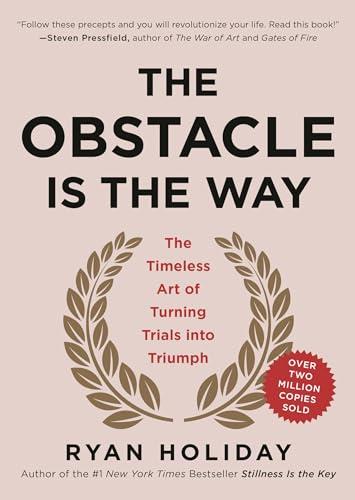
Ryan Holiday
Mentioned 1 year ago
1041: Groped In Your Sleep, Betrayal Runs Deep | Feedback Friday
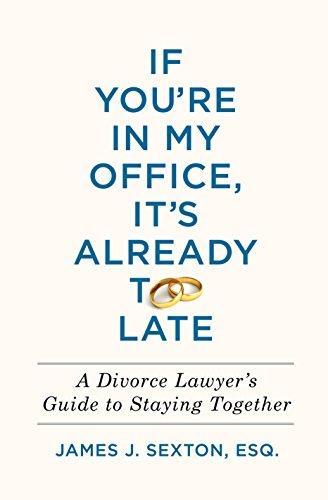
James J. Sexton
Mentioned 1 year ago
1035: James Sexton | A Divorce Lawyer's Guide to Lasting Love Part One
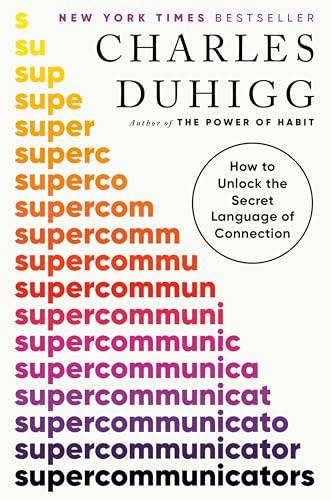
Charles Duhigg
Mentioned 1 year ago
1034: Fat-Free Foods | Skeptical Sunday
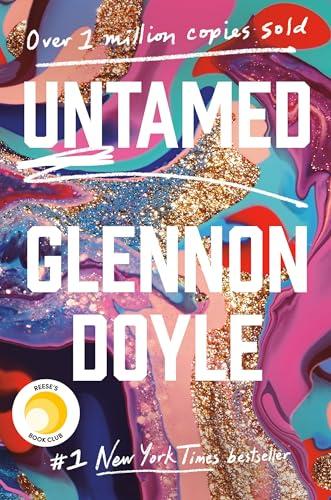
Glennon Doyle
Mentioned 1 year ago
1031: Sarah Hill | How Birth Control Rewires Women's Brains Part One
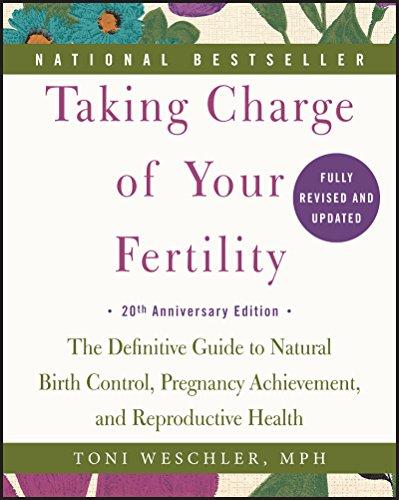
Toni Weschler
Mentioned 1 year ago
1031: Sarah Hill | How Birth Control Rewires Women's Brains Part One
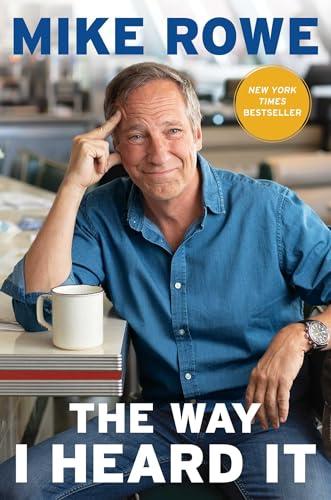
Mike Rowe's book, 'The Way I Heard It', was mentioned as a podcast turned into a book, with anecdotes and stories told from his experiences in a similar way to the podcast.
He's also done just many so many interesting things on television and beyond. And one of the central tenets of The Show, as y'all know, no advice may be given unless that person has direct or nearly d...
— Episode: 603: Mike Rowe | Dirty Jobs and Peripate...
Mike Rowe's book, 'The Way I Heard It', was mentioned as a podcast turned into a book, with anecdotes and stories told from his experiences in a similar way to the podcast.
He's also done just many so many interesting things on television and beyond. And one of the central tenets of The Show, as y'all know, no advice may be given unless that person has direct or nearly direct experience with the same or similar situation.
And I think there's a lot here. If you're wondering how I manage to book all these great authors, thinkers and creators every single week, it's because of my network and I'm teaching you how to build your network for free over at jordanharbinger.com slash course.
Mike Rowe of Dirty Jobs and The Way I Heard It podcast (and book) fame joins us to talk about the skills gap, The mikeroweWORKS Foundation, authenticity, and life experiences possible outside the comfort zone.
It was mentioned as the title of Mike Rowe's first book and podcast, where he shares biographical stories in a mystery format.
That's why my podcast is called The Way I Heard It. That's why my book is called The Way I Heard It.
...coincidentally the title of your new book The Way I Heard It...
...and now you've got this book The Way I Heard It...
Well it's really...everybody should write a book...this was supposed to be a simple collection of 50 of my favorite podcast stories with a little bit of connective tissue...
...the podcasts are mysteries and what I would call tiles if you look at the book as a mosaic...collectively the grout turned into a memoir...
It was discussed that the book contains stories from Mike Rowe's podcast of the same name, and it also expanded into a memoir format, covering Mike's life and why he wrote these stories.
That's why my podcast is called The Way I Heard It. That's why my book is called The Way I Heard It.
Well, it's really, you know, I said to you before we started rolling, everybody should write a book, you know, everybody should write a book and wait tables. You'll learn things about yourself.
This was supposed to be a simple collection of 50 of my favorite podcast stories with a little bit of connective tissue.
What happened was I started picking the stories and then I started to essentially write about why I wrote the story.
It's the feel good hit of the fall available now on audible, hopefully it's not audible.
Mike Rowe's book, 'The Way I Heard It', was discussed, and it was mentioned that it expanded on the themes explored in his podcast of the same name.
He's also done just many so many interesting things on television and beyond. And one of the central tenets of The Show, as y'all know, no advice may be given unless that person has direct or nearly direct experience with the same or similar situation.
And I've watched and read just about everything that he's created.
My dad when he found out that I was going to interview you, he said, you know what you should do is wear some dirty clothes because you're interviewing the guy from dirty jobs.
And I think there's a lot here. If you're wondering how I manage to book all these great authors, thinkers and creators every single week, it's because of my network and I'm teaching you how to build your network for free over at jordanharbinger.com slash course.
Great big thank you to micro his podcast is called The Way I Hurt It if you haven't heard it the format will sound a little bit like the way I ended this show wasn't that clever but really such an amazing guy really appreciate talking with him always
It was mentioned as being the title of Mike Rowe's new book and podcast, which he described as a collection of biographical stories, including anecdotes about his life and influences.
That's why my podcast is called The Way I Hurt It. That's why my book is called The Way I Hurt It.
coincidentally the title of your new book The Way I Heard It and I was like oh so you gonna do it all in one take
and it's the same basic idea tell stories of people who are interesting and try and tell them in an interesting way
Well it's really you know I said to you before we started rolling everybody should write a book
it's a hot mess of biography autobiography mystery and memoir it's the feel good hit of the fall
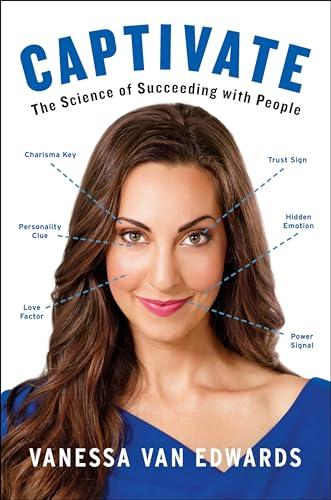
The Science of Succeeding with People
It was mentioned that the book was the reason for a surge in book sales after Vanessa's appearance on Charlie Rose, though the interview was awkward.
Her book is called Captivate and her course is called People's School
— Episode: 82: Vanessa Van Edwards | Pumping up the...
It was mentioned that the book was the reason for a surge in book sales after Vanessa's appearance on Charlie Rose, though the interview was awkward.
Her book is called Captivate and her course is called People's School
It was discussed as a valuable resource for understanding social cues and how to succeed with people, with a focus on body language and nonverbal communication.
her book by the way is called Captivate
It was mentioned that the book was the reason behind a successful interview on Charlie Rose, and that it sold a lot of copies as a result.
Her book is called Captivate and her course is called People's School
The book, "Captivate", was highly recommended by Jordan Harbinger, and it was said to cover topics such as body language and nonverbal communication in great detail.
her book by the way is called Captivate, I've heard me talk about it before, I highly recommend going and grabbing that one, she just she really just knows this stuff upside down.
It was mentioned multiple times throughout the podcast, and was discussed in relation to nonverbal communication, specifically how facial expressions and body language impact how people perceive you.
Her book is called Captivate and her course is called People's School
I went on Charlie Rose when my book came out last year and it was awesome.
The book was mentioned as a relatable story for its exploration of the public relations industry. The author said it reminded him of the book in certain situations.
This book definitely reminds me. There's a few places in the book where I'm like, oh, this is that guy.
— Episode: 1018: Phil Elwood | Manipulating Media f...
The book was mentioned as a relatable story for its exploration of the public relations industry. The author said it reminded him of the book in certain situations.
This book definitely reminds me. There's a few places in the book where I'm like, oh, this is that guy.
The way you spun this Iraq war documentary, that's what reminded me of Thank You for Smoking.
The book, which the author compared to the movie, details the experiences of a publicist working for the tobacco industry and their efforts to manipulate public perception.
This book definitely reminds me.
There's a few places in the book where I'm like, oh, this is that guy.
This is like in Thank You for Smoking, it's a great movie.
The guy gets kidnapped.
He doesn't die.
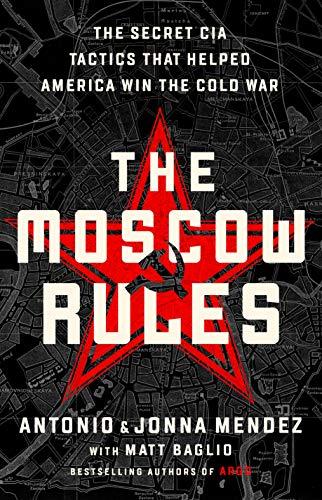
The Secret CIA Tactics That Helped America Win the Cold War
It was discussed in the context of the CIA's unique challenges and tactics in the Soviet Union during the Cold War, particularly regarding surveillance, disguise, and handling of assets.
That's why we we invented Moscow rules. We didn't have like Paris rules or Tokyo rules or this is the only city in the world where the opposition was just so leaning on us so hard that we trained, we...
— Episode: 1028: Jonna Mendez | The Moscow Rules (R...
It was discussed in the context of the CIA's unique challenges and tactics in the Soviet Union during the Cold War, particularly regarding surveillance, disguise, and handling of assets.
That's why we we invented Moscow rules. We didn't have like Paris rules or Tokyo rules or this is the only city in the world where the opposition was just so leaning on us so hard that we trained, we deployed everything we did there was unique because of that embrace that we were in of surveillance.
I think the first case we talked about was really our first big case there that was in '63 that was at the beginning when we were unable to basically manage an espionage case in in Moscow.
it would be easier to run an agent on Mars that was Dick Helms one of one of our legendary chiefs of CIA that was his comment and it was right on the mark there's something like 50,000 KGB agents in Moscow to counter the CIA and other foreign intelligence agencies.
that number came from Oleg Kalugin and Oleg was a KGB officer he didn't defect Oleg lives in the United States now he transplanted himself he became disenchanted with KGB and he went into politics in Russia he was in the parliament for a while and then he decided that he'd start a new life over here they had already taught him as a spy in the KGB perfect English.
This book, Moscow Rules, is about really is the broader office not just disguise not just documents but the people that did bugs the people that built them the people that turned into third-story guys that would go in and install those bugs it's about the people that did all the research R&D on batteries for their entire careers they're trying to make those batteries smaller and smaller and stronger and stronger.
The book outlines 42 rules for CIA agents, including a new rule that was added: never fall in love with your agent.
we wrote a book called The Moscow Rules and at the front of that book we list the rules, there were 42 of them and we added a rule to never fall in love with your agent.
It discussed the CIA's tactics for espionage and deception in the Soviet Union, particularly the challenges of conducting operations under constant surveillance and the development of disguise techniques.
It's almost sounds like a nice little KGB hug that you had going there.
I think the first case we talk about was really our first big case there that was in '63 that was at the beginning when we were unable to basically manage an espionage case in Moscow.
It would be easier to run an agent on Mars than it was to run an agent in Moscow.
That's what this book, 'Moscow Rules', is about really is the broader office not just disguise, not just documents but the people that did bugs, the people that built them, the people that turned into third story guys that would go in and install those bugs.
They were into bubble memory long before the private industry was. We were looking into areas that the small batteries for instance, that eventually spilled out into the commercial market and they're in hearing aids and our watches and our phones and all that stuff today.
It was discussed throughout the podcast episode, with specific examples of its contents, including anecdotes about CIA operations and disguise techniques employed during the Cold War in Moscow.
For those of us that have seen James Bond, she was basically Q but for the CIA.
I think in the book I think the first case we talk about was really our first big case there that was in 63 that was at the beginning when we were unable to basically manage an espionage case in Moscow.
It would be easier to run an agent on Mars than it was to run an agent in Moscow.
That number came from Oleg Kalugin and Oleg was a KGB officer, he didn't defect, he calls it lives in the United States now, he transplanted himself, he became disenchanted with the KGB and he went into politics in Russia.
The book title is The Moscow Rules, the secret CIA tactics that helped America win the Cold War.
It detailed the CIA's tactics used in Moscow during the Cold War, including disguise and deception, due to the intense surveillance they faced.
It was a smothering kind of surveillance and that's why we invented Moscow rules.
It would be easier to run an agent on Mars.
There's something like 50,000 KGB agents in Moscow to counter the CIA and other foreign intelligence agencies.
I think the first case we talk about was really our first big case there that was in '63.
The Soviets in in in Washington DC insisted on bringing all their own workers and no American touched anything, not a brick when they built the Soviet embassy.
The Lightning-Fast Path to Building Massively Valuable Companies
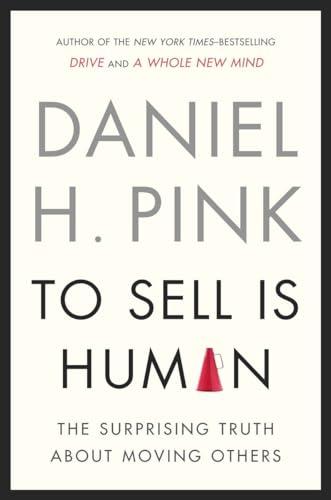
The Surprising Truth About Moving Others
It was discussed as a book that challenged the traditional view of sales and explored the science behind persuasion and influence, particularly in a world of information parity.
I've read "To Sell Is Human" for the first time recently.
— Episode: 522: Daniel Pink | To Sell Is Human
It was discussed as a book that challenged the traditional view of sales and explored the science behind persuasion and influence, particularly in a world of information parity.
I've read "To Sell Is Human" for the first time recently.
I love it and I don't like a lot of the stuff that I read but I really, really liked the book because there's a lot of original stuff in here that's not just make sure you're following up with your prospects every day.
And so I wanted to read a decent good smart book about sales and persuasion except for Cheldini's influence which is a remarkable book.
I decided at some level to write a book about sales for people who might never read a book about sales.
The book is titled "To Sell Is Human"
It was highly recommended by a listener whose father is a salesperson, and was described as the best book on sales he'd ever read.
One was Dan Pink, To Sell Is Human, I love that one.
Yeah, my dad's a lifelong salesperson and he said this is the best book on sales that he's ever read, so To Sell Is Human is definitely something to pick up.
It was highly recommended by a guest and a listener's father, who found it to be the best sales book they'd ever read.
One was Dan Pink, 'To Sell Is Human.' I love that one.
Yeah, my dad's a lifelong salesperson and he said this is the best book on sales that he's ever read so 'To Sell Is Human' is definitely something to pick up.
It was discussed as a book that provides a new perspective on sales and how it impacts all aspects of our lives, beyond just traditional sales roles, was praised for its originality and insights.
This is one from the vault. You should listen to this show because we're going to talk about why sales and a sales skillset are part of our lives, whether we're a salesman, why do we like it or not?
I've read To Sell Is Human for the first time recently. I'm surprised I haven't read it before. Probably just wanted to be the one guy who hadn't. I love it and I don't like a lot of the stuff that I read but I really, really liked the book because there's a lot of original stuff in here that's not just make sure you're following up with your prospects every day.
And that's certainly true but To Sell Is Human. I had a lot of experiences interviewing business people and spending time around companies and whatnot and talking to people who were in sales.
And I think that's an important realization because a lot of people say, I don't want to be in sales. I hate selling, I hate the profession of selling, I'm not in sales.
I think the real big takeaway here Jordan is that this introversion extroversion thing that we always talk about it's not binary all right it's not black and white it's gray and the truth in the matter is that most of us are little bit of both and that's a good thing because the people who are a little bit of both are more effective at sales and persuasion so do you think and do we have any data on whether or not it's easier for an extrovert to dial it back versus an introvert to take social risk and move outside their comfort zone
It was highly recommended by a lifelong salesman and considered the best sales book he'd ever read, based on human connection and not just sales tactics.
One was Dan Pink, To Sell Is Human. I love that one.
My dad's a lifelong salesperson and he said this is the best book on sales that he's ever read so To Sell Is Human is definitely something to pick up.
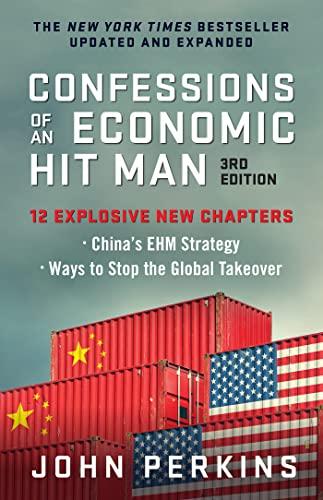
It was initially met with skepticism, but the book's claims were later validated by various sources and organizations, including the New York Times. It details Perkins' experiences as an 'economic hitman' for US corporations.
I think I always kind of believe that but I didn't want to believe it and there were all these things to tell me that wasn't true. But now I see that it is true.
— Episode: 416: John Perkins | New Confessions of a...
It was initially met with skepticism, but the book's claims were later validated by various sources and organizations, including the New York Times. It details Perkins' experiences as an 'economic hitman' for US corporations.
I think I always kind of believe that but I didn't want to believe it and there were all these things to tell me that wasn't true. But now I see that it is true.
I think that story is a very powerful one because it is true and what we did is economic hitmen.
And so the majority of the people suffered because money was diverted from health, education and other social services to pay the interest on the loans.
We weren't helping the poor get better lives. We were helping the rich get richer. We were helping the United States colonize a great deal of the world with US corporations primarily.
I get to say, those techniques are not winning us trends around the world.
It was initially met with skepticism, but later, it became clear to the speaker that the book is accurate based on recent revelations, and its message about the nature of international relations has been validated.
I think I always kind of believe that but I didn't want to believe it and there were all these things to tell me that wasn't true. But now I see that it is true.
And so you know, I think that story is a very powerful one because it is true and what we did is economic hitmen.
I get to say, those techniques are not winning us trends around the world.
I think the Chinese have learned from the mistakes we Russians made and you Americans have made.
I think times have proven that I'm right and across my book and my stuff has been thoroughly vetted by many organizations including the New York Times and many others.
It was mentioned as a book that the host had previously read that was related to the topic of China and how they conduct business overseas.
This reminds me of this book I read a while ago confessions of an economic hitman right I did read that that was great
It was initially met with skepticism but later proved to be accurate, revealing the methods used by the US to influence developing countries' economies.
I think I always kind of believe that but I didn't want to believe it and there were all these things to tell me that wasn't true. But now I see that it is true.
And so you know, I think that story is a very powerful one because it is true and what we did is economic hitmen.
And I think the reason I saw that was a lot of other people didn't was because I'd been in the Peace Corps I spent three years in Ecuador and the Amazon and the Andes working with very poor people who were on the other end of the deals they were the bad end of the deals and so I'd seen this I spoke Spanish fluently I was highly influenced by the head of state of Panama, Omiteri House who was very opposed to what the United States was doing and stood up against it and he was one of my clients I was sent down to bring him around and I not only could I not bring him around but in a way he brought me around he really helped me understand he and a lot of other things were going on helped me understand that what we were doing was not at all what we were trying to convey that we were doing it wasn't the impression that we were sending out to the world we weren't doing that we weren't helping the poor get better lies we were helping the rich get richer we're helping the United States colonize a great deal of the world with US corporations primarily.
I don't think even after a couple of beers a good spies every call himself a spy or a spook but they might do it you have with their buddies doesn't I don't know but yeah yeah I mean it is a term that we kind of use tongue in chief kind laughing about it sometimes but it certainly wasn't on our business cards
I'm being hit you know I do it exactly what I done to leave some other country here here's a handful of money yeah or right you know you know it comes next so how come what did you cash the check is that what we're having this conversation
It was mentioned as a book that the host had read previously, making a comparison between the tactics described in that book and the actions of China with the Belt and Road Initiative.
This reminds me of this book I read a while ago, Confessions of an Economic Hit Man.
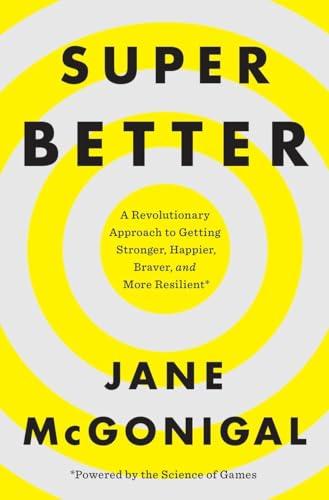
A Revolutionary Approach to Getting Stronger, Happier, Braver and More Resilient--Powered by the Science of Games
It was mentioned as Jane McGonigal's newest book at the time of the podcast, which is about recovering from trauma and getting stronger.
She's a game designer, future forecaster and best-selling author of Super Better which I've just read among other books of course.
— Episode: 96: Jane McGonigal | Gaming Your Way to...
It was mentioned as Jane McGonigal's newest book at the time of the podcast, which is about recovering from trauma and getting stronger.
She's a game designer, future forecaster and best-selling author of Super Better which I've just read among other books of course.
The game was later renamed Super Better hence the book.
One concept that I loved that you did relate to your concussion was something called post traumatic growth that was new for me and I thought wow I want I mean anytime I hit trauma I want post traumatic growth.
I was really confounded my doctor was confounded she's like you should be better by now and you know because I didn't think I'd ever had a serious concern stop you never wanting and my parents like two months into the healing process are like oh yeah well you had really bad concussion when you were three and I'm like wait what I mean I remember falling off the slide and breaking my collarbone but I didn't know I had a concussion I'm like you guys could have mentioned that yeah that would have helped in my you know planning for how to get through this if I had known yeah sure.
I really recommend it I thought this episode was fascinating I could have recorded for another hour but again you know I want to keep it concise as possible for you guys.
The book details a revolutionary approach to building resilience and well-being through gamification, stemming from the author's personal experience with a concussion.
She's a game designer, future forecaster and best-selling author of Super Better which I've just read among other books of course.
The game was later renamed Super Better hence the book.
I was really confounded my doctor was confounded she's like you should be better by now and you know because I didn't think I'd ever had a serious concern stop you never wanting and my parents like two months into the healing process are like oh yeah well you had really bad concussion when you were three and I'm like wait what I mean I remember falling off the slide and breaking my collarbone but I didn't know I had a concussion I'm like you guys could have mentioned that yeah that would have helped in my you know planning for how to get through this if I had known yeah sure
One concept that I loved that you did relate to your concussion was something called post traumatic growth that was new for me and I thought wow I want I mean anytime I hit trauma I want post traumatic growth it's kind of like a little bit of gasoline on the trauma fire or on the development fire right
I really recommend it I thought this episode was fascinating I could have recorded for another hour but again you know I want to keep it concise as possible for you guys
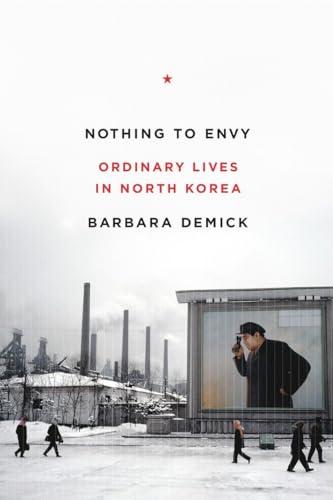
Ordinary Lives in North Korea
The book, also about North Korea, was mentioned in relation to a song with the same title, which is about the suffering people endured before Kim Il-sung's rule.
Nothing to Envy is also the title of a book by Barbara Demerick about now
— Episode: 578: Yeonmi Park | A North Korean Girl's...
The book, also about North Korea, was mentioned in relation to a song with the same title, which is about the suffering people endured before Kim Il-sung's rule.
Nothing to Envy is also the title of a book by Barbara Demerick about now
It was mentioned as a book with rich details about North Korean defectors' experiences, suggesting that the stories are likely truthful or close to the truth.
I think that a lot of the stories especially in the book Nothing to Envy, books like that that are just so rich in detail that you couldn't make them up so I think in in most cases people are probably telling the truth are very close to the truth and the cases where somebody was out like outright lying I should say are probably the exception
It was mentioned as a book with rich details about North Korea, implying the content was compelling and likely credible, based on personal experiences of defectors.
I think that a lot of the stories especially in the book Nothing to Envy books like that that are just so rich in detail that you couldn't make them up so I think in in most cases people are probably telling the truth are very close to the truth and the cases where somebody was out like outright lying I should say are probably the exception
The book 'Nothing to Envy' by Barbara Demick was mentioned and related to the context of North Korea, particularly the regime's propaganda about there being nothing to envy in the world.
Nothing to Envy is also the title of a book by Barbara Demerick about now
It was mentioned as a book with rich details about the experiences of North Korean defectors, suggesting the stories within were likely truthful or very close to the truth.
I think that a lot of the stories especially in the book Nothing to Envy, books like that that are just so rich in detail that you couldn't make them up so I think in in most cases people are probably telling the truth are very close to the truth and the cases where somebody was out like outright lying I should say are probably the exception
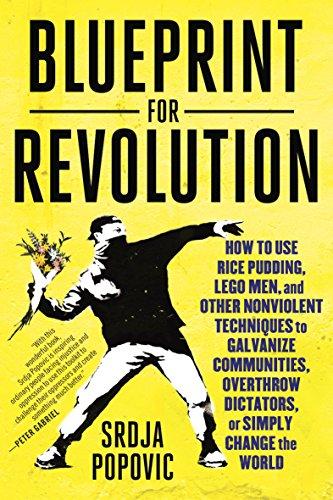
How to Use Rice Pudding, Lego Men, and Other Nonviolent Techniques to Galvanize Communities, Overthrow Dictators, or Simply Change the World
It was discussed in relation to the psychology of activism and how revolutions and businesses share similarities. It was mentioned as being a great book.
Your friend might actually want to give that episode a listen that was episode four four eight surges book blue print for revolutions such a great book I know that way your friend is going through isn...
— Episode: 508: Shaking an Unsuitable Stalking Suit...
It was discussed in relation to the psychology of activism and how revolutions and businesses share similarities. It was mentioned as being a great book.
Your friend might actually want to give that episode a listen that was episode four four eight surges book blue print for revolutions such a great book I know that way your friend is going through isn't as oppressive as an authoritarian dictatorship but it's definitely some kind of unjust system and she might find some great methods in there for taking it down in a clever way in a peaceful way
It was discussed as a guide for citizen movements and revolutions, focusing on non-violent tactics and strategies, and how they were successfully implemented in Serbia and other parts of the world.
This is one from the vault but it's especially pertinent right now.
Now I remember watching the surgea revolution, the latest one on television and watching a bulldozer go into a parliament building and I thought everybody was pretty brave when I was watching that on TV.
The fact that there are people across the world who watch that movie bringing down the dictator, they get inspired, they come to us, they speak to us, they say oh the Serbs did something really cool against a really bad guy who was convicted or criminal and did so many different things.
I think the bravery is something you mentioned and I don't think we were particularly brave and I think very often in our life we find ourselves in a situation where the situation dictates the rules.
why this book is so much related to my favorite personal bible which is the Lord of the Rings so the hobbits they're the least usual suspects to change the world they are not all they're not wearing the shiny armors they don't know magic and they're just lazy and love to eat and sit at home and smoke pot and I think what made us think that or wish that we can change the world was the same force that was driving for other bargains and I think this is because there was nobody else to do the job.
It was discussed as a guide for citizen movements to challenge power structures using non-violent methods, including humor and low-risk tactics, emphasizing the importance of widespread participation.
This is one from the vault but it's especially pertinent right now.
Now I remember watching the surgea revolution, the latest one on television and watching a bulldozer go into a parliament building and I thought everybody was pretty brave when I was watching that on TV.
The fact that there are people across the world who watch that movie bringing down the dictator, they get inspired, they come to us, they speak to us, they say oh the Serbs did something really cool against a really bad guy who was convicted or criminal and did so many different things.
It's not boring it doesn't have put notes so if you're explaining the academic book don't buy this one but there is an academic research on it and two great American scholars Maria Stefan and Erica Chenovet were looking at the different aspects of non violent struggle they found it up that non violent struggle is twice more likely to succeed over the last 100 of years then the violent struggle.
One of the reasons then I'm getting letters from readers who are coming from a marketing sector and they read looping for revolution is it find this fascinating it was also a necessity rather than the conscious business model thinking.
It was mentioned in relation to the psychology of activism and how revolutions and businesses have similarities, suggesting it could be helpful for the listener's situation.
Your friend might actually want to give that episode a listen that was episode four four eight surges book blue print for revolutions such a great book.
It was discussed as a guide for understanding how nonviolent movements can be successful and how to use various tactics, including humor and low-risk strategies, to challenge authority.
This is one from the vault but it's especially pertinent right now.
Surgea was actually one of the organizers of the resistance to slow-but-on Molosevic and Surgea in the 90s.
Now I remember watching the surgea revolution, the latest one on television and watching a bulldozer go into a parliament building and I thought everybody was pretty brave when I was watching that on TV.
I think the bravery is something you mentioned and I don't think we were particularly brave and I think very often in our life we find ourselves in a situation where the situation dictates the rules.
why this book is so much related to my favorite personal bible which is the Lord of the Rings so the hobbits they're the least usual suspects to change the world they are not all they're not wearing the shiny armors they don't know magic and they're just lazy and love to eat and sit at home and smoke pot and I think what made us think that or wish that we can change the world was the same force that was driving for other bargains
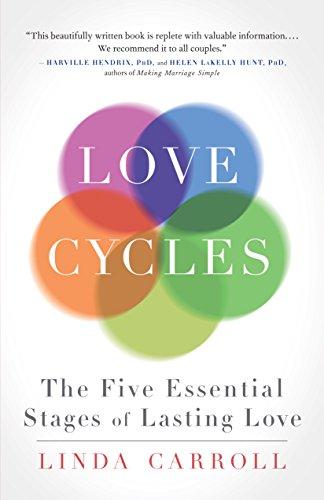
The Five Essential Stages of Lasting Love
It was referenced as a previously published book by the guest, Linda Carroll, and discussed within the context of the episode's core themes regarding relationship dynamics.
her book is called Love Skills her previous book was called Love Cycles will link to both of those in the show notes
— Episode: 462: Linda Carroll | Unlocking Lasting L...
It was referenced as a previously published book by the guest, Linda Carroll, and discussed within the context of the episode's core themes regarding relationship dynamics.
her book is called Love Skills her previous book was called Love Cycles will link to both of those in the show notes
you many of you have read Love Cycles loved it wrote me about it so only fair that we link to both
It was mentioned as a previously published book by Linda Carroll, and linked to in the show notes for listeners interested in reading more about the topic.
her book is called Love Skills her previous book was called Love Cycles will link to both of those in the show notes you many of you have read Love Cycles loved it wrote me about it so only fair that we link to both
Linda Carroll's book, 'Love Cycles', was discussed as it relates to the five essential stages of lasting love, especially regarding the initial stages of attraction and compatibility.
She's the author of Love Cycles.
one of the things in my, you know, my five stages of relationships
The book, 'Love Cycles', was discussed in the context of relationship stages and chemistry, particularly how intense feelings can cloud judgment and lead to rushed decisions in new relationships.
She's the author of Love Cycles.
one of the things in my you know my five stages of relationships
I think that that the strong feeling we don't know how to recognize it is something to hold back from because everything or so much in our culture says go for it and feeling can mean big trouble.
I think that that is a that's a trick we play on ourselves and gosh I think you get to a certain age and you know your tendency to play those tricks don't you?
I deal with people in all kinds of messes and people can make messes work but boy what a schlep that is that I think the trick is don't go over the line to start with because the rationalization starts in ways that we can manage.
It was mentioned as a previously published book by Linda Carroll, and it was stated that many listeners had read and enjoyed it, prompting a link to it in the show notes.
Linda's previous book was called Love Cycles, will link to both of those in the show notes, you many of you have read Love Cycles loved it wrote me about it so only fair that we link to both.
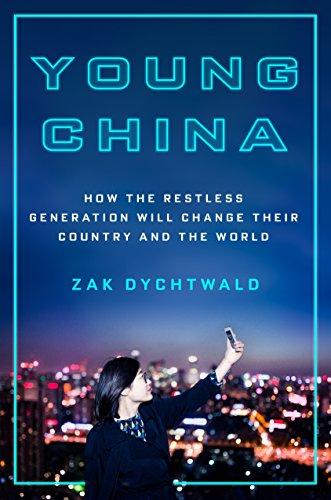
How the Restless Generation Will Change Their Country and the World
It was mentioned as a book about China, and the author, Zach Dykwald, believes that the cousin's fears of being targeted in China are likely overblown.
Zach Dykwald, he's the author of the book Young China and the founder of Young China group, which is a consulting firm in a think tank.
— Episode: 454: Dodging Criminal Liability For Erot...
It was mentioned as a book about China, and the author, Zach Dykwald, believes that the cousin's fears of being targeted in China are likely overblown.
Zach Dykwald, he's the author of the book Young China and the founder of Young China group, which is a consulting firm in a think tank.
It was mentioned as a book written by Zach Dykwald, and discussed in relation to the cousin's travel plans to China. It was implied the book offers some insights about China and its culture.
the first person we talked to was Zach Dykwald he's the author of the book Young China and the founder of Young China group which is a consulting firm in a think tank he has been on the show of course
It focused on the everyday life of Chinese millennials and explored the massive generational differences between them and older generations in China, particularly the rapid pace of change they experienced.
China has more millennials than North America, the Middle East, and Europe combined.
There's actually more young people in China than there are in North America, Europe and the Middle East combined.
My friends born in 1990 in China have watched their per capita GDP increase 27 times in their life.
Young China was in stores, sold out completely by the time you're watching this right
the book title is Young China how the restless generation will change their country and the world
It was mentioned as a book written by Zach Dykwald, who was consulted regarding the risks of a cousin moving to China to teach English. Zach's perspective was that the concerns were likely overblown.
Zach Dykwald he's the author of the book Young China and the founder of Young China group which is a consulting firm in a think tank he has been on the show of course and he said that this fear that your cousin will be targeted or compromised it's almost certainly overblown
It discussed the rapid development of China and how the younger generations are shaping the country's future, highlighting the contrast between older and younger generations and the pressure felt by the younger generations.
China has more millennials than North America, the Middle East, and Europe combined.
There's actually more young people in China than there are in North America, Europe and the Middle East combined.
My friends born in 1990 in China have watched their per capita GDP increase 27 times in their life.
They just think that's water because that's all they've known for most of them.
Young China was in stores, sold out completely by the time you're watching this right.
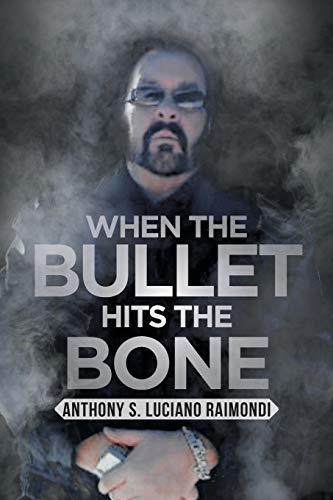
The book details Anthony's life growing up in the mob, including his role as an enforcer and involvement in major events such as the Lufthansa heist. It also discussed his father's role in the mob and his own reasons for leaving the criminal life.
They suspect foul play all of a sudden after my book and everything came out.
— Episode: 426: Anthony S. Luciano Raimondi | The M...
The book details Anthony's life growing up in the mob, including his role as an enforcer and involvement in major events such as the Lufthansa heist. It also discussed his father's role in the mob and his own reasons for leaving the criminal life.
They suspect foul play all of a sudden after my book and everything came out.
He put out a big article on October of last year. But he put down that I went out there to whack the party.
I'm gonna do a book on my father's world so because my father and I got a beautiful story and my father took out a guy up in Connecticut class act my old man was.
It's in my book.
I'll show you that we ever get together. I showed him like videos that I did that, when you record on your phone and I put up and I've been saying all about my father since last year with the Irishman and with everything else and about Jimmy Hartford.
The book was mentioned as being about the author's life as a mob enforcer, including stories about the Black Hand and the Mafia, with details on how things have changed over time. It was also mentioned to be getting a second edition with more stories.
Oh forget about book what book one I've got to add more stories into it I took it away from the publisher that I was at and some publishers from LA wanted and they want me to put more stories so we pulled it off the shelf but I believe we can go to the printer or whoever and you can get copies of the book I'm gonna put seven more episodes in it and they want to make the book bigger and they want to do a book tour book signings and everywhere the other company that I had they didn't all got they didn't do nothing so they were a lot of nonsense so I says you know what I want out of the contract they were nice about they sure might you know what I want then they gave me out of the contract with no problem nice
I read book one we'll link it up in the show notes.
I'm excited to read that. I read book one.
There's a lot more to that story but I got that in book two which you'll all be surprised on the matter.
I'm very curious that's in book two all right.
The book was discussed in the context of the guest's life in the mob, and it was mentioned that the publisher wanted to expand the book's content and embark on a book tour with the guest.
Oh forget about book what book one I've got to add more stories into it I took it away from the publisher that I was at and some publishers from LA wanted and they want me to put more stories so we pulled it off the shelf but I believe we can go to the printer or whoever and you can get copies of the book I'm gonna put seven more episodes in it and they want to make the book bigger and they want to do a book tour book signings and everywhere the other company that I had they didn't all got they didn't do nothing so they were a lot of nonsense so I says you know what I want out of the contract they were nice about they sure might you know what I want then they gave me out of the contract with no problem nice
I read book one we'll link it up in the show notes.
I'm very curious I'm very curious that's in book two all right
I even got more about luft hondon in book two and everything that was in book one stay tuned for part two of this interview coming up in just a couple days here
There's a lot more to that story but I got that in book two which you'll all be surprised on the matter
The guest, Anthony S. Luciano Raimondi, discussed events related to his time in the mob and his family, including his father's history as a hitman, and the guest also revealed details from his book.
I'm gonna do a book on my father's world so because my father and I got a beautiful story and my father took out a guy up in Connecticut class act my old man was.
It's in my book.
And I got in touch with the Vatican, matter of fact, what's his name? The guy from the post wrote a big article. But he put it down that I went down to whack the Paul.
Brad Hamilton.
He put out a big article on October of last year. But he put down that I went out there to whack the party.
It was mentioned that the author wanted to add more stories to the book and republish it, as well as doing a book tour and signing sessions.
Oh forget about book what book one I've got to add more stories into it I took it away from the publisher that I was at and some publishers from LA wanted and they want me to put more stories so we pulled it off the shelf but I believe we can go to the printer or whoever and you can get copies of the book I'm gonna put seven more episodes in it and they want to make the book bigger and they want to do a book tour book signings and everywhere the other company that I had they didn't all got they didn't do nothing so they were a lot of nonsense so I says you know what I want out of the contract they were nice about they sure might you know what I want then they gave me out of the contract with no problem nice
I think I read the whole book in like three hours it's very short so there's room for more
I read book one we'll link it up in the show notes.
I'm excited to read that.
The podcast is called 'The Enforcer', relating to his book.
A Little Story About a Powerful Business Idea (Go-Giver, Book 1
It was mentioned as a book assigned to someone as part of a possibly predatory mentorship program, though the podcast hosts were not aware of that specific program.
without skipping a beat he then told me the next step would be to get this book called the go giver by Bob Berg
— Episode: 403: My Best Friend’s Cheating Ex | Feed...
It was mentioned as a book assigned to someone as part of a possibly predatory mentorship program, though the podcast hosts were not aware of that specific program.
without skipping a beat he then told me the next step would be to get this book called the go giver by Bob Berg
my first assignment would be to read the book and then we would discuss it in four to five days
I love Bob Berg, he's a friend of mine, I know that he's going to be super annoyed when he hears this
I've read the go giver, Bob Berg's been on the show like I said, I like him, the concepts are solid, has nothing to do with MLM whatever this guy is selling
read the book, it seems interesting, it's got some legit endorsements, see if you can take anything away from it
It was mentioned as a book that was assigned as part of a potentially scammy mentorship program, but the book's content and author were considered to be solid.
without skipping a beat he then told me the next step would be to get this book called the go giver by Bob Berg
I've read the go giver Bob Berg's been on the show like I said I like him the concepts are solid has nothing to do with MLM whatever this guy is selling
It was described as an instant classic, a parable that served as a modern guide for networking and being generous, and was said to have sold hundreds of thousands of copies.
Bob man this guy he is he wrote essentially an instant classic called the go giver and also the go giver leader him and John David man really it's like a modern parables for being a great networker and being very giving and everything and it's just they've just sold hundreds and hundreds of thousands of copies of these books
It was described as an instant classic, or a modern parable, and it was said to be very useful for networking and being giving. It was also mentioned that many people already knew the concepts but did not apply them in practice.
Bob man this guy he is he wrote essentially an instant classic called the go giver and also the go giver leader him and John David man really it's like a modern parables for being a great networker and being very giving and everything and it's just they've just sold hundreds and hundreds of thousands of copies of these books
it goes along with what I said about Dale Carnegie is how to win friends and influence people where we might know the concepts but whether or not we're applying them as a totally different story.
It was mentioned as a potential scam book used in a predatory mentorship scheme, however, the podcast host likes Bob Burg and the core concepts of the book.
without skipping a beat he then told me the next step would be to get this book called the go giver by Bob Berg
I've read the go giver Bob Berg's been on the show like I said I like him the concepts are solid has nothing to do with MLM whatever this guy is selling
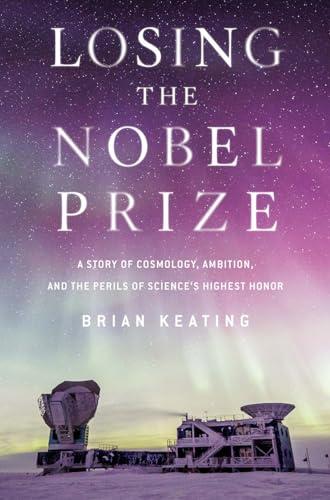
A Story of Cosmology, Ambition, and the Perils of Science's Highest Honor
Brian Keating, a professor of physics and astronomy, is the author of this book, which has a humorous title, and it was mentioned as an example of scientific illiteracy being celebrated rather than criticised.
He's a jet pilot, author of the hilariously titled Losing the Nobel Prize.
— Episode: 349: How to Pick Your Battles Without Be...
Brian Keating, a professor of physics and astronomy, is the author of this book, which has a humorous title, and it was mentioned as an example of scientific illiteracy being celebrated rather than criticised.
He's a jet pilot, author of the hilariously titled Losing the Nobel Prize.
It details the author's experience in cosmology, his pursuit of the Nobel Prize, and the challenges and insights he gained, ultimately questioning the value of such accolades.
the book started off as a with a title Losing the Nobel Prize sort of as a double on tone.
the Nobel Prize needs to be done away with at least it's negative aspects that we can get into and therefore it needs to be lost in its current form and kind of revived in a better form.
our discovery was really one for the ages if it had held up the reason that it wasn't awarded to us no member of my team one so we all lost it in a certain sense is because we were trying to study the origin of the very largest thing that possibly exists namely the universe and in so doing we were spoiled and actually ruined our results weren't wrong we didn't make a blunder but it turned out we were kind of tripped up by the smallest substance in the universe namely dust.
I wouldn't trade it I got fired from Stanford it's one of the best if not the best you know place to study physics to do it's physics I got fired I mean can't I'd never been fired from anything I was you know like the academic golden boy and here I was my first real job out of graduate school and it was the best thing that ever happened to me I never would have met my mentor Andrew Lang I never would have been taken under his wing I would have never have it the opportunity to create this experiment called bicep I would never have gotten the job that I have at UC San Diego I never would have met my wife and I never would have had my kids.
life can only be lived going forward but it can only be understood looking backwards and that's the theme of the ethical will you're looking back and it doesn't have to be the very end of your life like Alfred Nobel it can be right now it should be right now don't delay don't tary thank God Coby wrote his book before he died and thank God you know Victor Frankl and Anne Frank and others wrote their books do it yourself too.
It was mentioned as being the hilariously titled book written by Brian Keating, a professor of physics and astronomy.
He's a jet pilot, author of the hilariously titled Losing the Nobel Prize.
It details the author's journey as a cosmologist striving for the Nobel Prize, his near-miss discovery, and his reflections on the nature of scientific ambition and the pursuit of accolades.
The book started off as a with a title 'Losing the Nobel Prize' sort of as a double on tone.
It became like you know winning an Oscar or winning best podcast of the year it became a goal into itself.
I had to deal with this crushing blow as you say to come so close and not win after all the blood sweat and tears and travel and people that I knew and loved and lost over the decade it took to make these measurements.
I'm still told that by people that the research I'm doing is great I'm still have a chance to win the Nobel Prize and I say that would be pretty ironic at this point after all the criticism I make in the book.
I wanted to take the clothes off the emperor or show that the emperor is naked that this you know kind of sacrificing yourself and again I'm not a scrabbing motives to either these gentlemen one of whom I knew well why they committed suicide will probably never know exactly why.
How to Control Your Attention and Choose Your Life
It was mentioned as Nir's next book, in which he discussed internal triggers and how people deal with stress using different methods.
because I talk a lot about what I call internal triggers these uncomfortable emotional states that prompt us to action
— Episode: 250: Nir Eyal | Control Your Attention a...
It was mentioned as Nir's next book, in which he discussed internal triggers and how people deal with stress using different methods.
because I talk a lot about what I call internal triggers these uncomfortable emotional states that prompt us to action
one of the most popular notions is that motivation is about the pursuit of pleasure and the avoidance of pain we call this Freud's pleasure principle and that's not true it's just not true that neurologically speaking it is pain all the way down
and so that has to be the first place to start and there are two ways to go there so one method is to actually deal with a discomfort and i don't think we talk about this enough
It was described as a forthcoming book that delves into how to manage distraction in a digital age, offering practical tools for better managing time and attention.
He's been a friend of the show for a while and he's the author of the book hooked and the forthcoming book Indistractable which is coming out here in a few months.
And that comes out one, who knows.
The book title will be Indistractable.
It was described as taking five years to write, and covers the idea that all behaviour is driven by a desire to escape discomfort. It was said that some of the commentary around technology is ridiculous.
it took me five years to write this book because there's just so much research out there a lot of misinformation out there
in writing Indistractable is this idea that we have to come to grips that all behavior all behavior is driven by a desire to escape discomfort
it gets to the core of I think some of the ridiculous commentary we've had lately around how technology is hijacking your brain and how it's addictive and how it's so bad
It was described as a book about how to manage distractions, understanding internal and external triggers, and techniques to help individuals regain control over their time and attention.
He's been a friend of the show for a while and he's the author of the book hooked and the forthcoming book Indistractable which is coming out here in a few months.
And that's kind of the the line of thinking for my next book is that I kept hearing from people who said Great, you know You taught me how these products are built and and for many people who read the book
The next book is called Indistractable
It was described as a book that dives deeper into internal triggers and the desire to escape discomfort, providing a framework for controlling attention and managing distractions.
the subject of my next book because I talk a lot about what I call internal triggers these uncomfortable emotional states that prompt us to action
one of the most popular notions is that motivation is about the pursuit of pleasure and the avoidance of pain we call this Freud's pleasure principle and that's not true it's just not true that neurologically speaking it is pain all the way down
in writing Indistractable is this idea that we have to come to grips that all behavior all behavior is driven by a desire to escape discomfort
part of the reason I wrote this book is because I was struggling with distraction myself in many ways
great big thank you to near iL his book is called Indistractable his other book is called hooked of course we'll leave that in the show notes for you
Working Together Without Falling Apart
It was discussed in depth, focusing on the importance of cognitive flexibility and intellectual humility for successful teamwork, debunking the Stanford prison experiment in the process.
On this episode we're talking with my good friend Shane Snow. He's also the author of a couple of books including Dream Teams in which I'm quoted. Well misquoted but hey, I'm in a boo...
— Episode: 51: Shane Snow | How to Work Together Wi...
It was discussed in depth, focusing on the importance of cognitive flexibility and intellectual humility for successful teamwork, debunking the Stanford prison experiment in the process.
On this episode we're talking with my good friend Shane Snow. He's also the author of a couple of books including Dream Teams in which I'm quoted. Well misquoted but hey, I'm in a book so there.
and in dreamtimes I go through this analogy of you could say that any problem that you are trying to solve or anything you're trying to make a breakthrough on all the solutions could be represented by a mountain range with different mountains of different heights and the taller the mountain that you can climb up the better of the solution
I did a study for Dream Teams about essentially open-mindedness and because we can now kind of measure open-mindedness which we hadn't been able to do until literally 2017 turns out that the more television you watch up to a certain point I think it's like eight hours a week if you watch between two and eight hours of television a week fictional not news but like TV shows you tend to rank higher on open-mindedness tests
I put together on my website an assessment based on on these newly published studies for intellectual humility and open-mindedness you can actually take it um you can uh I don't know if uh did I send you a link to to that actually
the research in Dream Teams is actually pretty novel you did a great job with the book and I'm looking forward to seeing more from you in the future man
It was discussed in the context of teamwork and how differences in people's thinking can lead to better outcomes, as long as the conflict remains about ideas and not personalities.
It's the number one most underserved topic in business even though we hear all about it all the time almost at nauseam especially when you're going to school and it's also the thing our society needs most right now.
I got kind of hooked on, you know, with the other stuff that I've written it's often explorations of myths and whether they're true and what the nuances are. So I started getting on this kick about human collaboration.
It's kind of like you know improv comedy I think it's a good example of when it works well you have two people or five people you know on a stage doing an improv show making up jokes as they go and they feed off each others work they build off each others work and the show is funnier than potentially right then one of them doing standup.
I did a study for Dream Teams about essentially open-mindedness and because we can now kind of measure open-mindedness which we hadn't been able to do until literally 2017 turns out that the more television you watch up to a certain point I think it's like eight hours a week if you watch between two and eight hours of television a week fictional not news but like TV shows you tend to rank higher on open-mindedness tests.
The biggest leading indicator that a relationship is going to fail is the same thing that indicates that a company merger is going to fail or that a new hire that you make in your company is going to fail and that is not fighting it turns out that is stopping the fight and ignoring each other you stop talking about the things that are important that's when you know things are going to fall apart.
How to Develop the Right Idea, at the Right Time
It was discussed how the book explores creativity as a learnable skill, not just an innate talent. The podcast examined various anecdotes and studies that challenge the notion of 'genius' as a fixed trait.
He's the founder and CEO of Track Maven and the author of The Creative Curve, how to develop the right idea at the right time.
— Episode: 67: Allen Gannett | You Don't Have to Be...
It was discussed how the book explores creativity as a learnable skill, not just an innate talent. The podcast examined various anecdotes and studies that challenge the notion of 'genius' as a fixed trait.
He's the founder and CEO of Track Maven and the author of The Creative Curve, how to develop the right idea at the right time.
Most people think creativity is this fixed thing that you either have or you don't, you're either this demigod or you're enormous like the rest of us.
The book is split up into two halves. So the first half of the book is sort of like a one-on-one on the science and history of creativity, what we know about it, what we don't know about it, how our thoughts are on creative and developed over time.
And the second half of the book I interviewed about 25 living creative greats.
I actually think Dan Pink's book When, which is all about timing your day and rank is like really really fantastic for creatives.
It was mentioned as a book coming out soon, that contains research that helped influence the content discussed about open-mindedness.
this comes from from research from a friend of mine named Alan Gnett who has a book coming out pretty soon called The Creative Curve
It was discussed that creativity is a learnable skill, and that many stories about geniuses are embellished to sell magazines. The book features interviews with 25 creative greats, exploring how they cultivated their creativity.
I've always been a big believer that there's this overlap between the right brain and left brain and that when you look at things like creativity that seem like organic and nebulous, there's actually a lot of systems and logic to it.
So most people of course want to develop their creative powers, but have no clue where to begin. And in fact, how do you even know that we can develop these creative powers?
But here's the thing, there's been these studies for years we've been studying this stuff and we've done creativity cross neuroscience psychology, sociology and the conclusion is, no matter how you look at it, we see that creativity is a learnable, nurturable skill.
And they've done longitudinal studies where they follow kids with genius level IQs for their entire life starting from childhood. They find those kids are no more likely to be these great, you know, big future household names.
But I think we've been sold this idea that creativity is a special thing because it's what sells magazines.
It was discussed how creativity can be learned and developed, exploring the science behind it and featuring interviews with various creative individuals.
I've always been a big believer that there's this overlap between the right brain and left brain and that when you look at things like creativity that seem like organic and nebulous, there's actually a lot of systems and logic to it.
Most people think creativity is this fixed thing that you either have or you don't, you're either this demigod or you're enormous like the rest of us.
But here's the thing, there's been these studies for years we've been studying this stuff and we've done creativity cross neuroscience psychology, sociology and the conclusion is, no matter how you look at it, we see that creativity is a learnable, nurturable skill.
We've been embellishing creativity for years because I think it's what sells.
I think people like the idea that there's these people out there who are special, who have these powers because I think it also makes us feel like there might be something like that for us.
It was discussed as a new book that explores how the brain works, including topics like brain development and the debunking of the triune brain theory.
Her new book, Seven and a Half Lessons About the Brain, is out now.
— Episode: 479: Lisa Feldman Barrett | Seven and a...
It was discussed as a new book that explores how the brain works, including topics like brain development and the debunking of the triune brain theory.
Her new book, Seven and a Half Lessons About the Brain, is out now.
I have a whole chapter on how emotions are used in the law in my first book how emotions are made it's full of fascinating little tidbits that will entertain your friends at dinner parties when we have dinner parties again but also slightly horrify you when you realize the ways in which mythical notions about rationality and emotion are kind of weaved into our legal system.
I did write about all of this in the New York Times a couple of years ago and I just want to make it clear when I'm saying this that I'm not saying that this is a different explanation than racism and I'm also not saying that this is a form of racism I'm just speaking as a neuroscientist that seeing a gun where there is no gun is perfectly explainable under many conditions just based on understanding how your brain predicts and creates your experience.
Dr Feldman Barrett's book also covers things like how our brain sees things when we have different predictions and expectations of the brain is wired so that seeing is influenced by feeling so if you're scared you will literally see the world differently than if you are calm which explains a lot of the things we thought we saw as kids or what things are kids think they see in the dark.
big thanks to Dr Lisa Feldman Barrett's Seven and a Half Lessons About the Brain is her latest book she's got a couple books that are all interesting reads links to those will be in the show notes please do use our website links if you buy books or anything else from guests here on the show that does help support the show
The book by Lisa Feldman Barrett was mentioned in passing, as the speaker said he thought the author had published seven thousand books, likely an exaggeration.
Dan Dinnett wrote about this in one of his seven thousand books that I think he's published.
It was discussed in the context of brain development and how our brains are constantly making predictions about the world around us, based on our past experiences, in order to keep our bodies alive.
Her new book, Seven and a Half Lessons About the Brain, is out now.
I'd love to talk about how brains develop in newborns...your book when we were talking about tuning and pruning the newborn brain that's interesting to me.
I read in your book that relating to and understanding people who look or act different than us is more taxing on our brains...
The analogy that I use in the book both books actually...
I did write about all of this in the New York Times a couple of years ago...
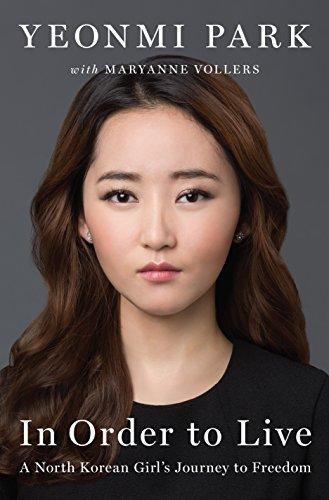
A North Korean Girl's Journey to Freedom
Yeonmi Park's book was mentioned multiple times throughout the podcast as a chronicle of her harrowing escape from North Korea and experience with human trafficking in China. It was described as a surreal and harrowing tale, detailing experiences including being sold by her mother for food and being forced into prostitution and sexual slavery.
Her book which is linked in the show notes goes into detail on the situation in North Korea.
— Episode: 579: Yeonmi Park | A North Korean Girl’s...
Yeonmi Park's book was mentioned multiple times throughout the podcast as a chronicle of her harrowing escape from North Korea and experience with human trafficking in China. It was described as a surreal and harrowing tale, detailing experiences including being sold by her mother for food and being forced into prostitution and sexual slavery.
Her book which is linked in the show notes goes into detail on the situation in North Korea.
Her human trafficking story.
It discusses the negotiations on the price she was sold for etc.
It's really just surreal and again a harrowing tale.
I think you'll really enjoy.
The podcast host recommended Yeonmi Park's book, which details her harrowing journey to freedom from North Korea, after discussing her experiences in the first part of the two-part episode.
her story is no matter which way you look at it, absolutely incredible.
It's in her book, her YouTube channel and other interviews have really covered a lot of ground already.
her book, which I recommend
I feel like you've told your story so well in so many places that it'd be a shame if we just read it that
The book details Yeonmi Park's harrowing journey to freedom from North Korea, including her experiences with human trafficking and the sale of her mother for food.
Her book which is linked in the show notes goes into detail on the situation in North Korea.
Her human trafficking story.
It discusses the negotiations on the price she was sold for etc.
It's really just surreal and again a harrowing tale.
I think you'll really enjoy.
The podcast host recommended Yeonmi Park's book, which chronicles her harrowing experience as a North Korean defector and activist, as it detailed her journey to freedom.
her book, her YouTube channel and other interviews have really covered a lot of ground already.
it's in her book, which I recommend
Note: The book recommendations on this page are discovered automatically from podcast transcripts, and may be incorrect or incomplete.
Podcast Name