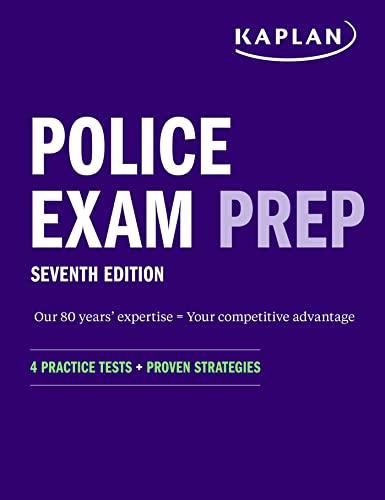
Police Exam Prep 7th Edition
Kaplan Test Prep
Mentioned 4 months ago
1288: Test Prep | Skeptical Sunday

(Apple's Best of 2018) In-depth conversations with people at the top of their game. Jordan Harbinger unpacks guests' wisdom into practical nuggets you can use to impact your work, life, and relationships. Learn from leaders (Ray Dalio, Simon Sinek, Mark Cuban), entertainers (Moby, Tip "T.I." Harris,...
Recently mentioned
Kaplan Test Prep
Mentioned 4 months ago
1288: Test Prep | Skeptical Sunday

David Killoran
Mentioned 4 months ago
1288: Test Prep | Skeptical Sunday

Kaplan Test Prep
Mentioned 4 months ago
1288: Test Prep | Skeptical Sunday

Eve Ensler
Mentioned 5 months ago
1282: The Vagina | Skeptical Sunday
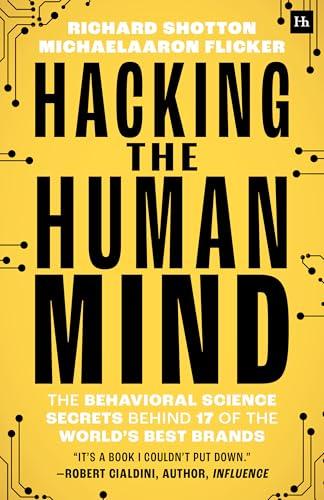
Richard Shotton
Mentioned 6 months ago
1273: Richard Shotton & MichaelAaron Flicker | Marketing to Human Minds
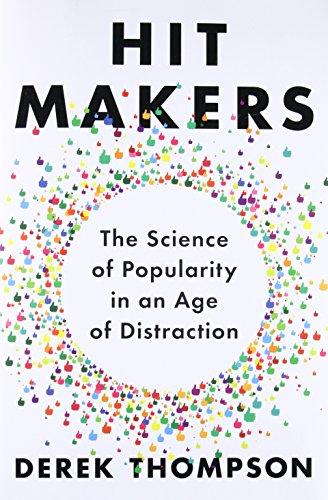
Derek Thompson
Mentioned 6 months ago
1273: Richard Shotton & MichaelAaron Flicker | Marketing to Human Minds
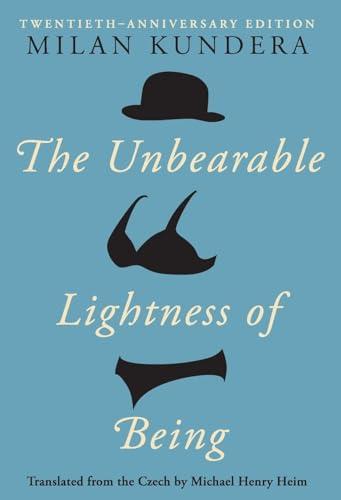
Milan Kundera
Mentioned 1 year ago
1042: Sex Trafficking | Skeptical Sunday
Ryan Holiday
Mentioned 1 year ago
1041: Groped In Your Sleep, Betrayal Runs Deep | Feedback Friday
James J. Sexton
Mentioned 1 year ago
1035: James Sexton | A Divorce Lawyer's Guide to Lasting Love Part One
Charles Duhigg
Mentioned 1 year ago
1034: Fat-Free Foods | Skeptical Sunday
Glennon Doyle
Mentioned 1 year ago
1031: Sarah Hill | How Birth Control Rewires Women's Brains Part One
Toni Weschler
Mentioned 1 year ago
1031: Sarah Hill | How Birth Control Rewires Women's Brains Part One
The Secrets of Being Productive in Life and Business
It was discussed as being about managing how you think rather than what you think, and how that can transform your life. The book details the secrets of being productive in life and business.
In the book Smarter Faster Better, the secrets of being productive in life and business, one of the key concepts that I really like...is about managing how you think rather than what...
— Episode: 561: Charles Duhigg | The Secrets of Bei...
It was discussed as being about managing how you think rather than what you think, and how that can transform your life. The book details the secrets of being productive in life and business.
In the book Smarter Faster Better, the secrets of being productive in life and business, one of the key concepts that I really like...is about managing how you think rather than what you think in order to transform your life.
In Smarter Faster Better you write that the most productive people, companies, and organizations they don't merely act differently, they view the world and their choices in profoundly different ways.
The first chapter in Smarter Faster Better looks at what we know about the science of self-motivation...
It was discussed as a book about managing how you think rather than what you think, with a focus on productivity, and was mentioned as a helpful resource for improving self-motivation and productivity.
In the book Smarter Faster Better the secrets of being productive in life and business one of the key concepts that I really like and this book is about managing how you think rather than what you think in order to transform your life can you tell us the distinction between managing how we think rather than just changing what we think because it seems almost like the same thing when you read it at first.
In Smarter Faster Better you write that the most productive people companies and organizations they don't merely act differently they view the world and their choices in profoundly different ways.
The first chapter in Smarter Faster Better looks at what we know about the science of self motivation because we know that your ability to motivate to do hard tasks that's something that the most productive people have in spades they manage to plow through that email inbox even though it's a real drag faster than other people and the way that they do that the way that they motivate for it.
What It Is, Why It Seems Scarce, Why It Matters
It was discussed in the context of how human risk and probability assessments are often driven by narratives and anecdotes rather than data, and the importance of considering data and graphs when forming beliefs about the world.
I also go into the psychology and more detail in my new book Rationality which is among other things about how our sense of risk and probability and prevalence are driven by images an...
— Episode: 593: Steven Pinker | Why Rationality See...
It was discussed in the context of how human risk and probability assessments are often driven by narratives and anecdotes rather than data, and the importance of considering data and graphs when forming beliefs about the world.
I also go into the psychology and more detail in my new book Rationality which is among other things about how our sense of risk and probability and prevalence are driven by images and anecdotes and narratives and not by data.
It was discussed as a book that delves deeper into the psychology of risk, probability, and prevalence, explaining how our sense of these is driven more by images and anecdotes than data.
I also go into the psychology and more detail in my new book Rationality which is among other things about how our sense of risk and probability and prevalence are driven by images and anecdotes and narratives and not by data.
Why Violence Has Declined
It was mentioned as an example of Pinker's work showing that the rate of wars, rape, and child abuse have decreased over time, using data to demonstrate progress and push back against fatalistic views of human nature.
And then in better angels of our nature term of course that I stole from Abraham Lincoln but it fit the idea perfectly so that it's not just a theoretical possibility it's happened war is come down an...
— Episode: 593: Steven Pinker | Why Rationality See...
It was mentioned as an example of Pinker's work showing that the rate of wars, rape, and child abuse have decreased over time, using data to demonstrate progress and push back against fatalistic views of human nature.
And then in better angels of our nature term of course that I stole from Abraham Lincoln but it fit the idea perfectly so that it's not just a theoretical possibility it's happened war is come down and rape and child abuse you just whatever you have the data you plot them over time and the graphs go down
It was discussed as a book that focused on the decline of violence over time, including war, rape, and child abuse, using data and graphs to support the claim that things have gotten better.
writing books like enlightenment now or better angels rationality are inherently encouraging it's almost contrarian because of our propensity to focus on the negative why do we need an accurate view of the world that why is this important well it's for the same reason that it's better to see things than to wear a blindfold or hallucinate namely the more you know about the world the better equipped you are to act on it to solve problems when they arise to figure out what works and what doesn't to protect the institutions and the laws and the practices that have made life better get rid of the ones that have made life worse the more you know about the world the better equipped you are to act on it don't get me wrong I agree with the idea that we should keep our eye on a positive view of the future because I think it also encourages us to solve the problems that we do have.
and then in better angels of our nature term of course that I stole from Abraham Lincoln but it fit the idea perfectly so that it's not just a theoretical possibility it's happened war is come down and rape and child abuse you just whatever you have the data you plot them over time and the graphs go down and then like now I brought that to other measures of human well being such as poverty and literacy and work hours and happiness so it's probably fending off the accusation that a belief in human nature is depressing and fatalistic reactionary and means there's nothing we can do to improve our lot it's kind of pushing back against that idea that led me into the idea of human progress.
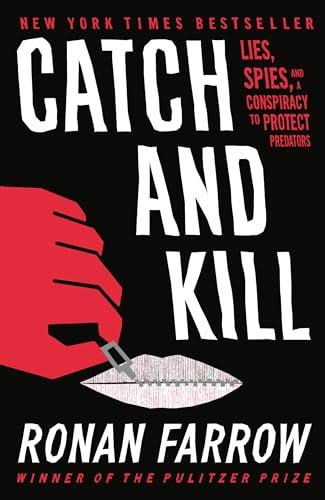
Lies, Spies, and a Conspiracy to Protect Predators
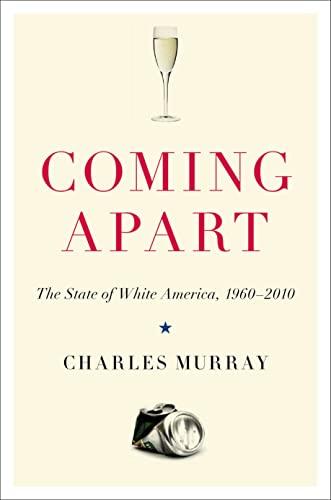
The State of White America, 1960-2010
It was discussed as a book about social class and how America is coming apart due to social class. It was brought up in relation to the Charles Murray incident at Middlebury College.
his book is called Coming Apart this is one of the most important things middlebury students could learn but what happens some middlebury students choose to interpret his visit as a t...
— Episode: 90: Jonathan Haidt | The Danger of Good...
It was discussed as a book about social class and how America is coming apart due to social class. It was brought up in relation to the Charles Murray incident at Middlebury College.
his book is called Coming Apart this is one of the most important things middlebury students could learn but what happens some middlebury students choose to interpret his visit as a threat as a danger to the African-American students because he did write a book whatever 18 years early whatever it was 20 years earlier that understandably many black people would be offended by many people were offended by so you know I understand the negative reaction to it might do understand that but it's a choice to interpret his coming to campus to speak about social class it's a choice to interpret that as an attack on students and some did interpret it that way
It was mentioned as a book by Charles Murray exploring the social class divide in America, and it became a controversial topic when Murray was invited to speak at Middlebury College.
his book is called Coming Apart this is one of the most important things middlebury students could learn but what happens some middlebury students choose to interpret his visit as a threat as a danger to the African-American students because he did write a book whatever 18 years early whatever it was 20 years earlier that understandably many black people would be offended by many people were offended by
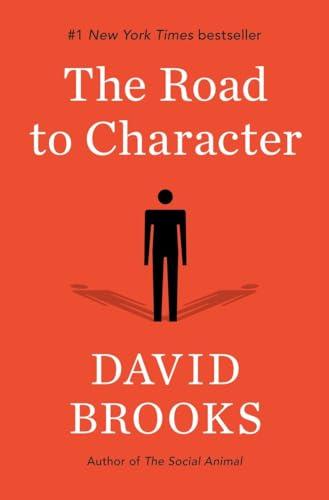
It was mentioned as a book that explored the concept of character, which the speaker believed needed more attention. It was discussed in the context of the overemphasis on leadership books compared to those focused on character.
it's kind of rattling around my head when I wrote this and it's David Brooks's very fine book The Road to Character as I read that I thought you know this is a subject that just needs...
— Episode: 276: Admiral James Stavridis | The Voyag...
It was mentioned as a book that explored the concept of character, which the speaker believed needed more attention. It was discussed in the context of the overemphasis on leadership books compared to those focused on character.
it's kind of rattling around my head when I wrote this and it's David Brooks's very fine book The Road to Character as I read that I thought you know this is a subject that just needs more exposition.
It was mentioned as a book that was rattling around in the author's head while he was writing his book, and was suggested as a book that dealt with character, a topic that needed more exposition.
it's kind of rattling around my head when I wrote this and it's David Brooks's very fine book The Road to Character

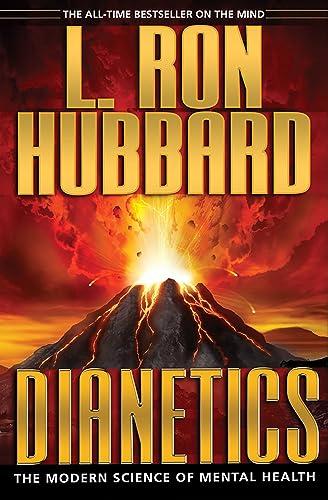
The Modern Science of Mental Health
It was initially presented as a self-help psychological manual, but the founder's intentions were allegedly to make money through religion.
Founded by L. Ron Hubbard, the founder of Scientology and a science fiction writer who wrote a book called Diagnetics which was supposed to be this psychological self help manual.
— Episode: 485: Leah Remini | Surviving Hollywood a...
It was initially presented as a self-help psychological manual, but the founder's intentions were allegedly to make money through religion.
Founded by L. Ron Hubbard, the founder of Scientology and a science fiction writer who wrote a book called Diagnetics which was supposed to be this psychological self help manual.
It was intended as a self-help psychological manual but the founder of Scientology stated that religion is the best way to make money and that the government cannot take away its money or power.
The best way to make real money is to start a religion because people will do anything for religion and the government can't take away your money and your power.
How the Genetics, Biotech, and AI Revolutions Will Transform our Lives, Work, and World
The book explores the risks and rewards of the rapid advancement of AI and biotech, highlighting the potential breakthroughs and unforeseen consequences of these technologies.
Actually, in the book I talk about one of my very, very dear friends is this wonderful Spanish, now living in the United States, National Geographic explorer named Enrique Sala.
— Episode: 1015: Jamie Metzl | AI Solutions for Hun...
The book explores the risks and rewards of the rapid advancement of AI and biotech, highlighting the potential breakthroughs and unforeseen consequences of these technologies.
Actually, in the book I talk about one of my very, very dear friends is this wonderful Spanish, now living in the United States, National Geographic explorer named Enrique Sala.
I went back and forth with my editor because I kept adding something that was in the original manuscript. It kept getting edited out and I talked to him about a svelte Spaniard with an Inigo Montoya ponytail. And so your listeners may know from The Princess Bride, you know that little swordsman's, I'm Inigo Montoya, you killed my father.
So they kept taking it. I said, no, no, it's gotta be there. So Enrique, he's one of the leaders. What started out as an effort to try to turn 30% of the oceans into protected nature preserves where people can't do industrial activities, particularly fish. And they did these calculations that if you protected those 30%, the actual availability of fish in the other 70% would go up. Like you would get more fish by not fishing in these protected areas.
I write about this in the book in the 19th century, he was his little workshop in Germany and he was kind of imagining the car.
I write about this in the book
Jamie Metzl, the author of "Superconvergence," explores the risks and rewards of the rapidly accelerating technological progress, specifically in the fields of AI, biotech, and genetics. He argues that the next 14 years will see more progress than the last century, and the following seven years will bring another century's worth of advancements.
According to Superconvergence author Jamie Metzl, the scientific advancements made in the next 14 years will outdo those of the last century, followed by another century's worth in only seven years.
And that's why, again, it's the central point of the book. If we think this is a conversation about technology, we're going to get lost. This is a conversation about humanity, and it's a conversation about values.
And so that's what we are- people think this is about technology. We are unleashing one of the greatest powers in the known universe, and that is human imagination.
It's why the first chapter of the book, it's called The Nature of Change.
I write about this in the book in the context of my chapter on health care.
Identifying and Healing from Narcissistic People
The book was recommended as a resource for dealing with a narcissistic partner. It addresses how to get out of a relationship with a narcissist, even if leaving is difficult due to financial constraints.
I would highly recommend reading Dr. Romany's new book, It's Not You.
— Episode: 991: Should You Coexist with a Manchild...
The book was recommended as a resource for dealing with a narcissistic partner. It addresses how to get out of a relationship with a narcissist, even if leaving is difficult due to financial constraints.
I would highly recommend reading Dr. Romany's new book, It's Not You.
In the book, she talks about accepting that a narcissistic partner is probably not going to change unless they really, really want to and they're really putting in a ton of work.
And she also talks about how to effectively get out of a relationship with a narcissist.
And if you can't leave, also, it's like an option in the book.
Most books are like, you got to leave. And this book is like, you might not be able to because you can't pay rent.
Dr. Ramani Durvasula, the author of "It's Not You", was invited to discuss the impact of narcissism in relationships.
It's Not You author Dr. Ramani Durvasula rejoins us to find out!
From Good to Great to Unstoppable (Tim Grover Winning Series)
It was mentioned in the context of high performers needing to know who to trust and when to trust them, and that it's crucial for a champion or any high performer to know who to trust.
you mentioned this in the book the new book winning and in the old book Relentless the original book it's crucial for a champion or for any high performer to know who to trust and whe...
— Episode: 506: Tim Grover | The Unforgiving Race t...
It was mentioned in the context of high performers needing to know who to trust and when to trust them, and that it's crucial for a champion or any high performer to know who to trust.
you mentioned this in the book the new book winning and in the old book Relentless the original book it's crucial for a champion or for any high performer to know who to trust and when to trust them because highly successful people rarely get to hear the truth
and we went into real in detail in Relentless and then we went into even more detail into winning
Essays
It was mentioned as an example of a book that encourages the reader to focus on small daily joys and delights, which helped train the author's mind to notice positive things.
I interview this author Ross Gay who has this book called The Book of Delights and he decided that every day for a whole year he'd write a new essay on something that delighted him.
— Episode: 554: Laurie Santos | Practical Lessons f...
It was mentioned as an example of a book that encourages the reader to focus on small daily joys and delights, which helped train the author's mind to notice positive things.
I interview this author Ross Gay who has this book called The Book of Delights and he decided that every day for a whole year he'd write a new essay on something that delighted him.
so you define these delights every single day and they're kind of funny, there things like, you know, lilacs are a delight and he is one that's like trust on planes, like why don't people steal people stuff on trains, like that's kind of a delight.
It was discussed as an example of a book that encourages the reader to focus on the positive aspects of daily life, and that helped train the author's mind to notice the little things in life that bring joy.
I interview this author Ross Gay who has this book called The Book of Delights and he decided that every day for a whole year he'd write a new essay on something that delighted him
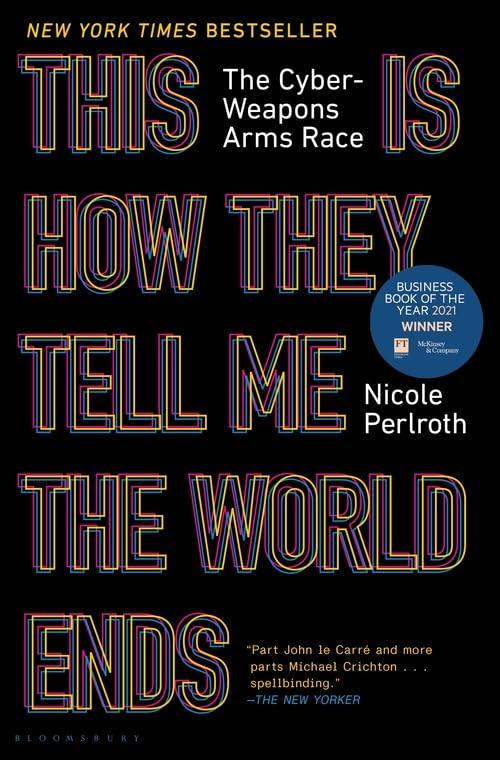
The Cyberweapons Arms Race
It was discussed in detail, particularly focusing on the cyberwarfare arms race, Russia's NotPetya attack, and the vulnerability of critical infrastructure.
My guest today Nicole Pearl Roth literally wrote the book on cyber warfare.
— Episode: 542: Nicole Perlroth | Who's Winning the...
It was discussed in detail, particularly focusing on the cyberwarfare arms race, Russia's NotPetya attack, and the vulnerability of critical infrastructure.
My guest today Nicole Pearl Roth literally wrote the book on cyber warfare.
But that might not be all we have to worry about right now. Today we'll explore the cyber warfare going on these days, how we're being attacked by our enemies on the regular and how ready we are for the next catastrophic cyber attack against the West and or the United States.
And if you're wondering how I managed to book all these great authors, thinkers and creators every single week it's because of my network.
And by the way most of the guests on the show already subscribed to the course come join us you'll be in smart company where you belong.
Nicole thank you very much fascinating topic little bit scary but I think we all kind of need to be we need to have our head on the swivel for this sort of thing because there are probably a lot of people out there who are using the same password they use for their Gmail or their Wi-Fi network on their scatter command and control system for the power grid company that they work for and like you are the weak link if you are doing that kind of thing right you are the reason people might die because they can't turn on their aircon in the middle of July because you're too lazy to change your password or you keep it on a sticky note on your desktop or it's your birthday yeah right I mean we see things like that these aren't just silly examples we see real things like that and now people are going to realize not only can it cost their company two hundred million dollars but it could kill people yeah and I think that's something we need to be aware of yeah and you know it's a little bit like the pandemic and that is another sort of piece of good news and that people are thinking along these lines but like you know solving the pandemic governments can only play so much of a role a lot of it came down to what businesses were doing how they were able to continue to run their operations the development of a vaccine and then a lot of it just came down to us wearing masks and social distancing and there's the added you know similarity that a lot of people because they couldn't see the pandemic didn't believe it exists and same in cyber you know a lot of it comes down to personal responsibility a lot of these attacks come through an employee's stolen password or them forgetting to turn on two-backed authentication or to update their software whatever it is so until people realize that they have accountability that they have an individual responsibility to protect their businesses their homes but also you know government agencies to a certain extent we're not going to get anywhere thank you very much now i've got some thoughts on this episode but before we get into that here's what you should check out next on the Jordan Harbinger show
It was discussed as the definitive book on cyberwarfare, particularly detailing the cyberweapons arms race and the dangers it poses.
My guest today Nicole Pearl Roth literally wrote the book on cyber warfare.
And if you're wondering how I managed to book all these great authors, thinkers and creators every single week it's because of my network.
Now Nicole Pearl Roth.
Nicole thank you very much fascinating topic little bit scary but I think we all kind of need to be we need to have our head on the swivel for this sort of thing because there are probably a lot of people out there who are using the same password they use for their Gmail or their Wi-Fi network on their scatter command and control system for the power grid company that they work for and like you are the weak link if you are doing that kind of thing right you are the reason people might die because they can't turn on their aircon in the middle of July because you're too lazy to change your password or you keep it on a sticky note on your desktop or it's your birthday yeah right I mean we see things like that these aren't just silly examples we see real things like that and now people are going to realize not only can it cost their company two hundred million dollars but it could kill people yeah and I think that's something we need to be aware of yeah and you know it's a little bit like the pandemic and that is another sort of piece of good news and that people are thinking along these lines but like you know solving the pandemic governments can only play so much of a role a lot of it came down to what businesses were doing how they were able to continue to run their operations the development of a vaccine and then a lot of it just came down to us wearing masks and social distancing and there's the added you know similarity that a lot of people because they couldn't see the pandemic didn't believe it exists and same in cyber you know a lot of it comes down to personal responsibility a lot of these attacks come through an employee's stolen password or them forgetting to turn on two-backed authentication or to update their software whatever it is so until people realize that they have accountability that they have an individual responsibility to protect their businesses their homes but also you know government agencies to a certain extent we're not going to get anywhere thank you very much now i've got some thoughts on this episode but before we get into that here's what you should check out next on the Jordan Harbinger show.
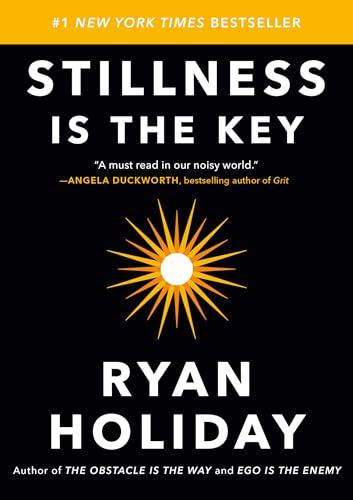
It was discussed in detail throughout the podcast. The conversation often referred to concepts and ideas from within the book.
I think to me, and I talk about this a little bit in the new book, I feel like what that is, that's what confidence actually is.
— Episode: 271: Ryan Holiday | Stillness Is the Key
It was discussed in detail throughout the podcast. The conversation often referred to concepts and ideas from within the book.
I think to me, and I talk about this a little bit in the new book, I feel like what that is, that's what confidence actually is.
I talk about this a lot in the book, like the power of a hobby is that embodied.
One of the things I talk about in the book is are you actually taking time to like stop and think about these things?
The craving is the opposite of stillness.
It's in the book. Oh, that must be why I watched it because I don't remember what jogged that.
It was discussed throughout the podcast as Ryan Holiday's latest work and was the focus of the conversation. The book explores the importance of stillness and reducing craving.
I think to me, and I talk about this a little bit in the new book, I feel like what that is, that's what confidence actually is.
I talk about this a lot in the book, like the power of a hobby is that embodied.
One of the things I talk about in the book is, are you actually taking time to like stop and think about these things?
I think that it is, it's like, can you get to a place where you do really great work and you perform at an elite level, but you do it from a good place?
At the core of Stoicism and in the story I tell the book, like the beginning of Mr. Rogers, which you're almost gonna have to start watching...
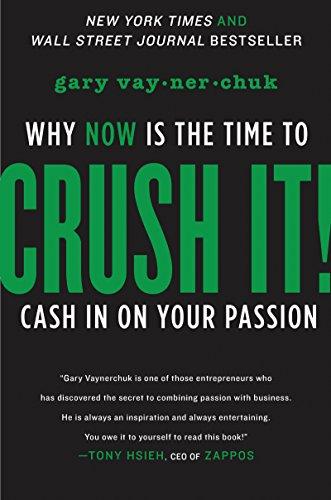
Why NOW Is the Time to Cash In on Your Passion
The 'care' chapter was the most emailed about in the past decade, and it was said that this chapter had changed some people's businesses. It was also said that the book was published in 2009.
the number one thing in my life that I've been emailed about over the last decade is chapter nine of crush it one word care really yes the number one thing not the web 2.0 talk that put me on the map
— Episode: 597: Gary Vaynerchuk | Leadership, Socia...
The 'care' chapter was the most emailed about in the past decade, and it was said that this chapter had changed some people's businesses. It was also said that the book was published in 2009.
the number one thing in my life that I've been emailed about over the last decade is chapter nine of crush it one word care really yes the number one thing not the web 2.0 talk that put me on the map
and you going into the mentality of like cynicism which is what you're referring to yes which by the way Jordan you understand here's why it never bothers me I agree with your cynicism that I'm unusual I know that most people that sell good are full of shit
I didn't talk to the world until I was 30 years old and had already built a $50 million business and that was wine and I didn't talk to the world about business or motivation or hoopla or marketing until I was 34 years old and had already built a $60 million business and had already invested in Twitter and Facebook Jordan I was 34 years old and an accomplished businessman before I came out and became this guy that maybe peddled things that the world would be cynical to
It was mentioned that a chapter on 'care' from this book was the most emailed-about part of Gary Vaynerchuk's work, demonstrating its impact on readers' mindsets and businesses.
the care chapter was in crush it I mean that's 2009 yeah so this what seven years later and you know what's so funny it's so funny when one's mindset is in a certain place how they decide to figure something out no joke and this is going to make you laugh Jordan the number one thing in my life that I've been emailed about over the last decade is chapter nine of crush it one word care really yes the number one thing
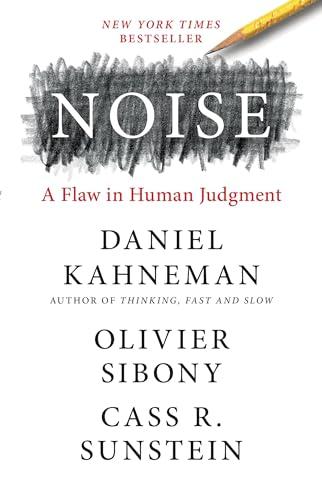
A Flaw in Human Judgment
It was discussed in great depth, with many real-world examples, such as fingerprint experts and judges, and how noise contributes to poor decision-making.
It's the subject of your new book which I read it of course loved can you tell us briefly what you mean by Noise.
— Episode: 518: Daniel Kahneman | When Noise Destro...
It was discussed in great depth, with many real-world examples, such as fingerprint experts and judges, and how noise contributes to poor decision-making.
It's the subject of your new book which I read it of course loved can you tell us briefly what you mean by Noise.
It's the subject of Dr. Kahneman's latest book, also called Noise.
The book title is Noise.
It was discussed in depth, relating to the idea of human judgment and how the variation in judgments creates errors, also covering how to reduce the noise in decision-making processes.
It's the subject of Dr. Kahneman's latest book also called Noise.
...which I read it of course loved...
...the subject of your new book which I read it of course loved can you tell us briefly what you mean by Noise...
...that's what the book is about...
...the motivation for the book was the realization that actually in terms of overall contribution to error Noise may often be more important than bias and that was something that was not a good example...
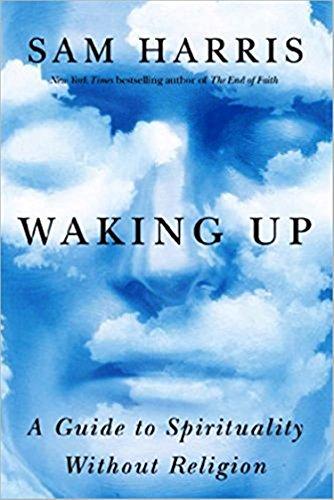
A Guide to Spirituality Without Religion
It was mentioned as a book and app that encourages listeners to gain distance from their own opinions and not react to them immediately.
I go into that, you know, much more depth in Waking Up, both the book and the app.
— Episode: 509: Sam Harris | Making Sense of the Pr...
It was mentioned as a book and app that encourages listeners to gain distance from their own opinions and not react to them immediately.
I go into that, you know, much more depth in Waking Up, both the book and the app.
Sam Harris briefly mentioned 'Waking Up' as a book and accompanying app that explores the nature of consciousness and how to gain distance from one's own opinions.
I go into that you know much more depth in Waking Up both the book and the app.
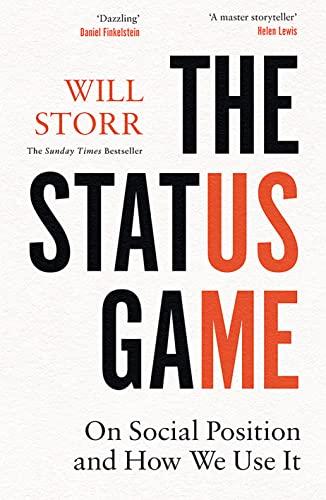
It was discussed at length, focusing on the evolutionary roots of status-seeking and how it manifests in various social settings. The book explores the three main types of status games: dominance, virtue, and success.
I did read the book and I really enjoyed it.
— Episode: 552: Will Storr | Understanding Social P...
It was discussed at length, focusing on the evolutionary roots of status-seeking and how it manifests in various social settings. The book explores the three main types of status games: dominance, virtue, and success.
I did read the book and I really enjoyed it.
one of the things I do in the book is I delineate three kinds of different status game that people tend to play there are dominance games so we blame dominance games for millions of years and most animals you know play dominance games and that's physical that's fear strength so that's a one kind of status and other kind of status is virtue you know part of our being a tribal species is that we would compete to be seen as virtuous generous putting the tribe first and you can see that in the storytelling of you know thousands of years heroes in stories are ones that put the tribe first want to put their own interests behind and the interests of the people that they care about in front that's a hero and then there's success you know competence you know when we're evolving being a competent honey finder a competent storyteller a competent you know tuber digger this was really good a really useful to the tribe so again we've evolved to attach status to competence and so your game is as a podcaster that's driving you I want to be a better podcaster you know you've been talking to me about the software that you've got is the best software it's much better than I was other bits of software for the past seven or before true I've no other let's quite cast add FM yeah exactly and that's all part of The Status Game so you can see dismissing it as just status no stages is driving you to be a better man a better person more competent more successful that is a gift to the world that is an entertainment for all of your listeners that is a gift to your family who are supported by your work in the broad of you you know he's taking Jeff Bezos and Richard Branson to the edge of space this week this drive for status who's going to be the first and these are fantastic things you know I'd you know the need for status whether it's competence or success based status or virtue based status all of the good that's done in the world is based on this strivings that people have for status
one of the things I do in the book is I go back to the very first the early days of social media which is to go back to the 80s the mid 80s probably the first social media website as we'd recognize it today was called The Well you can only get on it by you know it was like I feel war games where he put the phone in the modem and if it's a dial-in and there was only sort of it got to this you're about 500 regular users and the first internet trial turns up and starts attacking them all you know it's incredible how little things have changed they are having rouse about pronouns they're exactly the same as the rouse we're having about pronouns today like literally they were doing this and so you can see it doesn't take Mark Zuckerberg or Jack the Twitter dude to create this toxicity he just creates connecting people together and just setting them free and they'll start trying to boost their own status trying to drop off of the people's status and that's going to become toxic and you're going to get this cancel culture that we're seeing today you know it's in our human nature it's what we've done with the internet status gives us meaning in many ways and it's as necessary as oxygen or water
one of the ideas when we've become depressed it's because we're doing badly in the game we're failing to find status and because status is such a fundamental need where we feel we're lacking in status to the subconscious kind of evolve brain that signals what we're doing badly in this tribe we're going to start losing resources we're going to start losing security and so what happens is we kind of moved in a back of the cave as it were and sheltered and we the minds try to stop us going into battle with higher status people because it's too dangerous out there when people study the causes of suicide again you know incredibly complex subject it's not as simple as people have lost status but certainly in a lot of cases that's what is found it's people who have you know lost significant amounts of status and I think the people who are most vulnerable often are the ones who have lost the most status rapidly this is why I think Geoffrey Epstein did kill himself because he's just a textbook example of somebody who was up here and went down there with enormous rapidity and now that's why I suspect that I don't believe these conspiracies that it was a it was a fit-up he's just a classic case of somebody that you could expect to take their own lives and that's what they find so it's when people are going to rapidly lose status this is why the financial crisis lots of people ended up committing suicide again it's incredibly important and also when we left behind it would people become vulnerable to suicide ideation so when we stay still in all our friends and everybody around us accelerates on that could be very bad for our mental health as he says not because there's anything wrong with this is because our brains are functioning correctly their brains are putting us into an emergency mode because when we lack status that's a dangerous situation for the human animal to be in
and another sort of paper that I thought was fascinating that I quote that linked in the book was by this US lawyer former big firm lawyer now a judge in he writes an amazing detail about the process of corruption that junior kind of lawyers go through and he writes that basically you know you join your big name law firm and in two or three years you're going to become corrupted you're going to start lying and cheating as a matter of course and he says it happens to me I did it and the reason for that is that you're going to be introduced to this world in which you're comparing yourself on the basis of money to all the other all the other lawyers and twice a year the legal magazines post you know leak tables of what everyone's earning and if when get obsessed with these things and the thing about lawyers they work just incredibly hard they work every hour God sends and more you know so how do you get the edge and so the only way you can really get the edges by building four more hours and you've actually worked by making sure that you know sometimes not cooperating with the discovery process making sure documents you know go missing and stuff and he says this becomes such kind of part of second nature that it's just this inevitable process that happens for young lawyers and he says there's a line something in two or three years you go from somebody being really genuinely happy about being able to afford your first car stereo to somebody furious that you've only got a $400,000 bonus you know that's what happens to you and so that shows the power of The Status Game and just this idea that money is just a way we keep scoring that game that's what money is a proxy right yeah once we've got enough to survive and raise our children safely and feed ourselves the rest of it is just The Status Game and it was just the power that the game has to corrupt you know I thought it was very interesting paper because it just shows how easily the need for status can kind of not just since becoming less ethical people
It was discussed at length, and the main points were that status is fundamental to human nature and that it drives us to innovate and achieve, though it can also be a source of negativity and depression.
The book is called The Status Game because, you know, to our subconscious mind, it is like he's playing a game.
I think one of the main takeaways from doing all the research for me was that you're right, we don't like to admit that we were interested in our own status.
I delineate three kinds of different status game that people tend to play: there are dominance games, virtue games, and success games.
I think Geoffrey Epstein did kill himself because he's just a textbook example of somebody who was up here and went down there with enormous rapidity.
Status is relative, it's not in a fixed place, feeling on who we're with and who we're thinking about is bouncing around all over the place.
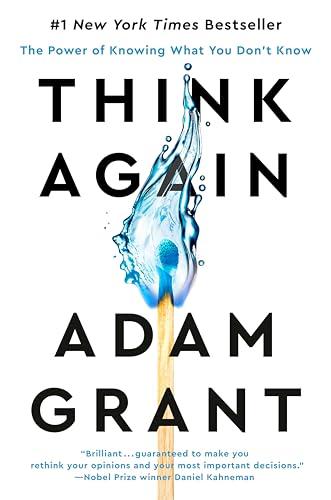
The Power of Knowing What You Don't Know
The podcast highlighted Adam Grant's new book, 'Think Again', which focuses on the importance of being open to changing your mind, especially in leadership roles and decision-making.
Today we don't change our opinions often enough. That's the focus of Adam Grant's new book here.
— Episode: 482: Adam Grant | The Power of Knowing W...
The podcast highlighted Adam Grant's new book, 'Think Again', which focuses on the importance of being open to changing your mind, especially in leadership roles and decision-making.
Today we don't change our opinions often enough. That's the focus of Adam Grant's new book here.
The reason why things evolve at all is because all these sort of crusty contancurus folks like you and me eventually we just croak and then new ideas can finally take hold.
I think it's time to rethink that. I think that last time I checked changing your mind can also be a sign of learning.
Arrogance is the combination of ignorance and conviction.
We laugh at people who use Windows 95, but we hold so strongly to opinions that we formed in 1995.
The main topic of the episode, it was discussed in depth by Adam Grant, including its epilogue, super forecasters and decision-making tactics.
I read the book out of order because I read the audio book and all the chapters were jumbled up in the version that I got because I got like a pre-release so maybe this isn't how you start the book but it's how I started the book.
the reason why things evolve at all is because all these sort of crusty contancurus folks like you and me eventually we just croak and then new ideas can finally take hold
I think we've underestimated how willing people are to change their minds and I think we've underestimated in part because we have the wrong strategies for trying to open their minds but also because we live in a world that holds consistency up as a virtue.
arrogance is the combination of ignorance and conviction
we laugh at people who use windows 95 but we hold so strongly to opinions that we formed in 1995
Note: The book recommendations on this page are discovered automatically from podcast transcripts, and may be incorrect or incomplete.
Podcast Name