Essentialism
Greg McKeown
Mentioned 4 months ago
BONUS | 3 Practices to Improve Your Life In a Week

For centuries, all sorts of people—generals and politicians, athletes and coaches, writers and leaders—have looked to the teachings of Stoicism to help guide their lives. Each day, author and speaker Ryan Holiday brings you a new lesson about life, inspired by the thoughts and writings of great Stoi...
Recently mentioned
Greg McKeown
Mentioned 4 months ago
BONUS | 3 Practices to Improve Your Life In a Week
Bronnie Ware
Mentioned 4 months ago
BONUS | 3 Practices to Improve Your Life In a Week
Marcus Aurelius
Mentioned 4 months ago
This is How You Win the Day | Circumstances Have No Care For Our Feelings
Ryan Holiday
Mentioned 4 months ago
This is How You Win the Day | Circumstances Have No Care For Our Feelings
Epictetus
Mentioned 5 months ago
Simple Stoic Rules That Actually Change Your Life
Jim Mattis
Mentioned 5 months ago
What A Wonderful Thing to Measure | Stoic Strategies for Becoming More Resilient
Steven Pressfield
Mentioned 5 months ago
If You Only Read a Few Books This Year, Read These
Leo Tolstoy
Mentioned 5 months ago
If You Only Read a Few Books This Year, Read These
Dr. Becky Kennedy
Mentioned 5 months ago
If You Only Read a Few Books This Year, Read These
Morgan Housel
Mentioned 5 months ago
If You Only Read a Few Books This Year, Read These
Anne Morrow Lindbergh
Mentioned 5 months ago
If You Only Read a Few Books This Year, Read These
Bill Perkins
Mentioned 5 months ago
If You Only Read a Few Books This Year, Read These
Escape 9-5, Live Anywhere, and Join the New Rich
It was given to Brent as a gift after he quit banking and traveled for six months. The mentality behind it was described as cool.
my other best friend from growing up gave me a pirated copy of the four hour week like line wire and i was like oh like there's another way to live here like you can you know whether the methods are s...
— Episode: Finding Purpose In An Abandoned Ghost To...
It was given to Brent as a gift after he quit banking and traveled for six months. The mentality behind it was described as cool.
my other best friend from growing up gave me a pirated copy of the four hour week like line wire and i was like oh like there's another way to live here like you can you know whether the methods are still applicable today like the mentality behind it is really cool
It was mentioned that the guest chapter by AJ Jacobs, about outsourcing his life with virtual assistants, is particularly memorable to readers, while the chapter on "filling the void" is often overlooked, which can lead to problems later in life. A percentage of the profits from this book were donated to charity.
in the four hour work week the funny enough one of the things that people always remembers the guest chapter by a j Jacobs about outsourcing his life with virtual assistance but they tend to miss and this is going to lead into my question the filling the void chapter
since the first book you're right that a portion has been donated to different non-profits or causes
five percent of the royalties of the four hour work week it's not a small amount of money
Ali Abdaal mentioned this book and its impact on his thinking about financial freedom and the pursuit of a life less dictated by financial need.
And so I knew from when I first discovered the four-hour work week that right the objective is going to be to build these sources of income on the side so that when I do medicine it's genuinely because I enjoy it and not because I need the money.
The True Story of a Sensational British Murder, a Quest for Justice, and the World's Most Famous Detective Writer
The speaker mentioned his book "Justice" was coming out shortly after the podcast recording and that it could be pre-ordered.
So it's also seems crazy that Justice is coming out here very, very shortly, which by the way, you can pre-order at dailystoic.com slash justice.
— Episode: Do You Really Have Time For This? | GitH...
The speaker mentioned his book "Justice" was coming out shortly after the podcast recording and that it could be pre-ordered.
So it's also seems crazy that Justice is coming out here very, very shortly, which by the way, you can pre-order at dailystoic.com slash justice.
Ryan Holiday mentions a Justice book that he was working on.
In fact, I have a little note card here on my desk that I wrote while I was doing the Justice book.
The Jungle, an expose of the meatpacking industry, was mentioned as inspiration for the author's book. Its impact and relevance were discussed in relation to understanding news manipulation.
if you read The Jungle as a kid in high school or whatever eptanson clears expose of the meat packing industry then i strongly suggest you read his book the brass check which is actua...
— Episode: There Needs To Be Outlets | Keeping “The...
The Jungle, an expose of the meatpacking industry, was mentioned as inspiration for the author's book. Its impact and relevance were discussed in relation to understanding news manipulation.
if you read The Jungle as a kid in high school or whatever eptanson clears expose of the meat packing industry then i strongly suggest you read his book the brass check which is actually an expose of the news industry around the same time and sadly almost nothing this changed
The book, an expos of the meatpacking industry, was mentioned as a work that, if read in the past, makes reading the author's book, Trust Me, I'm Lying, a good idea.
if you read The Jungle as a kid in in high school or whatever epton Sinclair's expose of the meatpacking industry then I strongly suggest you read his book The Brass Check which is actually an expose of the news industry around the same time and sadly almost nothing has changed
My Journey Into Life's Perfection
The Surrender Experiment was mentioned as a book about a person who prioritized meditation and ended up becoming a billionaire. The key takeaway was the idea of surrendering to life.
but another book for me is the is it called The Surrender Experiment who okay yeah we check this out yes surrendering to life it's about the person who digitize I think medical medica...
— Episode: Chef Kwame Onwuachi on Overcoming Advers...
The Surrender Experiment was mentioned as a book about a person who prioritized meditation and ended up becoming a billionaire. The key takeaway was the idea of surrendering to life.
but another book for me is the is it called The Surrender Experiment who okay yeah we check this out yes surrendering to life it's about the person who digitize I think medical medical records or medical insurance I forget what he did but he just wanted to meditate in the he was a hippie in the you know in the 60s and just wanted to meditate in the forest with his shoes off and he kept like running into things that were guiding him and he just surrendered and surrendered and surrendered and I think he ended up becoming a billionaire from that and he was never that was never his goal it wasn't trying to do any of that and his shows of just like surrendering to the game of life surrendering to life and the power of saying yes and how that could change your life and also saying no when when it goes against your values but just The Surrender Experiment
This book was mentioned as having been read by Bob Bowman and shared with athletes, as it provides different ways to think about life.
I did all the Mickey singer books you ever read this the surrender
The speaker mentioned this book as an example of Stoic philosophy resonating across cultures.
There's The Bhagavad Gita there.
— Episode: Do You Really Have Time For This? | GitH...
The speaker mentioned this book as an example of Stoic philosophy resonating across cultures.
There's The Bhagavad Gita there.
It was mentioned among other ancient myths and epics as examples of timeless stories that have resonated through history.
The Bhagavad Gita is of course, another one. Just these myths.
The book was mentioned in relation to spirituality and overcoming adversity, with the speaker referencing the idea that one is "entitled to the labor but not the fruits of the labor."
Lord Krishna was talking about...3000 years ago, 3500 years ago...that is in the Talmud, that is in the Bhagavad Gita...
you are not entitled to the fruits of the labor, just the labor
I'm going to read from the second greatest book next to the Bhagavad Gita...
Ryan Holiday mentioned reading this book and noted its recurrent idea about everything being a process, and that being results-driven is misaligned with oneself.
I had just finished reading the bag of a uh Gita mm-hmm and if you read that mm-hmm so just this recurrent idea through all of it about how it's like basically looks like everything is a process and as soon as you become results driven you are no longer aligned with yourself or aligned with god
The Secret History of the Sackler Dynasty
The book examines the opioid crisis and contains a quote about grief from the loss of a child being a lifelong weight on one's soul; this quote was used to illustrate the weight of loss carried by Marcus Aurelius and Seneca.
Grief from the loss of a child is not a process. "It's a lifelong weight upon one's soul."
— Episode: They Felt This Weight | Don't Make Thing...
The book examines the opioid crisis and contains a quote about grief from the loss of a child being a lifelong weight on one's soul; this quote was used to illustrate the weight of loss carried by Marcus Aurelius and Seneca.
Grief from the loss of a child is not a process. "It's a lifelong weight upon one's soul."
It was described as a fascinating book that reveals the greed behind the Sackler family and the opioid crisis. The speaker had picked it up at a bookstore while on vacation.
As the fascinating book Empire of Pain by Patrick Radden Keefe reveals, it was definitely greed.
I picked up at a bookstore on vacation at the beach earlier this year. Fantastic.
The Lost Art of Accomplishment Without Burnout
Cal Newport's book was discussed in relation to the benefits of walking and productivity.
And actually I had Cal Newport on the podcast recently and we were talking about his book Slow Productivity, and I asked him specifically about the relationship between productivity a...
— Episode: Listen To Your Own Soul’s Warning | Cal...
Cal Newport's book was discussed in relation to the benefits of walking and productivity.
And actually I had Cal Newport on the podcast recently and we were talking about his book Slow Productivity, and I asked him specifically about the relationship between productivity and walking.
Someone was reading this book at Krause Springs, which the host thought was the perfect place to be reading it.
Someone was reading Cal Newport's book, Slow Productivity, which I just thought was the absolute perfect place to be doing that.
The podcast discussed Cal Newport's book, "Slow Productivity," focusing on its concepts of accomplishment without burnout, autopilot, indispensability, and seasonality in work and life. The discussion highlighted the importance of prioritizing deep work and identifying the most impactful tasks.
Cal always does subtitles well.
We talked about Slow Productivity. We talked about autopilot. We talked about how to be indispensable. When to take that big swing when to really bet on yourself at use the leverage you've accumulated. And then we talked about pseudo productivity in the thing.
There's a time and place you go through phases. You're not just doing the same thing every day, which is more my style. And I think Cal really spoke well about seasonality.
His book Slow Productivity, Digital Minimalism, Deep Work and one of my favorites so good they can't ignore you.
Ryan Holiday discussed Cal Newport's book, "Slow Productivity: The Lost Art of Accomplishment Without Burnout." He mentioned enjoying the book and highlighted stories within it about John McFee, a favorite author of his.
Cal came out to the bookstore to do the podcast, he's on tour for his incredible new book, Slow Productivity which I absolutely loved. The subtitle is The Lost Art of Accomplishment Without Burnout and by the way some great stories in this book about John McFee who was one of my all time favorite authors.
Why Skills Trump Passion in the Quest for Work You Love
A chapter in this book was discussed, focusing on a woman who quit her job to pursue her passion for yoga without considering the practical implications. The discussion highlighted the importance of channeling passions effectively rather than being controlled by them.
there's a great you know there's a great chapter in cow newport's book which we I know we talked about them last time but you know I was just talking about this and his book so good you can't ignore t...
— Episode: This Isn’t The Way To Practice Detachmen...
A chapter in this book was discussed, focusing on a woman who quit her job to pursue her passion for yoga without considering the practical implications. The discussion highlighted the importance of channeling passions effectively rather than being controlled by them.
there's a great you know there's a great chapter in cow newport's book which we I know we talked about them last time but you know I was just talking about this and his book so good you can't ignore they can't ignore you it talks about like I think it's a woman who is really unhappy with her job and her passion was yoga so she quits her job in a sort of a way that she's not going to be able to do it.
Ryan Holiday referenced this book and its relevance to the discussion of dissatisfaction with work and the impulsive decision to follow one's passions, a concept the book explored. The podcast also connected the book to the discussion about the 'YOLO economy'.
Read his book, Digital Minimalism. Definitely read Deep Work. Definitely read So Good They Can't Ignore You.
Yeah, I think we're going to see a lot of that and it's going to be an issue that the pressure got really intense to do some sort of deep reset, which is the term I like to use. But as I talk about, So Good They Can't Ignore You, we're bad at that. At least our instincts of that are bad.
Yeah, I think suddenly that book is way more relevant than it's been recently because everyone is thinking about these type of transitions.
The host mentioned this book as one of Cal Newport's works, implying it's noteworthy, alongside "Deep Work" and "Digital Minimalism".
And most recently, Digital Minimalism and his new planner, the Time Block Planner, a daily method for deep work in a distracted world.
And of course, if you haven't read Deep Work, Digital Minimalism, we're So Good They Can't Ignore You. You are definitely missing out.
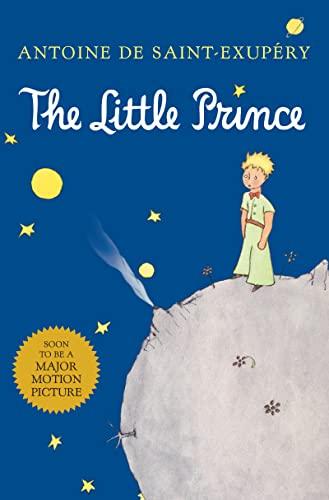
The speaker cited a quote from this book where the prince said that vain men only hear praise. The speaker then compared this to marketing and said that if you only market your product based on how it makes you feel, then you will miss the actual point of marketing.
In The Little Prince, if you guys remember this as a kid or maybe you've read it to your own kids, he has this great line. He says, vain men never hear anything but praise.
— Episode: Taming the Ego | Overcoming the Enemy Wi...
The speaker cited a quote from this book where the prince said that vain men only hear praise. The speaker then compared this to marketing and said that if you only market your product based on how it makes you feel, then you will miss the actual point of marketing.
In The Little Prince, if you guys remember this as a kid or maybe you've read it to your own kids, he has this great line. He says, vain men never hear anything but praise.
The book's concept of responsibility for what one has tamed is discussed in relation to the speaker's experience with farm animals and ethical decision-making regarding their care.
if you read The Little Prince...he says we're responsible for what we've tamed
The podcast host used this book as a model for his own book, highlighting its ability to appeal to both children and adults on different levels.
But the big model for me and this is why I wanted to talk to you about it was The Little Prince, because you have this sort of fantastical surreal kind of adventure story for kids. It's also operating on this totally different level for adults.
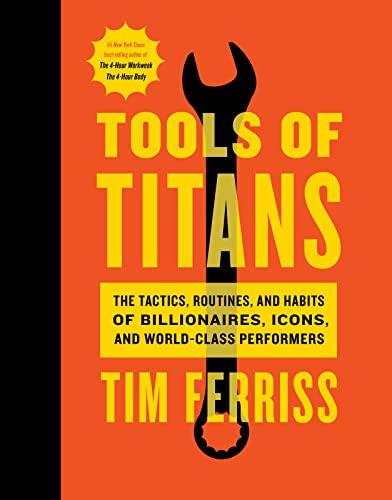
The Tactics, Routines, and Habits of Billionaires, Icons, and World-Class Performers
This book, along with others by the same author, was promoted at the end of the podcast as highly recommended listening. It was described as offering unique insights into the habits and routines of successful individuals.
if you haven't read the four hour work week or the Tools Of Titans or the four hour body or the four hour chef any of his books you are really missing out
— Episode: Tim Ferriss On Generosity And Dealing Wi...
This book, along with others by the same author, was promoted at the end of the podcast as highly recommended listening. It was described as offering unique insights into the habits and routines of successful individuals.
if you haven't read the four hour work week or the Tools Of Titans or the four hour body or the four hour chef any of his books you are really missing out
The book was mentioned in relation to a story about a man who was nearly hit by a stray bullet that ended up lodged in the book, highlighting the unexpected nature of life and the concept of second chances.
I saw this thing this guy was sitting in his living room and uh stray bullet comes through the window berries in a book behind his head actually in Tim Ferriss's tools for Titans I think just right behind his head just sitting there bullet gets buried you know misses him by a couple inches he's not in a war zone he's in his freaking house
It features a chapter written by Kevin Kelly; the book was mentioned in passing as one of several works in which the author appeared.
He has a great chapter in Tim Ferriss's book, Tools Of Titans.
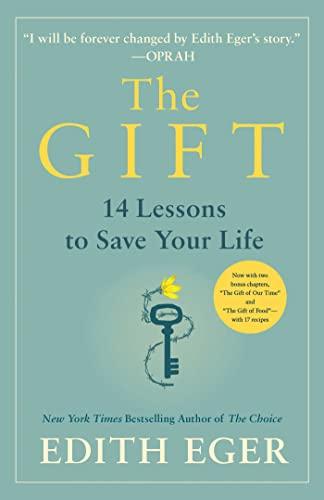
14 Lessons to Save Your Life
This book, along with "The Choice," was praised by Ryan Holiday, who mentioned carrying both books with him and loving them.
the choice. Let me find them both sorry. The choice and The Gift both two books I carry the paid report. I love them quite a bit.
— Episode: The Power Of Purpose
This book, along with "The Choice," was praised by Ryan Holiday, who mentioned carrying both books with him and loving them.
the choice. Let me find them both sorry. The choice and The Gift both two books I carry the paid report. I love them quite a bit.
The Gift: 12 Lessons to Save Your Life, another book by Dr. Eger, was also positively reviewed by the podcast host. It was described as a book he had raved about.
I have raved about Dr. Eager's book The Gift 14 Lessons To Save Your Life and the choice embrace the possible both of which we sell at the Painted Port shall I'll link to those
Ryan Holiday mentioned Dr. Eger's new book, "The Gift," expressing excitement about its release and referencing her impactful TED Talk.
Her new book, The Gift, I just ordered. I'm very excited about her TED Talk is also incredible. It was truly an honor to do this interview with Dr. Edith Eger.
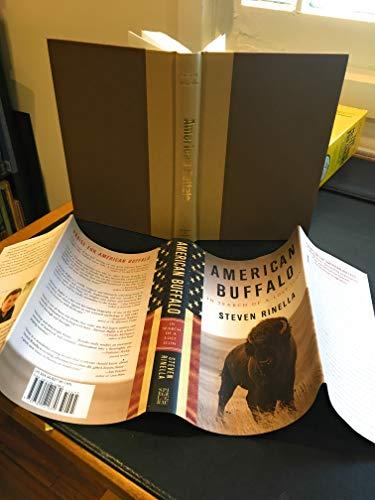
In Search of a Lost Icon
It was described as an amazing book about a hunt, telling a great story of the American West and megafauna in the United States; it was considered one of the speaker's all-time favorites.
Steve Rinella wrote this amazing book called American Buffalo which is about this hunt and he goes on for American Buffalo tells great story of the American West and...
— Episode: Steven Rinella On Rockhounding, Stoic Wi...
It was described as an amazing book about a hunt, telling a great story of the American West and megafauna in the United States; it was considered one of the speaker's all-time favorites.
Steve Rinella wrote this amazing book called American Buffalo which is about this hunt and he goes on for American Buffalo tells great story of the American West and Megafauna in the United States one of my favorites we sell that in the painting porch
one of my all time favorites
The podcast host mentioned rereading this book and reflecting on a line from it about considering the thoughts and experiences of those who lived before us. He recalled frequently thinking about the line and its implications.
I just reread American Buffalo which I told you is one of my favorites but even though I hadn't read it in probably 10 years I think about a line in the book like probably once a week it's the scene you find this Buffalo skull and you pick it up and you start sort of asking yourself these questions about like who shot at first like who found it first like I think you have it you're like what did this person think about this what time did they wake up in the morning what did they think about God I think about that question all the time whenever I come across something really old like this is a this building I'm talking to you and it's like 100 and something years old I think about like the person that sat in this room before me and like what went through their head what their understanding of the world was like and that that line in the book has always struck me as a very beautiful encapsulation of that idea
It was described as a wonderful book that details a hunting trip to Alaska and discusses the fine line between being practical and being reckless.
there is a fine line between being practical and being a candy ass which is a word that Steve's father used to describe someone who was the opposite of tough.
It was described as one of the greatest books ever written about America, the West, hunting, and nature; it contains a memorable scene where the reader is encouraged to contemplate the life of the person who first found a buffalo skull.
I reread it earlier this year. I love it. We carried the paint approach. You have to read American Buffalo seriously. One of my all-time favorite books.
I think about that question all the time whenever I come across something really old
It's the scene you find this Buffalo skull and you pick it up and you start sort of asking yourself these questions about like who shot it first? Like who found it first? Like I think you have it you're like what did this person think about this? What time did they wake up in the morning? What did they think about God?
The Disciplined Pursuit of Less
Essentialism is a book about saying no to non-essential things, focusing on what matters the most.
I'm actually reading a book right now called Essentialism. Greg McKeown, he says when we say yes to all opportunities and things that are put before us, we're saying no to the essenti...
— Episode: All Success Comes From This | 9 Stoic Ti...
Essentialism is a book about saying no to non-essential things, focusing on what matters the most.
I'm actually reading a book right now called Essentialism. Greg McKeown, he says when we say yes to all opportunities and things that are put before us, we're saying no to the essential stuff that we were put here to do.
The book was briefly mentioned in a context criticizing those who only skim or read summaries of books instead of engaging with the full text. This was contrasted with the Stoics' approach to deep reading and understanding.
You bought meditations and you skimmed it. You read the summary of antifragile or Essentialism on one of those business sites.
It was described as a core Stoic concept, focusing on identifying and prioritizing essential tasks to improve tranquility and efficiency. The speaker mentioned enjoying the book's design and graphics.
Essentialism to me is a core Stoic concept. Marx really says, every day you should ask yourself this question with everything that you do. He says, is this essential? And he says what you find is that most of what you do is not essential. Most of what you say is not essential. And when you eliminate that, not only do you have more tranquility, he says you get the double benefit of doing fewer things better.
So if you haven't read Essentialism, you absolutely should.
I find that his books are just brilliantly designed too. He's got really cool graphics in them and art. Ironically, they're very simple designs. They're like sort of line drawings, which I think goes to the point, which is that little things can make a big difference. Little things done well make all the difference.
I really enjoyed both these books.
The speaker learned from the author that when the word 'priority' entered the English language in the 1500s, it was singular, suggesting the modern concept of having multiple priorities contradicts its original meaning.
I learned from Greg McKeown a few years ago that when the word priority came into the English language in the 1500s, that it was only a singular word.
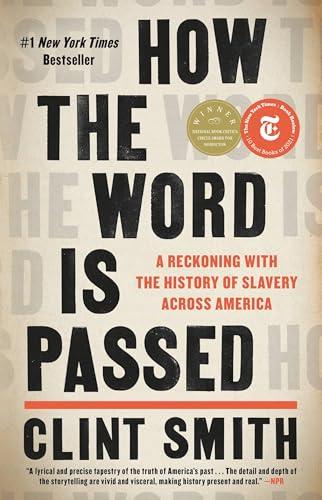
A Reckoning with the History of Slavery Across America
This book was mentioned in a discussion about the complexities of American history, particularly regarding statues of Confederate figures and the legacy of slavery. It was mentioned as a relevant and helpful resource for understanding this history.
I would have mad there's actually a great book called How the Word is Past yeah that's the book yeah yeah that's one word is passed
— Episode: Tony Gonzalez on Becoming Your Best Self
This book was mentioned in a discussion about the complexities of American history, particularly regarding statues of Confederate figures and the legacy of slavery. It was mentioned as a relevant and helpful resource for understanding this history.
I would have mad there's actually a great book called How the Word is Past yeah that's the book yeah yeah that's one word is passed
It was described as one of Ryan Holiday's favorite books of the year. The book is a travel memoir focusing on historical sites in America and their connection to American history.
one of my favorite books of the year, How the Word is Past by Clint Smith.
It was described as a travel memoir and historical narrative, exploring controversial and provocative monuments and landmarks related to American slavery. The book's exploration of the Angola prison, a former plantation, was highlighted.
His book How the Word is Past, A Reckoning with the History of Slavery Across America was an instant number one New York Times bestseller.
It starts out in New Orleans, it ends all the way at a slave market in Africa. He stops in at a Confederate cemetery.
Some of the most fascinating writing that he does is about the Angola prison, a former plantation turned maximum security prison in Louisiana.
This is a great book. You absolutely should read it and I really enjoyed my conversation with him and I'm excited to bring it to you.
Check out his book How the Word is Past, A Reckoning with the History of Slavery in America
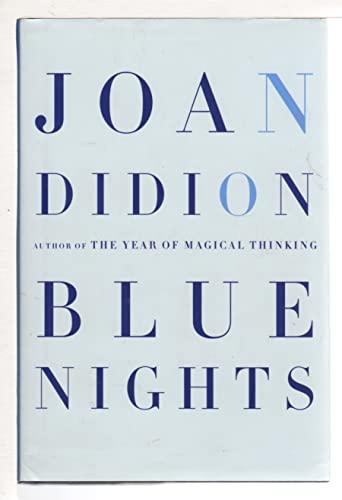
It was mentioned as a book where Didion reckoned with what it must have been like to be her daughter and where she grappled with the regret of not being empathetic enough. The book also explores the complexities of motherhood and the author's reflections on her parenting.
I mean, I, I took a lot of that from Blue Knights. Like, you get the sense that she is a John Didion is reckoning for the first time having lost her daughter with what it must have actually been like...
— Episode: Author Evelyn McDonnell On Joan Didion’s...
It was mentioned as a book where Didion reckoned with what it must have been like to be her daughter and where she grappled with the regret of not being empathetic enough. The book also explores the complexities of motherhood and the author's reflections on her parenting.
I mean, I, I took a lot of that from Blue Knights. Like, you get the sense that she is a John Didion is reckoning for the first time having lost her daughter with what it must have actually been like to be her daughter, like to actually be that person.
And you get the sense that she was really wrestling with that after having lost her daughter.
And I think that that, that's part of her, you know, her guilt and anxiety is, is that she, she didn't realize she wasn't prepared. And she, when he was saying, I can't deal with it, she didn't, she thought he was just, you know, trying to bail instead of saying I'm literally, literally cannot deal with this.
Or was she really struggling in ways that I was blind to and should have been more compassionate and understanding? And how do they contribute to the problems that she had later in life?
The podcast host mentioned it as one of Didion's books with incredible Stoic themes, and a passage from it was discussed regarding a moment of happiness juxtaposed with the knowledge of future tragedy.
And someone I've read all her stuff, and there's incredible stoke themes in Blue Nights, a year of magical thinking.
And then the last one, the most beautiful, and haunting, which is a sort of memento mori exercise, she talks about this in Blue Nights, she's at the church watching her daughter get married.
It was described as a hauntingly beautiful book about the death of the author's father and other family crises. The speaker highly recommended reading it.
Joan Didion writes hauntingly in her beautiful book Blue Nights which you should absolutely read.
The book was referenced for a paragraph in which the author describes a moment where she reflects on her life and the unexpected events that happened. It emphasizes the unpredictability of life and the importance of appreciating the present moment.
Have you read Blue Nights by Joan Didion?
so this is her table is it in the bookshop i'm sorry this is this is her table like this is the table her family would have like dinner and she there's this paragraph in the book where she's at her daughter's wedding this is like July 2003 and she's walking on the street she says I wonder if someone walking down Amsterdam Avenue saw the mother of the bride and thought before this year is out her husband will be dead at their table and her daughter will be in a medically induced coma and like leave this world like just a few months later and so you think these things happen to other people and she she talked about this her her she was sitting in her kitchen with her husband and he just keeled over and died and uh I believe a heart attack no a brain in yourism and she rushed to the to the fridge where she had like the number for emergency service like for the hospital and she she said I remember writing that number down and putting it on the fridge in case somebody in the building needed it right like you never think it's gonna happen to you you think these are things that happen to other people and so there's this kind of arrogance or entitlement this idea that we're the exception to the rule that won't happen to us and this is why we put stuff off this is why we you know take people or things for granted and then it does happen and it's not just loss it's like hey I have a platform I get to do this you know dream job but also like it can be taken from you you can fuck it up the rules of the game can change you can be the victim of an injustice like you don't know how long you get to do it so to not enjoy it while you do it and we're worse to procrastinate or to defer is you know a rejection of the gift that is the present moment.
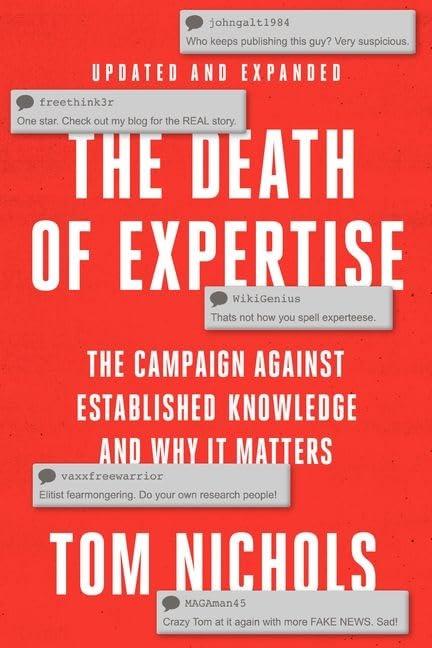
The Campaign against Established Knowledge and Why it Matters
This book was recommended as a good read, highlighting the modern trend of people believing they know better than experts, even without sufficient knowledge. The author was also a past guest on the podcast.
There's a great book that I recommend I carried in the bookstore and I had them on the podcast a while back by Tom Nichols called The Death of Expertise, right?
— Episode: Are You Showing Them How To Be A Student...
This book was recommended as a good read, highlighting the modern trend of people believing they know better than experts, even without sufficient knowledge. The author was also a past guest on the podcast.
There's a great book that I recommend I carried in the bookstore and I had them on the podcast a while back by Tom Nichols called The Death of Expertise, right?
The Death of Expertise was recommended as a book that explores the idea that people think they know better than experts.
There's a great book that I recommend I carried in the bookstore and I had them on the podcast a while back by Tom Nichols called The Death of Expertise, right?
The podcast host described this book as a "must-read", particularly relevant to the current times, highlighting its discussion of the assault on modern thinking and the rise of misinformation.
I was very glad to talk with Tom Nichols on the assault on modern thinking his book The Death of Expertise is a must must read definitely a book for and of these times to check that out
It was discussed as being prescient about the vulnerabilities of the media system and the disrespect for established knowledge, even though expertise still exists. The author wished he had been less correct about the issues it highlighted.
It doesn't feel good to be right about something terrible. I would trade all the copies that that book has sold to have been 20% less correct.
The Death of Expertise is a title...Some people said, aha, seeing you mean the failure of expertise and I meant no, the death of the respect for expertise because expertise exists.
I meant the death of the respect for expertise because expertise exists. I mean we all use it every day even though we talk about you know, oh I don't like experts and I don't want to listen to the egg heads.
the way we got here was this rapid and unchecked growth of narcissism beginning sometime in the early 70s where people simply said you know I don't have to listen to experts because I am to use Richard Hofstetter's wonderful world. I am omnicompetent.
it was this weird narcissistic childlike insistence that it's not just that I don't trust experts but I am smarter than experts
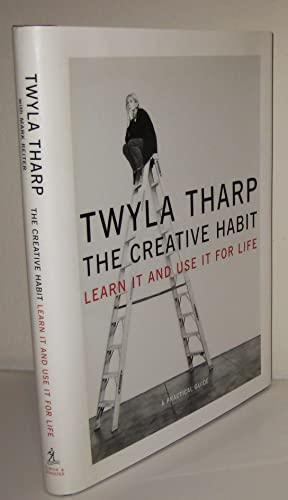
Learn It and Use It for Life
Twyla Tharp describes the importance of routine in her book. She says that once she gets in the car in the morning, the rest of her day takes care of itself.
She's saying that all she basically has to do in the morning is get downstairs into the cab.
— Episode: You’ve Got Another Think Coming | How To...
Twyla Tharp describes the importance of routine in her book. She says that once she gets in the car in the morning, the rest of her day takes care of itself.
She's saying that all she basically has to do in the morning is get downstairs into the cab.
If she gets downstairs into the cab, the rest takes care of itself because then she has, she gets in the studio, she gets inside.
The book was mentioned in relation to the author's morning routine and the feeling of victory upon starting the day. A quote from the book about already winning once leaving the apartment was discussed.
there's this dancer name is Twila Thorpe she wrote this book called The Creative Habit and she's talking about she gets up she starts a routine and she's like when I leave my apartment and I'm waiting for the cab she's like I already won
This book was mentioned in relation to the willpower needed for swimming. The author discusses how the mental preparation leading up to an activity is crucial for success.
I read this there's this great book called the The Creative Habit by Twilith Art but she's a great choreographer and she was saying like for her the workout is actually it's from waking up getting dressed walking down stairs and getting in the cab if she can do that then the workout will happen right because like once she gets in the cab to go to the studio she's never she's never not not followed through from there but if she doesn't do the the proceeding steps to start the process obviously nothing else can happen and I feel like really the willpower in swimming is is the I'm willing to jump in the cold water at 6 a.m. and swim those couple crappy laps that's the the what separates the the amateurs from the professionals
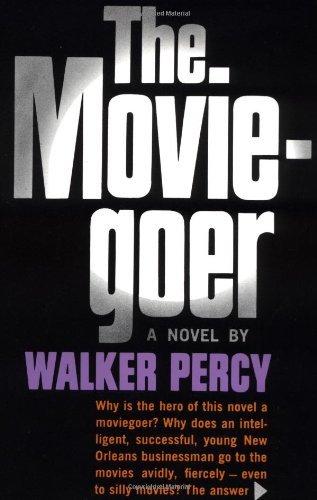
The speaker described a passage from the book about a man struggling to find meaning in his life and receiving guidance from his stoic aunt. He said the book has stoic themes despite not being explicitly Stoic.
Favorite books, novels of all time, this is the movie going by Walker Percy.
— Episode: What Does Your Calendar Say? | 12 (Stoic...
The speaker described a passage from the book about a man struggling to find meaning in his life and receiving guidance from his stoic aunt. He said the book has stoic themes despite not being explicitly Stoic.
Favorite books, novels of all time, this is the movie going by Walker Percy.
It's not exactly stoic, although there is a bunch of stoic themes.
Walker Percy was introduced to stoicism by his uncle Will Percy.
And there's this amazing passage in the book. Let me find it real fast.
He's struggling.
He has this sort of stoic aunt who tries to give him something to lead on.
His world kind of feels like it's spinning out of control. He doesn't know what's important, what he should try to do, who he should try to be.
This is what his aunt Emily says.
She says, I don't know what we're doing on this insignificant cinder spinning away in a dark corner of the universe.
That is a secret which the high gods have yet confided in me.
Yet one thing I believe, and I believe it with every fiber of my being. A man must live by his lights and do what little he can and do it as best he can.
In this world, goodness is destined to be defeated.
But a man must go down fighting.
That is the victory.
To do anything less is to be less than a man.
The podcast discussed this novel, noting a significant passage from Marcus Aurelius included in it and the influence of Stoic philosophy. It was referenced in relation to Richard Ford's "The Sportswriter".
There's a big passage from Marcus Aurelius in The Moviegoer that the aunt recites, and the aunt is modeled on William Alexander Percy, who introduces Walker to Stoic philosophy.
I love the moviegoer. Go read Richard Ford right after reading the moviegoer. It's so clear. What is it, The Sportswriter? Yeah. It's so clear, the influence.
No, it's such a brilliant novel. And then the stoicism... He's almost presenting the stoicism as the antiquated thing that he's getting away from. But it is a fascinating book with a lot of stoicism in it.
This novel was discussed in the context of Southern Stoicism and its influence on other works, specifically Richard Ford's The Sportswriter. A big passage from Marcus Aurelius is recited by the aunt, who is modeled on William Alexander Percy.
There's a big passage from Marcus Aurelius in The Moviegoer that the aunt recites, and the aunt is modeled on William Alexander Percy, who introduces Walker to Stoic philosophy.
I love the moviegoer. Go read Richard Ford right after reading the moviegoer. It's so clear. What is it, The Sportswriter? Yeah. It's so clear, the influence.
The speaker referenced this novel when mentioning the saying that the Age of Catos is gone, noting that Percy wrote this sentiment in 1961, which still feels relevant today.
As Bink Bowling says in the Walker Percy novel The Moviegoer, the Age of Catos is Gone.
As Aunt Emily tells Binks in The Moviegoer, a man must live by his lights and do what little he can and do it as best he can.
This book was about the murder of three civil rights workers in Mississippi.
Oh, like I just read this book, three lives from Mississippi about, um, the, the murder of those three civil rights workers. Like there's murder is not a federal crime.
— Episode: Steven Pressfield Painted Porch Book Tou...
This book was about the murder of three civil rights workers in Mississippi.
Oh, like I just read this book, three lives from Mississippi about, um, the, the murder of those three civil rights workers. Like there's murder is not a federal crime.
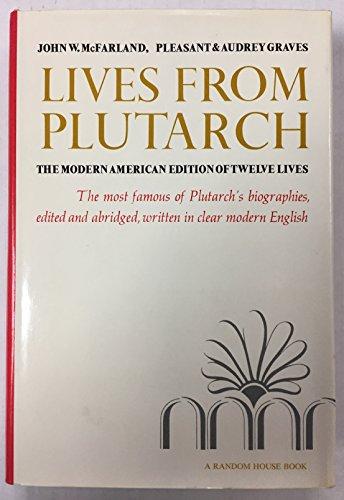
The speaker expressed an interest in reading a book about Plutarch after the interviewee mentioned a grant he received to write a book about him. The interviewee discussed Plutarch's work and its relevance to Roman rule and political psychology.
I want to nerd out about this because I would love to read that book. So tell me what that was and let's talk about Plutarch.
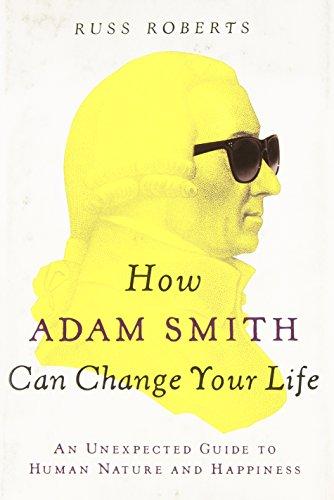
An Unexpected Guide to Human Nature and Happiness
The book How Adam Smith Can Change Your Life by Russ Roberts was mentioned as another great book that had a similar subtitle to Lessons From An American Stoic. Both books were recommended and featured at the Painted Porch.
Funny enough, there's another book that matches the subtitle that I also love, How Adam Smith Can Change Your Life by my friend Russ Roberts.
— Episode: Self-Reliance and the Confidence in Trus...
The book How Adam Smith Can Change Your Life by Russ Roberts was mentioned as another great book that had a similar subtitle to Lessons From An American Stoic. Both books were recommended and featured at the Painted Porch.
Funny enough, there's another book that matches the subtitle that I also love, How Adam Smith Can Change Your Life by my friend Russ Roberts.
Also great. Carry that in the painted porch. There's a stoic connection there too.
This book, written by Russ Roberts, explores a concept similar to Seneca's 'Kato'--the impartial spectator--which helps guide actions.
The economist Adam Smith had a similar concept, which he called the impartial spectator.
It's called Adam Smith Can Change Your Life, We Care It At The Painting Port. It's a must read.
The book was described as wonderful and sparked the host's interest in Adam Smith's philosophical work. The host mentioned buying and sending copies to friends, highlighting his strong positive reaction to the book.
My editor, Nikki Papadopoulos, many years ago gave me this wonderful book called How Adam Smith Can Change Your Life by Russ Roberts, which also turned me on to Adam Smith's more philosophical work.
I ended up buying copies and sending them to all my friends, carrying them at the paint and porch; if you haven't read either, you absolutely should.
The podcast host mentioned this book by his friend Russ Roberts, which contains a concept similar to Seneca's impartial spectator.
The line from Adam Smith is in the wonderful book by my friend Russ Roberts which you should check out. It's called Adam Smith can change your life, we carried it at the painting porch. It's a must read.
Note: The book recommendations on this page are discovered automatically from podcast transcripts, and may be incorrect or incomplete.
Podcast Name