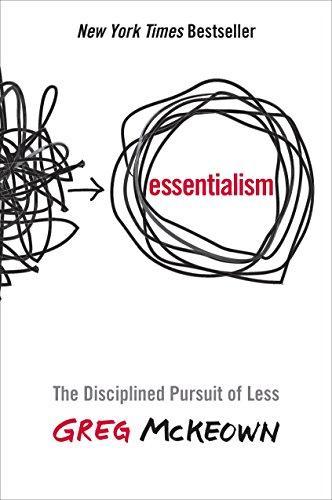
Essentialism
Greg McKeown
Mentioned 4 months ago
BONUS | 3 Practices to Improve Your Life In a Week
For centuries, all sorts of people—generals and politicians, athletes and coaches, writers and leaders—have looked to the teachings of Stoicism to help guide their lives. Each day, author and speaker Ryan Holiday brings you a new lesson about life, inspired by the thoughts and writings of great Stoi...
Recently mentioned
Greg McKeown
Mentioned 4 months ago
BONUS | 3 Practices to Improve Your Life In a Week
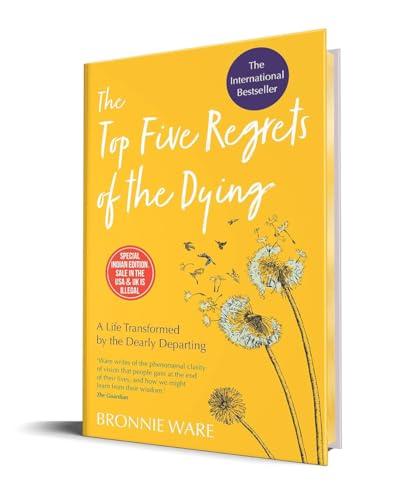
Bronnie Ware
Mentioned 4 months ago
BONUS | 3 Practices to Improve Your Life In a Week
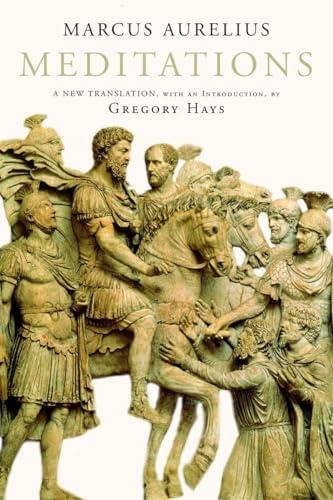
Marcus Aurelius
Mentioned 4 months ago
This is How You Win the Day | Circumstances Have No Care For Our Feelings
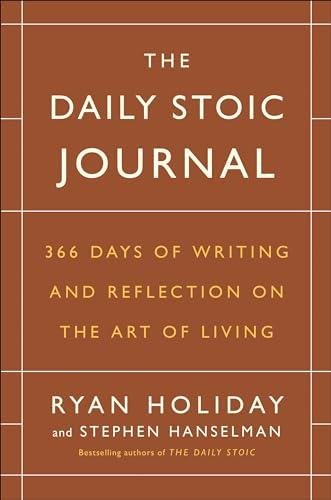
Ryan Holiday
Mentioned 4 months ago
This is How You Win the Day | Circumstances Have No Care For Our Feelings
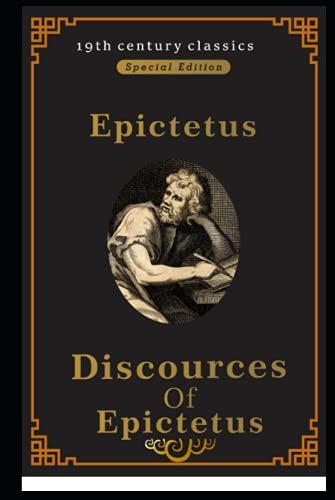
Epictetus
Mentioned 5 months ago
Simple Stoic Rules That Actually Change Your Life
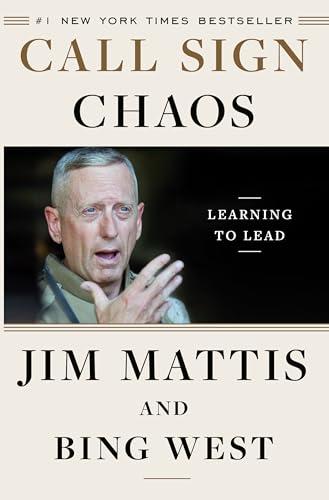
Jim Mattis
Mentioned 5 months ago
What A Wonderful Thing to Measure | Stoic Strategies for Becoming More Resilient
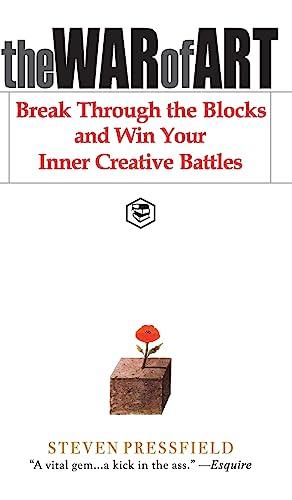
Steven Pressfield
Mentioned 5 months ago
If You Only Read a Few Books This Year, Read These
Leo Tolstoy
Mentioned 5 months ago
If You Only Read a Few Books This Year, Read These
Dr. Becky Kennedy
Mentioned 5 months ago
If You Only Read a Few Books This Year, Read These
Morgan Housel
Mentioned 5 months ago
If You Only Read a Few Books This Year, Read These
Anne Morrow Lindbergh
Mentioned 5 months ago
If You Only Read a Few Books This Year, Read These
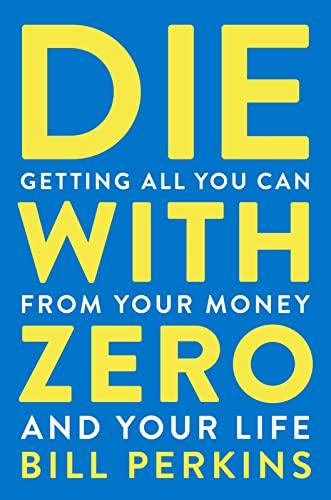
Bill Perkins
Mentioned 5 months ago
If You Only Read a Few Books This Year, Read These
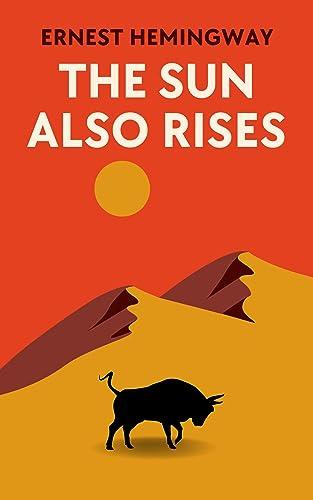
The Original 1926 Unabridged And Complete Edition (Ernest Hemingway Classics)
The podcast discussed Hemingway's transformation after the success of this book, from a humble journalist to a literary celebrity, noting a subsequent decline in his character.
He had started out as a journalist, a poor starving artist, a man who loved craft, who didn't need much provided he had a few pencils and a notebook and something to write about.
— Episode: Don’t Be Replaced | Test Your Impression...
The podcast discussed Hemingway's transformation after the success of this book, from a humble journalist to a literary celebrity, noting a subsequent decline in his character.
He had started out as a journalist, a poor starving artist, a man who loved craft, who didn't need much provided he had a few pencils and a notebook and something to write about.
It did not take me long to discover that the somewhat shy and youthful reporter whom I had met in Chicago had vanished, he observed. In his place was a literary celebrity.
The podcast host mentioned that Ernest Hemingway opened this book with a Bible verse. The host also mentioned a fascinating editor, Maxwell Perkins, who commented on the book's wisdom.
Ernest Hemingway opens his book The Sun Also Rises with a Bible verse, one generation passeth and another generation cometh but the earth abideth The Sun Also Rises and the sun goes down and resteth to the place where he arose.
It was this passage as fascinating editor Maxwell Perkins who I urge you to read about. Perkins would say that it contained all the wisdom of the ancient world
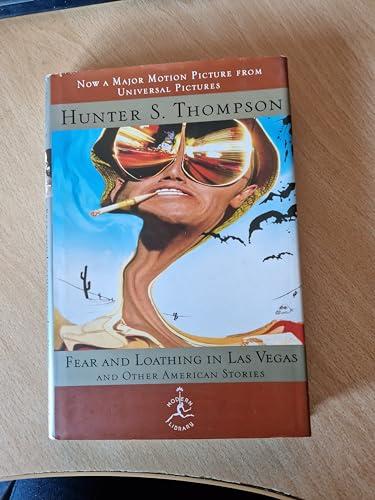
The book was discussed as not being about drugs, but rather about the American Dream and the revolt against corporate culture.
100 stumps that is writing Fear and Loathing in Las Vegas not about drugs but about the American dream that to me Hell's Angels is captured by the Quarries is myths and legends die ha...
— Episode: Timothy Denevi on the Power of Reading a...
The book was discussed as not being about drugs, but rather about the American Dream and the revolt against corporate culture.
100 stumps that is writing Fear and Loathing in Las Vegas not about drugs but about the American dream that to me Hell's Angels is captured by the Quarries is myths and legends die hard in America because they proved to us that the tyranny of the rat race is not yet final it's a the Hell's Angels were a revolt against the corporatization and the you know the buzz cut you know button down sort of world that had come out of the Second World War but Thompson is basically Thompson isn't celebrating them he's saying that the curates maybe worse than the disease these are these he shows them you know doing a gang rape right
It was described as a book about the American Dream, not just drug use, focusing on the despair and materialism of Las Vegas, and the failure of 1960s idealism. The speaker loved it and it resonated with their feelings about the world and human nature.
you can see the high watermark of the sixties which is come receiving down into the emptiness and materialism temptation of a town like us.
He who makes a beast of himself gets rid of the pain of being a man
you look outside your hotel room in Las Vegas and you see the high water mark of the 1960s
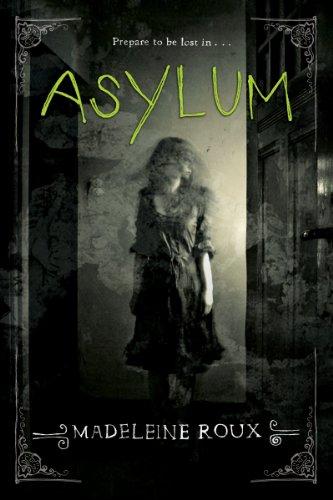
A memoir about being in an insane asylum as a non-insane person trying to get clean from alcoholism.
We have this book in the bookstore that I think about all the time. It's this book called Asylum by this guy William Seabrook.
— Episode: Commitment Devices For Creating Lasting...
A memoir about being in an insane asylum as a non-insane person trying to get clean from alcoholism.
We have this book in the bookstore that I think about all the time. It's this book called Asylum by this guy William Seabrook.
And he's an alcoholic, but before alcoholism is a thing. So he's a drunk, which is what they would call them. And there's no place he can go or thing he can do to not be a drunk.
And he writes this memoir, like a travel memoir about being in this insane Asylum as a non-insane person trying to get clean.
The book, spoiler, it ends somewhat tragically, but there's this sadness that I felt after I finished it, because it's like, if he had lived long enough for the invention of Alcoholics Anonymous or 12-step or recovery, the story might've ended differently.
Asylum is an incredible memoir by William Seabrook about his struggle with alcoholism and his time in an insane asylum. It was originally lost to print but has recently been brought back.
Asylum... by the way this is an incredible little memoir he has.
I first heard about it from Fitzgerald's The Crackup which was about his own struggle with alcoholism and this was a book that was basically totally lost to print and then it recently got brought back out.
Like I had to buy an old expensive copy on Amazon and then it started to become popular again.
I can take some partial credit from having talked about it in the reading list over the years. So there's a new edition of it.
We carry it in the painted porch. You should read it.
This book is a memoir about an alcoholic journalist who checked himself into an insane asylum to treat his alcoholism in the 1920s, before AA existed. It was recommended for being a fascinating memoir about a man struggling with something that nobody understood at the time.
That's really good. I never know where they are.
Oh, have you read, um, have you read this book? Do you know who Jan Morris is? The historian?
I'm looking at this book, Asylum.
So this guy's name is William Seabrook. He was like the biggest journalist in the world in the twenties, but he's an alcoholic and um, so that's not a thing.
Like you, like there wasn't, there's a pre AA.
And so he checks himself into an insane Asylum to treat his alcoholism and he writes about the whole thing.
And it's, it's like this fascinating memoir of this person struggling with this thing, kind of like that, that nobody understands is the thing.
He, he, um, he was this crazy travel journalist.
Like he, he's the one who brought the word zombie to America.
Like he would go, he wrote all these books that were, you know, you read about like, Oh, this book sold 200,000 copies in 1917 and you've never heard of it.
Uh, but yeah, Asylum is another one that when I found it, uh, and started talking about it, there were basically like no copies left and then this publisher brought it back in print.
Uh, and then we seemed to not be able to keep it in stock.
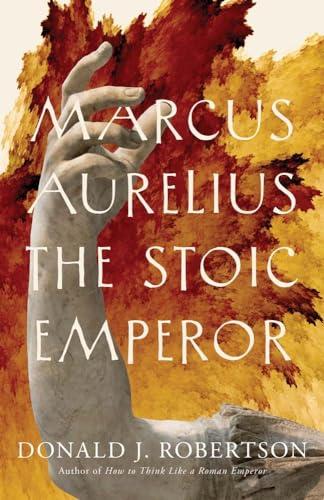
The Stoic Emperor (Ancient Lives)
It was described as one of the favorite books that the speaker read this year. The speaker was particularly impressed with the book and took many notes while reading it.
I've been raving about it since it came out. I took a ton of notes on it. It's one of my favorite books that I read this year.
— Episode: How Marcus Aurelius Became Marcus Aureli...
It was described as one of the favorite books that the speaker read this year. The speaker was particularly impressed with the book and took many notes while reading it.
I've been raving about it since it came out. I took a ton of notes on it. It's one of my favorite books that I read this year.
Definitely grab the book. The audio is good. We have the physical copy here at The Painted Porch, so I'll link to that in today's show notes.
So listen to this episode, grab a signed copy of Marcus Aurelius, The Stoic Emperor, and How to Think Like a Roman Emperor, The Stoic Philosophy of Marcus Aurelius. You can grab both of those from The Painted Porch.
The book was recommended highly by Ryan Holiday, describing it as one of the only non-Ryan Holiday Stoicism books he carries at The Painted Porch.
I cannot recommend his book, Marcus Reuss, The Stoic Emperor enough.
Two of the only non-Ryan Holiday Stoicism books we carry at The Painted Porch, not written by actual Stoics. So I can't recommend them enough.
This book was described as incredible and it was mentioned that the authors discussed it in a conversation because the book is a biography of Marcus Aurelius, the most powerful man in the world.
There really isn't any. There's some great biographical essays, which Gregory Hayes talks about in his intro to meditations. There's some older books. There's some little profiles of him, but there's no great singular biography of Mark Sreelis. And I had to wait almost 20 years for a great biography of Mark Sreelis, which I just read. My friend Donald Robinson's book, Mark Sreelis, The Stoic Emperor, just came out from Yale University Press. And it's incredible.
And I told him this when I read it. We immediately started carrying it in the store. I've written a bunch of daily stoic emails about it. It's just awesome. And I'm so happy that he did it. And I'm glad he did it so I don't have to do it and I can tell you about it. It's a wonderful book.
We ran an excerpt of it on the podcast a couple months back, but I asked if Donald would come out. He lives in Greece, so that was no easy trip. But he was in the United States and he came by.
Life Is Long if You Know How to Use It (Penguin Great Ideas)
The speaker referenced Seneca's words about choosing whose children we would like to be, as we can choose our role models and mentors.
We like to say that we don't get to choose our parents, Seneca said, that they were given to us by chance. Yet truly, we can choose whose children we'd like to be.
— Episode: We All Carry A Debt (Will We Repay?) | R...
The speaker referenced Seneca's words about choosing whose children we would like to be, as we can choose our role models and mentors.
We like to say that we don't get to choose our parents, Seneca said, that they were given to us by chance. Yet truly, we can choose whose children we'd like to be.
This book, containing writings by Seneca, was referenced as a source for a quote used in the podcast's meditation. The podcast host called it one of their favorite collections of Seneca's writings.
In today's reading and meditation from The Daily Stoic, Ryan examines why Seneca stated that "no one is crushed by fortune unless they are first deceived by her," and the folly of trusting in fortune. You can read more of Seneca's views in On the Shortness of Life: Life Is Long If You Know How to Use It.
It's a beautiful, as said you can read it in On the Shortness of Life one of my favorite little collections of Seneca's writings but we'll get to the quote now he says no one is crushed by fortune unless they are first deceived by her.
if you haven't read On the Shortness of Life pick up a copy there and the pain of porch if you could all I'll link to it in today's episode right there's something sweet about the fact that Sennaqa is the one exiled but he's writing the consolation to his mother
The essay was described as Seneca's greatest piece of writing on the shortness of life and a powerful work worth rereading a couple of times a year. The core message was that life is long enough if one knows how to use it, but people often waste it through luxury and neglect.
In what is almost certainly his greatest piece of writing On the Shortness of Life, Seneca is writing to his newly retired father-in-law, Polinus.
It is not that we all have too short a time to live, Seneca says, But that we squander a great deal of it. Life is long enough, and it's given in sufficient measure to do many great things if we spend it well.
We're all the geniuses of history to focus on a single theme. They could never fully express their bafflement at the darkness of the human mind. No person would give even an inch of their estate or the slightest dispute with a neighbor can mean hell to pay. Yet we easily let others encroach on our lives.
We're tight-fisted with our property and money, and yet we think too little of wasting time. The one thing we should all be the toughest misers about.
And this all comes from his wonderful essay On the Shortness of Life, which you should absolutely read. It's a very powerful essay. It's worth rereading a couple times a year, to be quite frank.
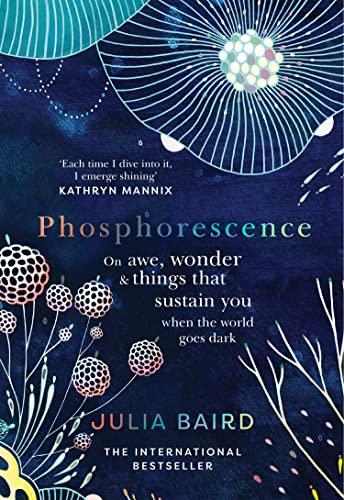
On awe, wonder & things that sustain you when the world goes dark
Julia Baird, in her book Phosphorescence, was diagnosed with rare abdominal cancer and endured several painful surgeries for its removal, all while going through a difficult heartbreak.
Julia Baird, as she writes in her wonderful book, Phosphorescence was diagnosed with rare abdominal cancer.
— Episode: Life Comes At You Fast (Pt III) | Don't...
Julia Baird, in her book Phosphorescence, was diagnosed with rare abdominal cancer and endured several painful surgeries for its removal, all while going through a difficult heartbreak.
Julia Baird, as she writes in her wonderful book, Phosphorescence was diagnosed with rare abdominal cancer.
The podcast host described this book as a joy to read and one of his favorite books of the year. The conversation touched upon the book's themes of stillness and the restorative power of nature.
And then talking to Julia Beard her book on queen Victoria is spectacular a biography everyone should read and her new book Foss for Recense was just a joy for me to read one of my favorite books this year so here's me talking to Julia Beard
yes I think that's right and it's almost hard to put your finger on and that's what I was trying to to grass like what is that when you're sitting on a hill in a it's some area where there's no light pollution you're looking at the stars like what is that we all know that that soothes us we all know that it makes us feel better but but but why and and that's why I think you know scientists are trying to get to it and why have we designed life to be literally the opposite of that and to have as little of that as humanly possible that is the strange that's from strange thing about the modern world the infinite distraction I think
It's a memoir about finding joy amidst suffering, focusing on resilience and the awe found in nature, especially bioluminescence. The author discusses her experience with a life-threatening illness and how she coped.
she sent me this little book called Foss for Essence which I'm carrying my hand the subtitle is a memoir of finding joy when your world goes dark.
Foss for Essence is basically things that sort of illuminate in the dark and she's talking why why do some animals glow particularly sea creatures literally glow what makes a firefly do what it does that's where the word Foss for Essence comes from
there's sort of a as the subtitle hints right a memoir of finding joy when your world goes dark there is this sort of looming darkness in the book that you are combating with the Foss for Essence
I really became very very intent on finding it for some like I'm physically finding it and actually it occurred in my neighborhood just about a month ago which was unbelievable my daughter saw it as well because I had dragged her along to see it once and she said it was just the most euphoric experience of her life
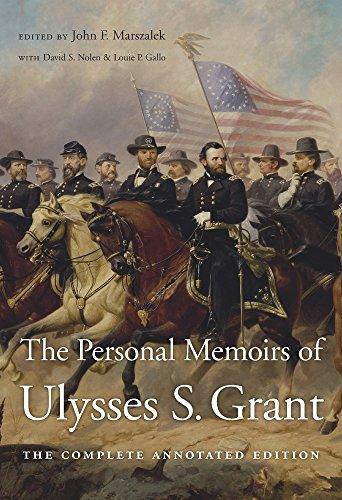
The Complete Annotated Edition
This book was recommended for being a great American literary memoir, but the speaker was referencing a specific edition and the full title was not stated.
The memoirs of US grant. Have you ever read that?
— Episode: Steven Pressfield Painted Porch Book Tou...
This book was recommended for being a great American literary memoir, but the speaker was referencing a specific edition and the full title was not stated.
The memoirs of US grant. Have you ever read that?
And he talks about Bastrop. He talks about when he was here writing the Mexican war.
What did he say? It was in Texas. I think it was Texas.
I got to show you two things, but I just read this book. It's just read this book, which you would look. It's called Grant's final victory.
So first off, you know what happens to him at the end, right? He basically, so after the war, he becomes, um, he joins this wall street firm, but he puts his entire fortune in it. His son is running it. He's working with this guy named Ferdinand Warrant. Who's basically like the Bernie Madoff of his day, but he doesn't know it.
So Grant becomes obscenely rich and then loses all of it.
And, um, so he's a broken man. He has to hawk his war mementos to JP Morgan, uh, just to live.
And so he starts to think about writing his memoirs. Cause he then, he has this problem with his tongue.
They find that he's dying of tongue cancer. And so he realizes that he's going to leave his family destitute.
So he starts to think of writing his memoirs.
And so he starts to write the memoirs, thinking about it. And then Mark Twain hears that he's doing this and comes by to say hi and just ask him about the contract.
And he basically realizes that Grant's about to get ripped off again.
And Twain is like, I'll give you the money and we'll self publish it. And you can take 50% of the profits and sets him up to do like a self publishing deal.
He realizes that this publishing company doesn't know what they're doing. And so Grant's basically dies like three days after he writes the memoirs and then they make the equivalent of tens of millions of dollars because Grant, because Mark Twain set him up so well. But the memoirs were incredible, right? Yeah.
They're so good. And people are, people thought they were so good.
People thought Mark Twain wrote them because he'd been involved. Um, but yeah, it's maybe the, it's maybe the greatest American literary memoir ever.
I mean, the reason I read it was because Mattis, so I'm talking to him and he said, what's a great thing to read? And he said, Mattis.
Well, I'll take you upstairs. I have a first edition of them. What you got to see.
And then I have, um, my other moment too is I have a ticket to his funeral. Really? Yeah. A ticket to his funeral.
A memoir written by Ulysses S. Grant that details his experiences as a young student at West Point. The book highlights how intimidating the school was for him and how miserable he was during his first year.
I was just talking to someone about Grant's memoirs. And one of the most striking parts of Grant's memoirs is just how scared he was to start at this school and how miserable the first year is for him.
I mean, they were younger than I think they were 15 or 16. And they're coming from these tiny farm towns and it's a much more brutal system in many ways.
It just you reminded me that they gave us that book. I probably have it around here on one of the shelves. You know, it's that thick and Grant wrote it. And then he died like a week after, you know, really shortly after he finished that memoir.
So definitely, you know, when you look at some of the history of West Point and individuals that made it through there, we draw on that.
An Ancient Guide to the Stoic Life (Ancient Wisdom for Modern Readers)
It was recommended for its accessible translation for modern readers and for capturing Epictetus's lectures in a way that is meant to be listened to more than read. The book focuses on the Stoic philosophy of freedom.
I really like what Princeton university press has been doing with this ancient wisdom for modern reader series.
— Episode: How To Be Free | Epictetus
It was recommended for its accessible translation for modern readers and for capturing Epictetus's lectures in a way that is meant to be listened to more than read. The book focuses on the Stoic philosophy of freedom.
I really like what Princeton university press has been doing with this ancient wisdom for modern reader series.
We carry a bunch of them in the bookstore.
I've used them because it's like the greatest hits kind of in the way that daily stoic tries to do this, greatest hits of little snippets around certain themes from the stoics.
They've got some from Cicero, they've got some from Plutarch.
I really liked their one, how to be a leader from Plutarch, which I've been recommending to a lot of people.
An excerpt from Anthony Long's translation of Epictetus' work on Stoicism was featured. The podcast host described it as a great book they enjoyed and had on their shelf, discussing Epictetus's views on freedom as a matter of controlling one's desires and aversions.
I've raved about Princeton University Press's ancient wisdom for modern reader series and today we have an excerpt from their edition of Epic Titus which I quite like How to Be Free in ancient guide to the stoic life translated by Anthony Long and in it Epic Titus talks about how being free is a matter of being unobstructed by things that are out of your control.
You can pick up the physical edition of the book here at the Painted Porch. I carry it. It's a great book. I love it. I've got it here on my shelf.
And if you are interested in learning more about Epic Titus I just did this new kids book called The Girl Who Would Be Free which is a fictionalized version of Epic Titus and his slash her origin story to introduce your kids to stoicism or maybe just remind you of the principles.
The speaker describes this biography of Truman as one of the most unique presidential books. It is about Truman's perspective of himself, but is also accessible and folksy.
I was blown away by the Merle Miller biography of Truman.
— Episode: The Ordinary Brilliance Of President Har...
The speaker describes this biography of Truman as one of the most unique presidential books. It is about Truman's perspective of himself, but is also accessible and folksy.
I was blown away by the Merle Miller biography of Truman.
I think that's one of the most unique presidential books.
It's Truman as Truman would want to be seen, but it's also, it's so folksy and accessible.
The crazy thing about that book where Truman intersects with my world is there's a scene in the Merle Miller book where Merle is asking him some question. Truman goes back to his room or his office or whatever, and he comes back with his copy of Marcus Reles' Meditations, and he gives it to Miller who goes through it and he sees-
Truman had a copy?
And you know, it's stuff about how, you know, first off that, you know, the Cardinal Virtues, it's stuff about how when people judge you, they don't understand your character.
There's a story in the Merle Miller book where he makes some obscure reference to something and a journalist goes, that can't be right.
So he makes some comment about Alexander the Great like in a speech Truman does. And the reporter goes, what's the president talking about? He's obviously wrong. And so he goes to prove that the president was wrong.
So he goes down this long rabbit hole. All the experts don't know what he's talking about. Finally, he ends up at the Library of Congress and he talks to the librarian who spent several days tracking down this anecdote and finds it in a book in the Library of Congress.
And they open up the front of the book and in the library card, the only person to check out the book in the last 50 years has been Senator Harry Truman.
This biography of Truman was mentioned as a good way to understand the Cold War and the 20th century.
If you want to understand the Cold War, David McCullough's book on Truman,
The speaker frequently praised David McCullough's biography of Truman, mentioning it favorably in the context of understanding the past and the limitations of historical perspective.
The late David McCullough who's Truman biography I've raved about a bunch of times and I carry at the painting porch, he once said that the hardest part about being a biographer is getting the reader to keep in mind that nothing was ever on track as he continues things could have gone any way at any point.
As soon as you say was it seems to fix an event in the past but nobody ever lived in the past only in the present he said.
The challenge he said is to get the reader beyond thinking that things had to be the way they turned out and see the range of possibilities of how things could have been otherwise.
It was described as a memoir about his time learning about writing, the stories between the stories in The War of Art.
Also like is it on writing again? Yeah it's his memoir about it so it's kind of I would say Government Cheese it's like the stories between all the stories in the War of Art so it's like what he was a...
— Episode: Tom Segura Tours The Painted Porch
It was described as a memoir about his time learning about writing, the stories between the stories in The War of Art.
Also like is it on writing again? Yeah it's his memoir about it so it's kind of I would say Government Cheese it's like the stories between all the stories in the War of Art so it's like what he was actually doing as he was learning all that stuff.
You think which one? Which one? These two are the best.
The book was mentioned as one of Steven Pressfield's works. It was referred to in the context of the author's broader body of work.
if you haven't read The War of Art, Do The Work, Turning Pro, Gates of Fire, government cheese, Tides of War, A Man at Arms, what are you even doing with your life?
It is Pressfield's memoir, focusing on the stories and life lessons from his varied career before becoming a published author. The book includes anecdotes from his many jobs and experiences, which informed his later writing.
It's his memoir, but I really like the book. It's sort of like it's the stories in between the lessons that make turning pro and the war of art and all those other books so fantastic.
Notes on the Pursuit of Success, Love, and Meaning
This book, mentioned alongside "The Algebra of Wealth", was implied to be related to the concept that the purpose of wealth is to facilitate happiness.
He also has one called The Algebra of Happiness. I would say those two things are related, right? The purpose of wealth is to facilitate happiness.
— Episode: Scott Galloway on Intergenerational Thef...
This book, mentioned alongside "The Algebra of Wealth", was implied to be related to the concept that the purpose of wealth is to facilitate happiness.
He also has one called The Algebra of Happiness. I would say those two things are related, right? The purpose of wealth is to facilitate happiness.
This book, discussed alongside *The Algebra of Wealth*, explores the relationship between wealth and happiness, a topic also covered in the Daily Stoic Wealth course. The podcast host noted that the purpose of wealth is to facilitate happiness.
He also has one called The Algebra of Happiness. I would say those two things are related, right? The purpose of wealth is to facilitate happiness.
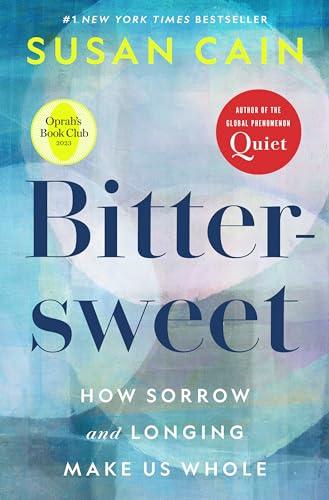
How Sorrow and Longing Make Us Whole
The podcast host read Susan Cain's book about melancholy, finding it relevant during a period of travel and reflection.
her new book bitter sweet about sort of the melancholy side of life because I was speaking at the Naval Academy
— Episode: It’s Not A Bad Experience | Living Like...
The podcast host read Susan Cain's book about melancholy, finding it relevant during a period of travel and reflection.
her new book bitter sweet about sort of the melancholy side of life because I was speaking at the Naval Academy
The book explores the concept of melancholy and how it can be a source of both negative and positive aspects, including an appreciation for beauty and solitude. The author encourages readers to appreciate the positive attributes of this emotional state.
Susan can who i love her new book is called bitter sweet and she's sort of talking about how melancholy is that kind of depressive outlet but there's also if done right a sort of love of beauty and
wonder and solitude and what it's so it's like if you're only getting the negative part of it you're probably doing it wrong but if it's actually kind of shaped you know it allowed you to create some
some inner world that you can retreat into and it connected like you can you can kind of choose to see it different ways i guess is where it comes down well that's kind of the David Foster Wallace
The book explores the power of a melancholic outlook and challenges the relentless focus on positivity in our culture. The author discussed how she used her own experiences of loss to write the book and how sorrow can be used to create value and beauty.
She lost her brother and her father to COVID in 2020, which I can only imagine how devastating that was.
And so it's both fitting and a bit haunting that she had been at work on this new book, Bittersweet, How sorrow and longing make us whole.
If the power of introverts was about the power of that sort of quiet reflective inward life, this is the power of a more melancholic outlook and why our culture has been so relentlessly focused on positivity and excitement and passion and hopefulness and that there's also something very powerful about reflection and meditation about coming to terms with getting up and close in person or with loss and sorrow and how we harness those difficult emotions to create value in our own lives.
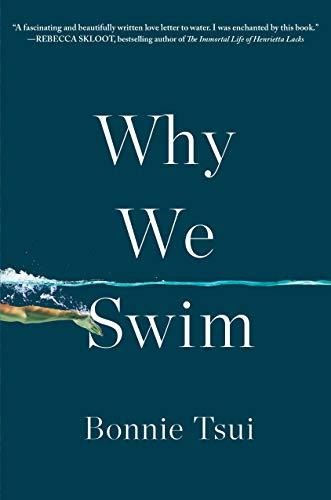
This book explores why humans swim and our attraction to water. The author, Bonnie Toy, was interviewed on a podcast about this topic, and her insights were shared in this podcast.
There's this great book called Why We Swim by Bonnie Toy. She talks about why humans swim, what our attraction to water is.
— Episode: The Hobby That Changed Ryan Holiday's Li...
This book explores why humans swim and our attraction to water. The author, Bonnie Toy, was interviewed on a podcast about this topic, and her insights were shared in this podcast.
There's this great book called Why We Swim by Bonnie Toy. She talks about why humans swim, what our attraction to water is.
This book explores the human attraction to water and swimming. The author was interviewed on a related podcast.
There's this great book called Why We Swim by Bonnie Toy. She talks about why humans swim, what our attraction to water is.
It is a memoir exploring the philosophical benefits of swimming, described as a deeply philosophical and moving ode to the wonderfulness of swimming. The author discussed writing parts of it while in the pool and how the water helped her think clearly.
It's called Why We Swim. It's an argument that I think any swimmer would get a lot of value out of. It's a deeply philosophical and moving sort of ode to the wonderfulness of swimming.
I absolutely loved the book.
I wrote a lot of Why We Swim in the pool or, you know, out on the water, swimming in open water or surfing or something like that.
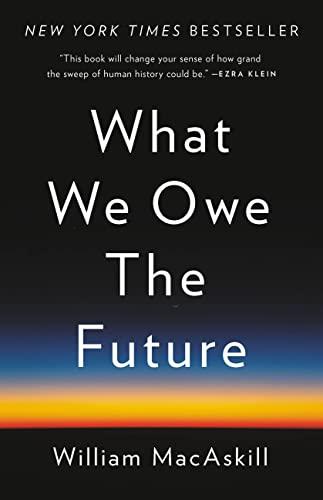
The podcast host mentioned "What We Owe the Future," discussing the author's argument that future people matter, advocating for long-term impact and legacy.
The other sort of arm of effective altruism these days and I interviewed Will McGaskill who just wrote a book called What We O The Future. That was really interesting. He was saying that a lot of phil...
— Episode: David Rubenstein on Investing and Design...
The podcast host mentioned "What We Owe the Future," discussing the author's argument that future people matter, advocating for long-term impact and legacy.
The other sort of arm of effective altruism these days and I interviewed Will McGaskill who just wrote a book called What We O The Future. That was really interesting. He was saying that a lot of philanthropy or a lot of our efforts are we have a sort of blinkered view of like helping only the people that are around us or that are existing today.
The book discusses long-termism, focusing on doing good not just for those currently alive but also for future generations. It emphasizes making decisions that create a better future, even if that future is one we will never see.
What We Owe the Future is really about this concept of long termism which I think is an important breakthrough as we think about doing good as we think about altruism as we think about stoicism.
It's not just how do we do good for the people around us but how do we do good for the people in the future people we will never meet.
Will is a fantastic writer, a fantastic thinker.
Check out What We Owe the Future.
Check out What We Owe the Future and enjoy this conversation with the one and only William Magascale.
It was mentioned as a book in progress by the speaker. The book explores the question of what contributions one will make in the future, and how to build on the legacy of past generations' sacrifices.
I'm working on William Agascale's new book uh and the title is What We Owe the Future so it's sort of like what do you owe the past and then what is the contribution you're going to make in the future that sort of passing of torches maybe that sort of despite the unrealness of your individual circumstances actually ends up rooting someone in a somewhat grounded place
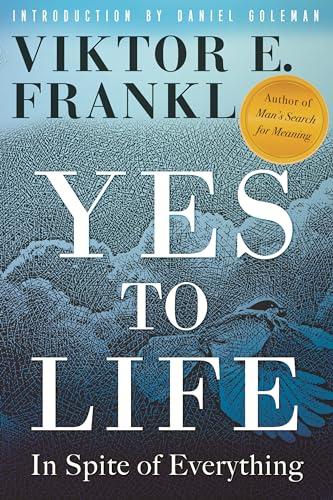
In Spite of Everything
This book by Viktor Frankl, mentioned briefly, expands on the concept of tragic optimism; finding meaning and moving forward in spite of suffering.
and he has a book Yes to Life that I think is really like but the South is what's so important in spite of everything yeah
— Episode: Brad Stulberg On Mastering Change With S...
This book by Viktor Frankl, mentioned briefly, expands on the concept of tragic optimism; finding meaning and moving forward in spite of suffering.
and he has a book Yes to Life that I think is really like but the South is what's so important in spite of everything yeah
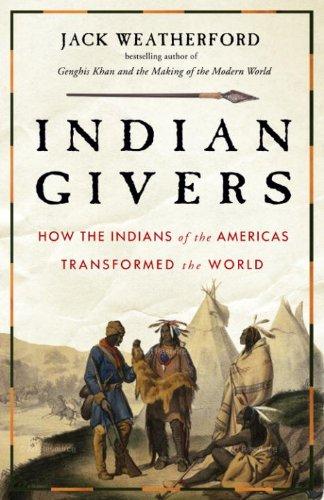
How Native Americans Transformed the World
The book discussed the contributions of Native Americans and explored the consequences of racism and fear, emphasizing knowledge lost due to historical injustices. It was mentioned as a recent addition to a reading list and was positively reviewed.
We also talk about Jack Weatherford's book Indian Givers which I also enjoyed. I put in the reading list email this month and we're carrying in the store and people really love as wel...
— Episode: Author Clint Smith and the History We De...
The book discussed the contributions of Native Americans and explored the consequences of racism and fear, emphasizing knowledge lost due to historical injustices. It was mentioned as a recent addition to a reading list and was positively reviewed.
We also talk about Jack Weatherford's book Indian Givers which I also enjoyed. I put in the reading list email this month and we're carrying in the store and people really love as well.
I just read this fascinating book um by Jack Weatherford called Indian Givers it's not a great title is actually written in the 80s but it basically it's it's a look at all of the sort of things that we got from the native americans um who we also you know uh if you want to talk about a holocaust we perpetuated a holocaust here in america against the the uh aboriginal people and and and what what he was talking about in the book is all these things and it really hit me because i'm from i'm from california now live in the south but you know race is native americans it's more of a part of the sort of cultural conversation and history in california than race is because it wasn't a slave state um and you know what not really part of the civil war but but you know i've i've had a bit clearly had a bit of a blind spot as to the severity and the the horrific tragedy of of what we perpetuate against native americans and reading this book it was very eye-opening and inspiring and interesting and anyways the one of the things he concludes the book with and i encourage everyone to read it is he's talking about it's it's not just all the things we got from native americans um that we should be grateful for but he says the cautionary tale is what our racism and our fear and our sort of insatiability took from us you know he talks about all these things that you know native americans discovered that they brought us all these modern medicines at the root of this and that ways of hunting ecological preservation and he's like as the last of these people die out they are taking with them knowledge and understanding in a way of living that is lost to us forever and that's been happening he said for 500 years
This book was briefly mentioned in a positive light at the end of the interview.
another book called Indian Givers of his that's fantastic about what i don't think it's the greatest title but it's what the native americans gave to western society incredible incredible book
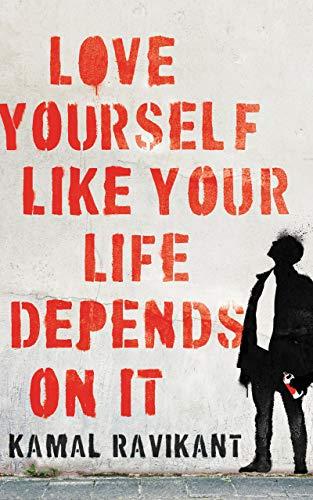
It was described as a cult classic, highly recommended and carried in the bookstore. An expanded edition was published by Harper Collins.
I'm a big fan of his book. Love Yourself Like Your Life Depends on It which I carry here in the bookstore. You can check it out. I highly recommend it and actually we have a plan to e...
— Episode: Kamal Ravikant on Facing Death and Lovin...
It was described as a cult classic, highly recommended and carried in the bookstore. An expanded edition was published by Harper Collins.
I'm a big fan of his book. Love Yourself Like Your Life Depends on It which I carry here in the bookstore. You can check it out. I highly recommend it and actually we have a plan to excerpt a chunk of it here on the the podcast. It's a sort of cult classic for a reason almost everyone I know in Silicon Valley has read it
they worked together they originally loved yourself like your life depends on it was self-published and they did an expanded wonderful edition for Harper Collins that's the one I carry in the store he did that
when I read and obviously I know you but when I when I read love yourself like it depends on it I see it is like this is come all at the bottom of this pit and he's clawing his way back to what he's capable of being what he wants to be how he wants his life to go
An excerpt from this book on overcoming depression and living a happier life was featured in this podcast episode. The author's practices for improving life during dark times were discussed.
Today's episode is an excerpt published by Harper Audio of Kamal's book Love Yourself Like Your Life Depends on It.
The books and collection of Kamal's writings on overcoming depression, living a happier life focusing on self care and mental health.
You can pick up Love Yourself Like Your Life Depends on It at the painted porch, thepaintedporge.com anywhere books are sold and you can get the audio book published by Harper Audio on Audible and anywhere you get your e-books.
It is a book about overcoming depression and living a happier life, focusing on a vow the author made to love himself. An excerpt from an expanded edition of the book was shared in this podcast episode.
I asked Kamal if we could excerpt a chunk of Love Yourself Like Your Life Depends on It his book on overcoming depression and living a happier life and ultimately being a better friend to himself
I'd reach my breaking point I remember it well I couldn't take it anymore I was done done with all this this misery this pain this angst this being me I was sick of it done done done done and in that desperation I climbed out of bed staggered over to my desk open my notebook and wrote this day I vowed myself to love myself to treat myself as someone I love truly and deeply in my thoughts my actions the choices I make the experiences I have each moment I'm conscious I make the decision I love myself
I didn't know all I knew was that I'd made a vow something far greater than I want or a desire and I wish are a nice to have a vow I had to go all in on destroying myself trying there was no middle ground
I started telling myself I loved myself a thought I would repeat again and again first lying in bed for hours repeating to myself I loved myself I love myself I love myself I love myself I love myself I love myself
If I love myself truly and deeply, would I let myself experience this?
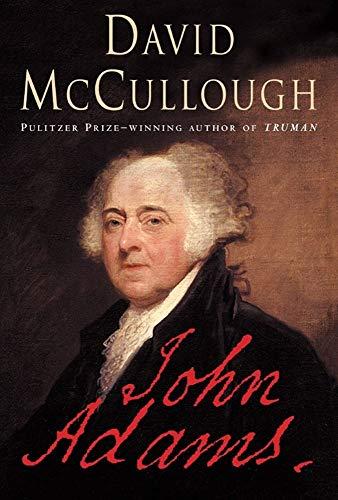
The podcast mentioned John Adams's biography, highlighting a quote reflecting his lifelong learning and the ever-increasing awareness of how little he knew. The biography was described as 'amazing'.
you are not singular in your suspicions that you know but little. The longer I live he said, the more I read, the more patiently I think and the more anxiously I inquire, the less I seem to know.
— Episode: Do This. It’s Enough. | Ask Ds
The podcast mentioned John Adams's biography, highlighting a quote reflecting his lifelong learning and the ever-increasing awareness of how little he knew. The biography was described as 'amazing'.
you are not singular in your suspicions that you know but little. The longer I live he said, the more I read, the more patiently I think and the more anxiously I inquire, the less I seem to know.
It was mentioned as the source for a story about John Adams hearing a joyful song sung by a shoemaker on his way to work. The anecdote illustrated a point about finding joy even in difficult circumstances.
On his way to work each day in Boston John Adams would hear a man singing as his great biographer David McCullough writes in John Adams it was a beautiful almost joyful song that inspired him as he headed to his law office in the mornings
David McCullough's biography of John Adams was mentioned, highlighting how Adams faced numerous hardships throughout his life, yet maintained a positive outlook. The biographer noted that a quote reflecting Adams' resilience could have served as his epitaph.
griefs upon griefs disappointments upon disappointments what then this is a gay married world nonwithstanding
it could have been Seneca or Epictetus's or Marcus's too yes life is hard people can suck yet it's still a gay and married world still joy is possible still the best ways to face life with a smile never a sneer
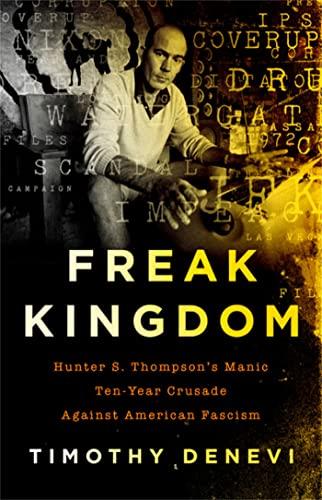
Hunter S. Thompson's Manic Ten-Year Crusade Against American Fascism
It was praised for its well-written style, exceeding expectations for a book by an academic. The conversation around the book focused on its insightful analysis of American political moments and their relevance to the present.
one book that I absolutely adore carrying in the painted porch we don't carry a lot of sort of current events like books they don't fit in clear categories and this is one and I really think you shoul...
— Episode: Timothy Denevi on the Power of Reading a...
It was praised for its well-written style, exceeding expectations for a book by an academic. The conversation around the book focused on its insightful analysis of American political moments and their relevance to the present.
one book that I absolutely adore carrying in the painted porch we don't carry a lot of sort of current events like books they don't fit in clear categories and this is one and I really think you should read it
I really liked this book again when I rave about books I'm really raving about books like I took some notes when I was writing this book I was like this book is better written than it should be
if you haven't checked out Freak Kingdom you absolutely should I'll link to it in today's show notes but uh go ahead and check it out
It was described as a book about the political activism and writings of Hunter S. Thompson, with exceptionally good writing that required slowing down to appreciate.
I also just read this book like I read this book Freak Kingdom a kingdom of freaks it's about I've spied this creative writing professor but it's about it's about the political activism slash writings of Hunter S. Thompson and there were it was one of those books I'm reading and I'm like the level it's published by like public affairs so not like a huge press or anything and I was like the writing is too good in this book like like the he was so good I was like I actually have to like slow down and appreciate this the way that it's been written
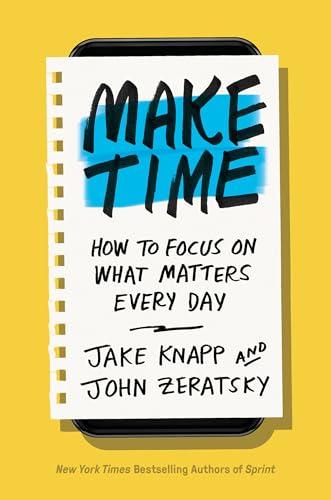
How to Focus on What Matters Every Day
The book was referenced for its concept of the "daily highlight," a method of identifying the most important task for the day to improve productivity.
In terms of specific tools for getting more done, single biggest step I found is something I came across in a book called Make Time by Jack Knapp and John Zoratsky.
— Episode: Gary Vaynerchuk, David Rubenstein, Ali A...
The book was referenced for its concept of the "daily highlight," a method of identifying the most important task for the day to improve productivity.
In terms of specific tools for getting more done, single biggest step I found is something I came across in a book called Make Time by Jack Knapp and John Zoratsky.
Ali Abdaal cited this book's concept of the "Daily Highlight," suggesting it as a key tool for boosting productivity by focusing on the single most important task of the day.
Single biggest step I found is something that came across in a book called Make Time by Jack Knapp and John Ziratsky they're called it the Daily Highlight I think similar to Gary Kater's idea of the one thing like what's what's the one thing I actually want to do today?
Note: The book recommendations on this page are discovered automatically from podcast transcripts, and may be incorrect or incomplete.
Podcast Name