Essentialism
Greg McKeown
Mentioned 4 months ago
BONUS | 3 Practices to Improve Your Life In a Week
For centuries, all sorts of people—generals and politicians, athletes and coaches, writers and leaders—have looked to the teachings of Stoicism to help guide their lives. Each day, author and speaker Ryan Holiday brings you a new lesson about life, inspired by the thoughts and writings of great Stoi...
Recently mentioned
Greg McKeown
Mentioned 4 months ago
BONUS | 3 Practices to Improve Your Life In a Week
Bronnie Ware
Mentioned 4 months ago
BONUS | 3 Practices to Improve Your Life In a Week
Marcus Aurelius
Mentioned 4 months ago
This is How You Win the Day | Circumstances Have No Care For Our Feelings
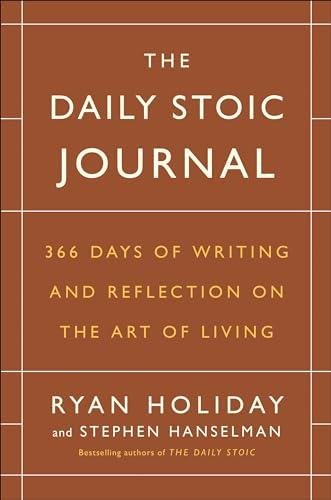
Ryan Holiday
Mentioned 4 months ago
This is How You Win the Day | Circumstances Have No Care For Our Feelings
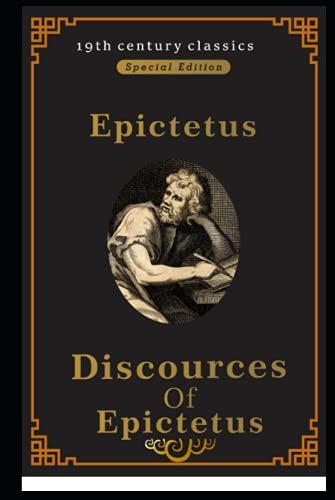
Epictetus
Mentioned 5 months ago
Simple Stoic Rules That Actually Change Your Life
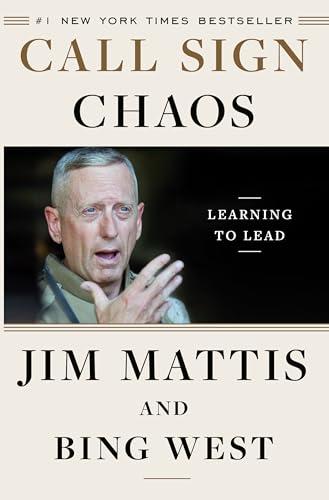
Jim Mattis
Mentioned 5 months ago
What A Wonderful Thing to Measure | Stoic Strategies for Becoming More Resilient
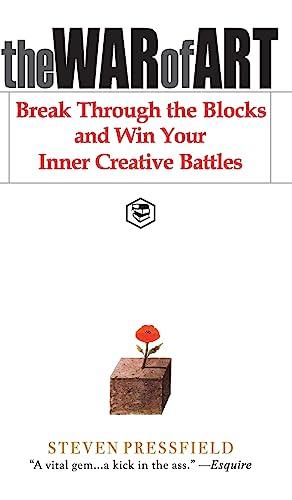
Steven Pressfield
Mentioned 5 months ago
If You Only Read a Few Books This Year, Read These
Leo Tolstoy
Mentioned 5 months ago
If You Only Read a Few Books This Year, Read These
Dr. Becky Kennedy
Mentioned 5 months ago
If You Only Read a Few Books This Year, Read These
Morgan Housel
Mentioned 5 months ago
If You Only Read a Few Books This Year, Read These
Anne Morrow Lindbergh
Mentioned 5 months ago
If You Only Read a Few Books This Year, Read These
Bill Perkins
Mentioned 5 months ago
If You Only Read a Few Books This Year, Read These
The Teachings of a Roman Stoic
Written by Musonius Rufus, the Roman Socrates, this book encourages facing hardships with a sense of superiority and not shying away from challenges; it emphasizes earning self-respect through hard work.
he's not saying that we should avoid them, we should run away from them, he's saying that we should look at them with a sneer or a smirk in the sense that we're better than them, that we're challenged...
— Episode: Who Possesses You? | 12 Must-Read Stoic...
Written by Musonius Rufus, the Roman Socrates, this book encourages facing hardships with a sense of superiority and not shying away from challenges; it emphasizes earning self-respect through hard work.
he's not saying that we should avoid them, we should run away from them, he's saying that we should look at them with a sneer or a smirk in the sense that we're better than them, that we're challenged by them but we don't shy away from this challenge.
if you accomplish something good with hard work the work passes quickly but the good endures but then he says though if you do something shameful in pursuit of pleasure you take the easy way out, the result doesn't last long but the shame endures and most of all he said we earn respect of others earning the respect of ourselves by disdaining hardships, by conquering them, by doing the hard work
The book, translated relatively recently, contains notes from various talks covering topics such as women studying philosophy, education, exile, and marriage.
So this book was translated relatively recently and I enjoyed it. This is Musoneus Rufus, whose epictetus is teacher and it's called that should That One Should Disdain Hardships and I read this in March last year.
It is a recommended translation of Musonius Rufus's essays; the Daily Stoic carries it at the Painted Porch.
there's a wonderful translation of Musoneus that I would recommend called that one should disdain hardship we carry it at the painted porch.
The Daily Stoic podcast recommended this book, highlighting its excerpts about virtue and austere living. The book was described as carrying additions of Musonius Rufus' teachings.
we carry an addition of Musonius Rufus that I would recommend called That One Should Disdain Hardships and we carry it at the painted porch all linked to that in today's show notes as well.
The speaker mentioned "That One Should Disdain Hardships: The Teachings of a Roman Stoic" by Musonius Rufus as a book that attempts to define Stoic principles, noting that it's less practical but offers a more definitive approach to understanding the philosophy.
there is um a couple let me see there's an interesting book uh by mousse that that was published of musonius rufus recently and it's called that um That One Should Disdain Hardships the teachings of a roman stoic and it's this little interesting book i read it so every time i read a book and then i do the notes i wrote i write down when i read it so i read this in march uh of 2020 um but uh he he sort of has some some really good lectures on stoicism he sort of he does he is trying to define um the stuff and and musonius rufus was epic teetus's teacher so you might like that book um uh which i was not really in print before and then the other tricky one um he's a character in lines of the stoics i talk about arius didamous um and he was the advisor to the emperor octavian slash Augustus um he wrote of there's this sort of collection of his writings called uh i think stoic ethics by arius didamous and and it's probably the least practical but it it does feel the most sort of definitive like he's really trying to he's like defining terms and and it's it's not super i won't say either of these books are like riveting self-help but but it might go to your point about like sort of really trying to get to to some first principles
Mining for Purpose and Chasing Dreams at the Edge of Death Valley
The book, read by the podcast host to his son, details the story of William Burrow Schmidt, who dug a tunnel through a mountain. It compares Schmidt's dedication to the myth of Sisyphus and is considered fit for all ages.
I've been reading his book Ghost Town Living, chasing dreams and mining purpose on the edge of Death Valley.
— Episode: Chasing Dreams And Risking It All In An...
The book, read by the podcast host to his son, details the story of William Burrow Schmidt, who dug a tunnel through a mountain. It compares Schmidt's dedication to the myth of Sisyphus and is considered fit for all ages.
I've been reading his book Ghost Town Living, chasing dreams and mining purpose on the edge of Death Valley.
So this is my favorite chapter in the book. I just read it to my son, Clark. So it's I think it's fit for all ages.
If you look at the book, it's got these beautiful maps of it. He recorded this way underground, which is I understand it, the only only audiobook such recorded.
But go grab Ghost Town Living. We've got signed numbered first editions at the painted porch.
The book tells the story of Brent Underwood's experience living in a ghost town during the COVID-19 pandemic, which unexpectedly turned into a series of challenging events, including snowstorms, appendicitis, and a fire. It was described as an awesome book and a New York Times bestseller.
My wife and I have both been raving about this book, Furious Hours which is a true crime story that lo and behold involves Harper Lee.
Anyways this is a story Brent tells in Ghost Town Living mining for purpose and chasing dreams at the edge of that valley which I was lucky enough to work on it's a book I love I love the Sarah Gordon story it's why I've been talking about it so much here at Daily Stoke.
You haven't checked it out yet you should have debuted on the New York Times best seller list and it's just an awesome book I think you'll really like it you grab that we have some signed numbered first editions over at the painted porch I'll link to that in today's show notes check it out.
It was described as a great book, similar to "Desert Solitaire" and "Wild", and the speaker's son enjoyed it. A signed copy was given to the speaker's son.
I've been reading Brent's new book Ghost Town Living mining for purpose and chasing dreams on the edge of death valley and I've been actually reading the the book the last couple nights
it's an awesome book we've been reading it it's it's really a great book it's in that genre of like you know desert solitaire wild spichero straight kind of books and i think you're really going to like it
Clark keep exploring
It recounts Brent Underwood's experience restoring buildings in a deserted mining town in California and the lessons learned about progress and achieving goals. The book emphasizes starting small and focusing on incremental progress rather than overwhelming ambitious plans.
For nearly two years Brent Underwood had made no progress on restoring the buildings at Saragordo this abandoned mining town in California.
I just felt we needed to raise money higher contractors and preservation and then it all get done in one big frenzied crush of Candue spirit not a very good plan he said because after two years I made precisely zero progress.
It was only when Brent threw all these plans aside and got serious got small that any progress was made.
He stopped thinking big and he started working on the front porch of one old building as he writes in the book which again is awesome he says it was a small feat in the grand scheme of things but it was a start a good start.
The sense of pride I derived from seeing a space go from unusable to usable the sense of autonomy that accomplishing this small task left me with felt like life like rebirth like my own personal renaissance I felt competent and effective that something anything had finally happened here and that I was the one responsible for it gave me the first taste of satisfaction that comes from working with your hands from working meaningfully diligently patiently incrementally towards a big goal my dreams had an integrity now that they lacked before they weren't pying the sky there were boots on the ground hands in the dirt.
It recounts Brent Underwood's experience of being snowed in a ghost town and how he turned it into a successful YouTube channel and subsequently, a book. The book details how he adapted to a difficult situation and used it as an opportunity for storytelling and self-discovery.
It was during that time that we were putting together the a live time challenge for the daily stoic Brent explains in his amazing new book Ghost Town Living so it's thinking a lot about this, just thinking about whether it was going to be a live time or a dead time and I kept going back he says to that fundamental stoic lesson separating things into what you can and can't control.
And the book is really, really great. I read an early copy of it. I got to help do a passive edits on it too.
Check out Ghost Town Living, Mining for Purpose and Chasing Dreams on the Edge of Death Valley. I think it's a great book up there with desert solitaire and some of those books in that category. It's going to be a favorite of yours.
It was described as a fascinating book detailing Brent Underwood's experience of buying and revitalizing the ghost town Cerro Gordo, culminating in the devastating fire that destroyed the American Hotel and his subsequent journey. The book was highly recommended for its lesson-packed stories and inspirational message.
It was probably the most devastating day of my life. You are literally watching your life savings and hopes and dreams burn down in front of you.
You can't change what happened he told Brent, but what happens from here is up to you.
And now an awesome book by the same name Ghost Town Living Mining for Purpose and Chasing Dreams at the edge of Death Valley.
But if you haven't grabbed the book, you absolutely should.
And if you like podcasts, he recorded the audiobook of it 900 feet underground just an awesome story, so cool to see Brent not just survive up there but thrive despite all kinds of adversity.
This book by Brent Underwood was mentioned as one he had authored. The conversation implied that starting or finishing this personal, open-ended project was challenging due to a lack of external commitment.
Check out Brent's book Ghost Town Living: Mining for Purpose and Chasing Dreams at the Edge of Death Valley at The Painted Porch.
The podcast discussed Seneca's letters to his friend Lucilius, highlighting their realism and relatability compared to religious texts. The speaker noted the letters' focus on practical strategies for self-improvement, unlike mystical or faith-based approaches.
when you read the stoics it's real people who have real jobs. Kato is a senator, we have senators now.
— Episode: Nate Boyer On Developing Perseverance An...
The podcast discussed Seneca's letters to his friend Lucilius, highlighting their realism and relatability compared to religious texts. The speaker noted the letters' focus on practical strategies for self-improvement, unlike mystical or faith-based approaches.
when you read the stoics it's real people who have real jobs. Kato is a senator, we have senators now.
Seneca's never like 'I am the son of God'.
Seneca's writing to his friend Lucilius who has the same job as Pontius Pilate.
The Penguin Classics edition of Seneca's letters was favorably mentioned as a physical copy, and the speaker indicated they carry it at the Payne and Port. Lobe editions were also mentioned as more complete.
I love the Penguin Classics physical translation of letters from Aesthetic. That's what I carry at the Payne and Port.
You can check out the lobe editions are more complete. I've read those as well.
Ryan Holiday mentioned using Tim Ferriss' audiobook edition of Seneca's Letters in this podcast episode. He also stated that his favorite translation is the Pagwood edition, which he carries at the Payton Ports.
My favorite translation of Seneca's Letters is his Pagwood edition, which I carry at the Payton Ports.
Mentioned in the context of Stoic philosophy and its concept of indifference. A quote from Letter 92 was referenced, discussing advantageous and disadvantageous things beyond our control.
Seneca moral letters 92
Two quotes from Seneca's Moral Letters were mentioned, focusing on self-improvement and using philosophy for self-correction, not criticizing others.
when philosophy is wielded with arrogance and stubbornly it is the cause for the ruin of many let philosophy scrape off your own faults rather than be a way to rail against the faults of others
some people with exceptional minds quickly grasp virtue or produce it within themselves but other dim and lazy types hindered by bad habits must have their rusty souls constantly scrubbed down the weaker sorts will be helped and lifted from their bad opinions if we put them in the care of philosophy's principles
The podcast host suggested reading letters from Seneca not included in the Penguin Classics translation, implying there are additional works available beyond the common translation.
Go read some of the letters from Seneca, not included in the Penguin Classics translation.
This translation of Seneca's letters was cited as a favorite by the podcast host, offering a way to engage with Seneca's writings.
My favorite translation of Seneca's letters is this one, Seneca's Letters from a Stoic by Penguin Classics
A Guide to Spiritual Enlightenment
This book was given by Peter Carlisle to Bob Bowman to help deal with Michael Phelps' burnout. Bob said he has read it several times and that it changed his outlook on many things.
I'm gonna give you a book at Cartoli The Power of Now
— Episode: Coach Bob Bowman on Balancing Stillness...
This book was given by Peter Carlisle to Bob Bowman to help deal with Michael Phelps' burnout. Bob said he has read it several times and that it changed his outlook on many things.
I'm gonna give you a book at Cartoli The Power of Now
I read the power now I've probably read it seven or eight times now and that really changed my outlook on how to deal with a lot of things not only just in swimming but in my life and I just think that was a very powerful learning thing for both of us and Michael's read that book a couple times now we both sort of rely on it
Pete Holmes highly recommended this book, calling it one of the greatest ever written and suggesting it over his own work. He cited a passage where the author challenges the idea that one needs parental approval for happiness.
Eckhart totally is one of my great teachers obviously The Power of Now is one of the greatest books ever written. If the people listening read one book don't read mine read The Power of Now absolutely hands down.
People say I need my parents to understand me to be happy and he goes really. He just like he says really almost like sign fell there's something is like you need your parents to understand you to be happy. Like what are we doing like wake up from the dream you do not need that that is that is something that you've come to believe that you need.
Pete Holmes considers this book one of the greatest ever written and highly recommends it, emphasizing its message on the irrelevance of external factors like parental understanding to overall contentment.
If the people listening read one book, don't read mine, read The Power of Now, absolutely hands down that's not false humility.
He says in it something like, people say, I need my parents to understand me to be happy. And he goes, really?
He's like, you need your parents to understand you to be happy. Like what are we doing? Like wake up from the dream, you do not need that.
Time Management for Mortals
It was mentioned as a new book where the author quoted the British expression that 'hope kills you', and that it doesn't mean the Stoics don't hope, but rather that they are indifferent to outcomes.
It's funny in my podcast interview with Oliver Berkman in his new book, 4000 Hours, he quoted something that he said is a real British expression, but I had actually heard a couple days earlier in Ted...
— Episode: There Are Some Things Only Adversity Unl...
It was mentioned as a new book where the author quoted the British expression that 'hope kills you', and that it doesn't mean the Stoics don't hope, but rather that they are indifferent to outcomes.
It's funny in my podcast interview with Oliver Berkman in his new book, 4000 Hours, he quoted something that he said is a real British expression, but I had actually heard a couple days earlier in Ted Lasso, the idea that it's the hope that kills you.
The podcast host mentioned an interview with the author, referencing a British expression quoted in the book about hope being what kills you. A theme of Stoicism and indifference to future outcomes was also discussed.
in my podcast interview with Oliver Berkman in his new book 4,000 hours he quoted something that he said is a real British expression but I had actually heard of a couple days earlier in Ted Lasso the idea that it's the hope that kills you
The book was mentioned in relation to a podcast interview where a British expression about hope killing you was quoted; this expression is connected to Stoic philosophy regarding indifference to outcomes.
in my podcast interview with Oliver Berkman in his new book 4000 hours. He quoted something that he said is a real British expression but I had actually heard of a couple days earlier in Ted Lasso the idea that it's the hope that kills you.
It was described as a philosophical exploration of time and time management, in light of the unavoidable fact of death; the conversation covered many facets of this theme, including the shortness of life and how to best manage one's time in light of this.
4000 Weeks is the approximate length of an 80-year lifespan expressed in weeks.
It's not that life is short, it's that we waste a lot of it.
the hope that kills you
Burning the Days
the one thing all fools have in common is that they're always getting ready to live
A Novel; 50th anniversary edition
Mentioned in a story alongside Catch-22, illustrating a comparison between financial wealth and contentment with one's accomplishments. The anecdote highlighted the idea of 'enough' as a source of happiness.
There's an amazing story about Kurt Vonnegut and Joseph heller who wrote catch 22 and slaughterhouse five they're at the party this billionaire and Vonnegut is teasing heller and he says this billiona...
— Episode: They Don’t Want You To Know This | The S...
Mentioned in a story alongside Catch-22, illustrating a comparison between financial wealth and contentment with one's accomplishments. The anecdote highlighted the idea of 'enough' as a source of happiness.
There's an amazing story about Kurt Vonnegut and Joseph heller who wrote catch 22 and slaughterhouse five they're at the party this billionaire and Vonnegut is teasing heller and he says this billionaire that whose house were at he made more money this week than your book will make it its entire light.
Heller says but I have something that he doesn't have. Vonnegut says what's that and heller says I have some idea of what enough is he says I have enough this idea of enough is so powerful.
Mentioned in relation to Joseph Heller's Catch-22 in an anecdote about Kurt Vonnegut and Joseph Heller at a billionaire's party, highlighting the contrast between wealth and contentment.
There's an amazing story about Kurt Vonnegut and Joseph Heller who wrote Catch 22 and Slotter House 5. They're at the party of this billionaire.
Lies, Spies, and a Conspiracy to Protect Predators
The speaker mentioned being in New York City on a book tour for this book in either 2017 or 2018.
I guess it would have been it's either 2017 or 2018. I was in New York City on my book tour for conspiracy and my friend, Tib Irvin, threw together a little dinner at this stake house.
— Episode: David Wallace-Wells on Empowering the Fu...
The speaker mentioned being in New York City on a book tour for this book in either 2017 or 2018.
I guess it would have been it's either 2017 or 2018. I was in New York City on my book tour for conspiracy and my friend, Tib Irvin, threw together a little dinner at this stake house.
This book is described as the author's best book, though it was not their most commercially successful. Its success was viewed independently of its sales figures.
Conspiracy I think is my best book it's probably sold the least well of all the books it's still a success like if any other author published it and it sold that many copies they're like that's so nice you did a good job but like and you can make a living but it didn't do what I wanted it to do necessary like it didn't it didn't it it's success is not let's say its sales figures are not to measure it with like my judgment of it
The book, which features an interview with Peter Thiel, was discussed in the context of independent thinking. The speaker mentioned disagreeing with Thiel on many things but admired his independent thinking.
when I interviewed Peter Tiel from my book Conspiracy and Peter is a complicated individual who I don't agree with on a lot of things.
Bari Weiss and her wife, Nelly Bowles, mentioned that they enjoyed Ryan Holiday's book, Conspiracy.
I had heard from her and her wife, Nelly Bulls, that they had liked my book Conspiracy.
The author reflects on the challenges of writing this book, including extensive research and interviews, and expresses pride in the unique response and potential movie adaptation.
That's one of the lessons in my book, Conspiracy, a true story of power, sex and a billionaire's secret plot to destroy an Emperor.
It's the first one that's likely to be turned into a movie.
It's being adapted by Charles Randolph, who wrote The Big Short and Bombshell about Fox News.
I'm really proud of this book.
If you want to check it out, Conspiracy, a true story of power, sex, and a billionaire's secret plot to destroy a media empire, you can check it out anywhere books are sold. And I hope you enjoy it.
Over 100 Short Stories Full of Wisdom from All Over the World
The book is the fourth in the Virtue series, and the author plans to use the Notebook book as a source for it.
And it's going to appear a bunch in The Wisdom Book, which will be the fourth book in the Virtue series, which I'm writing now, because it's absolutely awesome.
— Episode: Paper Trails: How Notebooks Changed The...
The book is the fourth in the Virtue series, and the author plans to use the Notebook book as a source for it.
And it's going to appear a bunch in The Wisdom Book, which will be the fourth book in the Virtue series, which I'm writing now, because it's absolutely awesome.
The Wisdom Book was mentioned as a project the podcast host was working on, in which he was referencing an Emerson book he'd previously purchased in Australia.
But it's funny, I was just pulling a book off the shelf for something I'm writing for The Wisdom Book now, this Emerson book.
It was mentioned as a book that the speaker was writing for and was in the process of picking a book from a shelf for it. It appears to be a project related to the Stoic Virtue series.
But it's funny, I was just pulling a book off the shelf for something I'm writing for The Wisdom Book now, this Emerson book.
It was mentioned while Ryan Holiday was talking about a book he was writing for a project of the same name.
And it's funny, I was just pulling a book off the shelf for something I'm writing for The Wisdom Book now, this Emerson book.
The podcast host was writing for this book and happened to pick up a copy of an Emerson book he previously bought in Australia.
But it's funny, I was just pulling a book off the shelf for something I'm writing for The Wisdom Book now, this Emerson book.
While preparing for an upcoming trip to Australia, the podcast host mentioned pulling a book off the shelf for something he's writing for The Wisdom Book.
But it's funny, I was just pulling a book off the shelf for something I'm writing for The Wisdom Book now, this Emerson book. And I was like, oh, I bought this in Bondi Beach last time I was in Australia.
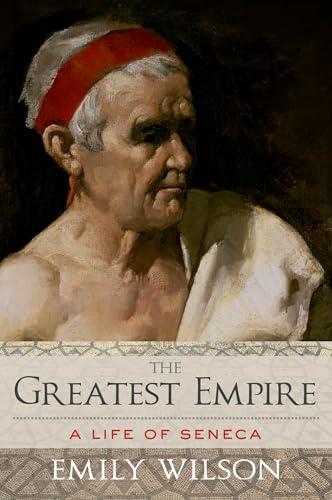
A Life of Seneca
This book is a biography of Seneca by Emily Wilson, a translator of The Odyssey.
Actually, Emily Wilson, who is a translator of The Odyssey and a person I'd love to have on the podcast, she has a great biography of Seneca called The Greatest Empire.
— Episode: Listen To Your Own Soul’s Warning | Cal...
This book is a biography of Seneca by Emily Wilson, a translator of The Odyssey.
Actually, Emily Wilson, who is a translator of The Odyssey and a person I'd love to have on the podcast, she has a great biography of Seneca called The Greatest Empire.
It was highly praised for its insights into Seneca's life and the complexities he faced.
I've also raved about Emily Wilson's book, which I think now is just called Seneca, A Life, but when I read it, it was called The Greatest Empire.
Emily Wilson's biography on Seneca was described as fantastic and fascinating; the speaker expressed interest in having the author on their podcast.
Emily Wilson's biography on Seneca, The Greatest Empire is fantastic and fascinating. I would love to have her on the podcast. I've asked many, many times
The speaker highly recommended this book by Emily Wilson, also mentioning they carry it in their bookstore.
if you haven't read The Greatest Empire by Emily Wilson you absolutely should
This book, a biography of Seneca by Emily Wilson, was recommended by the podcast host. The host also recommends Wilson's translation of the Odyssey.
if you haven't read The Greatest Empire by Emily Wilson you absolutely should and you should read her new or ish translation of the Odyssey which I quite quite enjoyed and actually carry both of them in the bookstore
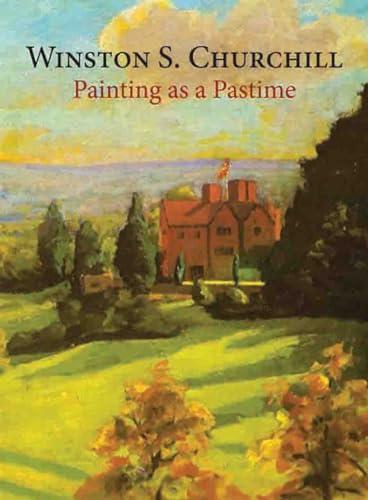
Churchill wrote this book about his experiences with painting as a hobby. He believed that hobbies were essential for public figures to maintain balance and mental well-being. The book was mentioned in the context of a discussion about hobbies and how they can contribute to a person's development.
In fact, he actually writes a book called Painting As a Pastime. It's a beautiful book and one of the passages in the books he says, the cultivation of a hobby and new forms of intere...
— Episode: At All Costs, Keep This | M Financial Gr...
Churchill wrote this book about his experiences with painting as a hobby. He believed that hobbies were essential for public figures to maintain balance and mental well-being. The book was mentioned in the context of a discussion about hobbies and how they can contribute to a person's development.
In fact, he actually writes a book called Painting As a Pastime. It's a beautiful book and one of the passages in the books he says, the cultivation of a hobby and new forms of interest is the first is of the first importance for a public person.
He said to be really happy and really safe, one ought to have not just two or three hobbies, but they all must be real, right? They must be physical. They must actually force you to practice a craft.
Churchill wrote this book about painting; the speaker mentioned that it was not about the quality of the paintings but what the act of painting did for Churchill.
he would actually write a book called Painting As a Pastime and he says every public or important person should have one or two hobbies
The book, Painting as a Pastime, written by Winston Churchill, was discussed in relation to Churchill's hobbies and routines, which contributed to his well-being and success; the host highlights the importance of hobbies.
he wrote this amazing book called Painting As a Pastime where he said like the most important thing that a public person can do is have one or two good hobbies
The book discusses Churchill's adoption of painting as a coping mechanism after World War I and the impact it had on his life. It was suggested as a book the guest might enjoy.
Churchill's book on painting
The book was discussed in relation to Churchill's use of painting as a way to relax and disconnect from the pressures of his political career. It was highlighted as an example of how hobbies can provide stillness and restoration.
Churchill wrote a book called Painting as a past time and I was like what why would first have I don't think people think of Churchill as a writer but that's how he made his living and you don't think like prime minister the guy that stands up to the Nazis you're like and he must have loved watercolors like I think he was more oil paints but the point is like he has this nervous breakdown after the second after the first world war and his sister log gives him children's paint set and says like hey this might help you relax
50th Anniversary Edition
It was recommended without any further detail.
Oh, have you read on that book? It's incredible.
— Episode: Steven Pressfield Painted Porch Book Tou...
It was recommended without any further detail.
Oh, have you read on that book? It's incredible.
The book discusses the importance of solitude and how it is needed for creativity and spiritual growth. It was mentioned in the context of the need for alone time for reflection and renewal.
The world today does not understand, in either man or woman, the need to be alone.
these are among the most important times in one's life when one is alone. Certain springs are tapped only when we are alone.
It was described as a beautiful book that uses the imagery of seashells to illustrate the importance of patience and faith in receiving life's gifts, rather than anxiously searching for them.
The sea does not reward those who are too anxious, too greedy, or too impatient. To dig for treasures shows not only impatience and greed, but lack of faith. Patience, patience, patience, is what the sea teaches. Patience and faith. One should lie empty, open, choiceless as a beach-waiting for a Gift from the Sea.
Actually, I came across a *Gift from the Sea*, I wasn't looking for a particular book, I was in a bookstore in seaside Florida and it was there on the table and I bought it and I loved it.
It was quoted in the podcast, discussing the repeated traumas that ravaged Europe in the first half of the 20th century and how people found peace in small moments despite the hardships. The podcast host connected Lindbergh's perspective to Stoic philosophy.
The good past is so far away she wrote and the near past is so horrible and the future is so perilous.
The book was mentioned in relation to finding peace with oneself, contrasting external achievements with inner harmony. The speaker noted that the author desired peace with herself.
I want to be at peace with myself.
Published in 1955, this classic was profoundly impactful when it first came out and is described as a book about stillness and finding perspective amidst the demands of modern life. The author used meditations inspired by seashells found on the beach to explore themes like solitude and contentment.
This year was one of the bestselling books in the entire country in 1955. It was enormously popular when it came out. It was profoundly impactful for hundreds of thousands of people.
But it's really a book about stillness. . . Everything's going a mile a minute. As she's trying to wrestle with all these challenging demands. As we ourselves are wrestling with all the demands of the modern world. Like we all have this desire to slow things down. To get perspective. To get to what really matters.
The main thing I don't like about this book is that I didn't read it when I was writing Stillness is the Key. Because I almost certainly would have quoted it many many times.
It was mentioned as the host's favourite translation of Seneca's essays, focusing on grief and loss, and was linked to for purchase.
My favorite translation is in the painting porch. I'll link to that.
— Episode: Can You Do It With A Broken Heart? | Any...
It was mentioned as the host's favourite translation of Seneca's essays, focusing on grief and loss, and was linked to for purchase.
My favorite translation is in the painting porch. I'll link to that.
This collection of Seneca's essays includes his consolation letters and his essay On the Shortness of Life; it emphasizes finding happiness and joy despite life's difficulties.
And so this is the kind of stuff that Seneca talks about in his consolations essays which until relatively recently couldn't be found in one place.
It's got his consolation to Marcia, consolation to Helvia that's his mother, consolation to Polyvus, Polybius. And then it's also got his essay on the shortness of life which of course touches on the topic of grief as well.
the point of stosism is not to grit your teeth and just grind through life. No, it's to find happiness and joy despite all the things that are happening
The works of Seneca, alongside those of Marcus Aurelius and Epictetus, show how well-versed these philosophers were in the literature, fiction, essays, and history of their time.
In fact, one can't pick up the works of Marcus Aurelius, Seneca, even the sayings of Epictetus without being struck at how insimilarly familiar these philosophers were with the great writing, fiction, essays, books and histories of their time.
This translation of Seneca's essays was highlighted for containing writings on the shortness of life and collections on grief, which the speaker gifted to the guest.
Seneca writes these very moving essays on grief, which I recommend all the time actually when today's guest was here. I gave him a copy of Seneca's hardship and happiness. One of my favorite go-tos from Seneca, just a beautiful book.
And definitely check out Finding Meaning and the Seneca book I was telling you about.
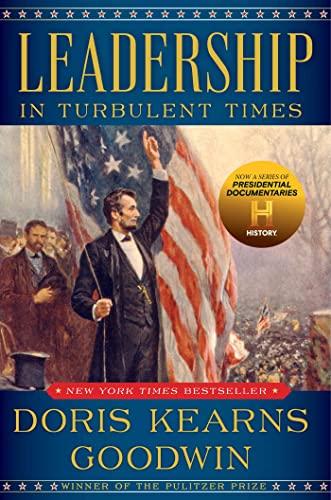
In Turbulent Times
A book written by Doris Kearns Goodwin that discusses leadership in times of crisis. Specifically, Ryan uses the example of FDR's 'only thing we have to fear is fear itself' speech to illustrate how leaders must instill confidence and empowerment in the public during difficult times.
Another book I love that I carry, the Painted Porch, is Leadership by Doris Kearns Goodwin. It's called Leadership in Turbulent Times. A great book.
— Episode: Political Leadership Lessons From Mayor...
A book written by Doris Kearns Goodwin that discusses leadership in times of crisis. Specifically, Ryan uses the example of FDR's 'only thing we have to fear is fear itself' speech to illustrate how leaders must instill confidence and empowerment in the public during difficult times.
Another book I love that I carry, the Painted Porch, is Leadership by Doris Kearns Goodwin. It's called Leadership in Turbulent Times. A great book.
But he's specifically talking about a pressing issue, which is runs on the banks right.
He understands his job as the leader, he can't solve the banking crisis with a swoop of legislation just yet, although he obviously has a bunch of plans, but first he has to let people know there are hands on the wheel.
This book, described as a greatest hits album of Goodwin's biographies of four U.S. presidents, was recommended for its focus on leadership during moments of crisis.
another book that I really like is Doris Kern's Goodwin the biographer she she has a book called Leadership Interbulent Times and it's it's sort of a she's obviously been a master biographer for you know many many decades but this is sort of a greatest hits album of the people she wrote about which is theater Roosevelt Lincoln Franklin Delano Roosevelt and Lyndon Johnson but it's the moments of turmoil and crisis and difficulty of their life in their story so it's I think you know Leadership when things are going great is easy you want to you want to study what the leaders did in moments of crisis and difficulty because that's most likely where you're going to need to lean on them
It was described as a timely and timeless book on leadership, showing the speaker rereads it often.
This is Doris Kern's Goodwin's Leadership in turbulent times, a very timely book and timeless one.
This book, read during the pandemic, is a biography focusing on Lincoln and both Roosevelts, and Lyndon Johnson, examining their leadership during times of adversity.
And then one book I also read during the beginning of the pandemic was Doris Kern's Goodwin's Leadership in Turbulent Times which is basically a biography of Lincoln both Roosevelt's and then Lyndon Johnson so not just Leadership you know in all moments but she really focuses on leaders during moments of adversity which of course the last two years have been defined by but as we see this sort of trailing logistical nightmare that you guys are in especially you know that's not going away anytime soon and certainly doesn't look like the world is getting more stable so I thought that was a really great book and I've thought about it quite a quite a bit since I finished it.
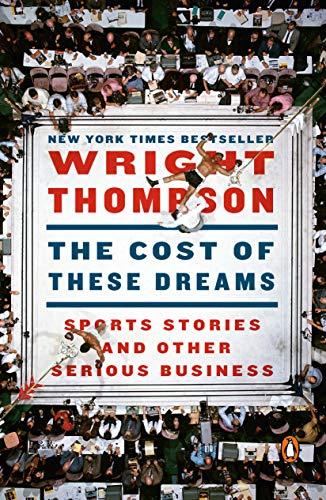
Sports Stories and Other Serious Business
It is described as one of the podcast host's all-time favorite sports books, highlighting the author's skill as a writer.
The Cost of These Dreams is a book I recommend to so many people. It's one of my all-time favorite sports books. He's an amazing writer.
— Episode: Wright Thompson on Untangling Myth from...
It is described as one of the podcast host's all-time favorite sports books, highlighting the author's skill as a writer.
The Cost of These Dreams is a book I recommend to so many people. It's one of my all-time favorite sports books. He's an amazing writer.
It was described as a collection of amazing sports writing, and was one of the speaker's all-time favorite books. The speaker found it challenging and impactful, influencing their own work.
Wright Thompson, the sports writer whose pieces on Michael Jordan, Tiger Woods, Muhammad Ali, and Ted Williams I've used in many of my books, talked about The Cost of These Dreams.
And Wright Thompson's writing on the complicated lives of great people has challenged me to try to be better and more balanced.
And actually, Wright Thompson has one of my all-time favorite books, this book called The Cost of These Dreams that's a collection of his amazing sports writing.
I love your book, The Cost of These Dreams.
The speaker described it as one of their all-time favorite sports books and highly recommends it to others.
The Cost of These Dreams is a book I recommend to so many people. It's one of my all-time favorite sports books.
It was described as a collection of amazing sports writing, and was said to have challenged the speaker to try to be better and more balanced. The speaker called it one of their all-time favorite books.
Wright Thompson, the sports writer whose pieces on Michael Jordan, Tiger Woods, Muhammad Ali, and Ted Williams I've used in many of my books, talked about The Cost of These Dreams.
And Wright Thompson's writing on the complicated lives of great people has challenged me to try to be better and more balanced.
And actually, Wright Thompson has one of my all-time favorite books, this book called The Cost of These Dreams that's a collection of his amazing sports writing.
I love your book, The Cost of These Dreams.
It was described as not really about sports, but about the pursuit of greatness and its costs, and the types of people drawn to it. Many examples from the book were used in other works by the podcast host.
I've raved about his book The Cost of These Dreams which is not really about sports but it so much is about the pursuit of greatness and what it costs you.
If you picked up The Daily Dad, there's stuff in there from his story on Ted Williams and his daughter.
Check out The Cost of These Dreams. We carry it in the painted porch and then Papyland also fantastic.
It was mentioned in relation to the price elite athletes pay for their success and the challenges they face.
I had right Thompson on the sports writer and his book is titled The Cost of These Dreams.
The Science and Sense of Giving Your Kids More Control Over Their Lives
This book was recommended as a helpful resource for parents, focusing on raising self-reliant children. It was positively mentioned as a great book.
I think you might have recommended the book to self-driven child which is a great book and that's another thing too I think as a parent if you're not educating yourself getting the daily dad and readi...
— Episode: Don’t Be Scared By Things Like This | 10...
This book was recommended as a helpful resource for parents, focusing on raising self-reliant children. It was positively mentioned as a great book.
I think you might have recommended the book to self-driven child which is a great book and that's another thing too I think as a parent if you're not educating yourself getting the daily dad and reading about parenting asking great parents asking people that love their parents I just want to ask how was your childhood growing up they're like oh I love my dad I love my mom book you why I look at parenting just like I look at my job it also being a husband too those are the three things in my life on my job my husband and my parenting I want to be really really good at those and I'll educate myself I approach it like a job like I want to do research on how right in my journal about it so I want to know how I can be the best I can be at it
some parenting books I love there's a self-driven child there's a better man the good news about that behavior how to raise kids who aren't hassles to get to failure reading for our lives expecting better they're all really good but I found that reading them once wasn't nearly sufficient what I needed as a parent was the thing that I'd check in with and read every day seeing parenting as an ongoing process
The book was paraphrased as conveying the idea that "People do well when they can." It was mentioned in the context of understanding people's actions within their limitations.
When I interviewed Dr. William Sticksrud and Ned Johnson about their book The Self-Driven Child, which I carry at the Painted Porch Bookstore, they paraphrased an idea from Dr. Ross Green that's worth committing to memory. People do well when they can.
This book was recommended by the podcast host. The podcast host mentioned the book in relation to the concept of questioning every thought and impression before acting on it.
as Dr. Stixrod said on the Daily Stoic podcast his excellent book, The Self-Driven Child is one I recommend you pick that up at the pinnip porch.
It was described as one of the speaker's favorite parenting books, and its popularity at the Painted Porch was noted. The book's concepts informed the speaker's parenting philosophy and were mentioned to be related to the new book, "What Do You Say?"
Dr. William Stixrud and Ned Johnson, the author of The Self-Driven Child, one of my favorite parenting books.
One of the books I recommend to parents all the time, something that's informed my parenting philosophy.
And then they have a new book called What Do You Say? How To Talk With Kids To Build Motivation, Stress Tolerance, and A Happy Home. I think it's very much related to The Self-Driven Child.
And of course pick up The Self-Driven Child. Hopefully at the Painted Porch or anywhere books are sold.
The authors were interviewed about their book, which offers guidance to parents and educators on fostering a sense of agency and purpose in children. They discussed the importance of intrinsic motivation and the development of a growth mindset.
I've loved this book. My wife loved this book. We carry it at the Painted Porch bookstore. It's one of the few parenting books we have. It's a fantastic book. It's really about this idea of agency.
It's a great book. A must read for parents.
And it happens that the two guys know their fair share of stoicism.
we wrote The Self-Driven Child to try to help parents and educators kind of get ideas about how do we help to nurture that sense of agency that says this is your life and I respectfully I have confidence and respect that you can figure out your own life
The book was mentioned in relation to a mindset for working; focusing on the present and not delaying tasks for tomorrow.
here is my frame of mine as I sit down to work this is the day is no other day this is the day
— Episode: The Best Time Is Now | 9 Peak Performanc...
The book was mentioned in relation to a mindset for working; focusing on the present and not delaying tasks for tomorrow.
here is my frame of mine as I sit down to work this is the day is no other day this is the day
The book was discussed in relation to the idea of seizing the day and not procrastinating; a quote from the book was shared about the importance of the present moment.
This is the day. There is no other day. This is the day. There is no other time. Today is the Super Bowl. Today is the day I give birth. Today is the day that I die. Not tomorrow.
This book explains the creative process, focusing on the importance of consistent effort and showing up, rather than solely on achieving high-quality results immediately. The author emphasizes quantity over quality in the initial stages.
When I sit down to write in the morning he writes, I literally have no expectations for myself or the day's work. My only goal is to put in three or four hours with my fingers punching the keys. I don't judge myself on quality. I hold myself accountable for quantity.
The book was discussed positively as a motivational guide and is the title of a podcast interview with the author, Steven Pressfield.
he chose to put his ass where his heart wanted to be.
It was read by the podcast host before starting a new book and was described as delightful and containing Stoic ideas. The host mentioned the book's themes were also covered in Daily Stoic emails.
I read [Put Your Ass Where Your Heart Wants to Be] before sitting down to tackle this new book that I'm writing. And it's delightful.
A Way of Being
Rick Rubin's book was mentioned as an analogy for the concept of being creative. It was compared to how someone may say they are not a good Stoic, but in reality, they are either engaging in the practice or not.
Just like you might say that you're not a good stoic, people might say or worse believe that they're not creative.
— Episode: It’s A Practice | Taylor Swift Used Stoi...
Rick Rubin's book was mentioned as an analogy for the concept of being creative. It was compared to how someone may say they are not a good Stoic, but in reality, they are either engaging in the practice or not.
Just like you might say that you're not a good stoic, people might say or worse believe that they're not creative.
You're either engaging in the practice or you're not, Rubin says.
It makes no sense to say that you're not good at it.
It's like saying, I'm not good at being a monk.
You're either living as a monk or you're not.
It was described as absolutely amazing and highly recommended, particularly for its unique perspective on discipline through Eastern philosophy and creativity.
his great book on creativity is just absolutely amazing. And I highly recommend it.
Ryan Holiday interviewed Rick Rubin about his new book, The Creative Act: A Way of Being. The book was described as a monster seller and discussed Rubin's unique approach to the creative process and his views on creativity.
He sent me an early copy of the book and asked for some marketing advice which I gave. And then it's been awesome to see this book be just a monster seller which it deserves to be.
I loved the book. Carried at the painted porch.
I think it says something also about Rick and his willingness to get insights and ideas from any source.
I'm hoping that when you're reading it you get a feeling of like I want to stop reading so I want to go make something that was the the hope for the book
The book, by a renowned record producer, was recommended for its insights into how creativity arises from environment, systems, and overall vibe. The host connected Rubin's ideas to Stoic principles of focusing on what's within one's control to create a flourishing environment.
this is um Rick Rubin's book The Creative Act and he's he's he's basically the greatest record producer of all time right and you know the Red Hot Chili Peppers and uh you know uh Neil Diamond Johnny Cash his point is like he's not he's like I'm not some like amazing guru that knows how to just tell people what to do his point is that creativity is a product of environment and systems and uh vibe you might say uh to use the current word his point is that it's something that ensues from having done the right thing right and I think so often as leaders as parents um we expect certain things from people and we assume that our job as leaders is to hold them accountable for not doing those things or rewarding them for doing the things and then we think less about uh you know what's more in our control which is what is the environment what is the system what is the structure that we are setting up that allows those things to naturally flourish right and so I'm not just talking about being an example I'm just saying that um how do we think about creating an environment in which the traits the virtues or the outcomes we want to see is is likely to ensue from that so that that's just a sort of a quick point I wanted to make um but I think for the Stokes the idea that look we're all part of this large system that we all have an individual job to do in this system uh and that when we focus on that this is where teams really come together
The podcast host interviewed Rick Rubin about his new book, focusing on Rubin's creative process and the importance of allowing creativity to happen rather than forcing it. The book explores themes of letting go of control and embracing the unexpected in the creative process.
I really enjoyed the book; we do a deep dive into that and to philosophy in this wonderful episode of the podcast that was supposed to go an hour and instead it went two hours.
Rick could have very easily written like a celebrity tell all a sort of a music memoir and instead he wrote a book about something I think is much more timeless.
I felt like the embodiment of this book or your creative approach you've read um zen in the art of archery I'm sure right
I'm trying to get the the the one and sometimes the one um even I would say even in those days though I would listen back we'd work on a song we'd work on um the arrangement we play it many times and then maybe we'd have a revision let's change this part in this part and then we would change the two parts and then we would keep playing keep playing keep playing and let's change now later in the day let's change this part in this part we change those parts and and it keeps getting refined as we work over the course of the day and sometimes we would listen back to one of those earlier takes before it had those refinements and say it's just better it's just better even though it doesn't have those details we liked that came later.
Beware of the assumption that the way you work is the best way simply because it's the way you've done it before.
An Uncommon Guide to Rapid Fat-Loss, Incredible Sex, and Becoming Superhuman
It was briefly mentioned as a self-improvement book summarized by Blinkist, a service highlighted in the podcast.
Tim Ferris's The Four-Hour Body
— Episode: Stacey Abrams on Leveling up and Serving...
It was briefly mentioned as a self-improvement book summarized by Blinkist, a service highlighted in the podcast.
Tim Ferris's The Four-Hour Body
The book was mentioned but the speaker made it clear that they were referring to the book and not the movie adaptation.
believe it or not, I didn't cry in The Road...the book or the movie, we don't talk about the movie, we'll talk about the book
— Episode: Troy Baker, Molly Bloom, Alexander Ludwi...
The book was mentioned but the speaker made it clear that they were referring to the book and not the movie adaptation.
believe it or not, I didn't cry in The Road...the book or the movie, we don't talk about the movie, we'll talk about the book
The book was mentioned in relation to the idea of carrying the fire, and how helping kids maintain that fire is valuable. The guest stated that he had read this book.
he talks about carrying the fire like the kid is carrying that's what i think kids are but i also think like helping kids with it keeps the fire in
The interviewer mentioned rereading this book at the beginning of the pandemic, noting that certain scenes reminded him of the dark insanity of human beings.
I stupidly reread Kormac McCarthy's The Road at the beginning of the pandemic.
But there were scenes in here where, you know, you're just chilling out under an underpass and someone takes a shot at you for no reason that kind of reminded me of the the dark insanity of of human beings.
The podcast host mentioned Cormac McCarthy's novel, The Road, to illustrate the Stoic concept of perseverance. He described the main character's relentless journey despite the bleak circumstances.
In Cormac McCarthy's haunting novel, The Road, the man believed that everything depended on reaching the coast, yet waking in the night he knew that all of this was empty and had no substance to it. The coast was just an idea, a distant point on the horizon that served as something to measure progress against. No more, no less. So the man kept going.
Robert Moses and the Fall of New York
The book was used as an example to illustrate how small daily efforts eventually lead to larger achievements. A specific story from the book helped the speaker overcome a writing obstacle.
as i was thinking about this i remembered this little thing that i'd read about robert Moses in robert caros book The Power Broker and i wrote down my note card and and i just boom th...
— Episode: We’re Broken…But Not Fixed | What Little...
The book was used as an example to illustrate how small daily efforts eventually lead to larger achievements. A specific story from the book helped the speaker overcome a writing obstacle.
as i was thinking about this i remembered this little thing that i'd read about robert Moses in robert caros book The Power Broker and i wrote down my note card and and i just boom the chapter just unlocked itself
This book was praised as a feat of literary achievement, noted for its compelling narrative and in-depth exploration of class and race. The speaker mentioned Caro cut a quarter of a million words from the book.
it's one of the greatest books I think it's a feat of literary achievement for a couple reasons one that it's even interesting to the message of it is fascinating
he cut a quarter of a million words out of the book
it reads like a thriller and it's angel he did that what he does it's not even like a wonderful person it's about a monster unlikable male protagonist
The book was used as a reference for a story about Robert Moses, which inspired the podcast host's writing process. A specific anecdote from the book helped overcome a writing block.
I remembered this little thing that I'd read about Robert Moses in Robert Carlos book The Power Broker and I wrote down my note card and and I just boom the chapter just unlocked itself
Note: The book recommendations on this page are discovered automatically from podcast transcripts, and may be incorrect or incomplete.
Podcast Name