Essentialism
Greg McKeown
Mentioned 4 months ago
BONUS | 3 Practices to Improve Your Life In a Week
For centuries, all sorts of people—generals and politicians, athletes and coaches, writers and leaders—have looked to the teachings of Stoicism to help guide their lives. Each day, author and speaker Ryan Holiday brings you a new lesson about life, inspired by the thoughts and writings of great Stoi...
Recently mentioned
Greg McKeown
Mentioned 4 months ago
BONUS | 3 Practices to Improve Your Life In a Week
Bronnie Ware
Mentioned 4 months ago
BONUS | 3 Practices to Improve Your Life In a Week
Marcus Aurelius
Mentioned 4 months ago
This is How You Win the Day | Circumstances Have No Care For Our Feelings
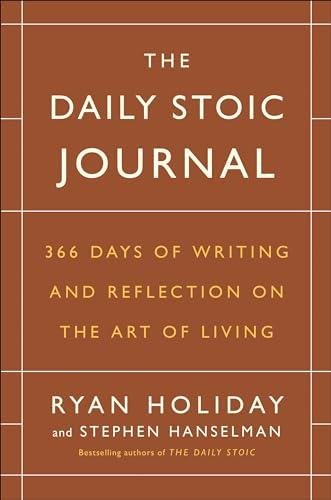
Ryan Holiday
Mentioned 4 months ago
This is How You Win the Day | Circumstances Have No Care For Our Feelings
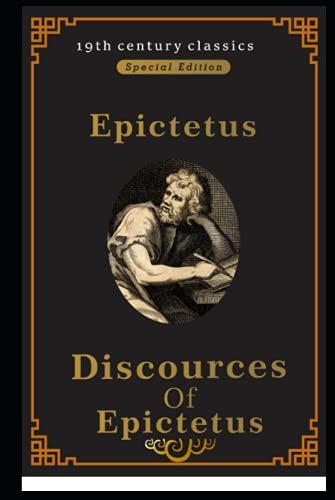
Epictetus
Mentioned 5 months ago
Simple Stoic Rules That Actually Change Your Life
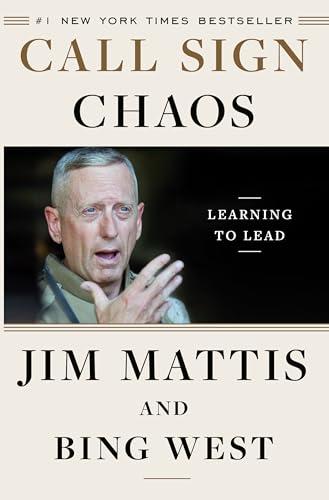
Jim Mattis
Mentioned 5 months ago
What A Wonderful Thing to Measure | Stoic Strategies for Becoming More Resilient
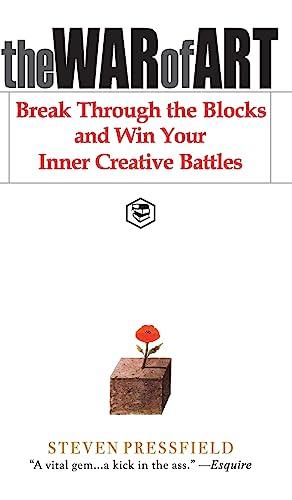
Steven Pressfield
Mentioned 5 months ago
If You Only Read a Few Books This Year, Read These
Leo Tolstoy
Mentioned 5 months ago
If You Only Read a Few Books This Year, Read These
Dr. Becky Kennedy
Mentioned 5 months ago
If You Only Read a Few Books This Year, Read These
Morgan Housel
Mentioned 5 months ago
If You Only Read a Few Books This Year, Read These
Anne Morrow Lindbergh
Mentioned 5 months ago
If You Only Read a Few Books This Year, Read These
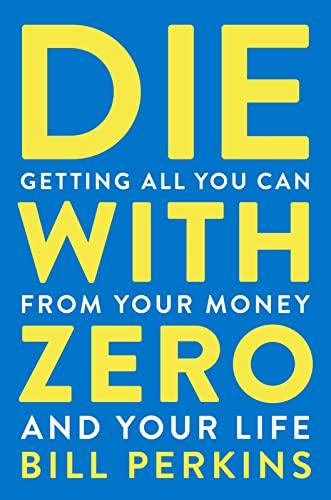
Bill Perkins
Mentioned 5 months ago
If You Only Read a Few Books This Year, Read These
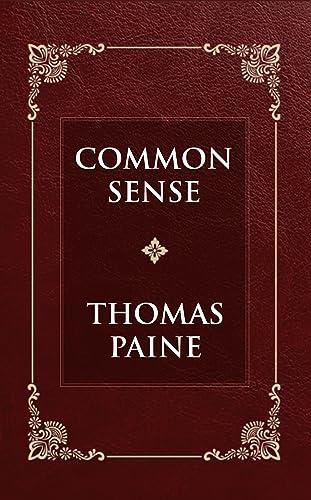
The Unabridged and Complete Edition (Thomas Paine Classics)
It was discussed as being the top-selling book in colonial America and a highly influential piece of media that was read aloud in various public spaces.
The bestseller in colonial America was Thomas Paine's Common Sense and exactly what you're talking about.
— Episode: The History of American Bookshops (From...
It was discussed as being the top-selling book in colonial America and a highly influential piece of media that was read aloud in various public spaces.
The bestseller in colonial America was Thomas Paine's Common Sense and exactly what you're talking about.
It was mentioned as a bestseller during colonial America, read aloud in various public spaces and discussed in the context of a shared cultural moment due to its wide readership.
The bestseller in colonial America was Thomas Paine's Common Sense and exactly what you're talking about.
This was a pamphlet that many, many colonial Americans heard about, which is a remarkable thing considering how anemic the kind of media infrastructure was at the time.
It was described as the bestseller in colonial America, often read aloud in public spaces, and was likened to a modern-day cultural phenomenon like Harry Potter or Taylor Swift.
The bestseller in colonial America was Thomas Paine's Common Sense and exactly what you're talking about.
That book, that pamphlet was read aloud in taverns and churches and city halls and squares across the country and was probably in terms of a kind of cultural zeitgeist or what we would call a kind of water cooler moment where everybody is talking about the same piece of media was probably as galvanizing and as momentous and as influential and as broad of a readership as any book since, you know, Harry Potter, Taylor Swift, whatever kind of contemporary examples we could think of.
It was discussed as a bestseller in colonial America that was read aloud and highly influential in shaping the cultural landscape during that period.
The bestseller in colonial America was Thomas Paine's Common Sense and exactly what you're talking about.
The podcast highlighted Thomas Paine's Common Sense as a bestseller in colonial America, emphasizing its widespread influence through public readings.
And sort of relatedly, the bestseller in colonial America was Thomas Paine's Common Sense and exactly what you're talking about. The colonial population was still largely illiterate, but that book, that pamphlet was read aloud in taverns and churches and city halls and squares across the country and was probably in terms of a kind of cultural zeitgeist or what we would call a kind of water cooler moment where everybody is talking about the same piece of media was probably as galvanizing and as momentous and as influential and as broad of a readership as any book since, you know, Harry Potter, Taylor Swift, whatever kind of contemporary examples we could think of.
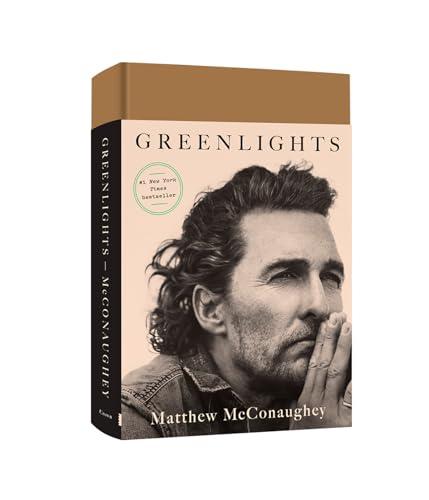
It was described as a great book and there is also a journal associated with it. It was mentioned several times throughout the podcast.
Maybe you read his book, Green Lights which is great, there's also Green Lights Journal.
— Episode: Matthew McConaughey On The Art Of Livin’
It was described as a great book and there is also a journal associated with it. It was mentioned several times throughout the podcast.
Maybe you read his book, Green Lights which is great, there's also Green Lights Journal.
You can grab his book Green Lights here in the painted porch as well.
I'll link to it in today's show and it's all you can just go to artoflivenevent.com slash Road Trip or if you just Google Matthew McConaughey Road Trip, it should come up there at the top also I think you'll really like it and it's always a treat to get a peek inside this guy's head because there's not many people thinking or living like he is and that's why I wanted to have him back on the podcast.
This is part two, listen to part one if you haven't and remember you can follow him on all social platforms especially now on YouTube at Matthew McConaughey and I'll link to the new course Road Trip The Highway to More.
The podcast discussed McConaughey's bestselling memoir Greenlights, touching upon its philosophy and the reasons behind its creation, relating it to the actor's desire for more creative control in his life after years in Hollywood.
It's my book. It's published more or less how I want it to be published.
So you can grab that and then check out his book Greenlights which is also extremely good and I quite enjoyed him.
It was discussed at length; the author shared his approach to acting and the keys to living a happy life, saying no to what doesn't matter. The book's central theme revolves around the concept of 'green lights', representing opportunities and positive choices in life.
I loved Matthew's book Greenlights and he was nice enough to ask me to blurb it, which I did.
If you haven't read Greenlights or seen the Greenlights Journal, you should; they've bostled a bazillion copies for good reason.
I am a fan of writing the headline before writing the story.
I'm having a wonderful time; I get more mad, more sad, I get more joy, I'm laughing hard, I'm feeling resonance with the thing I'm doing...
I had such a great time; I had the best creative time I've ever had writing this book; I laughed, I cried, I drew blood, but I had the best time I've ever had with the best company I've ever kept writing this book, me.
Greenlights, McConaughey's book, was mentioned as a testament to his ability to find balance in life by prioritizing his efforts and focusing on fewer things.
The incredible work he's done as an actor since and now his book Greenlights, it's a testament to that.
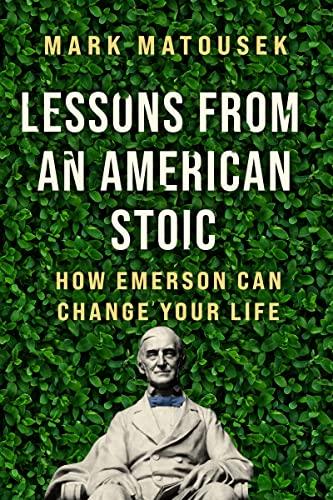
How Emerson Can Change Your Life
The book Lessons from an American Stoic, How Emerson Can Change Your Life by Mark Matusik was strongly recommended and mentioned as a new book. Mark Matusik was also invited to the Painted Porch to do an interview about the book.
It's called Lessons from an American Stoic, How Emerson Can Change Your Life by Mark Matusik, who is nice enough to come out to the painted porch to do an interview.
— Episode: Self-Reliance and the Confidence in Trus...
The book Lessons from an American Stoic, How Emerson Can Change Your Life by Mark Matusik was strongly recommended and mentioned as a new book. Mark Matusik was also invited to the Painted Porch to do an interview about the book.
It's called Lessons from an American Stoic, How Emerson Can Change Your Life by Mark Matusik, who is nice enough to come out to the painted porch to do an interview.
His new book is great.
You can follow him on Instagram at mark.matusik, follow him on Facebook at mark.matusik and you can grab copies of Lessons from an American Stoic from the Painted Porch or anywhere books are sold.
I think we are running or we have run an excerpt from it. If not, I'm going to chase that ball down because I wanted to show that.
It was mentioned as a book the speaker had bought in Bondi Beach, Australia, for a writing project related to 'The Wisdom Book'.
And I was like, oh, I bought this in Bondi Beach last time I was in Australia.
It was mentioned as the book Ryan Holiday was looking at, and it was noted that he had previously bought it when in Australia.
And it's funny, I was just pulling a book off the shelf for something I'm writing for The Wisdom Book now, this Emerson book. And I was like, oh, I bought this in Bondi Beach last time I was in Australia.
The podcast host mentioned picking up a copy of an Emerson book he'd previously bought in Australia while working on The Wisdom Book.
And I was like, oh, I bought this in Bondi Beach last time I was in Australia.
Two excerpts from this book were shared on the podcast; the podcast host speaks highly of the book and its author, recommending it to listeners. The book explores Emerson's wisdom and how it applies to modern problems.
i'm writing about emerson right now and uh it's funny i was going through my books on emerson and i've got my portable emerson i've got my penguin classics translation of nature and then i found this book i had that i forgot that i'd read emerson has a little collection of biographies called representative men
it's actually about emerson one of my favorite people to write about and the subject of a really great new biography called Lessons from an American Stoic how emerson can change your life
the author mark metusik actually came out and did the daily stoic podcast a couple of weeks ago that episode is going to run in a little bit but i wanted to bring you an excerpt from that book because i liked it so much his publisher harper columns was nice enough to let us run this excerpt from the audiobook on the daily stoic podcast so you get a sense of what that audiobook is like the book in physical form is great too we've got some sign copies in the painted porch and uh there's just something about emerson
he really can't change your life so check out the book and listen
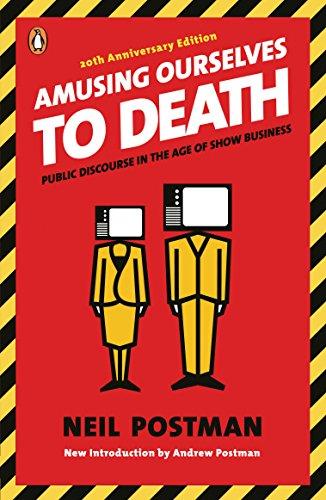
Public Discourse in the Age of Show Business
The speaker suggested this book as another eye-opening read about why one should consume as little news as possible and how manipulative and harmful it is.
there's also Neil Postman's Amusing Ourselves to Death these are two eye opening books that will give you a sense of why you should consume as little news as possible and how manipula...
— Episode: No One Can Hold Anything Over You | Keep...
The speaker suggested this book as another eye-opening read about why one should consume as little news as possible and how manipulative and harmful it is.
there's also Neil Postman's Amusing Ourselves to Death these are two eye opening books that will give you a sense of why you should consume as little news as possible and how manipulative it is and how harmful it is.
This book was recommended alongside "The Image" to provide insight into the manipulative and harmful effects of excessive news consumption.
there's also Neil Postman's Amusing Ourselves to Death these are two eye opening books that will give you a sense of why you should consume as little news as possible and how manipulative it is and how harmful it is
It was mentioned as one of many books that Mark Zuckerberg should read; the context suggests it's a book offering insightful commentary.
By the way there are plenty of books at Suckerberg ought to read these days in that vein, including Amusing Ourselves to Death, the storm before the storm, the brass check, the filter bubble and trust me online.
Similar to *The Image*, this book was suggested as a resource for understanding the manipulative and harmful effects of overconsumption of news, offering reasons to limit news intake.
there's also Neil postman's Amusing Ourselves to Death these are two eye-opening books that will give you a sense of why you should consume uh as little news as possible and how manipulative it is and how harmful it is
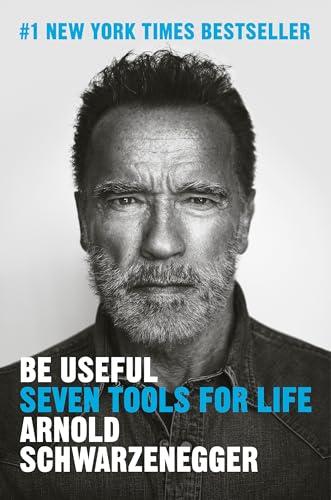
Seven Tools for Life
The podcast mentioned Arnold Schwarzenegger's book, "Be Useful," in which he discusses his inspiration from Marcus Aurelius's "Meditations." The book's discussion of the self-made man myth was highlighted.
he references how inspired he was by meditations in the final chapter of his new book Be Useful
— Episode: No One is Self-Made | What Expensive Thi...
The podcast mentioned Arnold Schwarzenegger's book, "Be Useful," in which he discusses his inspiration from Marcus Aurelius's "Meditations." The book's discussion of the self-made man myth was highlighted.
he references how inspired he was by meditations in the final chapter of his new book Be Useful
I have been the creation of hundreds of people. He said thousands of people.
The book was described as inspirational, written in Arnold Schwarzenegger's uniquely earnest, blunt, and powerful voice, and filled with compelling personal stories. The podcast interview was partially based on this book.
if you haven't read these useful you should carry it to painting porch
Arnold's new book it's great I'll link to it in today's show notes you can grab Be Useful from the painted porch or anywhere books are sold it's fantastic
The book was mentioned, and the speaker emphasized the importance of having a clear vision and specific goals, illustrating this concept with anecdotes from the author's own life.
I think at the end of this conversation where people didn't have to really start thinking about and some people say what a doctor told me that I'm now 55 years old my cholesterol is high and my blood pressure is high and they thought instead of just going on drugs and you're describing me medication I should try vigorous exercising every day for a little bit not too long but just every day something and so they do that but I always tell them as it look if this is specific goal that you have where you say okay by Christmas I want to have 20 pounds less now you're shooting for specific goal and now you weigh yourself every day now you watch what you eat because you always know that you're stepping on this scale and you want the way less and less and less every day and by Christmas you want to have 20 pounds less so you can afford a little bit picking out right at the Christmas time or whatever because maybe feel overweight or whatever so when we said specific goals like that or I sometimes talk about it then when I was a kid 15 years old I wanted to go the next year to the lake where I grew up and I wanted to be more muscular and impress the girls and people say you you were actually saying that I said no I was not saying that to anybody I said but it was my goal and I dealt with it sure I said I dealt with it and it motivated me to go into train every day and all of a sudden I said and it's of course a stupid motivation but it works yeah I said so I'm telling people as in no matter how stupid your motivation is it doesn't matter how silly it is it doesn't matter but pick a goal and then go after that goal have a specific reason for it because for everything it gives us more motivation when we have a reason it's no different than a kid that is coming out of high school and he now goes to college and he wants to be a doctor but that's a goal yeah well that's a big goal and now all these classes that he would take will be specific classes that would get him to do that goal to make that goal a reality there's so many that go to university just because they're here always this always the American way and I got to have a university I've never degree and all this stuff but they don't know for what right so they go in there and what did they do they go in the joint at the university they go and stay in some flat house and they get drunk they eat junk food they gain weight and all this and they're drunk more than they're really studying and all this so because they are aimlessly kind of like going through university for as long as they're finished and they don't earn more money because they haven't really shot that they study American history something that's a they were not used like don't except if you become an educator of some sort then you can use those things or say college to study or English to study yeah we can use this but if that's used for something specifically so I think it's always good if you say I want to be a businessman I want to start a real estate business and so therefore all of this that you study is like you studied a micro economics macroeconomics study accounting get really good in math and the algebra geometry and all of those kind of things and you're really good in writing business letters and then communicating and then marketing and the publicizing products and all of this stuff so all of the stuff that is important to be a good businessman because no matter what business you're in you have to be able to sell the market to communicate the product whatever you're dealing with so then you can take classes for that yeah so this is why it's more fun when we have a goal and this is why I stress this in my book about have a vision have a clear goal like I had when I was 15 years old I wanted to be the world champion in bodybuilding I wanted to be another rich park and five years later after that dream and that vision that I had five years later I was standing on that very same stage in London where red park one is mr. universe contest in 1951 in 1958 and in 1965 he won three mr. universe titles and at the very same stage I stood there in 1966 and then in 1967 I won the mr. universe title in that stage so I saw firsthand how that vision drove me to the gym hours a day where the normal amateur bodybuilder didn't train three four hours a day they trained an hour and a half but I did the weightlifting I did the powerlifting I did the bodybuilding I did the reps and the heavy weights and everything like this and then by the time after hours and hours of training and torturing myself and going through this I started winning competitions and junior mr. europe then mr europe best buildman of europe and then second mr. universe then mr. universe with the age of 20 so it was amazing so now I knew ah this is what I have to do for the rest of my life I have to have a very clear vision and so then of course the vision expands you say I want to be not just mr. universe I got the goal become the greatest bodybuilder four times so that becomes you new goal the year after one win that many mr. universe titles as a rich park win I have to win as many mr. Olympia titles as Sergio Lever and Larry Scott won and so I have to just go after those titles and so eventually I became the greatest bodybuilder of all times in 1975 after winning the sixth 1980 the seventh mr. Olympia competition and the thirteenths world bodybuilding title and so it was like so and that same idea went into acting again I had a very clear vision to become another clean these two the child's bronze does something like this so every one of my goals uh approached it way well it's when you have the goal you have the motivation which is key but then something that's really interesting about your career you also know what to say no to that might be exciting or lucrative or interesting or standard but it takes you further away from where you're going right so the path so I think someone who has a strong idea of what they're trying to accomplish clear vision as you call it um strong sense of who they're trying to help or what they want to accomplish then they also know how to pass on things that are coming their way they know how to pass on distractions they know how to pass on temptations they also know how to pass on you know doing the same thing over and over again because the next part of their vision actually requires them to go over here you have to have that clarity
It was described as a book with uniquely earnest, blunt, and powerful writing, taking readers on an inspirational tour through Schwarzenegger's toolkit for a meaningful life. It includes compelling personal stories, life-changing successes, and life-threatening failures.
Arnold Schwarzenegger has a great new book called Be Useful 7 Tools for Life
I really enjoyed the book
When I read Marcus Aurelius' Meditations, I was struck by the fact that the first book...was basically a 2000-year-old journey...nothing more than a list of people in Marcus's life who helped him or taught him something valuable.
I said to my team, I said guys, maybe you think I have a little bit of a hang-up about all this stuff, maybe I do, but let's look at this. I said, you know, I'm a Republican, but Republicans as we get this list of judges that are supposed to be appointed now, I said the natural thing is that you guys are going to look for a Republican judge, I said but I'm not going to look for that. I said here is what I'm looking for, I'm looking for to put in more women as judges in California than any other governor.
I don't hate Democrats, I don't hate black people, I don't hate Jews, I don't hate anybody. I said to me they're all the same, they're equal.
It was described as a great book by Ryan Holiday, who interviewed Arnold Schwarzenegger about it for an upcoming podcast episode.
Arnold Schwarzenegger's new book called Be Useful which is great that episode will come out in a little bit so stay tuned for that
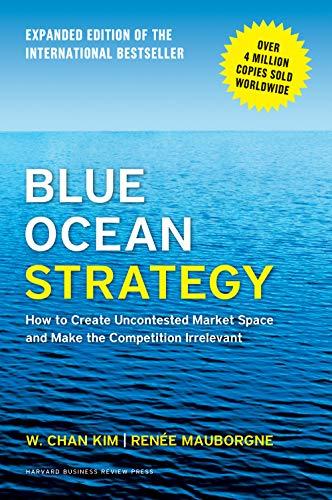
How to Create Uncontested Market Space and Make the Competition Irrelevant
The book was referenced to support the idea of avoiding direct competition and creating unique opportunities in business. The speaker highlighted the concept of seeking uncontested market space.
i love the book blue ocean strategy the idea is you don't want to be competing with other people you want to have the space all to yourself
— Episode: We’re All Playing a Part | 11 Ways Stoic...
The book was referenced to support the idea of avoiding direct competition and creating unique opportunities in business. The speaker highlighted the concept of seeking uncontested market space.
i love the book blue ocean strategy the idea is you don't want to be competing with other people you want to have the space all to yourself
The book, along with "Blue Ocean Shift", was mentioned in relation to the concept of "red oceans" (lots of competition) versus "blue oceans" (focus on what is in your control).
there's another one called Blue Ocean Shift actually did the marketing for but the idea is red oceans is where there's lots of competition that means being like everyone else wanting the things that everyone wants focusing on what's out of your control like everyone else.
It was described as one of the best-selling business books of all time, with around five million copies sold. The book's core concept, creating new markets instead of competing in existing ones, was highlighted as highly influential.
probably maybe one of the most influential business books that I've ever read actually has had a huge impact on the outside just business. It's this book, Blue Ocean Strategy. The idea that you create new markets rather than trying to compete in and win in an already competitive market. And it's one of the best selling business books of all time. It's all like five million copies.
If you haven't read Blue Ocean Strategy, we carry it here in the paint of porch, grab that.
The podcast host raved about this book, which explores the concept of red oceans (high competition) versus blue oceans (uncontested market space).
There's another book that I rave about that we carry here in the store called Blue Ocean Strategy.
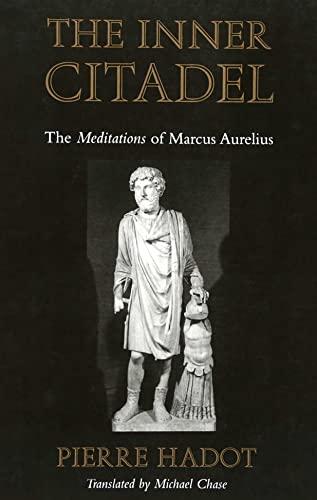
The Meditations of Marcus Aurelius
The Inner Citadel is a book about Meditations by Marcus Aurelius, described as a series of spiritual exercises.
In Pierre Hedot's fascinating book on Meditations called The Inner Citadel, he describes this as a series of spiritual exercises.
— Episode: It’s A Very Special Thing | We Can Work...
The Inner Citadel is a book about Meditations by Marcus Aurelius, described as a series of spiritual exercises.
In Pierre Hedot's fascinating book on Meditations called The Inner Citadel, he describes this as a series of spiritual exercises.
The book, a translation of Marcus Aurelius' Meditations, was highly recommended by the speaker. The speaker highlighted that this translation offered a unique perspective on the original text.
you should read that book too
Hadot reinterprets Marcus Aurelius's Meditations as spiritual exercises rather than philosophical treatises, emphasizing their personal nature and application.
this guy said that basically almost all the study of ancient philosophy gets it wrong that we're thinking about the ideas we're thinking about the writing we're thinking about the theory when in fact what philosophy was was a series of spiritual exercises notes discussions with the self about how to solve problems of life
marcus really wasn't making philosophy for you he was philosophizing to himself
The speaker described it as a book containing Hadot's own translation of Marcus Aurelius's Meditations, which he praised. He specifically recommended reading an excerpt within this book.
I'm a big fan of Pierre Hadoo in his book The Intercedado which I carried the paint of Portugal into today's episode. But Hadoo does his own translation of meditations which has not been published except for the excerpts in the book and there's a really good one inside the intercedado which you should read.
An Ethical Biography
It was described as an incredible biography of Abraham Lincoln, focusing on his ethical character and how he chose to get involved in issues around him.
We tend to think of moral choices, William Lee Miller writes in his incredible biography of Abraham Lincoln.
— Episode: It’s About What You Make Happen
It was described as an incredible biography of Abraham Lincoln, focusing on his ethical character and how he chose to get involved in issues around him.
We tend to think of moral choices, William Lee Miller writes in his incredible biography of Abraham Lincoln.
There are also those latent possibilities lying all around us all the time if we bestir ourselves, Miller writes.
And by the way, you should grab William Lee Miller's book. It's amazing.
The book "Lincoln's Virtues" was mentioned alongside another book on Lincoln, highlighting the contrast between Lincoln's moral image and his political reality.
There's a great book by William Lee Miller called Lincoln's Virtues and then another local president Lincoln which we we think of Lincoln as this brilliant moral figure we don't think of him as a politician but he was a politician is politician there's that's like the Kennedy quote that parents want their kids to grow up to be president but they don't want them to be politicians but those are inseparable roles.
The book, "Lincoln's Virtues," was described as exploring the idea that Lincoln was a politician who had to navigate political complexities, a point of comparison to the challenges faced by figures like Seneca.
One of my favorite books I think it's by William Lee Miller. It's called Lincoln's Virtues.
A History of the American Bookstore
It was discussed as a new book, exploring the history of American bookstores, marketing, and iconic locations. The podcast host was very excited to have Evan Friss on to discuss the history of bookstores.
Evan Friss is the author of a new book called The Book Shop, A History of the American Bookstore.
— Episode: The History of American Bookshops (From...
It was discussed as a new book, exploring the history of American bookstores, marketing, and iconic locations. The podcast host was very excited to have Evan Friss on to discuss the history of bookstores.
Evan Friss is the author of a new book called The Book Shop, A History of the American Bookstore.
And I love bookstores. I've always loved bookstores long before I opened them.
Check out Evan's book, The Bookshop, A History of the American Bookstore.
And it seemed like basically nobody could figure out if bookstores were dead or alive, including Amazon. And so they were going to wade into it.
It was discussed as a newly released book that explores the history of American bookstores, encompassing the evolution of book marketing and highlighting iconic establishments.
Evan Friss is the author of a new book called The Book Shop, A History of the American Bookstore.
Check out Evan's book, The Bookshop, A History of the American Bookstore.
And it seemed like basically nobody could figure out if bookstores were dead or alive, including Amazon. And so they were going to wade into it. I liked their bookstores. I thought they were great.
And my book is Viking, which is an imprint of that. If you go to the Penguin Random House site and search for the book, you can't actually buy it from Penguin Random House.
It was discussed in detail throughout the episode, exploring the history of American bookstores and their evolution, with a particular focus on the role bookstores played in shaping American culture and ideas.
Evan Friss is the author of a new book called The Book Shop, A History of the American Bookstore.
So I was so excited to read this book because it dives into the history of American bookselling, how the marketing of books has changed throughout history, and just the stories behind America's most iconic bookstores, which I was very excited to nerd out about with Evan.
Check out Evan's book, The Bookshop, A History of the American Bookstore.
And so they were going to wade into it. I liked their bookstores. I thought they were great.
And it seemed like basically nobody could figure out if bookstores were dead or alive, including Amazon.
It was discussed in detail throughout the podcast as it explores the history of American bookstores, the impact of Amazon, and the role of libraries.
Evan Friss is the author of a new book called The Book Shop, A History of the American Bookstore.
And we're going to talk about the foundational roles of bookstores and libraries.
Check out Evan's book, The Bookshop, A History of the American Bookstore.
And in the book, I profile one of them and the name happened to be Amazon.
It's a kind of compendium of miscellaneous. It's a really interesting read if you go back and look at it.
It was discussed how the book dives into the history of American bookselling, how the marketing of books has changed, and stories behind America's most iconic bookstores. The podcast host expressed excitement about nerding out about it with the author.
Evan Friss is the author of a new book called The Book Shop, A History of the American Bookstore.
So I was so excited to read this book because it dives into the history of American bookselling, how the marketing of books has changed throughout history, and just the stories behind America's most iconic bookstores, which I was very excited to nerd out about with Evan.
A 200-Year History of Cycling in New York City
It was mentioned that the podcast guest, Evan Friss, had previously written a book on bicycles, a history of bicycles.
He's also written a history On Bicycles called On Bicycles, which is fascinating.
— Episode: The History of American Bookshops (From...
It was mentioned that the podcast guest, Evan Friss, had previously written a book on bicycles, a history of bicycles.
He's also written a history On Bicycles called On Bicycles, which is fascinating.
It was mentioned as another book by Evan Friss, relating to the history of bicycles, in the same context as his 'The Bookshop'.
He's also written a history On Bicycles called On Bicycles, which is fascinating.
It was mentioned as another book Evan Friss had written, and was described as fascinating by Ryan Holiday.
He's also written a history On Bicycles called On Bicycles, which is fascinating.
It was mentioned that Evan Friss had written a book on the history of bicycles, demonstrating his diverse interests.
He's also written a history On Bicycles called On Bicycles, which is fascinating.
The book, a history on bicycles, was mentioned as another work by the guest, Evan Friss.
He's also written a history On Bicycles called On Bicycles, which is fascinating.
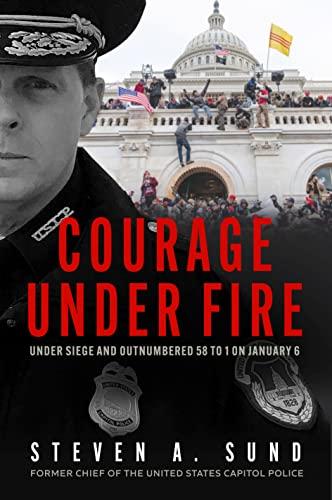
The Definitive Account from Inside the Capitol on January 6th
Written by a fighter pilot shot down over Vietnam and held as a POW, the book details Stockdale's application of Epictetus's doctrines during his imprisonment, highlighting the freedom of choice in any circumstance.
What's incredible about this book, it's written by a fighter pilot who's shot down over Vietnam, has his fur shooting down, knowing he's going to be taken prisoner, knowing that he very well could die...
— Episode: Who Possesses You? | 12 Must-Read Stoic...
Written by a fighter pilot shot down over Vietnam and held as a POW, the book details Stockdale's application of Epictetus's doctrines during his imprisonment, highlighting the freedom of choice in any circumstance.
What's incredible about this book, it's written by a fighter pilot who's shot down over Vietnam, has his fur shooting down, knowing he's going to be taken prisoner, knowing that he very well could die.
This man says to himself, I'm leaving the world of technology and entering the world of Epictetus.
He's locked in solitary confinement. He's tortured as Epictetus was and yet all the time he's focusing on what Epictetus talked about, that a podium in a prison is each a place.
Written by a fighter pilot shot down over Vietnam, the book details Stockdale's application of Stoic principles, particularly Epictetus's teachings, while enduring years of imprisonment and torture. It explores the concept of choosing one's response to adversity.
This is a short little pamphlet-looking thing I get that maybe doesn't seem like it would be one of the greatest philosophical works ever written, but it is.
Obviously the Stoics wrote for a long time about adversity and difficulty and we take them at their word. What's incredible about this book is that it's written by a fighter pilot who shot down over Vietnam, and he'd studied the Stoics, he studies epictetus most of all, and as he is parachuting down, knowing it's going to be taken prisoner, knowing that he very well could die.
This man says to himself, I'm leaving the world of technology and entering the world of epictetus.
What he's doing is testing the doctrines of epictetus in the laboratory of human experience.
James Stockdale spends seven plus years in what now is called the Hanoi Hilton, he's locked in solitary confinement, he's clapped in irons as epictetus was, he grievously injures his leg, never fully regaining the use of it, as epictetus did, he's tortured as epictetus was, and yet all the time he's focusing on what epictetus talked about that, there are some things that are up to us, some things that are not up to us.
This book was described as transformative for the interviewee during a difficult period of his life; he highlighted the book's impact on his understanding of victimhood and emotional resilience.
The most transformative book for me during that time was Carriage Under Fire, the Stocktail book. And, you know, and I have that just completely marked up.
And the thing that really helped me from that book was talking about epic tease is basically just like feeling like a victim, right?
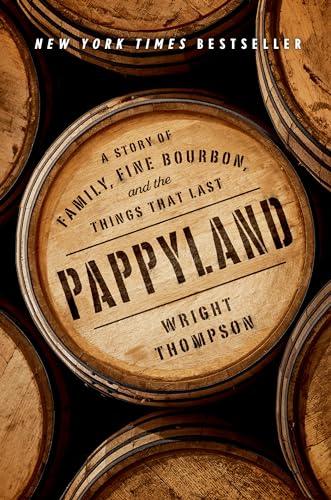
A Story of Family, Fine Bourbon, and the Things That Last
This book was mentioned as another great book by the speaker, indicating their high regard for the author's work. It was mentioned in passing alongside other works.
There's another book called Papuland that's great.
— Episode: Wright Thompson on Reckoning with the So...
This book was mentioned as another great book by the speaker, indicating their high regard for the author's work. It was mentioned in passing alongside other works.
There's another book called Papuland that's great.
It was mentioned as another great book by the speaker, and was discussed in a previous episode of the podcast with the author, where they nerded out about history and philosophy and Bruce Springsteen.
There's another book called Papuland that's great.
we talked about Papuland and the convergence of sports and culture
This New York Times bestseller was described as fantastic and a great read. It was mentioned alongside another of the author's books.
his book Papyland, Story of Family, Find Bourbon and Things That Last. Also fantastic.
Papyland also fantastic.
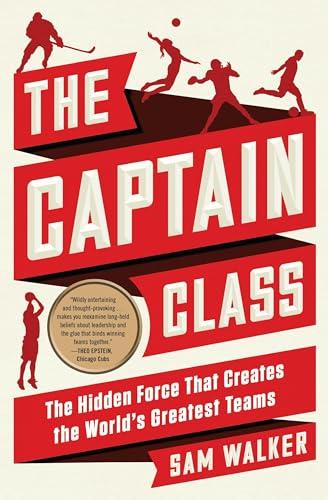
The Hidden Force That Creates the World's Greatest Teams
It was praised as an amazing and intellectual exercise, initially intended to list the best sports dynasties but ultimately focusing on the characteristics of successful captains. The author's shift in focus during writing was noted.
That book's so good.
— Episode: Mastering High Performance | Paul Rabil...
It was praised as an amazing and intellectual exercise, initially intended to list the best sports dynasties but ultimately focusing on the characteristics of successful captains. The author's shift in focus during writing was noted.
That book's so good.
That's one of my favorites.
He wrote the book to list the best dynasties of all time in sports.
And so he changed it and he wrote about The Captain's Class.
It was mentioned as a book (or article) about leadership, suggesting that the best leaders often don't want to lead and are reluctant to take on such roles.
did you read that books that the captain's class by sam no what's his name uh oh we see that Wall Street general guy yes yeah or was it the wall street general yeah he wrote a piece and i think he's working on a book about it where it's it's called like the Eisenhower paradox or something which is that basically the best leaders don't want to be leaders yeah and that they are called to it in some way and they wrestle with whether they should do it or not and that it's the people who want it very badly that tend to do very badly but also um are the ones you should kind of be suspicious of
It was highly recommended for its insightful look into successful sports teams, including the US women's national team, which the speaker viewed differently after reading it.
I was on his podcast and he recommended this book, The Captains Class by Sam Walker, which I absolutely loved.
And for whatever reason it wasn't until I read, actually I know what reason women's sports tends to get the short end of the stick in American culture. But I hadn't really thought of the US women's national team as one of the great dynasties of sports all time. And it very clearly is, very clearly was it remains an institution that a ton of people could learn from and I have seen that team totally differently from reading that book.
The podcast mentioned this book, which explores leadership in sports, noting that the best teams often have unexpected captains, and how this relates to the qualities of effective leaders. The speaker indicated they believed the listener would enjoy the book.
have you have you read the captain's class by Sam Walker I think you would like that book a lot but it's a it's a great book about how often like the most the best teams have a captain who it's not who you think it was like Michael Jordan wasn't the captain of the bulls it was Bill Cartwright and that's the reason that they were able to do what they did but anyways he wrote another book or I think he's writing a book about it but he wrote an article about it it's about it was talking about Eisenhower like Eisenhower doesn't want to be president he's drafted like sort of called to be president and his point was that often the best leaders are people who don't want to be leaders like like it's not like they were like no give me the ball like I deserve to be in charge I'm better than all of you it's more the person who's like quietly working on their own stuff over here that everyone senses is capable of more and could do a really good job and the team kind of goes like we need more from you that's right that's what you want to be
The book's central idea--that great teams often succeed due to less-talented individuals who cultivate strong team culture--was discussed. The host recommended this book to Tyler Cowen.
Have you read the book The Capins Class by Sam Walker?
I think he would really like his point is that often great teams are more than the sum of their parts not because of a transcendent star like say Michael Jordan but because Michael Jordan is on a team with Bill Cartwright that the captain of great teams or businesses is often a less well-known individual a less talented individual but is the person that binds the culture together and allows what might ordinarily be a dysfunctional trio or a collection of individuals to come together as an organization and that person is credible with the star as with the case with Cartwright but is not always the case
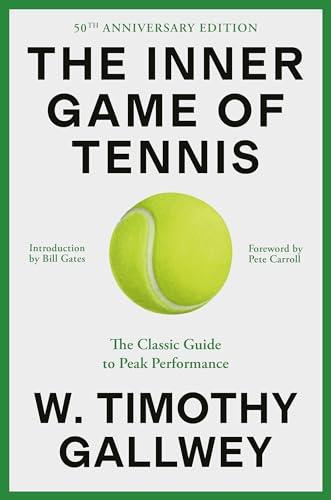
The Classic Guide to Peak Performance
The book's concept of conscious understanding versus trained intuition in athletic performance was discussed as analogous to writing.
Can you write *The Inner Game of Tennis*? No, who wrote that? In a very similar book...
— Episode: Austin Kleon On Maintaining Healthy Habi...
The book's concept of conscious understanding versus trained intuition in athletic performance was discussed as analogous to writing.
Can you write *The Inner Game of Tennis*? No, who wrote that? In a very similar book...
This book was cited as a favorite sports psychology book, highlighting its discussion of two types of players: one who overthinks and one who trusts their body's instincts.
One of my favorite sports psychology books is the inner The Inner Game of Tennis by Timothy Galway. Yes. And in the first couple of chapters he talks about, who are you going to be a player A or player B? And player A tries to outthink his body and player B trusts his body and just tells it the direction he wants it to move.
The interviewee mentioned this book as Tom Brady's favorite, highlighting its discussion of subconscious play and the challenges of thinking while playing tennis. The interviewer intends to read it.
Have you read the intergame of tennis? No, I haven't. Okay. So one, you have to read it if you like tennis, but I believe it's Tom Brady's favorite book.
So, yes. And it's exactly what we're talking about. He says you basically can't think and play tennis at the same time. You have to get to a subconscious level. It's a fascinating book. I think you would really like it.
Thank you for the recommendation. I'll put it on my list now.
This book was recommended to a tennis player struggling with nervousness during matches, suggesting that elite performance requires turning down external pressure and letting training take over.
Well, have you read The Inner Game of Tennis? Yes, I have. Yeah. So I would recommend that book. It would be quite fitting here for an actual tennis player.
A Survival Guide for Combating Cowards, Chaos, and Lies
It is a biography of Marcus Aurelius, and the speaker mentioned that there are likely things about him that people still don't know.
maybe you think you know him because you read meditations, maybe you think you know him because you read my biography of him in Lies of the Stoics but I'm pretty sure there's some things you don't kno...
— Episode: 18 Things You Didn’t Know About Marcus A...
It is a biography of Marcus Aurelius, and the speaker mentioned that there are likely things about him that people still don't know.
maybe you think you know him because you read meditations, maybe you think you know him because you read my biography of him in Lies of the Stoics but I'm pretty sure there's some things you don't know about him.
Ryan mentioned writing about Musonius Rufus in this book. He was fascinated by Musonius Rufus' life, marked by exile and adversity, yet recognized as a great Stoic thinker.
and I write about Musonius in lies of the Stoics if you're not familiar with him at all I was fascinated writing about him.
The podcast host mentioned a chapter on Seneca in his book, "Lies of the Stoics."
Then of course I have a chapter on Seneca in my book Lies of the Stoics
It was mentioned in passing as a previously published book by the podcast host, Ryan Holiday, whose virtual launch was contrasted with the upcoming launch of "Courage is Calling."
even now as I'm getting ready to gear up for the book launch of Courage as Colin, having just been through a virtual book launch last year for Lies of the Stoics,
A Novel
A novel about depression that was recommended by the podcast host's wife and described as surprisingly funny.
my wife recommended Sorrow and Bliss which is this beautiful novel about depression surprisingly funny I read as well
— Episode: It’s Not A Bad Experience | Living Like...
A novel about depression that was recommended by the podcast host's wife and described as surprisingly funny.
my wife recommended Sorrow and Bliss which is this beautiful novel about depression surprisingly funny I read as well
It's a hilarious and moving novel where the main characters use the phrase "attack the day" as a mantra, though it is complicated by the wife's struggles with depression. The husband tries to encourage his depressed wife to engage in life more.
In Meg Mason's hilarious and moving novel, Sorrow and Bliss and I interviewed her recently on the Daily Stope Podcast Patrick tries to convince his wife Martha who struggles with depression to get up and have some fun. We have to attack the day he tells her which was a reference to a podcast they had listened to and in it the guests had explained the need to attack the day so it doesn't attack you.
As Meg Mason explained in her interview on the Daily Stove podcast for a person suffering from depression even the thought of refilling an ice tray in the freezer might be too much.
It was described as a fantastic book, a reflection on situations related to mental illness, including how women are treated by the healthcare system and family dynamics. The opening scene, featuring a woman eating an egg roll at a party, was a particular favorite.
It's called Sorrow and Bliss and it looked like a book I wasn't going to enjoy and I very, very, very much enjoyed it
It's been a huge hit and it is a fantastic book. It's based on her own experiences with mental health, but I don't know. It just, it really made me think it was a fantastic book.
It opens. The woman is at the party and she's shoving the egg roll in her mouth. It's like my favorite scene.
A lot of people's favorite scene in the novel and when my wife told me to read it, she was like, you're going to like this scene at the beginning. It feels like it should be on curb your enthusiasm or something.
This is actually her third book but it's the one that blew up.
The speaker enjoyed the book but was later disappointed by the author's actions, which seemed to betray the ideas presented in the book.
I enjoyed his book, and then he has betrayed so many of the ideas in that book. I think he's a disappointing dude to say the least.
— Episode: How To Do Good For People | Congressman...
The speaker enjoyed the book but was later disappointed by the author's actions, which seemed to betray the ideas presented in the book.
I enjoyed his book, and then he has betrayed so many of the ideas in that book. I think he's a disappointing dude to say the least.
The book was mentioned positively, contrasting the author's later actions which were seen as betraying the ideas expressed within it. The speaker expressed disappointment with the author.
I enjoyed his book, and then he has betrayed so many of the ideas in that book. I think he's a disappointing dude to say the least.
The speaker enjoyed the book but was disappointed that the author later seemed to betray many of the ideas expressed within it.
I enjoyed his book, and then he has betrayed so many of the ideas in that book. I think he's a disappointing dude to say the least.
The speaker mentioned enjoying the book, but expressed disappointment that the author, J.D. Vance, seemed to have betrayed many of its ideas.
I enjoyed his book, and then he has betrayed so many of the ideas in that book. I think he's a disappointing dude to say the least.
Power Struggles, Scandals, and Defining Moments
The book details significant events in American history that have occurred at the White House, covering various presidents and important moments throughout the nation's history, such as the building's foundation, the British burning it down, and the raid on Osama bin Laden.
For more than two centuries, the White House has been the stage for some of the most dramatic scenes in American history. Inspired by the hit podcast, American History Tellers, Wondery and William Mor...
— Episode: This Is How You Always Win | NPR On Poin...
The book details significant events in American history that have occurred at the White House, covering various presidents and important moments throughout the nation's history, such as the building's foundation, the British burning it down, and the raid on Osama bin Laden.
For more than two centuries, the White House has been the stage for some of the most dramatic scenes in American history. Inspired by the hit podcast, American History Tellers, Wondery and William Morrow present the new book, The Hidden History of the White House.
Each chapter will bring you inside the fierce power struggles, the world-altering decisions, and shocking scandals that have shaped our nation.
You'll be there when the very foundations of the White House are laid in 1792, and you'll watch as the British burn it down in 1814.
Then you'll hear the intimate conversations between FDR and Winston Churchill as they make plans to defeat Nazi forces in 1941.
And you'll be in the Situation Room when President Barack Obama approves the raid to bring down the most infamous terrorist in American history.
This book offers an inside look at the history of the White House, including power struggles, significant decisions, and scandals.
For more than two centuries, the White House has been the stage for some of the most dramatic scenes in American history. Inspired by the hit podcast, American History Tellers, Wondery and William Morrow present the new book, The Hidden History of the White House.
Each chapter will bring you inside the fierce power struggles, the world altering decisions and shocking scandals that have shaped our nation.
You'll be there when the very foundations of the White House are laid in 1792, and you'll watch as the British burn it down in 1814.
Then you'll hear the intimate conversations between FDR and Winston Churchill as they make plans to defeat Nazi forces in 1941.
And you'll be in the Situation Room when President Barack Obama approves the raid to bring down the most infamous terrorist in American history.
This new book by William Morrow and Wondery gives a detailed account of some of the most impactful events and figures that shaped the history of the White House, and the nation.
For more than two centuries, the White House has been the stage for some of the most dramatic scenes in American history. Inspired by the hit podcast, American History Tellers, Wondery and William Morrow present the new book, The Hidden History of the White House.
Each chapter will bring you inside the fierce power struggles, the world-altering decisions, and shocking scandals that have shaped our nation.
You'll be there when the very foundations of the White House are laid in 1792, and you'll watch as the British burn it down in 1814.
Then you'll hear the intimate conversations between FDR and Winston Churchill as they make plans to defeat Nazi forces in 1941.
And you'll be in the Situation Room when President Barack Obama approves the raid to bring down the most infamous terrorist in American history.
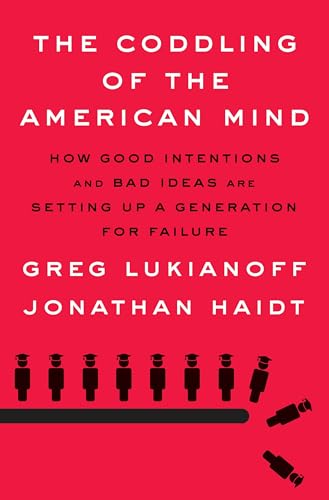
How Good Intentions and Bad Ideas Are Setting Up a Generation for Failure
The book discusses three great untruths told to young people: what doesn't kill you makes you weaker, always trust your feelings, and the world is divided into good people and bad people.
Jonathan Haidt in here and he brought that book, The Coddling of the American Mind. He said there's these three great untruths that we tell young people.
— Episode: How To Do Good For People | Congressman...
The book discusses three great untruths told to young people: what doesn't kill you makes you weaker, always trust your feelings, and the world is divided into good people and bad people.
Jonathan Haidt in here and he brought that book, The Coddling of the American Mind. He said there's these three great untruths that we tell young people.
This book was mentioned and discussed, highlighting three "great untruths" it presents about how young people are raised: that what doesn't kill you makes you weaker, that you should always trust your feelings, and that the world is divided into good and bad people.
I had Jonathan Haidt in here and he brought that book, The Coddling of the American Mind. He said there's these three great untruths that we tell young people.
The first is what doesn't kill you makes you weaker. So that basically like bad things happen, you break you. Which obviously isn't true. And the definition of stoicism is like, no, adversity makes you better if you let it. And then number two is like always trust your feelings.
And then the last one is like, the world is divided into good people and bad people. And it's actually much more complicated than that.
The speaker mentioned this book and summarized three untruths that it describes as being told to young people: that what doesn't kill you makes you weaker, to always trust your feelings, and that the world is divided into good and bad people.
Jonathan Haidt in here and he brought that book, The Coddling of the American Mind. He said there's these three great untruths that we tell young people.
The first is what doesn't kill you makes you weaker so that basically like bad things happen to you break you.
And then number two is like always trust your feelings, you know, like if you feel it, it's right.
And the last one is like the world is divided into good people and bad people. And it's actually much more complicated than that.
Note: The book recommendations on this page are discovered automatically from podcast transcripts, and may be incorrect or incomplete.
Podcast Name