Essentialism
Greg McKeown
Mentioned 4 months ago
BONUS | 3 Practices to Improve Your Life In a Week
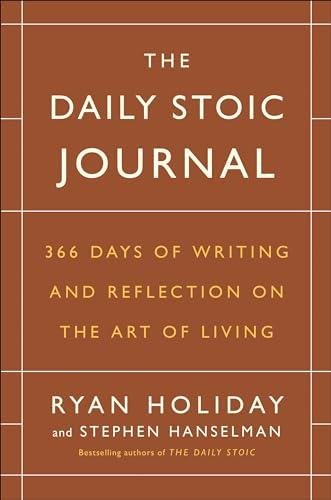
For centuries, all sorts of people—generals and politicians, athletes and coaches, writers and leaders—have looked to the teachings of Stoicism to help guide their lives. Each day, author and speaker Ryan Holiday brings you a new lesson about life, inspired by the thoughts and writings of great Stoi...
Recently mentioned
Greg McKeown
Mentioned 4 months ago
BONUS | 3 Practices to Improve Your Life In a Week
Bronnie Ware
Mentioned 4 months ago
BONUS | 3 Practices to Improve Your Life In a Week
Marcus Aurelius
Mentioned 4 months ago
This is How You Win the Day | Circumstances Have No Care For Our Feelings
Ryan Holiday
Mentioned 4 months ago
This is How You Win the Day | Circumstances Have No Care For Our Feelings
Epictetus
Mentioned 5 months ago
Simple Stoic Rules That Actually Change Your Life
Jim Mattis
Mentioned 5 months ago
What A Wonderful Thing to Measure | Stoic Strategies for Becoming More Resilient
Steven Pressfield
Mentioned 5 months ago
If You Only Read a Few Books This Year, Read These
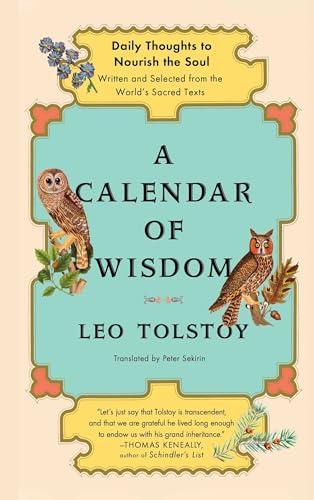
Leo Tolstoy
Mentioned 5 months ago
If You Only Read a Few Books This Year, Read These
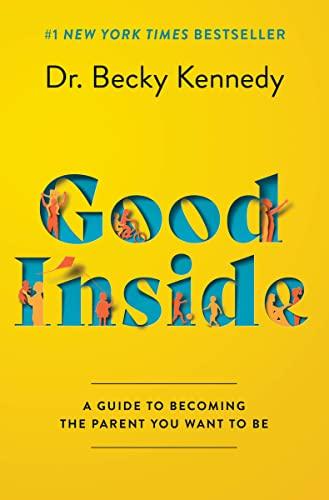
Dr. Becky Kennedy
Mentioned 5 months ago
If You Only Read a Few Books This Year, Read These
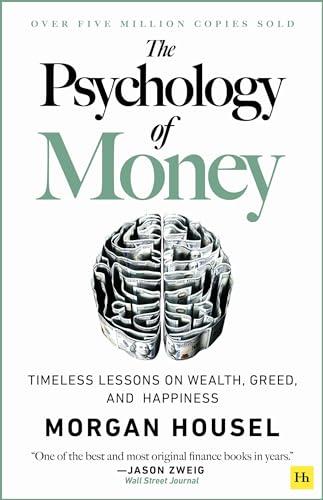
Morgan Housel
Mentioned 5 months ago
If You Only Read a Few Books This Year, Read These
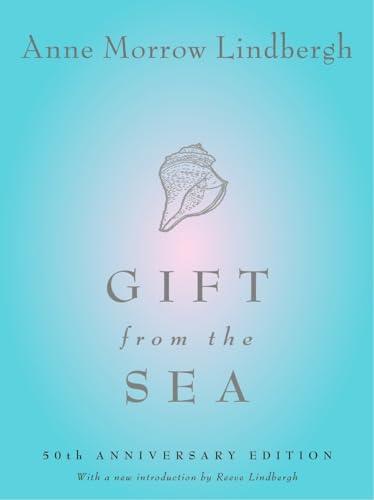
Anne Morrow Lindbergh
Mentioned 5 months ago
If You Only Read a Few Books This Year, Read These
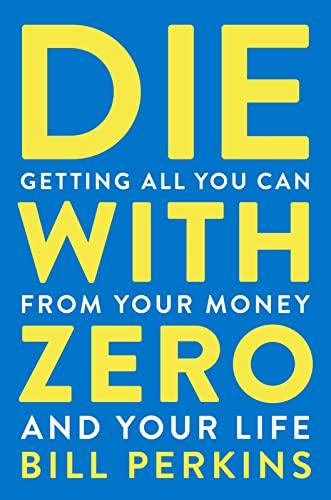
Bill Perkins
Mentioned 5 months ago
If You Only Read a Few Books This Year, Read These
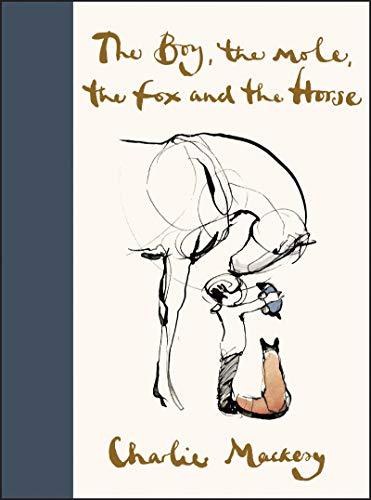
It is a children's book with an illustrated line about asking for help not being giving up, but refusing to give up. This was used to highlight the importance of asking for help.
asking for help isn't giving up it's refusing to give up
— Episode: Ryan Speaks To The YMCA About Courage, P...
It is a children's book with an illustrated line about asking for help not being giving up, but refusing to give up. This was used to highlight the importance of asking for help.
asking for help isn't giving up it's refusing to give up
It was described as an incredible children's book with a memorable line about being glad to be together, which resonated with the speaker.
Have you read the boy the fox the horse and the mole have you read that kid's book no oh it's incredible I'll send it to you all I carry in the bookstore it's amazing it's by this guy Charlie Mcaccy uses brilliant illustrator but there's this line in it and the kid says something like sometimes I find it hard to say I love you so I just say I'm glad we're all together that's the that's it right there to me right there
A children's book was referenced to illustrate the concept that asking for help is not giving up, but a refusal to give up. A quote from the book was shared.
asking for help is not giving up it's refusing to give up
This children's book was mentioned as containing a passage about asking for help not being a sign of giving up, but rather refusing to give up; it was described as a great book that the author had read to his kids many times.
there's a great book I've read it to my kids a million times called the boy the fox the horse and the mole we sell at the painted porch if you haven't read it even as an adult promise you got to get this book but in any words there's a passage in the book he says asking for help isn't giving up it's refusing to give up right asking for help isn't weak it's a sign of strength you don't you're not afraid of being seen as weak you're committed you're unbeatable right you you will not go down without a fight and you're willing to do anything and everything to keep going including asking for help
A children's book with a quote about asking for help being a sign of strength, not weakness. The quote was shared by the guest as something he liked to share with his children.
asking for help isn't giving up it's refusing to give up
It was positively reviewed by the podcast host, who highlighted a quote about asking for help not being a sign of giving up but rather a refusal to give up. The book was mentioned in relation to the concept of asking for help and vulnerability.
asking for help isn't giving up. It's actually refusing to give up.
The book was favorably mentioned, with a quote from it highlighted regarding asking for help not being giving up, but refusing to give up. The author was also a guest on a previous podcast episode.
I love the book The Boy The Fox The Horse and the Mole by Charlie McCasey who I had on the Daily Stoic podcast and he has a great line in that book he says asking for help isn't giving up it's actually refusing to give up
This book, described as magical, whimsical, beautiful, and moving, touched the deeply human aspects of listeners. It was praised for its simplicity, depth, and illustrations, and its ability to resonate with both children and adults.
It's a beautiful book. It's like The Little Prince. It's like a great Pixar movie.
The world that I am required to inhabit is this one, but the world that I long to inhabit is the one that Charlie Mackesy has created.
It's like Where the Wild Things Are, good. The Little Prince, good. You know, Pixar's Up, good. It's just, it's fantastic.
What do you want to be when you grow up? And then he says, kind.
What is the bravest thing you've ever said? Ask the boy. This is one of my other favorite lines. Help, said the horse.
The podcast host mentioned this book as an example of a children's book that also resonated with adults.
I like The Boy, The Fox, The Mole, and The Horse. I think I've probably got them in the wrong order, but that's a good one. That book feels a lot more for adults than it feels for kids. I think it's a great book.
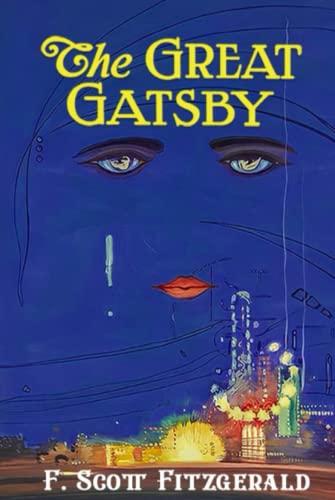
The Original 1925 Edition (Booklover's Library Classics)
Max Joseph mentioned that he finds it strange that high school students read "The Great Gatsby" because he believes they won't fully understand it until they are older.
And so like, it's a book you have to read not when you're older, but like when you reread it when you're older, you, you go, oh, I didn't even understand all these things that I was missing.
— Episode: Storytelling In A Competitive Content Wo...
Max Joseph mentioned that he finds it strange that high school students read "The Great Gatsby" because he believes they won't fully understand it until they are older.
And so like, it's a book you have to read not when you're older, but like when you reread it when you're older, you, you go, oh, I didn't even understand all these things that I was missing.
It was a favorite book of the speaker; they particularly appreciated the quote from the book about remembering that not everyone has had the same advantages in life. This quote was cited as the essence of Stoicism: being strict with oneself but tolerant of others.
the best advice I ever got from my father is when you feel like criticizing someone remind yourself that there are people in this world who have not had the advantages that you have
It was described as a masterpiece by its author, however, its comparative failure devastated him and contributed to his later struggles.
He pinned so much personal hope and ambition and desire and sense of his self-worth as an artist on Gatsby. And its comparative failure devastated him. And, in my view, it really precipitated his spiral...
With Gatsby he made this choice that he was going to write a masterpiece and then it was met with bafflement. And that I think he lost a lot of his self-confidence and a lot of his momentum at that point.
It was discussed extensively, focusing on its exploration of the American Dream within a corrupt era. The podcast host recalled writing a high school essay about the book, and its themes of corruption and disillusionment were analyzed in detail throughout the episode.
analyze how and why The Great Gatsby is an exploration of the American dream as it exists in a corrupt period
I love The Great Gatsby. I'm looking at my copy right here.
The 1920s open display of illegal activity in acceptance of sin is the epitome of corruption. It is in this atmosphere as portrayed in F. Scott Fitzgerald's The Great Gatsby that eventually became incompatible with the American dream. The loss of morality signaled the death of hope and idealism in the heart of man.
Gatsby was really a conscious effort to live up to his potential and he was like they keep telling me so he you know he was 28 when he wrote Gatsby which is also his worth bearing in mind 28 years old to write that masterpiece and he'd been working publishing at that point for eight years and you know at a huge you know at a fast tilt he was just you know prolific and pouring stuff out and all of that time they kept saying no but will he fulfill his potential but will it you know it's a point is like my god what do I have to do to make you think I fulfilled my potential
I think that he pinned so much personal hope and ambition and desire and sense of his self worth as an artist on Gatsby and its comparative failure devastated him and in my view it really precipitated his spiral
This novel was referenced as an example of a book often assigned in high school English classes, though the speaker implied that its universal applicability might be limited.
no one no one bothered to point us to a great writer who was writing about where we lived and I wonder how much more engaged I and other people would have been were the reading we were given was actually tailored to some semblance of reality or lived experience or how we saw the world as opposed to just being like high school kids should read The Great Gatsby
The speaker considers "The Great Gatsby" a war novel, emphasizing the war's significant role in shaping Gatsby's character and the story's themes of social mobility.
So two of my favorites are like The Great Gatsby you know we think of that as a war novel but it absolutely you know it's a war novel. The war figures really prominently in that book you know the reason J Gatsby becomes J Gatsby is because of the first world war to story about you know social mobility after the war so that's one that I think doesn't usually categorize as a war novel.
The book was mentioned in relation to a passage about the inconceivable nature of how individual actions can have a profound impact on history, similar to the impact of key figures in the Civil Rights movement.
One of my favorite passages in The Great Gatsby he goes and he meets Mayor Wolfshine, the organized criminal, the gangster and Gatsby sort of whispers to Nick Caraway that this was the man that had fixed the 1919 World Series. And Nick Caraway says something like, I knew that had happened but he said it just struck me that it had happened as some sort of inextrable series of events that it was the idea that a singular person had been responsible for a thing that had affected the lives of so many people. It was inconceivable and I think that kind of summarizes our attitude towards a lot of things including the civil rights movement.
The speaker found new interpretations and appreciation for the book upon rereading it over the years, noting how their understanding of characters and themes evolved with age and additional knowledge.
When I read The Great Gatsby in high school, Gatsby struck me as heroic. When I read him in my twenties, it struck me slightly different. And when I read it again, some more recently, there was a tragic element that I experienced a bit more and I also thought a lot more about Nick Carroway.
It's not just because I've changed and I've gotten older but I've read other books about Fitzgerald, about the 20s, about bootlegging.
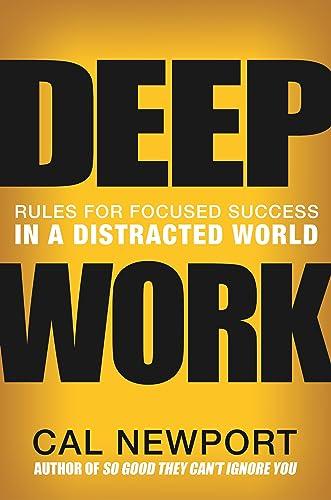
Rules for Focused Success in a Distracted World
Ryan Holiday recounted how a high-ranking government official in Abu Dhabi had a "deep work" nook in their office, inspired by Cal Newport's book, "Deep Work."
He was like, oh you're from America, you write books, you know Cal Newport and he takes me over to this nook in his office that has no windows, very little light and it's like his Deep Work
— Episode: Slow Productivity and Anticipating Conse...
Ryan Holiday recounted how a high-ranking government official in Abu Dhabi had a "deep work" nook in their office, inspired by Cal Newport's book, "Deep Work."
He was like, oh you're from America, you write books, you know Cal Newport and he takes me over to this nook in his office that has no windows, very little light and it's like his Deep Work nook. That's where he goes and just thinks, has his best ideas, all influenced by Cal's book Deep Work.
It was recommended as a great book for learning how to focus and tune out distractions like social media. The book was praised for its insights into maintaining focus.
I'd recommend Cal Newport's book, Deep Work, about focus.
How do you lock in to what's in front of you? How do you tune out social media? I think Deep Work's a great book.
The speaker, Ryan Holiday, mentioned this book by Cal Newport favorably, highlighting its focus on focus and concentration.
I like Count Newport a lot as I was talking about Deep Work and the talk about focus and concentration I like his books a lot
The book, "Deep Work," was recommended for its focus on the ability to concentrate and control one's attention, emphasizing the importance of minimizing distractions to enhance productivity. The podcast host mentioned it as a helpful resource for those struggling to focus and avoid distractions.
Cal Newport...wrote two great books which I highly recommend digital minimalism and Deep Work you can check out Deep Work in the paint of course.
to me Deep Work is the ability to focus to control your attention to lock it in on something and not be thrown off it not be pushed off of it basically Cal says if you think you're a good multi tasker you're bullshitting yourself because you're not nobody is a good multi tasker.
Cal Newport's book, "Deep Work," was highly recommended for its insights on focus and attention.
And as my friend, Cal Newport, who I've had on the podcast a bunch of times and he wrote two great books which I highly recommend digital minimalism and Deep Work.
You can check out Deep Work in the Pain in Porch bookstore.
The book was positively mentioned by the podcast host, who described it as providing ideas on enhancing focus and concentration. It was also highlighted as a significant work among the author's other best-selling books.
Read his book, Digital Minimalism. Definitely read Deep Work. Definitely read So Good They Can't Ignore You.
The book discusses the importance of setting aside time for deep concentration and reflection, a practice the guest said he tries to maintain regularly.
one of the other books that I connected with uh she can do about was was cow cow newport's book Deep Work which he said he reads on a regular basis he was telling me he has like a room he goes to that's almost pitch black no interruptions and it's where he sets aside time to think and reflect and and do the the tasks that require deep concentration because if the leader is not doing that if the leader is not taking time to think big picture who who do you think's doing it right it's not it's not the people below you that big picture thinking isn't going to filter up to you right and as you know I mean if you're writing a book right I mean you can't do it like in in half hour increments you know I mean it takes a period of long contemplation and you know I I I'm I'm you're making me feel guilty now because I'm kind of failing at this bad so I'm working on another book and since battlegrounds has come out I mean I've been talking about battlegrounds very much I need to put my I need to really get into like the Deep Work space myself right and and and start really kicking off into this next project but but you know I think you're right it's and what you do I think when you when you do Deep Work and you think and you're more contemplative you start to make connections that you otherwise with this right and then and certainly I think what you do is you begin to discern opportunities because I think you do see the obstacle first right and it takes thinking it it takes imagining how how others can be brought in you know and and how you can approach obstacles from a different angle or different perspective and or make make the obstacle irrelevant to you you know and and and so I I think that you're right I mean this is what we're missing in this electronically connected world I mean I we are we are more connected to one another electronically than ever before but I think distant from one another emotionally psychologically and and we don't have the kind of discussions like we're having I mean who has that these days right it's all sound bites and and reaction to well what was always reaction to the last outrageous thing that Donald Trump did I don't know what what are we going to do now right so I but I think I it's all about sort of superficial you know breaking news that is never really breaking news anyway and it's people sitting around tables talking at each other you know in a very superficial way I I really think gosh I worry about the younger generation you know they've you know I hope that they're reading and thinking and discussing you know philosophy and history no it's funny like if you and I had connected we said hey let's get on the phone and you know meet each other we would never have an hour long conversation like this we talk on the phone for 15 minutes and and it's really though these sort of in-depth philosophical discussions Cato famously would would have these big sort of philosophical dinner parties I've met Peter too a few times that's he sort of has these he brings these people in and he just has you know a six hour dinner conversation and I think that's really where you can you know obviously you wake up in the morning and you work on whatever you're supposed to be working on but it might be an idea that comes to you at dinner an idea that comes to you at the gym or an idea on a walk with a friend that unlocks whatever it is that you're struggling with right
It was discussed as one of Cal Newport's books, and the host stated that those who haven't read it are missing out. The book focuses on productivity and focus.
And most recently, Digital Minimalism and his new planner, the Time Block Planner, a daily method for Deep Work in a distracted world.
And of course, if you haven't read Deep Work, Digital Minimalism, we're so good they can't ignore you. You are definitely missing out.
The book was described as super influential and discussed the importance of systems, practices, and focus over long hours to achieve great work. The author's approach to work during the pandemic was mentioned as an example of increased output despite reduced hours due to improved focus.
his book Deep Work, Super Influential,
it's not huge amounts of hours that necessarily get great work done, but you know, great systems, great practices in real focus.
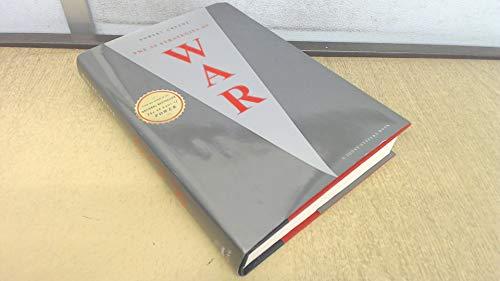
This book was mentioned as being particularly impactful for the podcast host.
The 33 Strategies of War is probably the one that's influenced me the most.
— Episode: There’s A Reason People Like This Line |...
This book was mentioned as being particularly impactful for the podcast host.
The 33 Strategies of War is probably the one that's influenced me the most.
You can grab all those at the Painted Porch.
The book was referenced for a passage about acting before one is ready, a concept Ryan Holiday applied to his own career decisions.
author who sold millions of copies, 48 laws of power, 33 strategies of war, mastery, the laws of human nature.
I remember another mentor I had pointed me to a page in The 33 Strategies of War where Robert Green talks about acting before you're ready.
Mentioned as one of the books written by Robert Greene, under whom the speaker apprenticed.
At about 19, I apprenticed under a great writer named Robert Green who wrote the 40 laws of power and the 33 strategy of war.
It was described as a life-changing book that was read in hardcover and profoundly influenced the speaker. It was mentioned alongside another book as having been gifted by an admired author.
He bought me hardcover of Robert Green's 33 Strategies of War which I still have to this day and book changed my life.
Robert Greene discussed the war in Ukraine through the lens of his book, focusing on Vladimir Putin's psychology and strategies, comparing him to Joseph Stalin. He also analyzed the Ukrainian army's success as a contrast to the Russian approach.
I think Robert's book, The 33 Strategies of War is one of the great books on strategy and politics and power ever written.
My analysis of it through the lens of my book The 33 Strategies of War.
In the in the loss of human nature I have a chapter that I describe I go into depth on Stalin called complete control where Stalin's main objective in life his main goal, his main ambition was to gain complete control of every aspect of the Soviet Union
in 33 strategies of war on number 15 is called control the dynamic forcing strategies and what it is is it's the ultimate of an offensive warfare
when I asked him his rank Lieutenant Captain Major he said he didn't have one when I asked him his unit's designation a platoon a company or even about Italian he said they simply called themselves a squad rank and formal military terms weren't something they worried about
It was mentioned alongside the 48 Laws of Power as one of Robert Greene's books and was referenced in relation to Napoleon's strategies.
or you can be the kindest person you could have the best intentions and evolve and your decisions create havoc and create the worst kind of evil unintended consequences right we see that play out over and over and over again history so you know it's this is an example where it's not just about doing the moral thing in the simplistic way it was about what are the consequences what's the long-term picture here well and that goes back to this idea of courage and i talked about this in the new book a little bit which is um you have to have the courage just to decide and then to own your decision um and the consequences of that decision and i think that's one of the reasons that people don't do things they hesitate because they know if they break it they buy it if they sign uh they they leaders want to have it both ways when really courageous leaders uh know they have to make the decision and then then stick to executing the decision with competence as we said but then you're gonna have to own the fallout the criticism you know the consequences you can you could have made the right decision with the information you had at the time and it can still go horribly wrong uh you can be morally correct and still be look like an immoral person i mean i think we're looking at this in Afghanistan right now uh extricating oneself uh extricating a country from a country uh from a war that's gone on for 20 years it's gonna be messy and unpleasant and it's not gonna look good and it's gonna reveal a lot of things that have you know predated your decision um and i could very much see why a leader would waver or change their mind under the public pressure uh that that comes from that but you got to the job of being president or leader or CEO or board of directors is making hard decisions and then you know shepherding them to completion okay
This book was recommended to those in military professions. It was mentioned alongside "The 48 Laws of Power."
We wrote the 48 laws of power he wrote 33 strategies of war which I think anyone in your profession should read.
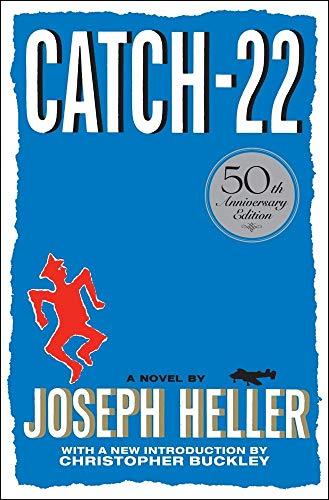
50th Anniversary Edition
Mentioned in an anecdote about Joseph Heller and Kurt Vonnegut at a billionaire's party; Heller's response to the billionaire's boast about wealth was that he had "some idea of what enough is."
but I have something that he doesn't have
— Episode: You Must Go Toward The Oxygen | 10 Stoic...
Mentioned in an anecdote about Joseph Heller and Kurt Vonnegut at a billionaire's party; Heller's response to the billionaire's boast about wealth was that he had "some idea of what enough is."
but I have something that he doesn't have
I have some idea of what enough is
It was mentioned in a story about Kurt Vonnegut and Joseph Heller, where Heller's book was compared to the wealth of a billionaire, highlighting Heller's contentment with his success.
There's an amazing story about Kurt Vonnegut and Joseph heller who wrote catch 22 and slaughterhouse five they're at the party this billionaire and Vonnegut is teasing heller and he says this billionaire that whose house were at he made more money this week than your book will make it its entire light.
Heller says but I have something that he doesn't have. Vonnegut says what's that and heller says I have some idea of what enough is he says I have enough this idea of enough is so powerful.
The book was mentioned in an anecdote about a conversation between Kurt Vonnegut and Joseph Heller at a billionaire's party, contrasting material wealth with a sense of contentment.
They're at the party of this billionaire. Vonnegut is teasing Heller and he says, this billionaire whose house we're at, he made more money this week than your book will make it its entire life. Heller says, but I have something that he doesn't have. Vonnegut says, what's that? Heller says, I have some idea of what enough is.
The book was mentioned in an anecdote about Joseph Heller and Kurt Vonnegut at a billionaire's party; Heller's retort about understanding "enough" was highlighted as a powerful message.
They're at the party, this billionaire. And Vonnegut is teasing Heller and he says this billionaire whose house we're at, he made more money this week than your book will make it its entire life. Heller says, but I have something that he doesn't have. Vonnegut says, what's that? Heller says, I have some idea of what enough is. He says, I have enough.
Referenced in a story about Kurt Vonnegut and Joseph Heller at a party hosted by a billionaire, where its commercial success was compared to the host's wealth. The anecdote illustrated differing views on wealth and contentment.
I said, Joe, how does it make you feel to know that our host only yesterday may have made more money than your novel catch 22 has earned in its entire history.
And Joe said, I've got something he can never have and I said what on earth could that be Joe? And Joe said the knowledge that I have enough.
This book was mentioned in a quote from Kurt Vonnegut about Joseph Heller's wealth versus the book's earnings.
Joe how does it feel how does it make you feel to know that our host only yesterday may may have made more money than your novel catch 22 has earned in its entire history and Joe said I've got something he can never have and I said what on earth could that be Joe and Joe said the knowledge that I've got enough not bad rest in peace Kurt Vonnegut
The book was briefly mentioned in an anecdote about Joseph Heller and Kurt Vonnegut, highlighting Heller's contentment despite earning less than others. It was described as a generation-defining classic novel.
you wrote catch 22 but you know this guy made more money than you will ever make in your life like at work this week.
but I have something he'll never have, he says what's that and he says the notion that I have enough.
It was mentioned in an anecdote about Joseph Heller and Kurt Vonnegut discussing the concept of "enough." The podcast host used this story to illustrate contentment.
I have something that that guy doesn't have
I know what enough is
The speaker used Heller's book and his later contentment as an example of someone who achieved success but also found peace and the notion of "enough". Heller's response to a comment about his earnings compared to a wealthy individual illustrated this point.
And Heller goes, but I have something he'll never have. And he says, what's that? And he says, the notion that I have enough.
you've never written anything as good as Catch 22 again. And he says, who has?
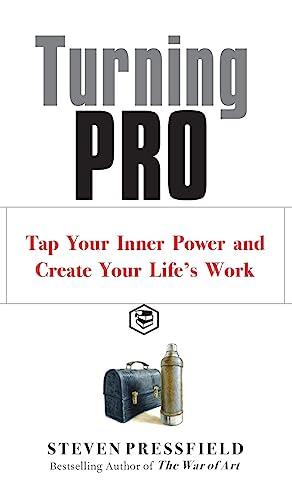
Tap Your Inner Power and Create Your Life's Work
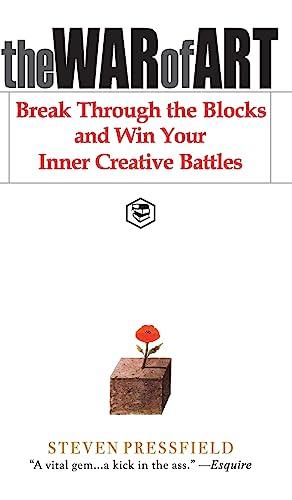
The book was referenced alongside "The War of Art", with the interviewee noting the author's good job in explaining the shift in life when one turns professional.
And he does a really good job on the ladder of just explaining how different life is when you become a pro.
— Episode: Mastering High Performance | Paul Rabil...
The book was referenced alongside "The War of Art", with the interviewee noting the author's good job in explaining the shift in life when one turns professional.
And he does a really good job on the ladder of just explaining how different life is when you become a pro.
It was mentioned alongside other works by Steven Pressfield. The book was praised implicitly as part of a body of work that provides valuable insight.
if you haven't read The War of Art, Do The Work, Turning Pro, Gates of Fire, government cheese, Tides of War, A Man at Arms, what are you even doing with your life?
It was mentioned as one of Pressfield's books alongside "The War of Art", and was described as a book with fantastic stories and lessons between them.
It's sort of like it's the stories in between the lessons that make Turning Pro and the war of art and all those other books so fantastic.
The podcast featured an excerpt discussing habits and addictions that hinder progress, the fears of amateurs versus professionals, and the simplicity of life after committing to one's craft. The excerpt also touched on the importance of discipline and overcoming internal creative battles.
the hero wonders the hero suffers the hero returns you are that hero.
When I sat down to start discipline is destiny I followed a routine I did do with all of my books which is I read something from Stephen Pressfield.
Actually I think for discipline I read Turning Pro, for Justice I read put your ass where your heart wants to be whenever I am starting a project I read something from Stephen Pressfield because he's maybe the greatest writer on how to be a professional how to be great at winning these inner creative battles.
So when I saw him last I asked if we could excerpt a couple pieces from his wonderful audiobooks and he's been kind enough to let us do that and so today's episode is part two in some excerpts from the wonderful Turning Pro and this one he talks about some things very very much connected to the idea of discipline he talks about habits and addictions, failure, success, distraction, money and trouble and how these habits and addictions for amateurs hold us back that they're self-inflicted wounds he talks about the fears of the amateur talks about the path of Turning Pro and the simplicity of life that happens when you turn pro
you can grab that in the painted porch I think we actually have some signed copies so I'll link to that and you get the audiobook which was produced by recorded books on brilliance audio I will link to that in today's show notes but you can get it anywhere audiobooks are sold thank you Stephen for this wonderful excerpt.
It was described as one of Ryan Holiday's favorite books by Steven Pressfield. An excerpt from the book was used in this podcast episode, focusing on the differences between amateurs and professionals.
I've made no secret about my deep admiration for Stephen Pressfield in fact I'm not sure you would be listening to this podcast if Stephen's writings hadn't so influenced me over the years.
He's today's excerpt comes from Turning Pro one of my absolute favorite books from Stephen we have signed copies of it in the painted porch which I will link to in today's episode.
if you haven't listened to the audiobook of Turning Pro it's a great motivational book and I pick up either the War of Art or Turning Pro pretty much anytime I start a creative project so hopefully this can be something that gets you going as well.
This book by Steven Pressfield, focusing on creativity, was mentioned along with "The War of Art" for emphasizing the need for discipline and consistent work in the creative process.
but he also has a series of books on creativity and the first one is the war of art and\I got so much from all of his books in particular that one and then Turning Pro they all say essentially you're gonna have to sit down be professional and do the work essentially that's what he's saying don't get distracted really
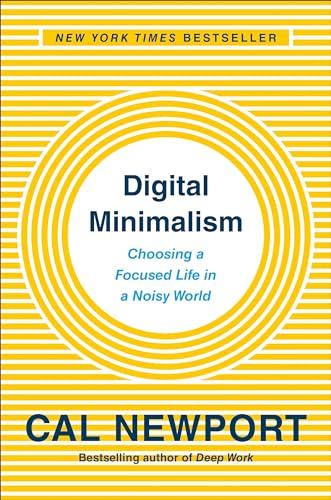
Choosing a Focused Life in a Noisy World
It was recommended as a good book on controlling one's information intake and shaping one's worldview to improve happiness and serenity. The speaker was unsure if there was a better book on the topic of information diet.
I like the Cal Newport book Digital Minimalism. I think that's great.
— Episode: You Can Let This Make You Miserable, Or...
It was recommended as a good book on controlling one's information intake and shaping one's worldview to improve happiness and serenity. The speaker was unsure if there was a better book on the topic of information diet.
I like the Cal Newport book Digital Minimalism. I think that's great.
The book was mentioned as influential in helping the speaker form a morning routine and limit the usage of technology. The speaker also referenced Cal Newport's work "Deep Work."
I really like Cal Newport's work deep work Digital Minimalism but but I think his point is that you know it's those moments of uninterrupted concentration whether that's study whether that's practice whether that's the you know the act of you know your job itself.
I recommended the book earlier but wait no this is the world without email the Caldoub pour book where is it Digital Minimalism is it was definitely influential to me to me the question I like to ask is am I using the device or is the device using me
The book "Digital Minimalism" by Cal Newport was mentioned; the speaker shared that he had recently finished reading it and was interested in the ideas of digital decluttering.
i just finished reading colony board's book Digital Minimalism and i just wanted to ask a few a few arthritis digital declutter and what are your thoughts in it
It was recommended by the podcast host, Ryan Holiday, as a book worth reading. It's relevance to the discussion was implied through its relation to the topic of communication and productivity in the modern world.
Read his book, Digital Minimalism. Definitely read Deep Work. Definitely read So Good They Can't Ignore You.
This book was described as a New York Times bestseller and was mentioned alongside "Deep Work" as a significant work by Cal Newport.
And most recently, Digital Minimalism and his new planner, the Time Block Planner, a daily method for deep work in a distracted world.
And of course, if you haven't read Deep Work, Digital Minimalism, we're so good they can't ignore you. You are definitely missing out.
What's the Right Thing to Do?
Ryan Holiday was working on this book and mentioned that it is being published this month, alongside a link to pre-order bonuses.
Then I took two years to finish The Justice Book, which is coming out this month. There are a bunch of pre-order bonuses you can grab at dailystoic.com slash Justice.
— Episode: Bro-icism vs Stoicism | Donald Robertson...
Ryan Holiday was working on this book and mentioned that it is being published this month, alongside a link to pre-order bonuses.
Then I took two years to finish The Justice Book, which is coming out this month. There are a bunch of pre-order bonuses you can grab at dailystoic.com slash Justice.
I would love for you to read that book.
Ryan Holiday mentioned Justice, one of his books, as a way to illustrate his point about obligations that come with greatness.
That's actually something I talk about in the Justice book, which by the way, you can pre-order now at dailystoic.com.
The Justice Book was described as the third book in the Virtue Series, and it was coming out in June. The author said that they couldn't have written this book earlier in their life because it took time and experience to really understand the concepts in the book.
I talk about this in the afterward of the Justice Book that I'm doing now.
And I talk about this in the in Right Thing Right Now, the third book in the Virtue Series, The Justice Book, which is coming out in June. You can pre-order that now everywhere, of course.
It was mentioned while relating a story about a poet who prioritized keeping a commitment to her babysitter over a social engagement with famous writers, highlighting the connection between personal justice and discipline.
Well, I have a story in the Justice book that I was going to put in the Discipline book because I think it's interesting how interrelated these things are.
So I have a story in the Justice book that on one level seems like a discipline idea, but it's actually a Justice thing.
This book is planned to be released in June and is mentioned briefly in the podcast.
The Justice Book coming out in June.
The speaker mentioned that this book in his Vergey series was coming out soon and encouraged listeners to purchase it from dailystoke.com/justice. The wisdom book was noted to be underway.
I'm obviously about halfway, a little past halfway done on this Vergey series. Justice book is coming out soon and grab that at dailystoke.com slash Justice but the wisdom book is now underway. I'm writing that.
A book on justice was recommended to the podcast host by a friend and served as a source of inspiration for his upcoming book in a four-book series on cardinal virtues. The host took extensive notes while reading it.
Tristo...recommended this book on Justice because he knows the next book in the four book series I'm working on is about Justice and there's a lot of stuff so when I read I've shown my methodology before but I take a lot of notes I fold pages so this one was really good I got some stories you'll probably see in a future book
The book "The Justice Book" was mentioned in relation to Jimmy Carter, a key figure in the book.
But as I tell him at the beginning of the episode, I've been reading quite a bit about Jimmy Carter who is a character a little bit in the discipline book, very much a character in the Justice Book.
It's one of the first devices for change that we have on record, how Odysseus comes up with this way of not doing something he'd be inclined to do and forcing himself to do something he does want to do.
And she knows what she's talking about because she's a behavioral scientist at Wharton, and she's the co-director of the Behavioral Change for Good initiative. I think we had an awesome conversation....
— Episode: Commitment Devices For Creating Lasting...
It's one of the first devices for change that we have on record, how Odysseus comes up with this way of not doing something he'd be inclined to do and forcing himself to do something he does want to do.
And she knows what she's talking about because she's a behavioral scientist at Wharton, and she's the co-director of the Behavioral Change for Good initiative. I think we had an awesome conversation. I did not think we were going to spend so much time talking about The Odyssey, but as it happens, that's where we began because as she points out, that's one of the first devices for change that we have on record, like how Odysseus comes up with this way of not doing something he'd be inclined to do and forcing himself to do something he does want to do.
And then of course, it's not just like, oh, there's this old thing. I guess we rediscovered Gilgamesh in the 1800s, which would have been cool. But with The Odyssey, it's not just that it's thousands of years old. It's that so many other books are built on top of it.
And I was telling Angela, which is I am reading him Emily Wilson's translation of The Odyssey right now, which he is he is obsessed with.
We talked a lot about commitment devices, which I thought were awesome.
And the original story of a commitment device is in this great story of Odysseus knows that he's going to confront the sirens.
The Odyssey was used as an example of how some books remain popular and relevant for centuries, as evidenced by a recent Emily Wilson translation selling well in the podcast host's bookstore.
This book is 2000 years old. This copy of The Odyssey, it's a new translation from Emily Wilson, sure. But people have been buying some version of this book for centuries. And here it is still flying off the shelf.
It was mentioned as a book that has been sold and read for centuries and was still selling well in the speaker's bookstore. It was noted in the context of the durability of books.
This copy of The Odyssey, it's a new translation from Emily Wilson, sure. But people have been buying some version of this book for centuries.
It was mentioned as an example of a book that has been sold and read for centuries, demonstrating that certain books have enduring appeal.
This copy of The Odyssey, it's a new translation from Emily Wilson, sure. But people have been buying some version of this book for centuries.
It was mentioned as an example of a book that has remained popular over centuries, demonstrating the enduring nature of some books.
This copy of The Odyssey, it's a new translation from Emily Wilson, sure. But people have been buying some version of this book for centuries.
The speaker discussed Seneca's advice on studying the classics, emphasizing the importance of understanding the moral lessons over memorizing facts and dates. They also mentioned their favorite translation by Emily Wilson.
Seneca's advice to someone studying the classics is to forget all that the dates the names the places they don't matter what matters is the moral.
If you get everything else wrong from The Odyssey but your left understanding the importance of perseverance the dangers of hubris the risks of temptation and distraction well then you really learn something
my favorite translation of The Odyssey is this one by Emily Wilson who's also Seneca's biographer
and you should read her new-ish translation of The Odyssey which I quite quite enjoyed and actually carry both of them in the bookstore
it's like the best-selling book in this brand new bookstore is a book that's thousands of years old that's what great art can do right it's perennial it stands the test of time
The podcast discussed the importance of understanding the moral lessons of Homer's Odyssey rather than focusing on trivia or historical details. Emily Wilson's translation was specifically praised.
my favorite translation of The Odyssey is this one by Emily Wilson who's also Seneca's biographer if you haven't read the greatest empire by Emily Wilson you absolutely should and you should read her new or ish translation of The Odyssey which I quite quite enjoyed and actually carry both of them in the bookstore
what matters is the moral if you get everything else wrong from The Odyssey but you're left understanding the importance of perseverance the dangers of hubris the risks of temptation and distraction well then you really learned something
is it a play is it who gives a shit what matters is what you do with it and i do urge you to read it and read it for the right reasons and read all the things that you read for the right reasons just to become better human being in the world
It was mentioned as an example of a book that is very old, and that can still be read and discussed.
look here's uh here's the Indian right there's a 2000 year old book here's Epidetus a 2000 year old book here's The Odyssey we don't even know how old this is right but you can talk to those authors as if there's still a lot
A Study of American Journalism; Evidence and Reasons Behind the Media's Corruption (Hardcover)
It's described as one of the podcast host's all-time favorite books about media, dealing with similar themes of information spread and manipulation.
It's what Optin Sinclair was talking about over a hundred years in The Brass Check, which is one of my all time favorite books about media.
— Episode: The New Age of Media Manipulation | René...
It's described as one of the podcast host's all-time favorite books about media, dealing with similar themes of information spread and manipulation.
It's what Optin Sinclair was talking about over a hundred years in The Brass Check, which is one of my all time favorite books about media.
Ryan Holiday mentioned reading this non-fiction book by Upton Sinclair, which is an expos of early 20th-century media practices. He drew parallels between Sinclair's observations and contemporary media challenges.
Then I read this book by Upton Sinclair. He wrote a book called The Brass Check in the early 1900s. After he wrote The Jungle, he wrote an expose of how the media system worked.
So after he wrote The Jungle, he wrote this like a similar book. It's nonfiction instead of fiction, I guess. But he basically writes an expose of early 20th century media.
He writes this huge because he's now this very famous figure and he's extremely left wing. So he's and at that time, newspapers were very sort of puppets of capitalists, right? It was like part it was its own industry.
And so he's kind of doing this book about what it's like to be covered by the media and how inaccuracies about him are spreading. And there's all the problems.
But I remember just reading that book and going, oh, this is this is the same thing. Like we've always had these problems.
Reading this book inspired Ryan to write his first book; it was described as a unique expos of the media and how the system works.
I read this book by Uptons and Claire called The Brass Check and and it was like just a different it was just this unique book that was I was like oh she's doing like an expose of the media of how the system works and I was like I have an similar experience of this other world like I could do a book like that
This book, an expos of the news industry, was recommended because almost nothing has changed in the industry since its writing.
then the other book which inspired my book trust me I'm lying if you read the jungle as a kid in high school or whatever Eptan Sinclair's expose of the meat packing industry then I strongly suggest you read his book The Brass Check which is actually an expose of the news industry around the same time and sadly almost nothing has changed.
This book, an expos of the news industry, was mentioned as a follow-up to "The Jungle", highlighting the similarities between manipulation in different industries and the lack of change over time.
if you read the jungle as a kid in high school or whatever eptanson clears expose of the meat packing industry then i strongly suggest you read his book The Brass Check which is actually an expose of the news industry around the same time and sadly almost nothing this changed
It was mentioned as one of many books that Mark Zuckerberg should read; the context suggests it's a book offering insightful commentary.
By the way there are plenty of books at Suckerberg ought to read these days in that vein, including amusing ourselves to death, the storm before the storm, The Brass Check, the filter bubble and trust me online.
This book, an expos of the news industry, was recommended as a follow-up to *The Jungle*, highlighting the unchanging nature of news manipulation.
if you read The Jungle as a kid in in high school or whatever epton Sinclair's expose of the meatpacking industry then I strongly suggest you read his book The Brass Check which is actually an expose of the news industry around the same time and sadly almost nothing has changed
Why the Rational Believe the Irrational
The author mentioned this book, which focuses on billionaire Peter Thiel and a daring gamble involving a media company, and that it's being made into a movie. It was used to explore strategy, risk, and contrarian thinking.
I wrote a book a number of years ago called Conspiracy, which is about this billionaire Peter Thiel and his secret daring gamble to go after this media company. I use it as an excuse...
— Episode: How High Risk-Takers Are Shaping Our Wor...
The author mentioned this book, which focuses on billionaire Peter Thiel and a daring gamble involving a media company, and that it's being made into a movie. It was used to explore strategy, risk, and contrarian thinking.
I wrote a book a number of years ago called Conspiracy, which is about this billionaire Peter Thiel and his secret daring gamble to go after this media company. I use it as an excuse to explore the idea of strategy and risk and contrarian thinking and doing what people don't expect. It's not like any of my other books, but it's a book I'm very proud of. They're actually making it into a movie.
The author used an epigraph from Walker Percy's "Lancelot" as the opening for this book.
I used an epigraph from Lancelot as the opening for my book Conspiracy.
It was mentioned as a book the author wrote a few years prior, about billionaire Peter Thiel, which although it sold the fewest copies, the author grew the most from writing it.
I wrote a book a few years ago called Conspiracy which about the billionaire Peter Teo on this sort of insane thing he did but I am proud of it because it was the most radically different than all my books and so even though actually it probably has sold the fewest copies of any of my books I grew the most for having written it
While writing this book, the author was fascinated by the contrast between Peter Thiel and Nick Denton, two polar opposites with much in common who clashed and destroyed each other.
When I was writing my book Conspiracy, I was fascinated by the contrast of Peter Teal and Nick Den to polar opposites who also had so much in common who ended up clashing, destroying each other and so much in the process.
It was described as a great story with heroes and villains, offering a meditation on conspiracies. The author of the podcast mentioned that the guest enjoyed this book.
He has no recollection. Of course he didn't know me from his class because it was just an online class he could take for free but I didn't remember meeting some random kid at a conference 12 years ago but he read my book, Conspiracy.
And that was just the coolest full circle thing he liked the book for someone who was so influential in shaping my development to be familiar with my work and to like it.
Conspiracy, I know you've done other books. I know this is the so-is-is-something but Conspiracy is an amazing book.
And it's just, it is a great story. It is a great story with heroes and villains and it is just, and you know, a good meditation on conspiracies.
The interviewee's book "Conspiracy" was mentioned in the context of his podcast appearances on Jordan Harbinger's show.
he talked about my book Conspiracy you're still in this is key
The podcast host mentioned his own book, highlighting the concept of time and patience in a 10-year campaign.
My book, Conspiracy, I talk about this 10-year campaign of Peter Thiel to destroy a website that he thought was ruining American culture.
This book, by Ryan Holiday, details the conspiracy by Peter Thiel to take revenge on Gawker Media. A.J. Daulerio is a main character in the book and the author stated it was a challenging book to write, even though it was optioned for a movie.
It's a different kind of book for me. I'm talking about my book Conspiracy, which is about the sort of insane Conspiracy that Peter Thiel embarks on to. Take revenge on. Justly smite down depending on your interpretation, Gawker Media site that had outed him as gay roughly a decade earlier.
That book because of the struggles that went into it for me, I'm ultimately really proud of it. It's not the same as my other books. It was a challenging sort of it was a mountain I was trying to climb. It's up to you to decide how successfully I did that or not. I will say it's the only one of my books to be optioned to be turned into a movie.
It was mentioned as one of the best books the speaker had read in the last decade. The speaker highlighted it as an astounding work.
I think Conspiracy is one of the best books I've read in the last decade just an astounding piece of fucking work.
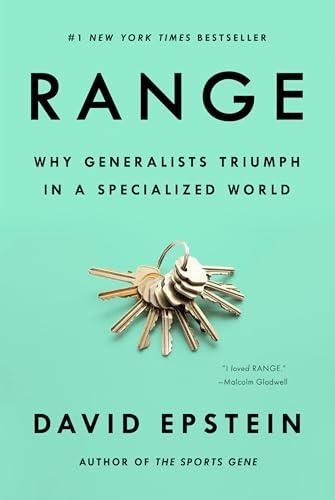
Why Generalists Triumph in a Specialized World
This book was mentioned as an example of a book that succeeded due to strong concept and title selection, using extreme examples to illustrate an idea.
Have you read David Epstein's book uh Range?
— Episode: How To Be A Supercommunicator | Charles...
This book was mentioned as an example of a book that succeeded due to strong concept and title selection, using extreme examples to illustrate an idea.
Have you read David Epstein's book uh Range?
The speaker, Ryan Holiday, said he likes this book by David Epstein a lot and thinks about it often.
I like David Epstein a lot he has this book called Range which I think a lot about
The speaker described this book as a great parenting book in disguise, contrasting the upbringings of Tiger Woods and Roger Federer to illustrate different approaches to success and their consequences.
it's actually this really great sort of parenting book in disguise
the whole book is basically a contrast between Tiger Woods and Roger Federer
It was recommended for its discussion of specialization versus a broader skillset; the main point was that "specialization is for insects."
Have you read David Epstein's book Range?
His point is, you know, he quotes that famous line I forget what it is but it's like specialization is for insects is what it says but it's you know a mountain lion does one thing like really really well and a bear does a bunch of things pretty well and that's why bears can be so fucking big because they've got some redundancies built in right that they're not they're not having to hone every muscle and every you know thing and human beings are I think we have Range we can do a bunch of different things not Range in the sense that a mountain lion has a large Range but Range in in terms of a tool kit
The speaker was recommended this book, which contrasts the career paths of Tiger Woods and Roger Federer, highlighting the benefits of diverse experiences.
Have you read David Epstein's book Range?
I have not I think you would really like it he well he wrote a book called The Sport he wrote a book called The Sports Gene which uh several years ago which is really good but then Range is basically he's contrasting tiger woods and Roger Federer so like tiger woods uh it's basically from two years old is told told you're gonna be a golfer and he's basically raised in a kind of science experiment to um to you know to do nothing but live and breathe you know hitting this small white ball um whereas like Roger Federer like plays a bunch of sports he doesn't even really get serious about tennis until his like late teens and he just he has a different relationship with but they're both dominant both you know all-time greats um one has sort of more of a resilience and a flexibility and a lightness to him and the other is like kind of imprisoned in this thing and his point is that Range having a Range of skills and interests and being exposed to different things not just in in in uh art or sorry not just in sports but in all things is a better you know is a better way to be
The speaker considers it a parenting book; it uses Tiger Woods as an example of focused mastery, which, while leading to success, also created fragility and prevented enjoyment of that success.
Yeah, I don't know if anyone in the room has read David Epstein's book, Range, which I actually think is a parenting book in disguise.
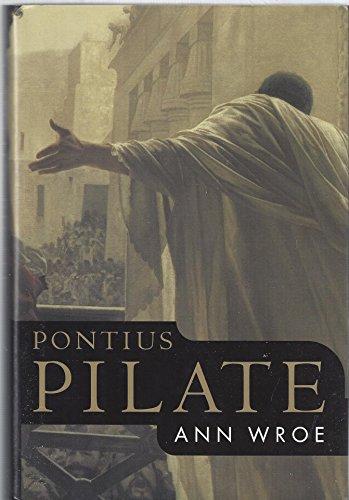
The author mentioned this book by Ann Rowe and was raving about it. Rowe included a quote from Tony Blair on what Pilate represents.
In her fascinating book on Pontius Pilate, which I've been raving about, of course, and we've also had her on the podcast, Anne Rowe quotes the former British Prime Minister Tony Blai...
— Episode: It Could Just As Easily Be Us… | Stoicis...
The author mentioned this book by Ann Rowe and was raving about it. Rowe included a quote from Tony Blair on what Pilate represents.
In her fascinating book on Pontius Pilate, which I've been raving about, of course, and we've also had her on the podcast, Anne Rowe quotes the former British Prime Minister Tony Blair on what Pilate represents.
This book was recommended for its potential to be made into an incredible movie.
I want to give you this Pontius Pilate book. This one's incredible. Okay. You got to do this one. Thank you.
I swear to make a movie out of this. It would be an incredible movie.
It was described as a fascinating and must-read book that sets the scene in the year 26 and depicts the social context of Pontius Pilate's time.
In her fascinating and must-read book Pontius Pilate, Anne Rowe, you can listen to her podcast here, she sets the scene back in the year 26.
It is not hard to imagine dinner parties in Caesarea at which Pilate's guests visiting from Rome would regale him with the blood-soaked stories and sexual details that would make women cover their ears, she writes, while Pilate would listen in the awful sinking knowledge that this was the man to whom he owed his career, from whom he drew his authority and whose safety he prayed for.
And do check out that Pontius Pilate book by Anne Rowe, just absolutely incredible.
It was described as a fascinating and must-read book that depicted the difficult situation of Pontius Pilate, who was forced to serve a corrupt ruler, similar to Seneca with Nero or Stockdale with the Nixon administration.
In her fascinating and must-read book Pontius Pilate, Anne Rowe, you can listen to her podcast here, she sets the scene back in the year 26.
And do check out that Pontius Pilate book by Anne Rowe, just absolutely incredible.
It was described as a fascinating and must-read book that provided context to the time and circumstances that Pontius Pilate was in. It was mentioned to be a great read.
In her fascinating and must-read book Pontius Pilate, Anne Rowe, you can listen to her podcast here, she sets the scene back in the year 26.
It is not hard to imagine dinner parties in Caesarea at which Pilate's guests visiting from Rome would regale him with the blood-soaked stories and sexual details that would make women cover their ears, she writes, while Pilate would listen in the awful sinking knowledge that this was the man to whom he owed his career, from whom he drew his authority and whose safety he prayed for.
And do check out that Pontius Pilate book by Anne Rowe, just absolutely incredible.
A paragraph from this book was shared, highlighting the timelessness of leadership dilemmas faced by figures like Pontius Pilate, relating them to modern-day challenges. It was used to emphasize the continuing relevance of historical contexts.
she spends a lot of time thinking about Pilate and the fact that he's basically a guy with an undesirable job with a shitty boss right he's the boss of one of the most capricious evil Roman emperors and so this is this paragraph he says it's not hard to imagine dinner parties in Cisaria at which pilots uh in which pilots guests visiting from Rome would regale him with bloodsoaked stories and sexual details that would make the women cover their ears while Pilate would listen in the awful sinking knowledge that this was the man to whom he owed his career from whom he drew his authority and whose safety he prayed for doubtless in some sense you could disconnect from the man the man from the office as people under any regime can close their eyes to the personal sins of their rules of their rulers but there may have been times when he could not when amidst the gentile litter of wine beakers chicken bones roses and clowns the prefect of Judea would find himself suddenly sickened by the obscenity of his protector
It was described as an incredible book with dense writing requiring careful reading and thought, unlike many books that can be read quickly.
I read this book on Pontius Pilate the other day by Ann Roe. It's in the store I'll give you one it's incredible
It was described as a masterful work of art, unreal good and one of the best books the speaker had ever read. The author's unique perspective on Pontius Pilate, focusing on his difficult job and challenging circumstances, was highlighted as particularly compelling.
Sometimes I read a book and I'm just like, wow, where did this come from? This is just an amazing work of art. Like it's just masterful in every sense.
I don't know why I ended up reading this biography of Pontius Pilate but man, it was so good. I could only read a couple pages at a time and I needed to stop and just think. I just needed to take a minute and think about that's how good this book was.
I have not read a book this good in a very long time.
It is unreal good. Like, as I'm saying, one of the best books I have ever read.
I just came away with this sort of sense that Pilate was a guy with a shitty job in a shitty boss stuck in a shitty situation trying to...trying not to screw it up.
Timeless lessons on wealth, greed, and happiness
It was extremely popular at The Painted Porch bookstore and sold millions of copies worldwide. The podcast host noted its incredible success.
His book, The Psychology of Money, is so popular in the Painted Porch.
— Episode: The Curse Of Success | Morgan Housel PT...
It was extremely popular at The Painted Porch bookstore and sold millions of copies worldwide. The podcast host noted its incredible success.
His book, The Psychology of Money, is so popular in the Painted Porch.
It sold millions of copies all over the world.
The book contains a story about Joseph Heller that was discussed in the podcast. It illustrates that for many people, "it's never enough."
did you read the um did you read The Psychology of Money yes yes okay I had him on the park as Oregon's great yeah yeah he's awesome and there's that story in there that he tells that I just think is so significant of most of those people that I I met in it's about Joseph Heller remember the story in the book yeah enough yeah it's in stillness too right it's in my book stillness yeah it's never enough
The book was recommended by the podcast host, who described its author as a wonderful writer and said that the book describes history as "one damned thing after another."
the financial writer Morgan Howell who's wonderful book The Psychology of Money we recommend and who was on the podcast recently once described history as one damned thing after another and what is history made up of life.
I was just reading Morgan Howell's The Psychology of Money and he has this line in there unexpected things happen all the time or things that have never happened before happen all the time that's the wisdom of what Sennaqa is trying to say there that's what we prepare for
It was described as a deep dive into the psychology of money and investing, focusing on the difference between being rich and wealthy, and the problems with comparison. It was praised for its storytelling style, using anecdotes to illustrate points rather than relying solely on facts or charts; nearly two million copies were sold, and it was translated into 46 languages.
his new book The Psychology of Money Timeless Lessons on Wealth Green in Happiness is a deep dive into The Psychology of Money the difference between being rich and being wealthy how we measure our success problem with comparison as I was just saying and much more it's sold nearly two million copies and been translated into 46 languages
it is really genuinely good I loved reading it I took a bunch of notes I wish more writers would write in this style as we talk about in today's interview I loved the stories I loved that it was both general and specific and you I took a lot out of it and I think it's a very apt for this crazy moment in economic history that we are in and I recommend it highly
I recommend reading The Psychology of Money anywhere you get your books but if you want to pick it up at the pain in porch go for it and you can go to Morgan's website in morganhousel.com and follow him on twitter at morganhouselinjoy
I think people primarily learn via stories right they learn by stories not by facts not by charts not by even these sort of long form like arguments they learn by stories and not stories about the author but about like sort of bite-sized anecdotes the Greek word for this is a crayah it's like a short story that has kind of a moral point to it that teaches a larger lesson and like most finance books are like let me tell you how the markets work they're not like here's a bunch of memorable stories that will sort of triangulate for you an understanding of the market
This book was suggested as a potential pairing with 'Die with Zero' for readers interested in personal finance. The speaker noted that it was one of the books that influenced his thinking on money.
And if you haven't read Morgan Housel's The Psychology of Money and The Art of Spending Money, those are two other books that I might pair with this one.
The Ancient Classic (Capstone Classics)
It was praised as a great audio book, and was mentioned in detail, as it's a translation of Seneca's works with audio recordings.
In this episode, I'm bringing you one of Seneca's letters. This is from one of my favorite audio books. My dear friend, Tim Ferriss produced it. He calls it The Tao of Seneca.
— Episode: Seneca on Practicing What You Preach
It was praised as a great audio book, and was mentioned in detail, as it's a translation of Seneca's works with audio recordings.
In this episode, I'm bringing you one of Seneca's letters. This is from one of my favorite audio books. My dear friend, Tim Ferriss produced it. He calls it The Tao of Seneca.
An audiobook compilation of Seneca's Moral Letters, described as the best of Seneca's letters, was favorably reviewed and recommended for listeners who prefer audiobooks over reading.
So there's not a great selection and that's why I was so excited when a few years ago my friend Tim Ferris brought out the Dow of Seneca an audiobook that's essentially the best of Seneca's letters.
I recommend this to people all the time who maybe are more listeners than readers and I said, hey Tim, can I run some of my favorite letters from your audiobook on the podcast?
This book was mentioned as an audiobook produced by Tim Ferriss. A PDF of it was offered as a free download.
In today's episode, Ryan presents an excerpt from The Tao Of Seneca produced by Tim Ferriss' Audio.
If you haven't bought it or read the PDF highly recommended, you can actually get the PDF totally for free at Tim.blogslash.
A compilation of Seneca's letters, this audiobook was mentioned as a source for the episode's excerpt. A free PDF was also available.
Tim Ferriss published his audiobook a few years ago called The Dow of Senica. It's compilation of Senica's letters.
You can get that free PDF at tim.blogslashsenica. You can get the audiobook version of it. I'll link to it in today's show notes and then you can pick up letters from a stoke if you want to read it.
An audiobook from which several excerpts were used in this podcast episode; the episode host, Ryan, highly recommends it.
I just love Seneca's letters so much that here we are 2000 years later able to sort of peek in on this wonderful friendship and conversation he was having with the one and only Lucilius.
I hope you do check out the audio book The Dow of Seneca.
An audiobook of Seneca's letters, it was described as a wonderful public service for making Stoic audiobooks more available. The podcast excerpt focused on a letter discussing pleasure versus joy and preferred indifferents.
This is an excerpt from Tim Ferris' wonderful, the Dow of Santa Cah, his audiobook of Santa Cah's letters which audiobooks of the Stoics are really hard to find in Tim I think has done a wonderful public service by putting this out in the world.
But in this letter, one of my favorite letters from Santa Cah, Santa Cah is talking about pleasure and joy.
Santa Cah talks in this letter about that idea of preferred indifference meaning things we can pursue but shouldn't pursue too hard, things we can enjoy but don't necessarily make us better human beings.
An audio collection of Seneca's letters, focusing on overcoming troubles, true friendship, and valuing friendship. Excerpts from letter nine were used in this podcast episode.
if you wish to be loved love
a wise man never values friendship above his own self, but that we retire to our inner self and yet friendship indisputably makes life better.
Hikato says I can show you a filter compounded without drugs, herbs or any which is in temptation if you would be loved love.
a man may rule the world and still be unhappy if he does not feel that he is supremely happy
unblessed is he who thinks himself unblessed
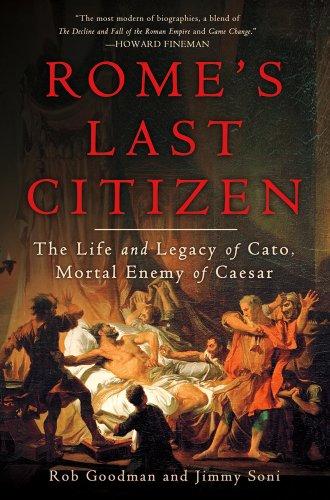
The Life and Legacy of Cato, Mortal Enemy of Caesar
The play was discussed as being incredibly popular in colonial America, and its lines were said to have influenced important moments of the American Revolution.
I was struck also, there's another, I think, intersection between these sort of book clubs and stoicism is I was amazed at the play, the Joseph Addison play Cato, which was so popular at that time, wh...
— Episode: The History of American Bookshops (From...
The play was discussed as being incredibly popular in colonial America, and its lines were said to have influenced important moments of the American Revolution.
I was struck also, there's another, I think, intersection between these sort of book clubs and stoicism is I was amazed at the play, the Joseph Addison play Cato, which was so popular at that time, which I imagine that many of them didn't see as a play. They probably read it or read excerpts of it.
It was mentioned as a play that was very popular during the American Revolution, and many lines from the play were used in seminal moments of the revolution. It was discussed in relation to the shared literary culture of the time.
I was struck also, there's another, I think, intersection between these sort of book clubs and stoicism is I was amazed at the play, the Joseph Addison play Cato, which was so popular at that time, which I imagine that many of them didn't see as a play.
Like, I regret I have but one life to lose for my country or give me liberty or give me death.
It was discussed in the context of its popularity during the American Revolution, with many of its lines being incorporated into key moments of the revolution.
I was struck also, there's another, I think, intersection between these sort of book clubs and stoicism is I was amazed at the play, the Joseph Addison play Cato, which was so popular at that time, which I imagine that many of them didn't see as a play.
They probably read it or read excerpts of it. But when I sat down and read the play a few years ago, what struck me was how many of the lines from that play end up in sort of seminal moments of the revolution.
Like, I regret I have but one life to lose for my country or give me liberty or give me death.
It was discussed how this play was highly popular and its lines influenced pivotal moments in the American Revolution because it was widely read at the time.
I was struck also, there's another, I think, intersection between these sort of book clubs and stoicism is I was amazed at the play, the Joseph Addison play Cato, which was so popular at that time,
The podcast discussed the popularity of Joseph Addison's play Cato during the American Revolution, noting how many lines from the play ended up in seminal moments of the revolution.
I was struck also, there's another, I think, intersection between these sort of book clubs and stoicism is I was amazed at the play, the Joseph Addison play Cato, which was so popular at that time, which I imagine that many of them didn't see as a play. They probably read it or read excerpts of it. But when I sat down and read the play a few years ago, what struck me was how many of the lines from that play end up in sort of seminal moments of the revolution.
The podcast recommended this book, describing it as offering a nuanced portrayal of Cato. It was mentioned as a book that presents a detailed and insightful perspective on Cato.
and then there is this new book that I was fascinated by it's called uncommon wrath how Caesar and kato's deadly rivalry destroyed the Roman Republic
there's also a book called Rome's Last Citizen which I sell at the paint of porch I'll link to in today's show notes and I reread recently that presents a very interesting and nuanced portrait of kato
This book is a biography of Cato the Younger, a prominent Stoic figure in the Roman Republic. The podcast excerpt discussed his early life, his commitment to Stoicism, and his defense of tradition.
I've raved about the book Rome's Last Citizen many times. It's a great book.
And one of the things I try to do here on the weekend is provide excerpts or insights into some of those books.
You can also pick up of course the physical edition of the book which I quite like.
An excerpt from this book was used in this podcast episode; it is a biography of Cato the Younger, focusing on his early life and his clash with the Roman Empire. The podcast episode highlighted Cato's resilience, his strong sense of justice from a young age, and his eventual role as a hero of the Stoic philosophy.
It's really a great book because before I'd written Lives of the Stoics, there really weren't that many biographies of the actual stoics, particularly some of these lesser known stoics.
And today's episode is an excerpt from this great biography, Rome's Last Citizen, The Life and Legacy of Cato, Mortal Enemy of Caesar.
I do hope you check out this book, read it in physical or audio.
Rome's Last Citizen, the life and legacy of Cato, mortal enemy of Caesar by Rob Goodman and Jimmy Sony.
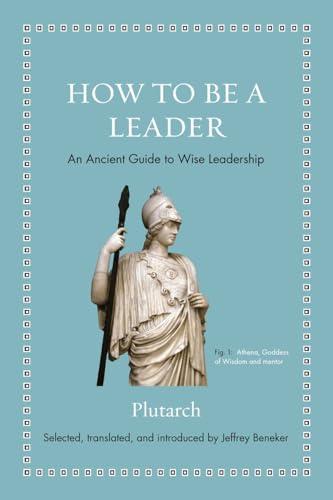
An Ancient Guide to Wise Leadership (Ancient Wisdom for Modern Readers)
This book, a translation of Plutarch's essays on leadership, was mentioned for its assertion that leaders should be capable of performing various tasks, but not necessarily all of them, underlining the importance of delegation.
Plutarch has this great set of essays on leadership and I think Princeton has a translation of it called How to Be a Leader but he says a leader must be able to do everything but a le...
— Episode: Why Reflection is a Super Power | Lt Col...
This book, a translation of Plutarch's essays on leadership, was mentioned for its assertion that leaders should be capable of performing various tasks, but not necessarily all of them, underlining the importance of delegation.
Plutarch has this great set of essays on leadership and I think Princeton has a translation of it called How to Be a Leader but he says a leader must be able to do everything but a leader must be able to do anything but can't do everything right
An excerpt from this book, part of the Princeton University *Ancient Wisdom for Modern Readers* series, was shared in this podcast episode. It discussed Plutarch's thoughts on leadership, encompassing essays on being an educated leader, effective leadership, and the role of older individuals in politics.
A leader has to be willing to do anything but they can't do everything right because if you try to do everything you won't do the most important things and that also means your micromanaging and you're stepping on people's toes and you're just being in control for you right you yet to be willing to get your hands dirty have to be willing to do the hard grunt work and you have to lead from the front.
It's three essays from Plutarch on being an educated leader how to be a good leader and should old men engage in politics.
one of the great books of leadership of all time
Plutarch refutes the notion that the benefit of holding office is merely the opportunity to exercise power
a leader who is governed by reason exhibits an example of virtue to the citizens of a city and even more this virtuous leader may in turn make the citizens virtuous.
The podcast mentioned Plutarch's essay on leadership, specifically highlighting his perspective on people's attraction to positions of power as a desire for freedom from being governed.
He wrote this book called How to Be a Leader, or it's an essay, and then there's a new penguin university or Princeton University press collection that I like called How to Be a Leader as some of his essays on leadership and he talks about how how often people are attracted to positions of power or governance...
This episode featured an excerpt from Jeffrey Beneker's modern translation and collection of essays about successful leadership from Plutarch's *Moralia*. It discussed how leaders must share power, delegate, and prioritize tasks.
It's about how a leader has to share power has to delegate has to prioritize the tasks that they do.
Plutarch is the best that's ever done it and I'm so grateful to Princeton University Press and this ancient wisdom series that they have for putting together this new edition I highly recommend you read How to Be a Leader
To an uneducated leader in this brief essay Plutarch refutes the notion that the benefit of holding office is merely the opportunity to exercise power this is the myopic stance of uneducated leaders whom he portrays as insecure and afraid of the people they govern.
A new translation of Plutarch's work was mentioned; a quote from the book highlights that a leader must be capable and willing to do anything but cannot do everything. This emphasizes the importance of delegation and resourcefulness in leadership.
a leader must be able and willing to do anything but can't do everything
An audiobook excerpt from this book, a collection of essays on leadership from the ancient biographer Plutarch, was played in this episode. The episode focused on the importance of wisdom in leadership, using examples from Plutarch's writings.
Plutarch's How to Be a Leader from Princeton University Press' Ancient Wisdom series.
Plutarch is just the best that ever did it.
This new How to Be a Leader series is fantastic.
An episode excerpt featured a modern translation and collection of essays about successful leadership from the ancient biographer Plutarch; the podcast host highly recommended it.
I highly recommend you read How to Be a Leader.
A Military History of the Civil Rights Movement, 1954-1968
There is a great book by Tom Ricks called "Waging a Good War" where he looks at the civil rights movement as a military campaign.
There's a great book by Tom Ricks, I have in the bookstore called Waging a Good War, where he looks at the civil rights movement as a military campaign.
— Episode: Quietly Chasing Dreams & The Secret To M...
There is a great book by Tom Ricks called "Waging a Good War" where he looks at the civil rights movement as a military campaign.
There's a great book by Tom Ricks, I have in the bookstore called Waging a Good War, where he looks at the civil rights movement as a military campaign.
The book discusses Bob Moses, a civil rights leader, highlighting his calm demeanor and ability to reflect before acting. The author emphasizes Moses's capacity for reflection and distance from the situation, even while leading.
Ricks looks at what made Bob Moses one of the best, yet lesser known, civil rights leaders.
he had the capacity for reflection and distance from the thing you are very much in the midst of an even leading.
the ability to gain psychological detachment to reflect on action is a talent of many effective leaders.
It was discussed in a past Daily Stoic podcast episode and details how Bob Moses' calmness and quiet reflection contributed to his effective leadership in the Civil Rights Movement.
he had the capacity for Reflection and distance from the thing you are very much in the midst of an even leading.
Ryan Holiday mentioned reading this book, which focuses on the civil rights movement viewed from a military historian's perspective, comparing it to a military campaign.
you've heard some of my past guests like Tom Ricks who I talked about in his book The Waging a Good War
The book discusses the Highlander Folk School and its role in training civil rights activists. The author's explanation of the school's training methods, focusing on strategic and tactical planning, was highlighted.
In his fascinating book, Waging a Good War, Tom Ricks who has a must listen to episode on The Daily Stoic Podcasts, he explains that each Highlander training session of one or two weeks began with a strategic question. What do you want to do? They asked and then it ended with a tactical discussion of how to reach that outcome. What are you going to do?
The book, focusing on the civil rights movement, highlighted that civil rights protestors underwent training in non-violence, emphasizing that it was a discipline practiced, not merely a moral stance.
i just read this book it was very good uh this is i just had him on the pockets this is tom tom ricks's book on the civil rights movement um called waging a good word but anyways one of the things that we don't talk enough about when we talk about the civil rights movement is we we think of it solely as a moral movement based on ideas which it was but we ignore that every single one of these civil rights protesters was subjected to training they were trained in non-violence non-violence being a moral and spiritual discipline that you have to practice and they were even even like the million man march there was a list of rules yeah that you had to agree to follow to participate in the march okay if you if you have trouble with these rules stay home let us handle it right and so so i think we sometimes we do the civil rights movement a disservice by not acknowledging that the very human impulse when someone punches you in the head or calls you a racial slur is to respond with violence or words or whatever that you know like when john louis falls on another protester to protect them from his body this is the opposite of what you're instinctually going to do this is a result of deliberate and very well thought out practice which drives all the way from gondi but i think I think we have to understand that this was a discipline that they were following it wasn't just they were right and so magically were transcended you know transcended their human limitations and were superhuman they they were like an athlete who had practiced for this moment of
The speaker was raving about this book.
And then I've been raving about this book Night of the Grizzlies, which I loved.
— Episode: The Most Important Thing | Ask DS
The speaker was raving about this book.
And then I've been raving about this book Night of the Grizzlies, which I loved.
Ryan Holiday enjoys Night of the Grizzlies, an audio book.
And then I've been raving about this book Night of the Grizzlies, which I loved.
It was a true crime audiobook that was enjoyed by Ryan Holiday and his wife.
And then I've been raving about this book Night of the Grizzlies, which I loved.
The speaker was raving about this book and its audio, which he described as bringing thrillers to life.
And then I've been raving about this book Night of the Grizzlies, which I loved audio peaks the imagination and it brings thrillers to life.
The speaker was raving about this book.
And then I've been raving about this book Night of the Grizzlies, which I loved.
The author was raving about this book, calling it an audio book that he loved.
And then I've been raving about this book Night of the Grizzlies, which I loved.
The speaker raved about this book, which they really enjoyed listening to in audiobook format.
And then I've been raving about this book Night of the Grizzlies, which I loved.
The Art of Making and Marketing Work that Lasts
Ryan Holiday mentioned his book Perennial Seller as being about how the bestseller list only shows what books sold that week, not how many units are actually moved. He talked about books that sell 1,000 copies a week for 52 weeks being the ones that actually move the most units, even though they never appear on the bestseller list.
And in fact, the New York Times list for the most part tends to exclude books that have been on there too long.
— Episode: Unlocking Self-Discovery Through Shadow...
Ryan Holiday mentioned his book Perennial Seller as being about how the bestseller list only shows what books sold that week, not how many units are actually moved. He talked about books that sell 1,000 copies a week for 52 weeks being the ones that actually move the most units, even though they never appear on the bestseller list.
And in fact, the New York Times list for the most part tends to exclude books that have been on there too long.
But actually the things that move the most units are the things that they didn't sell 10,000 copies in a week and then appear at number five on the New York Times list.
The book explored the concept of creating timeless and enduring work, rather than chasing fleeting trends. It is inspired by Longfellow's idea that art is long but time is fleeting.
your work doesn't have to be a flash in the pan it doesn't have to be connected to trends or fads you don't have to be trying to catch a wave before it crashes some people make work that's actually important that's perennial that's timeless that's always going to be true what I love about Marx really says meditations is that this wasn't even intended for publication it's for his own private use but it's so honest and authentic and vulnerable and real that it lasts for two thousand years even for a guy who who didn't care about posthumous fame when I wrote Perennial Seller I was thinking about this idea from longfellow that art is long but time is fleeting that if you're chasing what's now you're going to miss out what's always going to be true in the future so when I write try to make things that last try to make things that are timeless trying to make things that are true trying to make things that really do something for people I don't give a shit about what's happening in the world around me I'm trying to make something that will endure
The podcast speaker considered writing a book about how to market books, but then decided on this book instead which focuses on creating work that lasts.
when I was thinking about writing my book Perennial Seller my publisher said look we think there's a really good market for a book that teaches people who write books how to market books.
Holiday mentioned his book "Perennial Seller" as focusing on the factors that contribute to a work's lasting appeal and enduring popularity.
If you read my book, Perennial Seller, this is essentially the premise. Like what makes something classic? What makes it endure? What makes it stand the test of time?
The book was mentioned in relation to the author's writing about the band Iron Maiden, which was discussed in the podcast episode. It was described as something the author wrote about in the book, seemingly a relevant part of the episode's topic.
I wrote about them a bunch in my book, Perennial Seller.
Note: The book recommendations on this page are discovered automatically from podcast transcripts, and may be incorrect or incomplete.
Podcast Name