Honours versus Money
Bruno S. Frey
Mentioned 4 months ago
62. How Can You Escape a Drama Triangle?
Research psychologist Angela Duckworth (author of "Grit") and tech and sports executive Mike Maughan really like to ask people questions, and they believe there’s no such thing as a stupid one. So they have a podcast where they can ask each other as many “stupid questions” as they want. New episodes...
Recently mentioned
Bruno S. Frey
Mentioned 4 months ago
62. How Can You Escape a Drama Triangle?
William C. Dement
Mentioned 7 months ago
50. Are You as Observant as You Think?
Nassim Nicholas Taleb
Mentioned 7 months ago
49. How Does Facing Death Change Your Life?
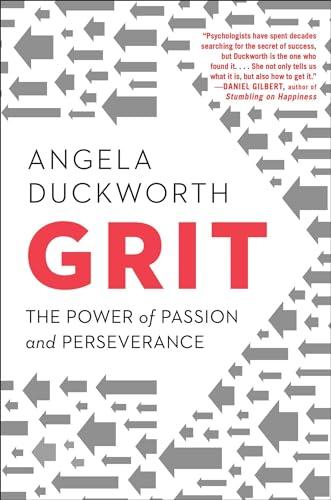
Angela Duckworth
Mentioned 8 months ago
46. How Can You Stop Feeling So Irritable?
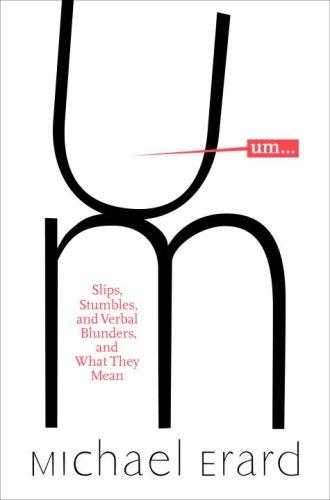
Michael Erard
Mentioned 8 months ago
45. How Much Better Do You Really Want to Be?
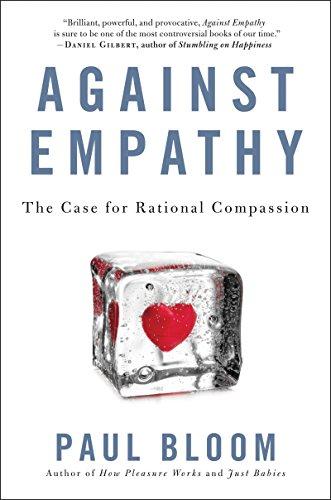
Paul Bloom
Mentioned 9 months ago
44. Is Empathy in Fact Immoral?
Meyer Friedman
Mentioned 9 months ago
44. Is Empathy in Fact Immoral?
Steven D. Levitt
Mentioned 9 months ago
42. How Does When You Are Born Affect Who You Are?
![Freakonomics [Revised and Expanded]: A Rogue Economist Explores the Hidden Side of Everything cover](https://media.podcastbookpicks.com/books/677.jpg)
Steven D. Levitt
Mentioned 9 months ago
41. Why Are We So Attracted to Fame?
Daniel Thomas Cook
Mentioned 9 months ago
41. Why Are We So Attracted to Fame?
Robert B. Cialdini PhD
Mentioned 9 months ago
41. Why Are We So Attracted to Fame?
Jordan Ellenberg
Mentioned 10 months ago
40. Have We All Lost Our Ability to Compromise?
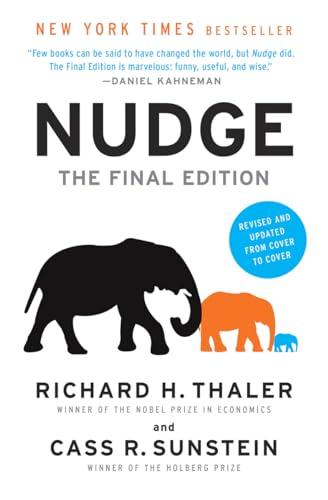
This book was mentioned in the context of behavioral economics and the concept of nudging people toward pro-social behavior as an alternative to mandates.
Richard Thaler and so on, who wrote a book called Nudge, talking about the way to Nudge people towards pro-social behavior as opposed to mandates.
— Episode: 27. How Should You Ask for Forgiveness?
This book was mentioned in the context of behavioral economics and the concept of nudging people toward pro-social behavior as an alternative to mandates.
Richard Thaler and so on, who wrote a book called Nudge, talking about the way to Nudge people towards pro-social behavior as opposed to mandates.
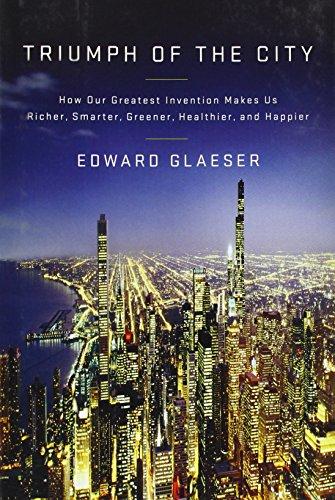
How Our Greatest Invention Makes Us Richer, Smarter, Greener, Healthier, and Happier
This book, written by urban economist Ed Glazer, was cited as an argument for how cities make people happier, richer, and smarter, though the speaker noted that gains from city living had begun to level off before the pandemic.
Ed Glazer, the economist at Harvard who studies cities and is really the dean of urban economists. He wrote a wonderful book years ago called Triumph of the City.
— Episode: 26. Do Checklists Make People Stupid?
This book, written by urban economist Ed Glazer, was cited as an argument for how cities make people happier, richer, and smarter, though the speaker noted that gains from city living had begun to level off before the pandemic.
Ed Glazer, the economist at Harvard who studies cities and is really the dean of urban economists. He wrote a wonderful book years ago called Triumph of the City.
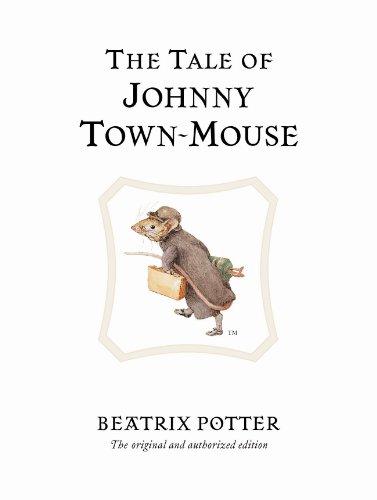
This 1918 version of the country mouse and city mouse story, written and illustrated by Beatrix Potter, was mentioned as a version many listeners would be familiar with.
But many listeners will be familiar with the version of the story from 1918, The Tale of Johnny Town Mouse, written and illustrated by Beatrix Potter, the English natural scientist who famously author...
— Episode: 26. Do Checklists Make People Stupid?
This 1918 version of the country mouse and city mouse story, written and illustrated by Beatrix Potter, was mentioned as a version many listeners would be familiar with.
But many listeners will be familiar with the version of the story from 1918, The Tale of Johnny Town Mouse, written and illustrated by Beatrix Potter, the English natural scientist who famously authored The Tale of Peter Rabbit.
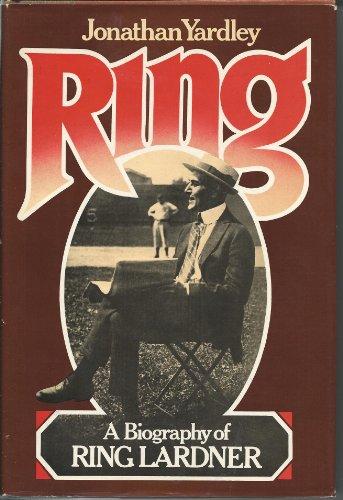
A biography of Ring Lardner
The speaker treasured this biography, recalling vividly the cover, feel, smell, and even the remainder table where it was purchased, linking the physical experience strongly to the book's impact on his path as a writer.
So like there's a biography of Ring Lardner, a writer that I loved, that I bought. It was a biography by Jonathan Yardley.
— Episode: 24. Why Do We Forget So Much of What We’...
The speaker treasured this biography, recalling vividly the cover, feel, smell, and even the remainder table where it was purchased, linking the physical experience strongly to the book's impact on his path as a writer.
So like there's a biography of Ring Lardner, a writer that I loved, that I bought. It was a biography by Jonathan Yardley.
And I can picture the cover. I can picture the feel. I can picture the smell of the book. I can picture the table I bought it on.
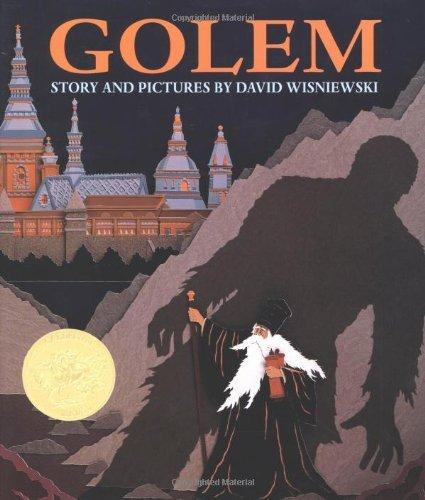
This book, a retelling of the Jewish legend of Golem, was referenced by Saul Friedlander in his memoir, indicating it was a source for the quote about knowledge and memory.
And to add another layer of complexity, Friedlander was actually referencing a book from his childhood, the Austrian novelist Gustav Meyrink's retelling of the Jewish legend of Golem, an animated crea...
— Episode: 24. Why Do We Forget So Much of What We’...
This book, a retelling of the Jewish legend of Golem, was referenced by Saul Friedlander in his memoir, indicating it was a source for the quote about knowledge and memory.
And to add another layer of complexity, Friedlander was actually referencing a book from his childhood, the Austrian novelist Gustav Meyrink's retelling of the Jewish legend of Golem, an animated creature made out of clay.
Stephen misremembered the author and title for 'How to Win Friends and Influence People,' noting that the core message people remember is about using people's names, although the book also advocated for liberal compliments.
So Dale Carnegie, Seven Habits of Highly Effective People. We've talked about this self-help book.
— Episode: 24. Why Do We Forget So Much of What We’...
Stephen misremembered the author and title for 'How to Win Friends and Influence People,' noting that the core message people remember is about using people's names, although the book also advocated for liberal compliments.
So Dale Carnegie, Seven Habits of Highly Effective People. We've talked about this self-help book.
Wait, Dale Carnegie was Seven Habits of Highly Successful People? Oh, wait, wait, wait. How to get people. How to win friends and influence people.
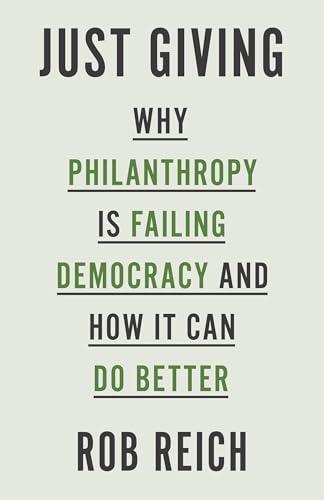
Why Philanthropy Is Failing Democracy and How It Can Do Better
This book, by a Stanford political scientist, was discussed in relation to philanthropy's impact on democracy. The main critique explored was how philanthropy converts private assets into public influence, thereby subverting the democratic process.
There's a similar-ish book by Robert Reich, who is a Stanford political scientist called Just Giving, Why Philanthropy is Failing Democracy and How We Can Do Better.
— Episode: 21. How Can You Identify Hidden Talent?...
This book, by a Stanford political scientist, was discussed in relation to philanthropy's impact on democracy. The main critique explored was how philanthropy converts private assets into public influence, thereby subverting the democratic process.
There's a similar-ish book by Robert Reich, who is a Stanford political scientist called Just Giving, Why Philanthropy is Failing Democracy and How We Can Do Better.
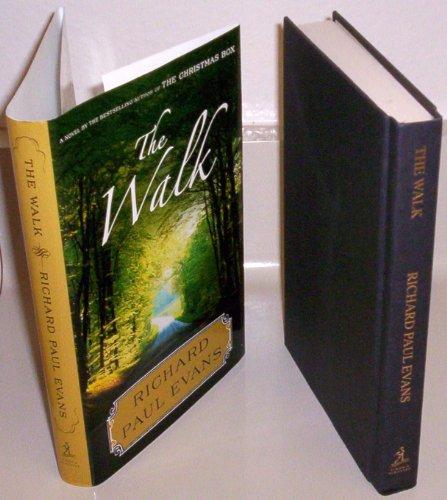
A Novel (Walk Series, 1)
This book was mentioned, and the author noted that a recipe in it was a recreation of his mother's Mapo Tofu, although it wouldn't taste quite the same due to missing random ingredients from his childhood.
In my book, The Walk, there is a sort of recreation of it. But again, it's like it's never going to taste quite the same because it doesn't like mine doesn't have that those random bi...
— Episode: Presenting “Smart Girl Dumb Questions”
This book was mentioned, and the author noted that a recipe in it was a recreation of his mother's Mapo Tofu, although it wouldn't taste quite the same due to missing random ingredients from his childhood.
In my book, The Walk, there is a sort of recreation of it. But again, it's like it's never going to taste quite the same because it doesn't like mine doesn't have that those random bits of freezer stuff.
You can also grab his cookbooks, The Walk or The Food Lab, or my personal favorite, Every Night is Pizza Night, which is a kid's book, but it's for adults too.
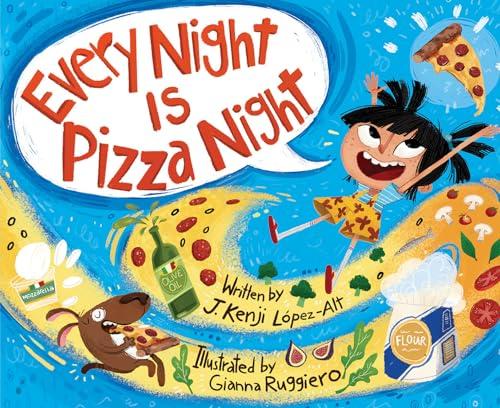
This was identified as a kid's book written by the guest, which the host bought for her godkids. The host found it fascinating regarding the cultural aspects of food growing up.
One of the things I loved about your book, Every Night Is Pizza Night, the kid's book, which I have bought for my godkids, is like growing up, I used to be really kind of embarrassed...
— Episode: Presenting “Smart Girl Dumb Questions”
This was identified as a kid's book written by the guest, which the host bought for her godkids. The host found it fascinating regarding the cultural aspects of food growing up.
One of the things I loved about your book, Every Night Is Pizza Night, the kid's book, which I have bought for my godkids, is like growing up, I used to be really kind of embarrassed about some of the food I had, especially when I moved to America from Asia.
You can also grab his cookbooks, The Walk or The Food Lab, or my personal favorite, Every Night Is Pizza Night, which is a kid's book, but it's for adults too.
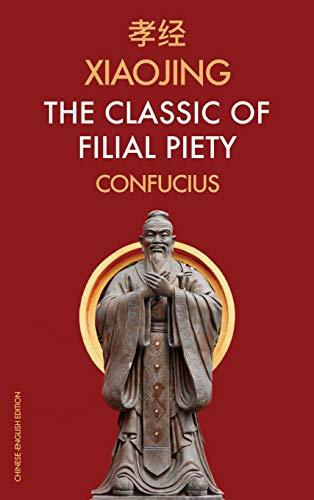
Chinese-English Edition
This work exemplified filial piety through stories of exemplary sons, one of whom allowed mosquitoes to bite him so his parents could sleep peacefully. The book was temporarily banned during the Chinese Cultural Revolution but later republished with modernized suggestions for keeping parents happy.
The value is perhaps exemplified by Yuan Dynasty scholar Gua Zhujing's book, The 24 Paragons of Filial Piety.
— Episode: 19. Is There Such a Thing as Good Estran...
This work exemplified filial piety through stories of exemplary sons, one of whom allowed mosquitoes to bite him so his parents could sleep peacefully. The book was temporarily banned during the Chinese Cultural Revolution but later republished with modernized suggestions for keeping parents happy.
The value is perhaps exemplified by Yuan Dynasty scholar Gua Zhujing's book, The 24 Paragons of Filial Piety.
The work includes a story of an exemplary son born to a couple too poor to afford a mosquito net, and so the son would sit shirtless by his parents' bed, allowing the mosquitoes to bite him so that his parents could rest peacefully.
Popular)
This book argued that there are two kinds of popular: pecking order popular (the mean popular crowd) and likable popular, which the author suggested was the good kind of popular.
Mitch Prinstein's thesis here is that there's really at least two kinds of popular.
— Episode: 18. How Do You Raise a “Likable” Kid?
This book argued that there are two kinds of popular: pecking order popular (the mean popular crowd) and likable popular, which the author suggested was the good kind of popular.
Mitch Prinstein's thesis here is that there's really at least two kinds of popular.
Popular, Finding Happiness and Success in a World That Cares Too Much About the Wrong Kinds of Relationships.
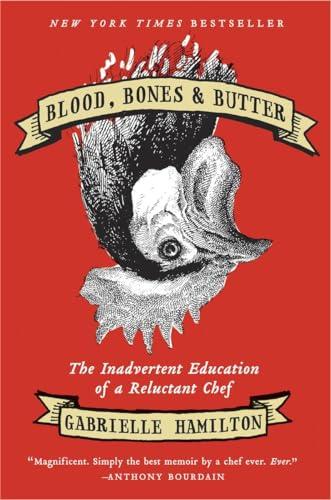
The Inadvertent Education of a Reluctant Chef
The book was mentioned as Gabrielle Hamilton's work detailing her inadvertent education as a chef, suggesting she initially wanted to be a writer.
I am dying to ask you a question that has actually been simmering as I read through essays that you've published in The Times, and of course I read Blood, Buns, and Butter.
— Episode: 16. What’s the Downside to Being Goal-Or...
The book was mentioned as Gabrielle Hamilton's work detailing her inadvertent education as a chef, suggesting she initially wanted to be a writer.
I am dying to ask you a question that has actually been simmering as I read through essays that you've published in The Times, and of course I read Blood, Buns, and Butter.
You've titled your book, Blood, Buns and Butter, The Inadvertent Education of a Reluctant Chef.
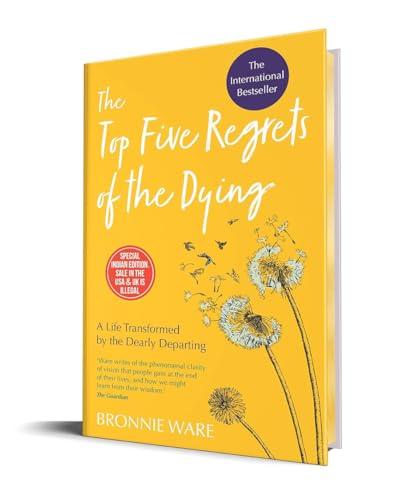
A Life Transformed by the Dearly Departing (Limited Edition Hardcove
This memoir was cited as the source for the famous story about a hospice nurse asking patients about their regrets, where the regret of working too hard was commonly mentioned, especially by men.
The nurse in question is Australian palliative care provider Bronnie Ware, author of the 2012 memoir, The Top Five Regrets of the Dying.
— Episode: 16. What’s the Downside to Being Goal-Or...
This memoir was cited as the source for the famous story about a hospice nurse asking patients about their regrets, where the regret of working too hard was commonly mentioned, especially by men.
The nurse in question is Australian palliative care provider Bronnie Ware, author of the 2012 memoir, The Top Five Regrets of the Dying.
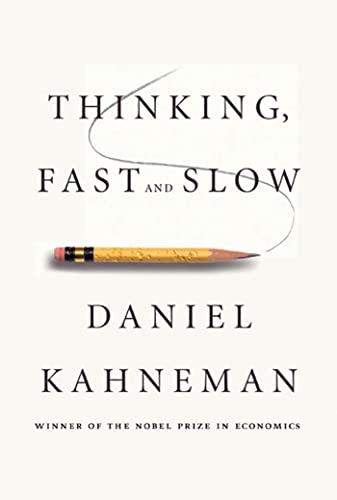
Stephen mentioned that Danny Kahneman wrote about what Nassim Taleb calls the narrative fallacy in this book.
I know that Danny Kahneman wrote about what Nassim Taleb calls the narrative fallacy and Danny wrote about that in Thinking Fast and Slow.
— Episode: 13. How Can You Stop Comparing Yourself...
Stephen mentioned that Danny Kahneman wrote about what Nassim Taleb calls the narrative fallacy in this book.
I know that Danny Kahneman wrote about what Nassim Taleb calls the narrative fallacy and Danny wrote about that in Thinking Fast and Slow.

A Little Golden Book Biography
The biography detailed Jonas Salk's intense drive to create the polio vaccine and pointed out how he was disliked by the medical community for being unorthodox and seeming selfish in his approach.
There's a wonderful biography of Salk by a writer named Charlotte DeCros Jacobs. And one element she points out was that he was intensely disliked by the medical community who saw him as operating kin...
— Episode: 11. Are Ambitious People Inherently Self...
The biography detailed Jonas Salk's intense drive to create the polio vaccine and pointed out how he was disliked by the medical community for being unorthodox and seeming selfish in his approach.
There's a wonderful biography of Salk by a writer named Charlotte DeCros Jacobs. And one element she points out was that he was intensely disliked by the medical community who saw him as operating kind of selfishly.
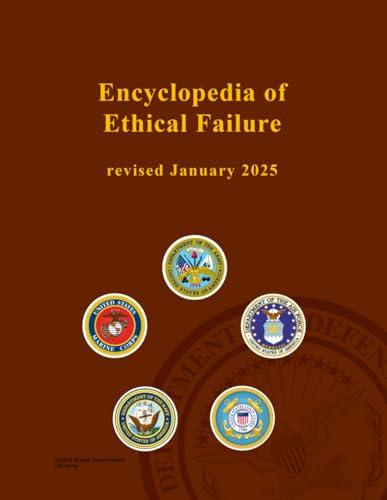
This book, created by a lawyer for the U.S. Department of Defense, consisted only of a catalog of true stories about epic screw-ups by federal workers, which was found to be more successful in communicating rules than just stating the regulations.
So instead, he created this book of true stories that he called the Encyclopedia of Ethical Failure. And it was nothing but a catalog of epic screw-ups perpetrated by federal workers.
— Episode: 10. Why Are Stories Stickier Than Statis...
This book, created by a lawyer for the U.S. Department of Defense, consisted only of a catalog of true stories about epic screw-ups by federal workers, which was found to be more successful in communicating rules than just stating the regulations.
So instead, he created this book of true stories that he called the Encyclopedia of Ethical Failure. And it was nothing but a catalog of epic screw-ups perpetrated by federal workers.
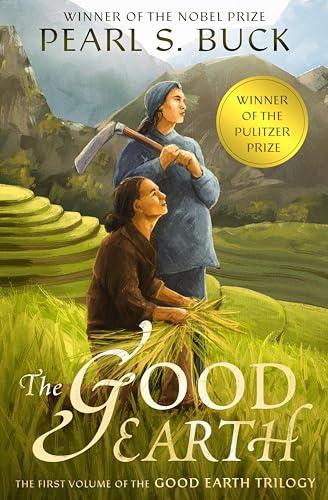
One speaker mentioned recently reading this book, which they loved, noting that Pearl S. Buck won the Nobel Prize in Literature for it despite being an outsider writing about Chinese culture.
I just found it in a used bookstore, The Good Earth. Did you read The Good Earth by Pearl S. Buck?
— Episode: 10. Why Are Stories Stickier Than Statis...
One speaker mentioned recently reading this book, which they loved, noting that Pearl S. Buck won the Nobel Prize in Literature for it despite being an outsider writing about Chinese culture.
I just found it in a used bookstore, The Good Earth. Did you read The Good Earth by Pearl S. Buck?
I loved it. I did. She won the Nobel Prize in Literature.
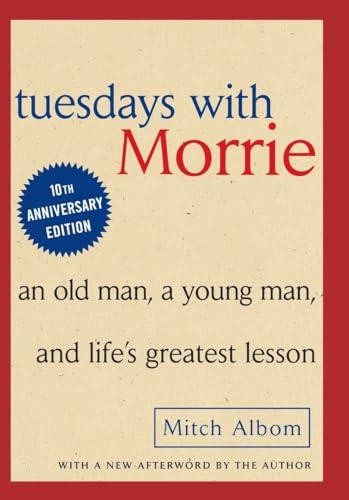
An Old Man, A Young Man and Life's Greatest Lesson
The book featured a famous living funeral, which the speakers felt exemplified a practice that should be the norm rather than the exception for sharing virtues.
You know, I know some people do this. Tuesdays with Maury, the book by Mitch Albom, had a famous living funeral.
— Episode: 8. Wouldn’t It Be Better to Hear Your Eu...
The book featured a famous living funeral, which the speakers felt exemplified a practice that should be the norm rather than the exception for sharing virtues.
You know, I know some people do this. Tuesdays with Maury, the book by Mitch Albom, had a famous living funeral.
Hope for grieving parents
This was Eugene Mirman's nine-volume comedy album, which was mentioned in the context of discussing what material he chose not to include on it.
but he's also done many comedy projects, including a nine-volume comedy album called I'm Sorry. You're welcome.
— Episode: 8. Wouldn’t It Be Better to Hear Your Eu...
This was Eugene Mirman's nine-volume comedy album, which was mentioned in the context of discussing what material he chose not to include on it.
but he's also done many comedy projects, including a nine-volume comedy album called I'm Sorry. You're welcome.
Also, I'm curious, is there anything as a father that your son finds particularly funny? How old is he? He's three and a half, approaching four. Is there anything that he finds funny that has made you look at that thing in a new way and maybe incorporate it into a joke or stand up or something like that? He said, and this is like, I don't think he'd even turned three yet. We had been to a seafood store that had also like some stuffed animals and then some stuff hanging on the walls.
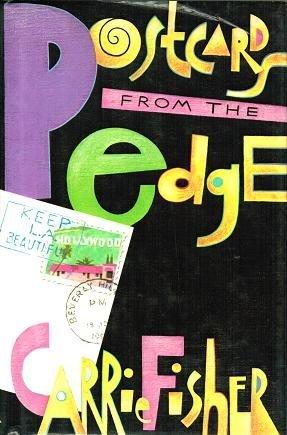
This was identified as a semi-autobiographical book written by Carrie Fisher, which was later adapted into a movie starring Meryl Streep.
Streep and Fisher had become friends after Streep starred in Postcards from the Edge, the movie version of Fisher's semi-autobiographical book.
— Episode: 4. Does All Creativity Come From Pain?
This was identified as a semi-autobiographical book written by Carrie Fisher, which was later adapted into a movie starring Meryl Streep.
Streep and Fisher had become friends after Streep starred in Postcards from the Edge, the movie version of Fisher's semi-autobiographical book.
Note: The book recommendations on this page are discovered automatically from podcast transcripts, and may be incorrect or incomplete.
Podcast Name