Police Exam Prep 7th Edition
Kaplan Test Prep
Mentioned 4 months ago
1288: Test Prep | Skeptical Sunday
(Apple's Best of 2018) In-depth conversations with people at the top of their game. Jordan Harbinger unpacks guests' wisdom into practical nuggets you can use to impact your work, life, and relationships. Learn from leaders (Ray Dalio, Simon Sinek, Mark Cuban), entertainers (Moby, Tip "T.I." Harris,...
Recently mentioned
Kaplan Test Prep
Mentioned 4 months ago
1288: Test Prep | Skeptical Sunday
David Killoran
Mentioned 4 months ago
1288: Test Prep | Skeptical Sunday

Kaplan Test Prep
Mentioned 4 months ago
1288: Test Prep | Skeptical Sunday

Eve Ensler
Mentioned 5 months ago
1282: The Vagina | Skeptical Sunday
Richard Shotton
Mentioned 6 months ago
1273: Richard Shotton & MichaelAaron Flicker | Marketing to Human Minds
Derek Thompson
Mentioned 6 months ago
1273: Richard Shotton & MichaelAaron Flicker | Marketing to Human Minds
Milan Kundera
Mentioned 1 year ago
1042: Sex Trafficking | Skeptical Sunday
Ryan Holiday
Mentioned 1 year ago
1041: Groped In Your Sleep, Betrayal Runs Deep | Feedback Friday
James J. Sexton
Mentioned 1 year ago
1035: James Sexton | A Divorce Lawyer's Guide to Lasting Love Part One
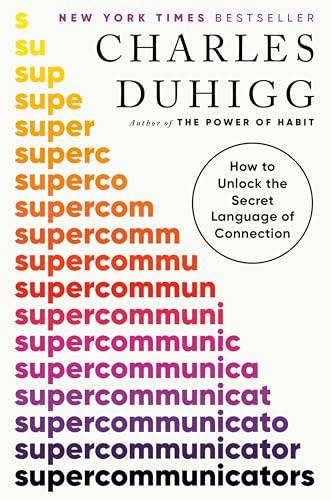
Charles Duhigg
Mentioned 1 year ago
1034: Fat-Free Foods | Skeptical Sunday
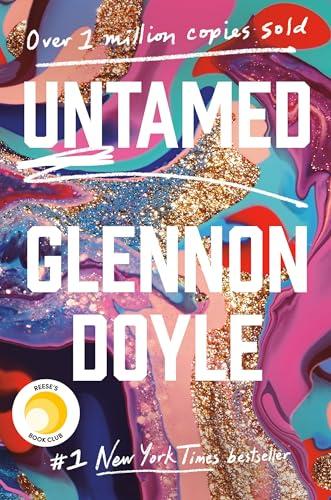
Glennon Doyle
Mentioned 1 year ago
1031: Sarah Hill | How Birth Control Rewires Women's Brains Part One
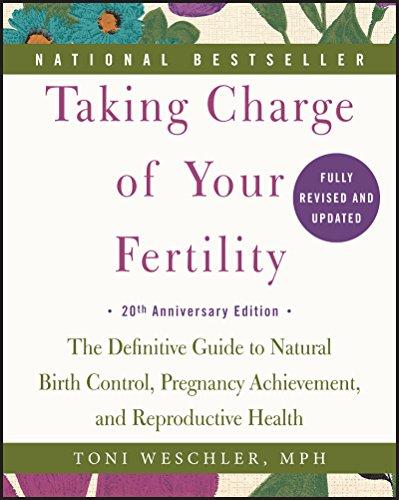
Toni Weschler
Mentioned 1 year ago
1031: Sarah Hill | How Birth Control Rewires Women's Brains Part One
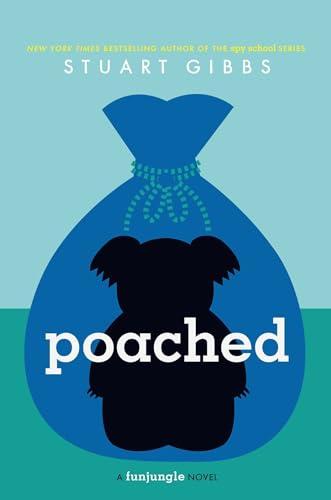
It was described as the most depressing episode, covering the horrific details of the illegal wildlife trade, specifically in Asia and the impact on endangered species.
I'm fully ready for this to be like the most depressing episode that I've done yeah the details were about to discuss their horrific
— Episode: 545: Rachel Nuwer | Inside the Dark Worl...
It was described as the most depressing episode, covering the horrific details of the illegal wildlife trade, specifically in Asia and the impact on endangered species.
I'm fully ready for this to be like the most depressing episode that I've done yeah the details were about to discuss their horrific
But this is even worse i'm telling you like if you have a soul and you like animals at all this episode is going to be kind of rough.
it really is like only more barbaric from there if that's even possible you know
and they say oh they're gonna feed them to snakes which yeah i guess they raise and i actually i ate a rat in Vietnam so it's pretty tasty i gotta say
they take the heart out while it's alive again this is why this episode is disgusting they take the heart out while it's alive they pour blood from the snake into this bottle of vodka
The book provided detailed insights into the illegal wildlife trade, including the demand for rare animals and the horrific treatment of animals in captivity for traditional medicines.
I want to apologize to listeners in advance yeah it's it is kind of like that right like economic development drives things like logging environmental damage pollution there's no surprise there we've been learning about that since kindergarten and that's if you're 40 right or 50. But what's seemingly worse is this.
And by the way I'm fully ready for this to be like the most depressing episode that I've done yeah the details were about to discuss their horrific and I did an episode on human organ harvesting from live people done by my Chinese Communist party run hospitals and so like. But this is even worse i'm telling you like if you have a soul and you like animals at all this episode is going to be kind of rough.
I'm telling you like if you have a soul and you like animals at all this episode is going to be kind of rough.
When I read the book and by the way I'm fully ready for this to be like the most depressing episode that I've done yeah the details were about to discuss their horrific...
When I was reporting my book I heard from several sources who I trust that the Vietnamese sighties delegation members of that actually use Rhino horn and believe that it works so you know like how are you gonna get anywhere when that's the situation yeah it's almost like somebody who's a drug dealer saying yeah we definitely need to clamp down on this stuff as they like go into their stash exactly rip a line at the meeting totally
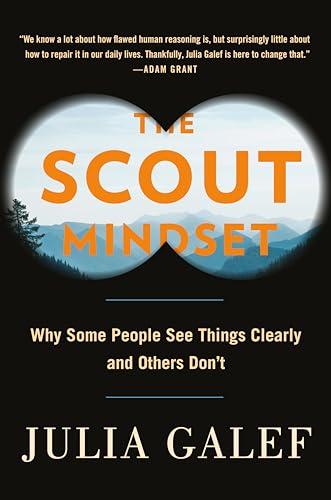
Why Some People See Things Clearly and Others Don't
It was discussed as a framework for improving decision-making, emphasizing the importance of seeking truth over defending pre-conceived notions.
She's the co-founder of The Center for Applied Rationality, which sounds pretty fancy and impressive to me. She also wrote a new book called The Scout Mindset, which is what we're gon...
— Episode: 536: Julia Galef | Why Some People See T...
It was discussed as a framework for improving decision-making, emphasizing the importance of seeking truth over defending pre-conceived notions.
She's the co-founder of The Center for Applied Rationality, which sounds pretty fancy and impressive to me. She also wrote a new book called The Scout Mindset, which is what we're gonna talk about today.
The Scout Mindset, those seeing things as they are not how we wish they were is sort of deceptively simple because I think a lot of people, I look myself included years ago before doing a decade and a half worth of shows about cognitive bias and neuroscience.
The book starts with the Dreyfus affair. And I feel like a lot of folks have heard about this. I'd heard about it before, but I didn't really know what it was. What is the Dreyfus affair? What does this tell us about bias and motivated reasoning?
The book is called The Scout Mindset we'll link to it in the show notes is there anything that you want to make sure you deliver that I haven't brought out just yet
I've really appreciate it the book is called The Scout Mindset we'll link to it in the show notes
It was described as a book that helps to improve decision-making skills and learn how to identify bad arguments and thinking, even from oneself. It was used as a framework to illustrate the concept of soldier and scout mindsets throughout the conversation.
She's also wrote a new book called The Scout Mindset, which is what we're gonna talk about today.
The Scout Mindset, those seeing things as they are not how we wish they were is sort of deceptively simple because I think a lot of people, I look myself included years ago before doing a decade and a half worth of shows about cognitive bias and neuroscience.
And she's the co-founder of The Center for Applied Rationality, which sounds pretty fancy and impressive to me.
Yeah, that's right. That's a simplification, of course, that fits in a book subtitle on the cover. It is one sentence.
The book starts with the dry face affair. And I feel like a lot of folks have heard about this.
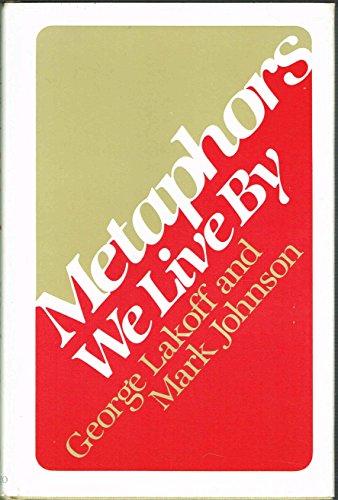
It was mentioned as a source that highlighted the militaristic language we use when discussing beliefs and arguments.
So to start with soldier mindset that metaphor comes from the fact that our language, the way that we talk about reasoning and argument and belief is very militaristic which is something that was firs...
— Episode: 536: Julia Galef | Why Some People See T...
It was mentioned as a source that highlighted the militaristic language we use when discussing beliefs and arguments.
So to start with soldier mindset that metaphor comes from the fact that our language, the way that we talk about reasoning and argument and belief is very militaristic which is something that was first to my knowledge at least pointed out by a linguist named George Lakeoth in his book, Metaphors We Live By.
It was mentioned as a book that illustrated the militaristic nature of language when it comes to reasoning and belief.
So he talks about how our language about beliefs is as if they're buildings that are supposed to be as strong and impenetrable as possible.
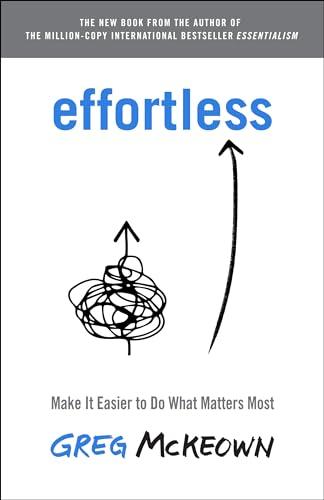
Make It Easier to Do What Matters Most
It was discussed as a guide to achieving 10x results without 10x effort by focusing on ROE (Return on Effort) and building systems that create effortless results. It also touched on how to start with a 'zero draft' to overcome perfectionism and procrastination.
The reason that I wrote Effortless is because if somebody wants to achieve at the next level let's call it 10X results they want 10 times better results. Can anybody listening to this...
— Episode: 534: Greg McKeown | How to Make What Mat...
It was discussed as a guide to achieving 10x results without 10x effort by focusing on ROE (Return on Effort) and building systems that create effortless results. It also touched on how to start with a 'zero draft' to overcome perfectionism and procrastination.
The reason that I wrote Effortless is because if somebody wants to achieve at the next level let's call it 10X results they want 10 times better results. Can anybody listening to this right now put in 10 times more effort?
The reason that I wrote Effortless is because if somebody wants to achieve at the next level let's call it 10X results they want 10 times better results. Can anybody listening to this right now put in 10 times more effort? Nobody listening to this can do that.
unless somebody has the courage to be rubbish they don't begin they just procrastinate because they're being too perfectionist about it and they want the first draft to be perfect and so there's so much pressure on oh this thing has to be so successful moving to begin it if I will.
but in order to get there you have to not only have the courage to write a first draft but something that I've come to call a zero draft which is like it's so bad it's just terrible with the ideas that you've got to start there.
you just start there you just start with terrible is you start with rubbish you don't publish rubbish but you got to be willing to stare at rubbish just put anything down you don't ever have to show it to anyone you just here's a bunch of stuff and then in a process to meet the difference between that rubbish and then exceptional.
It was described as a book about achieving 10x results without 10x effort, focused on the concept of return on effort (ROE) and building systems for effortless results, actions, and states.
If somebody wants to achieve at the next level let's call it 10X results they want 10 times better results. Can anybody listening to this right now put in 10 times more effort?
What's your return on effort? What's your ROE?
Unless somebody has the courage to be rubbish they don't begin they just procrastinate because they're being too perfectionist about it and they want the first draft to be perfect.
The antidote to that is the disciplined pursuit of less and so even having that language helped me to say well I'm not going to just jump into the next book you know just because it's available just because the agent wants it just because we're going to wait until we're sure until we're ready until the time feels right.
Burnout is not a badge of honor.
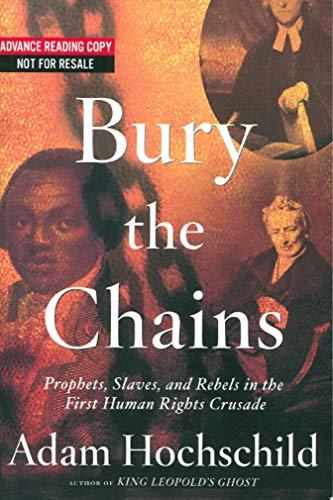
Prophets and Rebels in the Fight to Free an Empire's Slaves
It was referenced as an example of a book that details a long, arduous process of social change, like the abolition of slavery, suggesting a similar effort is needed for social media reform.
a favorite book of mine is the book Burry the Chains which is about the British Empire's abandoning of slavery and how it took 100 years and advocacy with the Quakers and these networks of people who...
— Episode: 533: Tristan Harris | Reclaiming Our Fut...
It was referenced as an example of a book that details a long, arduous process of social change, like the abolition of slavery, suggesting a similar effort is needed for social media reform.
a favorite book of mine is the book Burry the Chains which is about the British Empire's abandoning of slavery and how it took 100 years and advocacy with the Quakers and these networks of people who exposed these cruel you know ways of treating other human beings over and over again and we eventually did something that felt you know impossible and obviously we still live with the legacies of all that today but studying the history of unprecedented human social change is a really important discipline that I certainly wish I was spending more time on because I think that's where we are we're looking for the kind of changes that are unprecedented and dramatic but thoughtful in terms of what we have to address.
It was mentioned as an example of a book that describes unprecedented human social change and how the British Empire abandoned slavery, taking 100 years of advocacy.
a favorite book of mine is the book Burry the Chains which is about the British Empire's abandoning of slavery and how it took 100 years and advocacy with the Quakers and these networks of people who exposed these cruel you know ways of treating other human beings over and over again and we eventually did something that felt you know impossible and obviously we still live with the legacies of all that today but studying the history of unprecedented human social change is a really important discipline that I certainly wish I was spending more time on because I think that's where we are we're looking for the kind of changes that are unprecedented and dramatic but thoughtful in terms of what we have to address.
The Profound and Enduring Impact of Coronavirus on the Way We Live
It was finished in August 2020 and discussed the progression of COVID-19, its origins, and its lasting societal impact.
When I wrote the book Apollo's Arrow I finished it last August of 2020 and I sort of thought that we would at the time it about 130,000 Americans dead and I thought we would lose betw...
— Episode: 524: Nicholas Christakis | Pandemic Impa...
It was finished in August 2020 and discussed the progression of COVID-19, its origins, and its lasting societal impact.
When I wrote the book Apollo's Arrow I finished it last August of 2020 and I sort of thought that we would at the time it about 130,000 Americans dead and I thought we would lose between half a million and a million and we've already blown by the bottom of that and I'm pretty sure we will bump up against the top that before this pandemic is over as many as a million excess deaths will have occurred.
the tsunami stones are in Apollo's Arrow and I just wrote that a year ago so even though I'm 58 I can't remember things from a year ago even if from 10 years ago it was a bit of a challenge
I was reading in in Apollo zero I think it was that when we shake hands we often sniff our hand and we don't notice it and that might come from prehumans and using smell to evaluate
it's not 100% safe but it's more than safe enough but if you ask me I'm vaccinated would I go to my local grocery store and be indoors with strangers for 20 minutes while I shop the answers no put on a mask it's a simple easy thing to do it further reduces my risk
his latest book is called Apollo's Arrow the profound and enduring impact of coronavirus on the way we live
It discussed the progress of COVID-19, how it originated, and its enduring impacts on the way we live. It was finished in August 2020 and predicted a high number of excess deaths.
When I wrote the book Apollo Zero I finished it last August of 2020 and I sort of thought that we would at the time it about 130,000 Americans dead and I thought we would lose between half a million and a million and we've already blown by the bottom of that and I'm pretty sure we will bump up against the top that before this pandemic is over as many as a million excess deaths will have occurred.
the tsunami stones are in Apollo's Arrow and I just wrote that a year ago so even though I'm 58 I can't remember things from a year ago even if from 10 years ago it was a bit of a challenge
I was reading in in Apollo zero I think it was that when we shake hands we often sniff our hand and we don't notice it and that might come from prehumans and using smell to evaluate
his latest book is called Apollo's Arrow the profound and enduring impact of coronavirus on the way we live
How DNA Makes Us Who We Are
It explores the evolutionary roots of a good society, with a particular focus on our ability to teach and learn from each other across time and space.
this is sort of a tangent on a tangent but it's actually a set of ideas that I explore in yet another book called Blueprint the evolutionary origins of a good society which came out a...
— Episode: 524: Nicholas Christakis | Pandemic Impa...
It explores the evolutionary roots of a good society, with a particular focus on our ability to teach and learn from each other across time and space.
this is sort of a tangent on a tangent but it's actually a set of ideas that I explore in yet another book called Blueprint the evolutionary origins of a good society which came out again more recently so I remember that one easier
It was mentioned briefly, and it explores the evolutionary origins of a good society and how the capacity to teach each other is a rare and important human quality.
which is that our capacity to teach each other things which many listeners probably take for granted is actually exceedingly rare in the animal kingdom and this capacity for teaching and learning from each other is that the fundamental root of our capacity for culture which is in fact and its our ability to be a cultural animal to transmit knowledge across time and space that has made us one of the ascendant species on the planet
An Astronaut's Unlikely Journey to Unlock the Secrets of the Universe
It was discussed multiple times throughout the episode, focusing on his journey to becoming an astronaut and his experiences, including setbacks and challenges, and his time in space.
In the book you go over just repeated defeats and setbacks from your eyesight to your PhD thesis and things like that.
— Episode: 516: Mike Massimino | Unlocking Science...
It was discussed multiple times throughout the episode, focusing on his journey to becoming an astronaut and his experiences, including setbacks and challenges, and his time in space.
In the book you go over just repeated defeats and setbacks from your eyesight to your PhD thesis and things like that.
It's more of a convoluted process.
In the book you say I don't want to tell my children how to live life I want to show them.
You've said in the book no matter how bad things are you can always make them worse.
I highly recommend the book as well especially the audio version because he reads it himself and the passion is just really really it comes through in the book I loved it.
Mike Massimino's book, 'Spaceman', was discussed, detailing his journey to becoming an astronaut, including setbacks and the importance of teamwork and perseverance.
In the book you go over just repeated defeats and setbacks from your eyesight to your PhD thesis and things like that.
In the book you say I don't want to tell my children how to live life I want to show them.
I never achieved anything on my own people have always pushed me to be the best version of myself.
You mentioned in the book as well you only have one life you have to spend it doing something that matters.
If you're thinking about grabbing this book definitely do even if not just for the very end where you're performing this space brain surgery on the Hubble and the answer to the problem was rip the handle off using pure brute strength really funny stuff and really really great book.
The Quest for a Theory of Everything
It was described as the most personal book to date, drawing upon Michio Kaku's lifelong search for a universal theory of everything, which he calls 'the God equation'.
Dr. Kaku's latest book is the most personal drawing on the search for this universal theory of everything that he calls The God Equation.
— Episode: 512: Michio Kaku | The Quest for a Theor...
It was described as the most personal book to date, drawing upon Michio Kaku's lifelong search for a universal theory of everything, which he calls 'the God equation'.
Dr. Kaku's latest book is the most personal drawing on the search for this universal theory of everything that he calls The God Equation.
And today, by the way, we think we have it, it's called string theory.
It explains why we're here, we're here because these universes sometimes collide or they fission in half to create a baby universe and that's where our universe came from.
The book title is 'The God Equation', he's got a lot of books, all of them very interesting.
It was described as the most personal of his books, delving into the search for a universal theory of everything, which Dr. Kaku refers to as 'the god equation'. The host noted the complexity and abstractness of the topic.
Dr. Kaku's latest book is the most personal drawing on the search for this universal theory of everything that he calls The God Equation.
I wanted to help complete Einstein's theory of everything so I said no I don't think I'm going to build hydrogen warheads I want to build universes with the theory of everything and that's how I got started
today by the way we think we have it is called string theory very controversial Nobel Prize winners have split on the question but we think that music music is the paradigm that Einstein missed for the last 30 years of his life
so that's why we need a theory of everything so once and for all we can say time travel does or does not happen that there are other dimensions other universes and then of course people ask me the question if there are other universes then is Elvis Presley still alive in another parallel universe
the book title is The God Equation he's got a lot of books all of them very interesting links to that will be in the show notes
How Science Will Shape Human Destiny and Our Daily Lives by the Year 2100
It was mentioned as one of Michio Kaku's books where he discusses concepts related to physics and the future.
He's written various popular science books, including 'Physics of the Future', beyond Einstein, the cosmic quest for the theory of the universe.
— Episode: 512: Michio Kaku | The Quest for a Theor...
It was mentioned as one of Michio Kaku's books where he discusses concepts related to physics and the future.
He's written various popular science books, including 'Physics of the Future', beyond Einstein, the cosmic quest for the theory of the universe.
It was mentioned as one of several popular science books written by Michio Kaku, along with 'Physics of the Impossible' and 'The Cosmic Quest for the Theory of the Universe'.
He's written various popular science books including Physics of the Future beyond Einstein, the cosmic quest for the theory of the universe.
The Scientific Quest to Understand, Enhance, and Empower the Mind
The book discussed the evolution of the human brain and how it relates to intelligence. It was described as a New York Times bestseller.
Well, I wrote a book which is also a New York Times bestseller, 'The Future of the Mind', and I had to look at the evolution of the brain, that is what makes us so intelligent.
— Episode: 512: Michio Kaku | The Quest for a Theor...
The book discussed the evolution of the human brain and how it relates to intelligence. It was described as a New York Times bestseller.
Well, I wrote a book which is also a New York Times bestseller, 'The Future of the Mind', and I had to look at the evolution of the brain, that is what makes us so intelligent.
It was discussed as a New York Times bestseller that explored the evolution of the human brain and its unique capabilities. Dr. Kaku used this book to explain the difference between human intelligence and the intelligence of animals.
well i wrote a book which is also a New York Times best seller the Fisher of the Mind and I had to look at the evolution of the brain that is what makes us so intelligent
Conversations on Consciousness, Morality, and the Future of Humanity
It was mentioned as Sam Harris's latest book at the start of the episode, and discussed throughout as a reflection of his thinking and views.
Sam Harris, philosopher, neuroscientist, author, thinker.
— Episode: 509: Sam Harris | Making Sense of the Pr...
It was mentioned as Sam Harris's latest book at the start of the episode, and discussed throughout as a reflection of his thinking and views.
Sam Harris, philosopher, neuroscientist, author, thinker.
If you're a Sam Harris fan, I hope you enjoy this conversation and if you're not familiar with him, this should be a decent introduction to a neuroscientist, philosopher, political thinker.
His latest book is Making Sense: Conversations on Consciousness, Morality, and the Future of Humanity.
The Surprising Solution to Overthinking (Overcome Toxic Thought Patterns and Take Control of Your Mindset)
It was described as a clever metaphor for repetitive thoughts that influence choices, and it was discussed how to identify and rewrite negative soundtracks to create positive ones.
And for me, I've heard people say, you know, a thought is like a leaf on a river or it's a car on a highway, a cloud in the sky. But for me, it's a soundtrack, which is just a repetitive thought that...
— Episode: 495: Jon Acuff | The Surprising Solution...
It was described as a clever metaphor for repetitive thoughts that influence choices, and it was discussed how to identify and rewrite negative soundtracks to create positive ones.
And for me, I've heard people say, you know, a thought is like a leaf on a river or it's a car on a highway, a cloud in the sky. But for me, it's a soundtrack, which is just a repetitive thought that tends to play automatically.
And so soundtrack was my phrase to describe, okay, repetitive thoughts that play automatically that are shaping more of your choices and actions than you might know.
I always say like overthinking steals time, creativity, and productivity and that's a practical example of why I gave that thing 20 minutes that didn't deserve 20 minutes that I could have done a million other great things with.
I think if you're going to apply that to overthinking, you can start to change things.
And then I remember negotiating contracts and I'm sure you've done this before too. You negotiate a contract with somebody and like they like you said they've been screwed over before and they're like there's no section on what happens if the car runs over the computer while it's running our program that we created and then who owns all the fragments and you're like okay, you're trying to shore up every possible universal scenario here.
It was described as a clever metaphor for repetitive thoughts that play automatically in your head that shape your choices, and how to curate those thoughts into positive soundtracks.
Overthinking is when what you think gets in the way of what you want.
And for me, it's a soundtrack, which is just a repetitive thought that tends to play automatically.
And so soundtrack was my phrase to describe, okay, repetitive thoughts that play automatically that are shaping more of your choices and actions than you might know.
Being prepared always leads to an action; overthinking always leads to more overthinking.
Instead say I'm getting fitter and fitter every day in every way because that's a progress forward like that's a true statement you're working on like every day I'm working a little harder every day I'm like I'm making some progress versus I'm already there because your brain knows you're not there and adding more lies to the conversation never helps.
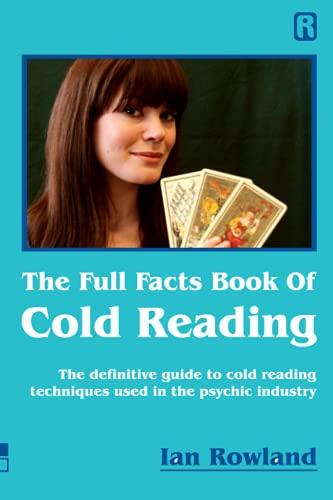
The definitive guide to how cold reading is used in the psychic industry
It was mentioned as a resource that contains hundreds of techniques used by psychics and mentalists to perform cold readings, which involve making broad and positive statements to encourage a subject to reveal information.
...there's just a book called the full-factor books of cold reading E and Roland and he has in there hundreds of things you can say...
— Episode: 492: Michael Shermer | Why We Believe We...
It was mentioned as a resource that contains hundreds of techniques used by psychics and mentalists to perform cold readings, which involve making broad and positive statements to encourage a subject to reveal information.
...there's just a book called the full-factor books of cold reading E and Roland and he has in there hundreds of things you can say...
It was mentioned as a book detailing hundreds of phrases and prompts that cold readers can use to influence and manipulate the subjects they're reading.
And there's just a book called the Full Factor Book of Cold Reading by Ian Rowland, and he has in there hundreds of things you can say.
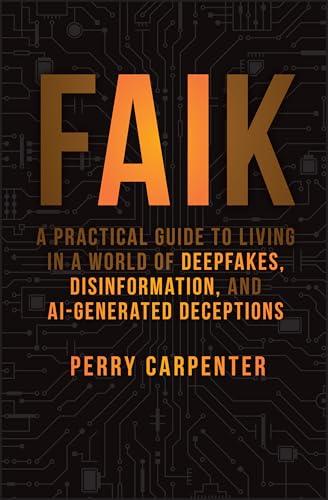
A Practical Guide to Living in a World of Deepfakes, Disinformation, and AI-Generated Deceptions
Nina Schick's book, "Deepfakes", was discussed at length, focusing on the technology's potential for malicious use in creating disinformation and its impact on democratic societies. The book explored the rapid advancements in AI-generated media and the challenges of discerning authenticity.
Some experts who I interviewed when I was writing my book think that in as little as a decades time 90% of video content online could be synthetic.
— Episode: 486: Nina Schick | Deepfakes and the Com...
Nina Schick's book, "Deepfakes", was discussed at length, focusing on the technology's potential for malicious use in creating disinformation and its impact on democratic societies. The book explored the rapid advancements in AI-generated media and the challenges of discerning authenticity.
Some experts who I interviewed when I was writing my book think that in as little as a decades time 90% of video content online could be synthetic.
The problem is is that we're no longer going to know what's authentic and what's synthetic, so you really lose your touch on what is real what is reality.
Fake pornography has a long history, so this is not just a Photoshopped image of a celebrity's face stuck onto a point-start body. This is a real-wide video where the celebrity is moving her face. She's got different expressions.
AI is getting better and better, so less training data is needed. I can make a nude image of your sister, your wife, your mom, and young girls from a single photo, for example, and there were over 100,000 of these images just being publicly passed around in these telegram groups.
The key point is the AI can basically be used to hijack anyone's biometrics, so it's pretty clear that it's going to leach out into other forms of malicious use with fraud, with political disinformation as a tool of intimidation.
Nina Schick's book, "Deepfakes", was discussed in detail, focusing on the technology's ability to create realistic synthetic media and its potential for malicious uses, particularly in the context of disinformation and non-consensual pornography.
One of the things that's very interesting about it is that it's very good at recreating humans and all that you need in order for AI to basically learn how to recreate a human is the right training data.
So if you have a digital footprint and who doesn't online right an image on LinkedIn on Facebook, on Instagram wherever or a piece of audio of your voice somebody can take that piece of data and get an AI to basically learn how you look and sound and make a deep fake of you saying and doing things that you never said in did.
Fake pornography has a long history so this is nothing new the idea but the creations were just unlike anything anyone had seen before this is not just a photoshopped image of a celebrity's face stuck on to a point start body this is a real-life video where the celebrity is moving her face she's got different expressions.
I can make a nude image of your sister your wife your mom from a single photo for example from Facebook and it's not only women that are being targeted now minors are being targeted as well.
the key point is it's not a tordry women's issue right because the AI can basically be used to hijack anyone's biometrics so it's pretty clear that it's going to leach out into other forms of malicious use with fraud with political disinformation as a tool of intimidation.
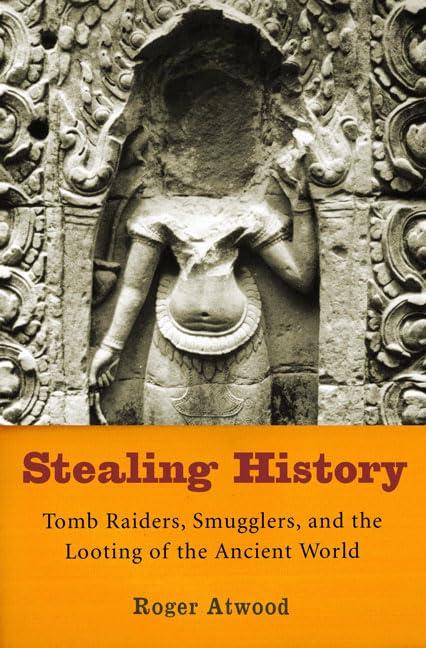
Tomb Raiders, Smugglers, and the Looting of the Ancient World
It was discussed that the book details how the illicit antiquities trade has become a streamlined and market-driven industry, fueled by wealthy collectors and resulting in widespread damage to archaeological sites.
I think some people are see it that way, but you know this is what a lot of people thought about looting or before I wrote this book, Stephen History, what people talked about looters as if they were...
— Episode: 480: Roger Atwood | Stealing History
It was discussed that the book details how the illicit antiquities trade has become a streamlined and market-driven industry, fueled by wealthy collectors and resulting in widespread damage to archaeological sites.
I think some people are see it that way, but you know this is what a lot of people thought about looting or before I wrote this book, Stephen History, what people talked about looters as if they were these people kind of living on the these very marginal lives that they were living in poverty that they were looting tombs to survive.
And that's not really what I found once I got into this, what I found was that they were incredibly connected to international antiquities markets and they knew what the market wanted and they were these kind of small businessmen.
So it was like it was starting to operate like other kind of export industries in Latin America but in this case working on the margins of the law outside the law but there was so little enforcement there was so little attention to it on the part of law enforcement that it was almost operating in the open people openly buying Peruvian collectors foreign collectors foreign smugglers openly with impunity buying the products of loot and then selling them to other collectors and dealers.
it's shocking because I think the last anybody who's just watching mainstream news would have heard about this would be something like ISIS looting Iraqi museums or Syrian museums getting looted by terrorists or militias and things like that during a war we don't think about this happening right now in South America by the people that live there much of the time as a response to collectors requesting specific items to be looted or found and stolen and then shipped over to them in the United States Europe or anywhere else in the world.
I think you know one of the things that I was trying to do in this book the Stealing History was to separate colonial looting from the looting that we have today and that is attacking ancient sites and archaeological sites to this day.
It detailed the illicit antiquities trade, contrasting colonial looting with the modern, market-driven industry, and discussed how it damages cultural heritage and understanding of the past.
I think some people are see it that way, but you know this is what a lot of people thought about looting or before I wrote this book, Stephen History, what people talked about looters as if they were these people kind of living on the these very marginal lives that they were living in poverty that they were looting tombs to survive.
And that's not really what I found once I got into this, what I found was that they were incredibly connected to international antiquities markets and they knew what the market wanted and they were these kind of small businessmen.
when I started writing still I started writing about this subject for Art News Magazine and Archaeology Magazine this is what I'd heard what was happening but no one had really gone down to the ground level literally the ground level of the market to see how and where looters were actually working to get these things and when I started doing Stealing History this is what I found
So it turns history into sort of like cheap or well I guess expensive decorations?
It commodifies history yeah it turns heritage into this object to be consumed it turns the past into an object to be consumed yeah and to be displayed on the shelves of you know the people who are privileged enough to buy them.

Six Praying Women, One Faithful God
It was mentioned as recommended reading if you're interested in futurology and technology, particularly AI and humanity's future.
Peter has also written several books including bold and abundance both recommended reading if you are into future orology in the prediction of the future in terms of technology AI humanity.
— Episode: 477: Peter Diamandis | Creating a Future...
It was mentioned as recommended reading if you're interested in futurology and technology, particularly AI and humanity's future.
Peter has also written several books including bold and abundance both recommended reading if you are into future orology in the prediction of the future in terms of technology AI humanity.
It was mentioned as recommended reading if you're interested in futurology, technology, AI, and the future of humanity. It was also discussed as it relates to the XPRIZE concept and how he wouldn't have given up.
Peter has also written several books including bold and abundance both recommended reading if you are into future orology in the prediction of the future in terms of technology AI humanity.
So all throughout Julian's book kind of make a spaceship you'll see my absolute doggy pursuit of this passion of the thousand times the ex-prize concept died and might not giving up and she does an amazing job telling that story over and over and over again.
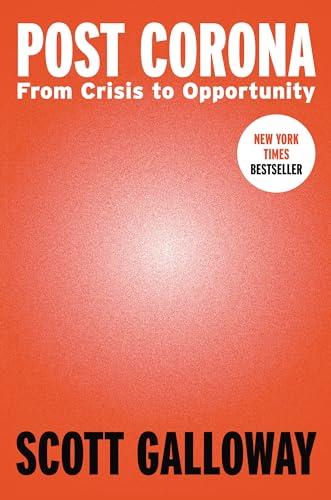
From Crisis to Opportunity
It was described as a recitation of the current state of affairs and a look ahead at what might happen in several industries, including advertising, education, and healthcare. It also touched on privacy and surveillance capitalism.
His book was really interesting the latest book it's called Post Corona he talks about what disruption is in an industry we hear that term a lot but in the book he focuses on what's g...
— Episode: 473: Scott Galloway | From Crisis to Opp...
It was described as a recitation of the current state of affairs and a look ahead at what might happen in several industries, including advertising, education, and healthcare. It also touched on privacy and surveillance capitalism.
His book was really interesting the latest book it's called Post Corona he talks about what disruption is in an industry we hear that term a lot but in the book he focuses on what's going to happen with advertising what's going to happen with college and education health care there's also some info on privacy and surveillance capitalism in the book that's interesting
It was described as a recitation of the current state of affairs, focusing on advertising, education, health care, and the impact of surveillance capitalism, all within the context of the pandemic.
His book was really interesting the latest book it's called Post Corona he talks about what disruption is in an industry we hear that term a lot but in the book he focuses on what's going to happen with advertising what's going to happen with college and education health care there's also some info on privacy and surveillance capitalism in the book that's interesting
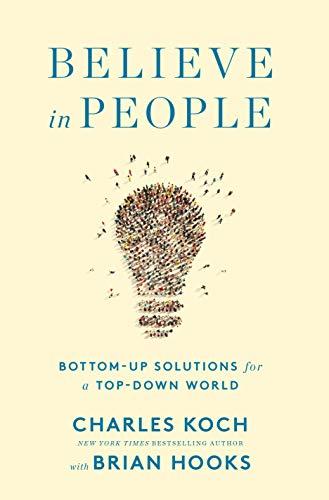
Bottom-Up Solutions for a Top-Down World
It was written to help people apply the principles of human progress and bottom-up empowerment, which had transformed Charles' life and the lives of many others. Charles was initially struggling to write it and Brian helped him complete it.
So I started on this book five years ago after I finished good profit and I had other people working with me until I had a book but I was about to give up.
— Episode: 437: Charles Koch & Brian Hooks | Bottom...
It was written to help people apply the principles of human progress and bottom-up empowerment, which had transformed Charles' life and the lives of many others. Charles was initially struggling to write it and Brian helped him complete it.
So I started on this book five years ago after I finished good profit and I had other people working with me until I had a book but I was about to give up.
And it's not what I want. It didn't go to convey. I don't know how to do it.
So I said, Brian, either I quit on this or you come in and straighten me out. Guide me.
And that's the case in the book. And that's how we came up with a decent book because of him.
Yeah. And the premise of the book is one of the premise size premises of the book. It doesn't sound right when I say it that way, but it is is bottom up empowerment not top down.
It was written to help more people utilize the principles of human progress and bottom-up empowerment, which the author had experienced transforming his life and the lives of others.
And that's basically why I wrote the book and most basically it was to help many more people apply the principles of human progress of bottom up empowerment that had transformed my life and I've seen it transform many many others.
The premise of the book is one of the premise size premises of the book. It doesn't sound right when I say it that way, but it is is bottom up empowerment not top down.
And that's the way we built the company and that's the way we do our philanthropy and our social change efforts.
In the book you mentioned that people are more able and free to act on their gifts when they're unencumbered and when people can't contribute society is measurably worse off and I tend to agree with that right we tend to force the square peg through the round hole when it comes to putting people in jobs and getting education as we just discuss
And so our partnership with George Soros is foundation the Open Society Foundation on foreign policy. I think it's a great example of that.
All That Matters
The book begins by discussing a research study on porn and psychic ability that was published in a mainstream psychology journal. The study claimed to show that people could sense porn in the future, but subsequent replication studies showed no such results.
The book starts with a professor from the look of it kind of trying to prove that we're all psychic when it comes to porn.
— Episode: 436: Stuart Ritchie | The Science Fictio...
The book begins by discussing a research study on porn and psychic ability that was published in a mainstream psychology journal. The study claimed to show that people could sense porn in the future, but subsequent replication studies showed no such results.
The book starts with a professor from the look of it kind of trying to prove that we're all psychic when it comes to porn.
It is kind of absurd thing.
This was a paper published by Darryl Bamm who's at Cornell University who is like a top-rated social psychologist and well known, well respected.
It's kind of like that right there not like wow we discovered this groundbreaking psychic pornography effect.
It's a absurd thing which looks really ridiculous and is kind of totally like it doesn't fit with physics in physics.
This book was discussed early on in the podcast, and the host mentioned it was written by Stuart Ritchie, a professor from Cornell University. It was described as a standard experimental setup, using standard statistical analyses and published in a mainstream psychology journal, illustrating some of the problems with the way psychology research is conducted.
The book starts with a professor from the look of it kind of trying to prove that we're all psychic when it comes to porn. Is that... Did I understand that correctly?
And yeah, it got these completely observed results. And so what a lot of people concluded from this was that there must be some kind of problem with the standard way that psychologists analyze their data and do their research which you know is part of what this book is about.
And you can kind of, and this is again what I go into in the book when I'm talking about like the bias that scientists have.
Well, this is why I suggest in the book that scientists should consider like more widely what counts as a conflict of interest, right?
I mentioned a few in the book like peanut allergy for instance, for a long time people were encouraged to keep their kids away from peanuts when they're babies because that would be helpful in terms of stopping them from developing a peanut allergy but then a really big, I think 2015 or so like a really big high quality long-term randomized controlled trial came along that actually properly tested this and it turned out it was the absolute opposite.
Note: The book recommendations on this page are discovered automatically from podcast transcripts, and may be incorrect or incomplete.
Podcast Name