
Podcast
The Jordan Harbinger Show
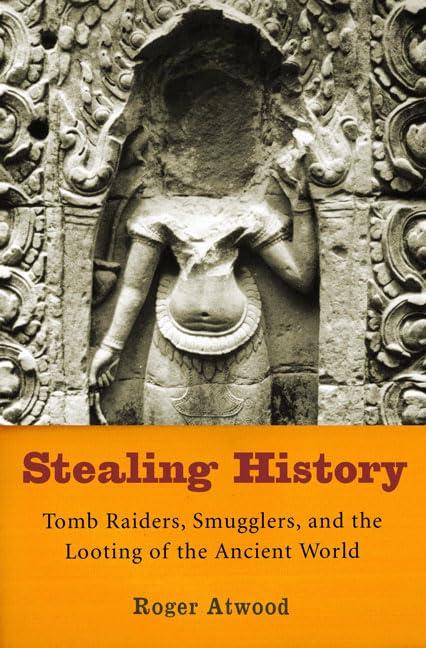
It was discussed that the book details how the illicit antiquities trade has become a streamlined and market-driven industry, fueled by wealthy collectors and resulting in widespread damage to archaeological sites.
I think some people are see it that way, but you know this is what a lot of people thought about looting or before I wrote this book, Stephen History, what people talked about looters as if they were...
— Episode: 480: Roger Atwood | Stealing History
Episode: 480: Roger Atwood | Stealing History
It was discussed that the book details how the illicit antiquities trade has become a streamlined and market-driven industry, fueled by wealthy collectors and resulting in widespread damage to archaeological sites.
I think some people are see it that way, but you know this is what a lot of people thought about looting or before I wrote this book, Stephen History, what people talked about looters as if they were these people kind of living on the these very marginal lives that they were living in poverty that they were looting tombs to survive.
And that's not really what I found once I got into this, what I found was that they were incredibly connected to international antiquities markets and they knew what the market wanted and they were these kind of small businessmen.
So it was like it was starting to operate like other kind of export industries in Latin America but in this case working on the margins of the law outside the law but there was so little enforcement there was so little attention to it on the part of law enforcement that it was almost operating in the open people openly buying Peruvian collectors foreign collectors foreign smugglers openly with impunity buying the products of loot and then selling them to other collectors and dealers.
it's shocking because I think the last anybody who's just watching mainstream news would have heard about this would be something like ISIS looting Iraqi museums or Syrian museums getting looted by terrorists or militias and things like that during a war we don't think about this happening right now in South America by the people that live there much of the time as a response to collectors requesting specific items to be looted or found and stolen and then shipped over to them in the United States Europe or anywhere else in the world.
I think you know one of the things that I was trying to do in this book the stealing history was to separate colonial looting from the looting that we have today and that is attacking ancient sites and archaeological sites to this day.
Episode: 480: Roger Atwood | Stealing History
It detailed the illicit antiquities trade, contrasting colonial looting with the modern, market-driven industry, and discussed how it damages cultural heritage and understanding of the past.
I think some people are see it that way, but you know this is what a lot of people thought about looting or before I wrote this book, Stephen History, what people talked about looters as if they were these people kind of living on the these very marginal lives that they were living in poverty that they were looting tombs to survive.
And that's not really what I found once I got into this, what I found was that they were incredibly connected to international antiquities markets and they knew what the market wanted and they were these kind of small businessmen.
when I started writing still I started writing about this subject for Art News Magazine and Archaeology Magazine this is what I'd heard what was happening but no one had really gone down to the ground level literally the ground level of the market to see how and where looters were actually working to get these things and when I started doing stealing history this is what I found
So it turns history into sort of like cheap or well I guess expensive decorations?
It commodifies history yeah it turns heritage into this object to be consumed it turns the past into an object to be consumed yeah and to be displayed on the shelves of you know the people who are privileged enough to buy them.