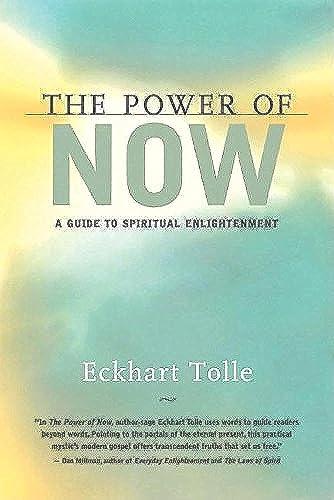
The Power of Now
Eckhart Tolle
Mentioned 5 months ago
How To Increase Performance By Working At Your Edge -- Plus A Quick Hack For When Panic or Anxiety Swells
Self-help for smart people. World-class insights and practices from experts in modern science and ancient wisdom. Hosted by veteran journalist and best-selling author, Dan Harris.
Recently mentioned
Eckhart Tolle
Mentioned 5 months ago
How To Increase Performance By Working At Your Edge -- Plus A Quick Hack For When Panic or Anxiety Swells
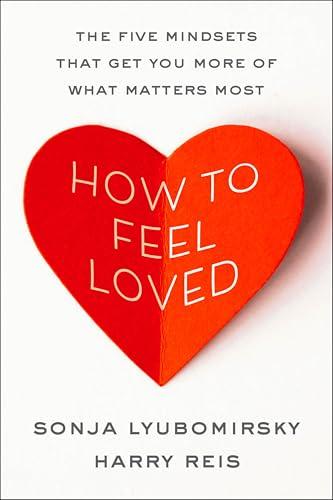
Sonja Lyubomirsky
Mentioned 5 months ago
The Science of Happiness: Five Simple Strategies for Reducing Anxiety and Increasing Connection | Sonja Lyubomirsky and Harry Reis
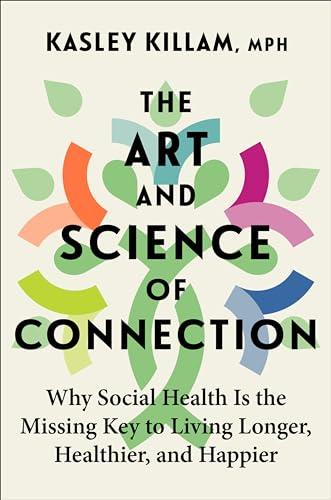
Kasley Killam
Mentioned 1 year ago
Optimize This: If You Care About Mental And Physical Health, This May Be The Missing Piece | Kasley Killam
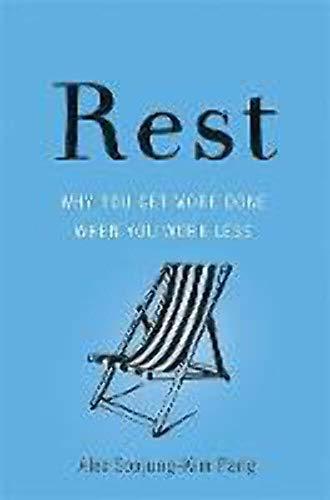
Alex Soojung-Kim Pang
Mentioned 1 year ago
Dr. Sanjay Gupta On The 5 Pillars Of Brain Health
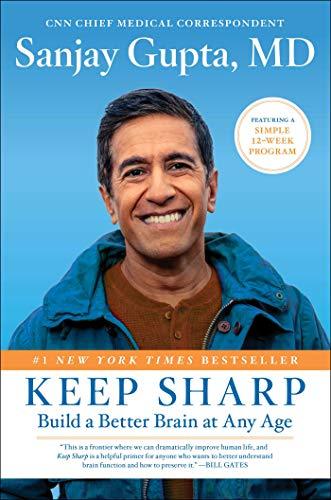
Sanjay Gupta M.D.
Mentioned 1 year ago
Dr. Sanjay Gupta On The 5 Pillars Of Brain Health
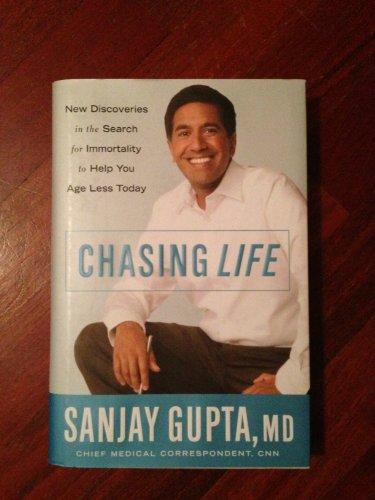
Sanjay Gupta
Mentioned 1 year ago
Dr. Sanjay Gupta On The 5 Pillars Of Brain Health

Kenneth M. Valentine
Mentioned 1 year ago
Dr. Sanjay Gupta On The 5 Pillars Of Brain Health
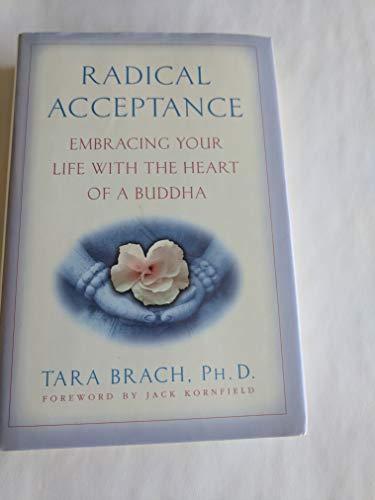
Tara Brach
Mentioned 1 year ago
Tara Brach Has A Counterintuitive Strategy For Navigating Tumultuous Times
Tara Brach
Mentioned 1 year ago
Tara Brach Has A Counterintuitive Strategy For Navigating Tumultuous Times
Tara Brach
Mentioned 1 year ago
Tara Brach Has A Counterintuitive Strategy For Navigating Tumultuous Times
Tali Sharot
Mentioned 1 year ago
Modern Life Numbs You. Here’s The Neuroscience Of Waking Up | Tali Sharot
Tali Sharot
Mentioned 1 year ago
Modern Life Numbs You. Here’s The Neuroscience Of Waking Up | Tali Sharot
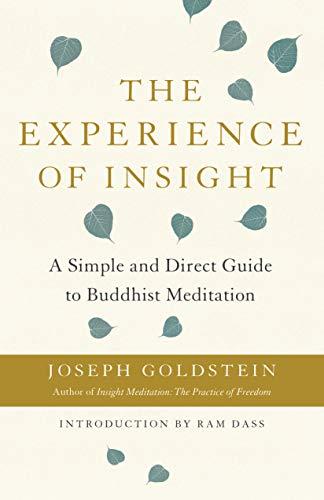
A Simple and Direct Guide to Buddhist Meditation (Shambhala Dragon Editions)
The speaker secretly read this meditation book while ordained as a monk in Burma, resulting in his teacher confronting him for breaking the rules against reading during the retreat.
so I pulled out Joseph Goldstein's The Experience of Insight which is actually one of the probably the second meditation book I got and I just I just started reading this
— Episode: Cory Muscara, Mindfulness Teacher, Forme...
The speaker secretly read this meditation book while ordained as a monk in Burma, resulting in his teacher confronting him for breaking the rules against reading during the retreat.
so I pulled out Joseph Goldstein's The Experience of Insight which is actually one of the probably the second meditation book I got and I just I just started reading this
The speaker pulled this book out to read while hiding naked in his room during a period of intense hardship on retreat, as he needed something different to digest besides the teachings.
I pulled out Joseph Goldstein's The Experience of Insight which is actually one of the probably the second meditation book I got
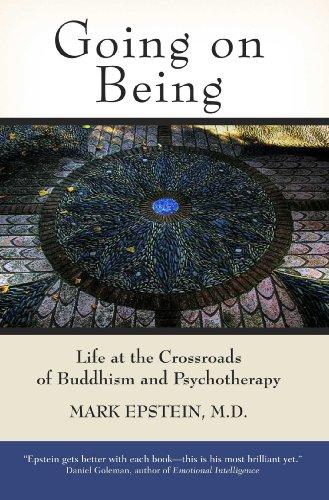
Life at the Crossroads of Buddhism and Psychotherapy
This book was listed as one of the titles written by Dr. Epstein.
Going on Being open to desire.
— Episode: Mark Epstein, Combining Buddhism and Wes...
This book was listed as one of the titles written by Dr. Epstein.
Going on Being open to desire.
This book was mentioned as another one written by Mark Epstein.
many others Going on Being that's another book he wrote he's written a whole series of beautiful books so go check those out
This book was mentioned as one of the beautiful books written by Dr. Epstein.
He's written a number of books including thoughts without a thinker the aforementioned going to pieces without falling apart, Going on Being open to desire.
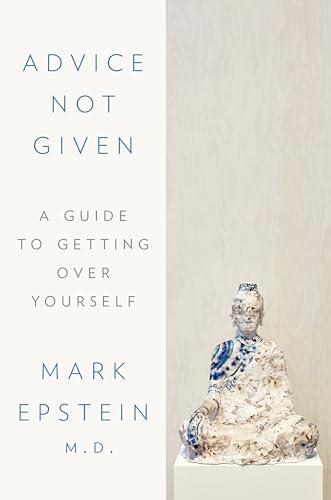
A Guide to Getting Over Yourself
This book was described as a little more personal than his others, taking the reader into the therapy room where Dr. Epstein discusses mistakes made in therapy, dealing with the inner critic, and managing egos, structured around the eightfold path.
It's just out in paperback.
— Episode: Mark Epstein, Combining Buddhism and Wes...
This book was described as a little more personal than his others, taking the reader into the therapy room where Dr. Epstein discusses mistakes made in therapy, dealing with the inner critic, and managing egos, structured around the eightfold path.
It's just out in paperback.
He takes you into the room as he does therapy.
I tried to write it in a spoken voice and you know I wanted it to be coming really from me not from my mind if that makes sense
I got the idea for the title Advice Not Given.
I do want to mention that this was recorded a while ago and we held it for a minute so you will hear a reference in the present tense to Arizona Senator John McCain who has of course unfortunately passed since then
This book was mentioned in a list of other works by Mark Epstein.
check out his books as i've mentioned going to pieces without falling apart played a huge role in my life but he's written other books such as Advice Not Given opening to desire and the trauma of everyday life
This book was described as more personal than his previous works, taking the reader into the therapy room where Dr. Epstein discusses mistakes he made in therapy, his father's death, inner critic management, and the role of Buddhism in his life. It was noted that this book just came out in paperback at the time of recording.
It's just out in paperback. It's called Advice Not Given and like all of his books, this one's fantastic. It's a little bit more personal. He talks a lot. He takes you into the room as he does therapy.
He is a, Dr. Mark is a psychiatrist who has a private practice here in New York City and is also a long time practicing Buddhist in fact he got into Buddhism before he got went to med school and became a shrink but he really in this book Advice Not Given takes you into the room as he's doing therapy.
I actually think I'm hesitant to say it's my favorite of your books because I loved all the books. I want you to love this one more but I kind of do love this one more. It feels more personal to me.
I got in this book a sense of the rapidity of the back and forth the complexity the sort of multi-dimensional chess game you are playing while treating patients.
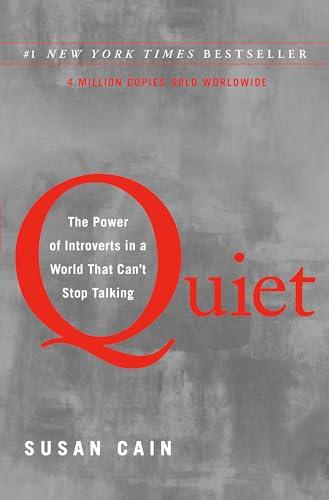
The Power of Introverts in a World That Can't Stop Talking
Susan Cain's book on being an introvert is mentioned in relation to the concept of being in social intercourse with other people and the natural inclination to feel their pain.
I think Susan Cain, who wrote the book on being an introvert, gave a brilliant TED Talk.
— Episode: The Science of Generosity: Why It Makes...
Susan Cain's book on being an introvert is mentioned in relation to the concept of being in social intercourse with other people and the natural inclination to feel their pain.
I think Susan Cain, who wrote the book on being an introvert, gave a brilliant TED Talk.
The authors acknowledged that they would not attempt to write a better book about introversion than this one, which had already nailed the topic.
we were like we're not going to write a better book than Quiet by Susan Kane about introversion she nailed it but we can write a book about emotions at work and so we started digging into that.
This was Susan Cain's first book, which became a monster bestseller about introverts. The discussion noted there was overlap between this book and her newer one regarding hidden human superpowers.
Susan is perhaps best known for her first book, Quiet, a Monster Best Seller about introverts.
There's actually quite a bit of overlap between her first book and this one.
The book was referenced when discussing research findings on acting more extroverted, with the guest noting she had read the book and found it terrific.
And I read Susan Kane's really amazing book I don't know if you've read quite yeah I have read it it's a it's really a terrific book and it gave me actually a lot of teachers say that it's really helped them understand their students because their students which is don't ever speaking class but they're truly listening
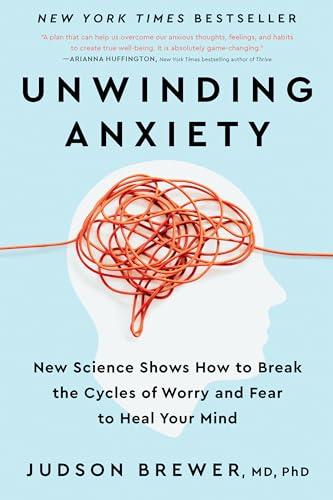
New Science Shows How to Break the Cycles of Worry and Fear to Heal Your Mind
This book explores the concept of anxiety as a mental habit and provides strategies for interrupting this habit loop.
And with eating it's like they feel like they have to do it themselves.
— Episode: The Science of Why You Eat When You're N...
This book explores the concept of anxiety as a mental habit and provides strategies for interrupting this habit loop.
And with eating it's like they feel like they have to do it themselves.
It's their fault.
Yet the two actually share a pretty common mechanism which is habit.
The author of this book was quoted discussing his research on the Default Mode Network in the brain, linking the activation of the posterior Singulate Cortex (PCC) to feelings of contraction like anxiety, guilt, and craving.
Judson Brewer, author of Unwinding Anxiety, once said to me, my personal practice comes together with my lab's research and exploring the experience of contraction versus expansion and how that manifests in the world in so many ways.
The book's recent paperback release was mentioned, and it lays out the author's approach to dealing with anxiety by framing it as a habit loop. The approach involves mapping the habit loop, identifying what is gained from the behavior, and replacing it with a 'bigger, better offer' like curiosity or kindness.
Speaking of anxiety, Judd is also the author of a book called Unwinding Anxiety. New science shows how to break the cycles of worry and fear to heal your mind.
That book just came out in paperback recently.
Can you give us a sort of pre-sea summary of your approach than when you lay out in your book which is just out in paperback Unwinding Anxiety?
I want to remind everybody the paperback edition of Unwinding Anxiety subtitle new science shows how to break the cycles of worry and fear to heal your mind I want to remind you all that it's now available said book in paperback go check it out
The book, written by psychiatrist and deep dharma practitioner Judson Brewer, detailed his argument that anxiety is a habit that can be unwound. He wrote about the methods for working with fear and anxiety, which are based on mapping habit loops and leveraging brain science like positive and negative prediction errors to update reward values.
He's also got a reasonably new book called Unwinding Anxiety.
one of my patients and I actually wrote about him in my book because he was a pretty interesting case where this gentleman was referred to me for anxiety
The book is called Unwinding Anxiety
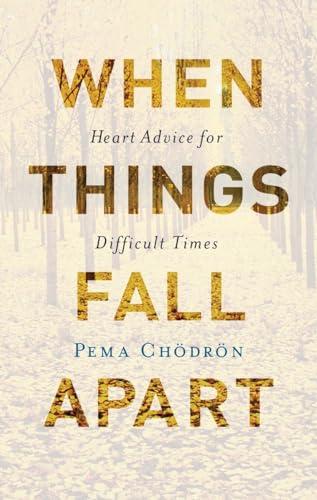
Heart Advice for Difficult Times
It was described as a book that resonated deeply with the speaker, causing them to cry through every page; specifically, the chapter on hopelessness and death was particularly impactful.
She gave me two books. She gave me "Let Your Life Speak" by Parker Palmer. "When Things Fall Apart" by Pema Chdrn and "Faith," the Sharon Salzburg.
— Episode: Jerry Colonna, 'CEO Whisperer' and Reboo...
It was described as a book that resonated deeply with the speaker, causing them to cry through every page; specifically, the chapter on hopelessness and death was particularly impactful.
She gave me two books. She gave me "Let Your Life Speak" by Parker Palmer. "When Things Fall Apart" by Pema Chdrn and "Faith," the Sharon Salzburg.
That book in particular, it's the chapter called hopelessness and death.
This book was mentioned as one of Pema Chodron's popular works that seemed to prepare readers for the pandemic by discussing uncertainty as a fundamental fact of life.
When Things Fall Apart, welcoming the unwelcome and the wisdom of no escape.
So the book titles somewhat reflect that and encouragement to work with your heart and mind so that you could be sort of steady and able to be of benefit in these times.
I suspect people listening to this are thinking to themselves in all caps, how do I welcome the unwelcome? How do I become comfortable with uncertainty?
I was thinking it's like you've been trying to prepare us for this for decades.
Yeah, so the book titles somewhat reflect that and encouragement to work with your heart and mind so that you could be sort of steady and able to be of benefit in these times.
This book was mentioned as a key text that Jerry Colonna read during his crisis in 2002, which led him to tears because of how raw and real the content was. The chapter called 'hopelessness and death' was particularly impactful, as it described his 'if only' mentality regarding happiness.
Her books include When Things Fall Apart. That's one of her best-selling books.
She gave me Let Your Life Speak by Parker Palmer. When Things Fall Apart by Pemma Children and Faith, the Sharon Salisburg.
That book in particular, it's the chapter called hopelessness and death. Fun reading. Fun reading.
All things fall apart all the time. All things. Things fall apart When Things Fall Apart.
This book was mentioned as a bestseller by Pema Chdrn, and Jerry Colonna read it in February 2002, crying through every page because of how real and raw the content was, particularly the chapter on hopelessness and death.
Her books include When Things Fall Apart. That's one of her best-selling books.
She gave me Let Your Life Speak by Parker Palmer. When Things Fall Apart by Pemma Children and Faith, the Sharon Salisberg.
And I read those books and cried through every page.
That book in particular, it's the chapter called hopelessness and death.
She starts teaching on the nature of impermanence, right? All things fall apart.

Religion, Terror, and the Future of Reason
This book was mentioned as one of Sam Harris's bestselling works, with atheism being a central theme.
He's an author of some bestselling books including The End of Faith. He is a very prominent atheist, atheism was at the core of the aforementioned end of Faith.
— Episode: Sam Harris and Dan Harris Live Show
This book was mentioned as one of Sam Harris's bestselling works, with atheism being a central theme.
He's an author of some bestselling books including The End of Faith. He is a very prominent atheist, atheism was at the core of the aforementioned end of Faith.
This was mentioned as one of Sam Harris's New York Times bestsellers.
Sam Harris, who has no relation to our beloved host, is a scientist, a controversial skeptic and the author of several New York Times bestsellers, including "The End of Faith," "The Moral Landscape" and "Waking Up"
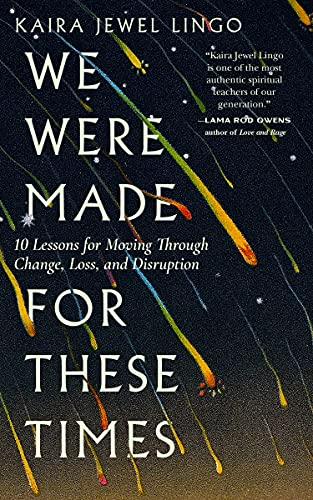
Ten Lessons for Moving Through Change, Loss, and Disruption
It was discussed as a rebroadcast of a 2021 interview, with Kaira detailing strategies for handling change and disruption as mentioned in the book's subtitle.
Kaira Jewel Lingo is the author of We Were Made for These Times. Ten lessons on moving through change loss and disruption.
— Episode: A Buddhist Recipe for Handling Turmoil |...
It was discussed as a rebroadcast of a 2021 interview, with Kaira detailing strategies for handling change and disruption as mentioned in the book's subtitle.
Kaira Jewel Lingo is the author of We Were Made for These Times. Ten lessons on moving through change loss and disruption.
In this conversation we talk about those 10 strategies for handling change that she mentions in her subtitle for the book.
And I don't want to I don't want to artificially narrow the audience for you because the poop is always hitting the fan given the non-negotiable love Imprimonants everything's changing all the time and I'm curious why did you get interested in this subject personally?
So it sounds like if I understand it correctly you learned a lot You kind of battle tested the Buddhist recipe for handling change and Disruption during this period of time and those lessons are now the spine of this book that you're coming out with
Just in closing here. I want to loop back all the way to the beginning of this conversation when you Plythely left it my alternate title for your book about the poop hitting the fan and the actual title is We Were Made for These Times Can you just you know bring us home here by talking a little bit more about what you mean by that title
This book was mentioned as being written by the guest, Kaira Jewel Lingo, who spent fifteen years as a monastic in Thich Nhat Hanh's Plum Village tradition. It contains ten lessons for navigating change, loss, and disruption.
She wrote a book called We Were Made for These Times.
Kaira Jewel Lingo authored this book, which covers ten lessons for navigating change, loss, and disruption.
She also teaches secular mindfulness and she has authored a book called We Were Made for These Times Ten Lessons in Moving Through Change, Loss and Disruption.
Embracing Your Life with the Heart of a Buddha
This book was mentioned as one of several written by the guest, Tara Brach.
author of several books including Radical Acceptance, Radical Compassion and Trusting the Gold.
— Episode: How to Stop the War Against Yourself | T...
This book was mentioned as one of several written by the guest, Tara Brach.
author of several books including Radical Acceptance, Radical Compassion and Trusting the Gold.
Tara Brach mentioned that she was publishing this book in 2003, and it dealt with the concept of radical acceptance.
I was publishing Radical Acceptance in 2003.
This earlier book by Tara Brach was written out of the author's experience of being stuck in a self he didn't like and deals with overcoming the trance of unworthiness.
I'm not actually minding at all. no in fact I love to invite everybody to tarbrock.com and that's my website and I have a weekly podcast that I give a talk Wednesday night on Washington DC area and you can download it from my website or you can go on to Facebook and downstream and just become part of live stream become part of the week weekly event so that's one thing the books are Radical Acceptance which was 2003 which is really had a really see the transfer of unworthiness and wake up out of that
that's what got me to write Radical Acceptance was the sense of being stuck in a self I didn't like and Radical Acceptance basically helped me see how it was a trance that most anybody that is identified with their self doesn't like their self now they might sometimes be on an inflated self-importance thing but underneath that there's doubt and shame
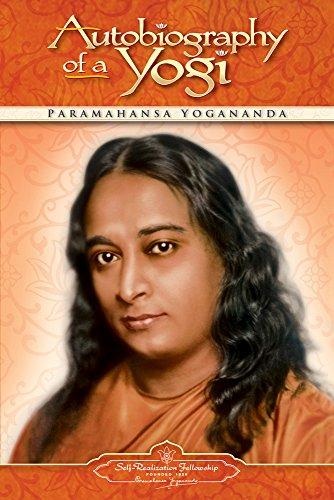
The speaker read this book which provided an early example of what he considered an awakened mind, contrasting it with his own experience.
I knew reading Parma Haas' biography that his mind was different than my mind.
— Episode: Spring Washam, Meditation and Dharma Tea...
The speaker read this book which provided an early example of what he considered an awakened mind, contrasting it with his own experience.
I knew reading Parma Haas' biography that his mind was different than my mind.
Parma Haas' again was the founder of the- Self-realization fellowship.
The book was mentioned in the context of the Self Realization Fellowship lineage, as Yogananda was the author.
I thought Autobiography of a Yogi was written by Yogananda.
The speaker mentioned reading the biography of Paramahansa Yogananda, the founder of Self-Realization Fellowship, as his first experience with what could be called an awakened mind.
I knew reading Parma Haas' biography that his mind was different than my mind.
So that was like the first experience I had with what you would call awakened or some kind of awakened mind.
The book was mentioned in the context of the Self Realization Fellowship lineage, as Yogananda was the person who started churches based on different faiths.
I thought Autobiography of a Yogi was written by Yogananda.
How Good People Fight Bias
This was the guest's first book, which she mentioned when listing her publications at the end of the interview.
my new book is called a more just future my first book was called The Person You Mean to Be and both of those books are available wherever you buy books
— Episode: The Many Benefits of a “Paradox Mindset”...
This was the guest's first book, which she mentioned when listing her publications at the end of the interview.
my new book is called a more just future my first book was called The Person You Mean to Be and both of those books are available wherever you buy books
The book explored how people can acknowledge and fight their biases, arguing that everyone is a work in progress and should strive to be a "goodish person" rather than adhering to a strict binary of being "good" or "bad." The author shared mortifying anecdotes of her own biases to make the content palatable and encourage growth over shame.
And, you know, my book is peppered with mortifying anecdote after mortifying anecdote of my own biases showing up.
But I'm trying to offer is a different way of thinking about our identities, which is being a goodish person.
The thesis of my book is that we have put ourself in this tight corner with no window and that tight corner with no window is our good person identity.
The name of the book is The Person You Mean to Be, how good people fight bias.
This book was discussed as being helpful for people who want to address bias but feel stuck in a binary mindset of being 'good' or 'bad'. It offered a framework of being a 'goodish' person as a work in progress and provided concrete steps for learning and growth regarding bias.
And I think her framing is incredibly, this is just my opinion, but the way she goes about this work is incredibly useful.
And, you know, my book is peppered with mortifying anecdote after mortifying anecdote of my own biases showing up.
The thesis of my book is that we have put ourself in this tight corner with no window and that tight corner with no window is our good person identity.
I am after reading your book which I loved, I realized I should have called my book 10% woker.
The name of the book is The Person You Mean to Be, how good people fight bias.
This book contained advice from Chgyam Trungpa Rinpoche advising against becoming a human version of a shop that sells religious gizmos, suggesting listeners should deeply commit to one path rather than superficially collecting elements from various traditions.
when his book cutting through spiritual materialism, which don't be the human version of a shop that sells religious gizmos.
— Episode: Duncan Trussell on: Being a Spiritual Om...
This book contained advice from Chgyam Trungpa Rinpoche advising against becoming a human version of a shop that sells religious gizmos, suggesting listeners should deeply commit to one path rather than superficially collecting elements from various traditions.
when his book cutting through spiritual materialism, which don't be the human version of a shop that sells religious gizmos.
Dan Harris was re-reading this book, which was the first one he read after becoming a Buddhist, and it was deeply affecting him.
I'm reading the very first book I ever read of once I became a Buddhist which is called Cutting Through Spiritual Materialism and it is blowing my mind you know word for word line for lines like oh my god.
The host mentioned they were currently reading this book and that it was blowing their mind, noting it was the first Buddhist book they read after becoming a Buddhist.
I'm reading the very first book I ever read of once I became a Buddhist which is called Cutting Through Spiritual Materialism and it is blowing my mind you know word for word line for lines like oh my god
This book by Chgyam Trungpa was mentioned as being widely well-regarded, although the speaker admitted to not having read it.
including um spiritual materialism
certainly he worked with somebody on um cutting through spiritual materialism
Secrets to Pure Performance
This was George Mumford's first book, and the hosts mentioned that links were available in the show notes for listeners who wanted to hear about it from a prior appearance.
His first book was called The Mindful Athletes, Secrets to Pure Performance.
— Episode: The “Performance Whisperer” George Mumfo...
This was George Mumford's first book, and the hosts mentioned that links were available in the show notes for listeners who wanted to hear about it from a prior appearance.
His first book was called The Mindful Athletes, Secrets to Pure Performance.
if you're going to have more successes in my life but if I want to have anymore I'm going to have to continue to climb back into the chrysalis yes that's true but here's a way to unlock actually the nervous system does not know the difference between what we experience and what we think about and I usually talk about this image of me being in front of an old fashioned blackboard and I take my fingers and I use my fingernails you know I scratch the blackboard and people shatter it is like there's no blackboard there but the imagery of it creates the experience of it and so when we make a mistake and we keep reflecting on a mistake and how awful it was and how we're bad person what not we're creating that a nervous system is going through that so now if you switch that around and you focus on your past successes and you reflect on it and you keep playing them over in your mind then that grows now in your creating this mindset that allows you to have better cognitive functioning and you actually have more faith let me go back to love for a second this whole notion of love being all you need how scalable is that notion we could you have that attitude if you were present in the United States in a dangerous world with other superpowers trying to potentially topple your government or whatever that would be the challenge and the most important question we have to ask is whether the universe is friendly or unfriendly if it's unfriendly then we use all our resources to deny destroy that's war or to remove the threat but if we see the universe is neither friendly or unfriendly that doesn't matter what we do but if we see the world as friendly then I'd ask is to align ourselves with how things work so you got to have an open mind or open heart the BA would do solve issues and the BA would see things and learn from them and I go back to the Cherokee grandfather talking to his grandson in saying that he had this ferocious battle between two wolves inside of him one would call fear the other one would call love and the grandson you can't concern to say grandfather which wolf will win and the grandfather said the one did I feed so let's learn from it and how do we relate and I'm not polyannorous because I'm not gonna let somebody smack me and turn my cheek I'll be either going to put my hand up the block it or move out of the way but what I'm saying is if you have an open mind and open heart you'll be able to respond to what happens rather than react so your response will be measured and it will be an alignment of who you say you are and what you say you want to do that's why when I say all you need is love whatever I'm talking about is saying yes to life but also understand we're all connected but you got to see clearly and with love how can you be so confident that the universe is friendly I mean given the reality of inequality violence bigotry competition etc etc I mean there seems to be plenty of countermanding evidence yeah I mean I was on the other side of real withdraw tracks it's seen a lot of nasty fossil life being a drug addict and and whatnot and all I know is that I was able to transform in spite of all in the adversity it's in spite of being an African-American man who could be driving a car and get a DWB you know what a DWB is? Driving well black yes there you go and all of that stuff all this stuff is happening now and that's been happening even way worse when I was growing up so it's all you can do is do you as the Bible says live in the world not out of the world so it's like seeing yeah I'm seeing clearly I'm not naive but if I'm feeding the love wolf I have a better chance of being able to respond in ways that's going to create less suffering doesn't mean it won't be suffering because suffering is the first noble truth it's going to be suffering there's going to be people who are out of their mind and in their violent and doing nasty bad things or you know hiding out through drugs or you know any of the addictions or just being in hate all I know is when you're in the negative state at least the more suffering even though short term you might feel like you're doing something but what you give comes back to you hmm let me see if I can restate some of this I'm ad libbing here so I might mess this up but I think what I'm hearing you say is yes the universe can be or at least the world can be pretty hostile that is because people have had lots of adverse stuff happen in their lives prior to this moment and that has put them into a situation with their fear wolf or their capacity for hatred it has the steering wheel and you don't have to judge them per se you don't have to hate them back that's not going to help you can defend yourself protect your interests protect people you love do your best to compete but you don't have to dehumanize them otherwise them hate them in the process because that actually just weakens your abilities yes what I'm saying is there's a lot of new city universe so if you align yourself with how things work like I said gravity if you know gravity works a certain way then you behave according to how it is and so when you align yourself with love with divinity you're going to have a divine experience or you're going to suffer less than you would otherwise so it's like the nervous system is programmed to if it's pleasant approach if it's unpleasant avoid and if it's neither pleasant unpleasant and not equanimous then it's facing up it's not personal as this is the way it is and so how to train ourselves to stay in the center whether it's pleasant or unpleasant and not to face out but to be present and to be quantumist being eye of the hurricane as I would say that's huge is it possible that all of this stuff this equanimity you were talking about this capacity for compassion could be to many people simply academic if they don't actually practice on the cushion as a meditator yes so the cushion is one part of it but all day long you know how they're thinking how they're relating to then love work and play because you can meditate and do all that stuff but then you have to be it you know the total qualities of the heart you have to be compassionate be loving be kind and so a three-fold is not just action or just training the mind but also in behavior you know goodwill instead of ill will cultivating states of you know the heart so the heart is open and loving or at least tolerant and then the wisdom to see what's working and what's not working to see if I have under love glasses then then I see things a certain way if I have under fear glasses I'm probably going to be in fight flight of freeze coming up George talks about the connection between generating hope having optimism and achieving our goals what the negative committee is and using uncertainty and anxiety as opportunities to challenge or habit the habit many of us have of negative self-talk
The book was mentioned as one George Mumford had written. He is described as a world-renowned meditation teacher who authored this work.
He's written a book called The Mindful Athlete and he has worked with some of the best pro-athletes on a planet including Michael Jordan and Lake Kobe Bryant.
The book, written by guest George Mumford, focused on performance through mindfulness. He mentioned reading every book on the syllabus of his initial mind-body process program and then reading suggested readings from those books to learn more about the topic.
I should also say by way of introduction George has written a book called The Mindful Athlete.
But me being a perfectionist I kept at it and I read every book she had on the syllabus and that's how I started getting.
And then I looked at a reader book and then look at the back of the book and would say other books suggested readings and I would read those and I just read as much as I could about you know the mind body process
The Mindful Athlete and I want to talk about your work with athletes
The power of mindfulness as I talk about my book is a way of making yourself flow ready.
This book was mentioned as being authored by George Mumford, who discussed it on the podcast. The speaker mentioned reading everything on the syllabus, including this book, to learn about the mind-body process.
I should also say by way of introduction George has written a book called The Mindful Athlete.
But me being a perfectionist I kept at it and I read every book she had on the syllabus and that's how I started getting.
The Mindful Athlete and I want to talk about your work with athletes but I have not forgotten that you said a bunch of stuff earlier that I wanted to drill down on
The book is called The Mindful Athlete
and then writing a book about mindful athletes for teens
Unlocking the Secret and Science of Happiness
This book was mentioned as one of the books written by Yongey Mingyur Rinpoche, which discusses unlocking the secret and science of happiness.
He's written some books including one called The Joy of Living and another called In Love with the World and he oversees the Tergar meditation community, a global network of Buddhist...
— Episode: How a Buddhist Monk Deals With Anxiety |...
This book was mentioned as one of the books written by Yongey Mingyur Rinpoche, which discusses unlocking the secret and science of happiness.
He's written some books including one called The Joy of Living and another called In Love with the World and he oversees the Tergar meditation community, a global network of Buddhist meditation centers.
The first book is Joy of Living and the last book is the In Love with the World.
The speaker mentioned that the guest was the author of this book. Later, the guest confirmed that he wrote the book and connected it to his Joy of Living workshops.
He's the author of The Joy of Living, unlocking the secret and science of happiness.
So I wrote book joy of living yes and connected with that there's joy of living workshops
The book was mentioned as one Mingyur Rinpoche authored, connecting his practices to the science of happiness. He later referenced teachings connected to the book's themes in his workshops.
He's the author of The Joy of Living, unlocking the secret and science of happiness.
So I wrote book joy of living yes and connected with that there's joy of living workshops
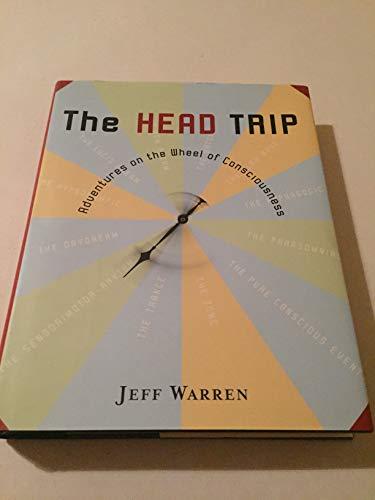
Adventures on the Wheel of Consciousness
Jeff Warren wrote this book about consciousness, focusing on waking, sleeping, and dreaming, after an accident altered his internal experience. He included a chapter on Buddhism because he felt he needed to gesture towards that tradition when writing about consciousness.
And that led ultimately to me writing an entire book about consciousness. Even called The Head Trip.
— Episode: Jeff Warren & the '10% Happier' Road Tri...
Jeff Warren wrote this book about consciousness, focusing on waking, sleeping, and dreaming, after an accident altered his internal experience. He included a chapter on Buddhism because he felt he needed to gesture towards that tradition when writing about consciousness.
And that led ultimately to me writing an entire book about consciousness. Even called The Head Trip.
So which is about waking, sleeping and dreaming about how they work, but it was really about what are the, what are the fundamental ways in which we're aware over 24 hours?
And it had a chapter because I felt like, okay, here I am writing a consciousness. I got at least gesture to these guys, the Buddhists, whoever they are.
This was one of the co-author's previous books, which was a very long, information-heavy book that the author later looked back on and felt was very characteristic of his ADD tendencies.
I mean it's like a 500 page book with like tons of footnotes I look at it now and like I'm like wonder how my editor has even let that out in the world you know it's very much an ADD thing so it was so so you know.
Jeff Warren wrote this book about consciousness, covering waking, sleeping, and dreaming states. He mentioned writing it because he was deeply interested in how we are aware over 24 hours and what that tells us about ourselves.
And that led ultimately to me writing an entire book about consciousness. Even called The Head Trip.
So which is about waking, sleeping and dreaming about how they work, but it was really about what are the, what are the fundamental ways in which we're aware over 24 hours?
Jeff Warren wrote this book about consciousness, covering waking, sleeping, and dreaming states, stemming from his personal curiosity after a head trauma incident in his youth.
And that led ultimately to me writing an entire book about consciousness. Even called The Head Trip.
It was about the progress of insight, which is a particular, it's a Buddhist way of working...
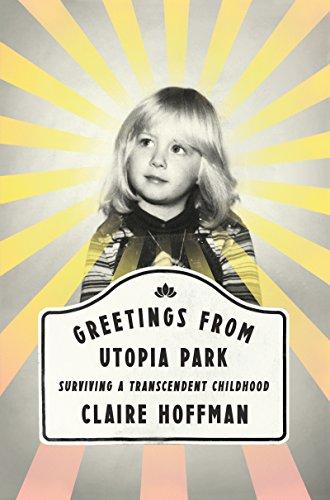
Surviving a Transcendent Childhood
This book was written by Claire Hoffman, who grew up in a specific part of the TM organization in Iowa, and it discussed her experiences there.
she grew up in the TM or a specific part of the TM organization in Iowa and wrote a book called Greetings from Utopia Park in which she sort of talked in some mixed ways about all tha...
— Episode: Bob Roth, Meditation Teacher to the Star...
This book was written by Claire Hoffman, who grew up in a specific part of the TM organization in Iowa, and it discussed her experiences there.
she grew up in the TM or a specific part of the TM organization in Iowa and wrote a book called Greetings from Utopia Park in which she sort of talked in some mixed ways about all that.
I'm really embarrassed I'm spacing on her name the woman who wrote Greetings from Utopia Park um oh Claire Hoffman
The author chronicled her life growing up within the Transcendental Meditation Organization in a secluded community. She detailed what it was like to be raised in a place devoted to the Maharishi's principles and her eventual questioning of those beliefs as she grew older.
It's called Greetings from Utopia Park, Surviving a Transcendent Childhood.
This is an extremely compelling memoir about growing up within the Transcendental Meditation Organization.
I read a lot of books for this podcast but none have I devoured as quickly as the one we're talking about today.
I don't want to spoil the book but the people because I want people to buy and read it but your discussion of this time is very well written and heartbreaking.
Utopia Park was the meditator-only trailer park on campus.
The book, written by Claire Hoffman who grew up in a specific part of the TM organization, discussed her experiences in a mixed way and contained commentary on yoga flying.
she grew up in the TM or a specific part of the TM organization in Iowa and wrote a book called Greetings from Utopia Park in which she sort of talked in some mixed ways about all that.
the woman who wrote Greetings from Utopia Park um oh Claire Hoffman Claire Hoffman good friend of mine who is I taught her I taught her daughters right so Claire has been a guest on this podcast and she wrote a book Greetings from Utopia Park which is in many ways quite critical of the TM organization but also she talks about yoga flying and she says that she had an experience yeah while doing it
The book was described as an extremely compelling memoir about growing up within the Transcendental Meditation Organization, not a dry meditation guide. The author explored what it was like to grow up in a secluded meditation community after her parents met at a TM retreat.
It's called Greetings from Utopia Park, Surviving a Transcendent Childhood.
This is an extremely compelling memoir about growing up within the Transcendental Meditation Organization.
Congratulations on the book. It's really, really, really interesting.
I think as a journalist, you probably know that talking about your personal life is something you generally don't have to do so it was a weird decision on my part.
I think it's a very ambiguous book which I do think frustrates people but to me it's a much more accurate reality.
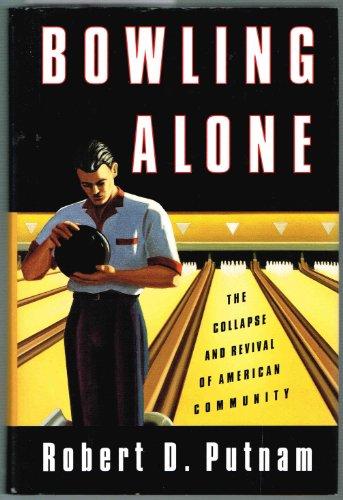
The Collapse and Revival of American Community
This book was mentioned as a famous work by a Harvard researcher that discussed the trend of social isolation, predating the widespread use of mobile phones.
you know Bowling Alone that great book by the Harvard researcher came out before the phone as far as I can remember with the whole idea that we we now this was a famous book about how...
— Episode: Escape from Zombieland, Koshin Paley Ell...
This book was mentioned as a famous work by a Harvard researcher that discussed the trend of social isolation, predating the widespread use of mobile phones.
you know Bowling Alone that great book by the Harvard researcher came out before the phone as far as I can remember with the whole idea that we we now this was a famous book about how we used to have bowling leagues.
This book was mentioned as an example concerning the breakdown of normal community mechanisms, which the author noted people are trying to create community outside of in response to.
like that book Bowling Alone you know like um and how people are really trying to create some sense of community
This book was referenced when discussing the breakdown of normal mechanisms of community and how people were trying to create a sense of community in other ways.
I also saw and wrote a little bit about sort of the breakdown of the normal mechanisms of community like that book Bowling Alone you know like um and how people are really trying to create some sense of community and I just did an interview about how an app can do that
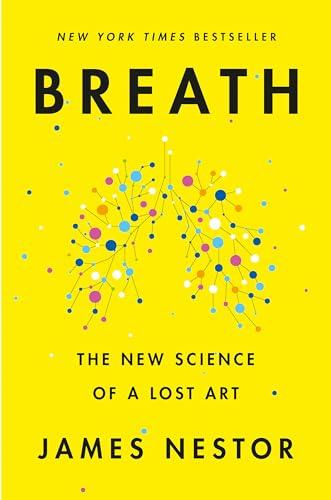
The New Science of a Lost Art
James Nestor wrote "Breath", a book about the science of breathing and how we've lost the art of breathing properly.
Earlier this week, we posted an interview with James Nestor who wrote a book called Breath, the new science of a lost art.
— Episode: A Deep Breathing Exercise for Stress | B...
James Nestor wrote "Breath", a book about the science of breathing and how we've lost the art of breathing properly.
Earlier this week, we posted an interview with James Nestor who wrote a book called Breath, the new science of a lost art.
The book "Breath: The New Science of a Lost Art" by James Nestor explores why humans are the worst breathers in the animal kingdom and offers ways to improve breathing for both physical and psychological well-being. The book spent 18 weeks on the New York Times bestseller list.
James Nestor is somebody I've wanted to have on the show for a long time. He's a science journalist who wrote a book called "Breath, the New Science of a Lost Art," which spent 18 weeks on the New York Times bestseller list and was translated into 35 languages.
Breathing, you say, Breathing is a missing pillar of health. What do you mean by that?
You call us, I'm going to quote you again, you call us the worst Breathers in the animal kingdom. What's going on that that is the case?
You have all chapter about the surprising power of the nose. Can you just educate us a little bit about the marvels of the nose?
So, I was trying to find a word that encompassed everybody who has a deep interest in Breathing. And a lot of those people are researchers and academics, but not all of them. Some of them are people like me who couldn't find any help for their chronic respiratory issues, found a way of fixing it, and got really interested in Breathing. Some of them are people who had emphysema and managed to significantly reduce the symptoms of emphysema. Some of them are people who had mild to moderate scoliosis and straighten their spines with proper Breathing. It's true. This actually happened. So under that umbrella is you don't have to have an MD to be a pulmonaut, but these are people who have spent a large portion of their lives dedicated to understanding and bettering their Breathing and the Breathing of other people around them.
The guest, James Nestor, was a science journalist who wrote this book, which spent 18 weeks on The New York Times bestseller list and was translated into over 35 languages. The host felt guilty for not having the author on sooner, as his wife, a pulmonologist, had the book and it had been on their show for a long time. The author's journey into writing about breathing started after he experienced numerous respiratory issues that conventional medicine struggled to help him with. He ultimately concluded that breathing is a missing pillar of health, as important as diet and exercise, and that the vast majority of people breathe dysfunctionally.
James Nester, as somebody I've wanted to have on this show for a long time, he's a science journalist who wrote a book called Breath, The New Science of a Lost Art which spent 18 weeks on the New York Times bestseller list and was translated into 35 languages.
My wife who's a pulmonologist, a lung specialist has your book and it's been on the show for a long time so I've been feeling guilty that I haven't had you on.
Breathing, you say, Breathing is a missing pillar of health.
no matter what you eat or how much you exercise or how much you sleep or whatever, you can never ever really be healthy if you have dysfunctional Breathing and the vast majority of us are Breathing in a dysfunctional way.
You call us the worst Breathers in the animal kingdom.
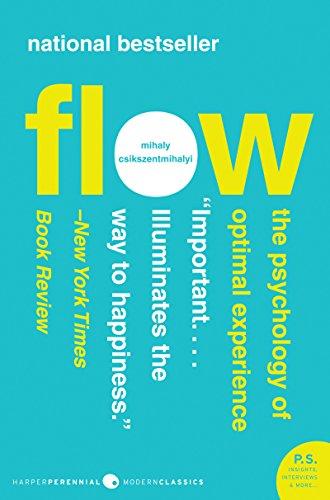
The Psychology of Optimal Experience (Harper Perennial Modern Classics)
Paul Bloom recommended this book, referencing the author's discussion on flow experiences, which involve difficulty and struggle that add value to life. The key indicator of flow is losing track of time while engaged in the activity.
I'd recommend a Rita Flow by Mahali Chixantmei and we tragically died just a week ago. And he talks about Flow experiences which are experiences of difficulty and str...
— Episode: The Right Kind of Suffering | Paul Bloom
Paul Bloom recommended this book, referencing the author's discussion on flow experiences, which involve difficulty and struggle that add value to life. The key indicator of flow is losing track of time while engaged in the activity.
I'd recommend a Rita Flow by Mahali Chixantmei and we tragically died just a week ago. And he talks about Flow experiences which are experiences of difficulty and struggle.
Try to find activities of the sort that once you get started an hour could go by and you just lost track of time. That's how you know you're in Flow.
The speaker mentioned the author of this book as a key figure in the founding of positive psychology, famous for writing about the concept of flow.
Mike you called him Mike i thought it was mccly or something like that but Mike is okay he wrote a book called Flow right so he's written yeah lots of books but he's famous for writing about Flow which I think actually is a really beautiful concept you know what you're really so absorbed in what you're doing that you don't even notice the passage of time and in the sense of self
The guest referenced reading the book *Flow* (though he struggled with the author's name, which is Mihaly Csikszentmihalyi) which described the state of being completely involved in a task where time and space fall away, an experience he related to his artistic endeavors.
I read his stuff. . . The book is called Flow.
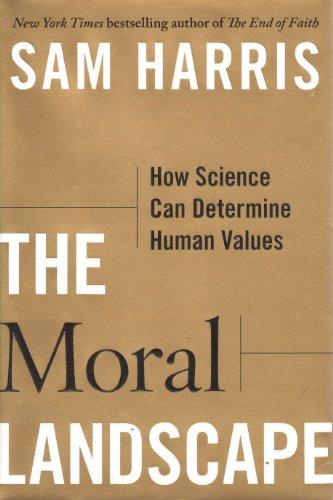
How Science Can Determine Human Values
This was noted as one of Sam Harris's New York Times bestsellers.
Sam Harris, who has no relation to our beloved host, is a scientist, a controversial skeptic and the author of several New York Times bestsellers, including "The End of Faith," "The Moral Land...
— Episode: Sam Harris, 'Waking Up' Podcast Host, Ne...
This was noted as one of Sam Harris's New York Times bestsellers.
Sam Harris, who has no relation to our beloved host, is a scientist, a controversial skeptic and the author of several New York Times bestsellers, including "The End of Faith," "The Moral Landscape" and "Waking Up"
Note: The book recommendations on this page are discovered automatically from podcast transcripts, and may be incorrect or incomplete.
Podcast Name