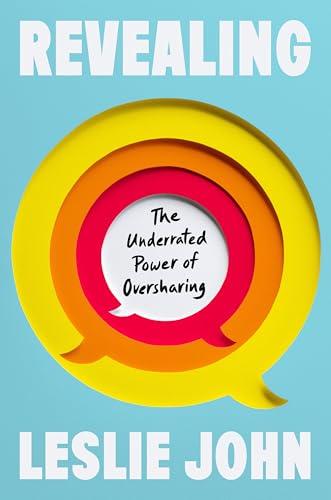
Revealing
Leslie John
Mentioned 4 months ago
Episode 531: Leslie John: Oversharing as a Competitive Advantage in Leadership and Negotiation
Habits and Hustle helps share the stories, habits, and rituals of people's journeys on living fulfilled lives. Host Jennifer Cohen interviews thought leaders, entrepreneurs, and overall extraordinary people who share their insight and open up about the normally hidden aspects that have made a differ...
Recently mentioned
Leslie John
Mentioned 4 months ago
Episode 531: Leslie John: Oversharing as a Competitive Advantage in Leadership and Negotiation
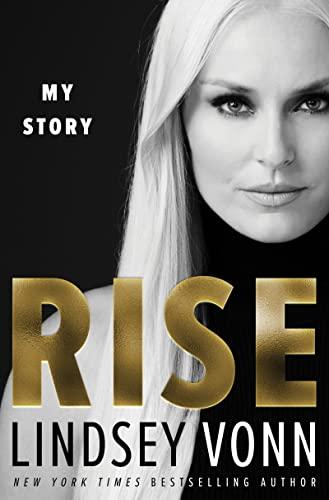
Lindsey Vonn
Mentioned 5 months ago
Episode 530: Lindsey Vonn: Building Mental Toughness Through Injury, Pressure, and Setbacks
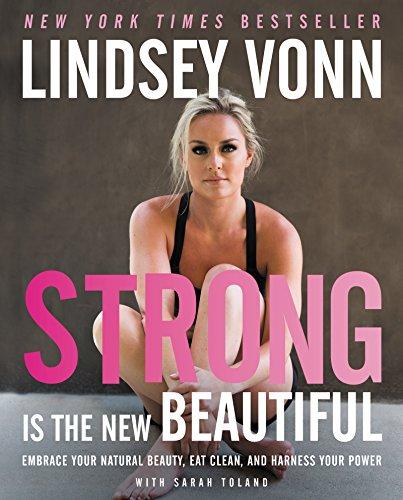
Lindsey Vonn
Mentioned 5 months ago
Episode 530: Lindsey Vonn: Building Mental Toughness Through Injury, Pressure, and Setbacks
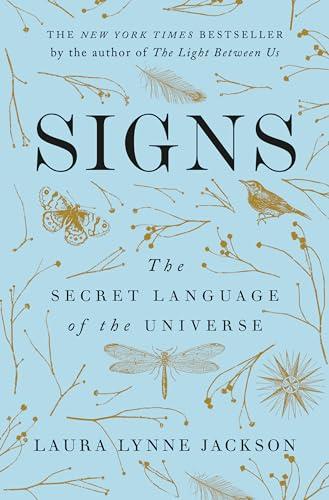
Laura Lynne Jackson
Mentioned 5 months ago
Episode 529: Anastasia Soare: The Discipline That Built a Billion Dollar Brand and Why Obsession Beats Balance
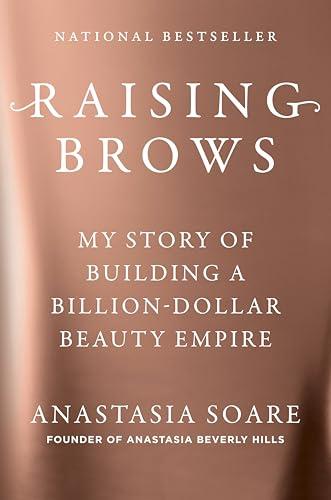
Anastasia Soare
Mentioned 5 months ago
Episode 529: Anastasia Soare: The Discipline That Built a Billion Dollar Brand and Why Obsession Beats Balance
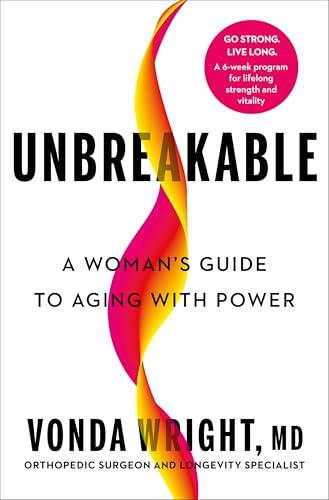
Vonda Wright MD
Mentioned 5 months ago
Episode 525: Dr. Vonda Wright: Fitness Over 40 and the Strength Habits That Prevent Physical Decline
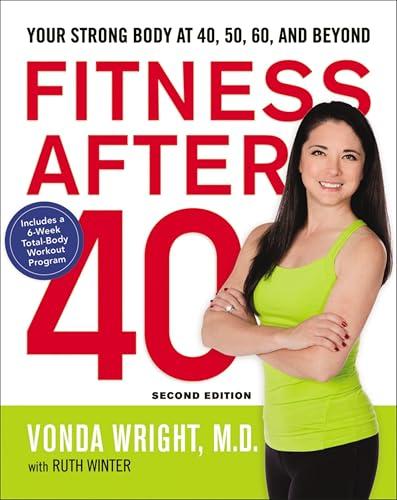
Vonda Wright
Mentioned 5 months ago
Episode 525: Dr. Vonda Wright: Fitness Over 40 and the Strength Habits That Prevent Physical Decline
Lisa M. Lawson
Mentioned 5 months ago
Episode 525: Dr. Vonda Wright: Fitness Over 40 and the Strength Habits That Prevent Physical Decline
Ashley Koff RD
Mentioned 5 months ago
Episode 523: Ashley Koff, RD: GLP-1, Weight Loss and the Mistakes That Create Rebound
Patrick Geryl
Mentioned 5 months ago
Episode 522: The Best of Habits & Hustle: Rob Dyrdek (Serial Entrepreneur and Ridiculousness Creator)
Emma Grey
Mentioned 5 months ago
Episode 522: The Best of Habits & Hustle: Rob Dyrdek (Serial Entrepreneur and Ridiculousness Creator)

Héctor García
Mentioned 5 months ago
Episode 522: The Best of Habits & Hustle: Rob Dyrdek (Serial Entrepreneur and Ridiculousness Creator)
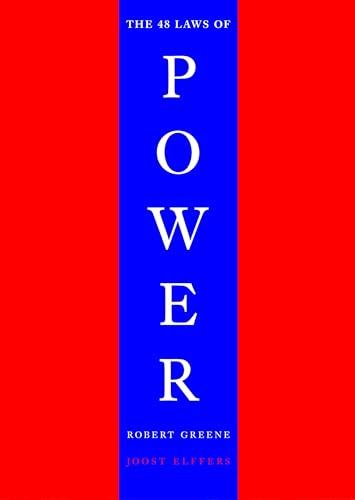
In the episode, the host suggested that the book would likely resonate with the guest, noting its impact on his thinking and its connection to concepts like the law of attraction and human nature. The host highlighted the book's influence as a potential tool for personal and professional growth. The overall tone was enthusiastic and endorsing.
The host asked if Jeezy knew the book and said it would likely appeal to him, noting its influence on his thinking.
You know about this? I was just going to say to you, do you know the book 48 Laws of Power? Of course. Because you would probably love it. I really tapped into him for the law of attraction though. A lot of that, well, he's got a billion laws of human nature and the mastery.
Robert Greene's 48 Laws of Power was mentioned as a comparable framework for influencing others, with a note that it could be used for good or bad. It was described as a "monster book."
Think about like Robert Greene's 48 Laws of Power, right? It can kind of be considered the same kind of thing.
The host cited the book as an example of advice to be flamboyant and stand out, mentioning it as one of the guest's key points.
One of your things was, and I think it was 48 Laws of Power, was to be kind of like, to kind of be flamboyant in a way, to stand out, right? That's one of your points.
Robert Greene's book was referenced as a comparable work that could be used for good or bad, and Vanessa expressed admiration for it.
Robert Greene's 48 Laws of Power.

How the Great Rewiring of Childhood Is Causing an Epidemic of Mental Illness
The host highlighted the book as a new bestseller that quickly spread worldwide and even influenced legislators, urging listeners to read it themselves. Tony Robbins mentioned that he had already distributed dozens of copies, and Dr. Leonard Sax referenced the author’s opening chapters as aligning with his views on parenting and childhood anxiety. Both speakers praised its relevance to current discussions about mental health and parenting.
The host highlighted Haidt's new bestseller, noting its release date, rapid spread, and influence on policymakers, and encouraged listeners to read it themselves.
Hi guys, it's Tony Robbins, you're listening to Habits and Hustle. ... He's an NYU professor and the bestselling author of the book Anxious Generation.
All right, so today on the podcast we have Jonathan Haidt, who is the author of The Anxious Generation.
I should have bought your book in bulk because I've sent your book, and I bought your book to probably like 40 people already, 50 people.
The book came out March 26th of last year, and it spread like wildfire around the world. Legislators read it.
The book was referenced when discussing parenting approaches, specifically noting John Hyde's comments in its opening chapters.
Well, here's where I really like and agree with what John Hyde says in the opening chapters of The Anxious Generation.
The title appeared as another book mentioned in the conversation about relevant reading material for the current generation.
What's the name of that? Anxious Generation.
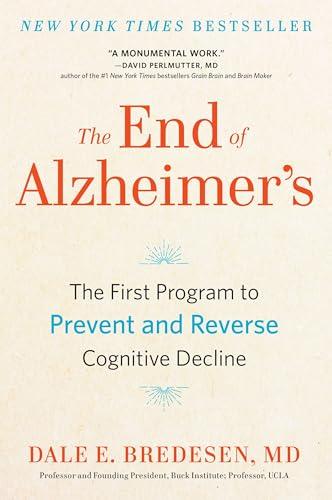
The First Program to Prevent and Reverse Cognitive Decline
The book was cited by Dave Asprey as evidence for his cognitive‑health protocols and by Dr. Mark Hyman as an expansion on his own ideas about the disease’s root causes. Both hosts highlighted its focus on underlying mechanisms and the associated ReCODE program. The discussion reflected a positive view of the title as a useful resource for listeners interested in preventing and reversing cognitive decline.
Dave referenced Dale Bredesen's book The End of Alzheimer's as supporting evidence for his protocols on cognitive health.
He has a book called The End of Alzheimer's.
Hyman mentioned that his colleague Dale Bredesen had expanded on his ideas and written The End of Alzheimer's, which discusses the root causes of the disease.
And colleagues of mine like Dale Bredesen have taken that and really upgraded it. And he's got a recode program now. He's written a book called The End of Alzheimer's, which talks about the root causes.
Mark Hyman referenced The End of Alzheimer's, noting that Dale Bredesen wrote it and it discusses the root causes of Alzheimer's disease.
He's written a book called The End of Alzheimer's, which talks about the root causes.
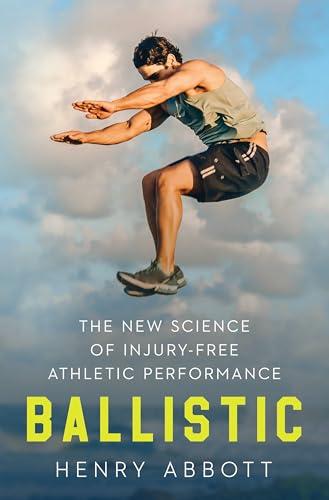
The New Science of Injury-Free Athletic Performance
The episode with Henry Abbott discussed the book's emphasis on chronic pain and how movement can rewire the brain to enable injury‑free athletic performance. Abbott explained that the title showed why many people avoid movement and offered strategies to overcome those limitations. The conversation presented the work as a valuable resource for listeners seeking to understand and prevent pain.
The conversation highlighted the book's focus on chronic pain and injuryfree athletic performance, noting that it explains how movement can rewire the brain and help overcome pain limitations.
the chronic pain, which is a big topic in the book, too, because it's the reason why a lot of us don't move like we want to.
The host described Abbott's new release, noting it presented detailed movement data and 25 illustrations of eliteathlete warmup routines, and explained how the book outlines a 13step, bouncy warmup to improve hip stability and prevent injuries.
the granular movement data that my book is about, they did a massive study of like every single thing that goes into NBA players who had ACL tears over years, basically.
So there are 25 illustrations in the book of like, cause I was like, they're obsessed with elite athletes there.
their warmup is amazing. There are days where I got up and felt like the tin man and you know, I'm 50. And I would go downstairs and be like, oh my gosh, I think I broke something, but I would just do the warmup. It's 13 steps. I have them memorized.
The hosts introduced Henry Abbott's book Ballistic, describing it as a new science of injuryfree athletic performance that blends physics, biomechanics, and nervoussystem training to prevent injuries.
the author of the book Ballistic.
we have Henry Abbott, who wrote this book called Ballistic, which is the new science of injury-free athletic performance.
that's the reason the book is called Ballistic.
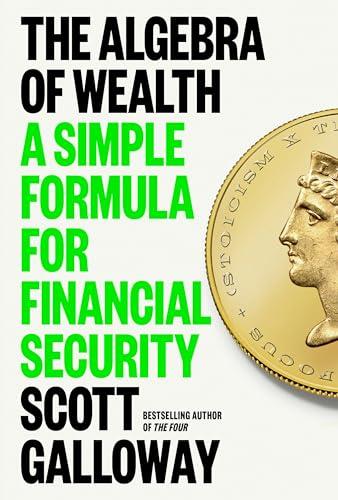
A Simple Formula for Financial Security
The hosts praised the title as a popular coffee‑table style guide packed with actionable nuggets for entrepreneurs, urging listeners to pick it up and revisit it often. They described it as a great, repeatable resource that offered new insights each time it was opened.
The hosts praised the book as a popular, coffeetablestyle guide full of useful nuggets, recommending listeners pick it up and revisit it often.
His new book is called The Algebra of Wealth.
If you have not read it or picked it up, you're basically living under a rock possibly because it's so popular, especially in the business entrepreneurial space.
So let me tell everyone again, you guys, the book, The Algebra of Wealth, it really is a fantastic, it's a great book.
It's like a coffee table book.
You can put it down, pick it right back up, and always get something out of it.
The hosts highlighted the book as a popular, wellcrafted guide full of actionable insights, describing it as a coffeetable style read that offers repeated value and practical nuggets of gold for entrepreneurs.
let me tell everybody his new book is called The Algebra of Wealth. And if you have not read it or picked it up, you're basically living under a rock possibly because it's so popular, especially in the business entrepreneurial space.
The Algebra of Wealth, it really is a fantastic... It's a great book. You know what else I love about it? It's like a coffee table book. You can put it down, pick it right back up and always get something out of it.
I always learn something. So let me tell everyone again, you guys, the book, The Algebra of Wealth, it really is a fantastic... It's a great book. You know what else I love about it? It's like a coffee table book. You can put it down, pick it right back up and always get something out of it.
Brain, Mind, and Body in the Healing of Trauma
The hosts highlighted the title as an immensely popular work that many turn to for insight into trauma, noting its reputation for being a great read while also mentioning some criticism of a cultlike following. Jen was specifically exploring the book to better understand trauma’s effects, and the discussion framed it as a valuable resource for listeners interested in the subject. Overall, the episode conveyed a strong endorsement despite the minor caveat.
The hosts referred to The Body Keeps the Score as an immensely popular book, noting some criticism of its cultlike following.
The Body Keeps the Score. It's an immensely popular book.
The book was mentioned as a great read that Jen was currently exploring to understand trauma and its effects.
I'm now reading this great book called The Body Keeps the Score.
The Secret Language of the Universe
Lisa Nichols mentioned that her second published book was The Secret.
My first book was Chicken Soup. My second book was The Secret.
— Episode: Episode 427: Lisa Nichols: The Art and S...
Lisa Nichols mentioned that her second published book was The Secret.
My first book was Chicken Soup. My second book was The Secret.
They remembered The Secret as a book that became a huge phenomenon after Oprah highlighted it.
You know what else was the book, do you remember The Secret? Of course. Of course. So one day I'm doing eyebrows and this woman, beautiful blonde comes in ... And I said, wow, beautiful. What are you doing here? ... I thought like, wow, this is a great story. The book. So Oprah, oh, in 2006. So this was in 2005. In 2006, she takes 200 of her friends in South Africa and she opens her school in South Africa. And we spent New Year's Eve there as well.
And by the way, if it wasn't for Oprah, because that was the whole thing, that book would never have been known.
An Easy & Proven Way to Build Good Habits & Break Bad Ones
The hosts referenced the book as a key source of guidance for building behavioral habits, noting its clear explanation of how small actions act as "votes" for one's future self. Both episodes highlighted the author's ability to articulate habit formation and recommended it as the best resource for understanding identity‑shaping habits. The overall tone was strongly positive, positioning the title as a must‑read for listeners.
The hosts said the book explained the concept of "casting votes for your future self" and highlighted it as the best resource for understanding how small actions shape identity.
I think a lot of people at this point who consume this type of media probably read Atomic Habits and James clearly and James probably does the best job of talking about this it's casting votes for your future self.
Atomic Habits and James clearly ... this it's casting votes for your future self.
The conversation referenced James Clear's Atomic Habits as a source of guidance for building behavioral habits.
James Clear writes about this so beautifully in Atomic Habits.
Big Data, New Data, and What the Internet Can Tell Us About Who We Really Are
Tony Robbins mentioned the book in two episodes, noting that it was written by a Google engineer and highlighted its claim that people lie in face‑to‑face interactions while Google searches reveal the truth. He pointed out that the title explores surprising search trends and how big data can expose hidden aspects of human behavior. The discussion was brief and informational rather than a strong endorsement.
They mentioned the book as being written by a Google engineer and noted its claim that everyone lies when asked facetoface, whereas Google search never lies.
And you would be surprised that, okay, so there's this book and it's called Everybody Lies and it's written by a Google engineer. And he says, Everybody Lies if you ask them face to face, but Google search never lies.
The conversation noted that Everybody Lies is a book written by a Google engineer that discusses surprising search trends.
and it's called Everybody Lies
and it's written by a Google engineer
The Power of Thinking Without Thinking
The book was highlighted as a key example of how intuition and rapid judgment operate, with Jen Cohen noting its insight on sensing energy within seconds. Jerry West also praised the title for its relevance to his own quick‑decision style, acknowledging its usefulness despite occasional errors. Both hosts presented it positively as a useful guide to trusting one’s instincts.
Malcolm Gladwell's book Blink was cited when discussing the role of intuition and quick judgment.
Malcolm Gladwell says in Blink, when someone walks in a room, within four seconds, you feel their energy.
Jerry West praised Blink as a particularly good book because he relates to its focus on rapid decisionmaking, describing himself as a "blink person" who makes quick decisions.
I also saw that you're a big fan of Malcolm Gladwell. The one book, Blink, in particular was really good because I'm kind of a Blink person. It seems to me I can make quick decisions. Are they always right? No, but they are more nearly right because I trust my own personal judgment.
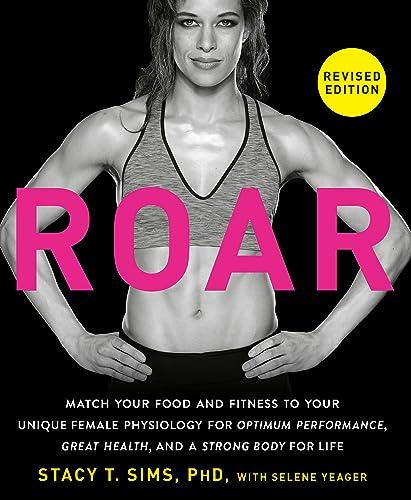
Match Your Food and Fitness to Your Unique Female Physiology for Optimum Performance, Great Health, and a Strong Body for Life
The hosts highlighted the author's expertise in women's exercise physiology and nutrition, noting that she wrote the title and that a revised edition had been released the previous year. They mentioned the book as a resource for tailoring food and fitness to female physiology, emphasizing its relevance for optimal performance and health.
The host noted that Dr. Sims' book Roar had a second edition released the previous year.
The book is called Roar, but it's a little... When was it out, your book? It was a while already. The second edition that was just released last year.
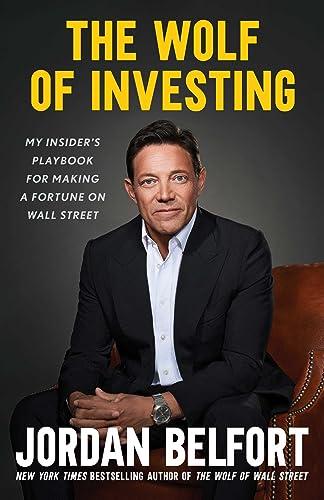
My Insider's Playbook for Making a Fortune on Wall Street
The book was introduced by Jordan Belfort in two episodes, where he announced its release and encouraged listeners to read it. He described it as an easy‑to‑digest guide that he considered essential for investors, and he strongly recommended it. The hosts echoed his endorsement, presenting it as a valuable resource for the audience.
He released this new book, describing it as easy to digest and essential for investors, and he highly recommended it.
The new book is called The Wolf of Investing. I highly recommend it. It's like all his other books--easy to digest, understand, and very important.
At the close of the episode, Belfort announced his new release, The Wolf of Investing, and urged listeners to check it out.
The new book is called The Wolf of Investing. I highly recommend it.
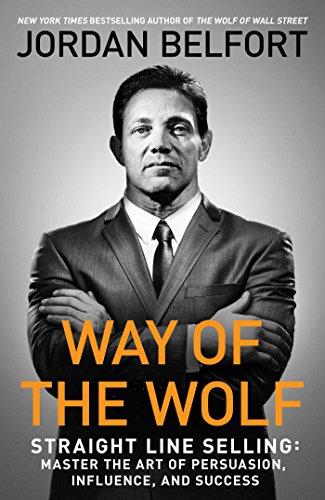
Straight Line Selling
Jordan Belfort discussed the title in two episodes, noting that it had become a massive bestseller. He highlighted that the book outlines his Straight Line sales method and positioned it as a key resource for mastering persuasion and influence. The hosts conveyed strong endorsement of the work as a successful guide for sales professionals.
He authored this salestraining book, calling it a massive bestseller that laid out his Straight Line method.
My last book was called Way of the Wolf, right? Which was a massive bestseller.
Belfort mentioned his most recent bestseller, Way of the Wolf, describing it as a massive bestseller.
My last book was called Way of the Wolf, right? Which was a massive bestseller.
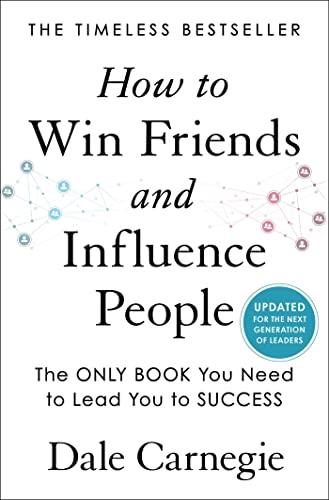
Updated For the Next Generation of Leaders (Dale Carnegie Books)
The book was highlighted as a timeless resource that has helped millions improve personal and professional relationships, and even influenced infamous figures like Charles Manson. Tony Robbins referenced it in both episodes as a classic guide for effective communication. The hosts emphasized its enduring impact and relevance for modern leaders.
The classic Dale Carnegie book was referenced as a timeless guide that has helped millions and even influenced infamous figures. It was noted for its enduring impact on personal and professional relationships.
the classic book, How to Win Friends and Influence People. Dale Carnegie.
The classic book was cited as a timeless resource that has helped millions, though it was also noted that Charles Manson read it in prison.
the classic book, How to Win Friends and Influence People, Dale Carnegie.
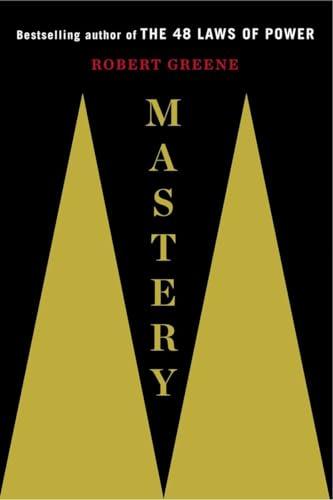
In the episode, the hosts referenced the book as an additional source of insight that informed Jeezy's approach. They mentioned it alongside Greene's other works, suggesting it contributed useful ideas but did not elaborate further. The overall tone was that of a brief, supportive nod rather than a deep endorsement.
The conversation highlighted Greene's book "Mastery" as another source of insight for Jeezy.
A lot of that, well, he's got a billion laws of human nature and the Mastery.
The host explained that a key point in Greene's book Mastery is that people only become good at something if they genuinely enjoy it.
But I think one of the points in my book, particularly in Mastery, is people don't become good at something unless they like it.
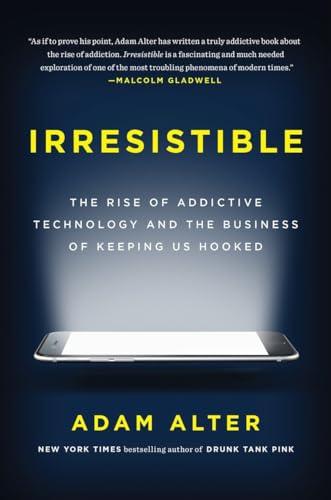
The Rise of Addictive Technology and the Business of Keeping Us Hooked
The book was cited by the host of the first episode as a key source that helped him understand how technology creators design addictive platforms, especially before becoming a parent. In the second episode, Tony Robbins included it among essential reads for younger generations to grasp the influence of modern tools. Both mentions highlighted its insightful analysis of technology addiction, indicating strong endorsement.
The host mentioned having read the book before becoming a parent and later cited it as a source for understanding how tech creators design addictive platforms.
I had already read the book Irresistible, Unplugged. I read those books before I had him.
This is what blew my mind when I read Irresistible. There's a great book. Yeah, totally. By Adam Alter called Irresistible.
The title was mentioned as part of a list of books that younger generations should read to understand the impact of modern tools and technology.
they've read the books like Irresistible and I gen and unplugged and these books that talk about what these tools...
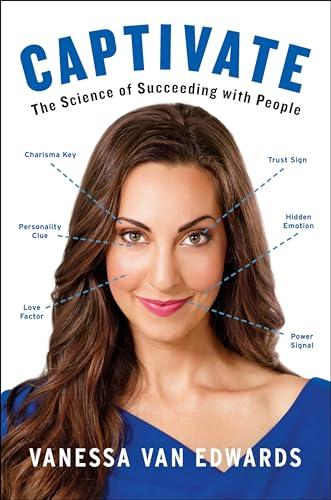
The Science of Succeeding with People
The book was highlighted as Vanessa Van Edwards' earlier bestseller that explains the science behind succeeding with people and developing charisma through body language. Both the host and Tony Robbins referenced it as a key resource for learning interpersonal skills, and Vanessa herself introduced it as her first major work. The discussion conveyed strong endorsement of the title as a valuable guide for improving communication.
The host introduced Captivate as Vanessa Van Edwards' first bestseller that explains the science of succeeding with people. It was highlighted as a key resource for learning charisma and interpersonal skills.
Her first book is called Captivate, The Science of Succeeding with People.
She wrote a book called Cues. Her other book was called Captivate.
the first one's called Captivate.
The book was mentioned as Vanessa's earlier work, highlighted alongside her newer title.
Her other book was called Captivate.
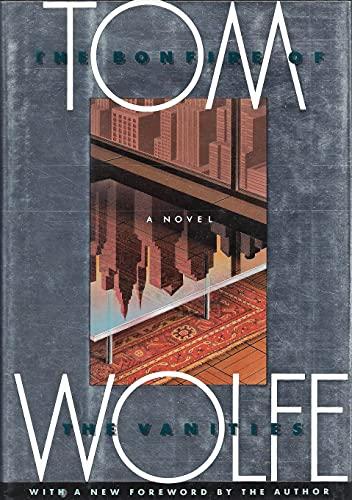
A Novel
Jordan Belfort highlighted the book, explaining that he spent a year teaching himself to write by reading it and treating it like a textbook to uncover Tom Wolfe's writing strategy. He credited the title with markedly improving his writing skills while he was in jail. The podcast presented it as a valuable resource for anyone looking to develop their writing craft.
Jordan Belfort spent a year in jail teaching himself to write by reading this novel, which he credited for improving his writing skills.
I spent about a year teaching myself to write by reading another book I love called Bonfire of the Vanities.
Jordan Belfort said he spent a year teaching himself to write by reading Tom Wolfe's Bonfire of the Vanities and used it as a textbook for his own writing style.
I spent about a year teaching myself to write by reading another book I love called Bonfire of the Vanities.
I used the book like a textbook. I kind of cracked Tom Wolfe's strategy for writing.
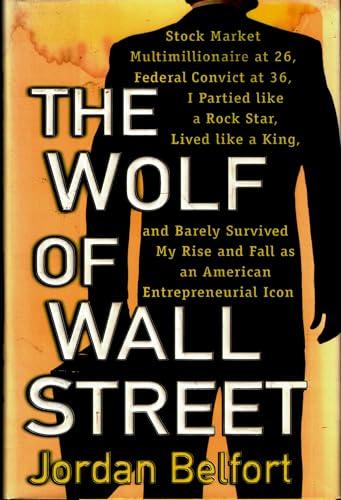
Jordan Belfort discussed the book, noting it detailed the depraved bachelor‑party scene that was omitted from the film and that it had become a bestselling memoir of his rise, fall, and comeback. He highlighted that the autobiography offered behind‑the‑scenes insight into his life, which resonated with listeners.
He wrote his memoir, sold it to Random House, and it became a bestselling account of his rise, fall, and comeback.
In my first book, The Wolf of Wall Street, right? There's like this part where I describe the back, in detail, I describe this whole story.
He referred to his autobiography, The Wolf of Wall Street, noting it covered the depraved bachelorparty scene that was later trimmed from the film.
In my first book, The Wolf of Wall Street, I described the depraved bachelor party scene, which was later cut from the movie.
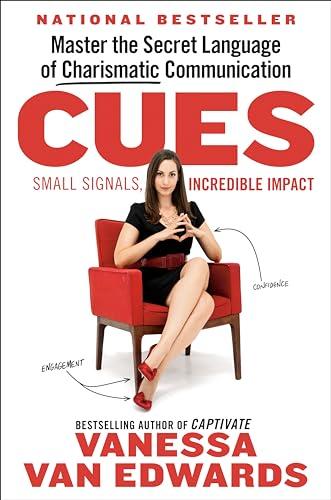
Master the Secret Language of Charismatic Communication
The host praised the title as an amazing resource for anyone who wants to read people or activate their strengths, highlighting its practical tips for mastering nonverbal cues and charisma. Tony Robbins specifically recommended it, and Vanessa Van Edwards promoted it as a helpful guide at the end of the episode. The discussion emphasized the book’s usefulness for improving communication and personal influence.
Cues was presented as Vanessa Van Edwards' latest work that teaches readers to read and control nonverbal communication. The discussion emphasized its practical tips for charisma and cue mastery.
Her latest book is called Cues, which was amazing.
She wrote a book called Cues. Her other book was called Captivate.
the first her book is called Cues.
The host praised the book as amazing and recommended it for anyone wanting to read people or activate their strengths. Vanessa also promoted it at the end of the episode as a helpful resource.
Her latest book is called Cues, which was amazing.
her book is called Cues.
her book is called Cues.
Note: The book recommendations on this page are discovered automatically from podcast transcripts, and may be incorrect or incomplete.
Podcast Name