Speak Out, Listen Up
Megan Reitz
Mentioned 5 months ago
259. Quick Thinks: Task-Focused to People-Focused—A Smarter Way to Communicate
One of the most essential ingredients to success in business and life is effective communication. Join Matt Abrahams, best-selling author and Strategic Communication lecturer at Stanford Graduate School of Business, as he interviews experts to provide actionable insights that help you communicate...
Recently mentioned
Megan Reitz
Mentioned 5 months ago
259. Quick Thinks: Task-Focused to People-Focused—A Smarter Way to Communicate
Tim Castle
Mentioned 7 months ago
247. “Matt”er of Fact: Coaching on Feedback and Q&A
Alex Pentland
Mentioned 7 months ago
246. Shared Wisdom: How Communication Defines Culture and Builds Community
Alex Sandy Pentland
Mentioned 7 months ago
246. Shared Wisdom: How Communication Defines Culture and Builds Community
Gina Bianchini
Mentioned 8 months ago
244. Community Creates Change: Build Relationships That Actually Matter
Mike Maples Jr
Mentioned 8 months ago
244. Community Creates Change: Build Relationships That Actually Matter
Michael Lewis
Mentioned 8 months ago
242. Tech Tools: The Power of Showing, Not Telling
Colin M. Fisher
Mentioned 8 months ago
241. Team Spirit: How to Make Group Work Work
Muriel M. Wilkins
Mentioned 8 months ago
240. Belief It or Not: How to Rewrite the Narratives That Hold You Back
Matt Abrahams
Mentioned 8 months ago
238. AMA: Why Listening Might Be Your Most Powerful Skill
Robert J. Kriegel
Mentioned 9 months ago
237. Mistake It Till You Make It: Learn Faster and Fail Smarter
Stephen King
Mentioned 9 months ago
236. Tech Tools: Tech Tools: Zeroing in on Your Email Communication
How to Speak Successfully When You're Put on the Spot
The host repeatedly highlighted the book as a practical resource for improving on‑the‑spot speaking, sharing interview insights, frameworks, and audio excerpts on topics like toasts, anxiety management, and confident communication. He celebrated its anniversary, offered chapter previews, and recommended it for anyone seeking to feel more comfortable and effective in spontaneous communication.
The host of the podcast, Matt Abrahams, is an author of the book Think Faster, Talk Smarter. He is a lecturer at Stanford Graduate School of Business and discusses his book as a resource for communication techniques.
Now it's time to bring on our host, Strategic Communications Lecturer at Stanford Graduate School Business, author of Think Faster, Talk Smarter, and your host, Matt Abrahams.
The speaker mentioned his new book titled "Think Faster, Talk Smarter" and explained that the video on small talk pulls together a lot of concepts from the book and the podcast.
And it pulls together a lot of concepts that we dig into on Think Fast, Talk Smart, the podcast, and my new book Think Faster, Talk Smarter.
The podcast episode was based on this book and discussed how to become a more confident communicator.
We're going to start early with a bonus episode based on my Think Faster Talk Smarter book, discussing how to be a more confident communicator.
Shared excerpts from the first chapter on taming speaking anxiety through mindfulness, reframing it as excitement, breathing exercises, physical cooling techniques, and cognitive mantras to enhance spontaneous communication confidence.
I'm super excited for our October Think Fast Talk Smart interviews. We're going to start early with a bonus episode based on my Think Faster Talk Smarter Book discussing how to be a more confident communicator.
To celebrate the anniversary of the release of my book Think Faster, Talk Smarter, I'd like to share a portion of the first chapter that provides specific guidance on how we can all become more confident and comfortable when we communicate.
Some specific suggestions from my book Think Faster Talks Martyr. On ways we can all shake our speaking anxiety.
To learn more about how to feel more comfortable and confident in spontaneous communication, like answering questions, small talk and giving feedback, Check out my audiobook. Think Faster Talks Martyr.
The speaker mentioned having interviewed many listening experts for this book, including Collins Dobbs, who shared the concepts of pace, space, and grace for improved listening.
In my book, Think Faster, Talk Smarter, I had the wonderful pleasure of interviewing many listening experts.
One of them was Collins Dobbs. Collins actually teaches with me at Stanford's Graduate School of Business. And he introduced me to the ideas of pace, space, and grace.
The host's bestselling book was being celebrated on its second anniversary, and the discussion revolved around the book's practical tips, frameworks, and mindset shifts for improving spontaneous speaking skills.
In celebration of the two-year anniversary of my book, Think Faster, Talk Smarter, How to Speak Successfully When Put on the Spot, we're going to go back in our vault for a Rethinks episode where I speak with Jenny Luna, our original executive producer, about ways to feel more comfortable and confident when you have to speak in the moment.
Matt's new book, Think Faster, Talk Smarter, How to Speak Successfully When You're Put on the Spot, launches at the end of this month.
I know you tell a great story about a martial arts experience you had as a young person. I'm wondering if you can tell that story again just while we have more listeners right now.
I remember back years ago when we were first thinking of this idea and brainstorming and wondering, would anybody ever listen, let alone want to be a guest on the podcast?
The host mentioned his own book on spontaneous speaking near the end of the episode, noting it contains resources and guidance on the topic.
For even more resources and guidance, you can check out my book on spontaneous speaking. The title might sound a little familiar. It's called Think Faster, Talk Smarter.
The host shared an audio chapter from his book which provided guidance on delivering effective toasts and tributes using the WHAT structure. He offered several tips for refining remarks, such as being brief and ensuring the spotlight remains off the speaker.
To help us all feel and do better in these situations, I'd like to share the audio chapter from my latest book, Think Faster, Talk Smarter, where I provide guidance on how to deliver toasts that tantalize and tributes that treat our honorees well.
Be brief and to the point. Long toasts, tributes, or introductions are usually bad ones.
When you're one of many speakers, think about your remarks in context of the event as a whole.
The audio excerpt is courtesy of Simon & Schuster Audio from Think Faster, Talk Smarter by me, Matt Abrahams.
The host learned a great deal about storytelling while writing this book, finding the most surprising lessons came from people who used storytelling in their everyday jobs but weren't professional storytellers.
When you write a book to help other people, you actually end up helping yourself more.
When I wrote my book, Think Faster, Talk Smarter, I was amazed to learn so much about storytelling.
Inside the Doomsday Machine
Matt Abrahams highlighted the book as a compelling account of the 2008 housing market collapse, noting its ongoing relevance to today's financial system. He emphasized the author’s clear writing style and promoted the newly released audiobook narrated by the author himself. The recommendation encouraged listeners to obtain the title for its insightful narrative and practical lessons.
The book covered the buildup and burst of the U.S. housing market in 2008. The story of betting against the market and who ultimately pays for an unchecked financial system was noted as being very relevant today.
The Big Short by bestselling author Michael Lewis tells the story of the buildup and burst of the U.S. housing market back in 2008.
The Big Short's story, what it means to bet against the market, and who really pays for an unchecked financial system, is as relevant today as it has ever been.
The story of the buildup and burst of the U.S. housing market around 2008 was brought to life in a new audiobook narrated by the author himself for the first time.
The Big Short by best-selling author Michael Lewis tells the story of the buildup and burst of the U.S. housing market back in 2008.
The Big Short's story, what it means to bet against the market, and who really pays for an unchecked financial system, is as relevant today as it has ever been.
The book told the story of the buildup and burst of the U.S. housing market around 2008. The author narrated this story for the first time in a new audiobook format.
The Big Short by bestselling author Michael Lewis tells the story of the buildup and burst of the U.S. housing market back in 2008.
Now, Michael Lewis is bringing it to life in a new audiobook, narrated by the author himself for the first time.
The book was mentioned as one of the works written by Michael Lewis, whom the speaker admired for his clear writing style.
Michael Lewis, writer of books like Moneyball and The Big Short.
The book detailed the buildup and burst of the U.S. housing market around 2008. The author narrated a new audiobook version of the story for the first time.
The Big Short by bestselling author Michael Lewis tells the story of the buildup and burst of the U.S. housing market back in 2008.
Get The Big Short now at pushkin.fm slash audiobooks or wherever audiobooks are sold.
The book was repeatedly referenced in the episode notes as a resource linked to guest Chris Voss, the former FBI negotiator, with the host noting it as a relevant work on empathy and business communication. No detailed endorsement or critique was offered, indicating a casual mention of the title.
This book was referenced as a resource related to one of the podcast guests, Chris Voss, the former FBI Negotiator.
Chris Voss's Book: Empathy and Understanding In Business
Fully Revised & Updated Edition
The host highlighted the book as a New York Times bestseller that formed the basis for the Radical Candor podcast and offered actionable advice for improving careers and relationships. It was praised for teaching how to be an effective boss while maintaining humanity and for providing practical guidance on giving constructive feedback. Listeners were encouraged to add the title to their podcast playlist and to explore its insights for better communication.
The book was mentioned as a New York Times bestseller and provided the foundation for the podcast, Radical Candor.
Based on the New York Times bestseller, Radical Candor, How to Be a Kick-Ass Boss Without Losing Your Humanity, Kim Scott, Amy Sandler, and Jason Rozov deliver actionable insights each week to help you improve your career and relationships.
Be sure to add Radical Candor to your podcast playlist to get new episodes every Wednesday.
The book "Radical Candor" focuses on being a good boss without losing your humanity. It was written by Kim Scott and is the basis for the Radical Candor podcast.
All Think Fast, Talk Smart listeners looking for advice and guidance to improve their careers in communication need to check out the Radical Candor podcast. Based on the New York Times bestseller, Radical Candor, How to Be a Kick-Ass Boss Without Losing Your Humanity, Kim Scott, Amy Sandler, and Jason Rozov deliver actionable insights each week to help you improve your career and relationships.
Kim Scott's book 'Radical Candor' was recommended as a good source of advice on how to give constructive feedback.
I definitely encourage you to listen to our episode on feedback with Kim Scott of Radical Candor fame.
Kim is amazing and her advice I think is just pure gold.
How We Meet and Why It Matters
The book was highlighted as an all‑time favorite by Rachel Greenwald, who praised its focus on reimagining how people spend time together to create meaning. In a later episode, the host noted that Priya Parker’s ideas urged listeners to break the autopilot scripts of meetings and other gatherings, emphasizing that intentionality before anyone enters the room determines success. Both mentions framed the title as a key resource for designing purposeful, meaningful gatherings.
This book was highlighted as an all-time favorite that focuses on reimagining how people spend time together to create more meaning. The author advocates for setting the tone for a gathering before it even begins, which is a crucial pre-communication step.
I am going to pick someone kind of out of the standard communication arena. And point to someone named Priya Parker, who some of you may know, others may not. She's the author of a book that is one of my all-time favorites called The Art of Gathering.
And her work focuses on reimagining how we spend our time together to create more meaning.
The book emphasized interrupting autopilot scripts regarding how meetings are run, how one marries, mourns, or parties. It promoted the idea that the success of any gathering is determined by the intentionality behind how people come together, with 90% of success happening before anyone enters the room.
My first concert was Sweet Honey and the Rock... And it was my cool older stepsister who was 10 years older than me.
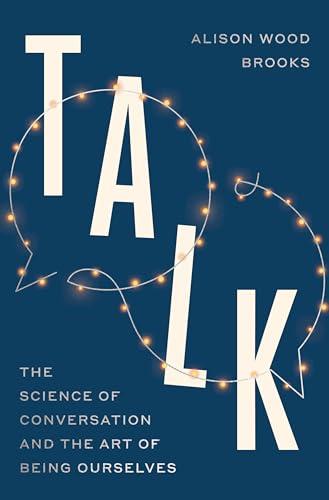
The Science of Conversation and the Art of Being Ourselves
The podcast highlighted the title as an extension of the author's award‑winning Harvard Business School course on the science of conversation and authentic communication. Host Matt introduced the author during her tour and noted that attendees were eager for the book’s advice on asking questions and its relevance for teens and parents. The author emphasized that the book distills 15 years of research into practical conversation skills, leading the hosts to present it as a valuable resource.
This book is based on the author's award-winning course and focuses on the science of conversation and the art of being oneself. Attendees on the book tour seemed particularly interested in the advice regarding question asking and parents wanted the content for their teenagers.
And she teaches an award-winning course called Talk, which also happens to be the name of her new book, Talk, the science of conversation and the art of being ourselves.
So, Allison, I'm going to start with you. You are on tour for this awesome book, Talk.
This book, based on 15 years of research, follows the trajectory of an award-winning course taught by the author at Harvard Business School.
I'm so excited about my new book. It's called Talk, The Science of Conversation and the Art of Being Ourselves.
It follows the trajectory of the course that I developed at the Harvard Business School, also called Talk.
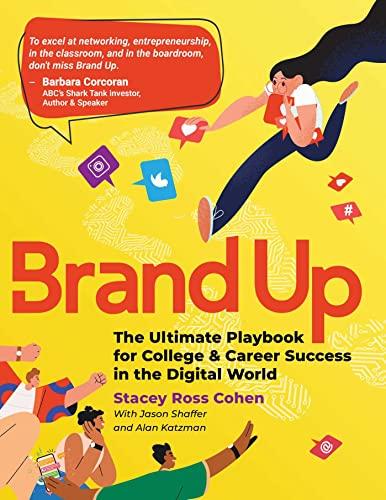
The Ultimate Playbook for College & Career Success in the Digital World
The book was highlighted in two episodes where Allison Kluger contributed chapters, and the host described it as the ultimate playbook for college and career success in the digital world. This mention emphasized its relevance for listeners seeking guidance on navigating the modern professional landscape.
Allison Kluger contributed chapters to this recently released book, which was described as the ultimate playbook for college and career success in the digital world.
You just released a book that I know you wrote several chapters in called Brand Up, the ultimate playbook for college and career success in the digital world.
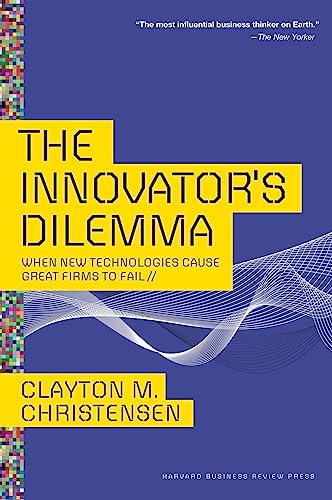
When New Technologies Cause Great Firms to Fail (Management of Innovation and Change)
Whitney Johnson learned about disruption from Clayton Christensen, who wrote The Innovator's Dilemma and was a professor at Harvard Business School. The book was described as focusing on disruption in the context of products, services, companies, and countries.
So disruption, it's a term that I learned from Clayton Christensen. He was a professor at the Harvard Business School and wrote a book called The Innovator's Dilemma.
— Episode: 147. Disrupt Yourself: How to Innovate W...
Whitney Johnson learned about disruption from Clayton Christensen, who wrote The Innovator's Dilemma and was a professor at Harvard Business School. The book was described as focusing on disruption in the context of products, services, companies, and countries.
So disruption, it's a term that I learned from Clayton Christensen. He was a professor at the Harvard Business School and wrote a book called The Innovator's Dilemma.
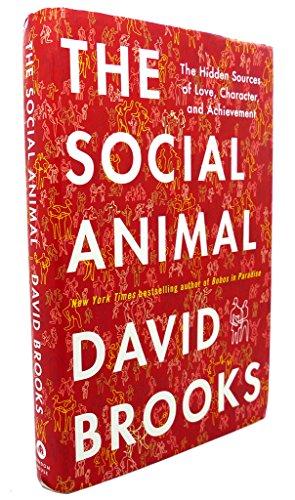
The Hidden Sources of Love, Character, and Achievement
It was mentioned as one of David Brooks' books, alongside "The Road to Character" and "How to Know a Person".
He's the best-selling author of several books, including The Road to Character, The Social Animal, and his latest book is How to Know a Person.
— Episode: 129. Connect Deeply: How to Communicate...
It was mentioned as one of David Brooks' books, alongside "The Road to Character" and "How to Know a Person".
He's the best-selling author of several books, including The Road to Character, The Social Animal, and his latest book is How to Know a Person.
The speaker cited this book to support the idea that powerful people say less than necessary, linking silence to increased status and power.
To your point about power, Bob Green, Robert Green wrote this book, The 48 Laws of Power. And one of the top ones is powerful people always say less than they need to.
— Episode: 100. Shut Up! How to Communicate Better...
The speaker cited this book to support the idea that powerful people say less than necessary, linking silence to increased status and power.
To your point about power, Bob Green, Robert Green wrote this book, The 48 Laws of Power. And one of the top ones is powerful people always say less than they need to.
The Art of Winning an Unfair Game
This book was admired by a speaker because its prose did not call attention to itself, providing a clear window to the subject matter being described.
Michael Lewis, writer of books like Moneyball and The Big Short.
— Episode: 189. Numbers Need Narrative: Use Data to...
This book was admired by a speaker because its prose did not call attention to itself, providing a clear window to the subject matter being described.
Michael Lewis, writer of books like Moneyball and The Big Short.
And the thing I love about Michael Lewis is that his prose doesn't call any attention to itself. that you feel like you have this clear window to the thing that's happening on the other side and the prose isn't in between you and the thing that he's describing.
The Science of Failing Well
The Right Kind of Wrong was mentioned as a new book by Amy Edmondson, discussing the science of failing well.
And she has a new book out entitled, The Right Kind of Wrong, The Science of Failing Well.
— Episode: 132. Lean Into Failure: How to Make Mist...
The Right Kind of Wrong was mentioned as a new book by Amy Edmondson, discussing the science of failing well.
And she has a new book out entitled, The Right Kind of Wrong, The Science of Failing Well.
Part of feeling psychologically safe is feeling okay making mistakes and admitting them. This idea of failure is the focus of your new book, Right Kind of Wrong. Can you talk to us about unproductive failure versus productive failure? And can you share your three archetypes of failure for us.
You know, one of the chapters in the new book is about the importance of context, the importance of situational awareness.
And I wish you best of luck with your new book, Right Kind of Wrong, The Science of Failing Well.
How Smart Leaders Make the Right Things Easier and the Wrong Things Harder
It explores how operational obstacles show up in the workplace and, more importantly, what we can do about them. The book focuses on how leaders can use "friction fixing" to make the right things easy and the wrong things harder to do.
The Friction Project: How Smart Leaders Make the Right Things Easier and the Wrong Things Harder
— Episode: 131. Friction Fixing: How to Use Obstacl...
It explores how operational obstacles show up in the workplace and, more importantly, what we can do about them. The book focuses on how leaders can use "friction fixing" to make the right things easy and the wrong things harder to do.
The Friction Project: How Smart Leaders Make the Right Things Easier and the Wrong Things Harder
We've been talking about friction and your new book with Bob Sutton is The Friction Project.
Part of your introduction title is Why is Friction Terrible and Wonderful?
Can you help us understand the wonderful part? I can get the terrible part.
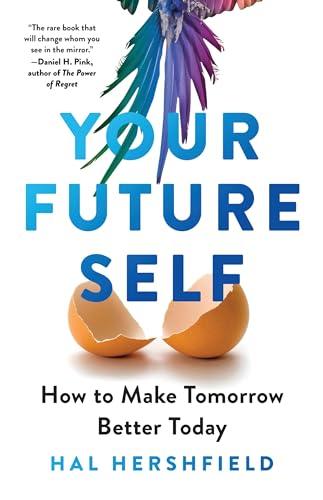
How to Make Tomorrow Better Today
The book by Hal Hershfield explored the concept of communicating with one's future self as a way to make better choices in the present.
He's the author of Your Future Self, How to Make Tomorrow Better Today.
— Episode: 180. Unlocking Your Future Self: Communi...
The book by Hal Hershfield explored the concept of communicating with one's future self as a way to make better choices in the present.
He's the author of Your Future Self, How to Make Tomorrow Better Today.
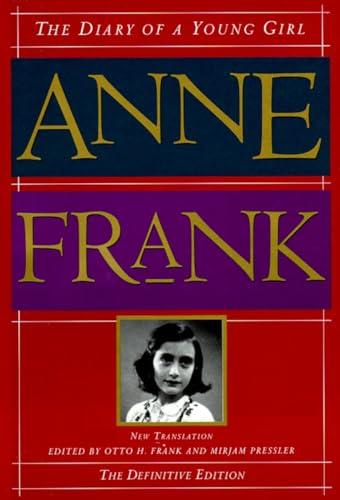
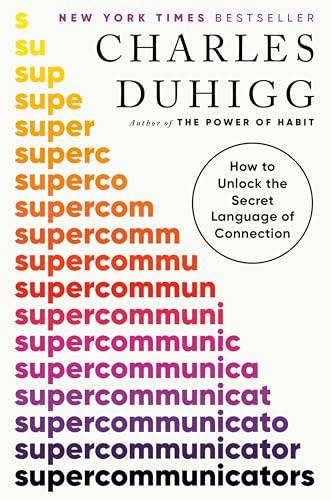
How to Unlock the Secret Language of Connection
The book was mentioned as a recent publication and fits the focus of the podcast. It delves into the techniques of supercommunicators, focusing on connection and alignment in communication.
His newest book, Super Communicators Out Now, fits squarely in the focus of this podcast.
— Episode: 133. From Good to Super: How Supercommun...
The book was mentioned as a recent publication and fits the focus of the podcast. It delves into the techniques of supercommunicators, focusing on connection and alignment in communication.
His newest book, Super Communicators Out Now, fits squarely in the focus of this podcast.
In super communicators, you do a really nice job of explaining the role of connection and alignment in successful communication.
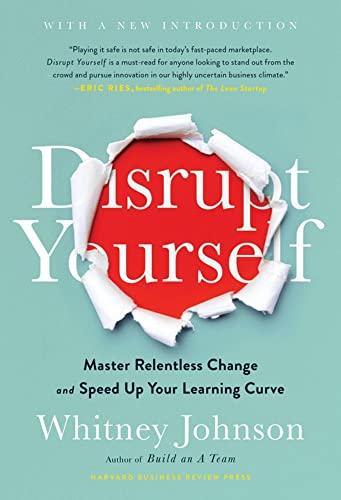
Master Relentless Change and Speed Up Your Learning Curve
Whitney Johnson's book, Disrupt Yourself, was discussed as a guide for personal and professional growth, emphasizing the idea of shaking things up to break free from self-imposed constraints and move towards one's full potential.
Her book, Disrupt Yourself: Putting the Power of Disruptive Innovation to Work, reveals how shaking things up enables us to break free of the constraints we might not even know we're imposing...
— Episode: 147. Disrupt Yourself: How to Innovate W...
Whitney Johnson's book, Disrupt Yourself, was discussed as a guide for personal and professional growth, emphasizing the idea of shaking things up to break free from self-imposed constraints and move towards one's full potential.
Her book, Disrupt Yourself: Putting the Power of Disruptive Innovation to Work, reveals how shaking things up enables us to break free of the constraints we might not even know we're imposing on ourselves.
"Personal disruption [is] a process of deliberate self-innovation; a decision to step back from who you are to slingshot into who you can be,"
And he talked about it in the context of products and services and companies and countries.
And he wrote a book called The Innovator's Dilemma.
It was popularized by Everett Rogers back in the 1960s, and he used it to understand how groups change over time. It's sometimes referred to as the adoption curve.
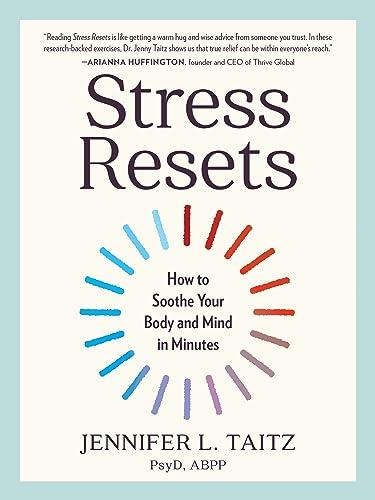
How to Soothe Your Body and Mind in Minutes
The book focuses on managing stress and offers practical tips for resetting your mind, body, and behavior to effectively cope with stress. It was written by clinical psychologist Jenny Taitz, who is also an assistant clinical professor in psychiatry at UCLA.
Your new book is all about managing stress, which as you know, is something we talk a lot about on this podcast. Our focus tends to be on the anxiety that comes with communication. You focus more broa...
— Episode: 146. Self-Talk Refresh: Change Your Inte...
The book focuses on managing stress and offers practical tips for resetting your mind, body, and behavior to effectively cope with stress. It was written by clinical psychologist Jenny Taitz, who is also an assistant clinical professor in psychiatry at UCLA.
Your new book is all about managing stress, which as you know, is something we talk a lot about on this podcast. Our focus tends to be on the anxiety that comes with communication. You focus more broadly.
Her newest book is Stress Resets, How to Soothe Your Body and Mind in Minutes.
The tools that I teach in my book really try to target resetting your mind, resetting your body and resetting your behavior.
I know your book is full of many of them, and I know you help your patients and friends, myself among them with some of these tools and tips.
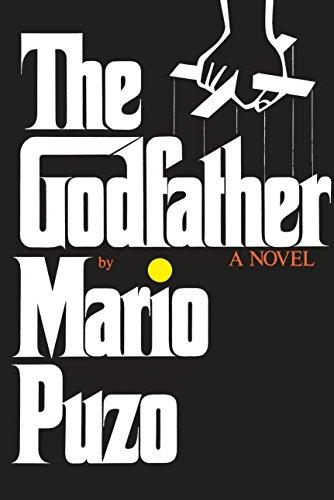
It was mentioned as a book that was adapted into a film. The example used was how the film's author, Francis Ford Coppola, would note the core purpose of each scene to maintain clarity.
Ford Coppola had this great thing when he was writing The Godfather and he printed it as a book all his notes every scene has something he calls the core so it might just be this pers...
— Episode: 156. Creative Communication: How Our Des...
It was mentioned as a book that was adapted into a film. The example used was how the film's author, Francis Ford Coppola, would note the core purpose of each scene to maintain clarity.
Ford Coppola had this great thing when he was writing The Godfather and he printed it as a book all his notes every scene has something he calls the core so it might just be this person has to meet this person and they have to realize they have a disagreement but he knows what the purpose of everything is.
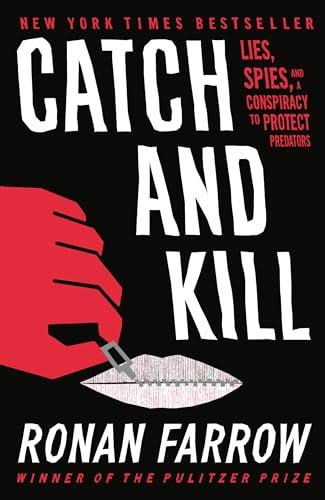
Lies, Spies, and a Conspiracy to Protect Predators
This book was mentioned as an example of how powerful people use money to hide misconduct, specifically referencing the intimidation of the media.
I mean, look at Harvey Weinstein. Read, you know, Catch and Kill. He intimidated the media and he got his misconduct hidden.
— Episode: 97. No Rules, No Trust: How Accountabili...
This book was mentioned as an example of how powerful people use money to hide misconduct, specifically referencing the intimidation of the media.
I mean, look at Harvey Weinstein. Read, you know, Catch and Kill. He intimidated the media and he got his misconduct hidden.
Note: The book recommendations on this page are discovered automatically from podcast transcripts, and may be incorrect or incomplete.
Podcast Name