9 Months That Count Forever
Jessie Inchauspe
Mentioned 4 months ago
Pregnancy Diet Expert: The Pregnancy Diet That Rewrites DNA! Why Pregnant Moms Are Being Lied To!

Steven Bartlett is a British entrepreneur, investor, and author. He’s the founder of Flight Story – a media company – and Flight Fund, an investment fund backing the next generation of category-defining businesses. He created The Diary Of A CEO to share the unfiltered pages of the personal diaries o...
Recently mentioned
Jessie Inchauspe
Mentioned 4 months ago
Pregnancy Diet Expert: The Pregnancy Diet That Rewrites DNA! Why Pregnant Moms Are Being Lied To!
Steven Bartlett
Mentioned 4 months ago
Uber CEO: At Uber, If You Don’t Perform, You’re Out! Uber Was Losing $3b A Year

Alex Honnold
Mentioned 5 months ago
The Greatest Climber Alive: I Shouldn't Have Attempted That Climb!
Jonathan Haidt
Mentioned 5 months ago
Brain Rot Emergency: These Internal Documents Prove They’re Controlling You!
Jonathan Haidt
Mentioned 5 months ago
Brain Rot Emergency: These Internal Documents Prove They’re Controlling You!
Dr. Aditi Nerurkar M.D.
Mentioned 5 months ago
Brain Rot Emergency: These Internal Documents Prove They’re Controlling You!
Jonathan Haidt
Mentioned 5 months ago
Brain Rot Emergency: These Internal Documents Prove They’re Controlling You!
The Bot Brains
Mentioned 5 months ago
Brain Rot Emergency: These Internal Documents Prove They’re Controlling You!
Stephen R. Covey
Mentioned 5 months ago
World No.1 Divorce Lawyer: This Is A Sign You’ll Divorce In 10 Years!
James J. Sexton
Mentioned 5 months ago
World No.1 Divorce Lawyer: This Is A Sign You’ll Divorce In 10 Years!
Charles Duhigg
Mentioned 5 months ago
World No.1 Divorce Lawyer: This Is A Sign You’ll Divorce In 10 Years!

Kahlil Gibran
Mentioned 5 months ago
World No.1 Divorce Lawyer: This Is A Sign You’ll Divorce In 10 Years!
The 33 Laws of Business and Life
The host repeatedly promoted his own new title throughout the season, announcing that it contained 33 laws for success in business and life and was available for purchase via the episode links. He and occasional guests cited the book as a useful resource for topics such as stress management, creativity during the manifestation phase, and personal growth. The overall tone was an enthusiastic endorsement, positioning the book as a key takeaway for listeners.
Dr. Mindy Pelz encouraged listeners to understand their partners' menstrual cycles and emphasized the importance of empathy and understanding the hormonal fluctuations that women experience throughout the cycle. The book was mentioned as a source of information about the 'manifestation phase' during ovulation, highlighting its potential for creativity and productivity.
And in the book, I called it the manifestation phase ovulation, because when all of those hormones come in, we can manifest anything we want.
It's a great time, like as an author, like I'm going to write during those five days because my creativity is going to be at its peak.
Simon Cowell mentions the book as his new book, and is out now.
My new book! 'The 33 Laws Of Business & Life' is out now - https://smarturl.it/DOACbook
Steven Bartlett's new book 'The 33 Laws Of Business & Life' is out now.
My new book! 'The 33 Laws Of Business & Life' is out now - https://smarturl.it/DOACbook
The book was mentioned by Steven Bartlett at the end of the podcast, but no details were given other than the title.
My new book! 'The 33 Laws Of Business & Life' is out now - https://smarturl.it/DOACbook
Steven Bartlett announced the release of his new book, "The 33 Laws Of Business & Life", during the podcast.
My new book! 'The 33 Laws Of Business & Life' is out now - https://smarturl.it/DOACbook
Steven Bartlett mentioned his new book, "The 33 Laws Of Business & Life", which is now out.
My new book! 'The 33 Laws Of Business & Life' is out now - https://smarturl.it/DOACbook
The podcast host's new book, The 33 Laws Of Business & Life, is now available. He mentioned it at the end of the podcast.
My new book! 'The 33 Laws Of Business & Life' is out now - https://smarturl.it/DOACbook
Steven Bartlett's new book was mentioned at the end of the podcast episode. He said that it is out now.
My new book! 'The 33 Laws Of Business & Life' is out now - https://smarturl.it/DOACbook
Steven Bartlett mentioned his new book, 'The 33 Laws Of Business & Life,' as being out now.
My new book! 'The 33 Laws Of Business & Life' is out now - https://smarturl.it/DOACbook
Steven Bartlett mentioned his new book, "The 33 Laws Of Business & Life", which was released recently.
My new book! 'The 33 Laws Of Business & Life' is out now - https://smarturl.it/DOACbook
Steven Bartlett announced that his new book 'The 33 Laws Of Business & Life' is out now.
My new book! 'The 33 Laws Of Business & Life' is out now - https://smarturl.it/DOACbook
The book's title was mentioned as a book that Steven Bartlett wrote.
My new book! 'The 33 Laws Of Business & Life' is out now - https://smarturl.it/DOACbook
Steven Bartlett mentioned his new book "The 33 Laws Of Business & Life" which is out now.
My new book! 'The 33 Laws Of Business & Life' is out now - https://g2ul0.app.link/DOACBook
Steven Bartlett mentions his new book during the outro of the podcast, 'The 33 Laws Of Business & Life' is out now.
My new book! 'The 33 Laws Of Business & Life' is out now -
Steven Bartlett's own book was advertised at the end of the episode, as a newly released paperback or hardback book.
My new book! 'The 33 Laws Of Business & Life' is out now -
The author was writing this book and was thinking about the concepts of knowledge and skills, their relationship and the order in which they are developed. He visualized five buckets representing the stages of personal and professional growth, starting with knowledge and skill, then progressing to resources, network, and reputation.
So the three keys to a better memory are... I've been thinking a lot about this in the book that I've been writing coming out soon called The Diary of a CEO, 33 Laws For Business And Life.
Okay, so I've got a book coming out as I said and there's 33 laws and I've been saying to myself, listen, you're going to at some point start really promoting this book. So you need to memorize all 33 laws.
The book was announced as newly published, described as the Diary of a CEO book and positioned as a mustread for anyone building something.
Ladies and gentlemen, The Diary of a CEO book is finally out. It's been published today. The 33 Laws of Business and Life. I've spent many years writing this book, but I've spent even longer about a decade and a half compiling the information that exists in this book.
The speaker announced the release of his new book, which is based on his learnings from his podcast, business career, and life experiences. It offers 33 laws for building success in business and life.
Two years ago I started writing a book based on everything I've learnt from doing this podcast and meeting all of the incredible people that I've had the privilege of meeting.
And from this I've created a brand new book called The Dairy of a CEO, The 33 Laws for Business and Life.
If you want to build something great, all become great yourself like the guests that I've sat here and interviewed. I ask you, please, please, please read these 33 laws.
The book I always should have written. If you like this podcast, this book is for you and it is available now in the description of this podcast below.
Steven Bartlett promoted his own book *The Diary Of A CEO*, mentioning that the 1% Diary edition had sold out and was being rereleased with new colors and updates.
We've made these 1% diaries and we released these last year and they all sold out, so I asked my team over and over again to bring the diaries back and also to introduce some new colours and to make some minor tweaks to the diary.
The episode promoted Steven Bartlett's own book, providing a purchase link and mentioning it as part of the show's branding.
Buy The Diary of a CEO book here - https://smarturl.it/DOACbook
The host referenced his own book The Diary of a CEO, noting that it is available for purchase and ties into the podcast's branding.
Buy The Diary of a CEO book here - https://smarturl.it/DOACbook
It was promoted as a book listeners could buy, and the host linked it along with the guests' books at the episode's close.
Unbreakable, the fertility formula, the new menopause. I believe you've got a new book on the way. The new perimenopause.
The hosts promoted the book, encouraging listeners to purchase it as part of the podcast's supplemental material.
Buy The Diary of a CEO book here - https://smarturl.it/DOACbook
The 1% Diary is back - limited time only: https://bit.ly/3YFbJbt
During the sponsor segment, listeners were invited to purchase his book, with a direct link provided.
Buy The Diary of a CEO book here - https://smarturl.it/DOACbook
The host promoted the book while inviting listeners to join a private community, encouraging them to explore the content further.
I'm inviting 10,000 of you to come even deeper into The Diary of a CEO.
Steven referred to his second book, noting that it contains "33 Laws of Business and Life" and urged listeners to check it out for deeper insight.
In my second book, The Diary of a CEO, 33 Laws of Business and Life
The book was promoted as a product that listeners could purchase, linking to a sales page for the title.
Buy The Diary of a CEO book here - https://smarturl.it/DOACbook
I highly recommend everybody goes and gets this book. It's going to be published in the U.S. here on the 13th of January and in the U.K. on the 15th? That's right. Yeah, Tuesday in the U.S., Thursday in the U.K.
Steven Bartlett promoted his book 'The Diary Of A CEO', urging listeners to purchase it as a tool for setting and achieving big goals.
We all have big goals that we want to accomplish. We call this in our team, the 1%, and this philosophy is highly responsible for much of our success. We have made these 1% Diaries and we released these last year and they all sold out. Now we have a better range for you, and you can get yours now at thediary.com where you can get 20% off our Black Friday bundle.
If you have a big goal in mind and you need a framework and a process and some motivation, then I highly recommend you get one of these Diaries before they all sell out once again.
It was promoted as a published book by the host of the podcast.
Buy The Diary of a CEO book here.
Steven Bartlett mentioned the book while promoting the podcast, urging listeners to buy it as part of the show's offerings.
Buy The Diary of a CEO book here
The host mentioned that listeners could purchase the paperback/hardcover version of his book during the episode.
Buy The Diary of a CEO book here - https://smarturl.it/DOACbook
The Diary of a CEO Conversation Cards (Second Edition) were also listed, but they were not a published book.
The diary was mentioned as a published book that listeners could purchase and was referenced as part of the host's successful product line.
Buy The Diary of a CEO book here - https://smarturl.it/DOACbook
I've made 1% diaries and they sold out fast, so I'm encouraging people to get one before they disappear again.
Steven Bartlett referenced the book The Diary Of A CEO, noting that it has sold millions of copies and that David Bach had the book in hand during the interview.
I have your book, A Diary of the CEO, which is also sold millions of copies.
The host mentioned purchasing his own book, 'The Diary Of A CEO,' which is available to buy.
Buy The Diary of a CEO book here: https://smarturl.it/DOACbook
The host promoted the book, providing a link for listeners to purchase it.
Buy The Diary of a CEO book here - https://smarturl.it/DOACbook
The episode promoted Steven Bartlett's own book "The Diary Of A CEO," providing a link for listeners to buy it.
Buy The Diary of a CEO book here - https://smarturl.it/DOACbook
The Diary of a CEO:
The host announced the book and encouraged listeners to purchase it as a resource for personal and professional growth.
Buy The Diary of a CEO book here - https://smarturl.it/DOACbook
The Diary of a CEO Conversation Cards (Second Edition): https://g2ul0.app.link/f31dsUttKKb
Brain, Mind, and Body in the Healing of Trauma
The book was brought up in several episodes as a key resource for understanding how trauma is stored in the body and influences both mental and physical health. Hosts such as Dr. Mark Hyman, Busta Rhymes, and Dr. Gabor Mate highlighted its insights, noting its relevance to topics ranging from nutrition's effect on psychology to using acting as therapeutic escape. Overall, the podcast consistently praised the title as a valuable guide for listeners dealing with stress, burnout, and trauma.
This book talks about how trauma is registered in the body and how your biography becomes your biology, and it works both ways, meaning if you have a bad diet or nutritional deficiencies it can also affect your mental health.
there's a book called the body keeps score and Carolyn Mase it was sort of a mystic said your biography becomes your biology it works the other way too from up down right and it's a biography if you're eating crap and you're nutritionally deficient and you have all these health issues and mercury poisoning that can affect your mental health too in your story but we know really clearly that your trauma is influencing your biology
Busta Rhymes mentioned this book in relation to how the body manifests psychological issues. He stated that he saw the effects of his struggles in his physical appearance before he acknowledged them mentally.
There's this book called The Body Keeps the Score but the title is just the thing that I've actually gained the most from it just says that when there's things going on in our psychology and our mind the body will show it yeah man.
She said she had read the book, noting it explained how acting, movement, and yoga can act as natural antidepressants without medication. She linked its ideas to her own experience of acting as a therapeutic outlet.
I read this book called the body holds the score then if you've ever heard of it and one of the most fascinating things about it is it talks about how acting and moving the body and like yoga have been proven to be the best forms of uh antidepressant like without you know taking SSRIs or anything they've been proven to and I remember thinking acting is a great antidepressant how is that possible but what you're saying now rings it talks
Unlocking the Power of Sleep and Dreams
The host highlighted the book as a bestselling authority on sleep science and encouraged listeners to buy it, while another episode described it as a roadmap for improving sleep, health, and happiness. In a later conversation, the author explained how caffeine disrupts deep sleep and impacts cardiovascular, immune, and metabolic systems, reinforcing the book’s emphasis on the importance of quality sleep. Overall, the podcast presented the title as essential reading for anyone looking to understand and optimize their sleep.
The author, a sleep expert, discussed the negative impacts of caffeine on sleep, such as lengthening sleep latency, adenosine buildup causing a caffeine crash, and reduction in deep sleep. He emphasized the importance of deep sleep for various bodily functions but did not advocate for complete caffeine abstinence.
Caffeine has a quarter life of somewhere between 10 to 12 hours. So if you have a cup of coffee at noon at midday, a quarter of that caffeine is still in your brain at midnight.
Caffeine will actually race into your brain and it will latch on to the adenosine receptors, the welcome sites in your brain. And it has very sharp elbows and it will force away the adenosine from those receptors and it will hijack those receptors.
it will strip away your deep sleep by about somewhere between 15 to 30%
deep sleep is critical for regulating your cardiovascular system. It's the time when we do replenish the immune system. It also regulates your metabolic system.
I am not here to tell anyone how to live their life. I have no right to tell anyone how to live the life. I'm just a scientist.
The host highlighted the book as a bestseller that establishes Matthew Walker's authority on sleep science and encouraged listeners to purchase it via an Amazon link.
Dr Matthew Walker ... is a bestselling author of 'Why We Sleep: The New Science of Sleep and Dreams'.
I remember when you first went on Joe Rogan's show, the amount of my friends that sent me that episode and then sent me your book was just staggering.
The host cited the book as a key influence on public awareness of sleep importance and its scientific grounding.
Matthew Walker's book, Why We Sleep, has played a huge part in that.
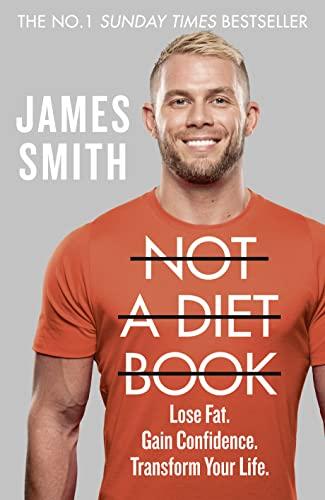
Take Control. Gain Confidence. Change Your Life.
The host invited James Smith back to discuss his first publication, noting that it was created after years in the fitness industry to debunk diet myths and focus on confidence. James explained that he chose to avoid a traditional diet guide and instead broke down the concepts into a confidence‑focused framework, positioning the book as a precursor to his later work on broader life issues. The discussion highlighted the book’s aim to help readers take control of their habits and build self‑esteem.
James explained that his first published work was titled Not a Diet Book, created after years in the fitness industry and intended to break down diet myths into a confidencefocused guide.
When I messaged you the other day and said, if you're ever back in London, I'd love to have you back on. And then I learned you'd written a book about confidence. Why did you write a book about confidence? ... the first book, Not a Diet Book.
And kind of by the end of it, through my own journeys, I was like, I could teach people about this. And I didn't want to write a diet book system. I was like, let's, you know, break down everything and put it into a book.
This was mentioned as James Smith's first book, which preceded his second book, suggesting it focused on dieting principles. He later realized that foundational life issues needed addressing before focusing on calorie deficit, which prompted the second book.
I wrote the first book, Not a Diet Book. And then I realized there was a precursor.
James said he wrote his first book, not a diet book, indicating it was an early publication in his author career.
I wrote the first book, Not a Diet Book.
James said he had written his first book, Not A Diet Book, and reflected on its creation.
I wrote the first book, Not a Diet Book.
How the Great Rewiring of Childhood Is Causing an Epidemic of Mental Illness
The book was highlighted as a pivotal analysis of teen mental health, emphasizing how social media fuels anxiety and erodes attention. It was praised by multiple guests for raising public awareness among parents and schools and for capturing the pervasive anxiety, depression, and addiction affecting the current generation. The hosts consistently presented it as an essential reference for understanding the mental health challenges of youth.
Scott Galloway mentioned this book, written by his colleague at NYU, as capturing the sentiment of the current generation, particularly regarding anxiety, depression, obesity, and addiction.
My colleague at NYU wrote this book that's This is the book. We wish we'd written The Anxious Generation Jonathan Hyde.
Tristan Harris noted that Jonathan Haidt's *The Anxious Generation* has mobilized parents and schools, highlighting its impact on public awareness of mentalhealth issues linked to technology.
We're seeing the success of people like Jonathan Haidt and his book, The Anxious Generation.
He said he had written the book focusing on teen mental health and that it was released in 2024, highlighting how social media fuels anxiety and erodes attention.
yeah, because I wrote a whole book called The Anxious Generation, focusing on teen mental health. That was the mystery that popped up in the mid 2000s.
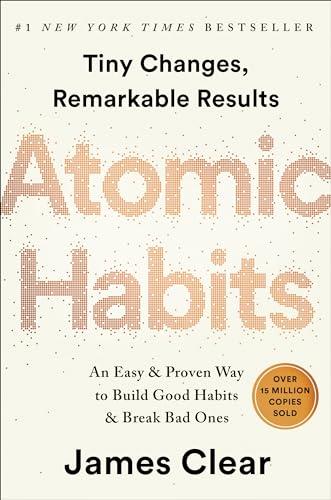
An Easy & Proven Way to Build Good Habits & Break Bad Ones
The book was repeatedly praised as the premier habit guide, with hosts emphasizing its rule about never missing two consecutive days and its habit‑stacking technique. It was described as a bestseller that had shaped tens of millions of lives and was credited by a guest for dramatically improving his personal routines. Overall, the podcast presented it as a must‑read for anyone looking to build lasting habits.
Oz mentioned that reading "Atomic Habits" had a huge impact on his personal development and habit formation. He credited the book with helping him embed positive routines.
For example, Atomic Habits had a huge impact on me.
It was highlighted as the best habit book of all time, with a key rule that missing two days in a row should be avoided to maintain consistency.
James Clear has been on my show... Best habit book of all time, Atomic Habits. Of all of the things, there's only two that have really, really, really stuck. This is the best rule when it comes to habits. Never miss two days in a row.
It was described as a bestselling habit book that had shaped tens of millions of lives.
from Atomic Habits is it's easier to build a new habit if you stack it on top of the habit you're already doing.
one particular thing you wrote called Atomic Habits is one of the bestselling books in history.
And it's funny because the book has shaped tens and tens and tens of millions of lives.
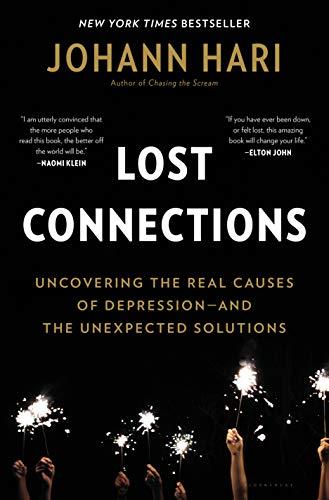
The book was repeatedly highlighted as a key resource for understanding how disconnection fuels mental‑health problems. Steven Bartlett and his co‑host praised it as one of their favorite and top‑recommended titles, noting that it transformed their view of depression. Johann Hari himself endorsed it during his own episode, emphasizing its impact on perspective. The overall tone was strongly positive, presenting the book as essential reading.
The host referred to the book as one of his favorites that explains how disconnection underlies many mental health issues.
Johan Hari talks about in his book, Lost Connections, is one of my favourite books.
It was highlighted as the host's top recommendation and as a work that changed his perspective on depression and mental health.
It's probably the number one book I recommend and you've heard me recommend on this podcast. The book Lost Connections.
especially this one especially Lost Connections which is one of my alltime favorite books by the way
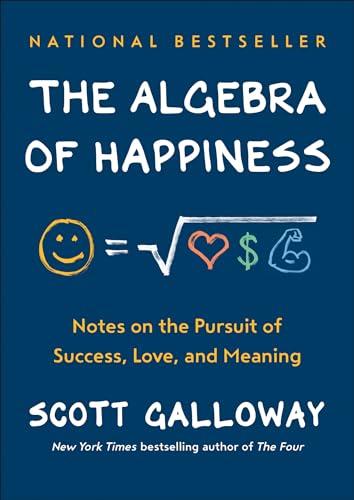
Notes on the Pursuit of Success, Love, and Meaning
Scott Galloway highlighted the book as one of his best‑selling titles and noted that it had been optioned for an R‑rated series, reflecting personal aspects of his life. His remarks across both episodes positioned the title as a noteworthy work for listeners interested in success, love, and meaning.
Scott Galloway mentioned this book, as well as "The Four" and "The Algebra of Wealth", as examples of his best-selling books.
Scott Galloway is a Professor of Marketing at the New York Stern School of Business and host of the 'Pivot' podcast about technology and business. He is also the best-selling author of books such as, 'The Algebra of Happiness', 'The Four', and 'The Algebra of Wealth'.
He referred to his book's third section on health, noting that CEOs commonly exercise regularly and that staying fit acts as an antidepressant.
in your book The Algebra of Happiness the third section is about health ... you said the most common trait among CEOs is that they exercise regularly and it's a great antidepressant.
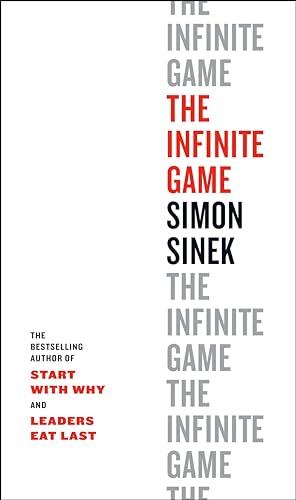
The book was highlighted by both Simon Sinek and host Steven Bartlett as a framework for shifting from short‑term, finite thinking to a sustainable, long‑term perspective. Bartlett explained that reading it inspired him to redesign his company around three pillars—work, welfare, and wealth—to ensure lasting success. The discussion emphasized the book's practical impact on business strategy and leadership.
Simon Sinek also discussed "The Infinite Game", a book he wrote that explores how to approach challenges in a long-term and sustainable way.
Simon Sinek is a renowned leadership expert and the founder of 'The Optimism Company', which provides programmes for leadership development. He is also the best-selling author of the books, 'Start With Why', 'Leaders Eat Last', 'The Infinite Game', and 'Find Your Why'.
You can purchase Simon's book, 'The Infinite Game', here: https://amzn.to/4bYWNte
So for example, if I'm introducing finite infinite games, right. I will say something like during the Vietnam War most people don't realize that the United States actually won most of the battles it fought.
The book was discussed in relation to how it changed the speaker's thinking about business sustainability and led him to create a strategy based on three key areas: work, welfare, and wealth. It encouraged a shift in perspective from playing a finite game to an infinite game.
When I read your book The Infinite Game, one of the big things it changed in my life was I remember I was on a plane. I read the book, started writing some stuff, came back to our office in the UK and I did a big presentation to all my teams about how we create a sustainable company because if what you're talking about in the book is true then and we're not playing a finite game here. How do we redesign the business from the ground up so that it is fundamentally sustainable?
Yeah, I came up with this thing called WWW. Work, welfare and wealth which is the three reasons why we exist. We made 2020 goals, so this was in 2019, 20 goals before 2020 for each of these areas and I'm thinking about it again a lot now which is like if I was to design my business in a way where my team members would stay working here forever, how would I go about that? You've just answered it by saying the point about honesty.
Bartlett mentioned that reading Sinek's book The Infinite Game had a big impact on his life and sparked a deeper conversation about sustainable business practices.
when I read your book The Infinite Game one of the big things that changed in my life was I remembered I was on a plane, I read the book, started writing some stuff, came back to the office and did a big presentation to all my teams about how we create a sustainable company because if what you're talking about and the book is true then we are not playing a finite game here.
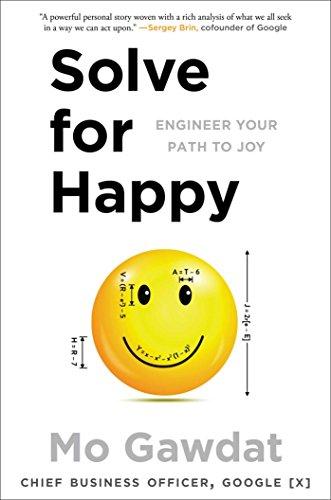
Engineer Your Path to Joy
The title was highlighted by Steven Bartlett and Mo Gawdat across three episodes, where it was introduced as a bestseller that offers a concrete equation for happiness and actionable steps to improve well‑being, especially for those facing burnout. The discussion emphasized its practical relevance and positioned it as a valuable resource for listeners seeking a systematic approach to joy.
It was mentioned that Mo Gawdat is a bestselling author and that he has written a book, however the book's title was not specifically stated in the transcript. Therefore the book must be 'Solve for Happy' which is the only book he has written.
So I issue a beta version and I get 270 people. I don't know why to say people. Fascinating.
And I looked into the information that they gave me about themselves, the early readers and most of the 8% that left were already in the pressure.
So, I was teaching, you know, when before lockdown, I taught a lot of people in workshops and seminars more than 20,000 people.
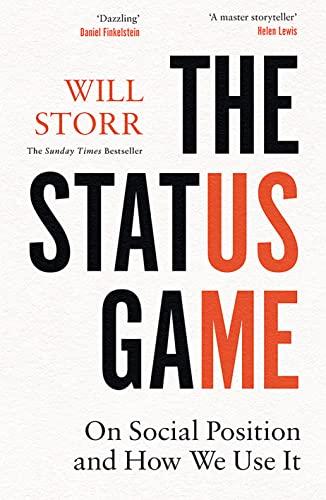
The hosts referenced the book while discussing human status seeking and its impact on modern challenges like dopamine addiction and burnout. They noted that it explored how status drives behavior, aligning with the episode themes, but did not elaborate further or endorse it strongly.
Steven referred to an author who had written a book called Status.
He wrote a book called Status.
Will's latest book, The Status Game, was praised as a profound, eyeopening guide to how status drives health, behavior and society, offering practical ways to navigate status pursuits.
Your 2021 book, The Status Game. This is the book that when I was reading through all of my notes, I have by far the most amount of notes on. Great. Because maybe it's just, you know, the way I'm compelled or whatever, but it was really, really fascinating and felt very relevant.
The Status Game is one of those that isn't tremendously illuminating because it explains so much. It turned on a light in a huge room that I didn't even know was there.
I've had a lot of people specifically, cause you've had a few conversations with some friends of mine really raving about this book. So I highly recommend everybody checks it out.
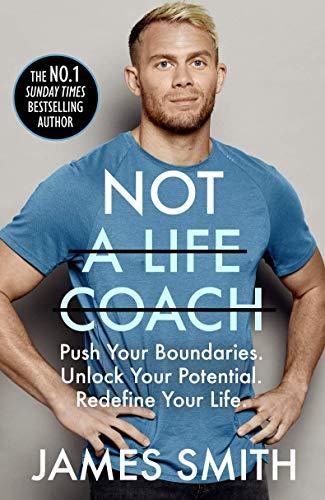
Push Your Boundaries. Unlock Your Potential. Redefine Your Life.
The book was highlighted by James Smith as his second work, expanding on his first book and focusing on work‑life balance, confidence, and his direct fitness philosophy. He described it as a bestseller that encapsulated his unapologetic approach and reinforced the ideas discussed in the podcast. The discussion presented the title as a key resource for listeners seeking to push their boundaries and unlock potential.
James said the second book he wrote was titled Not a Life Coach, which built on the ideas from his first book and explored his worklife balance and confidence topics.
And kind of by the end of it, through my own journeys, I was like, I could teach people about this. And I didn't want to write a diet book system. I was like, let's, you know, break down everything and put it into a book. Then the second book offer, I was like, I can't do another one. If I'd written a second book about fitness, it would have said a lot about the first.
And wrote the second book, a lot of the things we spoke about in that last podcast were based off Not a Life Coach.
James Smith authored this bestselling paperback that challenged conventional fitness advice and was highlighted as his first published work.
I wrote the first book, not a diet book.
James' book: https://www.amazon.co.uk/Not-Life-Coach
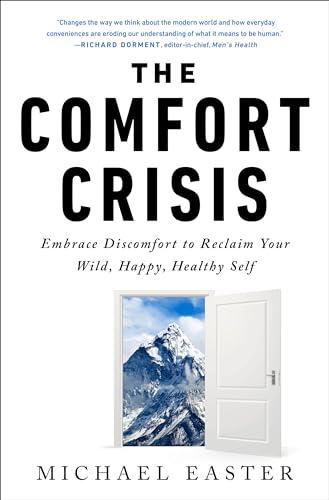
Embrace Discomfort To Reclaim Your Wild, Happy, Healthy Self
The author spent 33 days in the Arctic to experience various forms of discomfort that humans would have experienced in the past, then explained the science behind them. The book explores the negative impacts of modern comfort on human health and happiness.
The overarching narrative of that book is I spent 33 days in the Arctic.
— Episode: The Exercise Expert: This Popular Lifest...
The author spent 33 days in the Arctic to experience various forms of discomfort that humans would have experienced in the past, then explained the science behind them. The book explores the negative impacts of modern comfort on human health and happiness.
The overarching narrative of that book is I spent 33 days in the Arctic.
As people experience fewer and fewer problems, we don't become more satisfied. We simply start searching for the next problem.
In chapter 13 of your book, I think it's chapter 13 where you start to talk about how that is both bad for people's anxiety, depression, and productivity.
The human body is good at two things. One of them is running long distances relatively slowly. The other thing that we are good at is carrying things for distance.
Humans evolved to be good at two things. One of them is running long distances relatively slowly...But the other thing that we are good at is carrying things for distance.
The host noted the book on the guest's bookshelf and gave it a shoutout, calling it a great book by Michael.
I saw on your bookshelf at home, there's a book called The Comfort Crisis. Oh, yeah. And that just flashed in front of me as you were saying that. Yeah, shout out. Michael, it's a great book.
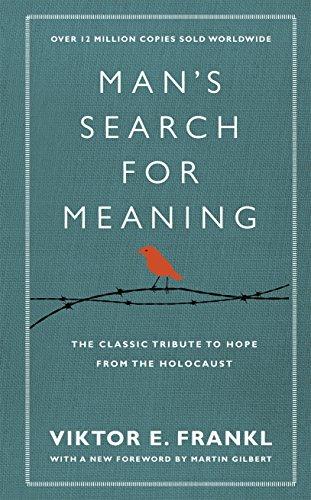
The classic tribute to hope from the Holocaust (With New Material)
Logan Ury described Man's Search for Meaning as supporting the idea of creating more space between an action and a reaction, and that choosing a different reaction is how we grow and overcome negative behavioral trends.
And honestly, if you look at all of the mindfulness stuff, if you look at the work of Viktor Frankl and Man's Search For Meaning, so much of it is this idea of creating more space bet...
— Episode: Moment 150: The REAL (& Usually Unseen)...
Logan Ury described Man's Search for Meaning as supporting the idea of creating more space between an action and a reaction, and that choosing a different reaction is how we grow and overcome negative behavioral trends.
And honestly, if you look at all of the mindfulness stuff, if you look at the work of Viktor Frankl and Man's Search For Meaning, so much of it is this idea of creating more space between an action and a reaction.
And if you can extend that space and choose a different reaction, that's where the growth comes from.
And that's how we can overcome these negative behavioral trends.
Simon Sinek mentioned the title as a perennial favourite that he would name when asked about books on his bedside table.
I would name one of the books, or I'd just name one of my perennial favorites. Like, oh, Man's Search For Meaning, you know?
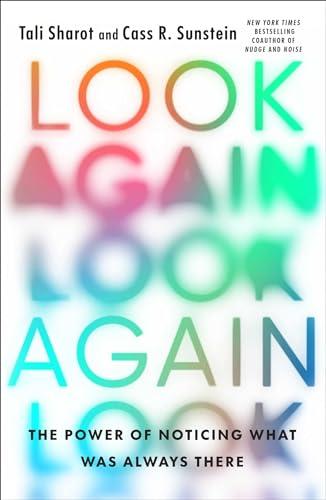
The Power of Noticing What Was Always There
Dr. Sharot, a neuroscientist, mentioned her new book, "Look Again: The Power of Noticing What was Always There", which explores the importance of recognizing what's been present all along.
You can pre-order Dr. Sharot's new book, 'Look Again: The Power of Noticing What was Always There', here: https://amzn.to/3SEbVp5
— Episode: Moment 151: Neuroscientist Reveals The 3...
Dr. Sharot, a neuroscientist, mentioned her new book, "Look Again: The Power of Noticing What was Always There", which explores the importance of recognizing what's been present all along.
You can pre-order Dr. Sharot's new book, 'Look Again: The Power of Noticing What was Always There', here: https://amzn.to/3SEbVp5
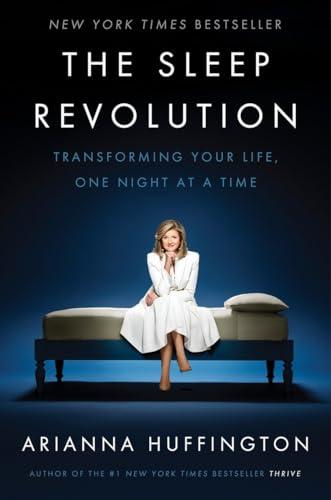
Transforming Your Life, One Night at a Time
The book was discussed during Arianna Huffington's interview, where she highlighted her own burnout episode and how it led her to champion the importance of sleep for health and success. She explained that the title explores the science behind sleep deprivation and offers a roadmap for improving well‑being, positioning sleep as a key antidote to burnout. The conversation presented the book as a valuable resource for anyone seeking to transform their life through better rest.
The podcast touched on the book's central theme of the importance of sleep for overall well-being and success, referencing Huffington's personal experience with burnout and the science behind sleep deprivation.
And then I was literally diagnosed with burnout. It was unnecessary suffering.
I literally woke up that morning went to CNN to do a news hit came back and sat at my desk felt cold and got up to go get a sweater and collapsed and hit my head on my desk broke my cheekbone and came to in a little pool of blood and that was the beginning of a journey of going from doctor to doctor from echocardiogram to MRI to find out what was wrong with me because literally people thought that she had a heart defect a brain tumor why did she just collapse and then I was literally diagnosed with burnout now 2007 burnout was not a term much in use but it turned out to be an incredible gift because I decided that I really now wanted to make this part of my life help the world see that this epidemic of burnout that I started seeing was everywhere was completely unnecessary it was unnecessary suffering that we didn't need to to buy into this collective delusion in order to succeed.
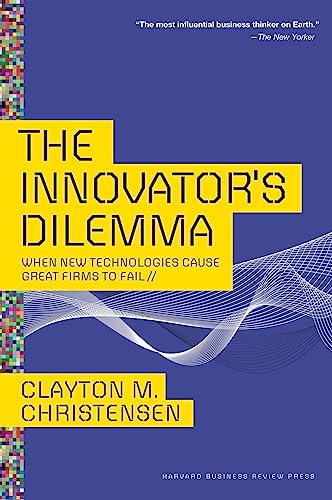
When New Technologies Cause Great Firms to Fail (Management of Innovation and Change)
Arianna Huffington referenced the book as one of her favorites, using it to illustrate how highly successful incumbents often overlook disruptive opportunities because of their existing success. She explained that this dynamic allowed the Huffington Post to enter the market as a scrappy, unencumbered challenger. The discussion highlighted the book's insight into why established firms fail to innovate, and it was presented in a strongly positive light.
Arianna Huffington referenced this book by Clayton Christensen. She used it to explain how established, successful companies sometimes miss opportunities for innovation because of their existing success.
the Clay Christensen book the innovators dilemma yes one of my favorite books it's amazing so you know if the New York Times had done then what it's doing now so successfully you know having a great digital presence there would have been no room for the Huffington Post so basically that's the innovators dilemma super successful incumbents miss the moment because they're super successful incumbents
The book was referenced in relation to the Huffington Post's success. Huffington explained how established companies, like the New York Times, could miss opportunities due to their existing success and resistance to change, thus opening the door for disruptive innovations like the Huffington Post.
I think the mistake often is you build something successful and you stay there and we never stayed there like we launched with politics and news but very quickly we had a dozen other verticals including sleep we had a vertical on sleep we had lifestyle verticals with sports verticals with gay vertical so we kept expanding and then we built our journalism operation we won a Pulitzer we launched in 18 countries so it was a constant expansion and what happened is that again you know the Clay Christensen book the innovators dilemma yes one of my favorite books it's amazing so you know if the New York Times had done then what it's doing now so successfully you know having a great digital presence there would have been no room for the Huffington Post so basically that's the innovators dilemma super successful incumbents miss the moment because they're super successful incumbents yeah and you were young you were scrappy as a company so you could you weren't encumbered by an old way of doing things and old revenue models you could come into the market with a fresh new idea and off it went and it went so far went to the UK and I was 18 years old when I applied to write on the Huffington Post yes amazing I got accepted and I submitted how many articles maybe four or five articles that got published on there but I want to talk about business I want to talk about building a business and what you learned about building a business from the rise of the Huffington Post what are the most important if I was one of your daughters and I came to you I said mum listen I want to build a business and I want it to be even bigger than the Huffington Post grew to be what are the most important things I be thinking about to be successful so I would now start with the founder or the CEO which is put your own oxygen mask on first very often you know you're a founder you think I need to stay up Steven is that you no we talking about didn't we talk about I get asleep every day I need to stay up all day and night sleep with my phone in case something happens in the middle of the night and all the science now makes it very clear that when we are depleted we are going to make bad decisions it's so funny because one night I was at a dinner and Jeff Bezos I that was when I was writing my book on sleep and so I was asking everybody about their sleep habits so I asked him what his sleep habits and he said I sleep eight hours a night and I said you do tell me about it why he said because I'm judged by the quality of my decisions not the quantity of my decisions and and I have noticed the difference because he's very data driven when I have six hours of sleep my decisions are not as good so I said you must write about it he said which I used to say to everybody who knows and and he said no no no no I said I'm a private man I don't need to write about it I said please write about it it's not for you it's going to help so many people who want to be you to realize that they don't need to be sleep deprived and exhausted so I literally bugged him texted him for like three months until finally he wrote about it I think to get me off his back and it was amazing he wrote about it on thrive that we had just launched thrive it was everywhere CNBC the Wall Street Journal he was one of the first CEOs to write about sleep as a performance multiplier a productivity multiplier since then you know Satya Natela has written about it a lot of CEOs have written about a lot of founders in Silicon Valley now people have gone from bragging about how sleep deprived they are I'm wearing my order ring you're looking now yeah you're wearing your hoop and you're an investor I love it's fantastic so everything has changed but it's changed very fast 2016 when I wrote the book people were still bragging about sleep deprivation you know sleep deprivation well I do I mean I collapsed but from sleep deprivation and from buying into this collective delusion that in order to succeed it was two years into building the Huffington Post I was the divorced mother of two little girls and I had bought into this delusion that in order to be super founder and super mom I didn't have the luxury to take care of myself.
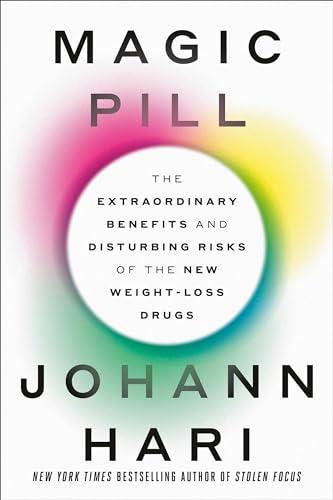
The Extraordinary Benefits and Disturbing Risks of the New Weight-Loss Drugs
The book was referenced as a source of insight into how Ozempic influences appetite and food choices, with one expert noting that the author still ate the same unhealthy foods, just in smaller amounts, and praised the book's scientific breakdown of reward pathways. The author later appeared on the podcast to elaborate on his year-long experience with the drug and his worldwide interviews, providing a detailed look at both the benefits and risks. Overall, the discussions highlighted the book's relevance to understanding the complexities of weight‑loss drugs without presenting it as a definitive endorsement.
Dr. Moore referenced Johan Hari's book "The Magic Pill" and his podcast appearance on "The Diary of A CEO", in which he discussed the importance of diet in weight loss. Dr. Moore noted that Hari's experience with Ozempic showed that it did not change his food choices, even though it suppressed his appetite, which she believes is a common issue.
And I've heard Johan Hari on your show talk about this. And he had a beautiful book that he wrote, his Magic Pill book. He talks about that. He found himself about five or six months in and he was still just eating the same crap. He was just eating less of it.
And Johan actually talks about this in his book and he does a nice job of breaking down the science there on it. They looked at rats and they thought, okay, well if this is just crushing the reward system, then it would crush all the reward systems. But it's not crushing libido for people and it's not crushing some of the other reward seeking behaviors. It just seems to be crushing many of the ones that are pathologic or not so great for our health in the long run. And he actually talks about a study that I've read as well where they took rats and they gave them sort of that like yummy emulsion of that sweet, sugar, salty deliciousness. And then they gave them rat chow and when they put them on some acclutide, they stopped seeking out the yummy devastation. I mean, that emulsion is what makes you become very metabolically compromised. And they still ate the rat chow. They still went for... They went for the healthy food. I don't know how healthy rat chow is. That's debatable. But they went for the more nutritionally dense food and they actually stopped seeking out the pleasure food.
30th Anniversary Edition (The Covey Habits Series)
Steven Bartlett referenced the book alongside The Power of Habit, noting that seeing it on a table signaled a focus on personal effectiveness. In a later conversation about self‑improvement, Chris Williamson cited it as a source of valuable insights for building better habits. Both hosts highlighted its relevance for achieving success and confidence, indicating strong endorsement.
He referenced it alongside The Power of Habit as a book he might see on a table, implying its relevance to personal effectiveness.
If you walk in and you see a book, you know, the power of habit by Doring or the seven habits of highly effective people, I would go, oh, look at Stephen. He's still so successful.
Note: The book recommendations on this page are discovered automatically from podcast transcripts, and may be incorrect or incomplete.
Podcast Name