9 Months That Count Forever
Jessie Inchauspe
Mentioned 4 months ago
Pregnancy Diet Expert: The Pregnancy Diet That Rewrites DNA! Why Pregnant Moms Are Being Lied To!

Steven Bartlett is a British entrepreneur, investor, and author. He’s the founder of Flight Story – a media company – and Flight Fund, an investment fund backing the next generation of category-defining businesses. He created The Diary Of A CEO to share the unfiltered pages of the personal diaries o...
Recently mentioned
Jessie Inchauspe
Mentioned 4 months ago
Pregnancy Diet Expert: The Pregnancy Diet That Rewrites DNA! Why Pregnant Moms Are Being Lied To!
Steven Bartlett
Mentioned 4 months ago
Uber CEO: At Uber, If You Don’t Perform, You’re Out! Uber Was Losing $3b A Year

Alex Honnold
Mentioned 5 months ago
The Greatest Climber Alive: I Shouldn't Have Attempted That Climb!
Jonathan Haidt
Mentioned 5 months ago
Brain Rot Emergency: These Internal Documents Prove They’re Controlling You!
Jonathan Haidt
Mentioned 5 months ago
Brain Rot Emergency: These Internal Documents Prove They’re Controlling You!
Dr. Aditi Nerurkar M.D.
Mentioned 5 months ago
Brain Rot Emergency: These Internal Documents Prove They’re Controlling You!
Jonathan Haidt
Mentioned 5 months ago
Brain Rot Emergency: These Internal Documents Prove They’re Controlling You!
The Bot Brains
Mentioned 5 months ago
Brain Rot Emergency: These Internal Documents Prove They’re Controlling You!
Stephen R. Covey
Mentioned 5 months ago
World No.1 Divorce Lawyer: This Is A Sign You’ll Divorce In 10 Years!
James J. Sexton
Mentioned 5 months ago
World No.1 Divorce Lawyer: This Is A Sign You’ll Divorce In 10 Years!
Charles Duhigg
Mentioned 5 months ago
World No.1 Divorce Lawyer: This Is A Sign You’ll Divorce In 10 Years!

Kahlil Gibran
Mentioned 5 months ago
World No.1 Divorce Lawyer: This Is A Sign You’ll Divorce In 10 Years!
A New Translation (Modern Library)
The hosts highlighted the book as a source of Stoic wisdom, noting its frequent quotations on the common good and Marcus Aurelius' final reflections. Ryan Holiday was cited as having been profoundly impacted by the title, praising its timeless, universal lessons despite being personal notes. Overall, the podcast presented the work as a highly valuable guide for personal discipline and perspective.
It was discussed how this book changed Ryan Holiday's life, and its timeless and universal wisdom, despite being personal notes not initially intended for publication.
remember, tolerant with others, strict with yourself.
the impediment to action advances action. What stands in the way becomes the way.
The hosts referred to the book as a source of Stoic wisdom, noting that it is quoted many times for its teachings on the common good and that Marcus Aurelius' own last words appear in its pages.
Mark Surrealist talks about the common good, maybe 40, 50 times in Meditations. Um, you know, he says like, we're, we're put here for other people.
We know Marcus Aurelius' sort of last words, his last words in Meditations are about sort of, hey man, this is the play. It only got three acts. The curtain's coming down. Did you do a good job?
![Sapiens [Tenth Anniversary Edition]: A Brief History of Humankind Cover](https://media.podcastbookpicks.com/books/563.jpg)
A Brief History of Humankind
Steven Bartlett discussed the book in two episodes, first referring to its ideas about how stories shape perception and influence societal narratives, and later noting its status as a bestseller that explains humanity’s evolution and future prospects. He highlighted the book’s impact on millions of readers and even promoted the pre‑order of its tenth anniversary edition. The overall tone was enthusiastic and supportive of the title.
The book, which has been translated into 65 languages and sold over 45 million copies, explores the history of humanity and how we evolved to become the dominant species on Earth. It was mentioned as a bestselling book written by Yuval Noah Harari, a renowned historian and author.
He has shown millions of readers how humans have evolved to where we are now, but what does the future hold for us as a species?
He is best known for his bestselling books, 'Sapiens: A Brief History of Humankind', 'Homo Deus: A Brief History of Tomorrow' and '21 Lessons for the 21st Century'.
You can pre-order the 10th anniversary edition of 'Sapiens', here: https://bit.ly/48JVQ6c
It was discussed in relation to stories and narratives, particularly how they can influence people's perceptions and behaviors. The impact of stories was mentioned, as well as narratives regarding topics like immigration.
I was thinking about sapiens and the role that stories play in engaging our brains.
And in America, obviously the same narrative of the wall and the southern border, they're crossing our border in the millions. It's their rapists. They're not sending their good people. They're coming from mental institutions has galvanized people together.
Finding Balance in the Age of Indulgence
The book was highlighted as essential reading for understanding dopamine overabundance and addiction, with the host calling it iconic and recommending its companion workbook. Andrew Huberman also cited it as a valuable resource for explaining dopamine peaks and troughs and their impact on mood. Both speakers praised its nuanced, empathetic approach and presented it as a key solution for those feeling trapped by dopamine-driven behaviors.
Huberman cited Anna Lemke's book, "Dopamine Nation," as a helpful resource for understanding dopamine dynamics and the effects of dopamine peaks and troughs on mood and behavior. He referenced her work in explaining the concept of a "seesaw" effect with dopamine.
So my colleague at Stanford, Dr. Anna Lemke, who runs our dual diagnosis addiction clinic and wrote the wonderful book Dopamine Nation, described this best.
That trough is a state that can last a long time. And it's how long it's proportional to how high that peak in dopamine was. Not how long, but how high that peak in dopamine was. And when you're in that trough, that dopamine depleted state, typically what people do is they try and go out. Or access things that are going to reactivate the dopamine circuitry. And all it does is drive them further and further and longer and longer into that trough.
The host highlighted that Dr. Lembke authored this iconic book about dopamine, describing it as essential reading for understanding overabundance and addiction.
You wrote this iconic book about this word dopamine. Why does it matter so much?
Your book is the book to read, and your workbook as well is critical to read alongside it.
These books provide a really, I'd say, nuanced, empathetic, and shameavoiding set of ideas and solutions to some of the things that hold us hostage in our lives.
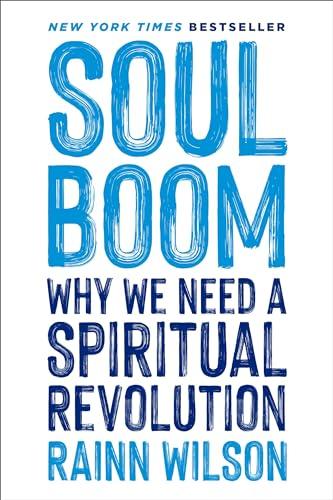
Why We Need a Spiritual Revolution
Rainn Wilson appeared on the show to talk about his new title, explaining that his father's death sparked a search for a spiritual revolution and a transcendent experience he described as clearing the "static" from life. He emphasized the idea that we are spiritual beings having a human experience, positioning the book as a guide to deeper meaning. The discussion highlighted the personal and philosophical motivations behind the work, presenting it as a compelling read for listeners seeking spiritual insight.
Rainn Wilson discussed his new book, "Soul Boom," which explores spirituality and the need for a spiritual revolution. He mentioned his father's death as a catalyst for writing the book and a profound spiritual experience related to it.
we are not human beings having a spiritual experience, we are spiritual beings having a human experience
it's just static. It's all just static. You've got to get the static out of your life
Rainn Wilson discussed his new book, which explores spirituality and the need for a spiritual revolution, particularly in light of his father's death. He described a transcendent spiritual experience while with his father in the hospital during his final moments.
We are not human beings having a spiritual experience. We are spiritual beings having a human experience.
It's all just static. You've got to get the static out of your life.
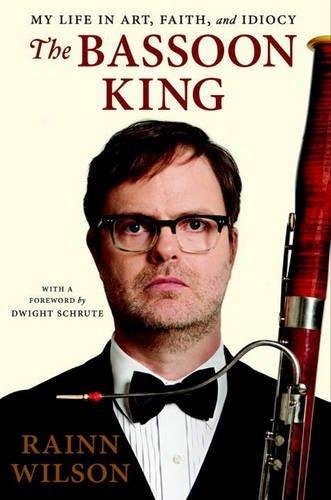
My Life in Art, Faith, and Idiocy by Rainn Wilson (2015-11-10)
Rainn Wilson briefly mentioned the book while talking about the contrast between the US and UK versions of The Office and the intense reactions from British viewers. He referenced his own experiences and unhappiness during the show, noting that the memoir covers these topics. The discussion was brief and not framed as a recommendation.
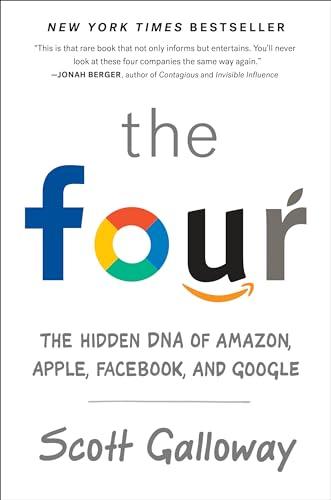
The Hidden DNA of Amazon, Apple, Facebook, and Google
The book was referenced in two episodes as an example of Scott Galloway's best‑selling work, with the host noting its New York Times bestseller status and Galloway himself citing it among his titles. The discussion highlighted his career transition and positioned the book as a notable part of his portfolio, without delving into its content. Overall, it was mentioned in a neutral, informational manner.
Scott Galloway mentioned this book, as well as "The Algebra of Happiness" and "The Algebra of Wealth", as examples of his best-selling books.
Scott Galloway is a Professor of Marketing at the New York Stern School of Business and host of the 'Pivot' podcast about technology and business. He is also the best-selling author of books such as, 'The Algebra of Happiness', 'The Four', and 'The Algebra of Wealth'.
Finding Modern Truth in Ancient Wisdom
In the first episode, the host explained that the book argues happiness comes from within, blending ancient ideas from Buddhism and Stoicism with modern positive psychology. In a later episode, the discussion spotlighted a chapter that shows focusing less on oneself and helping others leads to greater happiness, citing experimental research. The overall tone was enthusiastic, presenting the title as a valuable, evidence‑based guide to personal fulfillment.
It was mentioned that the fourth chapter of the book focuses on the concept that focusing less on oneself leads to happiness. This was supported by research that showed helping others was more beneficial to happiness than focusing on self-care.
This idea in chapter four of your book of focusing less on yourself leads to happiness. How can you prove that's the case?
So there's a lot of experimental tests that actually show this using human subjects.
If you give money away, statistically, you're more likely to make more money next year.
The reason is because you see yourself as an agent of positive change.
You're empowered when you're helping other people.
He explained that his first book argued happiness comes from within, drawing on ancient wisdom and modern psychology to show that fulfillment is internal rather than external.
My first book, The Happiness Hypothesis, addresses that question very directly. It says happiness comes from within, using ancient ideas from Buddhism and Stoicism and modern positive psychology.
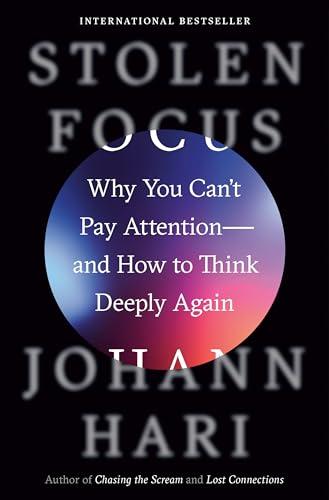
Why You Can't Pay Attention--and How to Think Deeply Again
It was introduced as his new book about the attention crisis, outlining causes and solutions, and was promoted as available in audio, ebook, and physical formats.
There are changes we can all make in our lives. Obviously, I talk about this a lot in the book, Stolen Focus, about this.
— Episode: How To Fix Your Focus & Stop Procrastina...
It was introduced as his new book about the attention crisis, outlining causes and solutions, and was promoted as available in audio, ebook, and physical formats.
There are changes we can all make in our lives. Obviously, I talk about this a lot in the book, Stolen Focus, about this.
Stolen Focus is an amazing somewhat linked sequel in many respects and on many topics to that book.
Anyone who wants to know where to get the audio book, the ebook or the physical book can go to stolenfocusbook.com and on the website you can listen for free to loads of the experts.
It's out right now, it's available in all good bookshops, you can even get it in...
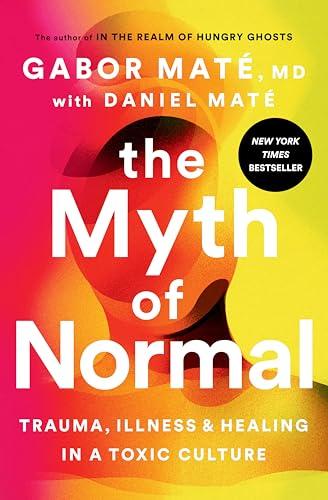
Trauma, Illness, and Healing in a Toxic Culture
The book was highlighted as an international bestseller that sparked a deep conversation about how early trauma influences health. Dr. Mate explained that its widespread success also led to personal exhaustion, while Stephen Bartlett praised its accessible writing and how it reshaped his view of trauma. Both hosts conveyed strong admiration for its impact, recommending it to listeners.
Dr. Mate's most recent book, "The Myth of Normal," is described as an international bestseller translated into 35 languages. The speaker discusses how its success led to overwork, exhaustion, and ultimately, a loss of self.
So this book, The Myth of Normal Best seller internationally Published in 35 languages I should be happy No, the more I get involved with it The more I toured with it The more engaged with the outside The more miserable I became inside So the great success of the book It swept me away And I lost myself
And I talk about this in the myth or normal And really my wife came on stage at the troxium On the night and talked about this I asked her to
And then again in the myth or normal People tended to be Compulsively concerned with the emotional needs Of others rather than their own
He said the book explored how early trauma shapes later health and described an episode from his own psychedelic therapy that he also wrote about in it.
So much so that in this book, The Myth of Normal, I actually talk about an experience with the psychedelic mushrooms with a therapist.
I think my understanding of trauma has forever been redefined by both this conversation today, but also by your book.
Thank you so much for giving me the platform to talk about my work and just the opportunity to meet you. It's written in such an accessible way, which is so important because that means it can reach even more people.
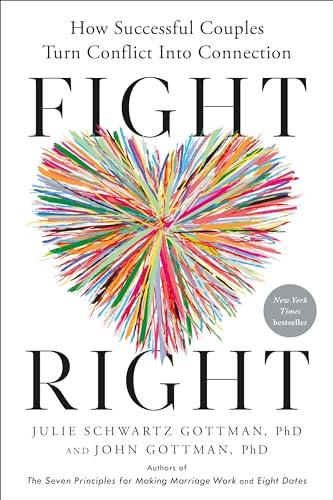
How Successful Couples Turn Conflict Into Connection
The book was highlighted by Julie Gottman, who co‑hosted both episodes, as a guide to turning relationship conflict into connection. She explained that the title offered practical strategies for avoiding blame, understanding partners’ needs, and treating conflict as a shared problem rather than a fight. Steven Bartlett also endorsed its impact, noting its potential to foster peace one family at a time. The overall tone was strongly positive, positioning the book as essential reading for couples.
The authors discussed their new book and explained how conflict can be a good thing in a relationship if it is approached correctly. They also provided insights into how couples can manage conflict by understanding their partner's needs and feelings, and by focusing on describing themselves rather than blaming their partner.
We can hope and pray for a ripple effect to move out into society and create more love out in the world too where we need it so much.
Making peace one family at a time.
I would tell my father would you please stay home at least one day a week instead of abandoning my mother every single day seven days a week.
I would tell my mother stop being critical stop being contentious try to look for what all of us are doing right and say that rather than only pointing out what we're doing wrong.
Conflict resolution knowing how to take on conflict knowing how to address it knowing how to be about a sparring partner in relationships so that it can be you and your partner versus the problem versus instead of you versus your partner.
The book was mentioned multiple times throughout the podcast; it was described as containing important information regarding conflict resolution in relationships and how to build a strong connection with one's partner.
That's why we wrote Fight Right,
It's really so important to not do that you, you, you, you. Blaming. That blaming.
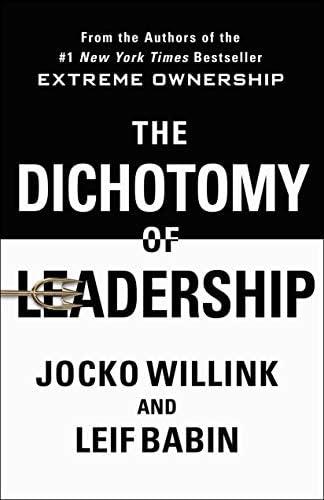
Balancing The Challenges of Extreme Ownership to Lead and Win - Hardcover by Jocko Willink
The book was highlighted when Jocko Willink appeared on the show, where he stressed the extreme ownership mindset and how leaders must take full responsibility for outcomes. He explained that embracing this difficult but liberating principle helps individuals control their destiny and improve performance. The discussion presented the title as a valuable guide for personal and professional growth.
Jocko Willink emphasizes the importance of taking responsibility and owning your actions and failures, rather than blaming others or making excuses. He explains that this principle is crucial for personal and professional success, and for building confidence.
Excuses will destroy you and take everything that you ever wanted from you if you let them.
Extreme ownership is this went wrong this failed didn't accomplish this and it's not the fault of my boss it's not the fault of my girlfriend it's not the fault of my parents it's not the fault of the weather it's my fault and i'm gonna take ownership of it and i'm gonna fix it that's what extreme ownership is and this is a very difficult thing to do because it hurts.
It's a pretty amazing thing it's a pretty amazing thing it's a pretty profound thing to look at from the outside and and and see it because when I was going through it it was just sort of I was young I didn't care I was gonna do it there was nothing that they were going to tell me that was going to make me quit I never thought about quitting if they told me to get back in the water again let's go they told me to put that log on on my shoulder let's go put the boat on my head let's go I I didn't care.
the reason i have all those problems is because of me that can hurt that can sting and a lot of times our ego rejects that and makes excuses and lies and then we don't have to change anything and then nothing changes
Extreme ownership hurts and is painful it's also liberating because now you have control over your fate and over your destiny and that is a glorious thing
It was mentioned that Jocko has written several books, and 'Extreme Ownership' was alluded to, possibly in reference to a quote from the book about leadership.
I don't hire people so I can tell them what to do. I hire good people so they can tell me what to do.
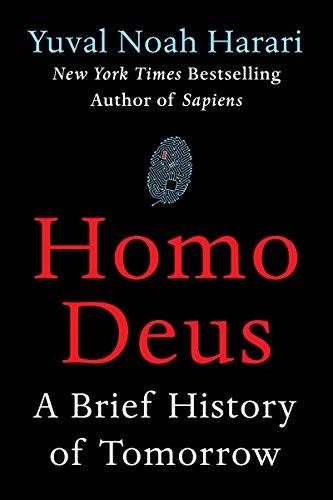
A Brief History of Tomorrow
The book was cited in the introductions of two episodes as one of Yuval Noah Harari's best‑selling works, underscoring his reputation as a leading public intellectual. The hosts noted that it examines humanity's future and the potential influence of technology, positioning it alongside his other popular titles. The overall tone was informative rather than a strong endorsement.
This book was mentioned along with Sapiens as one of Yuval Noah Harari's best-selling books. It explores the future of humanity and the potential impact of technology on our lives.
He is best known for his bestselling books, 'Sapiens: A Brief History of Humankind', 'Homo Deus: A Brief History of Tomorrow' and '21 Lessons for the 21st Century'.
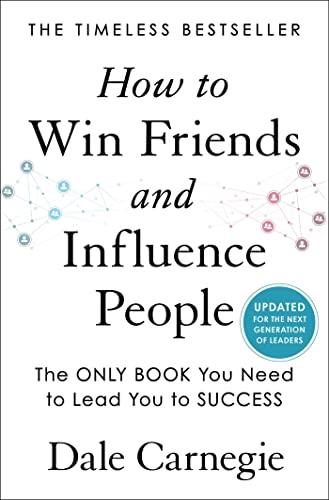
Updated For the Next Generation of Leaders (Dale Carnegie Books)
The book was highlighted as a classic self‑help guide that continues to shape effective people‑skills. Oz Pearlman said he had read it repeatedly and, despite its older era, it still informs his approach to influencing others. Matthew Hussey recalled discovering it as a pre‑teen, noting it sparked his early interest in improving interpersonal abilities.
Oz described the classic selfhelp book as a frequent read that taught him timeless peopleskills. He noted that despite its age it still informs his approach to influencing others.
it's a book I've read over and over and over. It's, it's, I don't want to say it's dated, but it's of a different era. The skills that allowed me to reach near the top of my profession aren't the tricks.
Matthew Hussey recalled reading the book as a preteen and said it immediately captured his interest in improving his people skills.
I was about 11 or 12 when I first picked up How to Win Friends and Influence People off my dad's bookshelf.
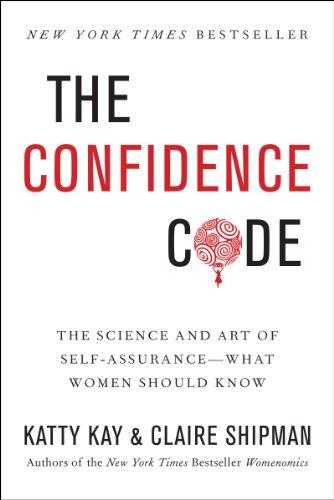
The Science and Art of Self-Assurance---What Women Should Know
In two episodes, Reshma Saujani referenced the book as an example of literature that tells women they are the problem and must fix themselves, pointing out its emphasis on power poses and leaning in. She argued that the title implied women were at fault for lacking confidence. The conversation highlighted a critical view of its message.
The speaker mentioned the book "Confidence Code" as an example of books that tell women they are the problem and need to fix themselves. She felt this book was about women thinking they're wrong and needing to learn how to do a power pose or lean in.
Think about all the books that women read, confidence code, I gotta learn how to do a power pose.
I gotta lean in.
All of it is about women thinking that you're wrong.
Reshma listed it among the books women often read when trying to build confidence, alongside power poses and leaning in.
Think about all the books that women read, Confidence Code, I gotta learn how to do a power pose, I gotta, I gotta lean in.
Rewire Your Brain and Body for Less Stress and More Resilience
The book was highlighted as a practical guide for anyone dealing with stress, overwhelm, or burnout, offering five mindset shifts and fifteen science‑backed strategies to gradually rewire the brain and body. Its author, a Harvard‑trained physician, shared patient stories and real‑life examples to illustrate how small, incremental changes can boost resilience. The hosts presented the title as a valuable resource for listeners seeking actionable ways to reduce stress and improve mental health.
Dr. Aditi Noraka's book, *The Five Resets*, is about rewiring your brain and body for less stress and more resilience. She presented five mindset shifts and 15 science-backed strategies. It included patient stories and real-life examples.
Dr. Aditi Noraka is a Harvard physician, nationally recognized stress expert who is understanding and combating modern day burnout.
these are the five resets that are going to help you survive and thrive.
The Five Resets: Rewire Your Brain and Body for Less Stress and More Resilience',
In the five resets, I offer five mindset shifts, 15 science-backed strategies, and every step of the way, it's about two small changes at a time.
The book is filled with patient stories, real life people who've had lots of different experiences.
She said the book helps rewire the brain and body for less stress and more resilience, aimed at anyone struggling with overwhelm and burnout.
The Five Resets, which is a book we talked about before on the show, Rewire Your Brain and Body for Less Stress and More Resilience. It is for anyone who is struggling with stress, overwhelm, and burnout.
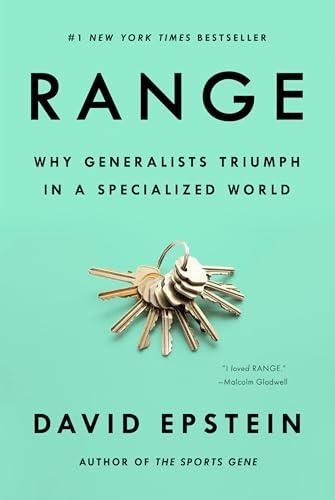
Why Generalists Triumph in a Specialized World
The book was first mentioned as part of David Epstein's bibliography and later examined for its central claim that we discover who we are through practice rather than theory, which the hosts praised as a valuable insight for long‑term development. Steven Bartlett highlighted a memorable phrase from the work and endorsed its relevance for personal growth and career transitions.
It was discussed in the context of how people sometimes optimize for short-term development which undermines long-term development. It was said that the thesis of the book is that we learn who we are in practice, not in theory, and we have to go try something to see how it went and what we learned.
I love this for my favorite my absolute favorite phrase in Range was is a paraphrase from this woman.
Named her many a barra who's a professor at the London Business School and she studies how people make work transitions so her phrase was.
We learn who we are in practice not in theory, so the thesis of her work is that there's this idea that you can just introspect.
And go forth and know what you should be doing you know like like Clark Kent running into a phone booth ripping off isn't becoming comes out as Superman.
It was referenced as one of the books authored by David Epstein.
David Epstein, who's the author of a Range and sports genius, friend of mine.
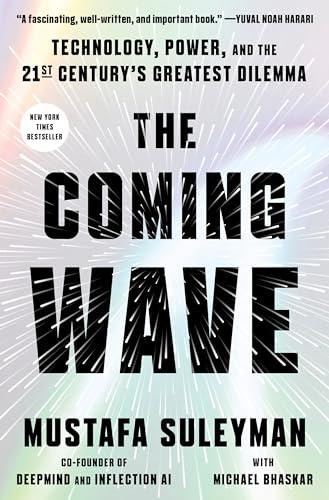
Technology, Power, and the Twenty-first Century's Greatest Dilemma
The book was brought up by a relationships professor and later by DeepMind co‑founder Mustafa Suleyman, who used it to illustrate AI's potential to reshape human connections and its unprecedented risks. They highlighted the author's warning that AI may be impossible to contain, the tendency to avoid confronting worst‑case scenarios, and the massive economic stakes involved. Both discussions treated the title as a thought‑provoking reference rather than a formal endorsement.
The book discusses the author's concerns about the potential dangers of AI, particularly the difficulty of containing it. It also explores the pessimism aversion trap, where people avoid confronting the potentially negative consequences of rapidly developing AI technologies.
The widespread emotional reaction I was observing is something I've come to call 'the pessimism aversion trap'
Containment is not possible
The Coming Wave represents the greatest economic prize in history
AI is more autonomous than any other technology in history
Containment must be possible
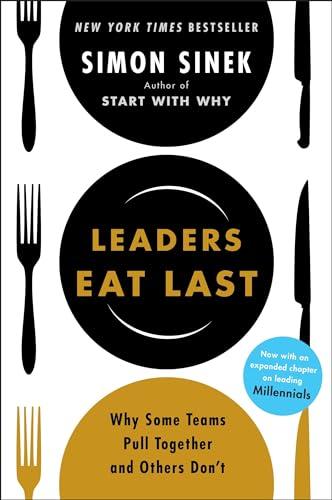
Why Some Teams Pull Together and Others Don't
The book was highlighted as a guide to leadership that emphasizes putting team members' welfare first. Simon Sinek introduced it during his interview, and the host later noted that it had shaped his own approach to leadership. Both mentions conveyed a strong endorsement of its ideas.
Simon Sinek also mentioned his book "Leaders Eat Last", which suggests that great leaders prioritize the well-being of their team members.
Simon Sinek is a renowned leadership expert and the founder of 'The Optimism Company', which provides programmes for leadership development. He is also the best-selling author of the books, 'Start With Why', 'Leaders Eat Last', 'The Infinite Game', and 'Find Your Why'.
The host recalled reading Sinek's book Leaders Eat Last, noting it had influenced his own work and perspective on leadership.
And then it occurred to me, like, I remember my own work in Leaders Eat Last. I talk about Alcoholics Anonymous, where they have 12 steps to help an alcoholic beat this disease.
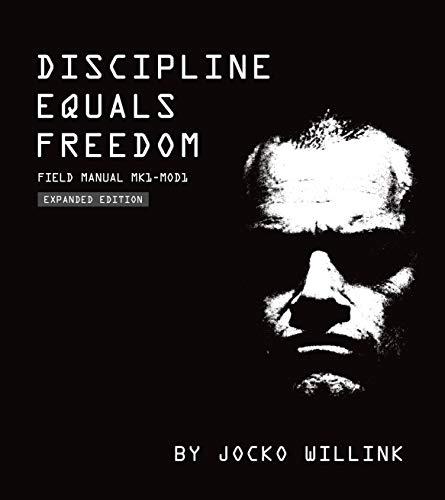
Field Manual Mk1-MOD1
The book was brought up when the host introduced Jocko Willink as the author and discussed its central claim that discipline actually creates freedom. In the conversation, Willink explained that without discipline in health, finances, and time management, people become slaves to disease, debt, and busywork, whereas disciplined habits unlock greater personal liberty. The discussion emphasized starting to build discipline early to reap long‑term freedom, and the hosts presented the ideas in a strongly positive light.
Jocko Willink argues that discipline leads to freedom, contrary to the common perception that discipline restricts freedom. He uses the example of physical health: if you don't have the discipline to exercise and eat healthily, you become a slave to illness, whereas discipline in these areas leads to greater freedom and health. He encourages people to start building discipline early on in life to achieve a greater sense of freedom in the future.
the more discipline you have in your life the more freedom you will end up with
if you lack the discipline to exercise and eat healthy you will end up being being a slave to disease if you lack the discipline to work hard save your money you will end up a slave to finances if you lack the discipline to manage your time correctly you will end up with no free time if you have self-discipline if you have the discipline to save your money and work hard and invest your money properly if you have the discipline to manage your time correctly and not waste a bunch of time if you have the discipline to exercise and eat healthy you will end up with freedom
if you want freedom in your life you have to have discipline
Discipline is freedom the title of your um your book here Discipline Equals Freedom now that seems like it's untrue because when people think of discipline they think of rigidity and taking away their freedom having to be disciplined why is why does discipline equal freedom
if you have that kind of discipline right now you're gonna end up with freedom and if you don't have that kind of discipline and you keep eating those Doritos and you don't work hard and you don't exercise and you don't apply yourself you're gonna end up you're gonna end up shackled you're gonna be shackled by a boss that you don't like doing a job that you don't like to do with sicknesses and diseases that you don't want relying on people that you can't even count on alone and you don't have to but if you have discipline if you have discipline you will attain freedom
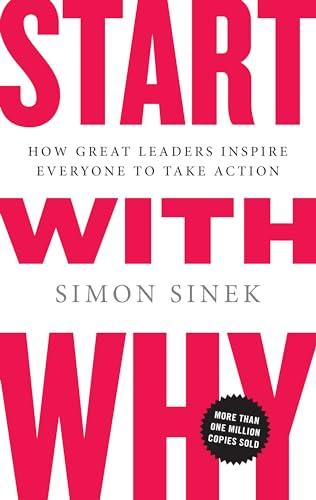
How Great Leaders Inspire Everyone to Take Action
Simon Sinek, founder of The Optimism Company and author of "Start With Why", discussed the importance of finding your purpose and how it can help you overcome challenges in life.
Simon Sinek is a renowned leadership expert and the founder of 'The Optimism Company', which provides programmes for leadership development. He is also the best-selling author of the books, 'S...
— Episode: Simon Sinek: "Strong Thigh muscles = Mor...
Simon Sinek, founder of The Optimism Company and author of "Start With Why", discussed the importance of finding your purpose and how it can help you overcome challenges in life.
Simon Sinek is a renowned leadership expert and the founder of 'The Optimism Company', which provides programmes for leadership development. He is also the best-selling author of the books, 'Start with Why', 'Leaders Eat Last', 'The Infinite Game', and 'Find Your Why'.
And I'm writing a book with a friend, my friend Will Godera, who wrote Unreasonable Hospitality.
I haven't written a book in many years and so I've started writing again.
Steven Bartlett said the book was his introduction to Simon Sinek and that it hung on office walls, with employees reading it and repeatedly evangelising its ideas.
my introduction to you was this book, Start with Why. And it hung on the walls of some of my offices around the world for a long time.
Note: The book recommendations on this page are discovered automatically from podcast transcripts, and may be incorrect or incomplete.
Podcast Name