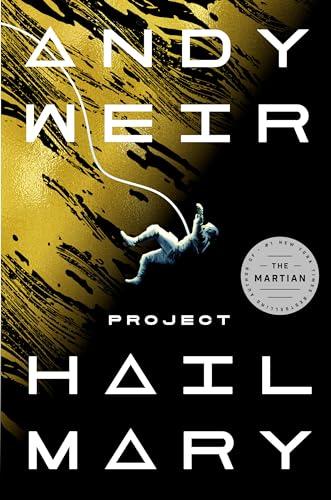
Project Hail Mary
Andy Weir
Mentioned 1 week ago
Selects: The First Road Trip
If you've ever wanted to know about champagne, satanism, the Stonewall Uprising, chaos theory, LSD, El Nino, true crime and Rosa Parks, then look no further. Josh and Chuck have you covered.
Recently mentioned
Andy Weir
Mentioned 1 week ago
Selects: The First Road Trip
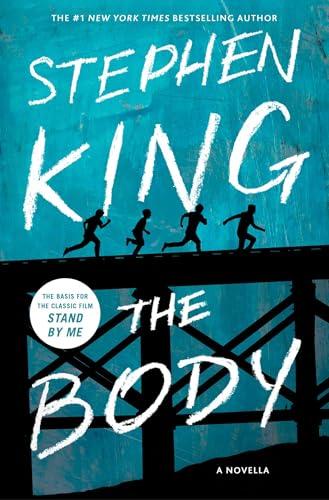
Stephen King
Mentioned 1 week ago
Selects: The First Road Trip
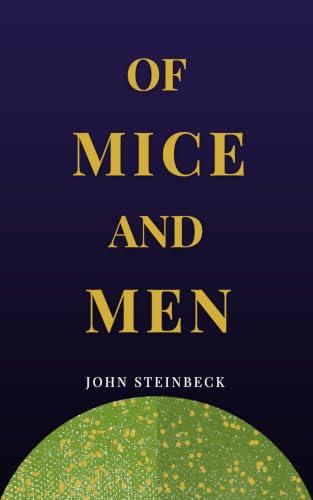
John Steinbeck
Mentioned 2 weeks ago
Kola: The World’s Deepest Hole
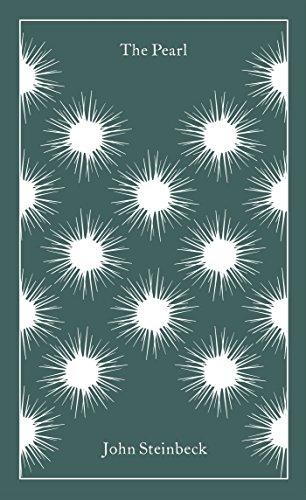
STEINBECK JOHN
Mentioned 2 weeks ago
Kola: The World’s Deepest Hole
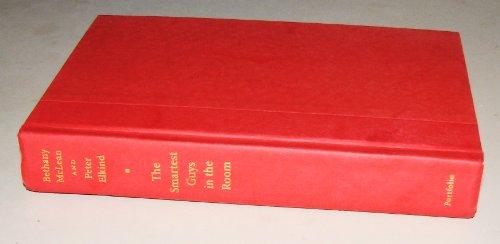
Bethany McLean
Mentioned 3 weeks ago
Selects: How Enron Fooled the World
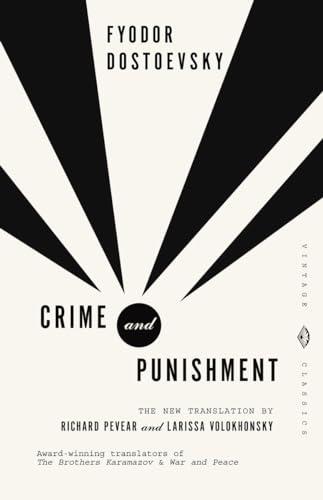
Fyodor Dostoevsky
Mentioned 3 weeks ago
Short Stuff: Why does it feel good to be scared?
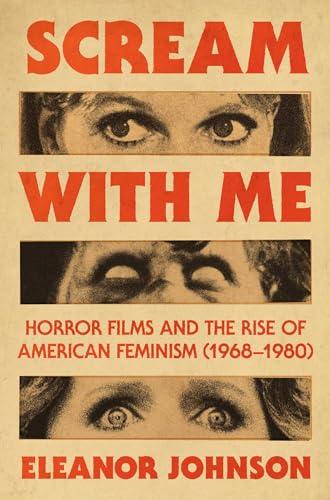
Eleanor Johnson
Mentioned 3 weeks ago
Short Stuff: Why does it feel good to be scared?
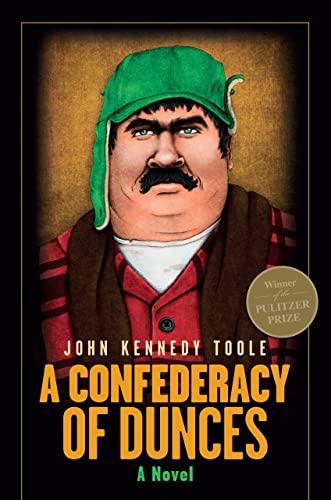
John Kennedy Toole
Mentioned 4 weeks ago
Some Interesting Curses
Mordecai RICHLER
Mentioned 4 weeks ago
Some Interesting Curses
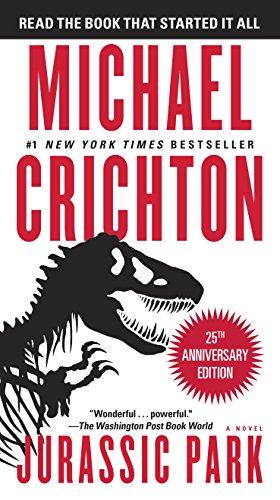
Michael Crichton
Mentioned 1 month ago
The Stuff You Should Know Doin’ Science Playlist: How Chaos Theory Changed the Universe
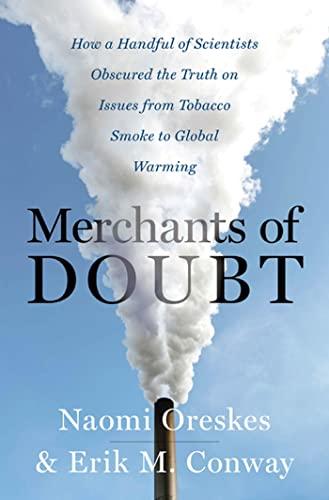
Naomi Oreskes
Mentioned 1 month ago
How Global Warming Works
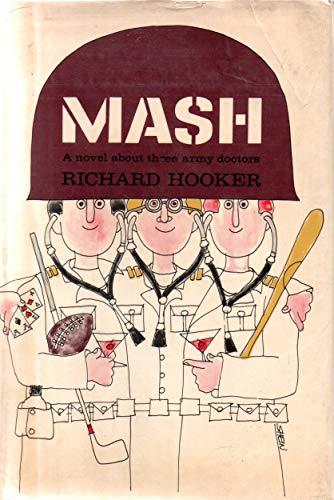
Richard Hooker
Mentioned 1 month ago
M*A*S*H: The Story of the 4077th
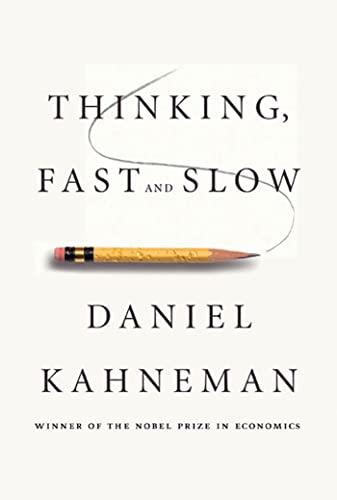
They noted that Kahneman's book was a superpopular airport read that explained the twosystem model of thinking.
Yeah, Daniel Kahneman came out with Thinking Fast and Slow, which was one of those super popular airport books, you know? Yeah, Thinking, Fast and Slow.
— Episode: How Cognitive Biases Work
They noted that Kahneman's book was a superpopular airport read that explained the twosystem model of thinking.
Yeah, Daniel Kahneman came out with Thinking Fast and Slow, which was one of those super popular airport books, you know? Yeah, Thinking, Fast and Slow.
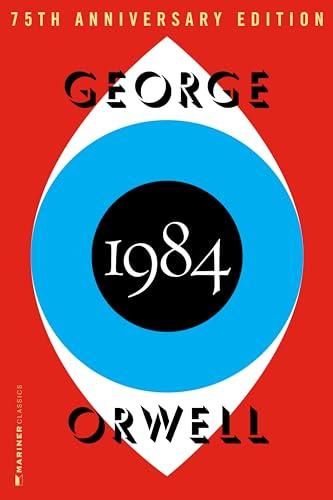
The podcast hosts briefly discussed a scene from the book, or possibly a movie or advertisement, about a government using barcodes as a form of tracking or control.
Oh maybe it was that Apple ad.
— Episode: How Barcodes Work
The podcast hosts briefly discussed a scene from the book, or possibly a movie or advertisement, about a government using barcodes as a form of tracking or control.
Oh maybe it was that Apple ad.
Was it in 1984? Like the government to put them on our necks.
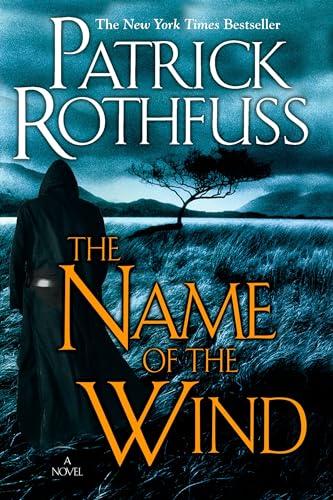
It's a 19th-century period drama set on the prairie, with supernatural tinges. It's really good. The main character is almost entirely shouldered by a female actor.
It was almost entirely shouldered by a woman actor.
— Episode: Why Must Widowhood Be So Difficult?
It's a 19th-century period drama set on the prairie, with supernatural tinges. It's really good. The main character is almost entirely shouldered by a female actor.
It was almost entirely shouldered by a woman actor.
It's set in like the 19th century out on the prairie.
It's almost like a supernatural drama. It's like a drama with supernatural tinges to it. I love it.
And it is really good, dude.
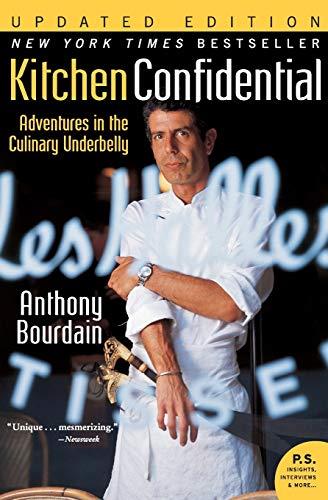
Adventures in the Culinary Underbelly (P.S.)
It was an article published in the June 2002 issue of Vanity Fair, focused on the transition of the National Enquirer from crime scene photography to astrology and celebrity gossip, which was described as a jarring shift in the publication's content.
It was about this and about that transition going from, you know, the crime scene photography to astrology overnight so he could get into supermarkets. He said the Enquirer staff was aghast. It was li...
— Episode: Selects: How Tabloids Work
It was an article published in the June 2002 issue of Vanity Fair, focused on the transition of the National Enquirer from crime scene photography to astrology and celebrity gossip, which was described as a jarring shift in the publication's content.
It was about this and about that transition going from, you know, the crime scene photography to astrology overnight so he could get into supermarkets. He said the Enquirer staff was aghast. It was like asking an experienced team of grave robbers to take up gardening.
It features a Merry Widow character who is always in a good mood, has money, is independent, and doesn't take any guff from anybody.
I think one appears in the Canterbury Tales, Chaucer's Canterbury Tales, The Wife of Bath, I believe, where they're just always in a good mood. They have money. They're independent. They don't take an...
— Episode: Why Must Widowhood Be So Difficult?
It features a Merry Widow character who is always in a good mood, has money, is independent, and doesn't take any guff from anybody.
I think one appears in the Canterbury Tales, Chaucer's Canterbury Tales, The Wife of Bath, I believe, where they're just always in a good mood. They have money. They're independent. They don't take any guff from anybody.
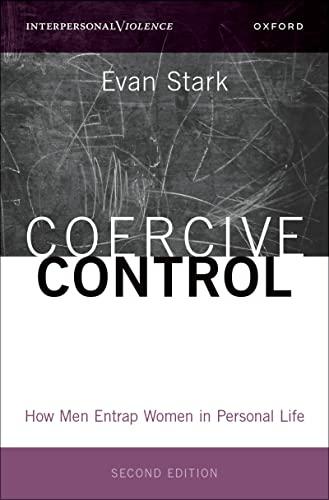
How Men Entrap Women in Personal Life (INTERPERSONAL VIOLENCE SERIES)
This book was published in 2007 and it was written to highlight the idea that abuse is not just physical violence, but deprivation of freedom by controlling a partner's autonomy. The author was inspired by his wife, a physician, who noticed that more women than statistics indicated were entering the ER after being beaten by their partner.
He wrote a book in 2007 called Coercive Control, colon, of course, the Entrapment of Women in Personal Life.
— Episode: Coercive Control, the Invisible Basis of...
This book was published in 2007 and it was written to highlight the idea that abuse is not just physical violence, but deprivation of freedom by controlling a partner's autonomy. The author was inspired by his wife, a physician, who noticed that more women than statistics indicated were entering the ER after being beaten by their partner.
He wrote a book in 2007 called Coercive Control, colon, of course, the Entrapment of Women in Personal Life.
So he started looking into like they did some side research together and they found something that people hadn't really realized before that in addition to women reporting being beaten, they also reported this whole kind of cluster of other mistreatment at the hands of their spouse.
And that they kind of followed a pattern and those patterns really resembled the coercion that Albert Bitterman had identified back in the 50s.
So he took this kind of like little germ that grew out of like a flower that was in the midst of blossoming and found that that germ led to actually the foundation that the flower was growing out of.
And as he started to follow it, he realized that actually that's not just this little part of the flower.
This is the thing, the substance that the flower is growing from.
So in 1990, Stark opened a forensic social work practice where he would go in and testify in court on behalf of these women and say, you know, and sort of preach this gospel basically on behalf of these women saying you can't take their kids away.
And he said that there is basically just different kinds of domestic violence and Coercive Control is one of just a few of them.
So as Stark's research kind of gelled and solidified, like you said, in the 80s, 90s, especially up until I think 2007 when he published that book, like you said, he came up with basically a science and symptoms of Coercive Control as a form of domestic abuse.
And there is physical violence that is actually not just a part of Coercive Control, but in relationships where the husband dominates the wife through Coercive Control.
It's like, no, there's focus on this, but also expand your focus to include all this other stuff as well.
And she did something that Livia rarely does, which is sort of include her own speculation.
And I totally agree that when Stark was doing his work sort of in the late 70s and early 80s or through the 80s, things were different, dynamics were different.
But from where Stark was coming from, I totally get where he would say essentially that like even if violence, like if a woman hits a man, it's very, very rare for a woman to have the kind of economic control and financial control in the household.
There's a 2021 Australia study that said that if you earn more than half of the household income, your risk of being a victim of domestic violence as a woman increases 35 percent.
And in cases where this is way before like 11 years for that, when you cited she was talking about the fact that when a woman earns more than her husband, that threatens a man's masculinity. And that's when trouble happens.
And that 2022 study, just to be clear, was when they have found women who have been the perpetrator of intimate partner violence in those situations, they are more likely than their male counterparts to abuse course of control rather than physical abuse, which is a big distinction.
But there's still it seems to be up in the air, you know, which way to go. But I feel like people are going more toward outlawing Coercive Control than saying like, whoa, whoa, whoa, we shouldn't do that.
And Livia cited this California case that where a woman was able to use Coercive Control where she did not suffer any physical violence, but was controlled by her husband like who gave her pages and pages of instructions on how to do everything from wash the dishes to those are the movies.
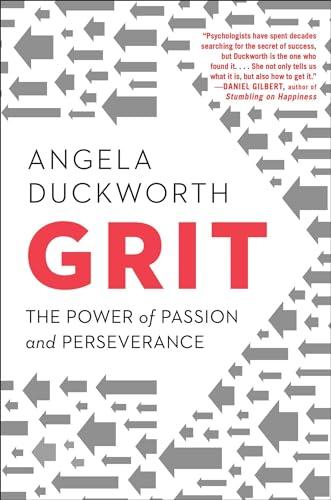
The Power of Passion and Perseverance
It was published in 2013 and discussed how grit, or determination and perseverance, could be just as important as smarts for success.
She would write a book, Grit, The Power of Passion and Perseverance.
— Episode: The Ballad of Grit
It was published in 2013 and discussed how grit, or determination and perseverance, could be just as important as smarts for success.
She would write a book, Grit, The Power of Passion and Perseverance.
She says, I feel like the enthusiasm is getting ahead of the science.
She said that in one of the op-eds for The New York Times, she condemned the idea that students would face high stakes character assessment.
She says, caring about how to grow Grit in our young people, no matter their socioeconomic background, doesn't preclude concern for things other than Grit. Grit may not be sufficient for success, but it sure is necessary if we want our children to have a shot at a productive and satisfying life.
I feel bad for her that her study just got completely distorted and taken out of context and out of hand.
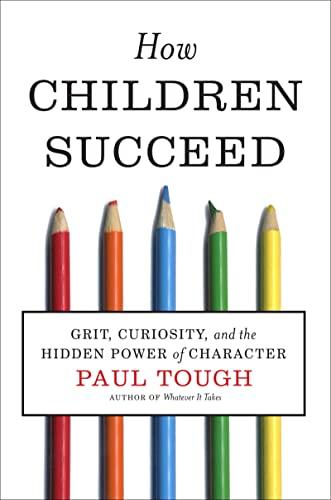
Grit, Curiosity, and the Hidden Power of Character
The book discussed Duckworth's research on grit and how it could apply to the education system.
There was a writer, a journalist named Paul Tuff, who started writing articles on grit.
— Episode: The Ballad of Grit
The book discussed Duckworth's research on grit and how it could apply to the education system.
There was a writer, a journalist named Paul Tuff, who started writing articles on grit.
He wrote a book before Duckworth even wrote a book on grit back in 2012 called How Children Succeed, Grit Curiosity and the Hidden Power of Character.
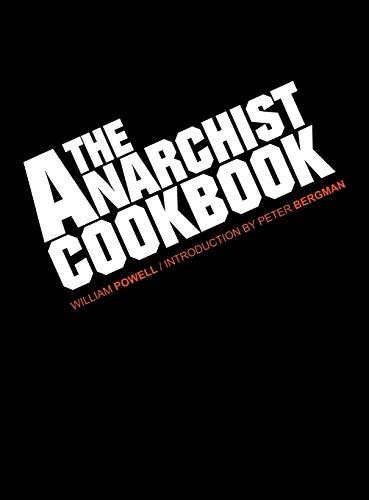
The Anarchist Cookbook, published in the early 1970s, was mentioned; it provided instructions on making bombs, weapons, and drugs, and was later renounced by its author.
gave recipes on like how to make bombs and weapons and stuff how to make drugs from toothpaste yeah all kinds of cool stuff
— Episode: Can Anarchism Work?
The Anarchist Cookbook, published in the early 1970s, was mentioned; it provided instructions on making bombs, weapons, and drugs, and was later renounced by its author.
gave recipes on like how to make bombs and weapons and stuff how to make drugs from toothpaste yeah all kinds of cool stuff
The hosts referenced Cormac McCarthy's The Road as a cultural touchstone while discussing postapocalyptic themes.
All right. I think where we left off the United States was a version of Cormac McCarthy's The Road. Yeah, yeah. And The Walking Dead.
— Episode: SYSK's 12 Days of Christmas… Toys: How t...
The hosts referenced Cormac McCarthy's The Road as a cultural touchstone while discussing postapocalyptic themes.
All right. I think where we left off the United States was a version of Cormac McCarthy's The Road. Yeah, yeah. And The Walking Dead.
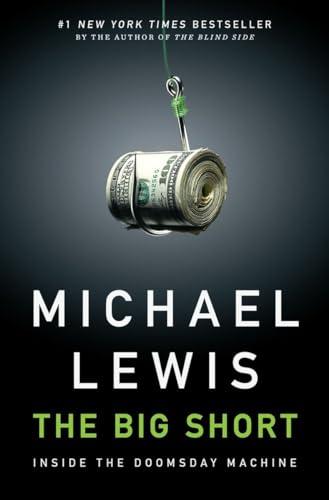
Inside the Doomsday Machine
The book detailed the buildup and bursting of the U.S. housing market crash in 2008, following several people who correctly predicted the collapse and subsequently earned billions. A first-time audiobook edition was recently recorded, and the story remains relevant for understanding the current economy and politics.
My book, The Big Short, tells the story of the buildup and burst of the U.S. housing market back in 2008.
— Episode: VH-1: MTV for Your Parents
The book detailed the buildup and bursting of the U.S. housing market crash in 2008, following several people who correctly predicted the collapse and subsequently earned billions. A first-time audiobook edition was recently recorded, and the story remains relevant for understanding the current economy and politics.
My book, The Big Short, tells the story of the buildup and burst of the U.S. housing market back in 2008.
We fed the monster until it blew up. The monster was exploding. Yet on the streets of Manhattan, there was no sign anything important had just happened.
The Big Short's story, what it means when people start betting against the market, and who really pays for an unchecked financial system, is as relevant today as it's ever been, offering invaluable insight into the current economy and also today's politics.
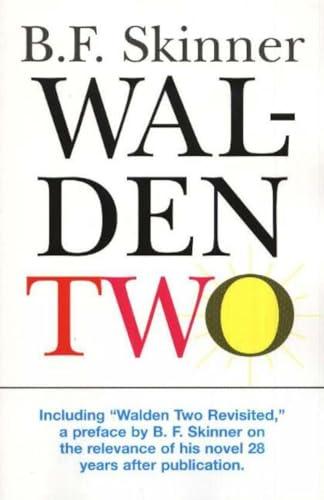
It was mentioned that Thoreau wrote about his experiences and thoughts while living alone in the woods, which became a famous book, but people misunderstood it as being a survivalist guide, when it was not.
He wrote about the interesting aspects of being out there alone in his thoughts in his books and I think people got that confused and just said, oh well, that's all he did out there and he never saw p...
— Episode: How Transcendentalism Works
It was mentioned that Thoreau wrote about his experiences and thoughts while living alone in the woods, which became a famous book, but people misunderstood it as being a survivalist guide, when it was not.
He wrote about the interesting aspects of being out there alone in his thoughts in his books and I think people got that confused and just said, oh well, that's all he did out there and he never saw people.
He had parties and there were people everywhere. He walked into town just about every day.
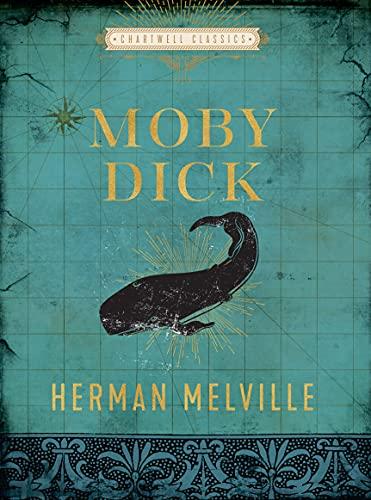
One speaker mentioned they planned to finally read this novel, while the other speaker relayed that some listeners advised against reading it, stating it wasn't worth the time.
You know what? When I start Moby Dick finally, I'll watch 12 Years a Slave and I'll just do both at the same time.
— Episode: The Brutal History of Prison Labor
One speaker mentioned they planned to finally read this novel, while the other speaker relayed that some listeners advised against reading it, stating it wasn't worth the time.
You know what? When I start Moby Dick finally, I'll watch 12 Years a Slave and I'll just do both at the same time.
I remember we talked about reading Moby Dick and a couple of people wrote in there like, Josh, do not waste your time. It is not worth reading.
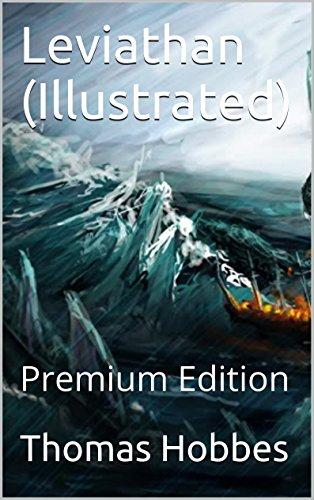
Premium Edition
The hosts discussed Hobbes' ideas, noting that his book Leviathan presented a view of rational caution in an uncertain world and was referenced when they said he could "stick the Leviathan on us."
Hobbes didn't actually assume that all or even most people are inherently bad. Instead, he argued that some people will do bad things sometimes and that the rest of us cannot know who, when, or where.
— Episode: Three Mile Island
The hosts discussed Hobbes' ideas, noting that his book Leviathan presented a view of rational caution in an uncertain world and was referenced when they said he could "stick the Leviathan on us."
Hobbes didn't actually assume that all or even most people are inherently bad. Instead, he argued that some people will do bad things sometimes and that the rest of us cannot know who, when, or where.
Uh, because he can stick the Leviathan on us.
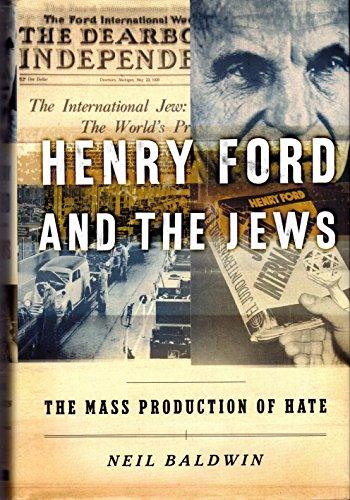
Genesis
It was mentioned that in the book of Genesis, God made a covenant with Abraham that involved circumcision, which has led to high rates of circumcision in Judaism and Islam.
Well let's talk about the Bible first because in the book of Genesis God made a covenant with Abraham
— Episode: SYSK Selects: How Circumcision Works
It was mentioned that in the book of Genesis, God made a covenant with Abraham that involved circumcision, which has led to high rates of circumcision in Judaism and Islam.
Well let's talk about the Bible first because in the book of Genesis God made a covenant with Abraham
In this essay, he wrote about his personal experiences with cannabis and how it had enhanced his appreciation for art and helped him explore new perspectives.
He said, the cannabis experience has greatly improved my appreciation for art, a subject which I had never much appreciated before. The understanding of the intent of the artist which I can achieve wh...
— Episode: Selects: Carl Sagan: American Hero
In this essay, he wrote about his personal experiences with cannabis and how it had enhanced his appreciation for art and helped him explore new perspectives.
He said, the cannabis experience has greatly improved my appreciation for art, a subject which I had never much appreciated before. The understanding of the intent of the artist which I can achieve when high sometimes carries over to when I'm down. This is one of many human frontiers which cannabis has helped me traverse.
Crowley claimed to have channeled Egyptian gods while on his honeymoon in Cairo, and this book became the foundation of his Thelema religion.
And this is where he through channeling Egyptian gods, so says him, wrote his big sort of Bible called The Book Of The Law, which would become the basis for the Lima.
— Episode: Aleister Crowley: Blowhard Narcissist?
Crowley claimed to have channeled Egyptian gods while on his honeymoon in Cairo, and this book became the foundation of his Thelema religion.
And this is where he through channeling Egyptian gods, so says him, wrote his big sort of Bible called The Book Of The Law, which would become the basis for the Lima.
This song by Grandmaster Flash and the Furious Five sampled 'Get Up and Dance' by the band Freedom, helping to bring sampling into the mainstream.
If you remember and they hit it big in 1980 with the song Freedom which sampled Get Up and Dance by the band Freedom.
— Episode: Selects: How Music Sampling Works
This song by Grandmaster Flash and the Furious Five sampled 'Get Up and Dance' by the band Freedom, helping to bring sampling into the mainstream.
If you remember and they hit it big in 1980 with the song Freedom which sampled Get Up and Dance by the band Freedom.
Note: The book recommendations on this page are discovered automatically from podcast transcripts, and may be incorrect or incomplete.
Podcast Name