Project Hail Mary
Andy Weir
Mentioned 1 week ago
Selects: The First Road Trip

If you've ever wanted to know about champagne, satanism, the Stonewall Uprising, chaos theory, LSD, El Nino, true crime and Rosa Parks, then look no further. Josh and Chuck have you covered.
Recently mentioned
Andy Weir
Mentioned 1 week ago
Selects: The First Road Trip
Stephen King
Mentioned 1 week ago
Selects: The First Road Trip
John Steinbeck
Mentioned 2 weeks ago
Kola: The World’s Deepest Hole

STEINBECK JOHN
Mentioned 2 weeks ago
Kola: The World’s Deepest Hole

Bethany McLean
Mentioned 3 weeks ago
Selects: How Enron Fooled the World
Fyodor Dostoevsky
Mentioned 3 weeks ago
Short Stuff: Why does it feel good to be scared?
Eleanor Johnson
Mentioned 3 weeks ago
Short Stuff: Why does it feel good to be scared?

John Kennedy Toole
Mentioned 4 weeks ago
Some Interesting Curses
Mordecai RICHLER
Mentioned 4 weeks ago
Some Interesting Curses
Michael Crichton
Mentioned 1 month ago
The Stuff You Should Know Doin’ Science Playlist: How Chaos Theory Changed the Universe
Naomi Oreskes
Mentioned 1 month ago
How Global Warming Works
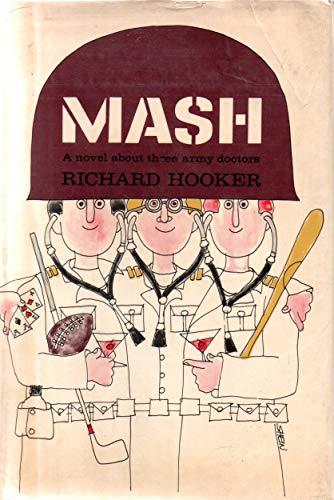
Richard Hooker
Mentioned 1 month ago
M*A*S*H: The Story of the 4077th
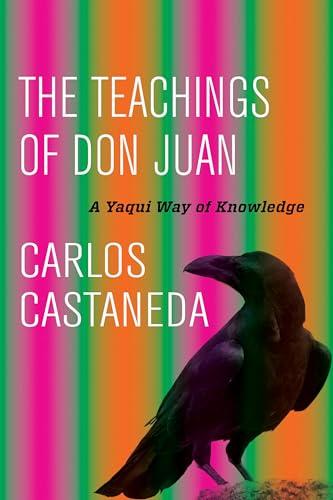
A Yaqui Way of Knowledge
It was mentioned as one of a series of books based on supposed ethnographic studies about Don Juan Matis, but was later exposed as fabricated.
Did you ever read any of Castaneda's books?
— Episode: How Peyote Works
It was mentioned as one of a series of books based on supposed ethnographic studies about Don Juan Matis, but was later exposed as fabricated.
Did you ever read any of Castaneda's books?
And he wrote these books that were supposedly ethnographic studies about Don Juan Matis.
And it was him being indoctrinated into the peyote way of life by a peyote magician, a Yaqui Indian named Don Juan Matis.
And he basically lied and made all this stuff up and was exposed later on by some colleagues who really went to great trouble to expose him and undermine him.

The hosts discussed the 'Book of Revelation' from the Bible in relation to the urban legend of barcodes being the 'mark of the beast'. They referenced a passage about a mark needed for buying and selling.
it all goes to The Book of Revelation in the new testament where as everyone knows if you've read the bible revelation is when they talk about it's when the bible gets really good and...
— Episode: How Barcodes Work
The hosts discussed the 'Book of Revelation' from the Bible in relation to the urban legend of barcodes being the 'mark of the beast'. They referenced a passage about a mark needed for buying and selling.
it all goes to The Book of Revelation in the new testament where as everyone knows if you've read the bible revelation is when they talk about it's when the bible gets really good and it's when it talks about the apocalypse and the beast and you know raining fire down from the heavens and stuff and it says this he causes all both great and small rich and poor free and slave to receive and he is the beast right sure yeah satan yeah uh to receive a mark on their right hand or on their foreheads didn't say back on the neck no uh that no one may buy or sell except one who has the mark or the name of the beast or the number of his name
Near-Death Experiences, God’s Revelation, and the Love You’ve Always Wanted
The hosts explained that David Koresh said he was writing his own version of the biblical Book of Revelation and intended to give the manuscript to scholars before surrendering.
Koresh was in the final stages of his book of Revelation.
— Episode: The 1993 Waco Siege
The hosts explained that David Koresh said he was writing his own version of the biblical Book of Revelation and intended to give the manuscript to scholars before surrendering.
Koresh was in the final stages of his book of Revelation.
He said he would write his own version of like an updated book of Revelation, basically.
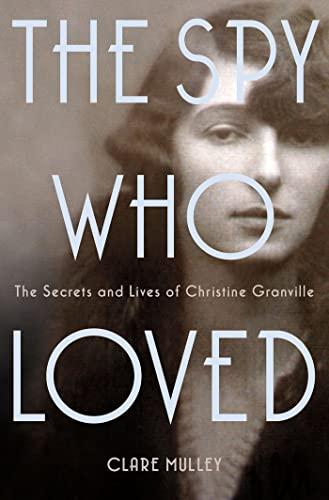
The Secrets and Lives of Christine Granville
It was described as the definitive biography on Christine Granville and was well-received, being mentioned in the context of a potential movie adaptation of her life.
And her biographer named Claire Mully put it, she wrote a book called The Spy Who Loved.
— Episode: The Amazing Life of Christine Granville
It was described as the definitive biography on Christine Granville and was well-received, being mentioned in the context of a potential movie adaptation of her life.
And her biographer named Claire Mully put it, she wrote a book called The Spy Who Loved.
And the whole thing kind of like tilted. The world showed that it was ready to appreciate Christine Granville when Claire Mully, the historian, released the book The Spy Who Loved, colon, The Secrets and Lives of Christine Granville.
If you want to know more about Christine Granville, you can check out Claire Molley's book, The Spy Who Loved.
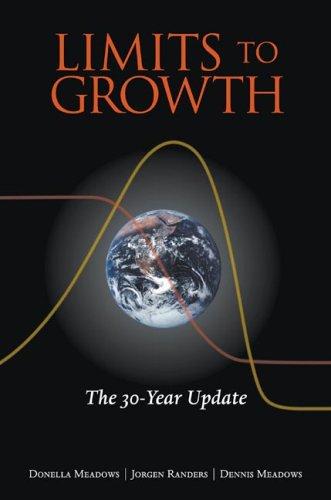
The 30-Year Global Update
Published in 1972, it presented a pessimistic view of the future, emphasizing resource depletion and overpopulation, and was a stark contrast to Herman Kahn's more optimistic predictions.
One of the books that came out of the Club of Rome in 1972 was called Limits to Growth by Danella H. Meadows, Dennis Meadows, Juergen Randers, and William Behrens at MIT.
— Episode: Selects: How Futurology Works
Published in 1972, it presented a pessimistic view of the future, emphasizing resource depletion and overpopulation, and was a stark contrast to Herman Kahn's more optimistic predictions.
One of the books that came out of the Club of Rome in 1972 was called Limits to Growth by Danella H. Meadows, Dennis Meadows, Juergen Randers, and William Behrens at MIT.
And they had a very dire apocalyptic outlook of the future, as did a lot of other people at the time.
The, yeah, the Limits to Growth book basically saying that it's often miscited as predicting the collapse of civilization due to renewable resource overuse.
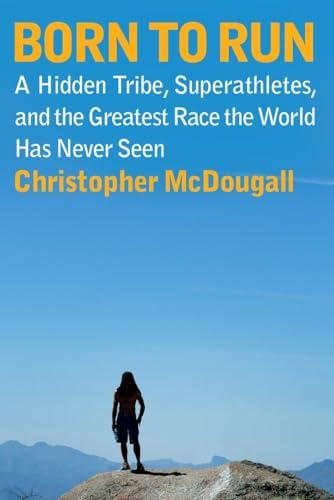
A Hidden Tribe, Superathletes, and the Greatest Race the World Has Never Seen
It was discussed as a book that made the case that humans are naturally adapted to run long distances barefoot, similar to how the paleo diet promotes a certain way of eating.
No one was really paying attention to it until 2010 when a guy named Christopher McDougall came out with a book called Born to Run.
— Episode: Barefoot Running: The Best Podcast Episo...
It was discussed as a book that made the case that humans are naturally adapted to run long distances barefoot, similar to how the paleo diet promotes a certain way of eating.
No one was really paying attention to it until 2010 when a guy named Christopher McDougall came out with a book called Born to Run.
And it's basically, it makes the case that like paleo does for dieting. That like we have evolved to be a certain way to behave under certain conditions.
And our modern world has kind of taken that and co-opted it and messed everything up. And as a result, we're suffering from all these maladies.
But rather than eating ultra processed food as the paleo diet whole thing is based on, this was that these modern running shoes we're running in are actually causing injuries.
I've seen it referred to as the most influential running book of all time.

The True Story of the Colorado Bulldozer Rampage
It was based on a 1944 short story by fantasy writer Theodore Sturgeon.
There's a movie called KILLDOZER from 1974. It was an ABC suspense, Saturday suspense TV movie that was based on a 1944 short story by fantasy writer Theodore Sturgeon.
— Episode: The KILLDOZER Rampage
It was based on a 1944 short story by fantasy writer Theodore Sturgeon.
There's a movie called KILLDOZER from 1974. It was an ABC suspense, Saturday suspense TV movie that was based on a 1944 short story by fantasy writer Theodore Sturgeon.
The Secret History of Cyber War
The book 'Dark Territory' was mentioned when discussing Ronald Reagan's reaction to the movie War Games. The author of the book, Fred Kaplan, had written about the history of cyber war in the book, which allegedly led Reagan to ask the Joint Chiefs to investigate the threat of cyberwarfare.
Fred Kaplan who wrote a book about the history of cyber war called Dark Territory.
— Episode: Phone Phreaking: The Advent of Hacking
The book 'Dark Territory' was mentioned when discussing Ronald Reagan's reaction to the movie War Games. The author of the book, Fred Kaplan, had written about the history of cyber war in the book, which allegedly led Reagan to ask the Joint Chiefs to investigate the threat of cyberwarfare.
Fred Kaplan who wrote a book about the history of cyber war called Dark Territory.
And apparently Reagan saw this film, was so freaked out by it that he got the joint chiefs together and was can this happen? Somebody go find out. And the chairman of the joint chiefs, a guy named General John Vesey went and investigated and came back and he said, quote, Mr. President, the problem is much worse than you think.
The song "Wind of Change" was written and released just months before the Berlin Wall was brought down and became hugely popular throughout the Soviet Union. It was written by lead singer Klaus Meine, who typically never wrote music for the group, and was inspired by a rock festival in Moscow where the band was surrounded by CIA and KGB handlers.
The song was written and released just months before the Berlin Wall was brought down and became hugely popular throughout the Soviet Union.
— Episode: HPV and You
The song "Wind of Change" was written and released just months before the Berlin Wall was brought down and became hugely popular throughout the Soviet Union. It was written by lead singer Klaus Meine, who typically never wrote music for the group, and was inspired by a rock festival in Moscow where the band was surrounded by CIA and KGB handlers.
The song was written and released just months before the Berlin Wall was brought down and became hugely popular throughout the Soviet Union.
At the time, a political leaning song was very out of character for Scorpions.
I just picture a bunch of scorpions.
It's not like Jethro Tull.
The Scorpions claim the song was inspired during a rock festival called the Moscow Music Peace Festival, where the bands were surrounded by CIA and KGB handlers.

It was mentioned as a book published in 1776 that advocated for free markets and laissez-faire economics, which was interpreted by the merchant class as a reason to maximize profits.
When Adam Smith wrote a book in 1776 called An Inquiry into the Nature and Causes of the Wealth of Nations.
— Episode: The Luddites: Misunderstood Working Clas...
It was mentioned as a book published in 1776 that advocated for free markets and laissez-faire economics, which was interpreted by the merchant class as a reason to maximize profits.
When Adam Smith wrote a book in 1776 called An Inquiry into the Nature and Causes of the Wealth of Nations.
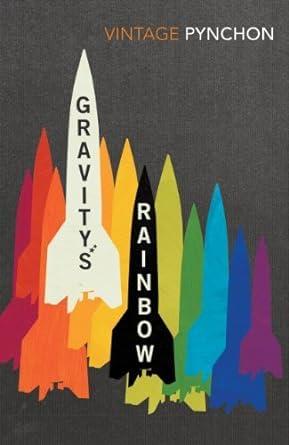
It was mentioned that Thomas Pynchon wrote an essay in 1984 questioning the negative aspects of technology, and it was discussed in the context of the Luddite movement and its relevance to modern times.
Thomas Pynchon, the famous author of Gravity's Rainbow, among others, in 1984, he wrote an essay essentially saying like, I'm not so sure we should scoff at Luddites.
— Episode: The Luddites: Misunderstood Working Clas...
It was mentioned that Thomas Pynchon wrote an essay in 1984 questioning the negative aspects of technology, and it was discussed in the context of the Luddite movement and its relevance to modern times.
Thomas Pynchon, the famous author of Gravity's Rainbow, among others, in 1984, he wrote an essay essentially saying like, I'm not so sure we should scoff at Luddites.

In his 2008 autobiography, Robert Wagner initially claimed that he and Christopher Walken had a fight about politics, but later revised this in his book to an argument about Natalie Wood's career and whether she should focus on motherhood.
In 2008 called Pieces of My Heart.
— Episode: The Tragic Death of Natalie Wood
In his 2008 autobiography, Robert Wagner initially claimed that he and Christopher Walken had a fight about politics, but later revised this in his book to an argument about Natalie Wood's career and whether she should focus on motherhood.
In 2008 called Pieces of My Heart.

An Inquiry Concerning the Progress of the Nation, and the Probable Exhaustion of Our Coal Mines (1866)

Assessing the Impact of Public Policy Institutes, Third Edition
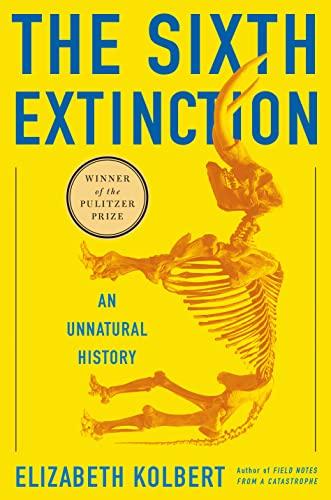
An Unnatural History
This book was preceded by an article in The New Yorker, which the hosts worked from for their research on extinction.
She wrote a book called The Sixth Extinction. That's a good, it's a good article. Yeah. And like they, she wrote an article in the New Yorker. She's a New Yorker journalist. That was...
— Episode: Selects: How Extinction Works
This book was preceded by an article in The New Yorker, which the hosts worked from for their research on extinction.
She wrote a book called The Sixth Extinction. That's a good, it's a good article. Yeah. And like they, she wrote an article in the New Yorker. She's a New Yorker journalist. That was basically the predecessor to the book.
A Practical Guide to Deliverance from Evil Spirits
A hard copy of 'Unbound: How Eight Technologies Made Us Human, Transformed Society, and Brought the World to the Brink' by Richard L. Currier was received as a gift by the hosts.
Beth Vumanic Lopez sent us a copy of Unbound, colon, how eight technologies made us human, transformed society, and brought the world to the brink by Richard L. Currier.
— Episode: Selects: How Nitrous Oxide Works
A hard copy of 'Unbound: How Eight Technologies Made Us Human, Transformed Society, and Brought the World to the Brink' by Richard L. Currier was received as a gift by the hosts.
Beth Vumanic Lopez sent us a copy of Unbound, colon, how eight technologies made us human, transformed society, and brought the world to the brink by Richard L. Currier.

It was mentioned in relation to a quote about not being able to fall off a mountain, linking it to the idea of respecting bear territory and avoiding dangerous areas within national parks.
Jack Kerouac said you can't fall off a mountain.
— Episode: Night of the Grizzlies
It was mentioned in relation to a quote about not being able to fall off a mountain, linking it to the idea of respecting bear territory and avoiding dangerous areas within national parks.
Jack Kerouac said you can't fall off a mountain.
I read that one.
The hosts mentioned The Walking Dead alongside The Road as another reference to a dystopian narrative.
All right. I think where we left off the United States was a version of Cormac McCarthy's The Road. Yeah, yeah. And The Walking Dead.
— Episode: SYSK's 12 Days of Christmas… Toys: How t...
The hosts mentioned The Walking Dead alongside The Road as another reference to a dystopian narrative.
All right. I think where we left off the United States was a version of Cormac McCarthy's The Road. Yeah, yeah. And The Walking Dead.

With Some Remarks on Insanity and Its Treatment (Classic Reprint)
It was written by Dr. Thomas Story Kirkbride, who advocated for a humane approach to mental health care, emphasizing spacious, well-lit hospitals rather than dungeons or jails. It was discussed as having changed the way mental institutions were built and designed.
And he wrote a book called On The Construction, Organization and General Arrangements of Hospitals for the Insane.
— Episode: Short Stuff: The Sad, Strange Tale of Ma...
It was written by Dr. Thomas Story Kirkbride, who advocated for a humane approach to mental health care, emphasizing spacious, well-lit hospitals rather than dungeons or jails. It was discussed as having changed the way mental institutions were built and designed.
And he wrote a book called On The Construction, Organization and General Arrangements of Hospitals for the Insane.
And he literally wrote the book on this and changed everything.
Note: The book recommendations on this page are discovered automatically from podcast transcripts, and may be incorrect or incomplete.
Podcast Name