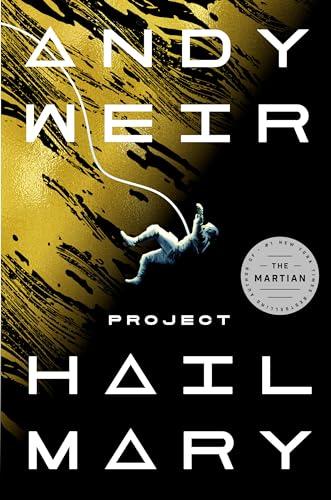
Project Hail Mary
Andy Weir
Mentioned 1 week ago
Selects: The First Road Trip
If you've ever wanted to know about champagne, satanism, the Stonewall Uprising, chaos theory, LSD, El Nino, true crime and Rosa Parks, then look no further. Josh and Chuck have you covered.
Recently mentioned
Andy Weir
Mentioned 1 week ago
Selects: The First Road Trip
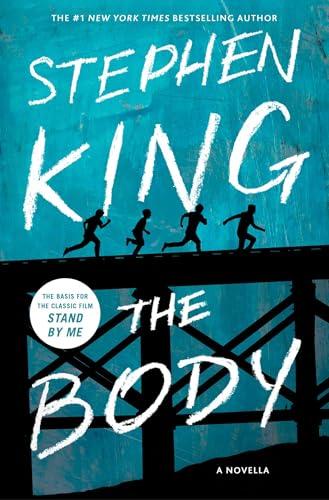
Stephen King
Mentioned 1 week ago
Selects: The First Road Trip
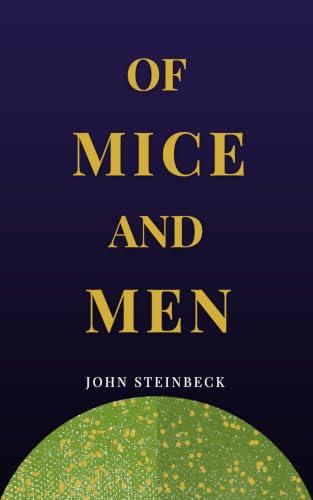
John Steinbeck
Mentioned 2 weeks ago
Kola: The World’s Deepest Hole
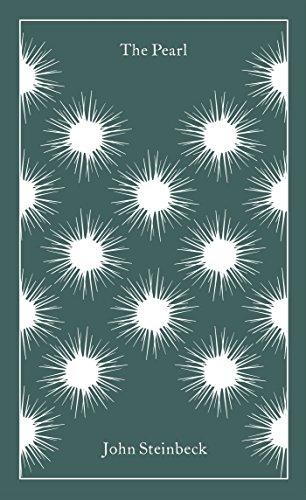
STEINBECK JOHN
Mentioned 2 weeks ago
Kola: The World’s Deepest Hole
Bethany McLean
Mentioned 3 weeks ago
Selects: How Enron Fooled the World
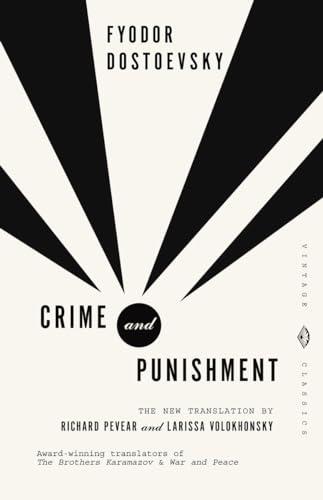
Fyodor Dostoevsky
Mentioned 3 weeks ago
Short Stuff: Why does it feel good to be scared?
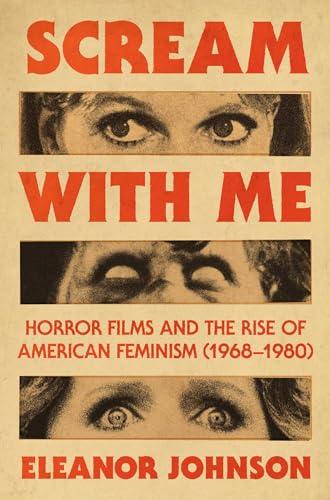
Eleanor Johnson
Mentioned 3 weeks ago
Short Stuff: Why does it feel good to be scared?
John Kennedy Toole
Mentioned 4 weeks ago
Some Interesting Curses
Mordecai RICHLER
Mentioned 4 weeks ago
Some Interesting Curses
Michael Crichton
Mentioned 1 month ago
The Stuff You Should Know Doin’ Science Playlist: How Chaos Theory Changed the Universe
Naomi Oreskes
Mentioned 1 month ago
How Global Warming Works
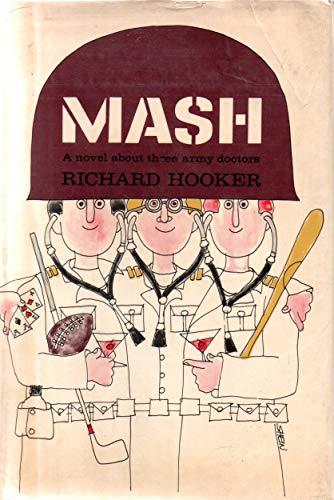
Richard Hooker
Mentioned 1 month ago
M*A*S*H: The Story of the 4077th
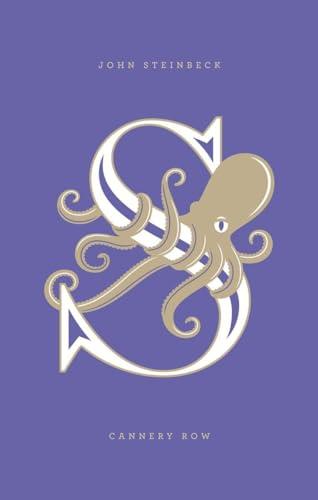
It was mentioned in a quick list of John Steinbeck's books, with no further discussion.
What's the Cannery Row one?
— Episode: Pearls: Second Best Thing About Oysters
It was mentioned in a quick list of John Steinbeck's books, with no further discussion.
What's the Cannery Row one?
It was briefly mentioned by Chuck while discussing Steinbeck's works and the context of 'Of Mice and Men'.
Of Mice and Men. What's the Cannery Row one?
Cannery Row of Mice and Men. Of Mice and Men, man.
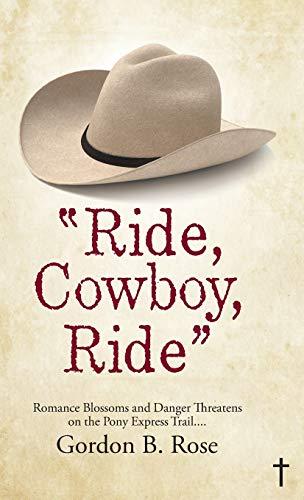
Romance Blossoms and Danger Threatens on the Pony Express Trail...
It was described as a book containing some of the only real documentation from surviving Pony Express riders, but a few chapters were lost during printing, and it's now considered a collectible.
And apparently that is some of the only like real documentation we have from some of the real riders that she eventually published in something called The Pony Express Rides On!
— Episode: Selects: How the Pony Express Worked
It was described as a book containing some of the only real documentation from surviving Pony Express riders, but a few chapters were lost during printing, and it's now considered a collectible.
And apparently that is some of the only like real documentation we have from some of the real riders that she eventually published in something called The Pony Express Rides On!
Which apparently you can still buy if you have a lot of money. Yeah. It's like a collectible, I'm sure.
It was discussed that Mabel Loving, an amateur poet, had collected some of the only genuine accounts of Pony Express riders, which were later published in a book called 'The Pony Express Rides On!'.
And it finally took a woman named, a poet, apparently not a very good one, named Mabel Loving, who said, why don't, you know, why doesn't someone actually write letters and get in touch with some of these people and get the true dirt? And she did that.
And apparently that is some of the only like real documentation we have from some of the real riders that she eventually published in something called 'The Pony Express Rides On!' Exclamation point.
Which apparently you can still buy if you have a lot of money. Yeah. It's like a collectible, I'm sure.
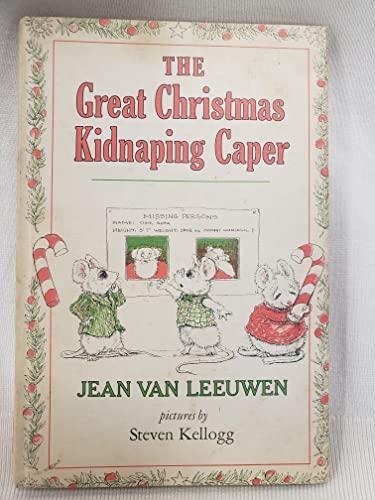
It was mentioned as a children's book that was sent to Chuck by a listener named Becca, and he planned to read it to his daughter.
Becca sent me a library copy of a book, my children's book that I was so fond of as a kid, The Great Christmas Kidnapping Caper.
— Episode: Selects: How the Pony Express Worked
It was mentioned as a children's book that was sent to Chuck by a listener named Becca, and he planned to read it to his daughter.
Becca sent me a library copy of a book, my children's book that I was so fond of as a kid, The Great Christmas Kidnapping Caper.
A listener thanked the hosts for sending a children's book they loved as a kid, called "The Great Christmas Kidnapping Caper."
my children's book that I was so fond of as a kid The Great Christmas Kidnapping Caper
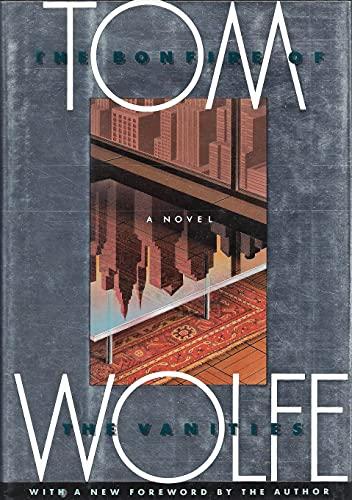
A Novel
It was mentioned as a book written by Tom Wolfe as a result of his new journalism work, showcasing his writing style.
And Tom Wolfe did that with his early work on what would become The Right Stuff and The Bonfire of the Vanities.
— Episode: Rolling Stone Magazine
It was mentioned as a book written by Tom Wolfe as a result of his new journalism work, showcasing his writing style.
And Tom Wolfe did that with his early work on what would become The Right Stuff and The Bonfire of the Vanities.
It was mentioned as an example of Tom Wolfe's writing in the New Journalism style, where he would write chapter-like installments for the magazine.
And Tom Wolfe did that with his early work on what would become The Right Stuff and The Bonfire of the Vanities.
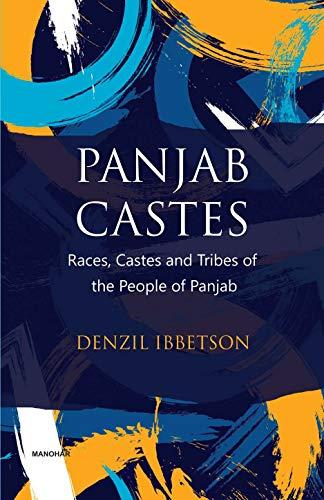
Races, Castes and Tribes of the People of Panjab
It was mentioned as a book from 1881 that first explicitly discussed the concept of hypergamy, specifically in relation to parents seeking to marry their daughters into a higher-status tribe.
I know that in 1881, it was first used or first found in a book kind of like explicitly written about in a book called Panjab Castes.
— Episode: Short Stuff: Marrying Up
It was mentioned as a book from 1881 that first explicitly discussed the concept of hypergamy, specifically in relation to parents seeking to marry their daughters into a higher-status tribe.
I know that in 1881, it was first used or first found in a book kind of like explicitly written about in a book called Panjab Castes.
That was a book by Sir Denzil Ibbotson where they talked about a man seeking to marry his daughter off to a member of a tribe superior to his own.
It was first mentioned in this book in 1881, as a concept of a man trying to marry his daughter into a tribe of higher status than his own.
I know that in 1881, it was first used or first found in a book kind of like explicitly written about in a book called Panjab Castes.
That was a book by Sir Denzil Ibbotson where they talked about a man seeking to marry his daughter off to a member of a tribe superior to his own.
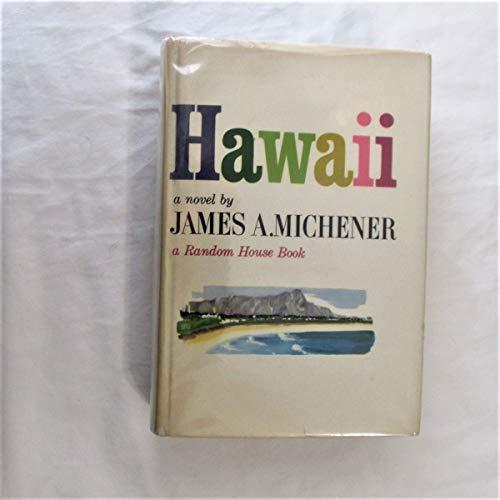
It was mentioned as a very long book by James Michener on the history of Hawaii, which was referenced in the context of the podcast's research.
Oh, really? No. Do you remember? James Michener would write those thousand page epics about like, I think he wrote one on Hawaii.
— Episode: At Long Last: Hawaiian Overthrow Episode
It was mentioned as a very long book by James Michener on the history of Hawaii, which was referenced in the context of the podcast's research.
Oh, really? No. Do you remember? James Michener would write those thousand page epics about like, I think he wrote one on Hawaii.
And one of them was Hawaii, but they would be like a thousand pages easily.
It was mentioned as a thousand-page book by James Michener, detailing the history of Hawaii, which one of the hosts had read before.
Oh, really? No. Do you remember? James Michener would write those thousand page epics about like, I think he wrote one on Hawaii.
And one of them was Hawaii, but they would be like a thousand pages easily.
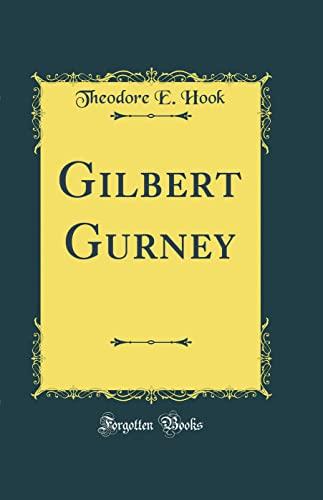
It was a semi-autobiographical novel written by Theodore Hook about 25 years after the Berners Street Hoax, in which one of the characters confesses to the hoax, leading people to believe he was behind it.
And he, I mean, he was the kind of person who would do this, but also he wrote a semi autobiographical novel about 25 years after. It was called Gilbert Gurney. And in it one of the characters says, I...
— Episode: Short Stuff: The Berners Street Hoax
It was a semi-autobiographical novel written by Theodore Hook about 25 years after the Berners Street Hoax, in which one of the characters confesses to the hoax, leading people to believe he was behind it.
And he, I mean, he was the kind of person who would do this, but also he wrote a semi autobiographical novel about 25 years after. It was called Gilbert Gurney. And in it one of the characters says, I'm the one, I did it.
It was a semi-autobiographical novel written by Theodore Hook about 25 years after the Berners Street Hoax, in which one of the characters claims responsibility for the hoax.
And he wrote a semi autobiographical novel about 25 years after. It was called Gilbert Gurney. And in it one of the characters says, I'm the one, I did it.
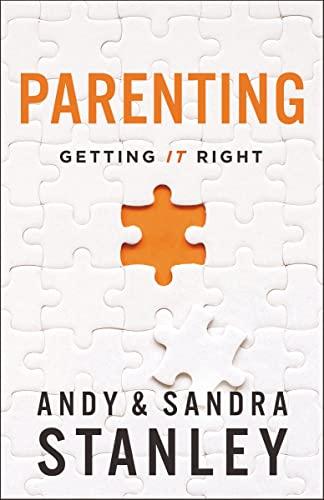
Getting It Right
It was mentioned as a 1996 book that expanded upon Arthur Okun's Misery Index, adding factors to create a clearer economic picture across a president's term.
Robert Barrow, he wrote a 1996 book called Getting It Right. Markets and choices in a free society.
— Episode: Selects: What's the misery index?
It was mentioned as a 1996 book that expanded upon Arthur Okun's Misery Index, adding factors to create a clearer economic picture across a president's term.
Robert Barrow, he wrote a 1996 book called Getting It Right. Markets and choices in a free society.
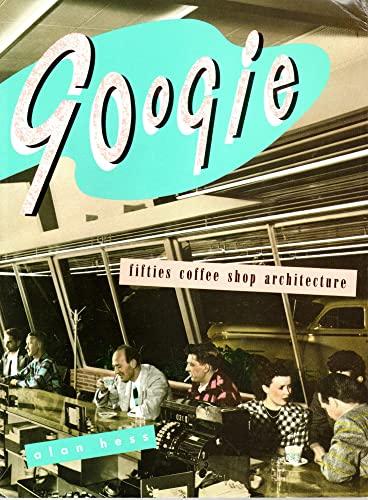
Fifties Coffee Shop Architecture
Alan Hess's book on Googie architecture was mentioned, having been published in the late 80s and helped spark a renewed interest in the style, leading to preservation efforts.
Hooray for Hess, right?
— Episode: Googie: The Architecture of the Space Ag...
Alan Hess's book on Googie architecture was mentioned, having been published in the late 80s and helped spark a renewed interest in the style, leading to preservation efforts.
Hooray for Hess, right?
That sort of helped reignite like an appreciation for these buildings and this architecture and more and more were protected that had not been demolished.
Googie: 50s coffee shop architecture
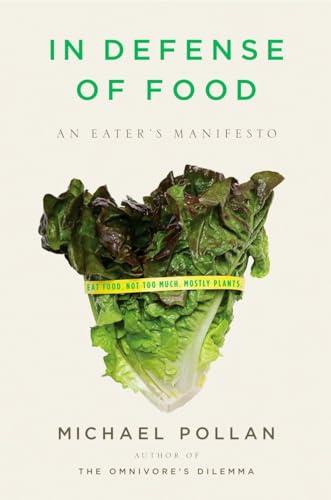
An Eater's Manifesto
It was mentioned briefly as another book by Michael Pollan, following 'The Omnivore's Dilemma'.
And then Food Rules and one called Cooked about eight or nine years ago.
— Episode: How Ultraprocessed Foods Work
It was mentioned briefly as another book by Michael Pollan, following 'The Omnivore's Dilemma'.
And then Food Rules and one called Cooked about eight or nine years ago.
It was mentioned as a book following Michael Pollan's 'The Omnivore's Dilemma', furthering his discussion on the importance of choosing healthier food options.
And then Food Rules and one called Cooked about eight or nine years ago.
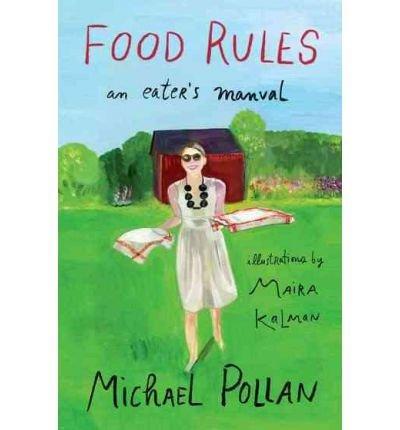
An Eater's Manual
It was mentioned briefly as another book by Michael Pollan, following 'The Omnivore's Dilemma'.
And then Food Rules and one called Cooked about eight or nine years ago.
— Episode: How Ultraprocessed Foods Work
It was mentioned briefly as another book by Michael Pollan, following 'The Omnivore's Dilemma'.
And then Food Rules and one called Cooked about eight or nine years ago.
This book is another work by Michael Pollan, expanding on his previous works on food and nutrition, and was mentioned in the podcast alongside 'In Defense of Food'.
And then Food Rules and one called Cooked about eight or nine years ago.
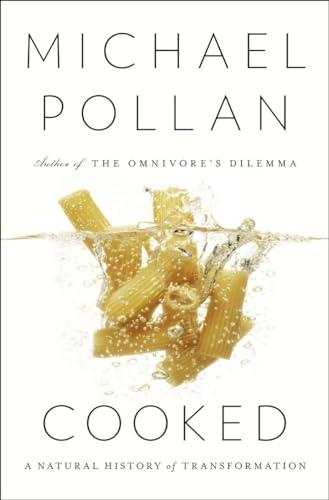
A Natural History of Transformation
It was mentioned briefly as another book by Michael Pollan, following 'The Omnivore's Dilemma'.
And then Food Rules and one called Cooked about eight or nine years ago.
— Episode: How Ultraprocessed Foods Work
It was mentioned briefly as another book by Michael Pollan, following 'The Omnivore's Dilemma'.
And then Food Rules and one called Cooked about eight or nine years ago.
It was briefly mentioned as a book by Michael Pollan related to food, and was mentioned alongside 'In Defense of Food' and 'Food Rules'.
And then Food Rules and one called Cooked about eight or nine years ago.
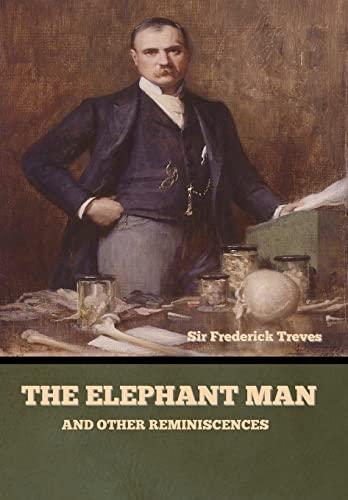
It was mentioned in the context of Dr. Treves criticizing Tom Norman for exploiting Joseph Merrick, the Elephant Man, but Norman defended his treatment of Merrick.
He was attacked specifically in a memoir by Dr. Frederick Treves called The Elephant Man and Other Reminiscences.
— Episode: Selects: How Freak Shows Worked
It was mentioned in the context of Dr. Treves criticizing Tom Norman for exploiting Joseph Merrick, the Elephant Man, but Norman defended his treatment of Merrick.
He was attacked specifically in a memoir by Dr. Frederick Treves called The Elephant Man and Other Reminiscences.
It was mentioned in the context of Tom Norman being criticised for exploiting Joseph Merrick, the Elephant Man, and he responded by defending his treatment of Merrick.
He was attacked specifically in a memoir by Dr. Frederick Treves called The Elephant Man and Other Reminiscences.
Women, Medicine, and Law in the United States, 1867-1973
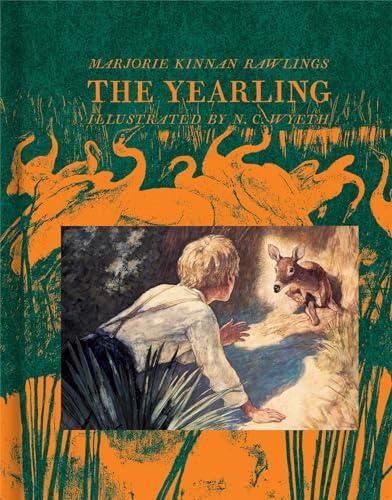
It was briefly mentioned in the context of a listener email, which confused the host about whether the book/movie was about a horse or a deer. It was mentioned that the cover of the book/movie had a deer on it.
You mentioned that billy went to slice up a bit of yearling uh, aka horse meat for a post-coital snack i'm from wyoming and my family raises horses as well as beef and show cattle I just thought i'd s...
— Episode: How Soap Works
It was briefly mentioned in the context of a listener email, which confused the host about whether the book/movie was about a horse or a deer. It was mentioned that the cover of the book/movie had a deer on it.
You mentioned that billy went to slice up a bit of yearling uh, aka horse meat for a post-coital snack i'm from wyoming and my family raises horses as well as beef and show cattle I just thought i'd share in the livestock industry technically almost all livestock Is a yearling Once they've hit a year of age
And then I looked up the movie The Yearling remember that it's about that little baby deer. So Oh, I thought that was about a horse too.
Well, that's probably about a deer that'd be very misleading if it wasn't Either that or like the person who is in charge of the cover design didn't bother to read the book
During a discussion about the term 'yearling' in relation to livestock, a listener's email mentioned the book 'The Yearling,' which was possibly a source of confusion regarding the term and its association with horses or deer.
And then I looked up the movie The Yearling remember that it's about that little baby deer.
Well, that's probably about a deer that'd be very misleading if it wasn't. Either that or like the person who is in charge of the cover design didn't bother to read the book.
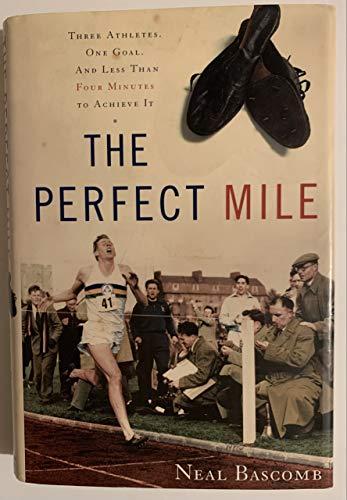
Three Athletes, One Goal, and Less Than Four Minutes to Achieve It
It was mentioned as a source for the episode, and the podcast hosts acknowledged it as a great book that provided information about the four-minute mile.
He asked us to shout out to a guy who wrote a book called The Perfect Mile, Neil Bascom because he used it as one of his sources and I guess he thought it was so great that he wanted...
— Episode: The 4-minute Mile: Greatest Sports Story...
It was mentioned as a source for the episode, and the podcast hosts acknowledged it as a great book that provided information about the four-minute mile.
He asked us to shout out to a guy who wrote a book called The Perfect Mile, Neil Bascom because he used it as one of his sources and I guess he thought it was so great that he wanted to shout out Neil Bascom.
It was mentioned as a source for the episode, and the hosts expressed gratitude to the author for the helpful information it provided about Roger Bannister and the four-minute mile.
He asked us to shout out to a guy who wrote a book called The Perfect Mile, Neil Bascom because he used it as one of his sources and I guess he thought it was so great that he wanted to shout out Neil Bascom.
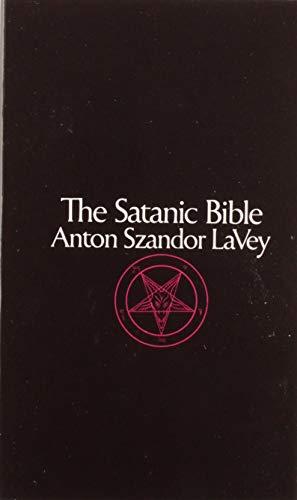
It was published in 1969 and discussed, and some passages were read aloud. It was mentioned that some consider it plagiarized from earlier work.
So he wrote The Satanic Bible in 69? Published in 1969.
— Episode: Selects: How Satanism Works
It was published in 1969 and discussed, and some passages were read aloud. It was mentioned that some consider it plagiarized from earlier work.
So he wrote The Satanic Bible in 69? Published in 1969.
And he also wrote a lot about ritual and stuff as well and prescribed certain kinds of rituals in The Satanic Bible.
Satanism has been thought of as being synonymous with cruelty and brutality. This is only so because people are afraid to face the truth. And the truth is that human beings are not all benign or all loving.
Just because the Satanist admits he is capable of both love and hate, he is considered hateful. On the contrary, because he is able to give vent to his hatred, through ritualized expression, he is far more capable of love, the deepest kind of love.
It was discussed as a key text in understanding the Church of Satan, and excerpts were read on the podcast, including passages about love, hate, and ritual.
So in 1966 created officially the Church of Satan and in 1969 published The Satanic Bible, which is pretty interesting to read through. I haven't read it all, but I read quite a bit of passages.
Satanism has been thought of as being synonymous with cruelty and brutality. This is only so because people are afraid to face the truth. And the truth is that human beings are not all benign or all loving.
Just because the Satanist admits he is capable of both love and hate, he is considered hateful. On the contrary, because he is able to give vent to his hatred, through ritualized expression, he is far more capable of love, the deepest kind of love.
By honestly recognizing and admitting to both the hate and the love he feels, there's no confusing one emotion with the other. Without being able to experience one of these emotions, you cannot fully experience the other.
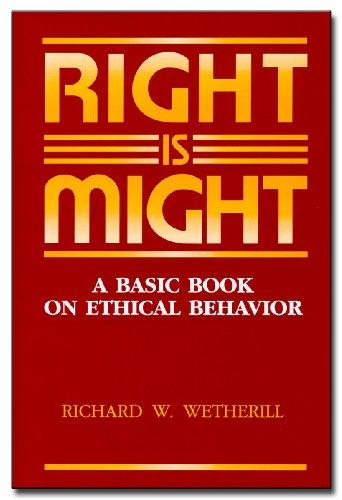
It was published in 1890 and discussed in relation to Anton LaVey's work. It is a book that promotes social Darwinism and an individualistic, almost anarchistic, ideology.
And there was a book. So he wrote the Satanic Bible in 69? Published in 1969. Yeah. And there was a book published in 1890, I think it was called Might is Right.
— Episode: Selects: How Satanism Works
It was published in 1890 and discussed in relation to Anton LaVey's work. It is a book that promotes social Darwinism and an individualistic, almost anarchistic, ideology.
And there was a book. So he wrote the Satanic Bible in 69? Published in 1969. Yeah. And there was a book published in 1890, I think it was called Might is Right.
And it was extremely into social Darwinism. It was individualistic to the point of being anarchistic. It had all of the requisite 1890s racism and sexism attendant to it as well.
But the point of it was, why would you love your enemies? This whole doctrine of love is BS. We're animals. And if you have an enemy, you should go out and beat him up because he's your enemy. You don't need to love him. You need to love yourself.
It was mentioned as a book published in 1890 that Anton LaVey may have plagiarized or built upon in writing The Satanic Bible. It explores themes of social Darwinism, individualism, and a rejection of the concept of loving one's enemies.
But there was a book. So he wrote the Satanic Bible in 69? Published in 1969. Yeah. And there was a book published in 1890, I think it was called Might is Right. And it was written pseudonymously by a guy named Ragnar Redbeard.
Ragnar Redbeard wrote this book and it was extremely into social Darwinism. It was individualistic to the point of being anarchistic. It had all of the requisite 1890s racism and sexism attendant to it as well. But the point of it was, why would you love your enemies?
It was described as a romance novel, possibly a disturbing one, and was available on Audible with Rodney Dangerfield narrating the audiobook.
He wrote a romance novel called La Contessa. And if you Google the image for this- It's disturbing. Yeah, it's basically like your typical, it's Fabio, basically, with a woman, except it's got Rodney...
— Episode: Selects: How Rodney Dangerfield Worked,...
It was described as a romance novel, possibly a disturbing one, and was available on Audible with Rodney Dangerfield narrating the audiobook.
He wrote a romance novel called La Contessa. And if you Google the image for this- It's disturbing. Yeah, it's basically like your typical, it's Fabio, basically, with a woman, except it's got Rodney Dangerfield's face on it. And it's available on Audible.
Oh, is it really? Yes, it is. With Rodney Dangerfield reading it. No way. I kid you not. Would I joke about what's on Audible?
It was a romance novel that Rodney Dangerfield wrote, which was made available on Audible, with him reading the novel.
He wrote a romance novel called La Contessa.
And it's available on Audible. Oh, is it really? Yes, it is. With Rodney Dangerfield reading it. No way. I kid you not.
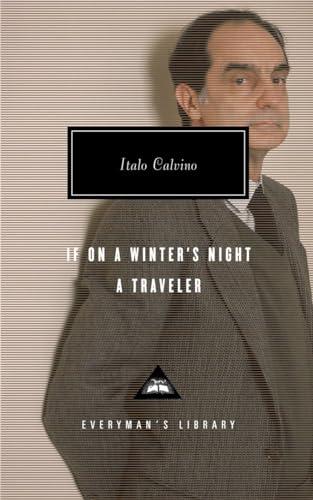
Introduction by Peter Washington (Everyman's Library Contemporary Classics Series)
It was described as a quintessential postmodern novel due to its second-person narrative structure and its unconventional, non-linear progression and multiple beginnings.
It starts out by saying you are about to begin reading Italo Calvino's new novel, If on a Winter's Night, A Traveler. Relax, concentrate, dispel every other thought.
— Episode: “Postmodernism:”
It was described as a quintessential postmodern novel due to its second-person narrative structure and its unconventional, non-linear progression and multiple beginnings.
It starts out by saying you are about to begin reading Italo Calvino's new novel, If on a Winter's Night, A Traveler. Relax, concentrate, dispel every other thought.
So the author is directing you, the reader, to begin the novel that you're reading. So you're immediately the character. Like he's writing about you in this page.
And then it very quickly careens from what you would consider real. Like the book runs out on page 32 in the book. The book you're actually reading still goes on.
It was described as a quintessential postmodern novel due to its second-person perspective and its unconventional structure, where the story repeatedly starts over or breaks off.
It's a book by Italo Calvino called If on a Winter's Night, A Traveler is from 1979.
It's written in the second person perspective. So he talks about you. So you're the main character.
And it starts out by saying you are about to begin reading Italo Calvino's new novel, If on a Winter's Night, A Traveler.
So the author is directing you, the reader, to begin the novel that you're reading. So you're immediately the character. Like he's writing about you in this page.
And then it very quickly careens from what you would consider real. Like the book runs out on page 32 in the book. The book you're actually reading still goes on.
Note: The book recommendations on this page are discovered automatically from podcast transcripts, and may be incorrect or incomplete.
Podcast Name