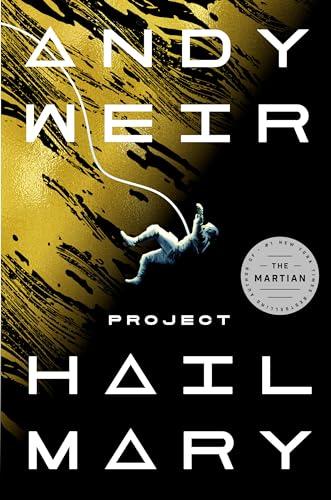
Project Hail Mary
Andy Weir
Mentioned 1 week ago
Selects: The First Road Trip
If you've ever wanted to know about champagne, satanism, the Stonewall Uprising, chaos theory, LSD, El Nino, true crime and Rosa Parks, then look no further. Josh and Chuck have you covered.
Recently mentioned
Andy Weir
Mentioned 1 week ago
Selects: The First Road Trip
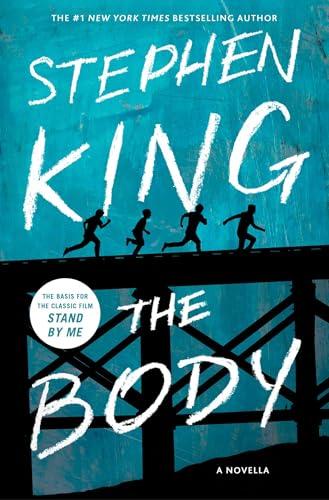
Stephen King
Mentioned 1 week ago
Selects: The First Road Trip
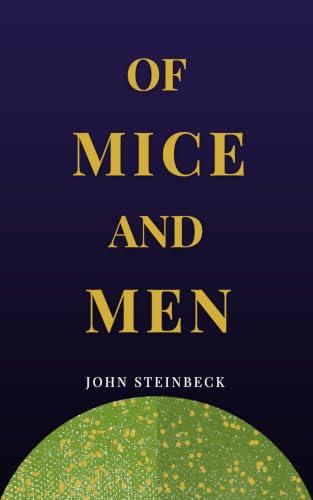
John Steinbeck
Mentioned 2 weeks ago
Kola: The World’s Deepest Hole
STEINBECK JOHN
Mentioned 2 weeks ago
Kola: The World’s Deepest Hole
Bethany McLean
Mentioned 3 weeks ago
Selects: How Enron Fooled the World
Fyodor Dostoevsky
Mentioned 3 weeks ago
Short Stuff: Why does it feel good to be scared?
Eleanor Johnson
Mentioned 3 weeks ago
Short Stuff: Why does it feel good to be scared?
John Kennedy Toole
Mentioned 4 weeks ago
Some Interesting Curses
Mordecai RICHLER
Mentioned 4 weeks ago
Some Interesting Curses
Michael Crichton
Mentioned 1 month ago
The Stuff You Should Know Doin’ Science Playlist: How Chaos Theory Changed the Universe
Naomi Oreskes
Mentioned 1 month ago
How Global Warming Works
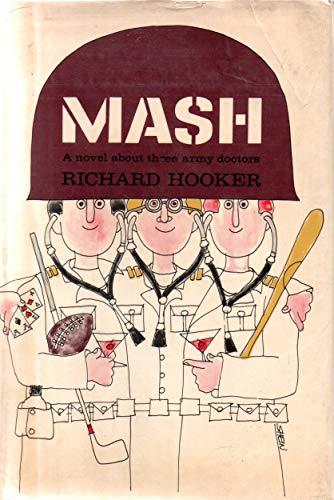
Richard Hooker
Mentioned 1 month ago
M*A*S*H: The Story of the 4077th

The author of 'Hidden Figures' was mentioned as a keynote speaker at the Mensa Annual Gathering in Reno, Nevada, where she was expected to discuss the book.
And they're having the Hidden Figures author Margaret Lee Shatterly. Nice.
— Episode: How Mensa Works
The author of 'Hidden Figures' was mentioned as a keynote speaker at the Mensa Annual Gathering in Reno, Nevada, where she was expected to discuss the book.
And they're having the Hidden Figures author Margaret Lee Shatterly. Nice.
The book 'Hidden Figures' was mentioned as the topic for a keynote speech at the Mensa Annual Gathering in Reno, Nevada.
They're having the Hidden Figures author Margaret Lee Shatterly. Nice. Who's I think she is the keynote who's going to speak about Hidden Figures.
For the Use of Primary and Common Schools (Classic Reprint)
It was suggested as a possible source to find the original musical notes of Mary Had a Little Lamb, as it was said to be in this book.
if you can get your hands on Juvenile Lyre, L-Y-R-E, that book that it was originally in, I think the notes are in there.
— Episode: Short Stuff: Mary Had A Little Lamb
It was suggested as a possible source to find the original musical notes of Mary Had a Little Lamb, as it was said to be in this book.
if you can get your hands on Juvenile Lyre, L-Y-R-E, that book that it was originally in, I think the notes are in there.
100 Ways to Liberate and Celebrate Your Messy, Wild, and Untamed Self
It was published in 2013 and called for rewilding, which subsequently gained popularity in the UK, especially in England.
He wrote a book in 2013 called Feral that basically called for rewilding.
— Episode: How Rewilding Works
It was published in 2013 and called for rewilding, which subsequently gained popularity in the UK, especially in England.
He wrote a book in 2013 called Feral that basically called for rewilding.
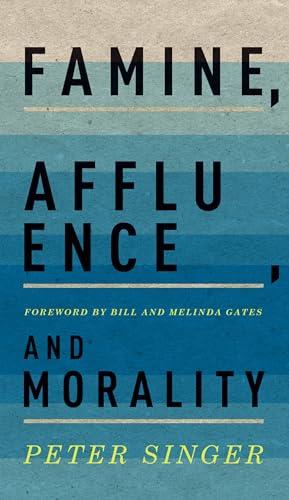
It was discussed in the podcast as providing the general contours of the effective altruism movement. The authors also mentioned that it included a thought experiment about saving a drowning child vs. ruining a new pair of shoes.
He basically goes on to destroy any argument about, well, that's a kid that you see in a pond. You're actually physically saving that kid.
— Episode: How Effective Altruism Works
It was discussed in the podcast as providing the general contours of the effective altruism movement. The authors also mentioned that it included a thought experiment about saving a drowning child vs. ruining a new pair of shoes.
He basically goes on to destroy any argument about, well, that's a kid that you see in a pond. You're actually physically saving that kid.
It's easier. It is easier. You don't even have to get wet. You just call in your credit card basically.
He will really turn like the hot plate up under you and just really make you feel uncomfortable.
He's saying like this is my philosophical argument, and it's pretty sound if you hear me out. And if you hear him out, it is pretty sound.
He wrote that paper, Famine, Affluence and Morality, which basically provides the general contours of the effective altruist movement.
It was discussed as a 1972 essay that explored the ethical obligations of affluent individuals to help those in need globally, presented through a thought experiment about a drowning child and the choice to save them or not.
He basically goes on to destroy any argument about, well, that's a kid that you see in a pond. You're actually physically saving that kid.
He's like, well, it's so easy to donate to help a child on the other side of the world right now that for all intents and purposes, it's as easy as going into a pond to save a kid these days.
It's easier. You don't even have to get wet. You just call in your credit card basically. Yes, you know?
So he just destroys like any argument you could possibly have.
So read that too and just see what you think. See what you think about yourself too.
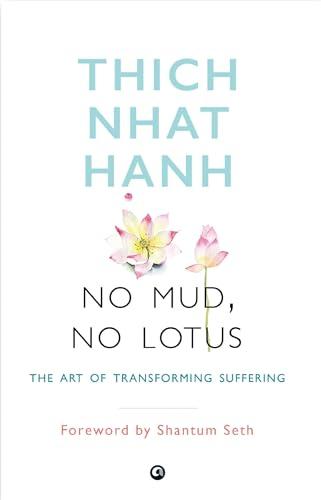
The Art of Transforming Suffering
It was described as an easy, slim volume that explained how to confront suffering and understand that it's a part of life, as well as how happiness and suffering are intertwined.
It's one of those ones you just kind of go back and reread. Very like easy, slim volume. It's called No Mud, No Lotus. And it basically says like without suffering, you can't have hap...
— Episode: How Mindfulness Works
It was described as an easy, slim volume that explained how to confront suffering and understand that it's a part of life, as well as how happiness and suffering are intertwined.
It's one of those ones you just kind of go back and reread. Very like easy, slim volume. It's called No Mud, No Lotus. And it basically says like without suffering, you can't have happiness and vice versa.
Pretty basic stuff, but like he really gets into explaining how to confront suffering and understand that it's just part of life.
It was described as an easy, slim volume that discussed the concept that without suffering, happiness cannot exist and vice versa, and how to confront suffering as part of life.
It's one of those ones you just kind of go back and reread. Very like easy, slim volume. It's called No Mud, No Lotus. And it basically says like without suffering, you can't have happiness and vice versa.
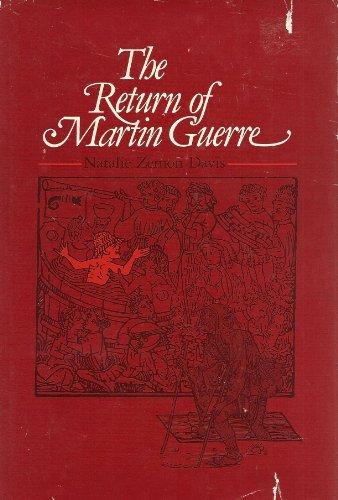
It was mentioned as a book that stuck with one of the hosts from their time as an undergraduate student, and it was later mentioned as being the basis for the movie Sommersby, with Natalie Zemon Davis as a historical consultant.
This book just always stuck with me. The Return of Martin Guerre by Natalie Zeman Davis.
— Episode: The Improbable Story of Martin Guerre
It was mentioned as a book that stuck with one of the hosts from their time as an undergraduate student, and it was later mentioned as being the basis for the movie Sommersby, with Natalie Zemon Davis as a historical consultant.
This book just always stuck with me. The Return of Martin Guerre by Natalie Zeman Davis.
It was a great, great book.
She was the consultant on that, the historical consultant on that film.
And part of that book, part of her big contribution, she made tons of contributions to the historical record, turned up a lot of great documents and everything.
But subjectively, her big contribution was completely altering the way people saw Bertrand.
It was discussed as being a very impactful book that stuck with one of the podcast hosts from their time as a history undergraduate. It was said to have altered the perception of one of the main characters, Bertrand.
Okay. A hot, sexy undergrad. Boy, were you. In learning my history. Yeah. I can't remember what class. It must have been a European history class. But this book just always stuck with me. The Return of Martin Guerre by Natalie Zeman Davis.
It was assigned as part of the class. It was a great, great book.
And she was so put off by the retelling of this story that she published her book two years afterward.
And part of that book, part of her big contribution, she made tons of contributions to the historical record, turned up a lot of great documents and everything. But subjectively, her big contribution was completely altering the way people saw Bertrand.
Up to this point, she was a loyal, chaste, devoted wife who would end up being duped, you could say, as we'll see very soon. And under Natalie Zemon Davis's reading of her, she was a very shrewd woman who figured out how to navigate within the confines of a male-dominated, middle-aged French society.
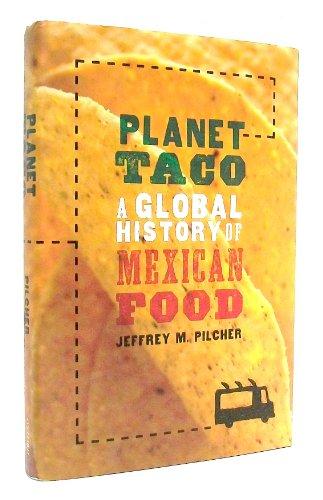
A Global History of Mexican Food
It was mentioned that the book, which explores the global history of Mexican food, may have been partially inspired by Dave Ruse, who was a source for the podcast episode.
And it seems like he might have even, like Dave may have possibly been an inspiration for what ended up being the Jeffrey Pilcher book, Planet Taco, colon, a global history of Mexican...
— Episode: How Tacos Work
It was mentioned that the book, which explores the global history of Mexican food, may have been partially inspired by Dave Ruse, who was a source for the podcast episode.
And it seems like he might have even, like Dave may have possibly been an inspiration for what ended up being the Jeffrey Pilcher book, Planet Taco, colon, a global history of Mexican food because he's even listed in the acknowledgments.
It was discussed as a book about the history of Mexican food and how the taco evolved from its roots to the Americanized version we know today. It was mentioned that the podcast hosts' guest, Dave Ruse, may have been instrumental in inspiring the book.
And it seems like he might have even, like Dave may have possibly been an inspiration for what ended up being the Jeffrey Pilcher book, Planet Taco, colon, a global history of Mexican food because he's even listed in the acknowledgments.
And Dave goes back to Jeffrey Pilcher's book that he helped inspire as a source for this episode.
How Mexican Food Conquered America
The book, which focuses on how Mexican food became popular in the United States, was mentioned as a source that highlighted how Glenn Bell may have learned how to make Tacos Dorados from the Mitla Cafe.
And there is a guy named Gustavo Arellano, he wrote Taco USA, colon, How Mexican Food Conquered America.
— Episode: How Tacos Work
The book, which focuses on how Mexican food became popular in the United States, was mentioned as a source that highlighted how Glenn Bell may have learned how to make Tacos Dorados from the Mitla Cafe.
And there is a guy named Gustavo Arellano, he wrote Taco USA, colon, How Mexican Food Conquered America.
It was discussed as a book that delves into the history of the taco's journey and its rise to prominence in American cuisine. It was mentioned in the context of the origins of Taco Bell.
And there is a guy named Gustavo Arellano, he wrote Taco USA, colon, How Mexican Food Conquered America.

Primera parte (Spanish Edition)
The book, which was published in 1891, was said to be the first instance where 'taco' was used in print to describe the food, not the plug or the tool.
I believe for the first time was in 1891 in a novel called Los Bandidos de Rio Frio, the bandits of cold river.
— Episode: How Tacos Work
The book, which was published in 1891, was said to be the first instance where 'taco' was used in print to describe the food, not the plug or the tool.
I believe for the first time was in 1891 in a novel called Los Bandidos de Rio Frio, the bandits of cold river.
And there's a line in that book where they're talking about a celebration in Mexico city and they say Chito, which is fried goat with tortillas and the children skipping with tacos of tortillas and avocado in their hand.
It was mentioned that a 1891 novel, Los Bandidos de Rio Frio, contained the first known use of the word "taco" when referring to the food. It was briefly mentioned in a context of a celebration in Mexico City.
I believe for the first time was in 1891 in a novel called Los Bandidos de Rio Frio, the bandits of cold river.
And there's a line in that book where they're talking about a celebration in Mexico city and they say Chito, which is fried goat with tortillas and the children skipping with tacos of tortillas and avocado in their hand.
It was described as a documentary about a cave and its phenomenal cave art, which was deemed better than the Lascaux cave art, and discussed at length by the hosts.
I can't remember. I've asked you before, but I don't know if you've seen it since I asked you because you hadn't. Cave of Forgotten Dreams by Werner Herzog.
— Episode: Selects: How Cave Dwellers Work
It was described as a documentary about a cave and its phenomenal cave art, which was deemed better than the Lascaux cave art, and discussed at length by the hosts.
I can't remember. I've asked you before, but I don't know if you've seen it since I asked you because you hadn't. Cave of Forgotten Dreams by Werner Herzog.
The whole thing's neat from beginning to end. But I mean, like it's a, I think maybe a two hour long documentary on a cave. Yeah, and the cave art.
It's phenomenal.
It was described as a two-hour documentary that focused on a cave and the phenomenal cave art within it, particularly the Chauvet cave discovered in 1994.
I can't remember. I've asked you before, but I don't know if you've seen it since I asked you because you hadn't. Cave of Forgotten Dreams by Werner Herzog.
The whole thing's neat from beginning to end.
It was another book produced after Gutenberg's initial Bible run, considered a masterpiece as well. It was printed by Johann Fust using Gutenberg's plates.
But Fust put his name on it, even though Gutenberg had basically created the whole thing.
— Episode: Printing press? Big deal!
It was another book produced after Gutenberg's initial Bible run, considered a masterpiece as well. It was printed by Johann Fust using Gutenberg's plates.
But Fust put his name on it, even though Gutenberg had basically created the whole thing.
It was printed by Johann Fust, using Gutenberg's presses and plates, and was considered a masterpiece. This book was also a profitable venture for Fust.
after Gutenberg printed those Bibles, Fust got his hands on those presses almost immediately and in very short order, I think like less than two years, released a Psalter, which is also considered a masterpiece.
It was mentioned as a book Bill Gates recently read, highlighting strengths and weaknesses of different health care systems, including the US, and its potential for improvement.
I was just reading Zeke Emanuel has one about which is the best health system in the world that does a good job of talking about the strengths and weaknesses, where the US has a lot of weaknesses, but...
— Episode: Short Stuff: The Return of Bill Gates!
It was mentioned as a book Bill Gates recently read, highlighting strengths and weaknesses of different health care systems, including the US, and its potential for improvement.
I was just reading Zeke Emanuel has one about which is the best health system in the world that does a good job of talking about the strengths and weaknesses, where the US has a lot of weaknesses, but has big chance to get better.
It was mentioned as a book that Bill Gates had recently read, discussing the strengths and weaknesses of various healthcare systems, including the US.
I was just reading Zeke Emanuel has one about which is the best health system in the world that does a good job of talking about the strengths and weaknesses, where the US has a lot of weaknesses, but has big chance to get better.
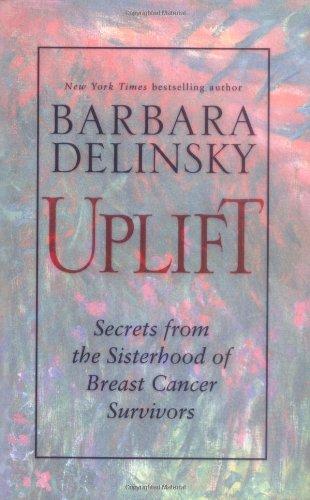
Secrets from the Sisterhood of Breast Cancer Survivors
It was mentioned as a source for information on the history of bras in America, particularly highlighting the challenges of designing a bra to fit a wide range of body types and changes over time.
Brassieres, oh wait. Braziers must do more than fit a multitude of bodies. They must accommodate the same body as it changes through the monthly cycle and the life cycle. They must provide for movemen...
— Episode: How Bras Work
It was mentioned as a source for information on the history of bras in America, particularly highlighting the challenges of designing a bra to fit a wide range of body types and changes over time.
Brassieres, oh wait. Braziers must do more than fit a multitude of bodies. They must accommodate the same body as it changes through the monthly cycle and the life cycle. They must provide for movement of the torso and arms in many directions without chafing or binding, without slipping out of position.
And as if that were not enough, brassiers must retain their own structure throughout multiple wearings and launderings, must not abrade in contact with clothing, must remain as a rule inconspicuous beneath the outer clothing while harmonizing with the desired silhouette and must be priced to sell to many customers.
It's no wonder that hundreds of attempts have been made to design the ideal breast supporter over the past 140 years.
It was mentioned as a source of information about the bra, and included a quote about the bra's complicated nature and the difficulties involved in achieving a good fit.
Brassieres, oh wait. Braziers must do more than fit a multitude of bodies. They must accommodate the same body as it changes through the monthly cycle and the life cycle. They must provide for movement of the torso and arms in many directions without chafing or binding, without slipping out of position. And as if that were not enough, brassiers must retain their own structure throughout multiple wearings and launderings, must not abrade in contact with clothing, must remain as a rule inconspicuous beneath the outer clothing while harmonizing with the desired silhouette and must be priced to sell to many customers.
It's no wonder that hundreds of attempts have been made to design the ideal breast supporter over the past 140 years.
It was an anonymously written book by a fraudulent medium, which exposed various tricks and included a glossary of slang used amongst spiritualists, one of which was 'top heavy'.
And by God, if I can't, I can't find it anywhere in my tabs, but it was basically a, oh, Revelations of a Spirit Medium is what it was called.
— Episode: How Spiritualism Works
It was an anonymously written book by a fraudulent medium, which exposed various tricks and included a glossary of slang used amongst spiritualists, one of which was 'top heavy'.
And by God, if I can't, I can't find it anywhere in my tabs, but it was basically a, oh, Revelations of a Spirit Medium is what it was called.
And I'm pretty sure it was published in 1897 and it is like 400 pages exposing all the tips and all that stuff, all the tricks.
This book was mentioned as an expose on the tricks of mediums in spiritualism, written anonymously by a medium and published in 1897, with a glossary of 19th century slang words among hucksters.
there's an expose written in 1897... it was basically a, oh, Revelations of a Spirit Medium is what it was called.
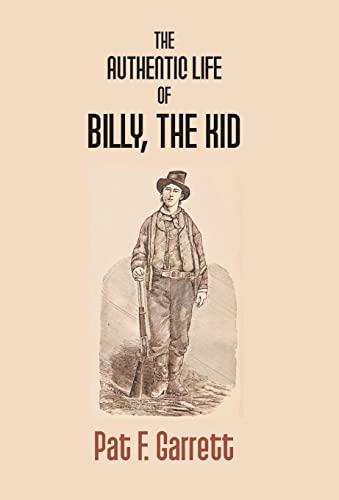
It was mentioned as the book Pat Garrett wrote about Billy the Kid, and the information and account of Billy's death within the book was disputed by the hosts.
And even in this story that he told, this is the official line that Pat Garrett told in the biography he wrote about Billy the Kid, that that was how he died.
— Episode: Short Stuff: The Death of Billy the Kid
It was mentioned as the book Pat Garrett wrote about Billy the Kid, and the information and account of Billy's death within the book was disputed by the hosts.
And even in this story that he told, this is the official line that Pat Garrett told in the biography he wrote about Billy the Kid, that that was how he died.
It was mentioned as the book in which Pat Garrett described Billy the Kid's death, but the account was disputed as probably untrue and possibly involving an ambush.
But even that, which is kind of on the edges of fair, is disputed as probably untrue in that the truth is probably involves even more of an ambush and more surprise and even less of Billy the Kid being able to defend himself than that.
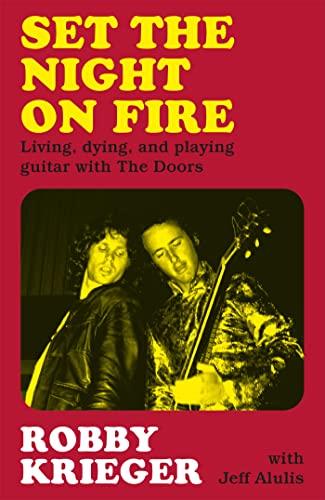
Living, Dying and Playing Guitar with the Doors
It was mentioned as a poetry book that the speaker had bought during his twenties, and that he found to be cringeworthy in retrospect.
In my twenties, I actually bought a, one of Jim Morrison's poetry books.
— Episode: 10 - Yes, 10! - Dumb Criminals
It was mentioned as a poetry book that the speaker had bought during his twenties, and that he found to be cringeworthy in retrospect.
In my twenties, I actually bought a, one of Jim Morrison's poetry books.
It was mentioned in the context of a conversation about the band's name and origin, as well as Jim Morrison's later poetry.
I think that's where the whole lizard king thing came from because I think they took peyote in the desert.
And then Jim Morrison went on to write a bunch of bad poetry.
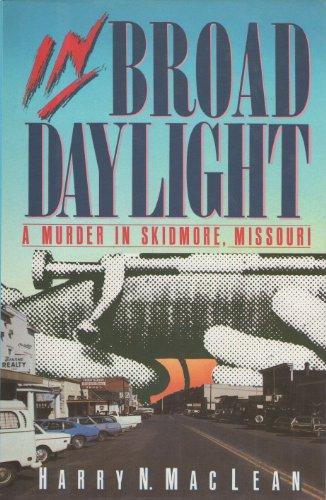
It was mentioned as a book written in 1988 about the murder of Ken McElroy in Skidmore, Missouri. It was also mentioned that the lawyer for Ken McElroy gave copies of the book to delegates in the state Senate.
There was a book written in 1988 by Harry McLean, a crime writer called In Broad Daylight. You know what's coming, colon, our murder in Skidmore, Missouri.
— Episode: The Strange Unsolved Murder of Ken McElr...
It was mentioned as a book written in 1988 about the murder of Ken McElroy in Skidmore, Missouri. It was also mentioned that the lawyer for Ken McElroy gave copies of the book to delegates in the state Senate.
There was a book written in 1988 by Harry McLean, a crime writer called In Broad Daylight. You know what's coming, colon, our murder in Skidmore, Missouri.
Timeless Children's Stories
It was a 40-page supplement created by George Lucas, detailing Wookiees, Chewbacca, and their home planet of Kashyyyk (Kizuk) and Wookiee culture, which was used as a base for the Holiday Special.
Even prior to this, apparently for A New Hope, George Lucas had whipped up a 40-page what's known as the Wookiee Bible.
— Episode: Selects: Star Wars Holiday Spectacular
It was a 40-page supplement created by George Lucas, detailing Wookiees, Chewbacca, and their home planet of Kashyyyk (Kizuk) and Wookiee culture, which was used as a base for the Holiday Special.
Even prior to this, apparently for A New Hope, George Lucas had whipped up a 40-page what's known as the Wookiee Bible.
Yeah. It's like a 40-page supplement that's all about Kizuk and Wookiees and Chewbacca and his family and everything about Wookieedom, right?
So he's like, I've got this thing already established. I love Wookiees.
Here's the Wookiee Bible, tell me what you got.
It was described as a 40-page supplement created by George Lucas prior to A New Hope, containing details about Kashyyyk, Wookies, Chewbacca, and his family.
So he's like I've got this thing already you know established I love Wookiees.
It's like a 40 page supplement that's all about Kizook and Wookie's and Chewbacca and his family and everything about Wookie Dome right?
Note: The book recommendations on this page are discovered automatically from podcast transcripts, and may be incorrect or incomplete.
Podcast Name