Project Hail Mary
Andy Weir
Mentioned 1 week ago
Selects: The First Road Trip
If you've ever wanted to know about champagne, satanism, the Stonewall Uprising, chaos theory, LSD, El Nino, true crime and Rosa Parks, then look no further. Josh and Chuck have you covered.
Recently mentioned
Andy Weir
Mentioned 1 week ago
Selects: The First Road Trip
Stephen King
Mentioned 1 week ago
Selects: The First Road Trip
John Steinbeck
Mentioned 2 weeks ago
Kola: The World’s Deepest Hole
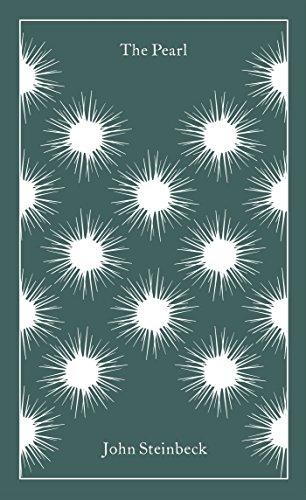
STEINBECK JOHN
Mentioned 2 weeks ago
Kola: The World’s Deepest Hole
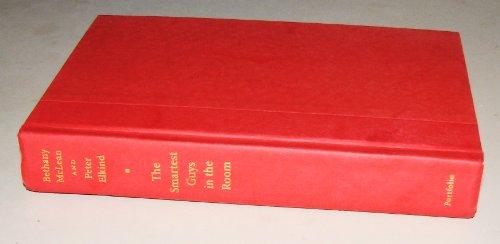
Bethany McLean
Mentioned 3 weeks ago
Selects: How Enron Fooled the World
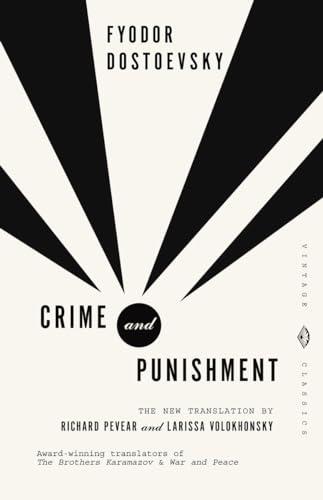
Fyodor Dostoevsky
Mentioned 3 weeks ago
Short Stuff: Why does it feel good to be scared?
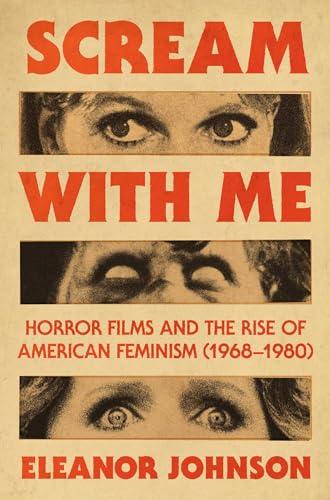
Eleanor Johnson
Mentioned 3 weeks ago
Short Stuff: Why does it feel good to be scared?
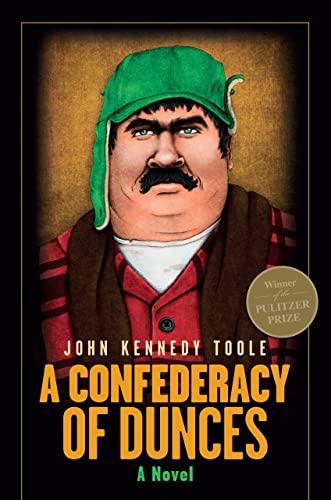
John Kennedy Toole
Mentioned 4 weeks ago
Some Interesting Curses
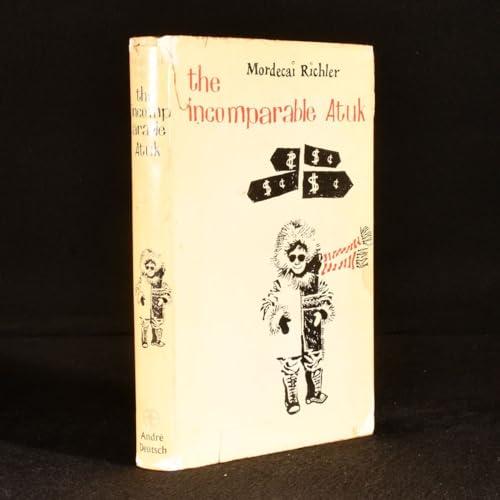
Mordecai RICHLER
Mentioned 4 weeks ago
Some Interesting Curses
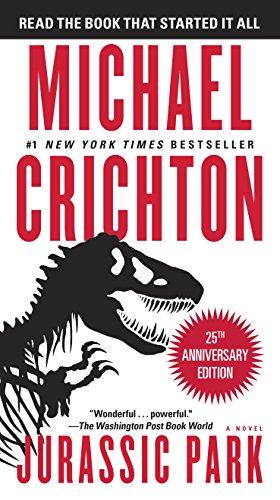
Michael Crichton
Mentioned 1 month ago
The Stuff You Should Know Doin’ Science Playlist: How Chaos Theory Changed the Universe
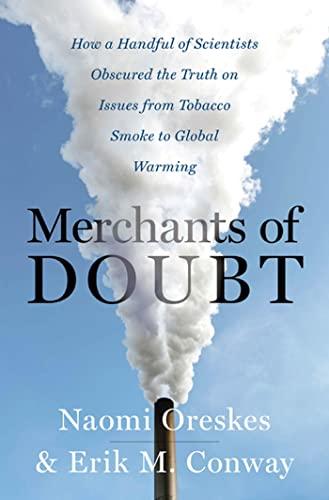
Naomi Oreskes
Mentioned 1 month ago
How Global Warming Works
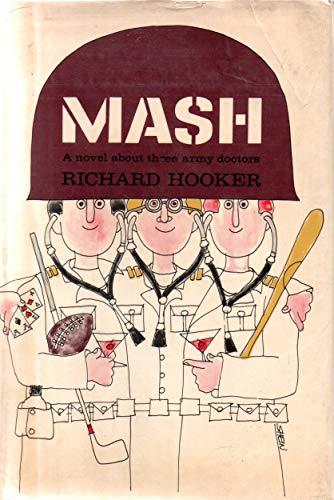
Richard Hooker
Mentioned 1 month ago
M*A*S*H: The Story of the 4077th
Why We're Not as Self-Aware as We Think, and How Seeing Ourselves Clearly Helps Us Succeed at Work and in Life
It was mentioned briefly, as it was a book sent to the podcasters by the author, a Doctor of Osteopathy, detailing the wonders of human vision.
Nicole Collins D.O. Doctor of Osteopathy sent us a copy of her book 'Insight', which is on vision, like real vision and the miracle that is vision. So check it out.
— Episode: Selects: Who were the Buffalo Soldiers?
It was mentioned briefly, as it was a book sent to the podcasters by the author, a Doctor of Osteopathy, detailing the wonders of human vision.
Nicole Collins D.O. Doctor of Osteopathy sent us a copy of her book 'Insight', which is on vision, like real vision and the miracle that is vision. So check it out.
Insight, by Nicole Collins, D.O., was mentioned as a book the hosts had received as a gift; it focuses on the miracle of human vision.
Nicole Collins, DO, Doctor of Osteopathy, sent us a copy of her book, Insight, which is on vision, like real vision, and the miracle that is vision. So check it out. It's called Insight.
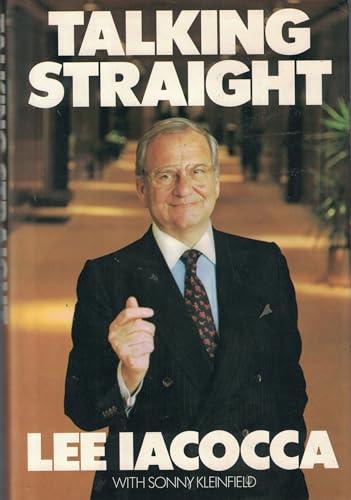
It was mentioned as Lee Iacocca's book where he discussed how Ford was afraid of a PR crisis related to the Pinto.
Iacocca told everybody clam up.
— Episode: Selects: SYSK Live: Back When Ford Pinto...
It was mentioned as Lee Iacocca's book where he discussed how Ford was afraid of a PR crisis related to the Pinto.
Iacocca told everybody clam up.
We were so afraid of this PR crisis bankrupting Ford that they just said no one talk. Don't talk to anybody. Just clam up.
It was mentioned that Lee Iacocca's book contained a quote where he said that Ford was scared of a PR crisis and told everyone to 'clam up'.
Iacocca told everybody clam up. That's actually a direct quote From his book
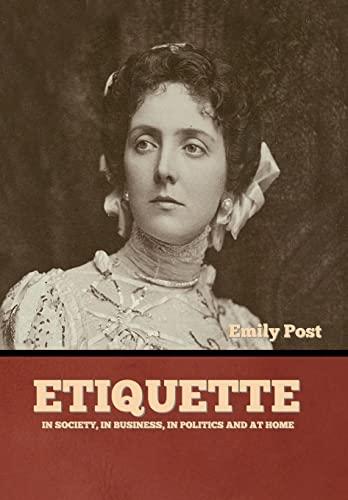
In Society, In Business, In Politics and at Home
It was described as one of the 20th century's great acts of democracy, as it was written to help people present themselves in the best light possible. It was a highly successful etiquette book, initially released in 1922.
1922 Etiquette in Society, not a colon, everybody. Comma. Etiquette in Society and Business and Politics and at Home.
— Episode: Why Manners?
It was described as one of the 20th century's great acts of democracy, as it was written to help people present themselves in the best light possible. It was a highly successful etiquette book, initially released in 1922.
1922 Etiquette in Society, not a colon, everybody. Comma. Etiquette in Society and Business and Politics and at Home.
She talked about belonging to the best society. And in her eyes, that meant, well, you know, you're born into it in Europe or you're born into it or earn it in the way of wealth in the US.
But what I'm really trying to talk about is just how to belong in those worlds because you're polite and you have good behavior and a charm of manner.
Vanity Fair, Laura Jacobs from Vanity Fair said it was one of the 20th century's great acts of democracy.
She said the three principles of Etiquette are consideration, respect and honesty.
It was published in 1922 and discussed bachelor dinners, suggesting they were more staid events than previously thought, potentially downplaying the more raucous aspects.
the bachelor dinner is popularly supposed to have been a frightful orgy. But in reality, it was a sheep in wolf's clothing.
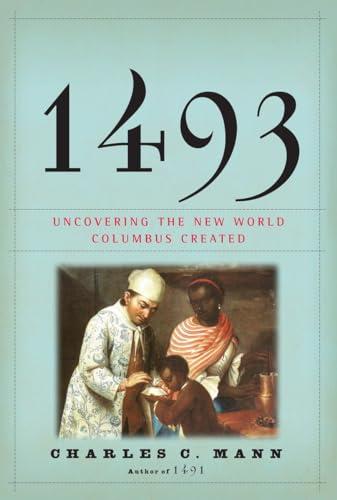
Uncovering the New World Columbus Created
It was recommended for further information on bee domestication and other topics related to the Columbian Exchange. It was noted as a resource with relevant insights.
Although if that floats your boat, you should read 1493 because stuff like that comes up a lot.
— Episode: Selects: How Animal Domestication Works
It was recommended for further information on bee domestication and other topics related to the Columbian Exchange. It was noted as a resource with relevant insights.
Although if that floats your boat, you should read 1493 because stuff like that comes up a lot.
Man, I just need to read both of those at some point.
I can't believe you haven't.
Man, you need to read 1491 and 1493.
This book was mentioned in the context of explaining the massive population of passenger pigeons, suggesting their numbers exploded because their natural predators (Native Americans) had been wiped out by disease a century earlier.
if you read 1493 or 1491, I can't remember which one it is, but both are excellent books by Charles C. Mann. He talks about the passenger pigeon and how they've recently realized that there were so many passenger pigeons because a century before their, one of their, um, great predators, the Native American.
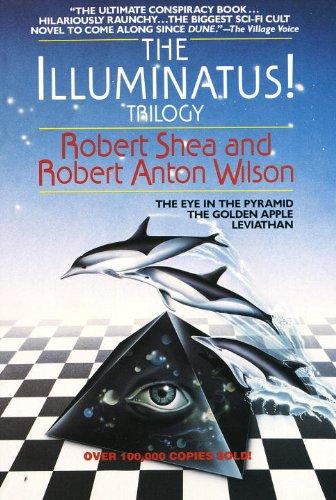
The Eye in the Pyramid, The Golden Apple, Leviathan
It was described as fascinating, hilariously written, and engrossing books with the number 23 being a major theme, due to its author being friends with William S. Burroughs, who popularized the number 23.
And Robert Anton Wilson went on to co-write the very famous Illuminatus trilogy.
— Episode: Short Stuff: The Number 23
It was described as fascinating, hilariously written, and engrossing books with the number 23 being a major theme, due to its author being friends with William S. Burroughs, who popularized the number 23.
And Robert Anton Wilson went on to co-write the very famous Illuminatus trilogy.
Okay they're fascinating books. They're wonderfully written. They're hilarious, they're engrossing, they're really interesting.
But he was friends with Burroughs and so the number 23 is a major foundation of the Illuminatus trilogy,
It was described as a fascinating, hilariously written, and engrossing read that explores the number 23 in the context of an underground school of thought in the 60s and 70s.
And Robert Anton Wilson went on to co-write the very famous Illuminatus trilogy.
Okay they're fascinating books. They're wonderfully written. They're hilarious, they're engrossing, they're really interesting.
But he was friends with Burroughs and so the number 23 is a major foundation of the Illuminatus trilogy, which also draws from another kind of underground school of thought I guess in the 60s and 70s which is called discordianism.

Stories and Essays
It was mentioned as a book about deformed German soldiers receiving medical treatment in a hospital before returning to war, and it was said that the soldiers were nicknamed whistlers because of their injuries.
we published a book called The Whistler's Room about so-called uh deformed German soldiers and she puts that in quotes as if to say you know right it's not the proper nomenclature
— Episode: Fire twucks! Fire twucks! (sic)
It was mentioned as a book about deformed German soldiers receiving medical treatment in a hospital before returning to war, and it was said that the soldiers were nicknamed whistlers because of their injuries.
we published a book called The Whistler's Room about so-called uh deformed German soldiers and she puts that in quotes as if to say you know right it's not the proper nomenclature
the men were called whistlers because due to the injury they could not breathe through their mouths or noses instead had holes cut in their throats oh my gosh which created a whistling noise
It was mentioned as a book about injured German soldiers during WWI, particularly those who had to breathe through holes in their throats, which made a whistling sound.
we published a book called the Whistler's Room about so-called uh deformed German soldiers and she puts that in quotes as if to say you know right it's not the proper nomenclature
The hosts received a copy of the book as a gift from a listener and they listed it alongside some of the other books they received.
We got Howl, Colin, Why Howl We Do Anything Means Everything by Dove Seidman
— Episode: SYSK Selects: How Grief Works
The hosts received a copy of the book as a gift from a listener and they listed it alongside some of the other books they received.
We got Howl, Colin, Why Howl We Do Anything Means Everything by Dove Seidman
The hosts noted that Ginsberg sometimes used very short titles, mentioning "Howl" as an example.
He's I love Alan Ginsberg great poet and he always had these kind of funny long titles like that
yeah, or very short like howl
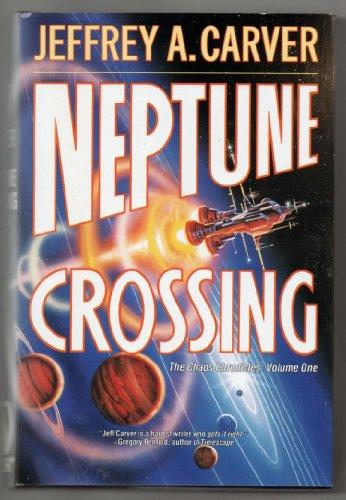
It was mentioned as a book that inspired Max Valier, an amateur engineer, to begin his four-stage plan for rocket-powered vehicles and eventually led to his death by a rocket explosion.
And it was called The Rocket Into Interplanetary Space, which is just wonderful in the early 20th century when books like this would be written.
— Episode: When inventions kill!
It was mentioned as a book that inspired Max Valier, an amateur engineer, to begin his four-stage plan for rocket-powered vehicles and eventually led to his death by a rocket explosion.
And it was called The Rocket Into Interplanetary Space, which is just wonderful in the early 20th century when books like this would be written.
It was mentioned as a book that inspired Max Valier to pursue rocket-powered vehicles and eventually led to his unfortunate death during a rocket motor test.
And he reads a book by a German engineer named Hermann Oberth and it was called The Rocket Into Interplanetary Space, which is just wonderful in the early 20th century when books like this would be written.
It was mentioned as a book of rules for order that potentially inspired the use of ranked-choice voting in Australia, although the exact link was uncertain.
Which is a, you know, a book of rules for order that you can use if you're, you know, voting on stuff or you have some sort of parliament or whatever you're trying to do.
— Episode: How Ranked Choice Voting Works
It was mentioned as a book of rules for order that potentially inspired the use of ranked-choice voting in Australia, although the exact link was uncertain.
Which is a, you know, a book of rules for order that you can use if you're, you know, voting on stuff or you have some sort of parliament or whatever you're trying to do.
It was mentioned as a possible source of inspiration for the use of ranked-choice voting in Australia, a book of rules for order used in parliaments and voting situations.
Which is a, you know, a book of rules for order that you can use if you're, you know, voting on stuff or you have some sort of parliament or whatever you're trying to do.
It was written by two journalists who believed that a man named Roy McCullough started the fire on purpose after a poker game, with the goal of killing a man who had testified against him in prison.
they very squarely placed the whole thing on Roy McCullough's shoulders
— Episode: Why There Aren't So Many Hotel Fires Any...
It was written by two journalists who believed that a man named Roy McCullough started the fire on purpose after a poker game, with the goal of killing a man who had testified against him in prison.
they very squarely placed the whole thing on Roy McCullough's shoulders
who had allegedly seen a guy who ratted him out in prison and that he'd set The Fire after he left the poker game because he was trying to kill the guy and ended up killing 119 people.
It was written by a pair of journalists who attributed the cause of the fire to an ex-con named Roy McCullough, who allegedly set a mattress on fire to kill someone he saw in prison, though fire experts suspected an accelerant was used instead.
they very squarely placed the whole thing on Roy McCullough's shoulders
they thought that there was an accelerant and it was in another part of the hotel, it wasn't near the mattress at all
that somebody had carelessly tossed a cigarette somewhere around the fourth floor stairwell and it had gone up
It was mentioned as a short, informative piece that provided a background on the history of writing, covering key milestones like the use of sharpened stones and the development of ink.
We should shout out to Mary Bellis who wrote a thought code little Brief thing called a brief history of writing and kind of ran down some points that will cover
— Episode: Ballpoint pens? Heck yes, ballpoint pens...
It was mentioned as a short, informative piece that provided a background on the history of writing, covering key milestones like the use of sharpened stones and the development of ink.
We should shout out to Mary Bellis who wrote a thought code little Brief thing called a brief history of writing and kind of ran down some points that will cover
It was mentioned as a short piece that summarized the history of writing implements, which the hosts then discussed in more detail.
we should shout out to Mary Bellis who wrote a thought code little Brief thing called a brief history of writing and kind of ran down some points that will cover
The Healing Power of Electroconvulsive Therapy
Kitty Dukakis, the wife of Michael Dukakis, wrote this book after undergoing ECT herself. It was mentioned to be informative about the history of the treatment as well as her personal experiences with it.
Kitty Dukakis, wife of Michael Dukakis, former presidential nominee, Tilly Rodin, a tank, wrote a book because she had it. And it's called Shock, the Healing Powers of Electroconvulsi...
— Episode: SYSK Selects: How Electroconvulsive Ther...
Kitty Dukakis, the wife of Michael Dukakis, wrote this book after undergoing ECT herself. It was mentioned to be informative about the history of the treatment as well as her personal experiences with it.
Kitty Dukakis, wife of Michael Dukakis, former presidential nominee, Tilly Rodin, a tank, wrote a book because she had it. And it's called Shock, the Healing Powers of Electroconvulsive Therapy. And it helped her out.
And she doesn't like championing it for everyone or anything. But gives a lot of great history and then says how it has helped her in her journey through depression.
Kitty Dukakis, the wife of a former presidential nominee, wrote this book about her experience with ECT and its positive impact on her depression.
Kitty Dukakis, wife of Michael Dukakis, former presidential nominee, Tilly Rodin, a tank, wrote a book because she had it. And it's called Shock, the Healing Powers of Electroconvulsive Therapy. And it helped her out.
And she doesn't like championing it for everyone or anything. But gives a lot of great history and then says how it has helped her in her journey through depression.
Plan for a Carefree, Abundant Future Full of Possibilities
It was a rather eccentric book written by August Engelhardt in 1898, where he outlined his beliefs about life reform, included poems about coconuts, and promoted the idea that coconuts were the sole source of health and life.
So in 1898 he wrote a book called A Carefree Future, Colon, The New Gospel, Semi-Colon. That's rare. Glimpse into the depth and distance for the selection of mankind, Comma, Comma for the reflection o...
— Episode: Short Stuff: The Coconut Cult
It was a rather eccentric book written by August Engelhardt in 1898, where he outlined his beliefs about life reform, included poems about coconuts, and promoted the idea that coconuts were the sole source of health and life.
So in 1898 he wrote a book called A Carefree Future, Colon, The New Gospel, Semi-Colon. That's rare. Glimpse into the depth and distance for the selection of mankind, Comma, Comma for the reflection of all, Comma for consideration and stimulation and he should have just put an exclamation point at the end just to cover all the spaces.
He missed that Oxford comma after consideration though. But it was a kind of a kooky book he talked about life his lifestyle and what you know he believed his version of the Laban's reform was and then he also wrote poems about coconuts.
Yeah like Mother Coconut, The Coconut Spirit, How to Become a Coconut those were titles of some of the poems and tracks that he included in this book and like it's really hard to overstate just how much faith this guy placed in the coconut as the source of not just life but health and it was based on some somewhat unfounded ideas.
It was a rather eccentric book in which August Engelhardt detailed his lifestyle and beliefs surrounding the Laban's reform movement, with a focus on the coconut's importance.
So in 1898 he wrote a book called A Carefree Future, Colon, The New Gospel, Semi-Colon. That's rare. Glimpse into the depth and distance for the selection of mankind, Comma, Comma for the reflection of all, Comma for consideration and stimulation and he should have just put an exclamation point at the end just to cover all the spaces.
He missed that Oxford comma after consideration though. But it was a kind of a kooky book he talked about life his lifestyle and what you know he believed his version of the Laban's reform was and then he also wrote poems about coconuts.
Yeah like Mother Coconut, The Coconut Spirit, How to Become a Coconut those were titles of some of the poems and tracks that he included in this book and like it's really hard to overstate just how much faith this guy placed in the coconut as the source of not just life but health and it was based on some somewhat unfounded ideas.
Top Tips and Trade Secrets from the Experts
50 Baffling Cases from the Files
Chuck Bryant mentioned that he learned about the Tunguska event from this book series, likely during his childhood.
I think I heard about it from my Time Life Unsolved Mysteries books.
— Episode: What was the Tunguska event?
Chuck Bryant mentioned that he learned about the Tunguska event from this book series, likely during his childhood.
I think I heard about it from my Time Life Unsolved Mysteries books.
It was mentioned as a source of information for Chuck about the Tunguska event, as he had learned about it from these books.
I think I heard about it from my Time Life Unsolved Mysteries books.
It was mentioned as a book that was critical of the American public school system and how children were being taught to read. It's mentioned as a contributing factor for the creation of 'The Cat in the Hat'.
I think in 1955 there was a book written called Why Can't Johnny Read?
— Episode: Dr. Seuss: The Good, the Bad and the Ugl...
It was mentioned as a book that was critical of the American public school system and how children were being taught to read. It's mentioned as a contributing factor for the creation of 'The Cat in the Hat'.
I think in 1955 there was a book written called Why Can't Johnny Read?
it was basically like an indictment of the American public school system, the education system and how we taught kids to read and it was equally an indictment of like Dick and Jane and the way that kids used to read or be taught to read was just basically here are words on a page memorized them. This is a red ball. This is the word red. Don't be an idiot. Red ball.
he said you know who would be a great children's book author to teach kids how to read is Dr. Seuss.
It was a book that criticized the American education system and the way children were taught to read, which ultimately led to the creation of The Cat in the Hat.
I think in 1955 there was a book written called Why Can't Johnny Read?
And a guy named Rudolph Flesh and I realized what we've jumped over. We'll get back to it.
A guy named Rudolph Flesh.
it was basically like an indictment of the American public school system, the education system and how we taught kids to read and it
was equally an indictment of like Dick and Jane and the way that kids used to read or be taught to read was just basically here are words on a page memorized them. This is a red ball.

It was mentioned as a gift that Josh received, and was described as a hardback book with recipes that are also science experiments.
Janet from Nano Girl Labs in New Zealand gave us a beautiful hard cover edition of their book Nano Girl Labs book The Kitchen Science Cookbook.
— Episode: Olive Oil: Mother Nature's Gift
It was mentioned as a gift that Josh received, and was described as a hardback book with recipes that are also science experiments.
Janet from Nano Girl Labs in New Zealand gave us a beautiful hard cover edition of their book Nano Girl Labs book The Kitchen Science Cookbook.
You can look up kitchensciencecookbook.com and it has all these different recipes in it and each recipe is a science experiment that uses ingredients that are super easy to find, is super cheap and...
It was mentioned as a beautiful hardcover book given to the hosts, featuring recipes that double as science experiments using easily accessible ingredients.
Janet from Nano Girl Labs in New Zealand gave us a beautiful hard cover edition of their book Nano Girl Labs book The Kitchen Science Cookbook.
you can look up kitchensciencecookbook.com and it has all these different recipes in it and each recipe is a science experiment that uses ingredients that are super easy to find is super cheap and um it turns out Janet the chief operations engineer for Nano Girl Labs has been listening to us since her teens since she was in her teens.
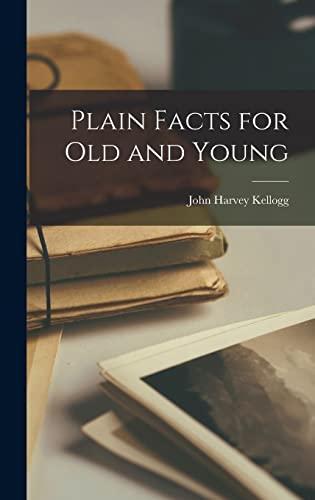
It covered a variety of topics related to health, but it also contained controversial and harmful recommendations, especially concerning the treatment of masturbation in children, including circumcision without anesthesia as punishment.
he was obsessed with poop and masturbation wrote about it in a book called Plain Facts for the Old and Young about half of which were facts maybe
— Episode: SYSK Live: The Kellogg Brothers’ Wacky W...
It covered a variety of topics related to health, but it also contained controversial and harmful recommendations, especially concerning the treatment of masturbation in children, including circumcision without anesthesia as punishment.
he was obsessed with poop and masturbation wrote about it in a book called Plain Facts for the Old and Young about half of which were facts maybe
in small boys is circumcision the operation should be performed by a surgeon without administering an anesthetic
It was a book by John Harvey Kellogg that focused on health and hygiene, including his views on masturbation and recommending practices now considered harmful and unethical.
he was obsessed with poop and masturbation wrote about it in a book called plain facts for the old and young about half of which were facts maybe
which is almost always successful and small boys is circumcision the operation should be performed by a surgeon without administering an anesthetic
as the brief pain attending the operation will have a salutary effect upon the mind especially if it be connected with the idea of punishment as it may well be in some cases the soreness which continues for several weeks interrupts the practice and this had not been previously become too firmly fixed it may be forgotten and not resumed
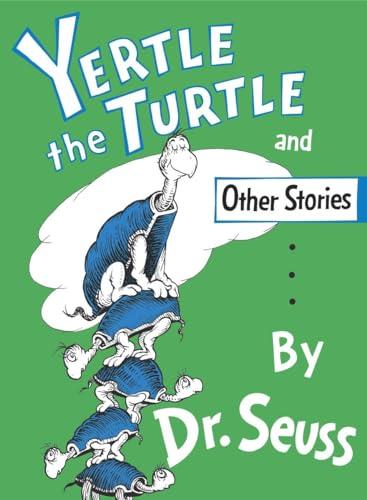
It was mentioned as a book that is an allegory for Hitler, possibly due to early drafts featuring a Hitler mustache on the main character.
I believe he wrote Yurtle the Turtle which I know is an allegory for Hitler
— Episode: Dr. Seuss: The Good, the Bad and the Ugl...
It was mentioned as a book that is an allegory for Hitler, possibly due to early drafts featuring a Hitler mustache on the main character.
I believe he wrote Yurtle the Turtle which I know is an allegory for Hitler
and he was on record say yeah apparently the early drafts of it he had drawn a Hitler mustache on Yurtle the Turtle.
It was said to be an allegory for Hitler, and early drafts even featured a Hitler mustache on Yurtle. It also discusses themes of anti-authoritarianism.
I believe he wrote Yurtle the Turtle which I know is an allegory for Hitler
and he was on record say yeah apparently the early drafts of it he had drawn a Hitler mustache on Yurtle the Turtle.
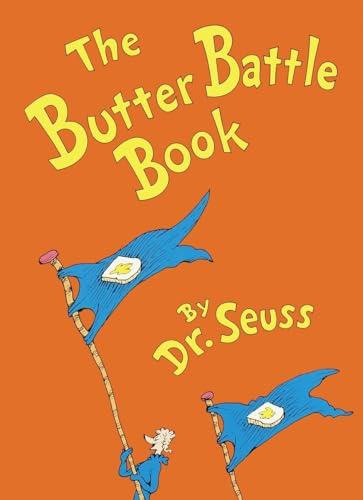
(New York Times Notable Book of the Year) (Classic Seuss)
It was mentioned as a book that served as a clear allegory for the Cold War and the arms race, ending in a haunting manner without resolution.
The Butter Battle Book was a clear like glaring allegory for the cold war in the mutual assured destruction is arms race of kind of a haunting book that ends without any resolution wi...
— Episode: Dr. Seuss: The Good, the Bad and the Ugl...
It was mentioned as a book that served as a clear allegory for the Cold War and the arms race, ending in a haunting manner without resolution.
The Butter Battle Book was a clear like glaring allegory for the cold war in the mutual assured destruction is arms race of kind of a haunting book that ends without any resolution with
It served as an allegory for the Cold War and nuclear arms race, ending with a haunting and unresolved image of conflict.
The Butter Battle Book was a clear like glaring allegory for the cold war in the mutual assured destruction is arms race of kind of a haunting book that ends without any resolution with
Note: The book recommendations on this page are discovered automatically from podcast transcripts, and may be incorrect or incomplete.
Podcast Name