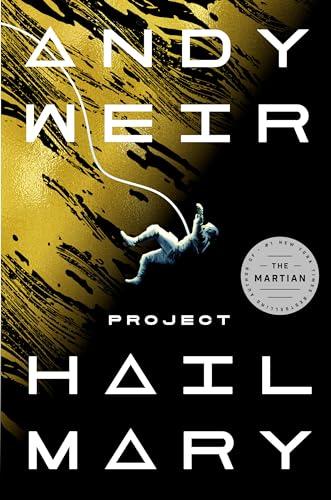
Project Hail Mary
Andy Weir
Mentioned 1 week ago
Selects: The First Road Trip
If you've ever wanted to know about champagne, satanism, the Stonewall Uprising, chaos theory, LSD, El Nino, true crime and Rosa Parks, then look no further. Josh and Chuck have you covered.
Recently mentioned
Andy Weir
Mentioned 1 week ago
Selects: The First Road Trip
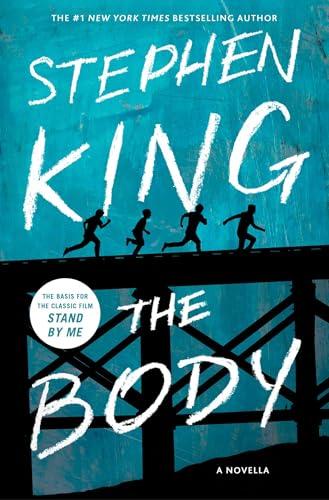
Stephen King
Mentioned 1 week ago
Selects: The First Road Trip
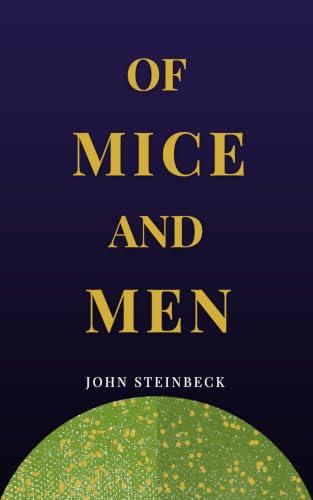
John Steinbeck
Mentioned 2 weeks ago
Kola: The World’s Deepest Hole
STEINBECK JOHN
Mentioned 2 weeks ago
Kola: The World’s Deepest Hole
Bethany McLean
Mentioned 3 weeks ago
Selects: How Enron Fooled the World
Fyodor Dostoevsky
Mentioned 3 weeks ago
Short Stuff: Why does it feel good to be scared?
Eleanor Johnson
Mentioned 3 weeks ago
Short Stuff: Why does it feel good to be scared?
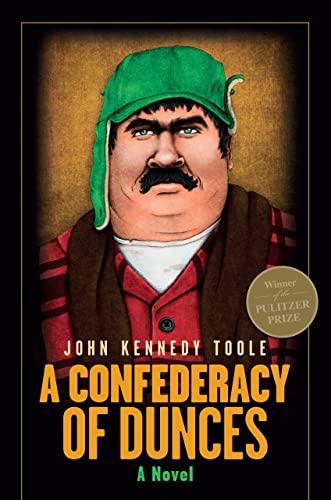
John Kennedy Toole
Mentioned 4 weeks ago
Some Interesting Curses
Mordecai RICHLER
Mentioned 4 weeks ago
Some Interesting Curses
Michael Crichton
Mentioned 1 month ago
The Stuff You Should Know Doin’ Science Playlist: How Chaos Theory Changed the Universe
Naomi Oreskes
Mentioned 1 month ago
How Global Warming Works
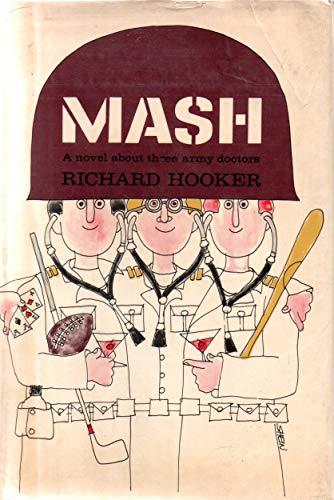
Richard Hooker
Mentioned 1 month ago
M*A*S*H: The Story of the 4077th
Ten Years' Investigation of Borley Rectory (COLLECTOR'S LIBRARY OF THE UNKNOWN)
In several short‑stuff segments, Chuck Bryant noted that the book, written by paranormal investigator Harry Price after his investigation of Borley Rectory, introduced the phrase “most haunted house in England” and helped cement the property’s reputation. He mentioned that it gave credibility to the haunt’s lore, but did not explicitly endorse it. The discussion was factual and neutral.
It was written by Harry Price, a paranormal investigator, and was based on his studies of Borley Rectory. This book coined the phrase 'most haunted house in England' and established the location's reputation as a site of paranormal activity.
And he published two books, The Most Haunted House in England, which coined that phrase, I believe. I don't think he used it before then.
It was written by Harry Price, a paranormal investigator, after his investigation of Borley Rectory, and it coined the phrase 'most haunted house in England'.
And he published two books, The Most Haunted House in England, which coined that phrase, I believe. I don't think he used it before then.
It was written by Harry Price and coined the phrase 'most haunted house in England' after he investigated the Borley Rectory and concluded it was haunted, lending credibility to the property's reputation.
And he published two books, The Most Haunted House in England, which coined that phrase, I believe. I don't think he used it before then.
It was mentioned that Jim Gould and Tom Hillegoss created a book on how to build and operate a haunted house in 1975, which was distributed to 20,000 people.
In 1975, there were a couple of guys from a chapter in Bloomington, Illinois named Jim Gould and Tom Hillegoss and they said, you know what, let's just create our own haunted house book, basically like a... yeah, I don't know if it was a book, yeah, I guess it was a book, and let's teach people how to open these up and sell it and they distributed about 20,000 copies and it was... they formed the Haunted House Company and it was the first real group of outfit to kind of just sell the plan and write the stuff that you needed, the props.
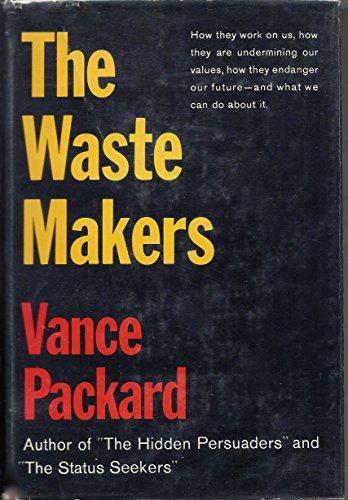
Josh Clark referenced the book while discussing planned obsolescence, noting that it examined the waste, unnecessary consumerism, and social pressure to keep up with the Joneses that arise from that mindset. He highlighted that it was published in 1960, just six years after Brooks Stevens's influential speech on the topic. The episode treated it as a relevant historical source rather than a strong recommendation.
It was discussed as a book exploring the issues arising from planned obsolescence, including increased waste and consumerism, six years after a speech on the topic.
And it was basically about all the problems that come from that kind of mentality that planned obsolescence creates. All the waste associated with it, all the unnecessary consumerism, all the keeping up with the Joneses that emerges.
It was discussed as a book that detailed the negative consequences of planned obsolescence, particularly regarding waste and excessive consumerism, shortly after Brook Steven's 1954 speech.
And it was basically about all the problems that come from that kind of mentality that planned obsolescence creates. All the waste associated with it, all the unnecessary consumerism, all the keeping up with the Joneses that emerges.
It was discussed as a book that highlighted the problems associated with planned obsolescence, including waste and unnecessary consumerism, published shortly after a speech by Brooks Stevens.
And it was basically about all the problems that come from that kind of mentality that planned obsolescence creates.
All the waste associated with it, all the unnecessary consumerism, all the keeping up with the Joneses that emerges.
Like just six years after that speech.
It was discussed as a book that highlighted the problems caused by planned obsolescence, including increased waste, consumerism, and the pressure to keep up with others, just six years after Brooks Stevens's speech on the topic.
by a guy named vance packard called The Waste Makers and it was basically about all the problems that come from that kind of mentality that planned obsolescence creates all the waste associated with it All the unnecessary consumerism all the keeping up with the joneses that emerges
It was discussed as a book that highlighted the problems associated with planned obsolescence, such as waste and unnecessary consumerism, and was written just six years after Brooks Stevens's speech on the topic.
There was a popular book by a guy named Vance Packard called The Waste Makers and it was basically about all the problems that come from that kind of mentality that planned obsolescence creates all the waste associated with it All the unnecessary consumerism all the keeping up with the Joneses that emerges
It was discussed as a book published in 1960, six years after Brooks Stevens's speech on planned obsolescence, exploring the negative consequences of this concept.
There was a popular book by a guy named Vance Packard called The Waste Makers and it was basically about all the problems that come from that kind of mentality that planned obsolescence creates all the waste associated with it All the unnecessary consumerism all the keeping up with the Joneses that emerges
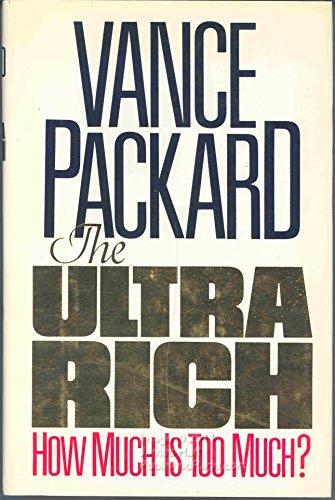
How Much Is Too Much?
The hosts referenced the title as Vance Packard's final work, published in 1989, which examined the excess of wealth and its implications for society. Josh Clark repeatedly noted it while discussing planned obsolescence, presenting it as a critique of American materialism. The mention was brief and informational rather than an endorsement.
It was mentioned as Vance Packard's final book, published in 1989, which questioned the excess and implications of wealth in society.
And then the last thing he wrote in 1989 was called The Ultra Rich, how much is too much?
It was mentioned as Packard's last book before his death, published in 1989, and focused on the topic of wealth and materialism, questioning how much is 'too much'.
And then the last thing he wrote in 1989 was called The Ultra Rich, how much is too much?
It was brought up as Packard's final book published in 1989, touching upon excessive wealth and its societal implications.
And then the last thing he wrote in 1989 was called The Ultra Rich, how much is too much?
It was mentioned as Vance Packard's final book, published in 1989, which explored the concept of excessive wealth and critiqued certain aspects of American society.
the last thing he wrote in 1989 was called The Ultra Rich colon. How much is too much?
It was discussed as Vance Packard's final book, published in 1989, and it explored the topic of wealth and excess within American society, portraying him as someone fighting against a wasteful and invasive society.
And then the last thing he wrote in 1989 was called The Ultra Rich: How Much is Too Much?
It was discussed as Vance Packard's final book, published in 1989, where he critiqued the excessive and wasteful aspects of American society.
And then the last thing he wrote in 1989 was called The Ultra Rich: How Much is Too Much?
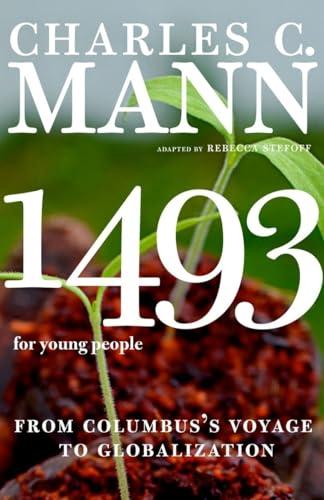
From Columbus's Voyage to Globalization (For Young People Series)
The hosts recommended the book for listeners interested in animal domestication, the Columbian Exchange, and the historical impact of early voyages, noting its coverage of topics such as the introduction of tomatoes to Europe and a failed Scottish outpost in Panama. They highlighted specific sections that explored these subjects and suggested it as a valuable resource for curious listeners. Overall, they presented it as a worthwhile read for those wanting deeper insight into these areas.
It was recommended for those interested in topics like animal domestication, the Columbian exchange, and its impact on the world.
Oh man, I just need to read both of those at some point.
Man, you need to read 1491 and 1493.
If you want to know more about animal domestication, you can type those two seemingly boring but rather fascinating words into the search bar housestuffworks.com and that will bring up this article and then since I said search bar it's time for listener mail.
It was recommended as a book for those interested in learning more about the history of the Americas, particularly regarding indigenous domesticated animals and other topics.
Although if that floats your boat, you should read 1493 because stuff like that comes up a lot.
Oh man, I just need to read both of those at some point.
Man, you need to read 1491 and 1493.
I'll do that tonight.
It was mentioned as a book that covers the Colombian exchange, especially how tomatoes were introduced to Europe from South America.
If you're interested in that dude you should really read 1493. It's all about it's all about that stuff.
It was recommended as a book that discusses the Colombian Exchange and the introduction of tomatoes to Italy.
If you're interested in that dude you should really read 1493. It's all about it's all about that stuff.
The podcasters mentioned a section of the book, '1493', which detailed the failed attempts of the Scottish to establish an outpost in the region that would eventually become Panama.
There's a great section in 1493 about it.
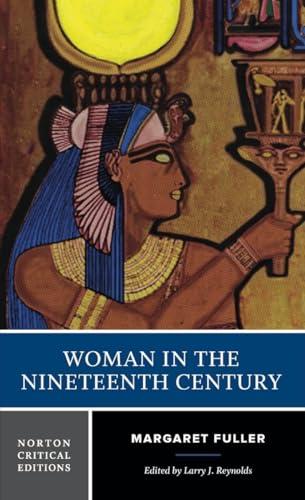
A Norton Critical Edition (Norton Critical Editions)
The title was highlighted across several episodes as one of the earliest proto‑feminist works, written in 1845 by Margaret Fuller, a key figure in Transcendentalism. Hosts repeatedly noted that it advocated for women’s equal opportunities and the right to pursue any occupation, praising Fuller for being far ahead of her time.
It was a proto-feminist book written by Margaret Fuller, a key figure in the Transcendentalist movement, discussed in the context of her forward-thinking ideas about women's roles and opportunities.
She wrote a book in 1845 called Woman in the 19th Century. And it was really one of the first sort of proto-feminist tomes. And she was way ahead of her time.
It was discussed as one of the first feminist books, written by a leading figure in the transcendentalist movement. It was mentioned that Margaret Fuller wrote this book in 1845, and it was described as a proto-feminist tome, which she wrote while also being a writer and editor.
She wrote a book in 1845 called Woman in the Nineteenth Century.
And it was really one of the first sort of proto-feminist tomes, and she was way ahead of her time.
This book, written in 1845, was discussed as one of the first proto-feminist works that advocated for women to have equal opportunities, including all job types.
She wrote a book in 1845 called Woman in the Nineteenth Century.
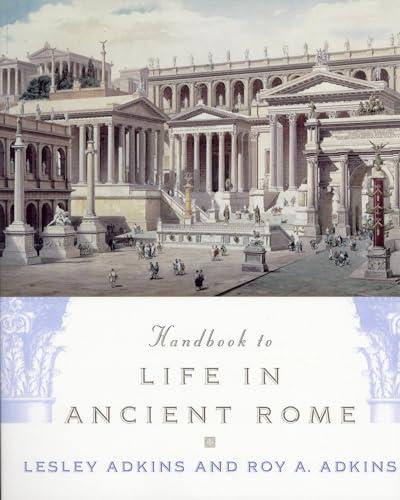
The book was brought up several times when the hosts discussed chickens in ancient Rome, with a listener who specializes in Greek and Latin culture repeatedly recommending it as a solid source on everyday Roman life. The hosts expressed curiosity about the chapter on chickens and noted the book’s coverage of daily habits and the rarity of poultry as food. Overall, the mention was positive but brief, positioning the title as a useful reference rather than a featured recommendation.
It was mentioned briefly by the hosts in relation to a listener's email regarding the presence of chickens in ancient Rome. They were interested to see how the topic was handled in the book.
That sounds like a cool book. It does. I can't wait to read the chapter on chickens.
What's it called? Chickens in Rome?
Very nice. And it was Mike who wrote it, right?
It was recommended by a listener who specializes in ancient Greek and Latin culture, who also added that chickens were a delicacy for the elite in Ancient Rome and used for divination.
I recommend the book Handbook to Life in Ancient Rome. Atkins and Atkins.
The edition I have is 1994. Oxford University Press has all sorts of great info about daily life as an average Roman citizen.
It was mentioned as a book about ancient Rome and chickens, after a discussion about the presence of chickens in Ancient Rome.
That sounds like a cool book. It does. I can't wait to read the chapter on chickens.
What's it called? Chickens in Rome? Yeah. By Mike? No, it's called Handbook to Life in Ancient Rome.
It was recommended by a listener as a resource for information on daily life in Ancient Rome. It was specifically mentioned as a good source of information about Roman citizens' lifestyles.
I recommend the book Handbook to Life in Ancient Rome. Atkins and Atkins. The edition I have is 1994. Oxford University Press has all sorts of great info about daily life as an average Roman citizen.
It was mentioned in the context of a listener email, where a listener had corrected the hosts' assumption about the lack of chickens in ancient Rome, referencing a book on the subject.
That sounds like a cool book.
Very nice.
It was recommended by a listener for having information about the daily life of average Roman citizens, including the scarcity of chickens as food in Ancient Rome.
I recommend the book Handbook to Life in Ancient Rome. Atkins and Atkins. The edition I have is 1994. Oxford University Press has all sorts of great info about daily life as an average Roman citizen.
The book was brought up in several episodes when listeners corrected the author's name, noting it was written by Edmund Spenser rather than the misattributed version. It was also referenced as an early work of fiction that possibly contained the first mention of a dragon in a story. The hosts treated these points as factual side notes rather than a recommendation.
It was mentioned in a listener's email as a correction, as it was misattributed to Spencer, Edmund, in a previous podcast episode.
I'm sorry to nitpick but also had to mention that the fairy queen was written by Edmund Spenser rather than Spencer Edmund.
It was mentioned as an early work of fiction that included a dragon, possibly marking the first appearance of a dragon in a fictional story.
And the first mention of the dragon in like a story, like a fictitious story supposedly comes in Spencer Edmonds' The Fairy Queen.
The listener mail segment highlighted a correction from a previous episode where the authors incorrectly stated the author's name as 'Spencer, Edmund'.
I'm sorry to nitpick but also had to mention that the fairy queen was written by Edmund Spenser rather than Spencer Edmund.
It was mentioned as a book where the first mention of a dragon in a fictional story supposedly appeared.
the first mention of the dragon in like a story, like a fictitious story supposedly comes in Spencer Edmonds' The Fairy Queen.
It was mentioned in a listener email, which corrected that it was written by Edmund Spenser, not Spencer Edmund, as had been previously stated in a past episode.
I'm sorry to nitpick but also had to mention that the fairy queen was written by Edmund Spencer rather than Spencer Edmund.
It was said to be the first fictional story with a dragon, which came after the first visual depiction in MS Harley 3244.
And we were saying also that the first visual depiction of the dragon shows up in Harley 3244. The first mention of the dragon in like a story, like a fictitious story supposedly comes in Spencer Edmonds' The Fairy Queen.
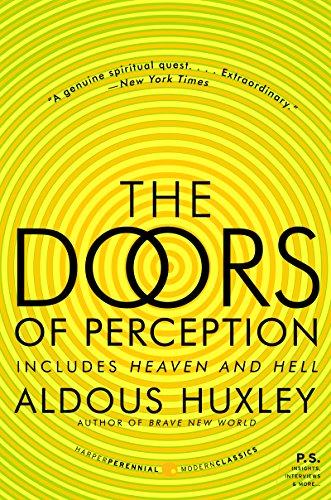
Aldous Huxley, a novelist, was mentioned as having died while under the influence of LSD, which he requested be administered to him shortly before his death.
He had throat cancer I think and the last thing he ever wrote was a note to his wife requesting such and such milligrams of LSD or micrograms of LSD injected intramuscularly.
— Episode: SYSK Selects: Can you Treat Mental Illne...
Aldous Huxley, a novelist, was mentioned as having died while under the influence of LSD, which he requested be administered to him shortly before his death.
He had throat cancer I think and the last thing he ever wrote was a note to his wife requesting such and such milligrams of LSD or micrograms of LSD injected intramuscularly.
It was mentioned as being about Aldous Huxley's first mescaline trip, which is where the band The Doors got their name.
Right because Aldous Huxley wrote Doors of Perception. He was a big mescaline guy wouldn't he? That book was about his first mescaline trip. Right and that's where the Doors got their name.
It was mentioned that Aldous Huxley died while under the influence of LSD, which he had requested before his death.
He had throat cancer I think and the last thing he ever wrote was a note to his wife requesting such and such milligrams of LSD or micrograms of LSD injected intramuscularly.
It was mentioned as being about Aldous Huxley's first mescaline trip, and the source of the band The Doors' name.
Right because Aldous Huxley wrote Doors of Perception. He was a big mescaline guy wouldn't he? That book was about his first mescaline trip. Right and that's where the Doors got their name.
It was mentioned that Aldous Huxley died while under the influence of LSD, having requested a dose before his death.
He had throat cancer I think and the last thing he ever wrote was a note to his wife requesting such and such milligrams of LSD or micrograms of LSD injected intramuscularly.
It was mentioned as being about Aldous Huxley's first mescaline trip, which is where the band, The Doors, got their name.
Right because Aldous Huxley wrote Doors of Perception.
He was a big mescaline guy wouldn't he? That book was about his first mescaline trip.
And that's where the Doors got their name.
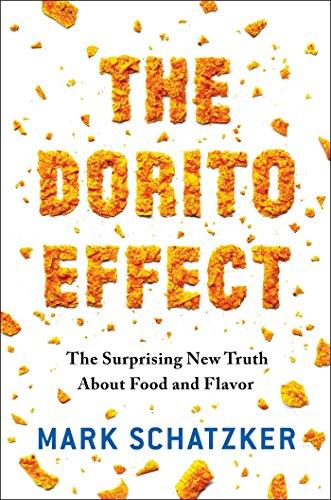
The Surprising New Truth About Food and Flavor
It was mentioned as having been discussed in a previous episode about junk food, as discussing corn and how it's grown.
that was, um, discussed at length in the really great book, Dorito Effect by Mark Schatzker, which we talked about in our junk food episode.
— Episode: How Ultraprocessed Foods Work
It was mentioned as having been discussed in a previous episode about junk food, as discussing corn and how it's grown.
that was, um, discussed at length in the really great book, Dorito Effect by Mark Schatzker, which we talked about in our junk food episode.
It was described as a really refreshing, approachable, and interesting book about the manufacturing of the food we eat today, and how it came to be.
You have to read it.
It's about the food we eat today and just how incredibly manufactured it is.
But the really refreshing thing about it is that anybody can read this book. It's basically apolitical. It doesn't lay this at anybody's feet. It doesn't blame anybody. It doesn't suggest there's anything nefarious going on. It's just like here's our food right now. It's really interesting.
Really approachable, interesting book.
They don't even blame Big Dorito?
It was described as a really refreshing and approachable book that discussed the manufactured nature of modern food without assigning blame or using a political angle. It traced the origin of food standards back to the Dorito.
You have to read it.
It's about the food we eat today and just how incredibly manufactured it is.
But the really refreshing thing about it is that anybody can read this book. It's basically apolitical. It doesn't lay this at anybody's feet. It doesn't blame anybody. It doesn't suggest there's anything nefarious going on. It's just like here's our food right now.
Really approachable, interesting book.
But it's a really great book. Definitely worth reading.
It was mentioned as a book previously discussed in a junk food episode, it likely delves into the factors behind the popularity and impact of ultra-processed foods.
was discussed at length in the really great book, Dorito Effect by Mark Schatzker, which we talked about in our junk food episode.
It was described as an approachable and interesting book about the history of food manufacturing processes, particularly how processed foods have become so commonplace and widely consumed.
You have to read it.
It's about the food we eat today and just how incredibly manufactured it is.
But the really refreshing thing about it is that anybody can read this book. It's basically apolitical. It doesn't lay this at anybody's feet. It doesn't blame anybody. It doesn't suggest there's anything nefarious going on. It's just like here's our food right now.
They don't even blame Big Dorito?
I mean, they basically trace the origin of our current food standards back to the invention of the Dorito, hence the name. But it's a really great book. Definitely worth reading.
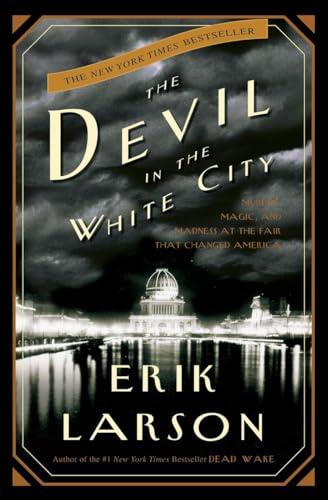
Murder, Magic, and Madness at the Fair That Changed America
The dishwasher was debuted at the 1893 World's Fair in Chicago, which is where the book "The Devil in the White City" is set.
The 1893 World's Fair in Chicago, the white city where The Devil in the White City is set.
— Episode: Salute to Women Inventors
The dishwasher was debuted at the 1893 World's Fair in Chicago, which is where the book "The Devil in the White City" is set.
The 1893 World's Fair in Chicago, the white city where The Devil in the White City is set.
It was mentioned as a book that describes the 1893 Chicago World's Fair in great detail, though it was not confirmed whether zippers are mentioned within it.
Have you ever read Devil in the White City?
God, the guy does such a great job of describing that World's Fair and like the importance of it.
It was mentioned as a book that describes the 1893 Chicago World's Fair in great detail, though zippers were not necessarily discussed in it.
Have you ever read Devil in the White City?
I know I've asked you before. I saw it already.
You still have it? No. Man, you're really going to like it, Chuck.
But anyway, it was that World's Fair. God, the guy does such a great job of describing that World's Fair and like the importance of it.
Far as I know, he doesn't mention zippers, but he may because he did some pretty good research, obviously.
It was mentioned as a book that described the 1893 Chicago World's Fair in great detail, but it was not clear whether zippers were mentioned within the book itself.
Have you ever read Devil in the White City?
God, the guy does such a great job of describing that World's Fair and like the importance of it.
Far as I know, he doesn't mention zippers, but he may because he did some pretty good research, obviously.
It was mentioned as a book that provided a good description of the 1893 Chicago World's Fair, although zippers weren't mentioned in the book.
Have you ever read Devil in the White City?
God, the guy does such a great job of describing that World's Fair and like the importance of it. Far as I know, he doesn't mention zippers, but he may because he did some pretty good research, obviously.
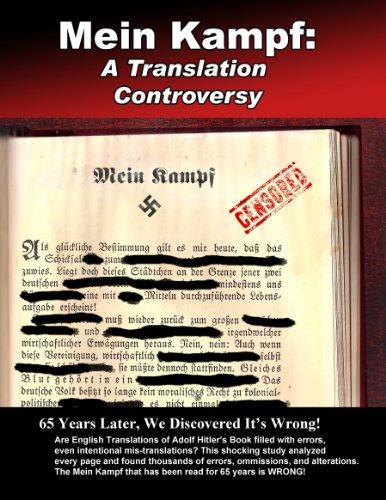
A Translation Controversy
It was mentioned in relation to Hitler's failed art career and dreams of becoming an artist, as mentioned by an article written by someone who read the book.
And that, you know, he was pursuing this dream that his father would like beat him out of, like his father enrolled him in a technical school. He's like, no son of mine is going to be an artist. He wo...
— Episode: Seven - No, Wait, Five - Mysteries of th...
It was mentioned in relation to Hitler's failed art career and dreams of becoming an artist, as mentioned by an article written by someone who read the book.
And that, you know, he was pursuing this dream that his father would like beat him out of, like his father enrolled him in a technical school. He's like, no son of mine is going to be an artist. He would beat him up whenever he brought the idea up.
It was mentioned that it is not possible to buy this book in Germany, as part of an effort to prevent the idealization of Nazi Germany.
You can't buy Mein Kampf which I think that's true, isn't it?
It was mentioned that it is not possible to purchase the book in Germany, which is believed to be a measure to prevent the idolization of Nazi Germany.
You can't buy Mein Kampf which I think that's true, isn't it?
It was mentioned that the book is not available for purchase in Germany, as they try to prevent the glorification of Nazi Germany's past.
You can't buy Mein Kampf, which I think that's true, isn't it?
It was mentioned that Hitler cited Henry Ford as an inspiration in his book, Mein Kampf. A reporter from the Detroit News noted a large portrait of Henry Ford behind Hitler's desk in 1931, and Hitler stated that he regarded Ford as his inspiration.
I regard him as my inspiration.
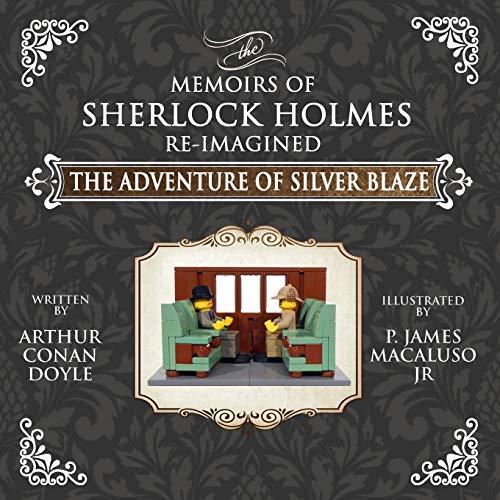
Sherlock Holmes was mentioned, specifically in relation to his skill at psychological profiling, and it was also revealed that he was a morphine and cocaine addict in the original books.
Sherlock Holmes was really good at that kind of thing.
— Episode: Selects: How Profiling Works
Sherlock Holmes was mentioned, specifically in relation to his skill at psychological profiling, and it was also revealed that he was a morphine and cocaine addict in the original books.
Sherlock Holmes was really good at that kind of thing.
Uh, did you know he was a morphine and cocaine addict?
Oh, really? Yeah. Well, I guess you need both in like the original stories. Really? Yeah. Oh, like in the books.
Sir Arthur Conan Doyle, the author of Sherlock Holmes, was mentioned as a believer in spiritualism and a member of the Society for Psychical Research.
I don't know what's wrong with me. I'm sorry. Sir Arthur Conan Doyle?
He was super into this. He joined the Society for Psychical Research, which was an early skeptical slash believer society.
And he always, he bought into this. He was just convinced.
Sir Arthur Conan Doyle was mentioned as a believer in spiritualism, despite being a prominent author, and was part of the Society for Psychical Research.
I don't know what's wrong with me. I'm sorry. Sir Arthur Conan Doyle?
He was super into this. He joined the Society for Psychical Research, which was an early skeptical slash believer society.
And he always, he bought into this. He was just convinced.
Sir Arthur Conan Doyle, the author of Sherlock Holmes, was mentioned as a believer in spiritualism and a member of the Society for Psychical Research, showcasing his interest in the paranormal.
I don't know what's wrong with me. I'm sorry. Sir Arthur Conan Doyle?
He was the author of Sherlock Holmes, of course. He was super into this. He joined the Society for Psychical Research, which was an early skeptical slash believer society. And he always, he bought into this. He was just convinced.
Sir Arthur Conan Doyle was mentioned as a believer in spiritualism, despite being a well-known author, and he was a member of the Society for Psychical Research.
I don't know what's wrong with me. I'm sorry. Sir Arthur Conan Doyle?
A Novel
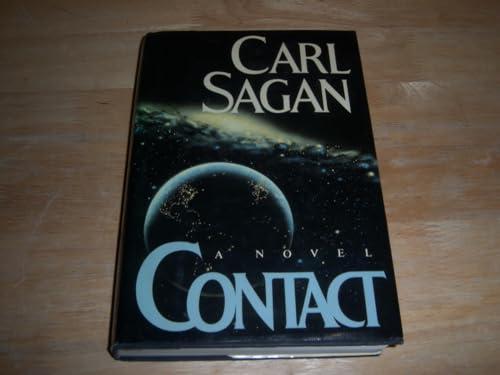
It was mentioned as a science fiction novel that Carl Sagan wrote which was adapted into a movie starring Jodie Foster and Matthew McConaughey, and focused on trying to find life in outer space.
He wrote the movie Contact, McConaughey and Jodie Foster.
— Episode: Selects: Carl Sagan: American Hero
It was mentioned as a science fiction novel that Carl Sagan wrote which was adapted into a movie starring Jodie Foster and Matthew McConaughey, and focused on trying to find life in outer space.
He wrote the movie Contact, McConaughey and Jodie Foster.
It was mentioned as a movie based on the book by Carl Sagan and was described as fairly accurate in terms of the SETI research described in the article.
If you've seen the movie Contact...
Apparently it's not too inaccurate from the writer of this article who was Freud and Link, wasn't it?
Well, it was based on a book written by Carl Sagan and he definitely knew his stuff.
It was mentioned as a science fiction novel written by Carl Sagan that was later adapted into a movie starring Jodie Foster and Matthew McConaughey.
He wrote the movie Contact, McConaughey and Jodie Foster. That was based on his novel.
It was discussed as a reasonably accurate portrayal of SETI and its research, based on Carl Sagan's knowledge of the field.
If you want to watch that one, is fairly accurate and on track.
Well, it was based on a book written by Carl Sagan and he definitely knew his stuff.
It was mentioned as a science fiction novel written by Sagan that was later adapted into a movie starring Jodie Foster and Matthew McConaughey.
But one of the things he wrote was Contact, the novel.
And wrote the movie Contact, McConaughey and Jodie Foster.
That was based on his novel.
100th Anniversary OZ Collection
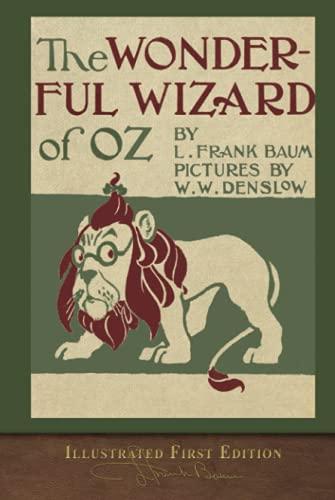
It was discussed as being significant to the LGBTQ+ community as Dorothy's journey was viewed as a coming out narrative, in addition to her befriending unconventional characters.
We're talking about Dorothy Gale, the character in L. Frank Baum's Wizard of Oz book series.
— Episode: Short Stuff: Friends of Dorothy
It was discussed as being significant to the LGBTQ+ community as Dorothy's journey was viewed as a coming out narrative, in addition to her befriending unconventional characters.
We're talking about Dorothy Gale, the character in L. Frank Baum's Wizard of Oz book series.
And that's just if you're reading the book. She also in the book befriends and accompanies three men, none of whom are traditionally masculine or manly.
And there's even a part in the book, well, not the Wizard of Oz, but one of the other books from the Oz series where another character tells her, Dorothy, you have some queer friends.
And she says, the queerness doesn't matter so long as they're friends.
It was discussed that the Wizard of Oz book series and movie were significant to the LGBTQ+ community, particularly Dorothy's transformation and friendships with unconventional characters.
We're talking about Dorothy Gale, the character in L. Frank Baum's Wizard of Oz book series.
Yeah, and that's just if you're reading the book. She also in the book befriends and accompanies three men, none of whom are traditionally masculine or manly.
And there's even a part in the book, well not the Wizard of Oz, but one of the other books from the Oz series where another character tells her, Dorothy, you have some queer friends. And she says, the queerness doesn't matter so long as they're friends.
It was discussed how the book and movie were significant within the LGBTQ+ community, as Dorothy's journey was seen as a transformation from a boring, black and white world into a colorful, vibrant world, and her friendships with non-masculine men resonated with many.
We're talking about Dorothy Gale, the character in L. Frank Baum's Wizard of Oz book series.
And that's just if you're reading the book. She also in the book befriends and accompanies three men, none of whom are traditionally masculine or manly.
And there's even a part in the book, well, not the Wizard of Oz, but one of the other books from the Oz series where another character tells her, Dorothy, you have some queer friends.
And she says, the queerness doesn't matter so long as they're friends.
But the point is this, is whether it meant, no, they certainly didn't mean queer as in gay. They just meant strange, unusual.
It was discussed how the book and the movie were particularly meaningful to the LGBTQ+ community, due to themes of transformation and acceptance, as well as Judy Garland's role as an icon.
We're talking about Dorothy Gale, the character in L. Frank Baum's Wizard of Oz book series.
Yeah, and that's just if you're reading the book. She also in the book befriends and accompanies three men, none of whom are traditionally masculine or manly.
And there's even a part in the book, well not the Wizard of Oz, but one of the other books from the Oz series where another character tells her, Dorothy, you have some queer friends. And she says, the queerness doesn't matter so long as they're friends.
The hosts clarified that in the original book the slippers were silver, symbolizing the silver standard, and noted that the film changed them to ruby for visual effect.
In the book, those ruby slippers, and I guess they're talking about the Wizard of Oz, yes?
So in the book, those ruby slippers were actually silver and were meant to represent the silver standard, not a ruby standard. The movie changes silver slippers to ruby.
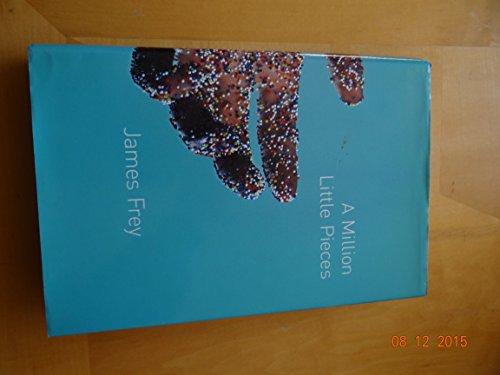
It was mentioned in the context of a conversation about the author fabricating parts of his memoir. It was described as a good book, although the hosts expressed that it should have been labeled as fiction.
It's a really good book. But I thought I followed that story and thought the same thing. Like, like why? Why would you why would you say that every word of this is accurate?
— Episode: Selects: How Circus Families Work
It was mentioned in the context of a conversation about the author fabricating parts of his memoir. It was described as a good book, although the hosts expressed that it should have been labeled as fiction.
It's a really good book. But I thought I followed that story and thought the same thing. Like, like why? Why would you why would you say that every word of this is accurate?
The book was mentioned in the context of a discussion about authors fabricating events within their books, with a suggestion that the author should have declared the book as fiction.
It's like when the guy, the author wrote about his drug rehab, the James Fry. Yeah, that was a great book. And I remember at the time when it all came out, I was like, man, you should just call it fiction.
It was discussed in the context of a controversy where the book was initially presented as a memoir but later revealed to contain fabricated details, and Oprah's involvement with it.
Oh, James Fry. Yeah, she had him on the show, A Million Little Pieces. Is that it?
I read that book. I really enjoyed it. And then found out afterward about the fact that a lot of it was made up and I didn't care. I was like, well, fine, call it a novel then. Right. I enjoyed it.
It was mentioned and discussed regarding the controversy surrounding the author claiming it was a memoir, when in reality much of the content was fabricated.
Oh, James Fry. Yeah, she had him on the show, A Million Little Pieces. Is that it? Yeah, something like that. I read that book. I really enjoyed it. And then found out afterward about the fact that a lot of it was made up and I didn't care. I was like, well, fine, call it a novel then. Right. I enjoyed it.
And then she did not let that one go. Remember, she brought him back on for just like that. She went on TV like vouching for the guy, or not vouching but essentially you're sort of vouching if you recommend his book. I guess, but really, I don't know. I think the follow up episode was unnecessary and really put the guy in the stocks basically.
Yeah, I just remember thinking at the time he just should not have called it a memoir. Just call it a novel. Right. And not to diminish anyone's experience and rehab which I think was the problem. Is that what offended people? I think so.
It was mentioned as a book that was later revealed to have been largely fabricated, but was still enjoyed by one of the podcast hosts.
Oh, James Fry.
Yeah, she had him on the show, A Million Little Pieces.
I read that book. I really enjoyed it.
And then found out afterward about the fact that a lot of it was made up and I didn't care.
I was like, well, fine, call it a novel then.
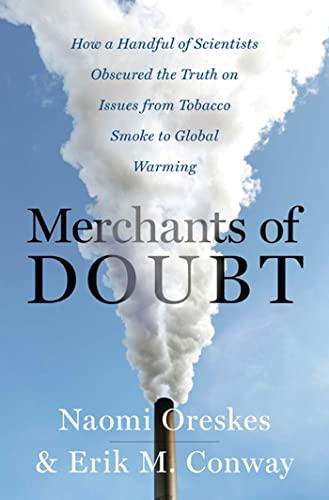
How a Handful of Scientists Obscured the Truth on Issues from Tobacco Smoke to Global Warming
It was recommended as a book about how the tobacco industry, climate change denial, and other issues are often the result of public relations efforts.
I want to recommend a book called Merchants of Doubt right now. I'm reading and it's about how the tobacco industry, climate change, denial, all this stuff is largely the result of PR...
— Episode: Selects: How Droughts Work
It was recommended as a book about how the tobacco industry, climate change denial, and other issues are often the result of public relations efforts.
I want to recommend a book called Merchants of Doubt right now. I'm reading and it's about how the tobacco industry, climate change, denial, all this stuff is largely the result of PR.
The book 'Merchants of Doubt' was mentioned in the context of scientists being bought by certain groups to cast doubt on science, like in the case of secondhand smoke.
They're a conservative think tank. You might remember them in the nineties when they worked alongside Philip Morris to deny the risks of secondhand smoke.
The book 'Merchants of Doubt' was mentioned in the context of how certain scientists were paid by organisations, like Philip Morris, to deny risks like those of secondhand smoke.
They're a conservative think tank. You might remember them in the nineties when they worked alongside Philip Morris to deny the risks of secondhand smoke. Yeah. That's all chronicle in that book. I've talked about Merchants of Doubt.
It was discussed as a book about how the tobacco industry and climate change denial are a result of public relations efforts. It was also mentioned that a documentary based on the book had been released.
And I want to recommend a book called Merchants of Doubt right now. I'm reading and it's about how the tobacco industry, climate change, denial, all this stuff is largely the result of PR.
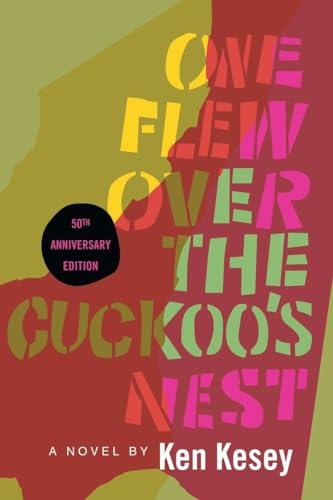
50th Anniversary Edition
The podcasters discussed the book and movie multiple times, noting the similarities to the Rosenhan experiment in terms of placing a sane person in an insane asylum and observing the results. They also praised the movie and book as 'great'.
If you haven't seen the movie or read the book, which is - they're both great.
— Episode: How The Rosenhan Experiment Worked
The podcasters discussed the book and movie multiple times, noting the similarities to the Rosenhan experiment in terms of placing a sane person in an insane asylum and observing the results. They also praised the movie and book as 'great'.
If you haven't seen the movie or read the book, which is - they're both great.
They're both great. It's like great book, great movie.
What a movie. What a book. Man. So great.
It was mentioned as a notable work by Ken Kesey, who was also involved in the Merry Pranksters and the psychedelic counterculture.
Uh, then there was Ken Kesey, um, author of many books, uh, notably One Flew Over the Cuckoo's Nest.
Ken Kesey, the author of 'One Flew Over the Cuckoo's Nest', was discussed as being a part of the Merry Pranksters who were heavily involved with LSD and its counter-culture during the 1960s.
Ken Kesey, um, author of many books, uh, notably One Flew Over the Cuckoo's Nest.
Which that alone makes him a great author.
The book and the movie were discussed as an example of ECT being portrayed negatively, as it was used to control patients in the mental institution setting in the story.
Have you ever seen or read or both One Flew Over the Cuckoo's Nest?
The book was great. I've seen the movie a dozen times.
It is a great movie. I haven't read the book. Although I was a Ken Keesey fan. I thought he was a cool dude.
Well if you haven't seen or read One Flew Over the Cuckoo's Nest, you totally should. It is like Chuck was saying one of the best movies of all time. It is a great book apparently.
And one of the things that factors into it is setting an insane asylum in the 50s I would say. Maybe 60s. And one of the... I guess almost a character in this movie or book is electroconvulsive therapy, which the staff uses to basically keep the patients in check.
It was discussed as a great movie and book, and the book was said to have been written by Ken Kesey based on his experience as an orderly in a mental institution.
Have you ever seen or read or both One Flew Over the Cuckoo's Nest?
The book was great. I've seen the movie a dozen times.
It is a great movie. I haven't read the book. Although I was a Ken Keesey fan. I thought he was a cool dude.
Well if you haven't seen or read One Flew Over the Cuckoo's Nest, you totally should. It is like Chuck was saying one of the best movies of all time. It is a great book apparently.
And one of the things that factors into it is setting an insane asylum in the 50s I would say. Maybe 60s. And one of the... I guess almost a character in this movie or book is electroconvulsive therapy. Which the staff uses to basically keep the patients in check.
A Novel
The hosts discussed it in passing, mentioning its popularity and how it was the author's only published novel before his death. The author's life was discussed briefly.
John Kennedy Tool. Sure. Confederacy of Dunces.
— Episode: SYSK Selects: What Makes a One-hit Wonde...
The hosts discussed it in passing, mentioning its popularity and how it was the author's only published novel before his death. The author's life was discussed briefly.
John Kennedy Tool. Sure. Confederacy of Dunces.
How often do you think about just in your normal life? How, I don't know. Almost never maybe?
Yeah, a couple of times a year maybe when it's like a movie will be in the works that never happens.
I was thinking about that movie or that book yesterday.
But I don't think it's like one of the greatest books of all time or anything.
Yeah, this crazy character in Louisiana. It's always grabbed my attention because it's just like a perfect title and then the guy's name is perfect as well. John Kennedy Tool.
Yeah, his author.
Well, he'd killed himself. He was clearly now suffered some sort of mental illness and could not get published and that drove him to eventually commit suicide in 1969 and his mother made it her life's work to get it published and did so in 1980.
And then his second book was published The Neon Bible I think in 1986 and that was made into a movie.
Well, The Neon Bible wasn't a huge hit but.
But yeah, I would say he's a one hit wonder.
It was discussed as a potential one-hit wonder, due to Toole's suicide and only one novel published before his death, even though a second book was posthumously published.
And John Kennedy Tool. Sure. Confederacy of Dunces.
It's like, I think a lot of people have these expectations because it's known as this like genius work after this guy committed suicide and it is really good. But I don't think it's like one of the greatest books of all time or anything.
Well, he'd killed himself. He was clearly now suffered some sort of mental illness and could not get published and that drove him to eventually commit suicide in 1969 and his mother made it her life's work to get it published and did so in 1980.
Well, The Neon Bible wasn't a huge hit but. Oh, gotcha. But yeah, I would say he's a one hit wonder.
It was discussed in the context of being a 'one-hit wonder' novel for Toole, who committed suicide before achieving recognition, but the book gained popularity later and is considered a good, but not necessarily exceptional, read.
And John Kennedy Tool. Sure. Confederacy of Dunces.
But I don't think it's like one of the greatest books of all time or anything.
It's always grabbed my attention because it's just like a perfect title and then the guy's name is perfect as well. John Kennedy Tool.
He was clearly now suffered some sort of mental illness and could not get published and that drove him to eventually commit suicide in 1969 and his mother made it her life's work to get it published and did so in 1980.
The hosts described it as a classic novel whose author died before its publication, noting it later won a Pulitzer Prize and became a celebrated work.
the first one is A Confederacy of Dunces the film adaptation of John Kennedy Tool's book I guess novel great book yeah ... it's a classic classic book and very sadly Tool killed himself in 1969 and the book was not out yet and part of the reason he killed himself is because he he could not achieve success as a writer his mother gets it published it wins a Pulitzer Prize in 1981 and posthumously he became a famous author ... so people when it first was published in the early 80s
They mentioned the wellknown novel as a great book that, despite many attempts, has never been turned into a movie.
the very famously, the great, great book, A Confederacy of Dunces, has never been made.
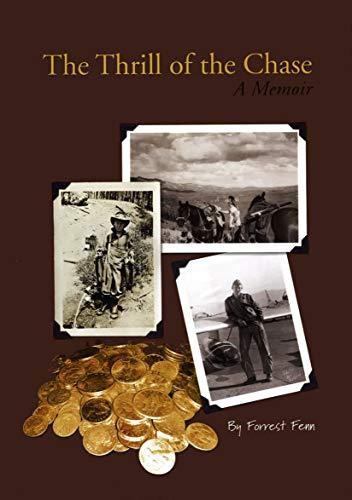
Forrest Fenn wrote and self-published this memoir in 2010, containing a poem with clues about a hidden treasure chest, which sparked a widespread treasure hunt in the Rocky Mountains.
He wrote a self-published memoir called The Thrill of the Chase, published in 2010.
— Episode: Finding the Fenn Treasure
Forrest Fenn wrote and self-published this memoir in 2010, containing a poem with clues about a hidden treasure chest, which sparked a widespread treasure hunt in the Rocky Mountains.
He wrote a self-published memoir called The Thrill of the Chase, published in 2010.
And he, in it, contained a poem with six rhyming stanzas printed on the map of the Rockies.
And I think we should take a break and read this poem right after this.
Forrest Fenn wrote and self-published this memoir in 2010, which contained a poem with clues to a hidden treasure, leading to a decade-long treasure hunt in the Rocky Mountains.
He wrote a self-published memoir called The Thrill of the Chase, published in 2010.
And he, in it, contained a poem with six rhyming stanzas printed on the map of the Rockies.
It was Forrest Fenn's self-published memoir, which was published in 2010, and included a poem with clues to a hidden treasure in the Rocky Mountains.
He wrote a self-published memoir called The Thrill of the Chase, published in 2010.
And he, in it, contained a poem with six rhyming stanzas printed on the map of the Rockies.
Forrest Fenn wrote and self-published this memoir in 2010, which included a poem with clues that led to a hidden treasure chest in the Rocky Mountains.
He wrote a self-published memoir called The Thrill of the Chase, published in 2010.
And he, in it, contained a poem with six rhyming stanzas printed on the map of the Rockies.
And I think we should take a break and read this poem right after this.
Forrest Fenn wrote and self-published this memoir in 2010, which contained a poem with clues to a hidden treasure chest in the Rocky Mountains.
He wrote a self-published memoir called The Thrill of the Chase, published in 2010.
And he, in it, contained a poem with six rhyming stanzas printed on the map of the Rockies.
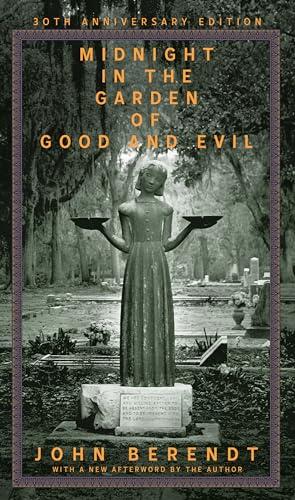
It was mentioned as a book that was as good as the movie adaptation, with both being well-received by the speaker.
I never read the book. I did both and they were both pretty good. It was one of those ones where like the movies just about as good as the book.
— Episode: How Groundhog Day Works
It was mentioned as a book that was as good as the movie adaptation, with both being well-received by the speaker.
I never read the book. I did both and they were both pretty good. It was one of those ones where like the movies just about as good as the book.
It was discussed as being a good book, and the movie adaptation was mentioned as being just as good as the source material.
I never read the book. I did both and they were both pretty good. It was one of those ones where like the movies just about as good as the book.
It was mentioned that both the book and the movie adaptation were enjoyed, and considered to be of equal quality.
I never read the book. I did both and they were both pretty good.
It was one of those ones where like the movies just about as good as the book.
It was discussed that both the book and movie adaptation were considered good, with the movie considered to be just as good as the book.
I never read the book. I did both and they were both pretty good.
It was mentioned as a book and movie that were both enjoyable, with the movie being considered just as good as the book.
I never read the book. I did both and they were both pretty good. It was one of those ones where like the movies just about as good as the book.
Note: The book recommendations on this page are discovered automatically from podcast transcripts, and may be incorrect or incomplete.
Podcast Name