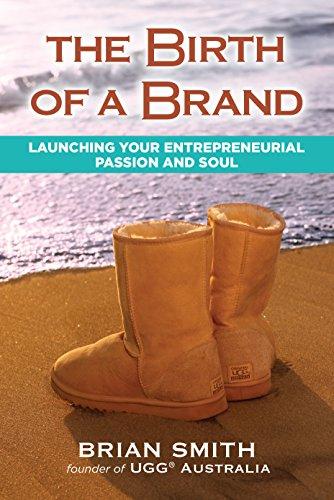
The Birth of a Brand
Brian Smith
Mentioned 1 month ago
UGG: Brian Smith. How an epiphany, surfers, and $500 launched an iconic sheepskin footwear company.

Guy Raz interviews the world’s best-known entrepreneurs to learn how they built their iconic brands. In each episode, founders reveal deep, intimate moments of doubt and failure, and share insights on their eventual success. How I Built This is a master-class on innovation, creativity, leadership an...
Recently mentioned
Brian Smith
Mentioned 1 month ago
UGG: Brian Smith. How an epiphany, surfers, and $500 launched an iconic sheepskin footwear company.
J.F. DiMarzio
Mentioned 4 months ago
Square: Jim McKelvey. He Lost a $2,000 Sale, Then Built a $10 Billion Company
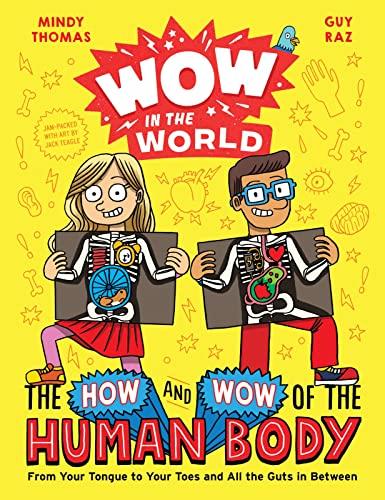
Mindy Thomas
Mentioned 6 months ago
Advice Line with Neil Blumenthal of Warby Parker

Joe Friedblanner
Mentioned 6 months ago
Advice Line with Jack Conte of Patreon (December 2024)
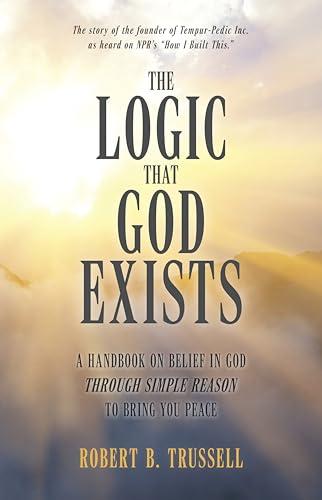
Robert B. Trussell
Mentioned 7 months ago
Advice Line with Bobby Trussell of Tempur-Pedic
Isaac Asimov
Mentioned 7 months ago
(September 2020) Khan Academy: Sal Khan. From Tutoring His Cousins to Teaching the World For Free
Aesop
Mentioned 8 months ago
Advice Line with Chet Pipkin of Belkin International
Richard N. Bolles
Mentioned 8 months ago
Backroads: Tom Hale. How a desk worker became a trailblazer in active travel
D. Levin
Mentioned 8 months ago
Backroads: Tom Hale. How a desk worker became a trailblazer in active travel
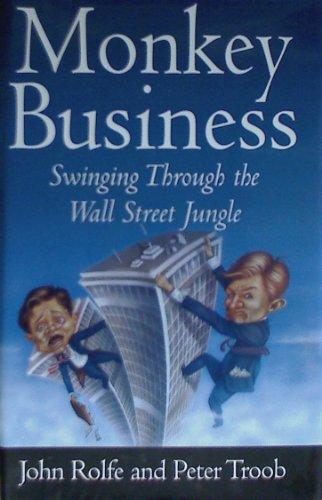
John Rolfe
Mentioned 8 months ago
Nuts.com: Jeff Braverman. From Corner Store to Snacktime Powerhouse
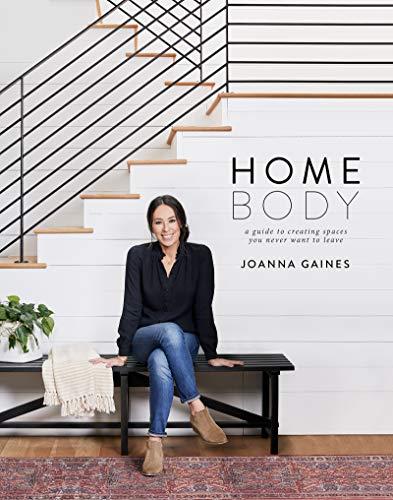
Joanna Gaines
Mentioned 9 months ago
Magnolia: Chip & Joanna Gaines. From House Flipping to Household Name
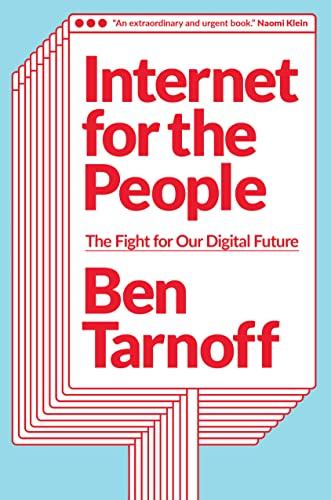
Ben Tarnoff
Mentioned 9 months ago
Craigslist: Craig Newmark — The Forrest Gump of the Internet
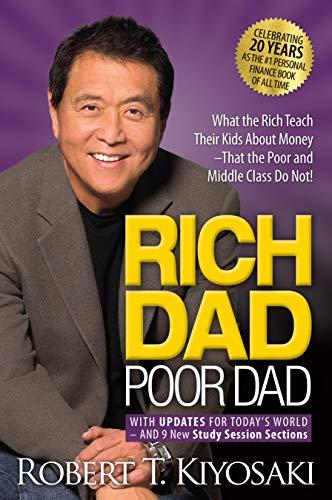
What the Rich Teach Their Kids About Money That the Poor and Middle Class Do Not!
It was discussed in the context of recurring and passive income, and how it made Ben Chestnut think about the growing, recurring income from Mailchimp compared to his web design business.
And there's some episode on with a guy named Robert Kiyosaki. And he's and he has this book called Rich Dad, Poor Dad.
— Episode: Mailchimp: Ben Chestnut
It was discussed in the context of recurring and passive income, and how it made Ben Chestnut think about the growing, recurring income from Mailchimp compared to his web design business.
And there's some episode on with a guy named Robert Kiyosaki. And he's and he has this book called Rich Dad, Poor Dad.
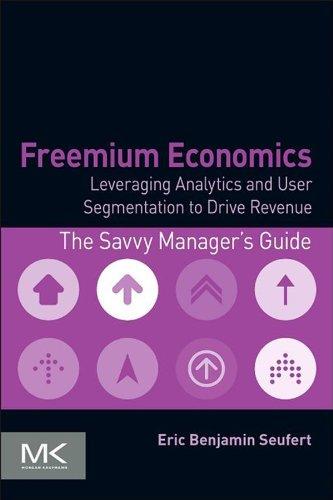
Leveraging Analytics and User Segmentation to Drive Revenue (The Savvy Manager's Guides)
It was left on Ben's desk, and reading it helped solidify the understanding that the free plan with paid upgrade option was in line with the 'Freemium' model.
And somebody had left a book on my desk. It was by Chris Anderson. It was called Freemium.
— Episode: Mailchimp: Ben Chestnut
It was left on Ben's desk, and reading it helped solidify the understanding that the free plan with paid upgrade option was in line with the 'Freemium' model.
And somebody had left a book on my desk. It was by Chris Anderson. It was called Freemium.
I'll change the title. I won't call it MailChimp's free plan. I'll call it MailChimp Goes Freemium.
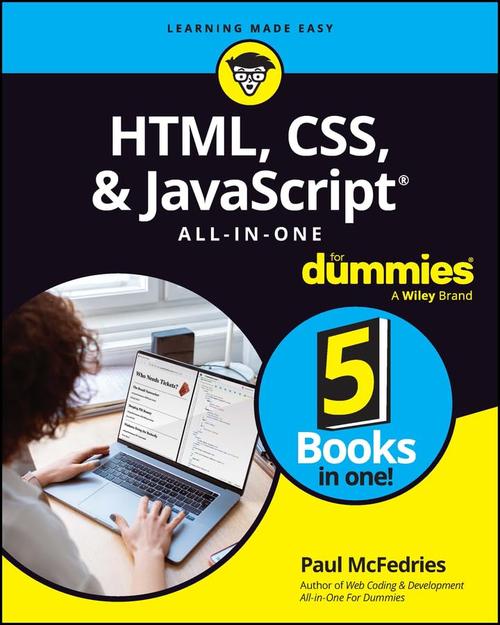
Dan Kurzias, a future co-founder, bought this book and used it to learn HTML quickly in order to fulfill a coding position.
So he took the job and then he bought HTML for Dummies.
— Episode: Mailchimp: Ben Chestnut
Dan Kurzias, a future co-founder, bought this book and used it to learn HTML quickly in order to fulfill a coding position.
So he took the job and then he bought HTML for Dummies.
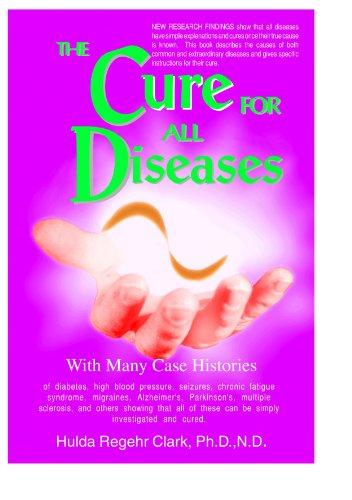
Carla, as a teenager, read this book in a health food store and hoped to use it to cure her father's cancer, but he was not interested in her attempts.
And I asked my mom to buy it.
— Episode: Jovial Foods: Carla Bartolucci
Carla, as a teenager, read this book in a health food store and hoped to use it to cure her father's cancer, but he was not interested in her attempts.
And I asked my mom to buy it.
And then I came home and I was like, Dad, I'm going to cure you of cancer. I'm going to cook.
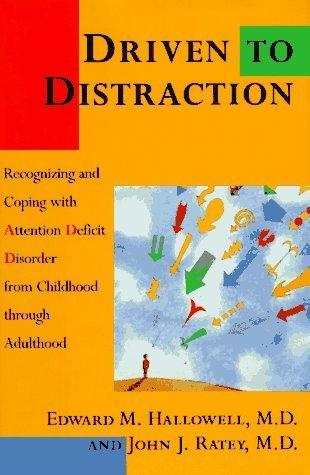
Recognizing and Coping with Attention Deficit Disorder from Childhood Through Adulthood Hardcover March 15, 1994
It was read by David Neeleman's mother, who believed he might have Attention Deficit Disorder after his younger brother was diagnosed with it.
And my mom, she read this book called Driven to Distraction by Dr. Hallowell.
— Episode: JetBlue Airways: David Neeleman (2019)
It was read by David Neeleman's mother, who believed he might have Attention Deficit Disorder after his younger brother was diagnosed with it.
And my mom, she read this book called Driven to Distraction by Dr. Hallowell.
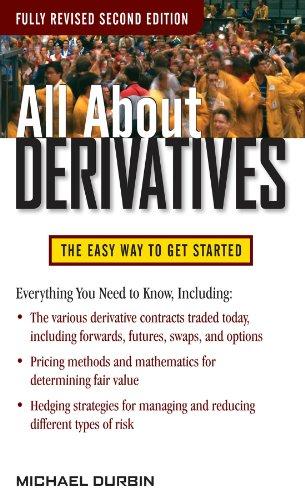
It was mentioned as a book that the guest read in middle school about finance and derivatives, and he found the content easy to understand and engaging.
When I was in middle school, I started reading books. In seventh grade, I started reading books on derivatives.
— Episode: Diapers.com & Jet.com: Marc Lore
It was mentioned as a book that the guest read in middle school about finance and derivatives, and he found the content easy to understand and engaging.
When I was in middle school, I started reading books. In seventh grade, I started reading books on derivatives.
I would literally read books on derivatives, any book I can get.
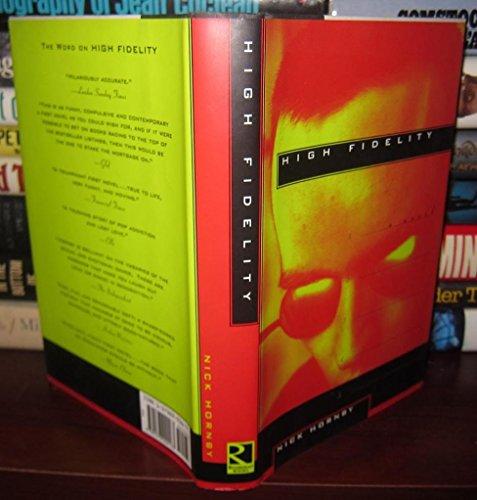
It was mentioned as a favorite book that was a little dated due to its content, but still enjoyed for its story. It was discussed in the context of supporting independent artists and record stores.
In the late nineties, one of my favorite books, which is when I reread it now, rethink about it now, it's a little bit dated just because of the content, but it was at the time I was a younger man, it...
— Episode: How I Built Resilience: Ethan Diamond of...
It was mentioned as a favorite book that was a little dated due to its content, but still enjoyed for its story. It was discussed in the context of supporting independent artists and record stores.
In the late nineties, one of my favorite books, which is when I reread it now, rethink about it now, it's a little bit dated just because of the content, but it was at the time I was a younger man, it was High Fidelity. I love that book by Nick Hornby.
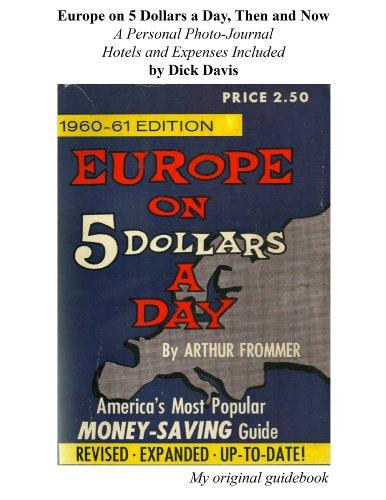
It was a well-known guidebook for budget travelers in the 1970s. Rick Steves mentioned being influenced by Frommer's approach to democratizing international travel and making it affordable.
That was a time where one of the most famous guidebooks for Americans was Arthur Frommer's Europe on $5 a day.
— Episode: Rick Steves' Europe: Rick Steves
It was a well-known guidebook for budget travelers in the 1970s. Rick Steves mentioned being influenced by Frommer's approach to democratizing international travel and making it affordable.
That was a time where one of the most famous guidebooks for Americans was Arthur Frommer's Europe on $5 a day.
He was the granddad of all this. He's the guy that inspired the democratization of international travel.
His classic book.
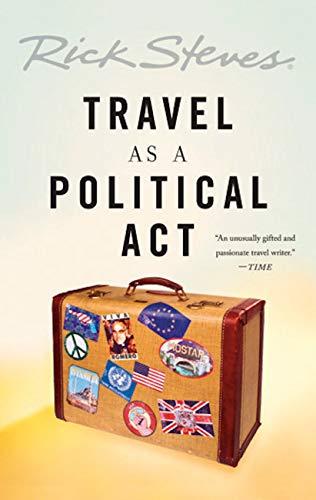
It was written by Rick Steves in 2009 and updated a few years ago. It discusses the impact of travel on one's political perspectives, particularly regarding cultural awareness and social justice.
You wrote a book called Travel is a Political Act in 2009.
— Episode: Rick Steves' Europe: Rick Steves
It was written by Rick Steves in 2009 and updated a few years ago. It discusses the impact of travel on one's political perspectives, particularly regarding cultural awareness and social justice.
You wrote a book called Travel is a Political Act in 2009.
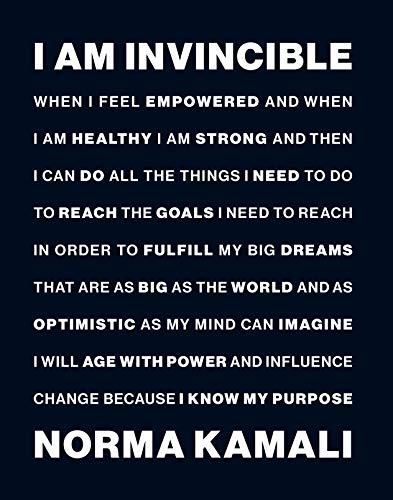
I Am Invincible
It was described as a book sharing Norma's life experiences throughout the decades and aiming to help women navigate each decade with provided tools and information. The main theme was about aging with power and how one can get better with age.
The book is called I Am Invincible. And what I do is I share my life experiences through the decades.
— Episode: Norma Kamali: Norma Kamali
It was described as a book sharing Norma's life experiences throughout the decades and aiming to help women navigate each decade with provided tools and information. The main theme was about aging with power and how one can get better with age.
The book is called I Am Invincible. And what I do is I share my life experiences through the decades.
And aging with power is sort of the the headline of the book in that you can get better with age.
And that at 75, I love the fact that I'm so much smarter now than I ever was and that I do things now to serve my purpose in this lifetime, which is a very freeing experience.
It was read by Jeffrey Hollander while living in Toronto, and influenced his start of the Skills Exchange of Toronto, which was based on the book's principles.
I read an amazing book by Ivan Illich, who's an educational philosopher called Deschooling Society.
— Episode: Seventh Generation: Alan Newman and Jeff...
It was read by Jeffrey Hollander while living in Toronto, and influenced his start of the Skills Exchange of Toronto, which was based on the book's principles.
I read an amazing book by Ivan Illich, who's an educational philosopher called Deschooling Society.
And Ivan Illich's philosophy was that formal education in universities constrain the flow of knowledge more than facilitate it.
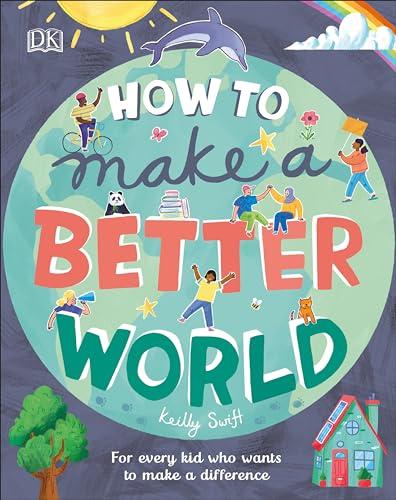
For Every Kid Who Wants to Make a Difference (Take on the World)
It was written by Jeffrey Hollander to make amends for previous lectures on 'How to Marry Money', and covered socially responsible investing, human rights, and environmentalism.
You decide to write a book called How to Make the World a Better Place, which is great.
— Episode: Seventh Generation: Alan Newman and Jeff...
It was written by Jeffrey Hollander to make amends for previous lectures on 'How to Marry Money', and covered socially responsible investing, human rights, and environmentalism.
You decide to write a book called How to Make the World a Better Place, which is great.
You want to kind of make amends for How to Marry Money and those kinds of lectures.
Well, as you said, I needed to redeem myself somehow.
But it was just as much an exploration of all the ways in which you could do good stuff in the world.
The book was really a compendium of all the good things one could do on a full time or a part time basis to help make the world a better place.
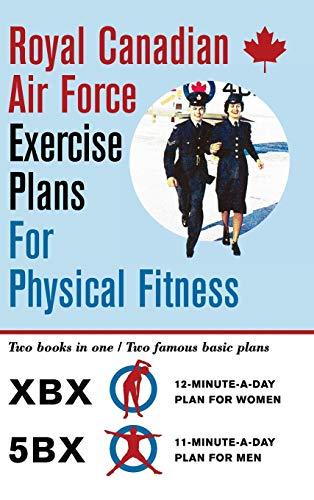
Two Books in One / Two Famous Basic Plans (The XBX Plan for Women, the 5BX Plan for Men)
It was mentioned as a book that was popular in the 70s and was geared more towards men.
And then of course, there was the Air Force Exercise Book.
— Episode: Jazzercise: Judi Sheppard Missett
It was mentioned as a book that was popular in the 70s and was geared more towards men.
And then of course, there was the Air Force Exercise Book.
I'm not arguing I'm just explaining why I'm right
It was a book with pictures and a history of dance, written by Judy and another woman. It was said to have sold over 400,000 copies after Judy's appearance on the Dinah Shore Show.
I had written a book in the late 70s with another woman who happened to be in my class. So we wrote this book with pictures of how to do different exercises and, you know, a little history of dance an...
— Episode: Jazzercise: Judi Sheppard Missett
It was a book with pictures and a history of dance, written by Judy and another woman. It was said to have sold over 400,000 copies after Judy's appearance on the Dinah Shore Show.
I had written a book in the late 70s with another woman who happened to be in my class. So we wrote this book with pictures of how to do different exercises and, you know, a little history of dance and all of that.
And the book sold over 400,000 copies.
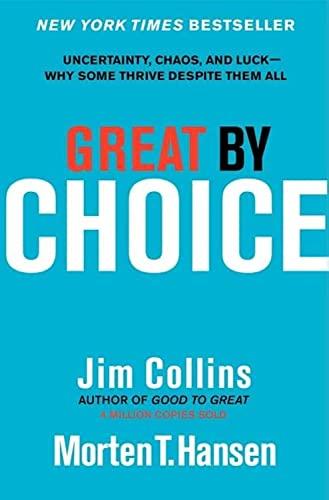
Uncertainty, Chaos, and Luck--Why Some Thrive Despite Them All (Good to Great, 5)
It was mentioned in the context of a discussion about the role of luck in business success and how good companies, regardless of good or bad luck, double down on the opportunities or challenges presented.
What's interesting is that Jim Collins is, I'm trying to remember the name of his latest book, Great by Choice, I think.
— Episode: Remembering Tony Hsieh of Zappos
It was mentioned in the context of a discussion about the role of luck in business success and how good companies, regardless of good or bad luck, double down on the opportunities or challenges presented.
What's interesting is that Jim Collins is, I'm trying to remember the name of his latest book, Great by Choice, I think.
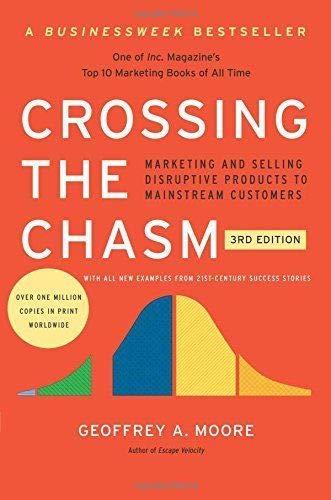
Marketing and Selling Disruptive Products to Mainstream Customers
It was mentioned as a book that Drew read to learn about technology adoption cycles. The book helped inform Dropbox's initial strategy to focus on early adopters.
I had read this book Crossing the Chasm, which talks about how technology's adopted.
— Episode: Dropbox: Drew Houston
It was mentioned as a book that Drew read to learn about technology adoption cycles. The book helped inform Dropbox's initial strategy to focus on early adopters.
I had read this book Crossing the Chasm, which talks about how technology's adopted.
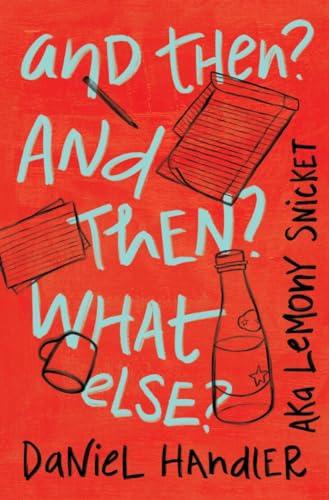
Guy Raz, the host of the podcast, mentioned he wrote a book titled 'What Else?' which contains stories of entrepreneurs and leaders and is meant to inspire listeners.
Well, to answer those questions, I've written a book. It's called What Else? How I Built This, and it's full of inspiring stories from some of the greatest leaders and entrepreneurs in the world who'v...
— Episode: How I Built Resilience: John Zimmer of L...
Guy Raz, the host of the podcast, mentioned he wrote a book titled 'What Else?' which contains stories of entrepreneurs and leaders and is meant to inspire listeners.
Well, to answer those questions, I've written a book. It's called What Else? How I Built This, and it's full of inspiring stories from some of the greatest leaders and entrepreneurs in the world who've been through the trenches, made big mistakes, and lived to tell the tale.
If you're looking to start something or just want to be inspired by those who have built incredible things, pick up How I Built This now, wherever you buy your books, or by visiting guyraz.com.
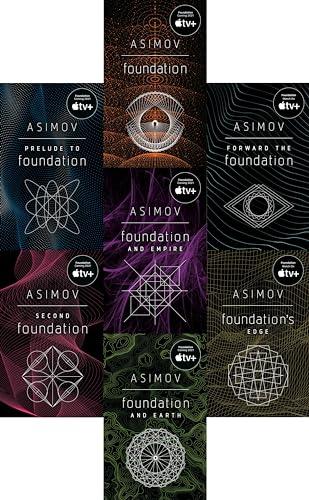
Sal Khan mentioned being inspired by this book at a young age, particularly the concept of preserving civilization through knowledge and its grand scale of thinking beyond one's immediate surroundings.
In seventh grade, I read the foundation series, Isaac Asimov, and the protagonist is someone named Harry Seldon, who's kind of a new form of academic that's a combination of mathematics, economics, hi...
— Episode: Khan Academy: Sal Khan
Sal Khan mentioned being inspired by this book at a young age, particularly the concept of preserving civilization through knowledge and its grand scale of thinking beyond one's immediate surroundings.
In seventh grade, I read the foundation series, Isaac Asimov, and the protagonist is someone named Harry Seldon, who's kind of a new form of academic that's a combination of mathematics, economics, history, psychology. And he's able to predict large scale historical movements.
And he sees through his science that the galactic empire is about to enter into a 10,000 year dark ages. And he decides to do something about it. He can't stop it from happening, but he can shorten it to a thousand years.
And the way he does that is by taking the galaxy's knowledge and putting it into a foundation at the periphery of the galaxy.
And I remember when I was seventh grade and I read that, I thought two things. One, why don't more people think on those scales? It feels so inspiring and epic to think on that scale well beyond ourselves.
And then the other aha from that book in seventh grade was like, yeah, Harry Seldon's right. Like the way to preserve civilization is really through knowledge. That is what defines a civilization and that is what defines human potential.
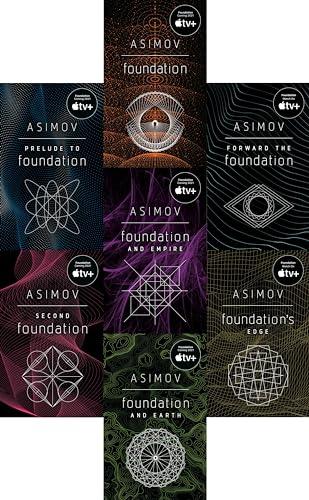
Sal Khan mentioned reading Isaac Asimov's 'The Foundation Series' in 7th grade, which inspired him with the idea of using knowledge to positively impact humanity's future.
In seventh grade, I read the foundation series, Isaac Asimov, and the protagonist is someone named Harry Seldon, who's kind of a new form of academic that's a combination of mathematics, economics, hi...
— Episode: Khan Academy: Sal Khan
Sal Khan mentioned reading Isaac Asimov's 'The Foundation Series' in 7th grade, which inspired him with the idea of using knowledge to positively impact humanity's future.
In seventh grade, I read the foundation series, Isaac Asimov, and the protagonist is someone named Harry Seldon, who's kind of a new form of academic that's a combination of mathematics, economics, history, psychology. And he's able to predict large scale historical movements.
Note: The book recommendations on this page are discovered automatically from podcast transcripts, and may be incorrect or incomplete.
Podcast Name