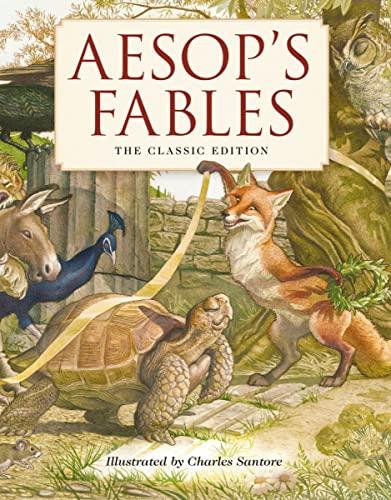
Lincoln read this book repeatedly as a young man; the fables' moral lessons and clever stories helped shape his understanding of human nature and influenced his communication style. The book's impact is seen in Lincoln's famous quote about a house divided, which he used alongside Aesop's fable about a bundle of sticks.
"
Lincoln's faith was actually something that evolved more slowly over time, especially after the tragedies that rocked him later in life. Instead, when he was young, he fell in love with Asop's Fables.
This was a book he read over and over again, one friend observed. These fables, written by a slave and a storyteller who lived in ancient Greece around 620 BC, they spoke to Lincoln's soul. He memorized large chunks of the book.
His mind, which had always tended towards anecdotes and story, just locked on to Asop's brilliant method for teaching complicated moral lessons and clever fictions about mice and lions and foxes. It became a lens through which he came to understand human nature, the language with which he tried to communicate reality through.
You know his famous line about how a house divided against itself cannot stand? That was Jesus, he was quoting, but he did it next to a recounting of Asop's Fable about a bundle of sticks.
And actually, Asop has a second fable illustrating the same point but told about a lion and three bulls.