Podcast
Hidden Brain
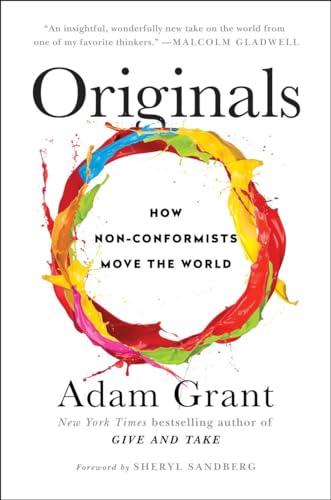
It was discussed as a new book at the time of the podcast, and it explored how nonconformists drive creativity and change in the world, including how they manage fears, doubts, and the process of developing ideas.
He's a professor at the Wharton School at the University of Pennsylvania and he's the author of the new book, Originals, How Nonconformists Move the World.
— Episode: You 2.0: Originals
Episode: You 2.0: Originals
It was discussed as a new book at the time of the podcast, and it explored how nonconformists drive creativity and change in the world, including how they manage fears, doubts, and the process of developing ideas.
He's a professor at the Wharton School at the University of Pennsylvania and he's the author of the new book, Originals, How Nonconformists Move the World.
I would say that I was totally wrong about what it takes to be original.
I think of original people as the nonconformists who drive creativity and change in the world.
They often procrastinate and that's how they incubate ideas.
They feel the same fears and doubts that the rest of us do. They just manage them differently. They hate taking risks and they have lots of bad ideas and that's how they get to the good ones.
Episode: Episode 22: Originals
It was discussed how the book explores the characteristics of originals, including procrastination and hedging bets, and how these traits can lead to innovation and change.
He's the author of the new book, Originals, How Nonconformists Move the World.
In your book, you find that the writer and poet TS Eliot, Google's co-founder Larry Page, and the filmmaker all have something in common.
I think that's one of the hallmarks of being original, is being flexible enough in your thinking to admit, you know, this was wrong or this was a bad idea.
In the book you talk about the idea that birth order whether you have older siblings or younger siblings might play a role in your willingness to take chances.
If you study some of the America's most original architects and compare them with technically skilled but less creative peers. One of the things that happened in the families of the creative architects was their parents focused more on values than rules.