The Backgammon Chronicles
Robert Wachtel
Mentioned 1 month ago
677. Can Backgammon Save Us from Ourselves?
Freakonomics co-author Stephen J. Dubner uncovers the hidden side of everything. Why is it safer to fly in an airplane than drive a car? How do we decide whom to marry? Why is the media so full of bad news? Also: things you never knew you wanted to know about wolves, bananas, pollution, search engin...
Recently mentioned
Robert Wachtel
Mentioned 1 month ago
677. Can Backgammon Save Us from Ourselves?

Robert H Wachtel
Mentioned 1 month ago
677. Can Backgammon Save Us from Ourselves?
Richard P. Feynman
Mentioned 1 month ago
The Vanishing Mr. Feynman (Update)
Gustave Flaubert
Mentioned 1 month ago
The Vanishing Mr. Feynman (Update)
Richard P. Feynman
Mentioned 1 month ago
The Vanishing Mr. Feynman (Update)
Bernard Suits
Mentioned 2 months ago
675. Has the New York Times Become a Games Company?
Katie Salen Tekinbas
Mentioned 2 months ago
675. Has the New York Times Become a Games Company?

Josef Albers
Mentioned 2 months ago
675. Has the New York Times Become a Games Company?
Adam Smith
Mentioned 2 months ago
674. How Does a Composer Feel After the World Premiere?
Glory M. Liu
Mentioned 2 months ago
674. How Does a Composer Feel After the World Premiere?
Charlotte Bronte
Mentioned 2 months ago
673. What Is Money?
Charles Dickens
Mentioned 2 months ago
673. What Is Money?
When Medicine Gets It Wrong, and What It Means for Our Health
The host noted that McCary's latest book,Blind Spots,examines medical dogma through illustrations such as the "Salem Peanut Trial" chapter, highlighting how misguided policies can create health epidemics.
There are a lot of illustrations of this in his most recent book, which is called Blind Spots, when medicine gets it wrong and what it means for our health. The first chapter is title...
— Episode: 659. Can Marty Makary Fix the F.D.A.?
The host noted that McCary's latest book,Blind Spots,examines medical dogma through illustrations such as the "Salem Peanut Trial" chapter, highlighting how misguided policies can create health epidemics.
There are a lot of illustrations of this in his most recent book, which is called Blind Spots, when medicine gets it wrong and what it means for our health. The first chapter is titled The Salem Peanut Trial, How Experts Created an Epidemic.
Marty Makary was noted as having authored Blind Spots: When Medicine Gets It Wrong, and What It Means for Our Health, underscoring his perspective on medical errors.
He's also written a few books, including Blind Spots, When Medicine Gets It Wrong and What It Means for Our Health.
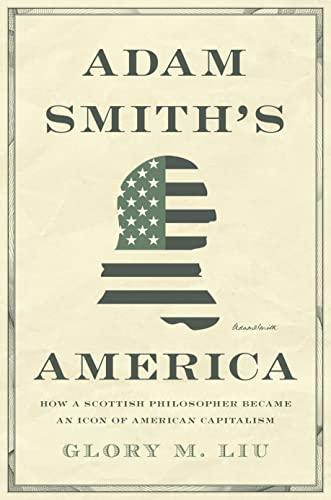
How a Scottish Philosopher Became an Icon of American Capitalism
It explored the impact of Adam Smith's ideas on American capitalism and how he became a central figure in the American economic landscape. It was described as a recently published book.
Liu just published a book called Adam Smith's America, how a Scottish philosopher became an icon of American capitalism.
— Episode: 525. In Search of the Real Adam Smith
It explored the impact of Adam Smith's ideas on American capitalism and how he became a central figure in the American economic landscape. It was described as a recently published book.
Liu just published a book called Adam Smith's America, how a Scottish philosopher became an icon of American capitalism.
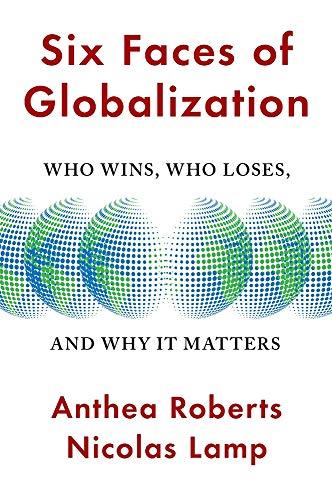
Who Wins, Who Loses, and Why It Matters
It was discussed as a book that explores six different narratives about economic globalization, arguing that individuals and countries tell stories about their economic lives and experiences.
Their main point is simple but also profound: we all tell stories about our economic lives. We as individuals and countries too, but we don't all tell the same story.
— Episode: 519. Has Globalization Failed?
It was discussed as a book that explores six different narratives about economic globalization, arguing that individuals and countries tell stories about their economic lives and experiences.
Their main point is simple but also profound: we all tell stories about our economic lives. We as individuals and countries too, but we don't all tell the same story.
In her book 'Six Faces of Globalization,' this is what Anthea Roberts calls the establishment narrative, the first of the six stories we tell ourselves.
That's the idea that economic globalization is a win for everyone. It's a rising tide that lifts all boats, or it's a growing of the pie so that everybody can have a greater slice.
Her book is titled 'Six Faces of Globalization: Who Wins, Who Loses, and Why It Matters.'
Apparently, the economists who presented it said an economist couldn't have written this book because we're told like to optimize something and what are we going to optimize?
It was discussed that the book presents six different narratives regarding globalization, including the establishment view and populist perspectives, and how they impact global economics and politics.
Their main point is simple but also profound: we all tell stories about our economic lives. We as individuals and countries too, but we don't all tell the same story.
In her book 'Six Faces of Globalization,' this is what Anthea Roberts calls the establishment narrative, the first of the six stories we tell ourselves.
That's the idea that economic globalization is a win for everyone. It's a rising tide that lifts all boats or it's a growing of the pie so that everybody can have a greater slice.
One critique of your book is by the economist Jason Furman, former head of the CEA, the Council of Economic Advisers in the Obama White House.
Her book is titled 'Six Faces of Globalization: Who Wins, Who Loses, and Why It Matters.' Her co-author is Nicholas Lamp.
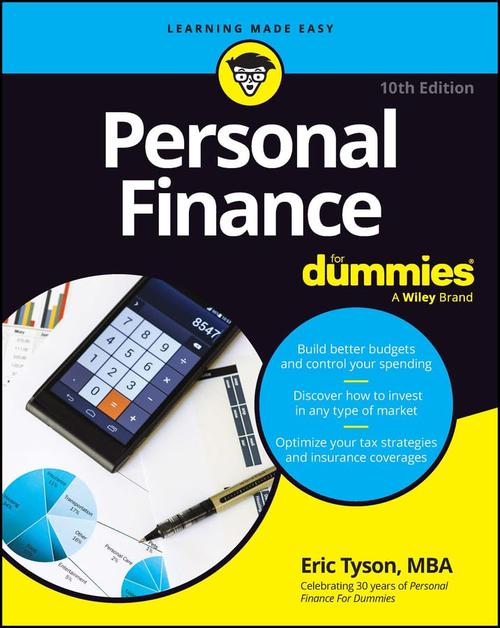
It was chosen as a textbook for a personal finance course taught by an economist at Yale, despite the professor misremembering the title during the podcast.
What was the book you settled on? Popular Finance for Dummies. It's actually a surprisingly good book despite the title.
— Episode: 518. Are Personal Finance Gurus Giving Y...
It was chosen as a textbook for a personal finance course taught by an economist at Yale, despite the professor misremembering the title during the podcast.
What was the book you settled on? Popular Finance for Dummies. It's actually a surprisingly good book despite the title.
The title is actually Personal Finance For Dummies by Eric Tyson.
The book was described as a surprisingly good personalfinance guide despite its "Dummies" title, and it was chosen as the textbook for the Yale personalfinance course.
And I settled on a book ... Popular Finance for Dummies. It's actually a surprisingly good book despite the title. The title is actually Personal Finance For Dummies by Eric Tyson.
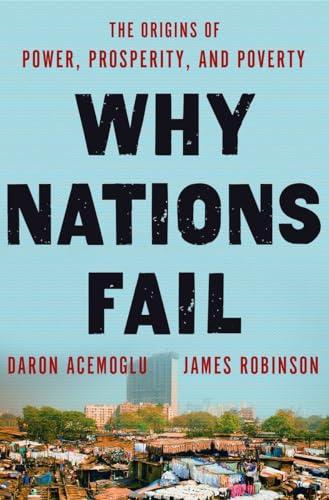
The Origins of Power, Prosperity, and Poverty
It was discussed in the context of understanding economic choices, institutions, and inequality, within a political and social framework. It was mentioned as a book the speaker wished he could have written as a teenager.
Why Nations Fail was published in 2012.
— Episode: 517. Are M.B.A.s to Blame for Wage Stagn...
It was discussed in the context of understanding economic choices, institutions, and inequality, within a political and social framework. It was mentioned as a book the speaker wished he could have written as a teenager.
Why Nations Fail was published in 2012.
You cannot understand economic choices, economic institutions, economic incentives, inequality, innovation without thinking about the politics.
It was mentioned as a book that discusses the origins of power, prosperity, and poverty, as well as the impact of institutions on national success and failure. Acemoglu used it to explain the historical impact of pandemics on societies, using the Black Death as an example.
The way I look at it, this crisis has been a confirmation of the critical role of institutions and how much U.S. institutions have suffered over the last few years.
We have completely failed in dealing with this crisis. And this is nothing but a colossal failure of our institutions.
Acemoglu points to South Korea, Taiwan, and Germany as places that have used their institutions well on both the public health and economic fronts.
In his book, Why Nations Fail, Acemoglu writes of another pandemic, the Black Death, the 14th century plague estimated to have wiped out more than half the population of Europe.
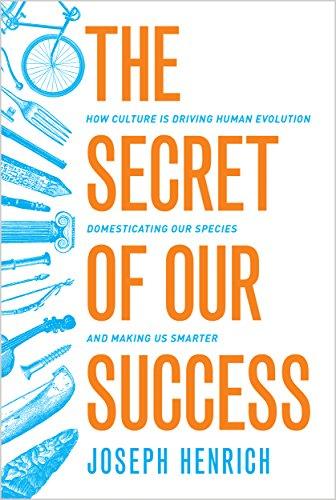
How Culture Is Driving Human Evolution, Domesticating Our Species, and Making Us Smarter
It was published in 2016 and explored how culture impacts human evolution, domesticating our species and enhancing our cognitive capabilities.
In 2016, Henrich published a book called The Secret of Our Success. How culture is driving human evolution, domesticating our species and making us smarter.
— Episode: The U.S. Is Just Different — So Let’s St...
It was published in 2016 and explored how culture impacts human evolution, domesticating our species and enhancing our cognitive capabilities.
In 2016, Henrich published a book called The Secret of Our Success. How culture is driving human evolution, domesticating our species and making us smarter.
It was published in 2016 and was about how culture drives human evolution, domesticates our species, and makes us smarter. It was mentioned as one of his books.
In 2016, Henrich published a book called The Secret of Our Success. How culture is driving human evolution, domesticating our species and making us smarter.
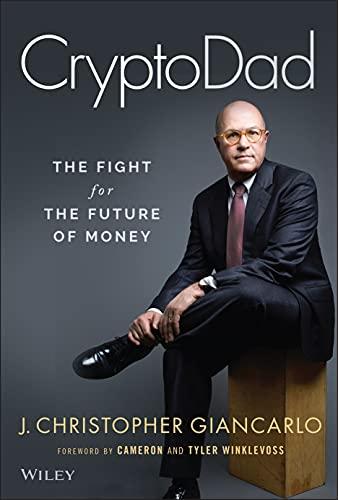
The Fight for the Future of Money
It was mentioned as a newly published book by a former chairman of the U.S. Commodity Futures Trading Commission, who also discusses the future of money and the need for a digital dollar.
He recently published a book called Crypto Dad, the fight for the future of money.
— Episode: 508. Does the Crypto Crash Mean the Bloc...
It was mentioned as a newly published book by a former chairman of the U.S. Commodity Futures Trading Commission, who also discusses the future of money and the need for a digital dollar.
He recently published a book called Crypto Dad, the fight for the future of money.
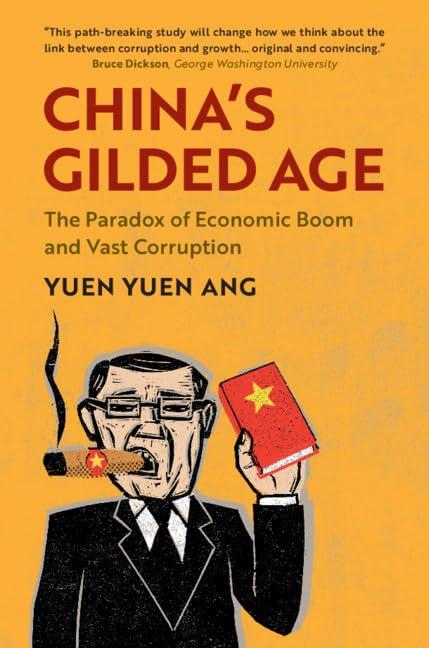
The Paradox of Economic Boom and Vast Corruption
It explored China's economic boom alongside high levels of corruption, suggesting that different government structures lead to distinct styles of corruption, and that China's corruption was more sophisticated and evolved.
Yunyun Ang is a professor of political science at the University of Michigan. She recently published a book called China's Gilded Age, The Paradox of Economic Boom and Vast Corruption...
— Episode: Is the U.S. Really Less Corrupt Than Chi...
It explored China's economic boom alongside high levels of corruption, suggesting that different government structures lead to distinct styles of corruption, and that China's corruption was more sophisticated and evolved.
Yunyun Ang is a professor of political science at the University of Michigan. She recently published a book called China's Gilded Age, The Paradox of Economic Boom and Vast Corruption.
We should understand the relationship between China and the U.S., not as a clash of civilizations, but as a clash of two Gilded Ages.
Ang's latest book is called China's Gilded Age.
I would like to think that he would agree with my use of the term China's Gilded Age, because I think that is exactly what he is dealing with.
If Yuen Yuen Ong really is, as she puts it, intellectually weird, well, she's my kind of weird. Once again, her book is called China's Gilded Age, and she is a political scientist at the University of Michigan.
It argued that the US and China share similar levels of corruption, though the US has legalized and institutionalized it. It explored the evolution of corruption in capitalism, comparing China's current situation to the US's Gilded Age.
So my core argument is what we see in China today is basically what we would find in the U.S. in the last century.
There is, I would argue, a historical pattern in the evolution of corruption and capitalism. It's not true that corruption disappeared as countries became richer.
China is undergoing the Gilded Age 1.0, but the U.S., we could say it's the Gilded Age 2.0.
We should understand the relationship between China and the U.S. not as a clash of civilizations, but as a clash of two Gilded Ages.
Is one takeaway of your book and your scholarship generally that Americans should not feel too smug about the high level of Chinese corruption because we have our own forms of very high level corruption, except it's legal and we don't call it corruption?
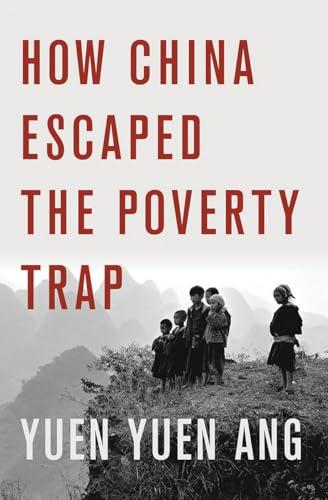
It was discussed as her first book and explored the idea of a 'poverty trap' and how China managed to overcome it through its economic development, even with its authoritarian governance.
Her first book was called How China Escaped the Poverty Trap.
— Episode: Is the U.S. Really Less Corrupt Than Chi...
It was discussed as her first book and explored the idea of a 'poverty trap' and how China managed to overcome it through its economic development, even with its authoritarian governance.
Her first book was called How China Escaped the Poverty Trap.
This book explores the increasing trend of people living alone, especially in affluent societies, and challenges the assumption that living alone equates to loneliness.
So Kleinberg wrote another book this one called Going Solo the extraordinary rise and surprising appeal of living alone.
— Episode: Is There Really a “Loneliness Epidemic”?...
This book explores the increasing trend of people living alone, especially in affluent societies, and challenges the assumption that living alone equates to loneliness.
So Kleinberg wrote another book this one called Going Solo the extraordinary rise and surprising appeal of living alone.
The book examines the increasing trend of people living alone, finding that it doesn't necessarily lead to loneliness, as individuals who live alone tend to be more socially active.
So Kleinenberg wrote another book, this one called Going Solo, The Extraordinary Rise and Surprising Appeal of Living Alone.
It was described as the first modern 'we're all going to hell' book. It detailed the concept of 'carrying capacity' and urged population control and a more nature-friendly way of life, sometimes using language that was considered misanthropic.
And he put this all together in a book. It's now forgotten, but was hugely influential called Road to Survival.
— Episode: Two (Totally Opposite) Ways to Save the...
It was described as the first modern 'we're all going to hell' book. It detailed the concept of 'carrying capacity' and urged population control and a more nature-friendly way of life, sometimes using language that was considered misanthropic.
And he put this all together in a book. It's now forgotten, but was hugely influential called Road to Survival.
It was published in 1948 and it's the first modern we're all going to hell book, if you know what I mean.
Much of the book is a passionate screed for population control, sometimes written in language that makes you cringe.
Another big chunk of the book is about how we should do things in a way that fits better within nature.
It was the first book to express modern environmental concerns about overpopulation and resource depletion, including warnings about famine, and was influential in shaping early environmentalist thought, although it was critiqued for its misanthropic and classist elements.
It's now forgotten, but was hugely influential called Road to Survival. It was published in 1948 and it's the first modern we're all going to hell book, if you know what I mean.
Much of the book is a passionate screed for population control, sometimes written in language that makes you cringe.
And he sometimes described them in language that is really kind of appalling. He talks about Indians breeding with the irresponsibility of codfish and so forth.
It explored the concept of climate change as a human rights issue, particularly its impact on developing countries. It was discussed in the context of Mary Robinson's work on climate justice.
you've just written a book called Climate Justice.
— Episode: Two (Totally Opposite) Ways to Save the...
It explored the concept of climate change as a human rights issue, particularly its impact on developing countries. It was discussed in the context of Mary Robinson's work on climate justice.
you've just written a book called Climate Justice.
It explored the connection between climate change and human rights, specifically focusing on the disproportionate impacts on developing nations and vulnerable populations, as well as advocating for a more just transition to renewable energy solutions.
You've just written a book called Climate Justice.
I realised, my goodness, I miss this. This is a huge issue of human rights and it's so unjust, so unfair.
How could we be mad enough, cruel enough, insane enough to have a world for our children and grandchildren which will be unlivable?
![[MARS TRILOGY] RED MARS, GREEN MARS [and] BLUE MARS Cover](https://media.podcastbookpicks.com/books/15498.jpg)
It was discussed as a science fiction series that explores the potential for colonizing Mars, which was used as an example to illustrate the contrast between the Wizard and Prophet perspectives on human progress and interaction with a new environment. It was discussed in the context of Mars colonisation.
do you know the science fiction writer Kim Stanley Robinson's Mars trilogy?
— Episode: Two (Totally Opposite) Ways to Save the...
It was discussed as a science fiction series that explores the potential for colonizing Mars, which was used as an example to illustrate the contrast between the Wizard and Prophet perspectives on human progress and interaction with a new environment. It was discussed in the context of Mars colonisation.
do you know the science fiction writer Kim Stanley Robinson's Mars trilogy?
It's kind of a fascinating look at exactly colonizing Mars and in a certain way, it's all about the clash between the wizards and the prophets because it's about how we should live on this new planet.
It was discussed as a science fiction series that explored the potential colonization of Mars, and presented a fictional example of the tension between those who prioritize technological innovation and those who value environmental preservation.
do you know the science fiction writer Kim Stanley Robinson's Mars trilogy?
And in a certain way, it's all about the clash between the wizards and the prophets because it's about how we should look at the planet and how we should look at the universe.
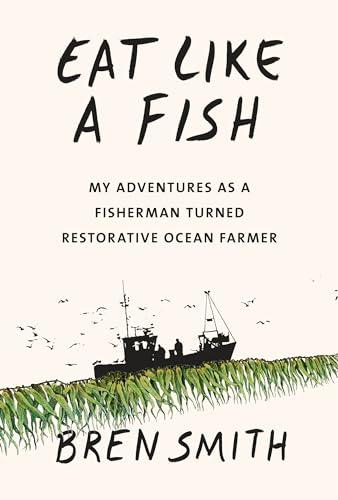
My Adventures as a Fisherman Turned Restorative Ocean Farmer
It was discussed in detail throughout the episode, including how Bren Smith's life experiences and challenges led him to develop regenerative ocean farming, especially using kelp. It highlighted his struggles with the conventional aquaculture industry and the benefits of kelp for climate change.
Kelp replenishes ecosystems rather than depleting them. It helps mitigate climate change, earning the moniker sequoia of the sea. It requires zero inputs, no feed, no fresh water, no fertilizers.
— Episode: 467. Is the Future of Farming in the Oce...
It was discussed in detail throughout the episode, including how Bren Smith's life experiences and challenges led him to develop regenerative ocean farming, especially using kelp. It highlighted his struggles with the conventional aquaculture industry and the benefits of kelp for climate change.
Kelp replenishes ecosystems rather than depleting them. It helps mitigate climate change, earning the moniker sequoia of the sea. It requires zero inputs, no feed, no fresh water, no fertilizers.
As I mentioned, the title of Smith's book is Eat Like a Fish. The subtitle? My Adventures Farming the Ocean to Fight Climate Change.
Mother Nature abhors monoculture. Stuff any animal cheek to jowl in overly crowded pens and the ocean will fight back with rampant disease. It's pretty simple.
With the new Thimble Island leases available, I decided to remake myself as an oysterman. By 2014, I had grown a blue thumb and learned to read my waters in new ways.
Native seaweeds contain more vitamin C than orange juice, more calcium than milk, and more protein than soybeans. Those on the hunt for omega-3s are often surprised to learn that fish don't create these heart-healthy nutrients by themselves. They consume them. By eating the plants fish eat, we get the same benefits while reducing pressure on fish stocks. So it's high time we eat like fish.
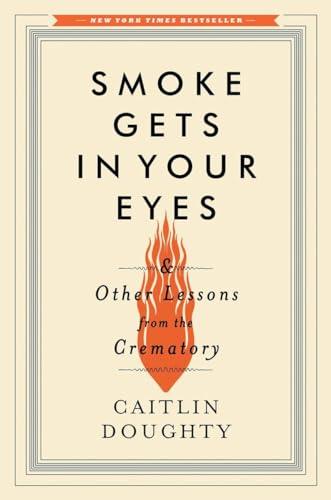
And Other Lessons from the Crematory
It was published in 2014 and discussed her early experiences working in the funeral industry, particularly her time at a crematory, and her evolving philosophy about death and end-of-life care.
We can do our best to push death to the margins, keeping corpses behind stainless steel doors and tucking the sick and dying in hospital rooms.
— Episode: 450. How to Be Better at Death
It was published in 2014 and discussed her early experiences working in the funeral industry, particularly her time at a crematory, and her evolving philosophy about death and end-of-life care.
We can do our best to push death to the margins, keeping corpses behind stainless steel doors and tucking the sick and dying in hospital rooms.
The first time I peeked in on a cremating body felt outrageously transgressive, even though it was required by Westwind's protocol. No matter how many heavy metal album covers you've seen, how many Hieronymus Bosch prints of the tortures of hell or even the scene in Indiana Jones where the Nazis face melts off, you cannot be prepared to view a body being cremated.
One thing I will say in favor of dead bodies is that they are incredibly profound. Just by sitting there doing nothing, they are almost transcendent because they are such a profound reminder that we too will someday die.
Dying in the sanitary environment of a hospital is a relatively new concept. In the late 19th century, dying at a hospital was reserved for indigents, the people who had nothing and no one. Given the choice, a person wanted to die at home in their bed, surrounded by friends and family.
In writing The American Way of Death, Jessica Mitford wasn't trying to improve our relationship with death. She was trying to improve our relationship with the price point. That is where she went wrong. It was death that the public was being cheated out of by the funeral industry, not money.
It was described as a fascinating book about the funeral industry, and it was said that the podcast episode would be a great one based on the book.
the next book we're doing is Smoke Gets in Your Eyes by Caitlin Doughty.
She is a mortician and self-described funeral industry rabble rouser.
It is a fascinating book and a great episode.
You're going to love it.
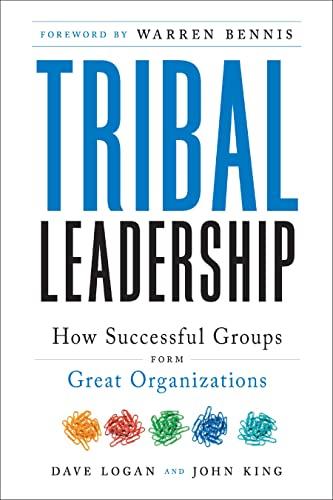
Leveraging Natural Groups to Build a Thriving Organization
It was mentioned alongside 'Good to Great' as a book that suggests a link between strong corporate cultures and long-term financial success. This was said in the context of a conversation about Zappos' unique culture and its influence on the company's growth.
if you read books like Good to Great or Tribal Leadership there's a clear at least correlation if not cause between companies that do well in the long term financially and culture.
— Episode: PLAYBACK (2015): Could the Next Brooklyn...
It was mentioned alongside 'Good to Great' as a book that suggests a link between strong corporate cultures and long-term financial success. This was said in the context of a conversation about Zappos' unique culture and its influence on the company's growth.
if you read books like Good to Great or Tribal Leadership there's a clear at least correlation if not cause between companies that do well in the long term financially and culture.
It was briefly mentioned alongside Good to Great as another book that explored the relationship between company culture and success, though the details were not elaborated upon.
But if you read books like Good to Great or Tribal Leadership, there's a clear, at least correlation, if not cause between companies that do well in the long term financially.
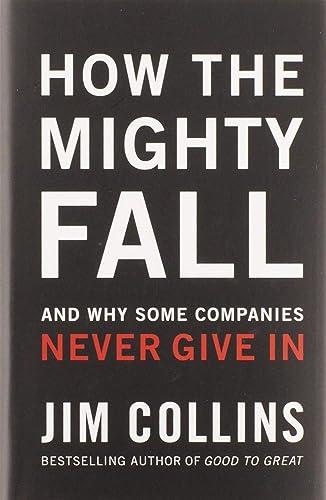
And Why Some Companies Never Give In (Good to Great, 4)
It was mentioned as a book that explores the reasons why successful companies fail, highlighting the importance of strong cultures and adaptability. This was during a discussion about the characteristics of great companies and the role of culture in their long-term success.
Although if you look at the good to great companies have you looked at those and the other was How The Mighty Fall or fail and so that's also interesting reading
— Episode: PLAYBACK (2015): Could the Next Brooklyn...
It was mentioned as a book that explores the reasons why successful companies fail, highlighting the importance of strong cultures and adaptability. This was during a discussion about the characteristics of great companies and the role of culture in their long-term success.
Although if you look at the good to great companies have you looked at those and the other was How The Mighty Fall or fail and so that's also interesting reading
It was mentioned as a follow-up to Good to Great, exploring the reasons why successful companies might decline, adding further context to the discussion of company culture and success.
Well, so there's a follow up book that Jim Collins came up with, which was How The Mighty Fall or Fail.
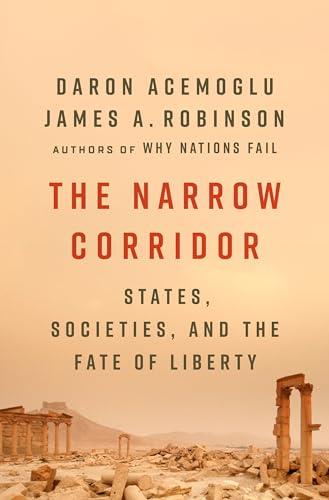
States, Societies, and the Fate of Liberty
It was mentioned as the most recent book from James Robinson, which discussed the balance between state and society, and its significance in a nation's success.
We emphasize this balance between state and society.
— Episode: Does Anyone Really Know What Socialism I...
It was mentioned as the most recent book from James Robinson, which discussed the balance between state and society, and its significance in a nation's success.
We emphasize this balance between state and society.
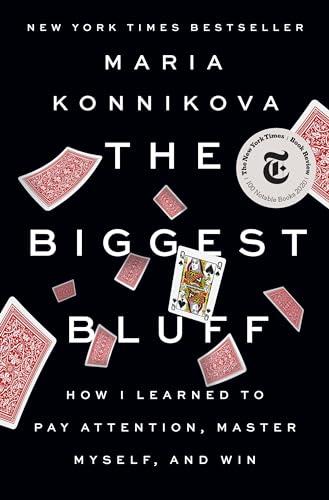
How I Learned to Pay Attention, Master Myself, and Win
It was discussed in the context of a past episode of Freakonomics Radio, where the author was interviewed and excerpts of the book were read.
That episode was called How to Make Your Own Luck. The author was Maria Konnikova, a PhD psychologist who became a professional poker player in order to learn more about decision making and luck. Her...
— Episode: What if Your Company Had No Rules?
It was discussed in the context of a past episode of Freakonomics Radio, where the author was interviewed and excerpts of the book were read.
That episode was called How to Make Your Own Luck. The author was Maria Konnikova, a PhD psychologist who became a professional poker player in order to learn more about decision making and luck. Her book is called The Biggest Bluff.
It details her journey from a poker novice to a professional, highlighting how poker is a metaphor for life, illustrating decision making, and the role of skill and chance.
The Biggest Bluff is Konnikova's third book. The others are called Mastermind, How to Think Like Sherlock Holmes, and The Confidence Game, which is about con artists.
The deeper I went into poker, the better of a metaphor for life I realized it was, and the stronger of a tool I realized it was to address so many of the psychological questions that had been percolating in my head for years.
It's not the people who hold the best cards, it's the people who convince everyone else, who are the most confident.
This started out as something of a stunt. I was looking for a way to a stunt. I was looking for a way to look and this seemed like a good idea. And I was like, bam, this is going to sell.
It became a different book. It became a different project. It became a passion of mine.
Note: The book recommendations on this page are discovered automatically from podcast transcripts, and may be incorrect or incomplete.
Podcast Name