Podcast
Freakonomics Radio
It was described as the first modern 'we're all going to hell' book. It detailed the concept of 'carrying capacity' and urged population control and a more nature-friendly way of life, sometimes using language that was considered misanthropic.
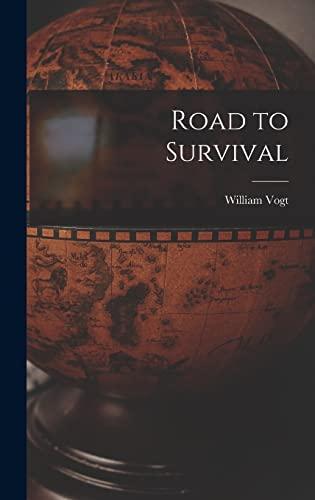
And he put this all together in a book. It's now forgotten, but was hugely influential called Road to Survival.
— Episode: Two (Totally Opposite) Ways to Save the...
Episode: Two (Totally Opposite) Ways to Save the Planet (Ep...
It was described as the first modern 'we're all going to hell' book. It detailed the concept of 'carrying capacity' and urged population control and a more nature-friendly way of life, sometimes using language that was considered misanthropic.
And he put this all together in a book. It's now forgotten, but was hugely influential called Road to Survival.
It was published in 1948 and it's the first modern we're all going to hell book, if you know what I mean.
Much of the book is a passionate screed for population control, sometimes written in language that makes you cringe.
Another big chunk of the book is about how we should do things in a way that fits better within nature.
Episode: 346. Two (Totally Opposite) Ways to Save the Plane...
It was the first book to express modern environmental concerns about overpopulation and resource depletion, including warnings about famine, and was influential in shaping early environmentalist thought, although it was critiqued for its misanthropic and classist elements.
It's now forgotten, but was hugely influential called Road to Survival. It was published in 1948 and it's the first modern we're all going to hell book, if you know what I mean.
Much of the book is a passionate screed for population control, sometimes written in language that makes you cringe.
And he sometimes described them in language that is really kind of appalling. He talks about Indians breeding with the irresponsibility of codfish and so forth.