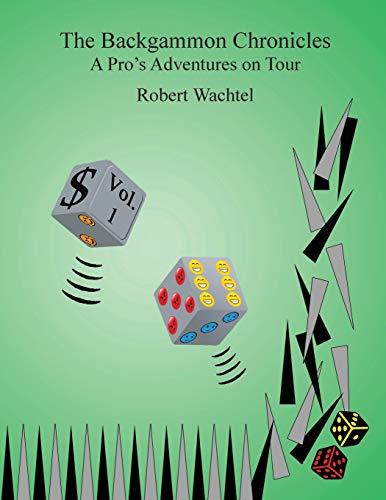
The Backgammon Chronicles
Robert Wachtel
Mentioned 1 month ago
677. Can Backgammon Save Us from Ourselves?
Freakonomics co-author Stephen J. Dubner uncovers the hidden side of everything. Why is it safer to fly in an airplane than drive a car? How do we decide whom to marry? Why is the media so full of bad news? Also: things you never knew you wanted to know about wolves, bananas, pollution, search engin...
Recently mentioned
Robert Wachtel
Mentioned 1 month ago
677. Can Backgammon Save Us from Ourselves?

Robert H Wachtel
Mentioned 1 month ago
677. Can Backgammon Save Us from Ourselves?
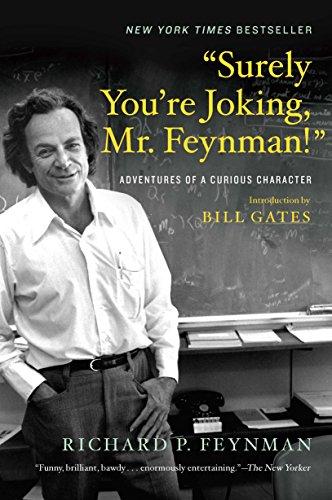
Richard P. Feynman
Mentioned 1 month ago
The Vanishing Mr. Feynman (Update)
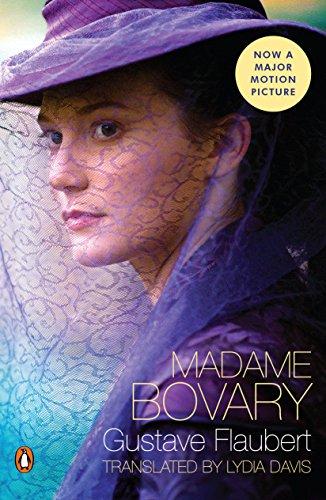
Gustave Flaubert
Mentioned 1 month ago
The Vanishing Mr. Feynman (Update)
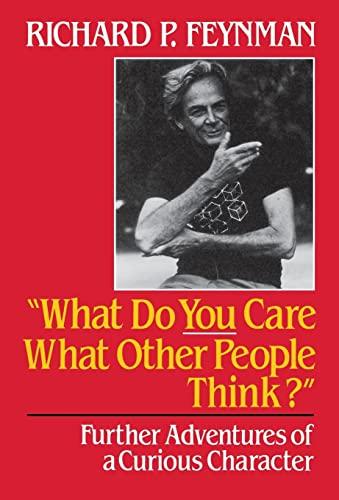
Richard P. Feynman
Mentioned 1 month ago
The Vanishing Mr. Feynman (Update)
Bernard Suits
Mentioned 2 months ago
675. Has the New York Times Become a Games Company?
Katie Salen Tekinbas
Mentioned 2 months ago
675. Has the New York Times Become a Games Company?
Josef Albers
Mentioned 2 months ago
675. Has the New York Times Become a Games Company?
Adam Smith
Mentioned 2 months ago
674. How Does a Composer Feel After the World Premiere?
Glory M. Liu
Mentioned 2 months ago
674. How Does a Composer Feel After the World Premiere?
Charlotte Bronte
Mentioned 2 months ago
673. What Is Money?
Charles Dickens
Mentioned 2 months ago
673. What Is Money?
![Sapiens [Tenth Anniversary Edition]: A Brief History of Humankind Cover](https://media.podcastbookpicks.com/books/563.jpg)
A Brief History of Humankind
The book was highlighted for reshaping how millions perceive history and humanity, with hosts noting its massive bestseller status and concise 450‑page overview. Stephen Dubner pointed out its unusual lack of a central character, sparking a debate, while Steve Levitt and Yuval Harari praised its groundbreaking influence. Overall, the episode’s tone was enthusiastic, presenting the title as a must‑read.
It was discussed as a book that revolutionized how people think about history and themselves, covering the entire history of humanity in a concise way. It was initially written in Hebrew and published in Israel before becoming a global bestseller.
Sapiens took the world by storm, selling over 23 million copies in 65 languages.
It became one of the most influential nonfiction books of the 21st century.
It's absolutely amazing that you write such intelligent books and you get people to read them.
This is your story as a human being. What does it mean to be human?
As far as we can tell from a purely scientific viewpoint, human life has no meaning.
It was discussed how the book became successful, despite the author's initial insecurity and the fact that it was originally published in Hebrew before English. It was said to have changed the way millions of people think about history and themselves.
It is a book that has changed how millions of people think about history and themselves.
Sapiens took the world by storm, selling over 23 million copies in 65 languages.
And it became one of the most influential nonfiction books of the 21st century.
It's your story as a human being. What does it mean to be human?
The agricultural revolution was history's biggest fraud.
It was described as a book that has changed how millions of people think about history and themselves, and was originally written and published in Hebrew before being released in English.
Sapiens, A Brief History of Humankind. It is a book that has changed how millions of people think about history and themselves.
And if you haven't, well, prepare yourself for a treat and perhaps to have your mind blown.
which tells the entire history of our species in under 450 pages.
It came out of this university course. I worked in Hebrew originally, and I was struck by the fact that there was no book in Hebrew which tells the history of the world to the Israeli audience.
So I write for them. And there was no competition because there was no other book available.
Dubner recalled that after reading Harari's Sapiens, he noted the book lacked a central character, which sparked a lively discussion during their interview.
And I took a risk and I said, hey, I loved your book. But actually, I don't know why anyone else likes it because it's missing the key feature that everybody likes. ... I read his amazing book, Sapiens, there is not a character in the entire book.
So he violates your first rule of storytelling. How can this book sell millions of copies when it doesn't have anything that people like? And so very early on in the interview, I took a risk and I said, hey, I loved your book. ...
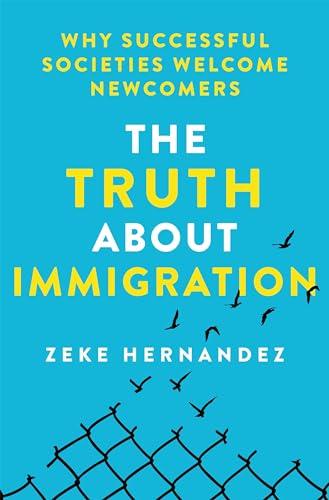
Why Successful Societies Welcome Newcomers
The book was highlighted as the foundation for a series of episodes, with the host introducing a listener quiz based on its content. Its author, a Wharton professor, explained how it debunked common anti‑immigration myths and presented evidence of net positive benefits, while also emphasizing the importance of family‑based immigration. The discussion portrayed the title as a well‑researched, fact‑driven contribution to the immigration conversation.
Zeke Hernandez's forthcoming book, "The Truth About Immigration", was mentioned as the foundation for the series. The book includes a quiz that was administered to listeners of the show.
He came to our attention because of a book he has got coming out soon called The Truth About Immigration. The book includes a quiz and we thought it might be interesting to have some Freakonomics Radio listeners take this quiz.
And Zeke is going to quiz you on some immigration facts and statistics. Is that sound okay?
Zee Krenandez who's a business professor at the Wharton School at Penn and he's the author of a forthcoming book called The Truth About Immigration.
And Zee K is going to ask you some questions and we'll see how much you know does that sound okay?
This book, available for pre-order in 2024, explores the idea of why successful societies welcome newcomers and analyzes immigration in an insightful and engaging manner.
I study how movement affects businesses in the economy, particularly the movement of people.
I think any immigration policy should have as a key goal keeping families intact and reuniting families if they've been separated.
I prefer a model that's more balanced. I think family-based immigration, it's really important for social reasons, families staying together.
How are you going to be happy and integrate into the country if you can't live with the people you love?
It's kind of ironic to me that a lot of people who for years pointed at the Soviet central planning system and laughed at how inefficient it was and used that to be so proud of our market system in the US are totally fine with a centrally planned system for managing talent.
Zeke Hernandez, a professor of management at Wharton, discussed his upcoming book "The Truth About Immigration," which delves into the complex issue of immigration and challenges common misconceptions surrounding it. He argued that the anti-immigration movement often relies on a 'villain' narrative, which paints immigrants as job-stealers and threats to national security, and a 'victim' narrative, which focuses on the plight of immigrants without acknowledging their benefits to the host country.
That's Zika Hernandez. He's a professor of management at Wharton and the author of a forthcoming book called The Truth About Immigration.
I call one of them the villain narrative, which is the idea that immigrants heard us because they steal our jobs, they threaten our national security, they threaten the rule of law, the evidence contradicts that.
But then interestingly on the pro-immigrants side, the most common narrative was what I call the victim narrative, which is the idea that immigration is good for immigrants.
And I thought, boy we're giving up so much because the evidence so overwhelmingly shows net positive benefits for us, not for immigrants.
I understand it and so I don't want to be on compassionate for that kind of concern.
The book was published in June and contains lots of research and facts to bring some facts to the table about immigration, which is often talked about with emotion or politics.
It is called The Truth About Immigration.
It is a book full of research and facts.
In my world of business schools, when I started becoming interested in the relationship between the movement of people and the movement of companies or their investments across the world, a lot of people in my field, bulked at the idea they thought, why are you studying this?
It's not that I thought I'm going to be an immigration scholar and try to make sense of this life decision I made.
The research in Hernandez's book tells the long and rather volatile history of American immigration.
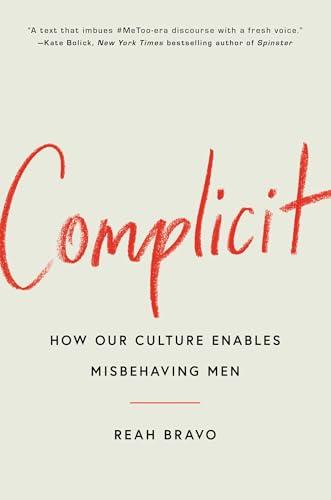
How Our Culture Enables Misbehaving Men
The book discusses how people enable unethical behavior and how to stop it. It was written after the author spent a lot of time thinking about alleged fraud in academic research.
He recently published a book called Complicit, How We Enable the Unethical and How to Stop.
— Episode: 573. Can Academic Fraud Be Stopped?
The book discusses how people enable unethical behavior and how to stop it. It was written after the author spent a lot of time thinking about alleged fraud in academic research.
He recently published a book called Complicit, How We Enable the Unethical and How to Stop.
And he's working on another book about social science fraud.
The book was briefly discussed in relation to an anecdote about a subscription renewal experience that was difficult to cancel and described as 'sludge'.
The first review of my book, Misbehaving came out in the Times of London.
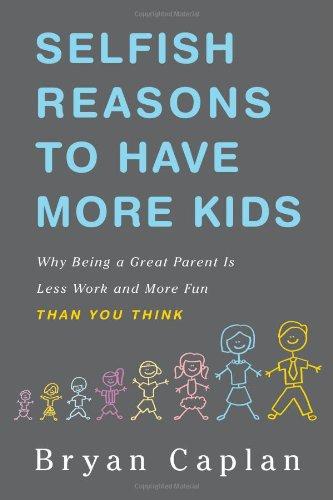
Why Being a Great Parent Is Less Work and More Fun Than You Think
The book was highlighted as advocating a more relaxed, enjoyable approach to parenting, suggesting that parents have far less influence over their children than commonly believed. Host Stephen Dubner and author Brian Kaplan both discussed its premise that great parenting is less work and more fun. Their comments portrayed the ideas as a refreshing alternative to traditional, high‑pressure parenting advice.
It argued that parenting should be more enjoyable and that parents have less influence on children than commonly believed. It was stated that parents should enjoy their children instead of trying to control them.
And in particular, I homeschooled them for the last six years.
I am Brian Kaplan, professor of economics at George Mason University, and I'm the father of Aidan and Tristan.
In that one, he argues that parenting should be fun and that parents are less influential than most people think.
It was brought up in the context of the father's libertarian views and parenting philosophy, where he believes that parenting should be fun and that parents are less influential than many people think.
In addition to writing about the education system, he also wrote a book arguing in favor of open borders to boost the global economy, as well as a book called Selfish Reasons to Have More Kids.
In that one, he argues that parenting should be fun and that parents are less influential than most people think.
It was presented as a book advocating for a less stressful and more enjoyable approach to parenting, with a focus on reducing unnecessary parental obligations.
I am Brian Kaplan...and I am the author of Selfish Reasons to Have More Kids.
Why Being a Great Parent is Less Work and More Fun Than You Think.
It was discussed in the context of parenting choices from an economist's perspective, advocating for a more relaxed and less stressful approach to parenting.
I am the author of Selfish Reasons to Have More Kids. Why being a great parent is less work and more fun than you think.
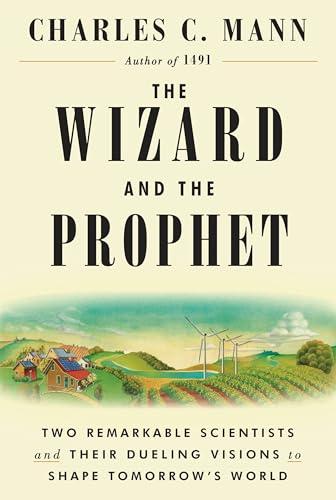
Two Remarkable Scientists and Their Dueling Visions to Shape Tomorrow's World
It explored two contrasting approaches to environmentalism, one focused on technological solutions (the 'Wizard') and the other emphasizing conservation and restraint (the 'Prophet'). It was discussed as a book that contrasts two different worldviews.
At one point I was going to call the book Toblerone for 10 billion. That was vetoed by my editor for some reason.
— Episode: Two (Totally Opposite) Ways to Save the...
It explored two contrasting approaches to environmentalism, one focused on technological solutions (the 'Wizard') and the other emphasizing conservation and restraint (the 'Prophet'). It was discussed as a book that contrasts two different worldviews.
At one point I was going to call the book Toblerone for 10 billion. That was vetoed by my editor for some reason.
His current interest is the modern environmental movement.
The Prophet sounds the alarm and wants us all to cut back.
The Wizard urges us to charge forward, confident that technology will solve our problems.
Its subtitle is Two Remarkable Scientists and Their Dueling Visions to Shape Tomorrow's World.
The book presents two contrasting approaches to solving environmental problems: the 'wizard' who believes technology is the answer and the 'prophet' who favors restoring nature.
The Wizard and the Prophet
It was described as a book that highlights two contrasting approaches to environmental issues: restoration of nature and leveraging technology, and was used to compare viewpoints on food.
The Prophet sees environmental destruction as a problem best addressed by restoring nature to its natural state. The Wizard, meanwhile, believes that technology can address environmental dangers.
It explored two contrasting approaches to environmental challenges: one urging conservation and restraint, the other emphasizing technological innovation, and was discussed as a representation of a debate that had spanned decades.
The Prophet sounds the alarm and wants us all to cut back. The Wizard urges us to charge forward, confident that technology will solve our problems.
The Prophet encourages a return to nature. We need to replant and save rainforests. The Wizard finds the Prophet's suggestions naive.
Its subtitle is Two Remarkable Scientists and Their Dueling Visions to Shape Tomorrow's World.
So you called your book The Wizard and the Prophet, not The Wizard versus The Prophet.
But in some ways it is asking us as readers to judge the two men and the movements that they helped create against each other.
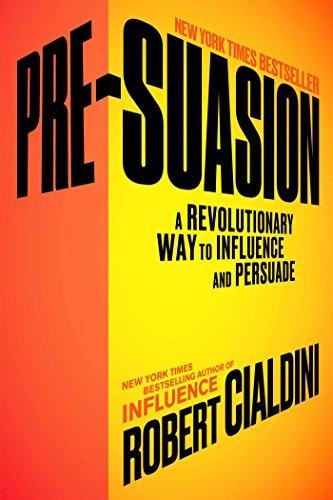
A Revolutionary Way to Influence and Persuade
The book was briefly referenced as another title by Robert Cialdini, with a note about an early printing error, and the hosts mentioned Cialdini's social‑psychology insights—such as using social norms to boost tax compliance and energy conservation—without discussing the book’s specific content. The overall tone was a passing acknowledgement rather than a strong endorsement.
It was mentioned in passing as another book written by Robert Cialdini. The first 5,000 copies of the book had a printing error, but the author took it in stride.
when a previous book that I wrote called Pre-Suasion.
It was mentioned in relation to a simple trick that involved telling people truthfully that most people pay their taxes on time, which led to increased tax revenue.
there's a simple trick from Bob Cialdini, the great social psychologist, author of the book Influence, that if you tell people truthfully, most people pay their taxes on time.
It was mentioned in the context of a social psychology trick, where telling people that most people do something positive can increase compliance with that action.
There's a simple trick from Bob Cialdini, the great social psychologist, author of the book Influence, that if you tell people truthfully, most people pay their taxes on time.
It was discussed as a classic in business circles, focusing on the power of social norms and how they influence behavior, specifically in relation to energy conservation.
Years back, Cialdini wrote a book that became a classic in business circles. It's called Influence.
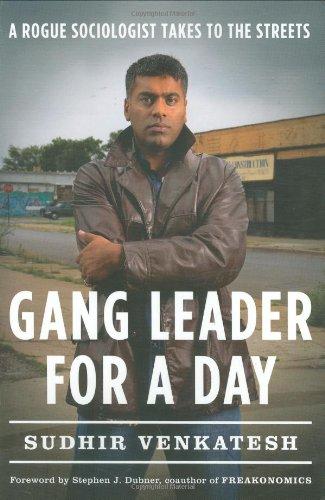
A Rogue Sociologist Takes to the Streets
The hosts highlighted that the title had attracted the attention of prominent figures like Mark Zuckerberg, who praised it and even asked the author to join Facebook. They also noted the author's immersive research on Chicago gangs and his new podcast, presenting the work as a compelling and influential read.
It was mentioned that Mark Zuckerberg read this book and asked the author to work at Facebook, highlighting its influence and intriguing subject matter.
Sudhir Venkatesh is a sociologist at Columbia University who during the first couple decades of his career embedded himself with drug gangs and gunrunners and sex workers. He then wrote a fascinating book called Gang Leader for a Day.
One person who read the book was Mark Zuckerberg. He asked Sudhir to come work at Facebook.
It was mentioned in relation to the new podcast 'Sudhir Breaks the Internet' featuring the author, a Columbia University sociologist, and the book's title was referenced in the podcast.
Also, please keep your ears open for the newest podcast to join the Freakonomics Radio Network It's called Sudhir Breaks the Internet Featuring the Columbia University sociologist Sudhir Venkatesh He is also the author of Gang Leader for a Day
It was mentioned as a book Sudhir Venkatesh wrote about his experience embedded with a crack-dealing gang in Chicago, which was also included in Mark Zuckerberg's monthly reading list in 2015.
Mark Zuckerberg put Gang Leader for a Day, the book that I wrote on his monthly reading list in 2015.
It was described as a great book by Mark Zuckerberg, who also mentioned that he'd read it. The book's author was also a sociologist hired by Facebook.
He wrote Gang Leader for a Day. It's a great book. I read it.
So Sudhir is amazing. And I love the notion that someone who thinks the way he saw as an academic and as a writer and a scholar, his insights are being applied to something like this, which is accessible to everybody.
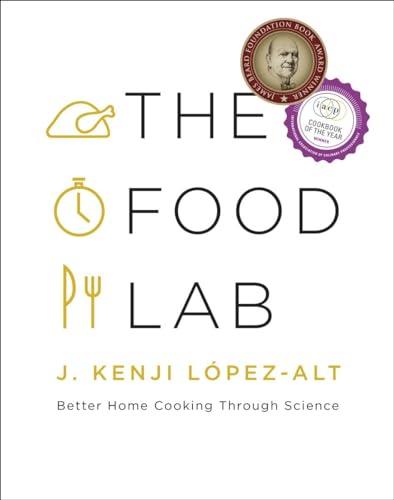
Better Home Cooking Through Science
Stephen Dubner highlighted the book as a massive, award‑winning cookbook that brought scientific rigor to everyday cooking. He noted its near‑thousand‑page length and how it challenged outdated culinary conventions, showing readers how to improve classic recipes with science. The discussion conveyed strong enthusiasm for the title.
Kenji Lopez-Alt's first cookbook was a massive undertaking that was eventually awarded a James Beard Award, reflecting his growing reputation and influence.
He just published his first cookbook, a massive thing called The Food Lab, which went on to win a James Beard Award.
Kenji Lopez-Alt's first cookbook, a massive volume, was published and later won a James Beard Award, highlighting his ability to make science accessible in cooking.
He just published his first cookbook, a massive thing called The Food Lab, which went on to win a James Beard Award.
It was described as a large book, nearly 1000 pages, that explored cooking through the lens of science, and was a departure from his family background of scientists.
So J. Kenji Lopez-Alt has published a big, beautiful doorstop of a book. It's almost a thousand pages. It's pretty big. It's called The Food Lab, Better Home Cooking Through Science.
But as Lopez-Alt writes in The Food Lab, I discovered that in many cases, even in the best restaurants in the world, the methods that traditional cooking knowledge teaches us are not only outdated, but occasionally flat out wrong.
It was described as a large, detailed book that explored the science of cooking, particularly explaining how to apply the scientific method to everyday recipes and how to improve common cooking methods.
So J. Kenji Lopez Alt has just published a big, beautiful doorstop of a book. It's almost a thousand pages. It's pretty big. It's called The Food Lab, Better Home Cooking Through Science.
But as Lopez all writes in The Food Lab, I discovered that in many cases, even in the best restaurants in the world, the methods that traditional cooking knowledge teaches us are not only outdated, but occasionally flat out wrong.
a lot of the recipes in The Food Lab nod toward those 70s staples but are improved upon through science.
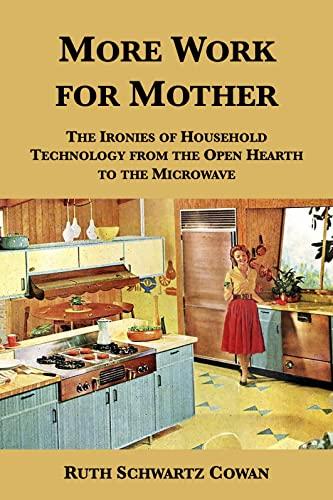
The Ironies Of Household Technology From The Open Hearth To The Microwave
Across four episodes, the author introduced the book as an examination of how household technologies, from the open hearth to the microwave, paradoxically increased women's labor rather than reducing it. She explained that her original assumption—that electrification would free women for work—was disproven, highlighting the ironic impact of these innovations. The discussion presented the title as a compelling analysis of gendered labor dynamics and was treated as a noteworthy contribution.
It was mentioned as a book by Ruth Cowan where she explores how household technologies meant to reduce women's labor often increased it instead.
The name of my book is More Work For Mother, the ironies of household technology from the open hearth to the microwave.
It was discussed as the author's work exploring how household technology, intended to reduce women's labor, ironically increased it.
The name of my book is More Work For Mother, the Ironies of Household Technology from the Open Hearth to the Microwave.
It was mentioned as a book that details the ironies of household technology, from the open hearth to the microwave, and that technological change in the household had been assumed to reduce women's labor, but this was later proven false.
The name of my book is More Work For Mother, the Ironies of Household Technology from the open hearth to the microwave.
I started out with the assumption that technological change in the household, mainly the electrification of households, had reduced women's labor so much that they could enter the workforce, married women's labor, and entered the workforce. And it took me about three years to discover that I was wrong.
It was mentioned as a book exploring the impact of household technology on women's labor, revealing that innovations intended to reduce workload often resulted in increased labor instead.
The name of my book is More Work For Mother, the Ironies of Household Technology from the open hearth to the microwave.
I started out with the assumption that technological change in the household, mainly the electrification of households, had reduced women's labor so much that they could enter the workforce, married women's labor, and entered the workforce. And it took me about three years to discover that I was wrong.
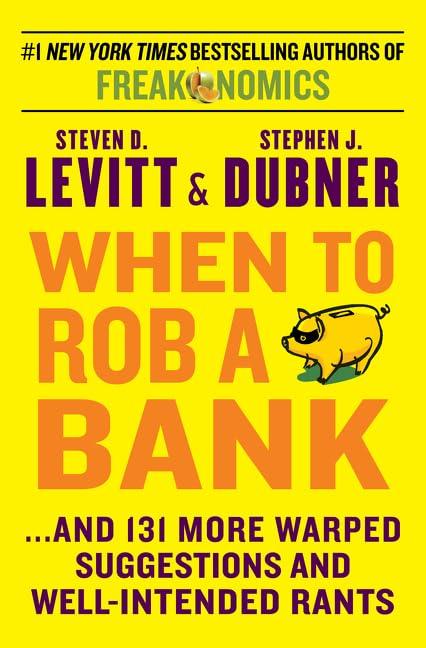
...And 131 More Warped Suggestions and Well-Intended Rants
The book was heavily promoted by co-author and host Stephen Dubner, who declared the compilation of favorite Freakonomics blog posts the "best book in the history of the printed word." Dubner highlighted the book's energetic mix of humor and economic perspective, tackling strange questions like why flight attendants aren't tipped and why KFC runs out of fried chicken. Listeners were consistently urged across multiple episodes to pause the podcast and purchase the collection immediately upon its release.
It was described as a compilation of the best writing from the Freakonomics blog, covering a variety of topics with humor and economic perspectives, receiving positive reviews from critics.
We have just published a new Freakonomics book. It is called When to Rob a Bank and 131 More Warped Suggestions and Well-Intended Rants.
Publishers Weekly calls it an energetic, charming assortment of posts, thematically arranged on topics as varied as terrorism, restoration of the draft, getting rid of the penny, car seat safety, obesity,
Leavitt & Dubner return with more of their signature humor and economic perspective on everyday life and they predict that quote, this book will be a hit with fans of Freakonomics.
The best book published since the Bible.
When to Rob a Bank is the new book. Go get your copy right now and then drop us a line at radio at Freakonomics.com.
The hosts discussed and heavily promoted their new book, 'When to Rob a Bank and 131 other warped suggestions and well-intended rants', encouraging listeners to pause the podcast and purchase it.
On May 5th, Steve Levitt and I are publishing a new book. It's called When to Rob a Bank and 131 other warped suggestions and well-intended rants.
It is, how should I say this, the best book in the history of the printed word.
So find the pause button on this podcast and go order When to Rob a Bank.
If you want to learn more about the book or keep up with our media appearances for the book, just go to Freakonomics.com or keep up with us on Twitter, Facebook.
And if you decide based on the advice in our new book, When to Rob a Bank, to actually rob a bank, let us know how that worked out. We do accept collect calls from prison.
It was mentioned as being a compilation of favourite posts from 10 years of blogging at Freakonomics.com, including questions such as: why flight attendants don't get tipped, and why KFC runs out of fried chicken.
So if you're a hardcore Freakonomics fan, you should circle on your calendar Tuesday, May 5th. That's the day we release our latest book. It is called When to Rob a Bank and 131 More Warped Suggestions and Well-Intended Rants. It's a compilation of our favorite posts from 10 years of blogging at Freakonomics.com among the questions we try to answer. Why don't flight attendants get tipped? If you were a terrorist, how would you attack? And why does KFC always run out of fried chicken?
And remember, on May 5th, Steve Leavitt and I publish our latest Freakonomics book. It's called When to Rob a Bank.
It was mentioned as a new Freakonomics book that was about to be published on May 5th. The book is a collection of blog posts from 10 years of Freakonomics.com.
On Tuesday, May 5th, we're publishing a book called When to Rob a Bank and 131 more warped suggestions and well-intended rants.
It is a compilation of the best blog posts from 10 years worth of writing at Freakonomics.com.
We ask questions like why don't flight attendants get tipped? If you were a terrorist, how would you attack? And why does KFC always run out of fried chicken?
It is a big, fat, fun book. So please spread the word. Pre-order yours now.
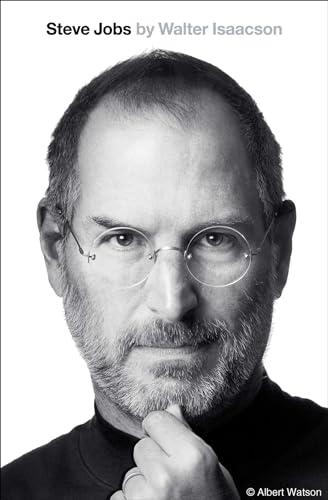
It was discussed and used as an example of someone who was a brilliant inventor but also a jerk and how that impacted his legacy. The author mentioned that Jobs hand-picked him to write this biography.
Once he started working on this book with me, he just wanted to talk on and on, which was great.
— Episode: Legacy of a Jerk (Rebroadcast)
It was discussed and used as an example of someone who was a brilliant inventor but also a jerk and how that impacted his legacy. The author mentioned that Jobs hand-picked him to write this biography.
Once he started working on this book with me, he just wanted to talk on and on, which was great.
He also said, you know, I'm famous for being brutally honest with people. I want you to be brutally honest in this book.
I read Steve Jobs' book pretty much the day it came out.
The biography was written by Walter Isaacson and was discussed in detail. The book presented Steve Jobs as a creative genius but also a challenging and sometimes mean person, and it influenced one of the guests to change his life and behavior.
Once he started working on this book with me, he just wanted to talk on and on, which was great.
He also said, you know, I'm famous for being brutally honest with people. I want you to be brutally honest in this book.
I read Steve Jobs' book pretty much the day it came out.
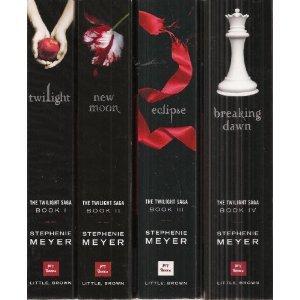
Complete 4 Book Set ( 1 Pb & 3 Hb ) (Twilight (pb) / New Moon (hb) / Eclipse (hb) / Breaking Dawn (hb))
It was discussed in the context of a conversation about favorite book series, and it was compared to Harry Potter.
Twilight would be number one you think?
— Episode: 82. Please Steal My Car
It was discussed in the context of a conversation about favorite book series, and it was compared to Harry Potter.
Twilight would be number one you think?
No, Harry Potter was way better than Twilight.
I kind of had a love-hate relationship with the Twilight series.
I was obsessed with them.
Stephen Leavitt, co-host of the show, mentioned being obsessed with the Twilight series books, but no further details were given.
How Leavitt got obsessed with the Twilight books and what we would do if we won the lottery.
Levitt listed the Twilight series alongside Harry Potter as the youngadult books he read with his children.
If I tallied up the number of books I read over a 20year period before I started this podcast, maybe I read 30 books in 20 years. ... they were almost all young adult fiction because mostly I just read the books that my kids were reading, like Harry Potter and the Twilight series.
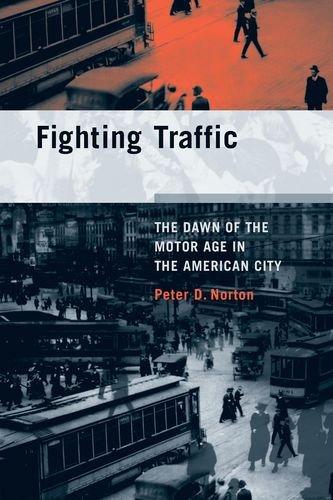
The Dawn of the Motor Age in the American City (Inside Technology)
The book discussed the early years of the car industry and how the term 'jaywalking' was promoted to shift blame for accidents from aggressive drivers to pedestrians.
I haven't read. I've flipped through the book Fighting Traffic by Peter D. Norton, which is all about the early years of the car industry.
— Episode: 591. Signs of Progress, One Year at a Ti...
The book discussed the early years of the car industry and how the term 'jaywalking' was promoted to shift blame for accidents from aggressive drivers to pedestrians.
I haven't read. I've flipped through the book Fighting Traffic by Peter D. Norton, which is all about the early years of the car industry.
I am only basing my evidence on Mr. Norton's book, but he tells a very clear story that the relationship between the American Automobile Association and the National Safety Council got closer.
It was mentioned as a book that talks about the dawn of the motor age in the American city, and how roads were built for cars, not people, which has persisted to the modern day.
If I say, what's a street for? Somebody's going to say car right away. It's like free association in psychology.
You know, it's just automatic. And I think that's really interesting because if you had asked that same question to a random person a hundred years ago, I think they would have had more different answers, like a variety of different answers and none of them would have said that a street is for cars even though there were a lot of cars then.
The book 'Fighting Traffic' was discussed in the context of how the American landscape has been built to prioritize cars over pedestrians, with a focus on traffic flow and speed.
I'm the author of Fighting Traffic, The Dawn of the Motor Age in the American City.
To Norton, there is no mystery here. A street's for cars. It's automatic. If I say what's a street for? Somebody is going to say car right away. It's like free association in psychology.
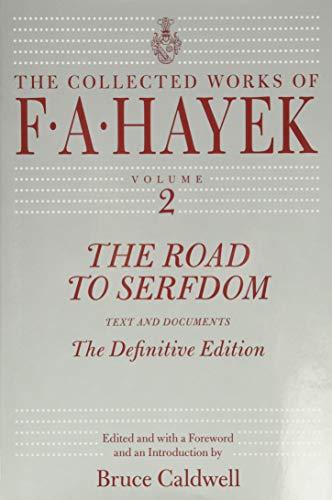
Text and Documents--The Definitive Edition (The Collected Works of F. A. Hayek, Volume 2)
It described how liberal societies could potentially slide into totalitarianism if they weren't careful.
Friedrich Hayek's famous book The Road to Surftom, which described how liberal societies, if they weren't careful, could slide into totalitarianism.
— Episode: 586. How Does the Lost World of Vienna S...
It described how liberal societies could potentially slide into totalitarianism if they weren't careful.
Friedrich Hayek's famous book The Road to Surftom, which described how liberal societies, if they weren't careful, could slide into totalitarianism.
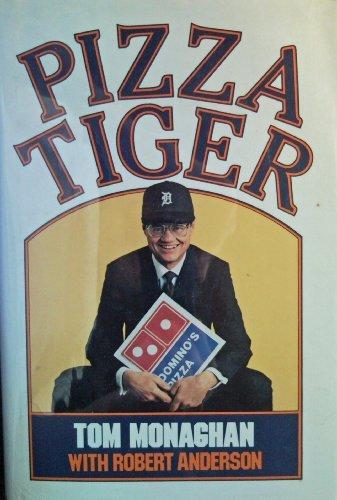
It was mentioned as an example of how Domino's founder Tom Monahan had the idea of using a sturdier box for pizzas, instead of the flimsy boxes that were used at the time.
His whole idea was, I need something that could stack really neatly, that's going to hold onto the heat, and it's not going to cost so much.
— Episode: 571. Greeting Cards, Pizza Boxes, and Pe...
It was mentioned as an example of how Domino's founder Tom Monahan had the idea of using a sturdier box for pizzas, instead of the flimsy boxes that were used at the time.
His whole idea was, I need something that could stack really neatly, that's going to hold onto the heat, and it's not going to cost so much.
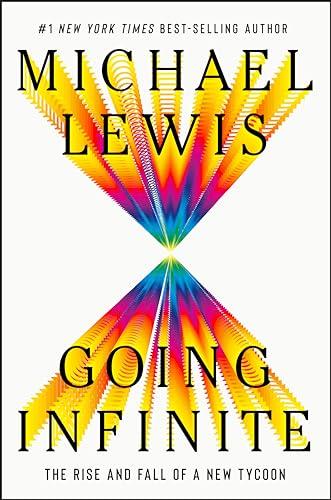
The Rise and Fall of a New Tycoon
The author had incredible access to Sam Bankman-Fried, the founder of FTX, and documented his rise to being one of the youngest billionaires and subsequent fall from grace. The author was criticized for not portraying Bankman-Fried as a villain, but instead providing an empathetic look at his character.
This material just landed in my lap and I really did think when I was writing it, I never had more fun writing a book than I had writing this one.
— Episode: 568. Why Are People So Mad at Michael Le...
The author had incredible access to Sam Bankman-Fried, the founder of FTX, and documented his rise to being one of the youngest billionaires and subsequent fall from grace. The author was criticized for not portraying Bankman-Fried as a villain, but instead providing an empathetic look at his character.
This material just landed in my lap and I really did think when I was writing it, I never had more fun writing a book than I had writing this one.
I knew that some people were going to be a little bit upset with the book, but I thought basically it was going to be taken as a thrill ride and it would just be a fun read for everybody. What I wasn't prepared for was just the sheer volume of the anger.
I first heard about Sam Bankman-Freed at the end of 2021 from a friend who, oddly enough, wanted me to help him figure out who he was.
The argument that McCaskill put to Sam and a small group of Harvard students in the fall of 2012 went roughly as follows. You, student at an elite university, will spend roughly 80,000 hours of your life working.
The biggest success story from earning to give is Sam Bankman-Fried, who's now the richest person in the world under the age of 35. And he's publicly stated he's giving away 99% of his wealth or more and is already ramping up his giving.
This book tells the story of Sam Bankman-Fried's rise and fall, with the author having been around during the FTX downfall.
That Michael Lewis book on Sam Bankman-Fried has just been published. It's called Going Infinite, The Rise and Fall of a New Tycoon.
I'm curious whether Michael's information was helpful to you in any way?
So, John, it turned out that the writer Michael Lewis had been hanging around with Sam Bankman-Fried when FTX went under and he was writing a book about him.
The book was published about Sam Bankman-Fried and the FTX collapse. The podcast host said they would interview Michael Lewis about the book sometime soon.
That Michael Lewis book on Sam Bankman-Fried has just been published. It's called Going Infinite, The Rise and Fall of a New Tycoon.
We are actually planning to interview Lewis about that book sometime soon.
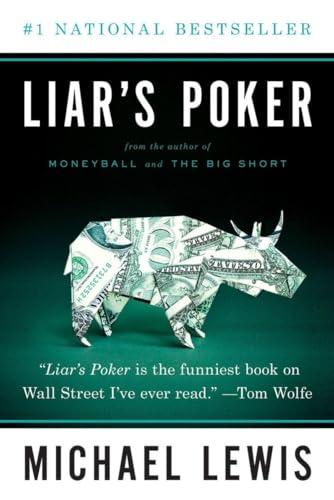
Rising Through the Wreckage of Wall Street
It was described as a memoir and expose of Wall Street in the 1980s, and it was discussed in the context of Michael Lewis's writing career and the changes he's observed in finance.
Liars poker is part memoir and part expose of the money harvesting industry
— Episode: 523. Did Michael Lewis Just Get Lucky wi...
It was described as a memoir and expose of Wall Street in the 1980s, and it was discussed in the context of Michael Lewis's writing career and the changes he's observed in finance.
Liars poker is part memoir and part expose of the money harvesting industry
Lewis had done what a lot of smart kids from good schools did back then He got a job at an investment bank in his case Solomon Brothers
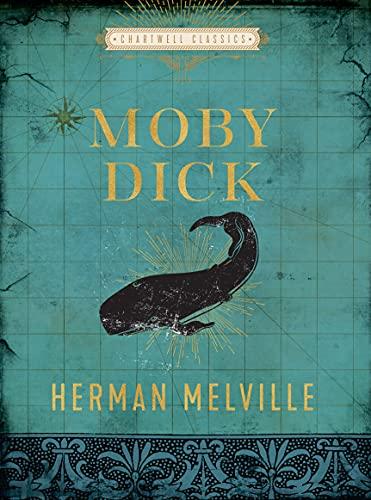
The episode discussed Moby Dick as the 1851 novel about Captain Ahab's obsessive hunt for a white whale, noting its humor, enduring relevance, and that despite its title it is not really a book about whaling.
How many times have you read Moby Dick? 50 is probably reasonable. I'm 50 years old. I read Moby Dick for the first time at the age of 17.
— Episode: 551. What Can Whales Teach Us About Clea...
The episode discussed Moby Dick as the 1851 novel about Captain Ahab's obsessive hunt for a white whale, noting its humor, enduring relevance, and that despite its title it is not really a book about whaling.
How many times have you read Moby Dick? 50 is probably reasonable. I'm 50 years old. I read Moby Dick for the first time at the age of 17.
At some point you may have read Moby Dick or pretended to.
I'd like to say that Moby Dick is a book about whaling, I mean, we have been doing this three part series on the history and economics of whaling. Moby Dick isn't really about whaling.
The book "Moby Dick" by Herman Melville is about the whaling industry and its culture.
The Essex was a real-life inspiration for Moby Dick by Herman Melville, the whale of all whaling books.
Don't worry, we will hear much more about Moby Dick later in this series.
For my money, Moby Dick is America's Bible. It contained everything that makes us Americans. You know, the diversity, the brutality, the spirituality, its delivery. It's a great, I think, I think it's a great Athenian poem about whaling. It is just one of the great books of all time. For me, it's something I take up continually. I've read it at least 12 times. It became the novel that led me to the reality, the history of Nantucket.
The ship in Moby Dick isn't called the Essex. It's called the Pequod. It's the name of the whale that maimed him on an earlier voyage. Several hundred pages after the Nantucket departure, the Pequod finds a whale which, spoiler alert here, sinks the ship and kills nearly everyone on board other than the narrator, the one who in the book's first line instructs us to call him Ishmael. Where Moby Dick ends is really where the real-life story of the Essex begins.
Just about every kid in America was learning the story of this ship that was rammed by a whale and Melville would use for the climax of Moby Dick.
Herzog mentioned Melville's novel as an example of a work that articulates the deep human quest, comparing its themes to the metaphors in his own films.
Melville articulated it in his book Moby Dick.
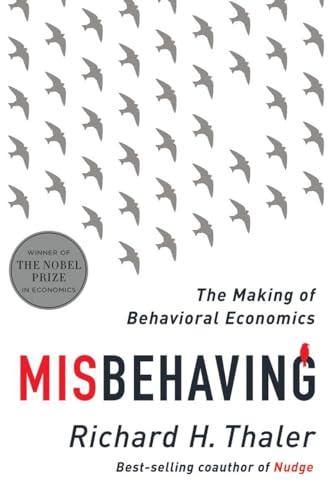
The Making of Behavioral Economics
It was mentioned in passing that Richard Thaler has written a book titled 'Misbehaving', which touches on the subject of behavioral economics.
there are books You know Thaler has published a book Misbehaving on it
— Episode: 224. How To Win A Nobel Prize
It was mentioned in passing that Richard Thaler has written a book titled 'Misbehaving', which touches on the subject of behavioral economics.
there are books You know Thaler has published a book Misbehaving on it
It was described as an entertaining chronicle of how Thaler came to realize that the standard economist's model of human behaviour is inaccurate and unrealistic for most people. The book discusses behavioral economics.
So the book is called Misbehaving the making of behavioral economics
Misbehaving is Thaler's very entertaining chronicle of how he came to recognize that the standard Economists model of human behavior is beyond the reach of most of us
...thus the title of my book
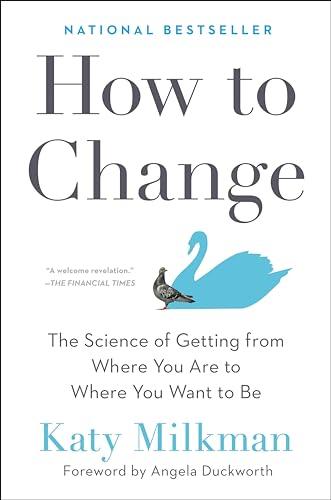
The Science of Getting from Where You Are to Where You Want to Be
It was mentioned by the author as a book about behavior change, and how to get from where you are to where you want to be.
I'm a professor at the Wharton School and I'm also the author of the book How to Change.
— Episode: Are You Ready for a Fresh Start? (Ep. 45...
It was mentioned by the author as a book about behavior change, and how to get from where you are to where you want to be.
I'm a professor at the Wharton School and I'm also the author of the book How to Change.
It was mentioned as a book written by Katie Milkman, who is a behaviour change specialist and a professor at the Wharton School, in the context of New Year's resolutions and the fresh start effect.
I got extra emails about, oh, thank goodness it's finally 2021. I'm so excited. That's Katie Milkman. I'm a professor at the Wharton School and I'm also the author of the book How to Change.
The book was mentioned as authored by Katie Milkman, linking her research on behavior change and the fresh start effect to the content of the book.
I'm a professor at the Wharton School and I'm also the author of the book How to Change.
You can read more about this research in her book, How to Change.
Note: The book recommendations on this page are discovered automatically from podcast transcripts, and may be incorrect or incomplete.
Podcast Name