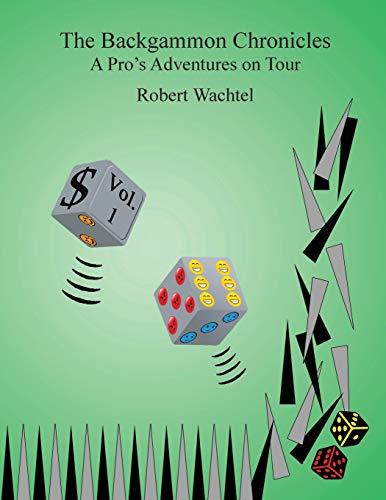
The Backgammon Chronicles
Robert Wachtel
Mentioned 1 month ago
677. Can Backgammon Save Us from Ourselves?
Freakonomics co-author Stephen J. Dubner uncovers the hidden side of everything. Why is it safer to fly in an airplane than drive a car? How do we decide whom to marry? Why is the media so full of bad news? Also: things you never knew you wanted to know about wolves, bananas, pollution, search engin...
Recently mentioned
Robert Wachtel
Mentioned 1 month ago
677. Can Backgammon Save Us from Ourselves?

Robert H Wachtel
Mentioned 1 month ago
677. Can Backgammon Save Us from Ourselves?
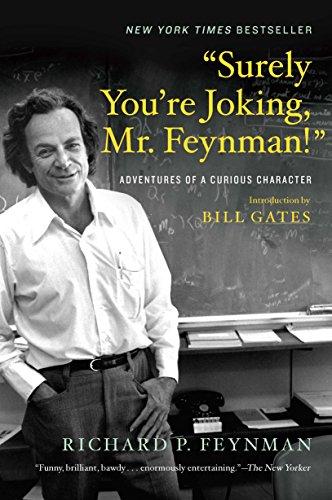
Richard P. Feynman
Mentioned 1 month ago
The Vanishing Mr. Feynman (Update)
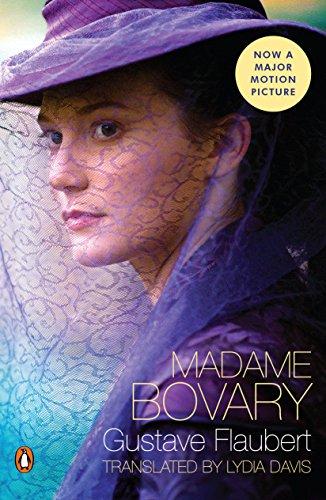
Gustave Flaubert
Mentioned 1 month ago
The Vanishing Mr. Feynman (Update)
Richard P. Feynman
Mentioned 1 month ago
The Vanishing Mr. Feynman (Update)
Bernard Suits
Mentioned 2 months ago
675. Has the New York Times Become a Games Company?
Katie Salen Tekinbas
Mentioned 2 months ago
675. Has the New York Times Become a Games Company?
Josef Albers
Mentioned 2 months ago
675. Has the New York Times Become a Games Company?
Adam Smith
Mentioned 2 months ago
674. How Does a Composer Feel After the World Premiere?
Glory M. Liu
Mentioned 2 months ago
674. How Does a Composer Feel After the World Premiere?
Charlotte Bronte
Mentioned 2 months ago
673. What Is Money?
Charles Dickens
Mentioned 2 months ago
673. What Is Money?
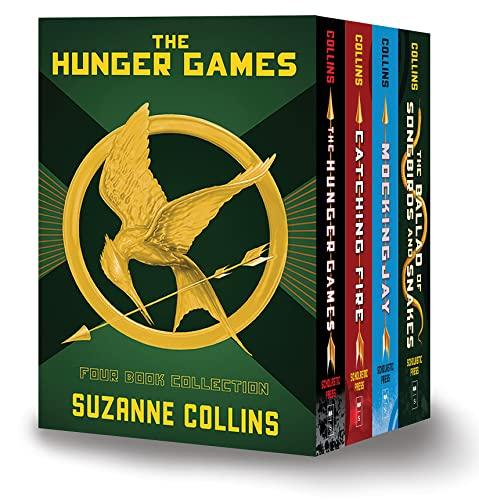
A popular book choice among participants in the study, described as addictive and hard to put down, due to the compelling storyline.
The rules of The Hunger Games are simple. In punishment for the uprising, each of the 12 districts must provide one girl and one boy called tributes to participate.
— Episode: 200. When Willpower Isn’t Enough
A popular book choice among participants in the study, described as addictive and hard to put down, due to the compelling storyline.
The rules of The Hunger Games are simple. In punishment for the uprising, each of the 12 districts must provide one girl and one boy called tributes to participate.
It was a fabulous book for this study, I think, because it's so addictive. Once you get into it, it's just impossible to put the book down because you desperately want to know what happens.
Happy Hunger Games and may the odds be ever in your favor.
It was mentioned as the next book that one of the podcast hosts wanted to read.
The Hunger Games is next on my list.
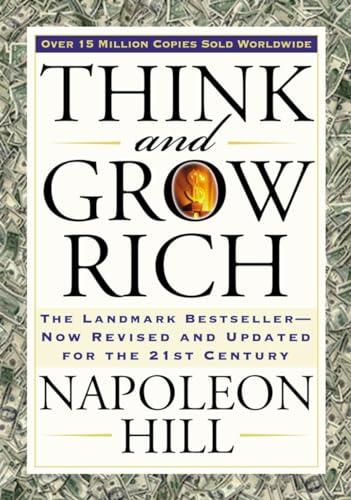
The Landmark Bestseller Now Revised and Updated for the 21st Century (Think and Grow Rich Series)
The phrase 'a quitter never wins and a winner never quits' was mentioned as being from the self-help book 'Think and Grow Rich'.
In 1937, a self-help pundit named Napoleon Hill included that phrase in his very popular book, Think and Grow Rich.
— Episode: The Upside of Quitting (Rebroadcast )
The phrase 'a quitter never wins and a winner never quits' was mentioned as being from the self-help book 'Think and Grow Rich'.
In 1937, a self-help pundit named Napoleon Hill included that phrase in his very popular book, Think and Grow Rich.
It was mentioned in the context of the phrase 'a quitter never wins and a winner never quits', which was included in the book.
A quitter never wins and a winner never quits.
The book was referenced when discussing the phrase 'a quitter never wins and a winner never quits', which was included in its pages.
A quitter never wins and a winner never quits.
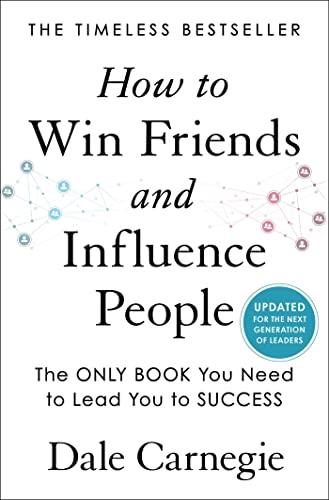
Updated For the Next Generation of Leaders (Dale Carnegie Books)
It was mentioned in the context of charisma, specifically the idea of saying someone's name to make them feel valued and important, which is thought to contribute to charisma.
Wait, not the power of positive. How to Win Friends and Influence People.
— Episode: 401. How Many Prince Charleses Can There...
It was mentioned in the context of charisma, specifically the idea of saying someone's name to make them feel valued and important, which is thought to contribute to charisma.
Wait, not the power of positive. How to Win Friends and Influence People.
So the Dale Carnegie effect where you say someone's name, Stephen.
I think Dale Carnegie was right about a lot of things and I think he's right about this one.
It was mentioned in the context of never telling anyone you disagree with them, as a way to avoid arguments, and indirectly mentioning this advice was given.
I recently reread Dale Carnegie's How to Win Friends and Influence People, and he says basically never tell anybody you disagree with them.
It was reread by a guest on the podcast, and one of the main points mentioned was that the book advocates against telling people you disagree with them, preferring indirect communication.
I recently reread Dale Carnegie's How to Win Friends and Influence People, and he says basically never tell anybody you disagree with them.
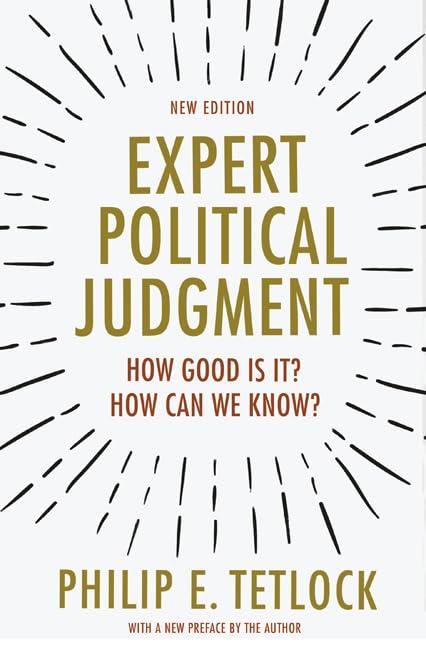
How Good Is It? How Can We Know? - New Edition
It was revealed that Tetlock's book, 'Expert Political Judgment', highlighted the issue of experts' predictions often not being very accurate, which was a significant problem given the pervasive nature of forecasting in daily life.
It was a sly title because the experts' predictions often weren't very expert.
— Episode: 233. How to Be Less Terrible at Predicti...
It was revealed that Tetlock's book, 'Expert Political Judgment', highlighted the issue of experts' predictions often not being very accurate, which was a significant problem given the pervasive nature of forecasting in daily life.
It was a sly title because the experts' predictions often weren't very expert.
It was based on a large study of nearly 300 political experts and their predictions, which were mostly inaccurate and overconfident, especially those who were more dogmatic.
In the end we had close to 300 participants
The study became the basis of a book Tetlock published a few years ago Called Expert Political Judgment
There's an aphorism I quote In the Expert Political Judgment book from Karl Marx
It was a large study of political experts' predictions, which were found to be inaccurate and often worse than simple extrapolation methods.
I think the most important takeaway would be that the experts think they know more than they do.
They were systematically overconfident.
The study became the basis of a book Tetlock published a few years ago called Expert Political Judgment.
There's an aphorism I quote in the Expert Political Judgment book from Karl Marx.
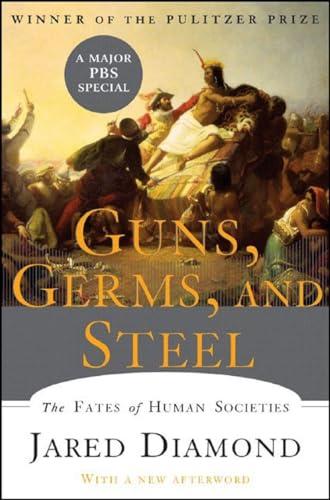
The Fates of Human Societies
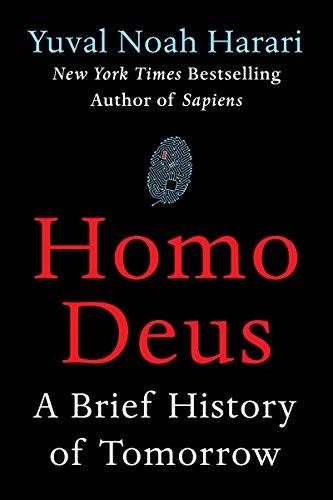
It was mentioned as a book that inspired Harari to consider writing history from a broad perspective, which ultimately led to him writing Sapiens. The sheer breadth and confidence of the book initially surprised Harari.
I could write a book like that.
— Episode: 528. Yuval Noah Harari Thinks Life is Me...
It was mentioned as a book that inspired Harari to consider writing history from a broad perspective, which ultimately led to him writing Sapiens. The sheer breadth and confidence of the book initially surprised Harari.
I could write a book like that.
When I read Guns, Germs and Steel, my reaction was, how is it possible that anyone could know enough and have enough confidence to write such a book?
It was mentioned that it inspired Yuval Noah Harari to consider writing a book on a grander historical scale, after he read it as a PhD student. It was considered a book written from a broad perspective of history.
Well, maybe not I at first, but it is possible to write books like that.
And suddenly I read this book and I realized that it is possible to look at history from such a broad perspective.
It was mentioned as a book that inspired Yuval Noah Harari to consider writing a book on a broad historical perspective, and he was surprised by the author's extensive knowledge and confidence in writing it.
Well, maybe not I at first, but it is possible to write books like that.
And suddenly I read this book and I realized that it is possible to look at history from such a broad perspective.
When I read Guns, Germs and Steel, my reaction was, how is it possible that anyone could know enough and have enough confidence to write such a book?
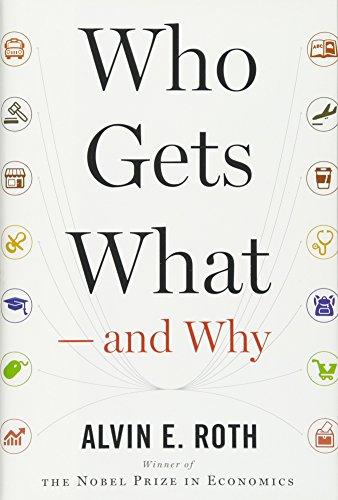
The New Economics of Matchmaking and Market Design
Kenneth Feinberg's book, 'Who Gets What?', was mentioned as a resource to learn more about his settlement work, particularly his experiences with calculating compensation for victims of tragedies.
If you want to learn more about his settlement work, he's written two books. What is Life Worth? And Who Gets What?
— Episode: 344. Who Decides How Much a Life Is Wort...
Kenneth Feinberg's book, 'Who Gets What?', was mentioned as a resource to learn more about his settlement work, particularly his experiences with calculating compensation for victims of tragedies.
If you want to learn more about his settlement work, he's written two books. What is Life Worth? And Who Gets What?
It was described as a really wonderful book about the new economics of matchmaking and market design, particularly in the context of kidney transplants.
Al Roth has now written a book, really wonderful book, I should say. It's called Who Gets What and Why? The New Economics of Matchmaking and Market Design.
Al Roth, high school dropout, Nobel laureate, author of the book Who Gets What and Why, began working on organ donation more than 40 years ago as it turned out.
Al Roth's greatest hope for his new book, Who Gets What and Why.
My hope is that this book will help you to see markets in new ways.
Thinking about the design of markets gives us a new way of looking at them, noticing them, and understanding them. My hope is that this book will help you to see markets in new ways.
It was described as a really wonderful book that explores the new economics of matchmaking and market design, particularly in relation to kidney transplants and other matching markets.
Al Roth has now written a book, really wonderful book I should say. It's called Who Gets What and Why? The New Economics of Matchmaking and Market Design.
Al Roth, high school dropout, Nobel laureate, author of the book Who Gets What and Why, began working on organ donation more than 40 years ago as it turned out.
And Al Roth's greatest hope for his new book, Who Gets What and Why.
Thinking about the design of markets gives us a new way of looking at them, noticing them and understanding them. My hope is that this book will help you to see markets in new ways.
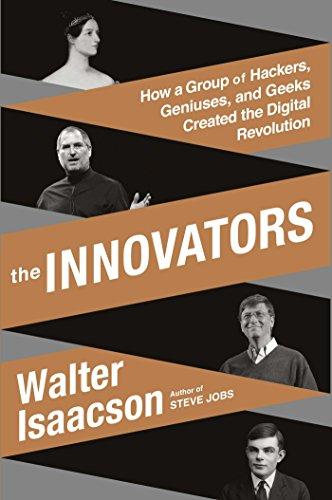
How a Group of Hackers, Geniuses, and Geeks Created the Digital Revolution
It was mentioned in the context of how Andy Russell and Lee Vinsel's work countered Isaacson's focus on innovation in the digital revolution.
Walter Isaacson published a book called The Innovators, how a group of hackers, geniuses, and geeks created the digital revolution.
— Episode: In Praise of Maintenance (Rebroadcast)
It was mentioned in the context of how Andy Russell and Lee Vinsel's work countered Isaacson's focus on innovation in the digital revolution.
Walter Isaacson published a book called The Innovators, how a group of hackers, geniuses, and geeks created the digital revolution.
It was mentioned as a catalyst for writing "The Maintainers" essay, which jokingly countered the book's focus on innovation with an emphasis on maintenance.
Walter Isaacson published a book called The Innovators, How a Group of Hackers, Geniuses and Geeks Created the Digital Revolution.
It was discussed in the context of how it sparked a humorous response from the podcast's guests, who envisioned a counterpoint book called 'The Maintainers,' which explored the value of maintenance and upkeep in technology.
And then Walter Isaacson published a book called The Innovators, how a group of hackers, geniuses and geeks created the digital revolution.
Basically Andy wrote me and a friend a kind of joke email saying we should answer with a book called The Maintainers, how bureaucrats, standards engineers and introverts create technologies that kind of work most of the time.
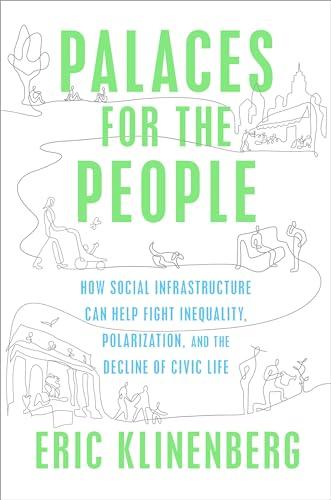
How Social Infrastructure Can Help Fight Inequality, Polarization, and the Decline of Civic Life
In this book, Eric Klinenberg discusses the importance of social infrastructure and community spaces, such as libraries, parks, and public housing, to combat loneliness and social isolation.
He wants to see better social infrastructure as he calls it The gathering places that are public and accessible, you know Like libraries and parks and playgrounds public transit systems that work. Thi...
— Episode: Is There Really a “Loneliness Epidemic”?...
In this book, Eric Klinenberg discusses the importance of social infrastructure and community spaces, such as libraries, parks, and public housing, to combat loneliness and social isolation.
He wants to see better social infrastructure as he calls it The gathering places that are public and accessible, you know Like libraries and parks and playgrounds public transit systems that work. This is the idea Kleinberg plays with in his latest book called Palaces for the People.
It's Eric Klinenberg's latest book that explores the idea of improved social infrastructure, such as gathering places and public housing, to combat loneliness.
This is the idea Kleinenberg plays with in his latest book called Palaces for the People.
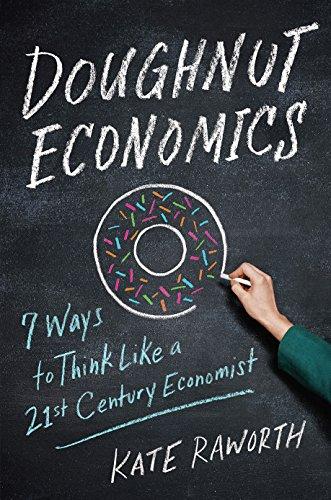
Seven Ways to Think Like a 21st-Century Economist
It was published in 2017 and was well-received in certain circles who felt that standard economics fell short. It provided an alternative economic framework centered around sustainability.
In 2017, she published a book called Donut Economics.
— Episode: Is Economic Growth the Wrong Goal? (Ep....
It was published in 2017 and was well-received in certain circles who felt that standard economics fell short. It provided an alternative economic framework centered around sustainability.
In 2017, she published a book called Donut Economics.
It was avidly consumed in certain circles, especially in places that pay attention to standard economics but feel that standard economics comes up short.
Kate Raworth's book, Doughnut Economics, is essentially an alarm, a warning that the blind pursuit of economic growth leaves out too many people and puts too much strain on the planet's resources.
It was mentioned in the context of a discussion about how traditional economic models have focused on maximizing economic efficiency and GDP, which has negatively impacted the environment.
So the standard economics I learned was not based on a delicately balanced living planet. There wasn't really a planet. Anything natural was called an environmental externality.
So imagine a donut, the kind it's got a hole in the middle, and we want everybody to be living in the donut.
That means no one is in the hole in the middle where they're falling short on the essentials of life--without food or water, health care, housing, education, political voice.
But at the same time, don't overshoot the outer crust of the donut. We put so much pressure on our planet, we begin to push her out of balance, and we cause climate breakdown and we acidify the oceans and create a hole in the ozone layer.
It was mentioned that the book uses the analogy of a donut to emphasize the importance of balancing social needs with environmental limits for a sustainable economy.
So the standard economics I learned was not based on a delicately balanced living planet. There wasn't really a planet. Anything natural was called an environmental externality.
So imagine a donut, the kind it's got a hole in the middle, and we want everybody to be living in the donut.
That means no one is in the hole in the middle where they're falling short on the essentials of life, without food or water, health care, housing, education, political voice.
But at the same time, don't overshoot the outer crust of the donut. We put so much pressure on our planet. We begin to push her out of balance, and we cause climate breakdown.
And we acidify the oceans and create a hole in the ozone layer. So it's a balance: meet the needs of all people within the means of the planet.

original Version
It was discussed as Smith's first book, with the suggestion that Smith's views on morality were not fully appreciated and he was often considered only as an economist.
She didn't read the first book, The Theory of Moral Sentiments, clearly.
— Episode: 527. Can Adam Smith Fix Our Economy?
It was discussed as Smith's first book, with the suggestion that Smith's views on morality were not fully appreciated and he was often considered only as an economist.
She didn't read the first book, The Theory of Moral Sentiments, clearly.
It's in The Theory of Moral Sentiments, but it's understood a richer context in The Theory of Moral Sentiments.
And I know The Wealth of Nations is the most famous book, but for me, as was said earlier, it's The Theory of Moral Sentiments, which is the guide.
It was Adam Smith's first published book, released in 1759, which gained him a stellar reputation as a writer and philosopher, and was initially well received for its beautiful writing and humane approach to wealth and poverty.
Man naturally desires not only to be loved, but to be lovely, or to be that thing which is the natural and proper object of love. He naturally dreads not only to be hated, but to be hateful, or to be that thing which is the natural and proper object of hatred.
He desires not only praise, but praiseworthiness, or to be that thing which though it should be praised by nobody is however the natural and proper object of praise. He dreads not only blame, but blameworthiness, or to be that thing which though it should be blamed by nobody is however the natural and proper object of blame.
We want to be appreciated. We want to matter. And what he's saying there is that not only do we want to be praised and honored and respected, but we want to earn that honestly.
He says the pursuit of wealth - here's the person who wrote 'The Wealth of Nations' who says the pursuit of wealth is a fool's game. It's going to degrade you. You're going to do things you're going to be ashamed of and that you'll want to hide.
My book is an attempt to bring to the modern reader Adam Smith's forgotten masterpiece, 'The Theory of Moral Sentiments'.
It was described as a deeply humanistic work that explored human behavior and morality. It was said to be a more innovative and interesting book than The Wealth of Nations.
I see The Theory of Moral Sentiments as showing this deeply humanistic, curious and imaginative person interested in what makes humans tick in all spheres of life.
What is it like when we see somebody in pain? How do we feel when we tell a joke and somebody doesn't laugh?
It's almost as though you're saying that Smith described our daily behavior and our moral behavior in a similar way as he describes economic transactions, which are there are costs and benefits to everything.
I happen to think that of the two books, The Theory of Moral Sentiments is the more interesting, the richer, in many ways, the more innovative of the two books.
The Theory of Moral Sentiments is the more interesting, the richer, in many ways the more innovative of the two books.
Why the Conventional Pregnancy Wisdom Is Wrong--and What You Really Need to Know (The ParentData Series)
Emily Oster's book on pregnancy was mentioned, as she has written several books related to pregnancy and parenting, and she uses data to help parents make big decisions.
And you've written a lot of books. Is that right?
— Episode: 524. How Important Is Breastfeeding, Rea...
Emily Oster's book on pregnancy was mentioned, as she has written several books related to pregnancy and parenting, and she uses data to help parents make big decisions.
And you've written a lot of books. Is that right?
Yes, I have three books, one on pregnancy and two on parenting at different ages. I've kind of made a career out of the fact that a lot of parents want information and they want data.
Emily's books about pregnancy and early parenting have been bestsellers, but her research focus is a little different.
The book discussed conventional pregnancy wisdom and provided insights into what expecting parents truly need to know, which was discussed in the context of fertility.
She's also the author of a book called Expecting Better, Why Conventional Pregnancy Wisdom is Wrong and What You Really Need to Know.
It was mentioned in the context of Emily Oster's research on fertility, specifically discussing conventional pregnancy wisdom and what expectant mothers truly need to know.
She's also the author of a book called Expecting Better, Why Conventional Pregnancy Wisdom Is Wrong and What You Really Need to Know.
Why the Education System Is a Waste of Time and Money
It was argued that the education system is a waste of time and money and that homeschooling was a better approach, especially for students who found school unengaging and pointless.
Yeah, so in K through six, I was just miserable in school because they kept making us do stuff that seemed pointless to me. Music, art, dance, making posters every day. It was just dreadful.
— Episode: The Economist’s Guide to Parenting: 10 Y...
It was argued that the education system is a waste of time and money and that homeschooling was a better approach, especially for students who found school unengaging and pointless.
Yeah, so in K through six, I was just miserable in school because they kept making us do stuff that seemed pointless to me. Music, art, dance, making posters every day. It was just dreadful.
I'm going to say I was the reluctant one, but it was my brother Tristan that persuaded me to go through with it. His great pitch, which is still echoed in our family to this day, is do you want to be a poster monkey for the rest of your life?
Our dad just gave us this lifesaver and said, you can come to my homeschool and you will get to learn about ideas. You will get to read. You will get to do what you actually enjoy.
Can you untangle for me what appears to be a slightly paradoxical maze in which you, a university professor at a public university, which is supported in large part by tax dollars, can make an argument totally against education and then use your university professor position, including bringing your kids into your office to homeschool them for the education that you also don't want them to participate in?
I see great internal consistency, but you're totally sensible to wonder what it is. So the first thing is I see myself as a whistleblower. A lot of the reason why people took that book seriously is I could begin by saying the system has been great to me, it's all worked out for me, and yet I don't think that it's a good use of taxpayer money in terms of trying to help my sons out.
It was argued that a major function of a college degree is to act as a social signal, influencing hiring and social interactions, possibly leading to credential inflation.
In Kaplan's view, this has driven a kind of credential inflation where more and more education is required to have a good career.
It was discussed in the context of Brian Caplan's homeschooling approach, as a book arguing against the traditional education system and its perceived waste of time and money.
A few years ago, you wrote a book called The Case against Education, Why the Education System is a Waste of Time and Money.
So the first thing is I see myself as a whistleblower. A lot of the reason why people took that book seriously is I could begin by saying the system has been great to me. It's all worked out for me, and yet I don't think that it's a good use of taxpayer money.
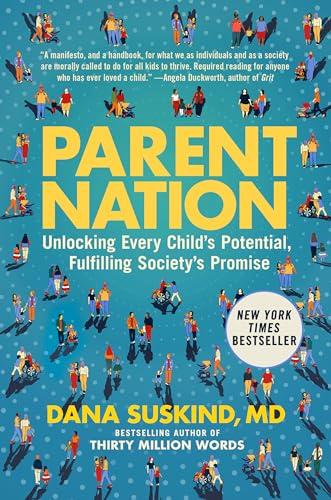
Unlocking Every Child's Potential, Fulfilling Society's Promise
It was mentioned that Dana Suskind published this book in April, where she explores the idea of how American individualism impacts child rearing and the need to support families better.
It's called Parent Nation, Unlocking Every Child's Potential, Fulfilling Society's Promise.
— Episode: Why Does the Richest Country in the Worl...
It was mentioned that Dana Suskind published this book in April, where she explores the idea of how American individualism impacts child rearing and the need to support families better.
It's called Parent Nation, Unlocking Every Child's Potential, Fulfilling Society's Promise.
It was mentioned that Dana Suskind was writing a book about parenting, and poverty's negative effects on child development, referencing a Nelson Mandela quote about societal soul.
There can be no keener revelation of a society's soul than the way it treats its children.
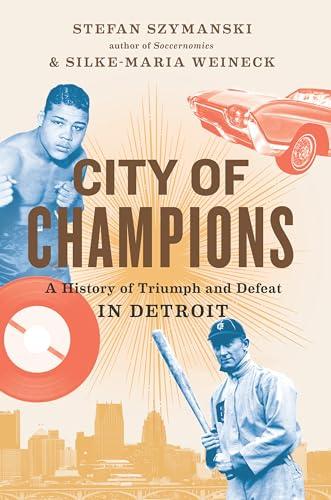
A History of Triumph and Defeat in Detroit
Weineck mentioned that she and Stefan Schimansky coauthored the book City of Champions, a history of triumph and defeat in Detroit.
The book she and Schimansky wrote is called City of Champions, a history of triumph and defeat in Detroit.
— Episode: 480. How Much Does Discrimination Hurt t...
Weineck mentioned that she and Stefan Schimansky coauthored the book City of Champions, a history of triumph and defeat in Detroit.
The book she and Schimansky wrote is called City of Champions, a history of triumph and defeat in Detroit.
The book discussed the Detroit Lions and their supposed curse related to the trading of Bobby Lane, a quarterback, but also how this is more likely due to bad team management and luck.
Chemeinsky happens to live near Detroit and he's co-author of a book called City of Champions about Detroit's sporting legends.
It was mentioned as a book co-written by Zilke Maria Weineck and Stefan Schimansky that explored the history of sports and its intersection with race and industry, particularly in Detroit.
The book she and Schimansky wrote is called City of Champions, a history of triumph and defeat in Detroit.
The Obsessive Quest for the Perfect Lawn
It was mentioned as one of Ted Steinberg's books, which focused on the history of the obsession with having the perfect lawn, particularly in America.
I am the author of several books, including American Green, The Obsessive Quest for the Perfect Lawn.
— Episode: How Stupid Is Our Obsession With Lawns?...
It was mentioned as one of Ted Steinberg's books, which focused on the history of the obsession with having the perfect lawn, particularly in America.
I am the author of several books, including American Green, The Obsessive Quest for the Perfect Lawn.
It was discussed in the context of the history of lawns, particularly the quest for the perfect lawn in America, mentioning its origins in England and evolution in the United States.
I am the author of several books, including American Green, The Obsessive Quest for the Perfect Lawn.
It was discussed as an in-depth exploration of the obsessive pursuit of the perfect lawn, detailing its historical context and societal impact.
I'm the author of several books, including American Green, The Obsessive Quest for the Perfect Lawn.
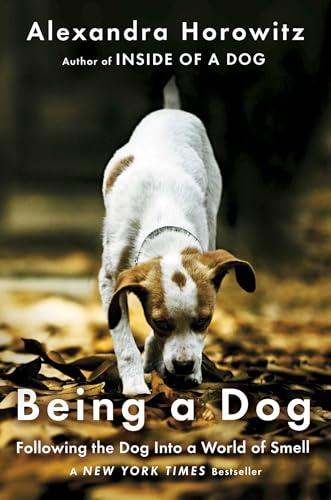
Following the Dog Into a World of Smell
This book by Alexandra Horowitz, alongside 'Inside of a Dog', explores the cognitive world of dogs and is a good example of research in comparative psychology.
Alexandra Horowitz has written a couple of fascinating books, Inside of a Dog and Being a Dog.
— Episode: The Invisible Paw (Rebroadcast)
This book by Alexandra Horowitz, alongside 'Inside of a Dog', explores the cognitive world of dogs and is a good example of research in comparative psychology.
Alexandra Horowitz has written a couple of fascinating books, Inside of a Dog and Being a Dog.
This book, 'Being a Dog', by Alexandra Horowitz was mentioned along with 'Inside of a Dog', and also focuses on the cognitive and sensory capabilities of dogs.
Horowitz has written a couple of fascinating books, Inside of a Dog and Being a Dog.
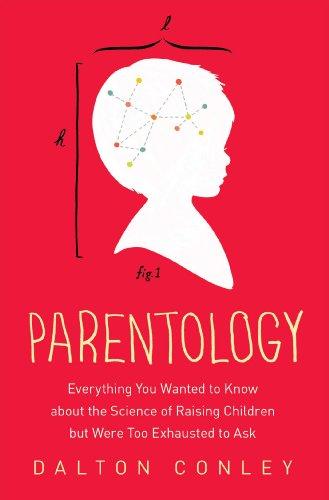
Everything You Wanted to Know About the Science of Raising Children but Were Too Exhausted to Ask
It was described as a book where a social scientist experimented on his own children, giving them unusual names like 'E' and 'Yo', to study the impact of names on a child's development.
In 2014, he wrote a book called Parentology.
— Episode: How Much Does Your Name Matter? (Rebroad...
It was described as a book where a social scientist experimented on his own children, giving them unusual names like 'E' and 'Yo', to study the impact of names on a child's development.
In 2014, he wrote a book called Parentology.
It's about... well, here, let's have him tell you. I think the subtitle says it all, which is a social scientist experiments on his kids so you don't have to.
It was discussed as a book about parenting, with a subtitle implying that a social scientist experimented on his own children for research.
Dalton Conley is a sociologist at NYU. He has a book coming out soon called Parentology.
I think the subtitle says it all, which is a social scientist experiments on his kids so you don't have to.
It was mentioned as a book by Dalton Conley, a sociologist at NYU, about his social science experiments on his children, particularly regarding their names.
Dalton Conley is a sociologist at NYU. He has a book coming out soon called Parentology.
It's about well here Let's have him tell you I think the subtitle says it all which is a social scientist experiments on his kids, so you don't have to
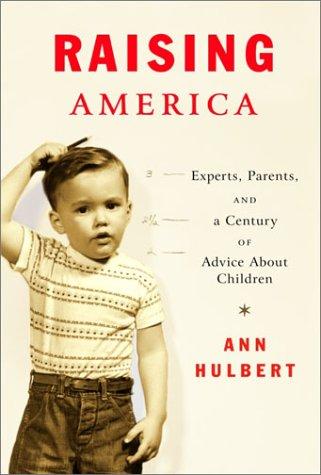
Experts, Parents, and a Century of Advice About Children
It was mentioned as a book that illustrated the changes in parenting advice over time, highlighting the inconsistencies and flip-flops in expert opinions.
There's a 2003 book by Anne Hulbert called Raising America, Experts, Parents and a Century of Advice About Children. It does a great job showing how many flip flops there have been ov...
— Episode: 376. The Data-Driven Guide to Sane Paren...
It was mentioned as a book that illustrated the changes in parenting advice over time, highlighting the inconsistencies and flip-flops in expert opinions.
There's a 2003 book by Anne Hulbert called Raising America, Experts, Parents and a Century of Advice About Children. It does a great job showing how many flip flops there have been over time.
It was discussed as a book that explored the history of parenting advice, showcasing how it has significantly changed over time.
She wrote a book called Raising America, Experts, Parents, and a Century of Advice About Children.
It was mentioned as an example of how parenting advice has changed over time, specifically discussing the evolution of expert opinions on child rearing.
She wrote a book called Raising America, Experts, Parents and a Century of Advice About Children.
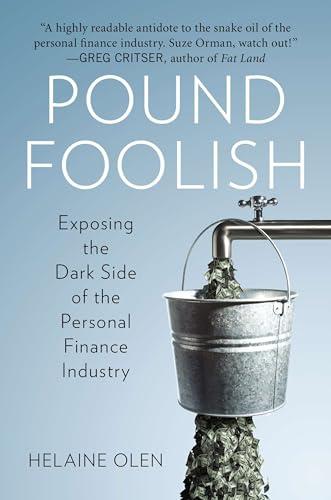
Exposing the Dark Side of the Personal Finance Industry
It was mentioned in the context of exposing the potentially harmful aspects of the personal finance industry, particularly those practices that might not benefit the consumer.
And I said to her, you know, isn't the industry's fundamental problem that the best advice for most people would fit on an index card and it's available for free at the library?
— Episode: Everything You Always Wanted to Know Abo...
It was mentioned in the context of exposing the potentially harmful aspects of the personal finance industry, particularly those practices that might not benefit the consumer.
And I said to her, you know, isn't the industry's fundamental problem that the best advice for most people would fit on an index card and it's available for free at the library?
It was discussed in the context of exposing the negative aspects of the personal finance industry, particularly how it can mislead people into making poor financial choices.
And I said to her, you know, isn't the industry's fundamental problem that the best advice for most people would fit on an index card and it's available for free at the library?
Note: The book recommendations on this page are discovered automatically from podcast transcripts, and may be incorrect or incomplete.
Podcast Name