Shoe Dog
Phil Knight
Mentioned 4 months ago
Alison Roman's Plan to Conquer the Tomato Sauce Market
Bloomberg's Joe Weisenthal and Tracy Alloway explore the most interesting topics in finance, markets and economics. Join the conversation every Monday and Thursday.
Recently mentioned
Phil Knight
Mentioned 4 months ago
Alison Roman's Plan to Conquer the Tomato Sauce Market
M. F. K. Fisher
Mentioned 4 months ago
Alison Roman's Plan to Conquer the Tomato Sauce Market
Jamee K. Moudud
Mentioned 5 months ago
Jamee Moudud on the Intellectual Roots of Zohranomics
Herman Melville
Mentioned 11 months ago
Joseph Torigian on Xi Zhongxun and Elite Chinese Communist Party Politics
Joseph Torigian
Mentioned 11 months ago
Joseph Torigian on Xi Zhongxun and Elite Chinese Communist Party Politics
Dale C. Copeland
Mentioned 11 months ago
How a Trade War With China Could Become a Hot War
Adam Tooze
Mentioned 11 months ago
How a Trade War With China Could Become a Hot War
Dale C. Copeland
Mentioned 11 months ago
How a Trade War With China Could Become a Hot War
Andrew J. Nathan
Mentioned 11 months ago
How a Trade War With China Could Become a Hot War
Dr Federica Amati
Mentioned 11 months ago
What 300 Years of Firewood Prices Say About the Economy
Anne Korin
Mentioned 11 months ago
What 300 Years of Firewood Prices Say About the Economy
Gareth A. S. Edwards
Mentioned 11 months ago
How to Prepare for a Post-Dollar World with Inigo Fraser Jenkins
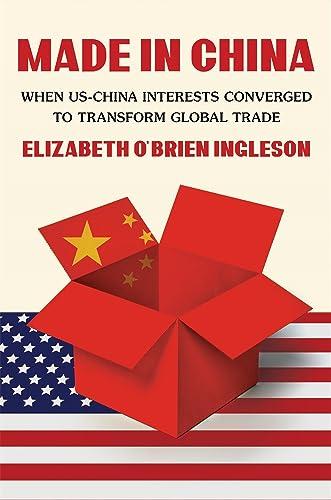
When US-China Interests Converged to Transform Global Trade
The book discusses how the US-China trade relationship developed in the 1970s, focusing on American entrepreneurs who first went into China and recognised its opportunity as an export powerhouse. It explores the motivations of these individuals, the obstacles they faced, and the broader economic and political context of the time. It also examines how the United States was undergoing its own transformations in the 1970s, such as the end of the Bretton Woods system and the rise of outsourcing manufacturing, which facilitated this trade relationship with China.
She was an architect in the early 1970s who was born in Shanghai, had family in Hong Kong, but had grown up in the United States. And she, when she sort of heard that Nixon was easing trade restrictio...
— Episode: The American Entrepreneurs Who First Ope...
The book discusses how the US-China trade relationship developed in the 1970s, focusing on American entrepreneurs who first went into China and recognised its opportunity as an export powerhouse. It explores the motivations of these individuals, the obstacles they faced, and the broader economic and political context of the time. It also examines how the United States was undergoing its own transformations in the 1970s, such as the end of the Bretton Woods system and the rise of outsourcing manufacturing, which facilitated this trade relationship with China.
She was an architect in the early 1970s who was born in Shanghai, had family in Hong Kong, but had grown up in the United States. And she, when she sort of heard that Nixon was easing trade restrictions, saw an opportunity to import from China.
And so she began through her connections in Hong Kong to import a whole range of different kinds of goods. So she was importing cheap owls and now coats and a whole range of things that were overtly Chinese.
And she very quickly made enough money that she was able to quit her day job. And she was one of a group of these small scale importers who really led the way in not only importing from China, but the result was that they were selling China to American consumers.
They were helping the larger diplomatic thought by easing American consumers and therefore American voters into engaging with China in a very new way.
And so in the early 1970s, one of the really important results of these importers was not only in the diplomatic and economic realms, but in the cultural shift instead of allowing for an acceptance of engagement with China.
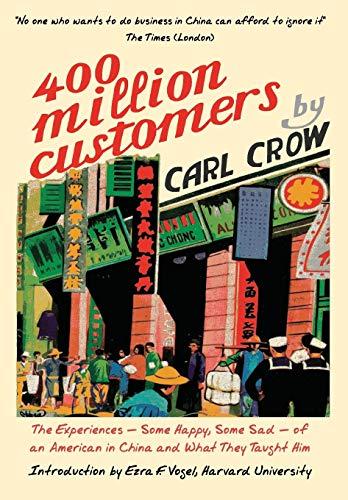
The Experiences - Some Happy, Some Sad - of an American in China and What They Taught Him
This book, written in the early 20th century, highlighted the potential of the Chinese market and its 400 million consumers, foreshadowing a long-held dream of selling to China that continues to this day.
He wrote a bestselling book in the United States called 400 million customers that won the National Book Award.
— Episode: The American Entrepreneurs Who First Ope...
This book, written in the early 20th century, highlighted the potential of the Chinese market and its 400 million consumers, foreshadowing a long-held dream of selling to China that continues to this day.
He wrote a bestselling book in the United States called 400 million customers that won the National Book Award.
And so he sort of crystallized this idea that China represented 400 million customers. And yet 30 odd years after Carl Crowe's book in this 1970s moment, I began to see that, yes, you have your bowings and your Westing houses wanting to sell to China, sort of treading the path of the Carl Crowe vision of selling your goods to China.
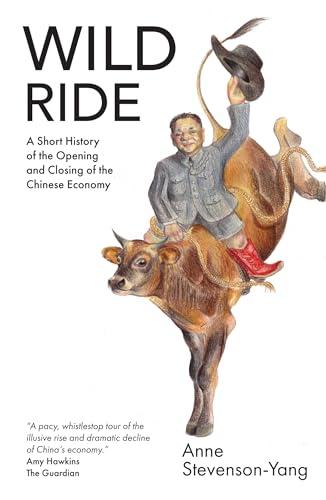
A short history of the opening and closing of the Chinese economy
This book explores the opening up and closing of the Chinese economy, focusing on decisions made by the Chinese leadership, such as Deng Xiaoping's reforms.
I was reading another book on China called Wild Ride, a short history of the opening and closing of the Chinese economy. And I mean, the clue is in the title there, right? The emphasi...
— Episode: The American Entrepreneurs Who First Ope...
This book explores the opening up and closing of the Chinese economy, focusing on decisions made by the Chinese leadership, such as Deng Xiaoping's reforms.
I was reading another book on China called Wild Ride, a short history of the opening and closing of the Chinese economy. And I mean, the clue is in the title there, right? The emphasis is very much on the decisions that are being made by China.
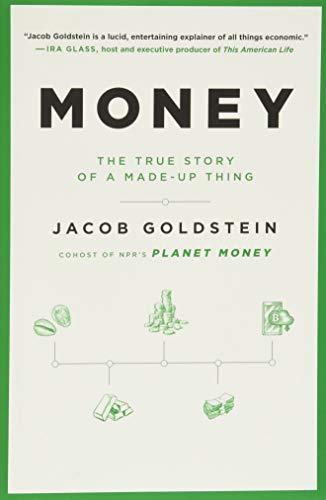
The True Story of a Made-Up Thing
The author, Jacob Goldstein, is a podcast host who spoke about his book "Money, The True Story of a Made Up Thing" which talks about the history of the monetary system and its evolution.
First, I'll be joined by Jacob Goldstein, author of Money, The True Story of a Made Up Thing.
— Episode: Evolving Money: Money Without Borders (S...
The author, Jacob Goldstein, is a podcast host who spoke about his book "Money, The True Story of a Made Up Thing" which talks about the history of the monetary system and its evolution.
First, I'll be joined by Jacob Goldstein, author of Money, The True Story of a Made Up Thing.
The issue of borders has long been a perplexing one for our monetary system.
The Rise and Fall of Long-Term Capital Management
The book "When Genius Fails" was mentioned as a source for information about Long-Term Capital Management's losses in 1997. It was stated that the book contained details about the firm's larger losses from selling volatility than from fixed income investments.
If you go read When Genius Fails, they have the numbers in the back, which is quite interesting.
— Episode: The Big Trade Underneath the Strangely C...
The book "When Genius Fails" was mentioned as a source for information about Long-Term Capital Management's losses in 1997. It was stated that the book contained details about the firm's larger losses from selling volatility than from fixed income investments.
If you go read When Genius Fails, they have the numbers in the back, which is quite interesting.
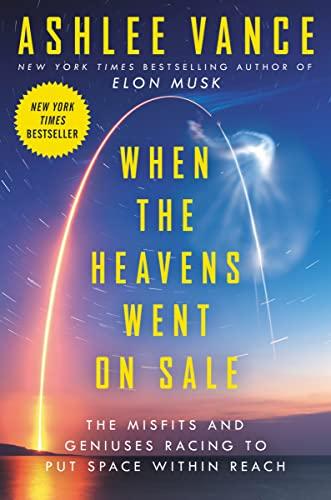
The Misfits and Geniuses Racing to Put Space Within Reach
The book tells the story of the pioneers and the competition in the space industry, specifically those involved in making space more accessible commercially.
And his more recent book is called When the Heavens Went on Sale, the Misfits and Geniuses Racing to Put Space Within Reach.
— Episode: Elon Musk Dominates Outer Space Like Nob...
The book tells the story of the pioneers and the competition in the space industry, specifically those involved in making space more accessible commercially.
And his more recent book is called When the Heavens Went on Sale, the Misfits and Geniuses Racing to Put Space Within Reach.
I wrote my whole my new book was called When the Heavens Went on Sale because I think this this is completely becoming a commercial enterprise now.
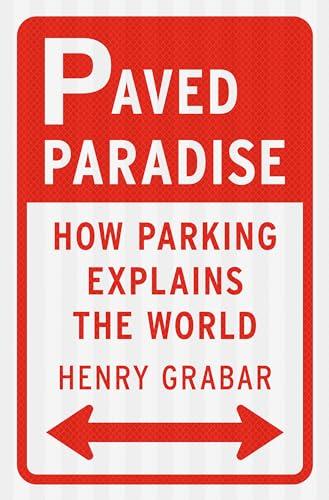
How Parking Explains the World
This book covers the history of parking lots, and was recommended for being interesting and engaging.
So I'm reading this book called Paved Paradise right now, which is very good. It's about parking lots and like the history of parking lots. And that's been really fun.
— Episode: Lots More with Kyla Scanlon on the Econo...
This book covers the history of parking lots, and was recommended for being interesting and engaging.
So I'm reading this book called Paved Paradise right now, which is very good. It's about parking lots and like the history of parking lots. And that's been really fun.
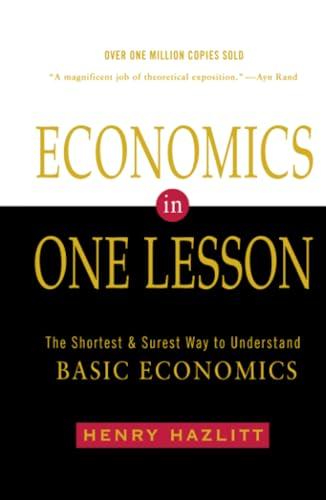
The speaker expressed skepticism about the title of this book, which is over 200 pages long.
I just want to say Economics in One Lesson is the biggest lie there is. That's a 218 page book. Someone handed me that to me when I was like in college, Henry Haslett's book. I don't...
— Episode: Lots More with Kyla Scanlon on the Econo...
The speaker expressed skepticism about the title of this book, which is over 200 pages long.
I just want to say Economics in One Lesson is the biggest lie there is. That's a 218 page book. Someone handed me that to me when I was like in college, Henry Haslett's book. I don't understand how they got away with titling it.
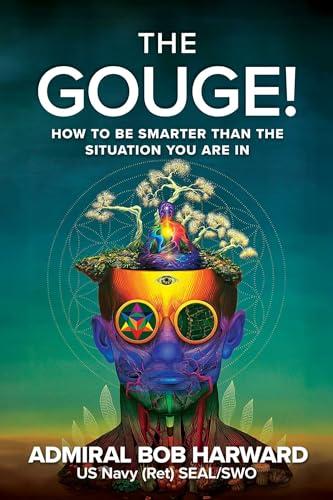
How to Be Smarter Than the Situation You Are In
It was mentioned that Lindsay Owens, the executive director of the Groundwork Collaborative, is writing a book called "Gouge" which will be released in the future.
And we're going to be speaking with Lindsay Owen. She is the executive director of the Groundwork Collaborative and the author of a forthcoming book called Gouge that will be some time out in the futu...
— Episode: Corporations Learned The Maximum Amount...
It was mentioned that Lindsay Owens, the executive director of the Groundwork Collaborative, is writing a book called "Gouge" which will be released in the future.
And we're going to be speaking with Lindsay Owen. She is the executive director of the Groundwork Collaborative and the author of a forthcoming book called Gouge that will be some time out in the future.
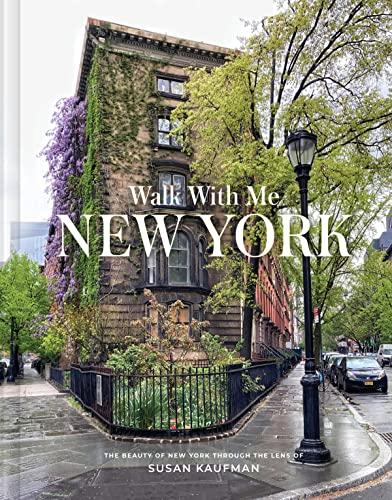
New York
Joe was impressed by the documentary and now feels "New York-pilled." He particularly enjoys the segments that show the construction of office buildings and feels like he now has a new appreciation for the buildings in the city.
And I've always liked living in New York, it's fine. But now I'm like really like New York-pilled.
— Episode: Lots More on the Two Troubled NYC Office...
Joe was impressed by the documentary and now feels "New York-pilled." He particularly enjoys the segments that show the construction of office buildings and feels like he now has a new appreciation for the buildings in the city.
And I've always liked living in New York, it's fine. But now I'm like really like New York-pilled.
And it's all this like has this whole period of like when all these office buildings have gone up.
And now particularly Park Avenue, I know we're talking about a Broadway building. Now I've become like, I look at the buildings now.
I'm in New York City office buildings appreciator now.
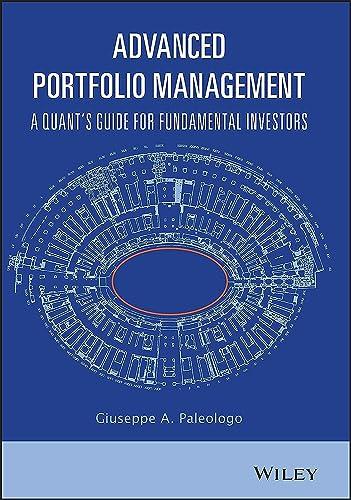
A Quant's Guide for Fundamental Investors
It was described as one of the funniest books on quantitative finance, particularly praised for its humour and the way it was written. It was also noted for having jokes written in Greek letters.
He describes himself as a constant gardener, someone who's on gardening leave quite a lot.
— Episode: How to Succeed at Multi-Strategy Hedge F...
It was described as one of the funniest books on quantitative finance, particularly praised for its humour and the way it was written. It was also noted for having jokes written in Greek letters.
He describes himself as a constant gardener, someone who's on gardening leave quite a lot.
And I have to say it is one of the funniest books that I've read in quant finance. I can't say it's the funniest because I did read My Life as a Quant from Emanuel Derman, but it's definitely up there.
And Joe, I know you enjoyed it too.
I did. You know, I like skipped over all the numbers and equations and you just looked at the jokes in Greek letters, but it's very breezy written for what it is. And I did actually, I think maybe I learned a little bit even in my sort of basic reading of it.
Extremely well written.
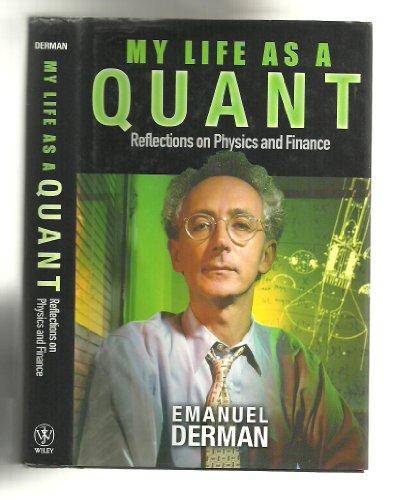
Reflections On Physics And Finance
It was mentioned as a humorous book on quantitative finance, comparable to "Advanced Portfolio Management" by Giuseppe Pagliologo. It was mentioned that it was the funniest book someone had read on quant finance.
I can't say it's the funniest because I did read My Life As A Quant from Emanuel Derman, but it's definitely up there.
— Episode: How to Succeed at Multi-Strategy Hedge F...
It was mentioned as a humorous book on quantitative finance, comparable to "Advanced Portfolio Management" by Giuseppe Pagliologo. It was mentioned that it was the funniest book someone had read on quant finance.
I can't say it's the funniest because I did read My Life As A Quant from Emanuel Derman, but it's definitely up there.
A 28-Day Reflux Prevention and Healing Program
He mentioned his book coming out later that summer and that it will be a different path for him. This path is a creative approach to finance and the future of markets, and a departure from the traditional path of finance.
I've got my book coming out later this summer and it's a different path. There are many paths.
— Episode: Hugh Hendry on the "Terrifying" Yen Move...
He mentioned his book coming out later that summer and that it will be a different path for him. This path is a creative approach to finance and the future of markets, and a departure from the traditional path of finance.
I've got my book coming out later this summer and it's a different path. There are many paths.
I'm kind of trying to put out my career.
![[(Spy the Lie: Former CIA Officers Show You How to Detect When Someone is Lying)] [Author: Philip Houston] published on (August, 2012) Cover](https://media.podcastbookpicks.com/books/3893.jpg)
Former CIA Officers Show You How to Detect When Someone is Lying)] [Author
Phil Houston, a veteran CIA officer who has been called the human lie detector, has written a book that explains how to spot lies and how they can be applied to the corporate world.
And he's written a new book and we were reading it.
— Episode: An Ex-CIA Officer Explains How to Spot a...
Phil Houston, a veteran CIA officer who has been called the human lie detector, has written a book that explains how to spot lies and how they can be applied to the corporate world.
And he's written a new book and we were reading it.
And he's written a book, *Spy the Lie*.
Former CIA officers teach you how to detect deception.
Former CIA officers teach you how to detect deception from our guest Phil Houston.
A Theory
It was described as dystopian and compared to the work of Sherry Turkle. The book details how much dissatisfaction people seem to have with a lot of modern day jobs.
I've been reading oh I'm gonna have to censor myself BS jobs by David Graber and it's sort of like a dystopian studs turkle in the sense that it just details how much dissatisfaction people seem to ha...
— Episode: How The American Workforce Got Hooked on...
It was described as dystopian and compared to the work of Sherry Turkle. The book details how much dissatisfaction people seem to have with a lot of modern day jobs.
I've been reading oh I'm gonna have to censor myself BS jobs by David Graber and it's sort of like a dystopian studs turkle in the sense that it just details how much dissatisfaction people seem to have with a lot of modern day jobs where you feel like you're not really doing anything there's a lot of bureaucracy involved and yet you have to pay attention per Danielle's point so I think there's an aspect of that in there.
Money, Power, and the Corruption of America's Food Industry
The hosts referenced the book while discussing how a handful of large corporations dominate American agriculture, tracing the historical choices that led to the current system. They highlighted the book's analysis of the impacts of this concentration and its suggestions for reform. The discussion presented the title as an informative overview of the food industry's power dynamics.
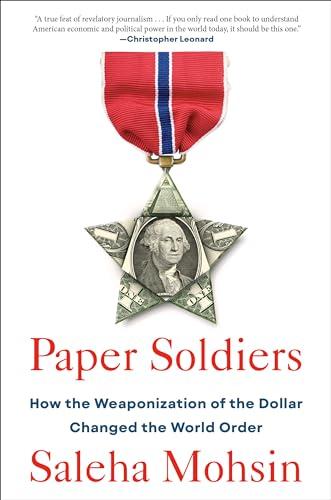
How the Weaponization of the Dollar Changed the World Order
The hosts examined the book as a lens for understanding how the United States has weaponized its currency, detailing its control over dollar access and transactions in cases such as sanctions on Russia and the seizure of Afghanistan's reserves. They discussed the broader implications of this power for the future of the dollar’s role as a global reserve currency. The conversation highlighted the book’s relevance to current geopolitical financial strategies.
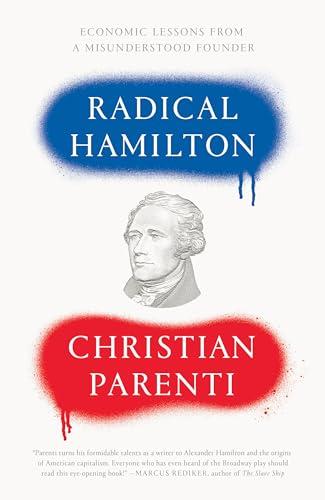
Economic Lessons from a Misunderstood Founder
The episode highlighted the book as an exploration of Alexander Hamilton's lesser‑known advocacy for state‑directed investment in domestic manufacturing, placing his ideas within the broader economic context of his era. Hosted by a professor from John Jay College, the discussion noted the author's focus on the misunderstood aspects of Hamilton’s vision, offering listeners a nuanced perspective on industrial policy.
The book was referenced during a discussion about whether the liberal democratic order still holds as the ultimate societal model, with the guest noting they were halfway through it and found it interesting. The conversation highlighted recent geopolitical events that appear to challenge Fukuyama's thesis, suggesting a possible shift away from the "end of history" mindset. Overall, the episode treated the title as a thought‑provoking backdrop rather than a definitive guide.
The book was mentioned as a reference for a discussion on the end of the 'end of history' era. It explores the idea of liberal democracy as the ultimate expression of society, but the podcast guest argued that recent events have challenged this thesis.
I'm like halfway through the Fukuyama book right now. I started reading it about two weeks ago. Setting aside whether it's right or wrong, it's a very interesting book.
It's evident that deterrence didn't work for Putin invading Ukraine. It's evident that deterrence didn't work for Hamas and then perhaps what's going on with Hezbollah against Israel, big question mark, whether deterrence is enough for maintaining the status quo with Taiwan. These are all questions that you have to ask yourself. The end of the end of history, for me, means, do we have to have a completely different security architecture in the immediate aftermath of the in the Cold War period?
In the post-World War Two period, we had NSC-68, which said we need to develop the H-bomb, we need to be able to fight two and a half wars and we ended up not doing deterrence, we ended up fighting multiple wars in order to enforce the liberal democratic order. I worry that we're moving back into an era where the end of the end of history means that we can't just, as my friend Neil Ferguson says, talk softly and carry a big stick, that we'll have to actually use the use the stick.
I think this cohort of policymakers in the mainstream, certainly of US policymakers, believes that the post-Cold War architecture either doesn't really demand the US to do that much or deterrence is enough, but it's evident that deterrence didn't work for Putin invading Ukraine.
In Fukuyama's telling, liberal democracy is like the logical endpoint for society, that's the ultimate sort of the expression of society with the least internal contradictions and so what you're saying now is like actually there is competition, there are people and there are countries, etc., maybe there is a different way. Listen, surveys of the global south and if you don't trust the surveys, just look at what the leadership does, whether it's Brazil or India, they're not taking sides, they're seeing the dialectic between liberal democracy and illiberal tendencies and they are not so sure about signing up with the post-Cold War liberal order, just by revealed preference. So you're seeing this play out in real time in a very important way, even with allies who we've hugged closer in certain spheres, like like India. So I think this is a real you're seeing the manifestation of it right in front of your right in front of our eyes.
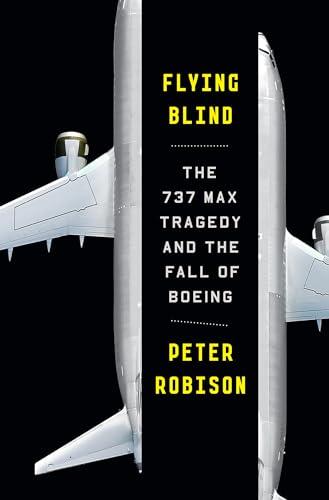
The 737 MAX Tragedy and the Fall of Boeing
It was referenced while discussing Boeing's cultural shift and safety issues, noting that the book provided a detailed account of the 737 MAX tragedy and the company's decline. The hosts used it to illustrate how the focus on shareholders eroded engineering standards.
Note: The book recommendations on this page are discovered automatically from podcast transcripts, and may be incorrect or incomplete.
Podcast Name