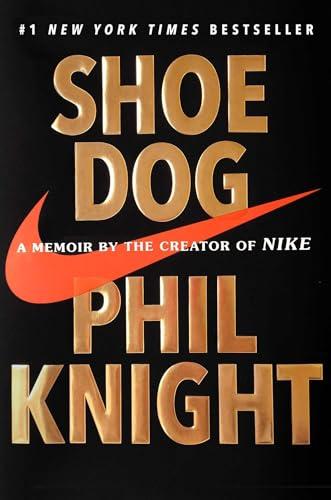
Shoe Dog
Phil Knight
Mentioned 4 months ago
Alison Roman's Plan to Conquer the Tomato Sauce Market

Bloomberg's Joe Weisenthal and Tracy Alloway explore the most interesting topics in finance, markets and economics. Join the conversation every Monday and Thursday.
Recently mentioned
Phil Knight
Mentioned 4 months ago
Alison Roman's Plan to Conquer the Tomato Sauce Market
M. F. K. Fisher
Mentioned 4 months ago
Alison Roman's Plan to Conquer the Tomato Sauce Market
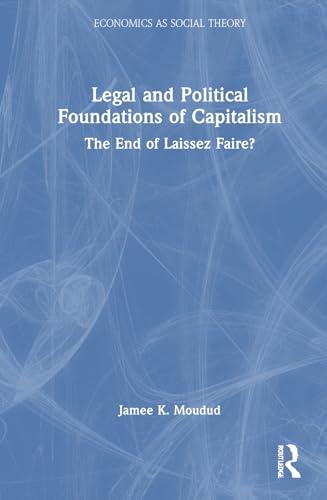
Jamee K. Moudud
Mentioned 5 months ago
Jamee Moudud on the Intellectual Roots of Zohranomics

Herman Melville
Mentioned 11 months ago
Joseph Torigian on Xi Zhongxun and Elite Chinese Communist Party Politics
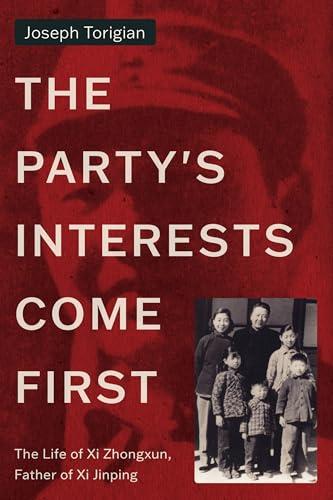
Joseph Torigian
Mentioned 11 months ago
Joseph Torigian on Xi Zhongxun and Elite Chinese Communist Party Politics
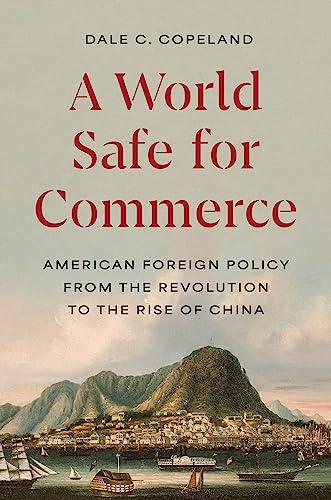
Dale C. Copeland
Mentioned 11 months ago
How a Trade War With China Could Become a Hot War
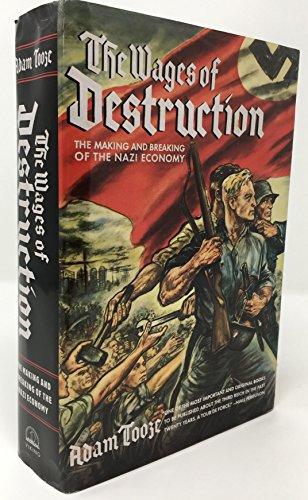
Adam Tooze
Mentioned 11 months ago
How a Trade War With China Could Become a Hot War
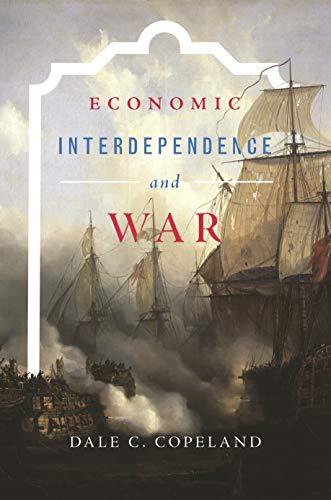
Dale C. Copeland
Mentioned 11 months ago
How a Trade War With China Could Become a Hot War
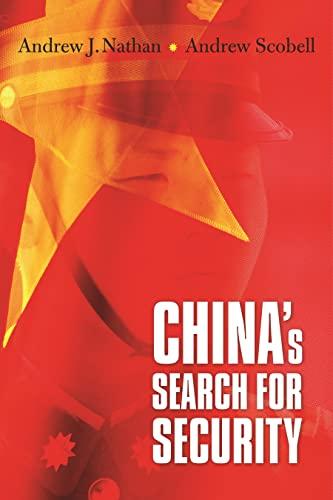
Andrew J. Nathan
Mentioned 11 months ago
How a Trade War With China Could Become a Hot War
Dr Federica Amati
Mentioned 11 months ago
What 300 Years of Firewood Prices Say About the Economy
Anne Korin
Mentioned 11 months ago
What 300 Years of Firewood Prices Say About the Economy

Gareth A. S. Edwards
Mentioned 11 months ago
How to Prepare for a Post-Dollar World with Inigo Fraser Jenkins
The book was cited by the hosts to illustrate complex leadership dynamics, comparing the captain's obsession to political figures and drawing parallels with historical energy sources like whale oil. One host used it as an analogy for the relationship between a leader and a cautious subordinate, while the other mentioned it sparked interest in 19th‑century energy transitions. Both references were informal and used mainly to support broader discussion points.
The book was frequently referenced by one of the hosts to draw analogies with the relationship dynamics discussed in the biography of Xi Zhongxun and the Chinese Communist Party leadership. The host noted the complexity of the relationship between the captain (Ahab/Mao) and the first mate (Starbuck/Xi Zhongxun), who raised cautious objections but ultimately complied with the leader's dangerous pursuit.
Have I mentioned to you that I've recently read the book Moby Dick?
It's hard not to read the book about your book, Joseph, without thinking of the character Starbuck, isn't it?
And also, like Xi Zhongshun, Starbuck isn't clearly a hero or a villain, right?
One of the speakers mentioned reading this book and how it made them interested in energy transitions in the 1800s, particularly concerning whale oil as an energy source that was completely eliminated.
Now I'm going to be the guy who brings up Moby Dick in every conversation.
Because I've been reading Moby Dick.
The book was described as a dense and somewhat boring read, yet it was praised for its coverage of behavioral biases and market fundamentals. It was highlighted because Buffett and Munger famously read it, though one guest felt its focus on antiquated bond strategies made it feel disconnected from today’s markets.
It was mentioned as a book that someone picked up over 20 years ago. It was mentioned as a book that Buffett and Munger read, which was referenced as the reason someone picked it up. They felt it was disconnected from the modern market because of its focus on the Brooklyn Rail bond.
I remember when I was over 20 years ago and I first got interested in markets picking up the intelligent investor because of course Buffett and Munger ran into it and reading is like if you buy the Brooklyn Rail bond yielding 8% I was like what is this? I just thought it seemed so disconnected from it. I mean I'm sure there's a lot of deep wisdom and I probably should have internalized it but just in terms of what they were talking about it seemed so funny because of how antique it all seemed.
It was described as a dense and boring read, but it contains information about behavioral biases and how markets work. The speaker noted that it discusses behavioral finance and how markets work.
which is honestly it's kind of a dense read and it's kind of boring.
But there's a lot of it in there that talks about behavioral biases and how.
The Hidden Role of Chance in Life and in the Markets (Incerto)
The book was highlighted by Taleb as a way to illustrate how journalists should scale their coverage to match the true magnitude of events, such as a stock market crash. Later, Joe Weisenthal referenced it to describe the physical signs, like a pallor, that appear when someone suffers a large financial loss. Both mentions used the title to underscore the hidden influence of randomness on perception and behavior.
It was referenced for a specific comment about how someone's face looks different after losing a lot of money. It was mentioned that Taleb talks about how someone's hormones change after a large loss.
I remember in a fluid by randomness, Taleb talks about watching all of like the hormones of someone who just lost a lot of money like pour out and how pale they look. Right. He had a specific comment about that.
The speaker mentioned this book when discussing how journalists often fail to adjust the scale of their coverage to match the scale of actual events, like a stock market crash.
Like, for example, people in journalism, and this I wrote about in Fooled by Randomness, you should have newspapers, or they say lengths of newspapers. Now we don't have newspapers, but you understand what I mean. They should be on days like the stock market crash or on the last couple of weeks, newspapers should be that big. And the rest of the time should be half a page.
This nonfiction book about cod was mentioned as an example of a single-commodity book, similar to the firewood research discussed.
So have you read cod?
— Episode: What 300 Years of Firewood Prices Say Ab...
This nonfiction book about cod was mentioned as an example of a single-commodity book, similar to the firewood research discussed.
So have you read cod?
Yes, That's a, that's a nonfiction though, right?
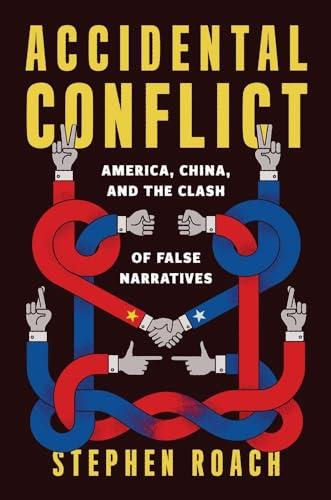
America, China, and the Clash of False Narratives
Stephen Roach discusses his book 'Accidental Conflict', warning about the dangers of the current US-China relationship and emphasizing that both nations have poisoned their relationship with politically expedient false narratives. He also highlights how the relationship has shifted from mutual trust to distrust, making it susceptible to an escalation leading to war. Roach also touches on the increasing tension between the US and China, particularly with respect to national security concerns and the potential for a new Cold War. He argues that China's ambition in technological innovation and its application to military capabilities should not be exaggerated as a threat. He also touches on the idea of the US building its own industrial capacity for strategic independence from China and argues that this approach may lead to a self-fulfilling prophecy of a more adversarial relationship. Roach also discusses the need for the US to reduce its budget deficit to lessen dependence on foreign savings.
I think that there has been a lot of exaggeration of the so-called security threat from China certainly they are moving ahead aggressively in the area of technological change and innovation and they'r...
— Episode: Stephen Roach Warns of Disaster From Our...
Stephen Roach discusses his book 'Accidental Conflict', warning about the dangers of the current US-China relationship and emphasizing that both nations have poisoned their relationship with politically expedient false narratives. He also highlights how the relationship has shifted from mutual trust to distrust, making it susceptible to an escalation leading to war. Roach also touches on the increasing tension between the US and China, particularly with respect to national security concerns and the potential for a new Cold War. He argues that China's ambition in technological innovation and its application to military capabilities should not be exaggerated as a threat. He also touches on the idea of the US building its own industrial capacity for strategic independence from China and argues that this approach may lead to a self-fulfilling prophecy of a more adversarial relationship. Roach also discusses the need for the US to reduce its budget deficit to lessen dependence on foreign savings.
I think that there has been a lot of exaggeration of the so-called security threat from China certainly they are moving ahead aggressively in the area of technological change and innovation and they're applying these breakthroughs to their military capabilities as you would expect any leading power to do but I think personally we I've looked at a lot of this very carefully wrote about it in my last book called Accidental Conflict where I lay out the thesis that a lot of the national security concerns that have been expressed by politicians and by executive branch officials either in the Trump or the Biden administration are false narratives based on the presumption of intent on the part of China they cannot really be validated I mean just take electric vehicles I mean we had the spectacle of a commerce secretary Gina Raimondo a warning that if China was for some motive that she was unable to articulate felt like it they could transform Chinese made EVs presuming that they were allowed to be sold in the US into vehicular weapons of mass destruction and there's just absolutely no credible evidence of that and you could argue the same thing with respect to and I have a Huawei on 5G telecommunications even tiktok in terms of the allegations that tiktok as you know corrupted you know the minds of innocent young teenagers we've got concerns that have been raised over dock loading cranes that are made in China that you know with the flick of a switch that the Chinese could disable all of our dock loading infrastructure you have an FBI director Christopher Ray who's been negative on China as long as I can remember who's absolutely convinced that in China has a stranglehold on America's utility infrastructure and again with just a flip of a switch from Beijing our entire public utility system will come to a halt our politicians are eager and aggressive to warn of consequences based on the presumption of intent that they have not been able and are unwilling to validate and I know that's an unpopular view to hold in this bipartisan era of what I've called Sinophobia but I've never seen in my adult lifetime an adversary that's been so vilified as we are now vilifying the Chinese so I find it very worrisome.
Well again I'm not trying to sell my book because you know it's been out for a while but I did write a book called Accidental Conflict and you know why? That doesn't sound good.
That's just the title of the log. One of the things in the book Joe is look both nations are prone to politically expedient false narratives that they framed about the other and that has really poisoned their relationship. We don't trust the Chinese for a second and they don't trust us either. They are convinced that we want to bring them down. There's certainly a lot of evidence that supports their view as well. And so when you have this relationship that's gone from initially back in the 90s and early 2000s from a relationship built on mutual trust to now a relationship that's built on mutual distrust it doesn't take much of a spark to trigger a very worrisome escalation that could lead to outright war.
I think the time to take these concerns seriously is now before it is too late we've got to come up with a better way a new way to frame our relationship with China to avoid the specter of Accidental Conflict and I write about that.
I have my own approach that I articulate in the book that I'm again not trying to sell on this podcast but read chapter 14 and you'll see in all of its core detail.
A Hazardous Road for the World Economy
Stephen Roach mentions Richard Koo's book 'Balance Sheet Recession' as a reference to the economic situation in Japan during their lost decades.
You alluded to the auto area that was a major issue of contention we've negotiated some voluntary export restraints on Japan and then in Japan who you know we had a very close security relationship wi...
— Episode: Stephen Roach Warns of Disaster From Our...
Stephen Roach mentions Richard Koo's book 'Balance Sheet Recession' as a reference to the economic situation in Japan during their lost decades.
You alluded to the auto area that was a major issue of contention we've negotiated some voluntary export restraints on Japan and then in Japan who you know we had a very close security relationship with which is of course very different than our current situation with China.
Japan was eager to shift some of its domestic auto production into the United States through building and investing in American made facilities using American workers and so we all ended up buying Japanese cars but you know they were produced in the United States but I think the end game was quite tough for Japan.
You know Japan went from a growth miracle to a growth bust went through arguably three lost decades of near economic stagnation considerable amount of which was an outgrowth of the currency policy that we and other developed nations imposed on Japan they voluntarily agreed to it but that triggered a series of policy blunders that led to asset bubbles and you said you spoke with Richard Koo the balance sheet recession that he's written so eloquently about that really left Japan flat on its back for as I said nearly three lost decades so Japan didn't end around in moving production of the US and then was you know effectively neutered as an economic power by these lost decades and so it didn't end all that well for Japan.
How Money & Markets Really Work
The book covers topics like how money and markets really work, and provides illustrations and diagrams to help explain complex economic concepts.
She's also a Bloomberg opinion contributor. She's been on the podcast before. And congrats on the book, Kyla.
— Episode: Lots More with Kyla Scanlon on the Econo...
The book covers topics like how money and markets really work, and provides illustrations and diagrams to help explain complex economic concepts.
She's also a Bloomberg opinion contributor. She's been on the podcast before. And congrats on the book, Kyla.
I have to say I love this title. In This Economy, How Money and Markets Really Work.
And I think too, like I spent a lot of time trying to understand the history of the economy because I felt like that was really important to include in some of the beginning chapters. Like how did we get here?
By the way, I see your book in this economy. Number one bestseller in the business encyclopedias.
And then I'm reading The Material World by Ed Conway. And that's been really fun.
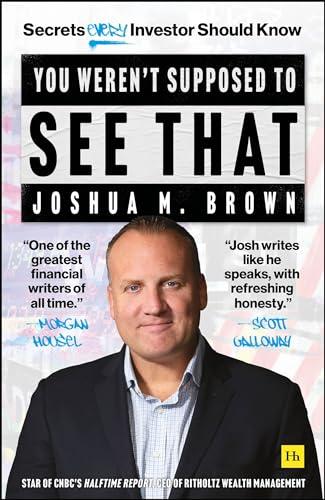
Secrets Every Investor Should Know
It is a new book by Josh Brown that was mentioned at the end of the podcast. No other details were provided.
He's the author of a brand new book. Secrets every investor should know.
— Episode: How Josh Brown Created A Financial Media...
It is a new book by Josh Brown that was mentioned at the end of the podcast. No other details were provided.
He's the author of a brand new book. Secrets every investor should know.
one of the things I talk about in the new book is there was no safety net.
Energy Independence Through Fuel Choice
This book, written by the same author as the book about cod, was brought up as another example of a single-commodity study.
And then the same author wrote a book called salt.
— Episode: What 300 Years of Firewood Prices Say Ab...
This book, written by the same author as the book about cod, was brought up as another example of a single-commodity study.
And then the same author wrote a book called salt.
A Memoir by the Creator of Nike
This autobiography was cited as a great example when discussing the difficulties of financial scaling and needing capital to take a business to the next level, such as securing bigger factories.
One of my favorite books I've read is the autobiography of the Nike founder, Phil Knight. Shoe Dog.
— Episode: Alison Roman's Plan to Conquer the Tomat...
This autobiography was cited as a great example when discussing the difficulties of financial scaling and needing capital to take a business to the next level, such as securing bigger factories.
One of my favorite books I've read is the autobiography of the Nike founder, Phil Knight. Shoe Dog.
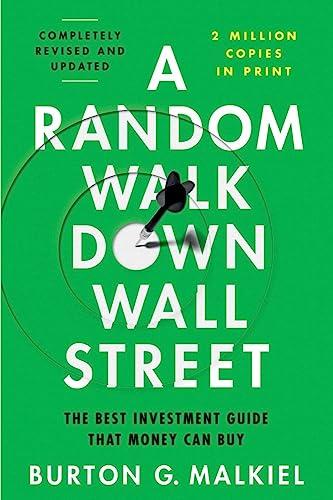
The Best Investment Guide That Money Can Buy
The book, mentioned in the context of market efficiency, was referenced to support the idea that market bubbles and corrections are cyclical and eventually burst. The guest, John Rogers, stated that Malkiel's work illustrates how these bubbles and bursts occur.
if you go and read the famous book by Bert Malkiel or random walk down Wall Street, he always explains and shows you these bubbles and how they burst.
— Episode: Ariel Investments' John Rogers on How Yo...
The book, mentioned in the context of market efficiency, was referenced to support the idea that market bubbles and corrections are cyclical and eventually burst. The guest, John Rogers, stated that Malkiel's work illustrates how these bubbles and bursts occur.
if you go and read the famous book by Bert Malkiel or random walk down Wall Street, he always explains and shows you these bubbles and how they burst.
How Radical Adaptability Separates the Best from the Rest
The New World, by Brett Christophers, focuses on the impacts of the new world on the economy. It was mentioned in passing, without any specific details about the book's contents.
Joe and I recently had a conversation with Brett Christophers, who just published a book called The New World, and he's going to talk about what's going on in the world today.
— Episode: Orsted's Americas CEO on Fixing What Wen...
The New World, by Brett Christophers, focuses on the impacts of the new world on the economy. It was mentioned in passing, without any specific details about the book's contents.
Joe and I recently had a conversation with Brett Christophers, who just published a book called The New World, and he's going to talk about what's going on in the world today.
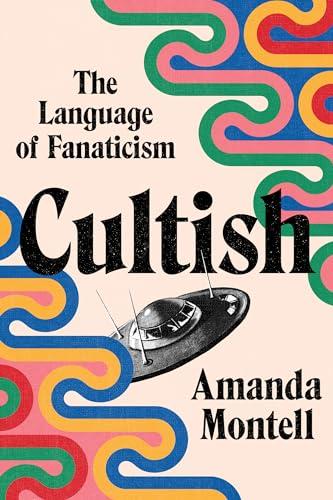
The Language of Fanaticism
The book is about cults and how they started up.
And then I just finished Cultish, which is about like cults and how they started up.
— Episode: Lots More with Kyla Scanlon on the Econo...
The book is about cults and how they started up.
And then I just finished Cultish, which is about like cults and how they started up.
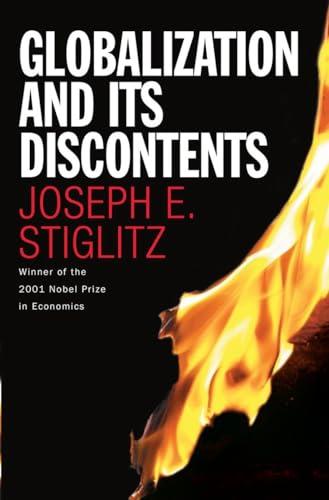
It was a critical study of international institutions and their functions. He found it groundbreaking for its lack of inevitability when it came to policy choices.
But Globalization and Its Discontents was the first time I had read an actual critical study of some of these institutions and I thought it was so good. I was like, oh hey, these were...
— Episode: Joseph Stiglitz on How to Build Shock-Pr...
It was a critical study of international institutions and their functions. He found it groundbreaking for its lack of inevitability when it came to policy choices.
But Globalization and Its Discontents was the first time I had read an actual critical study of some of these institutions and I thought it was so good. I was like, oh hey, these weren't inevitable by any means and we can have a discussion over what it is they do and how they should function.
And going back to the book globalization discontents one of my discontents with that book was I didn't give the view my view is about what could be done and I wrote a sequel called making globalization work and in that sequel I discussed some aspects of this issue I pointed out that Germany had become excessively dependent on machine gas and you know it may be the president Bush looked in the eyes of Putin and said he's somebody I can trust a lot of other people looked at his eyes and came to other conclusions and whether you did or not trust Putin it was a risk and putting all your eggs in that basket was just a mistake so the question was that I wanted to pose more generally was are markets efficiently resilient.
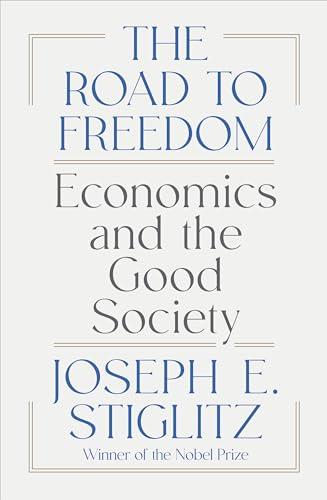
Economics and the Good Society
It discussed how the neoliberal framework, which dominated for forty years, failed to deliver on its promises, leading to slower growth and less well-being. He argued it was a failed economic philosophy that led to the wrong direction.
So Professor Stiglitz, thank you so much for coming on all thoughts.
— Episode: Joseph Stiglitz on How to Build Shock-Pr...
It discussed how the neoliberal framework, which dominated for forty years, failed to deliver on its promises, leading to slower growth and less well-being. He argued it was a failed economic philosophy that led to the wrong direction.
So Professor Stiglitz, thank you so much for coming on all thoughts.
So I have to say your book actually featured in one of my most annoying and overconfident international relations essays of all time where I wrote that Stiglitz made a fair criticism of international institutions but he should have gone even further.
And he has a new book out now as well. It is called The Road to Freedom, Economics and the Good Society.
But one of the reasons we wanted to have you on the show was not necessarily because of the new book although it looks really interesting but you also just published a working paper over at the Federal Reserve and it's called Our Supply Networks Efficiently Resilient. How did that get on your radar?
Very much I mean neoliberalism you have left neoliberalism and right neoliberalism but it was basically neoliberalism it failed GDP didn't even grow faster it grew more slowly after 1980 when it became the dominant doctrine growth was slow most of the growth that did occur went to the very top there was more insecurity less well-being as we've been talking about it and there's a mini rebellion going on unfortunately it's a rebellion that is grounded in anger but not analysis so the easy answer to why things haven't done gone well is others Americans might complain about unfair trade agreements we hadn't signed those unfair trade agreements if we weren't paying more than our fair share if we didn't have those immigrants and each it plays out in different ways in different countries but it's basically the same blame others rather than looking inward and say you know we didn't get our economic philosophy our economic our economics right and that's really one of the central messages of my new book The Road to Freedom the the right wing people like Hayek and Friedman said that if you only add unfettered markets forget about negative externalities forget about positive externalities everything works out fine the market is you know worship at the at the market everybody's going to be better off growth will be higher trickle down economics will make sure everybody will be the same we were duped by a failed economic philosophy and what makes me you might say almost angry about this thing is that at the time it went into ascendancy to say with Reagan in 1980 we'd already proven that those ideas were wrong we had already shown we talked to earlier today about how economists analyze the economy and we've shown that unfettered markets do not deliver on societal well-being and we explained why and they ignored all that now we have 40 years of evidence of seeing wide extra when I what I try to write about it in this book The Road to Freedom they thought this free enterprise would lead to not only more efficient markets but also to political freedom but the growth of authoritarianism is seen most in places where there's not too much government but too little government and where government he hasn't done enough so my claim is it was this neoliberalism wasn't really freeing as it claimed was going to was bringing us exact in the wrong direction.
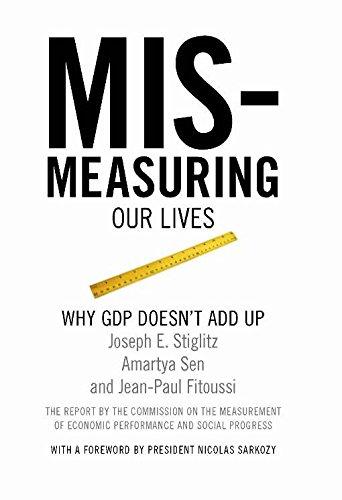
Why GDP Doesn't Add Up
It argued that GDP is not a good measure of well-being, as it only measures market output and fails to capture other important aspects of well-being, such as health, leisure, and security.
I'm glad you asked that because that's a question I've done a lot of research I did a book called Mismeasuring Our Lives why GDP doesn't add up where I tried with a group of I was a c...
— Episode: Joseph Stiglitz on How to Build Shock-Pr...
It argued that GDP is not a good measure of well-being, as it only measures market output and fails to capture other important aspects of well-being, such as health, leisure, and security.
I'm glad you asked that because that's a question I've done a lot of research I did a book called Mismeasuring Our Lives why GDP doesn't add up where I tried with a group of I was a chair of a co-chair of an international commission on the measurement of economic performance and social progress and our commission concluded very strongly that GDP was not a good measure of well-being it was a measure of market output but that's not the same as well-being we delineated ways in which there were major deficiencies we advocated that there's not a single measure that could capture anything as complex as ourselves or what makes us well off or our society but we should have a dashboard and you name several of the things obviously we want material consumption is part of it what we call GDP but health is another in terms of health the US has a lower life expectancy than in almost any other advanced country and one that's lower today than it was a number of years ago in spite of the fact that we're doing the best research in this area we value our leisure then as you say in european really value their leisure we value security that's why we have social security one of the things that we clearly have gotten wrong in many cases as we say oh be more efficient for the economy get our GDP if we kept back on social security well if you come back and social security you make people more anxious more uncertain so what if GDP goes up a little bit people are are all worried about what's going to happen in the last third of their lives you know that's pending wise and powerful as they used to say so to me well-being is really what we ought to be focusing on there are a number groups that have attempted to measure in various ways well-being and interestingly the united states while we are close to the top on GDP per capita are not at the top anywhere near the top on well-being in almost any of these studies.
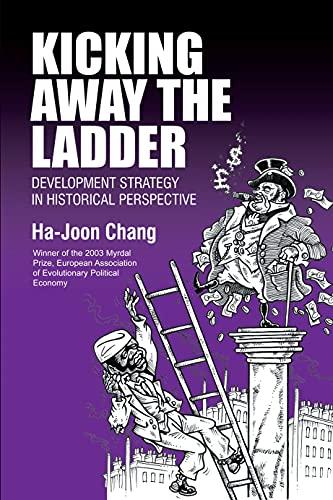
Development Strategy in Historical Perspective
It discussed how the US grew by taking ideas from Europe but then tried to prevent other countries from catching up.
Well we're in a new world now where the US is after 40 years of telling everybody not to engage industrial policy is now saying yeah we're going to do it too but the developing countries can't do it o...
— Episode: Joseph Stiglitz on How to Build Shock-Pr...
It discussed how the US grew by taking ideas from Europe but then tried to prevent other countries from catching up.
Well we're in a new world now where the US is after 40 years of telling everybody not to engage industrial policy is now saying yeah we're going to do it too but the developing countries can't do it on scale and so what I've been advocating is that we still have to keep the principles that were there in the forming of the trade rules which is trying to keep a level playing field and the question is how do you keep a level playing field it's very hard but one of the ways you do that is sharing technology particularly for protecting the environment so if the US developed a new tech green technology through industrial policy and gave it a competitive advantage over other countries it should share some of that knowledge at least with the developing countries to keep a moral level playing field otherwise we're back in the law of the jungle.
Well we're in a new world now where the US is after 40 years of telling everybody not to engage industrial policy is now saying yeah we're going to do it too but the developing countries can't do it on scale and so what I've been advocating is that we still have to keep the principles that were there in the forming of the trade rules which is trying to keep a level playing field and the question is how do you keep a level playing field it's very hard but one of the ways you do that is sharing technology particularly for protecting the environment so if the US developed a new tech green technology through industrial policy and gave it a competitive advantage over other countries it should share some of that knowledge at least with the developing countries to keep a moral level playing field otherwise we're back in the law of the jungle one of the other things I wanted to ask you again as someone whose work often dwells on the social benefits of particular economic systems how should we measure the success of a particular economy because one of the things you often hear is like okay well US GDP has been doing phenomenally well in recent years at least relative to other countries but on the other hand we're dealing with a decreasing life expectancy and things like that and one of the reasons I asked this question is because I got off the phone with my mom yesterday and she's embarking on her annual six-week holiday as someone who's employed in continental Europe and that sounds nice that's not something that US workers have so how should we be measuring what an economy should be doing for people.
Well we're in a new world now where the US is after 40 years of telling everybody not to engage industrial policy is now saying yeah we're going to do it too but the developing countries can't do it on scale and so what I've been advocating is that we still have to keep the principles that were there in the forming of the trade rules which is trying to keep a level playing field and the question is how do you keep a level playing field it's very hard but one of the ways you do that is sharing technology particularly for protecting the environment so if the US developed a new tech green technology through industrial policy and gave it a competitive advantage over other countries it should share some of that knowledge at least with the developing countries to keep a moral level playing field otherwise we're back in the law of the jungle one of the other things I wanted to ask you again as someone whose work often dwells on the social benefits of particular economic systems how should we measure the success of a particular economy because one of the things you often hear is like okay well US GDP has been doing phenomenally well in recent years at least relative to other countries but on the other hand we're dealing with a decreasing life expectancy and things like that and one of the reasons I asked this question is because I got off the phone with my mom yesterday and she's embarking on her annual six-week holiday as someone who's employed in continental Europe and that sounds nice that's not something that US workers have so how should we be measuring what an economy should be doing for people I'm glad you asked that because that's a question I've done a lot of research I did a book called mismeasuring our lives why GDP doesn't add up where I tried with a group of I was a chair of a co-chair of an international commission on the measurement of economic performance and social progress and our commission concluded very strongly that GDP was not a good measure of well-being it was a measure of market output but that's not the same as well-being we delineated ways in which there were major deficiencies we advocated that there's not a single measure that could capture anything as complex as ourselves or what makes us well off or our society but we should have a dashboard and you name several of the things obviously we want material consumption is part of it what we call GDP but health is another in terms of health the US has a lower life expectancy than in almost any other advanced country and one that's lower today than it was a number of years ago in spite of the fact that we're doing the best research in this area we value our leisure then as you say in european really value their leisure we value security that's why we have social security one of the things that we clearly have gotten wrong in many cases as we say oh be more efficient for the economy get our GDP if we kept back on social security well if you come back and social security you make people more anxious more uncertain so what if GDP goes up a little bit people are are all worried about what's going to happen in the last third of their lives you know that's pending wise and powerful as they used to say so to me well-being is really what we ought to be focusing on there are a number groups that have attempted to measure in various ways well-being and interestingly the united states while we are close to the top on GDP per capita are not at the top anywhere near the top on well-being in almost any of these studies.
Well we're in a new world now where the US is after 40 years of telling everybody not to engage industrial policy is now saying yeah we're going to do it too but the developing countries can't do it on scale and so what I've been advocating is that we still have to keep the principles that were there in the forming of the trade rules which is trying to keep a level playing field and the question is how do you keep a level playing field it's very hard but one of the ways you do that is sharing technology particularly for protecting the environment so if the US developed a new tech green technology through industrial policy and gave it a competitive advantage over other countries it should share some of that knowledge at least with the developing countries to keep a moral level playing field otherwise we're back in the law of the jungle one of the other things I wanted to ask you again as someone whose work often dwells on the social benefits of particular economic systems how should we measure the success of a particular economy because one of the things you often hear is like okay well US GDP has been doing phenomenally well in recent years at least relative to other countries but on the other hand we're dealing with a decreasing life expectancy and things like that and one of the reasons I asked this question is because I got off the phone with my mom yesterday and she's embarking on her annual six-week holiday as someone who's employed in continental Europe and that sounds nice that's not something that US workers have so how should we be measuring what an economy should be doing for people I'm glad you asked that because that's a question I've done a lot of research I did a book called mismeasuring our lives why GDP doesn't add up where I tried with a group of I was a chair of a co-chair of an international commission on the measurement of economic performance and social progress and our commission concluded very strongly that GDP was not a good measure of well-being it was a measure of market output but that's not the same as well-being we delineated ways in which there were major deficiencies we advocated that there's not a single measure that could capture anything as complex as ourselves or what makes us well off or our society but we should have a dashboard and you name several of the things obviously we want material consumption is part of it what we call GDP but health is another in terms of health the US has a lower life expectancy than in almost any other advanced country and one that's lower today than it was a number of years ago in spite of the fact that we're doing the best research in this area we value our leisure then as you say in european really value their leisure we value security that's why we have social security one of the things that we clearly have gotten wrong in many cases as we say oh be more efficient for the economy get our GDP if we kept back on social security well if you come back and social security you make people more anxious more uncertain so what if GDP goes up a little bit people are are all worried about what's going to happen in the last third of their lives you know that's pending wise and powerful as they used to say so to me well-being is really what we ought to be focusing on there are a number groups that have attempted to measure in various ways well-being and interestingly the united states while we are close to the top on GDP per capita are not at the top anywhere near the top on well-being in almost any of these studies so we're recording this july 1st just yesterday there was an election in france in which the nationalist party or the right wing party did really well there seems to be this trend and you could say with brexit and trump and you know various things going around the world of countries voters specifically seeming to reject internationalism free trade whatever you want to call it in various flavors and i'm sure there are numerous causes and we could debate that for our cultural whatever but what do you see happening when you look at these things is it has there been a failure of governments in rich countries to deliver the benefits of economic growth to citizens like when you look at this and this sort of rejections of some of the last 40 50 years what do you see happening very much i think the dominant economic framework of the last 40 years which is neoliberalism you have left neoliberalism and right neoliberalism but it was basically neoliberalism it failed GDP didn't even grow faster it grew more slowly after 1980 when it became the dominant doctrine growth was slow most of the growth that did occur went to the very top there was more insecurity less well-being as we've been talking about it and there's a mini rebellion going on unfortunately it's a rebellion that is grounded in anger but not analysis so the easy answer to why things haven't done gone well is others Americans might complain about unfair trade agreements we hadn't signed those unfair trade agreements if we weren't paying more than our fair share if we didn't have those immigrants and each it plays out in different ways in different countries but it's basically the same blame others rather than looking inward and say you know we didn't get our economic philosophy our economic our economics right and that's really one of the central messages of my new book the road to freedom the the right wing people like Hayek and Friedman said that if you only add unfettered markets forget about negative externalities forget about positive externalities everything works out fine the market is you know worship at the at the market everybody's going to be better off growth will be higher trickle down economics will make sure everybody will be the same we were duped by a failed economic philosophy and what makes me you might say almost angry about this thing is that at the time it went into ascendancy to say with Reagan in 1980 we'd already proven that those ideas were wrong we had already shown we talked to earlier today about how economists analyze the economy and we've shown that unfettered markets do not deliver on societal well-being and we explained why and they ignored all that now we have 40 years of evidence of seeing wide extra when I what I try to write about it in this book the road to freedom they thought this free enterprise would lead to not only more efficient markets but also to political freedom but the growth of authoritarianism is seen most in places where there's not too much government but too little government and where government he hasn't done enough so my claim is it was this neoliberalism wasn't really freeing as it claimed was going to was bringing us exact in the wrong direction.
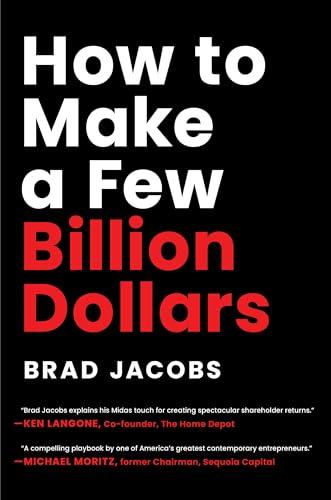
Brad Jacobs mentioned that he has a book with his playbook in it called 'How to Make a Few Billion Dollars', the title of which he described as being very modest. He went on to explain his playbook, which involves focusing on talent, moving fast and being decisive, not overpaying for acquisitions, and then thoroughly integrating the acquired companies.
Well, as you know, I actually have a book with the playbook in there.
— Episode: How Brad Jacobs Will Invest $4.5 Billion...
Brad Jacobs mentioned that he has a book with his playbook in it called 'How to Make a Few Billion Dollars', the title of which he described as being very modest. He went on to explain his playbook, which involves focusing on talent, moving fast and being decisive, not overpaying for acquisitions, and then thoroughly integrating the acquired companies.
Well, as you know, I actually have a book with the playbook in there.
Brad's book has also a very modest title, which is How to Make a Few Billion Dollars.
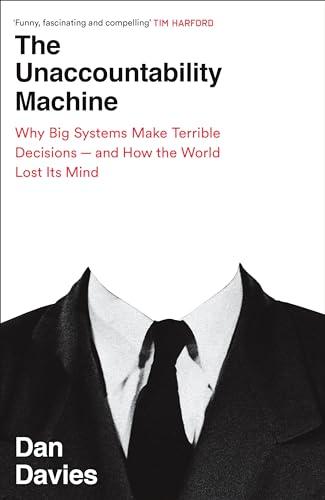
Dan Davies, author of "The Unaccountability Machine", explains how complex systems can lead to terrible decisions and a sense of societal madness. The book explores the concept of cybernetics and how the growth of complex systems can result in "accountability sinks" where responsibility for poor outcomes becomes diffused and difficult to pinpoint.
Dan talks about the field of study known as cybernetics, and the inevitable outcomes of systems that grow more and more complex.
— Episode: The Theory That Explains Why Everyone We...
Dan Davies, author of "The Unaccountability Machine", explains how complex systems can lead to terrible decisions and a sense of societal madness. The book explores the concept of cybernetics and how the growth of complex systems can result in "accountability sinks" where responsibility for poor outcomes becomes diffused and difficult to pinpoint.
Dan talks about the field of study known as cybernetics, and the inevitable outcomes of systems that grow more and more complex.
He is the author of the new book, The Unaccountability Machine, why big systems make terrible decisions and how the world lost its mind.
The Unaccountability Machine, I'm actually curious about the second half of the title, How the World Lost Its Mind, because I certainly feel like the world lost its mind, but I'm like a middle-aged boomer and I feel like, you know, anytime you get to my age, you're like, oh, the world's gone crazy. The world's gone mad.
Highly recommend everyone check out your book, The Unaccountability Machine.
Follow our guest, Dan Davies. He's the author of the book, The Unaccountability Machine. Why big systems make terrible decisions and how the world lost its mind. Go check it out.
Note: The book recommendations on this page are discovered automatically from podcast transcripts, and may be incorrect or incomplete.
Podcast Name