
Podcast
Odd Lots
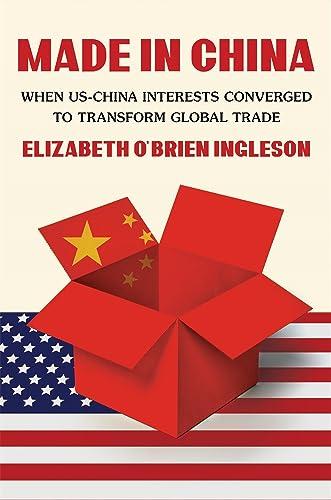
The book discusses how the US-China trade relationship developed in the 1970s, focusing on American entrepreneurs who first went into China and recognised its opportunity as an export powerhouse. It explores the motivations of these individuals, the obstacles they faced, and the broader economic and political context of the time. It also examines how the United States was undergoing its own transformations in the 1970s, such as the end of the Bretton Woods system and the rise of outsourcing manufacturing, which facilitated this trade relationship with China.
She was an architect in the early 1970s who was born in Shanghai, had family in Hong Kong, but had grown up in the United States. And she, when she sort of heard that Nixon was easing trade restrictio...
— Episode: The American Entrepreneurs Who First Ope...
Episode: The American Entrepreneurs Who First Opened The Ch...
The book discusses how the US-China trade relationship developed in the 1970s, focusing on American entrepreneurs who first went into China and recognised its opportunity as an export powerhouse. It explores the motivations of these individuals, the obstacles they faced, and the broader economic and political context of the time. It also examines how the United States was undergoing its own transformations in the 1970s, such as the end of the Bretton Woods system and the rise of outsourcing manufacturing, which facilitated this trade relationship with China.
She was an architect in the early 1970s who was born in Shanghai, had family in Hong Kong, but had grown up in the United States. And she, when she sort of heard that Nixon was easing trade restrictions, saw an opportunity to import from China.
And so she began through her connections in Hong Kong to import a whole range of different kinds of goods. So she was importing cheap owls and now coats and a whole range of things that were overtly Chinese.
And she very quickly made enough money that she was able to quit her day job. And she was one of a group of these small scale importers who really led the way in not only importing from China, but the result was that they were selling China to American consumers.
They were helping the larger diplomatic thought by easing American consumers and therefore American voters into engaging with China in a very new way.
And so in the early 1970s, one of the really important results of these importers was not only in the diplomatic and economic realms, but in the cultural shift instead of allowing for an acceptance of engagement with China.