Police Exam Prep 7th Edition
Kaplan Test Prep
Mentioned 4 months ago
1288: Test Prep | Skeptical Sunday

(Apple's Best of 2018) In-depth conversations with people at the top of their game. Jordan Harbinger unpacks guests' wisdom into practical nuggets you can use to impact your work, life, and relationships. Learn from leaders (Ray Dalio, Simon Sinek, Mark Cuban), entertainers (Moby, Tip "T.I." Harris,...
Recently mentioned
Kaplan Test Prep
Mentioned 4 months ago
1288: Test Prep | Skeptical Sunday

David Killoran
Mentioned 4 months ago
1288: Test Prep | Skeptical Sunday

Kaplan Test Prep
Mentioned 4 months ago
1288: Test Prep | Skeptical Sunday

Eve Ensler
Mentioned 5 months ago
1282: The Vagina | Skeptical Sunday
Richard Shotton
Mentioned 6 months ago
1273: Richard Shotton & MichaelAaron Flicker | Marketing to Human Minds
Derek Thompson
Mentioned 6 months ago
1273: Richard Shotton & MichaelAaron Flicker | Marketing to Human Minds
Milan Kundera
Mentioned 1 year ago
1042: Sex Trafficking | Skeptical Sunday
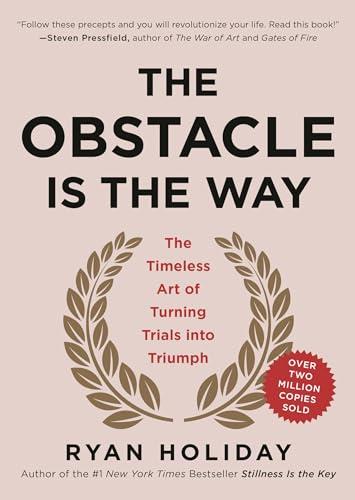
Ryan Holiday
Mentioned 1 year ago
1041: Groped In Your Sleep, Betrayal Runs Deep | Feedback Friday
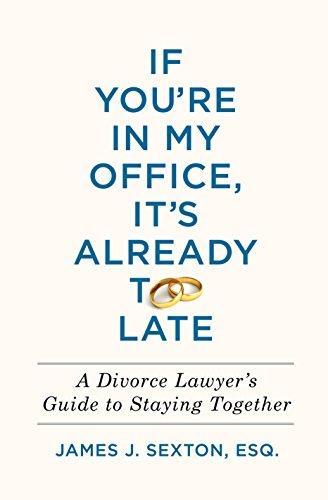
James J. Sexton
Mentioned 1 year ago
1035: James Sexton | A Divorce Lawyer's Guide to Lasting Love Part One
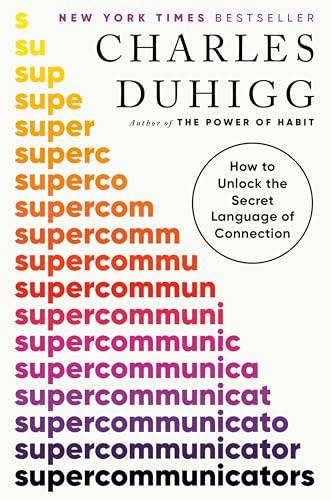
Charles Duhigg
Mentioned 1 year ago
1034: Fat-Free Foods | Skeptical Sunday
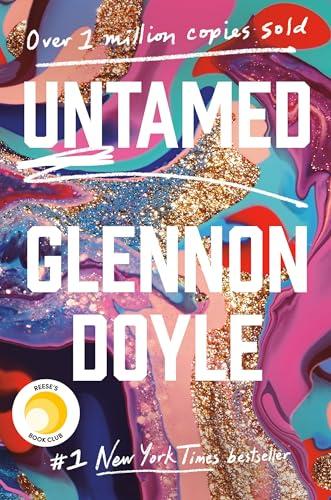
Glennon Doyle
Mentioned 1 year ago
1031: Sarah Hill | How Birth Control Rewires Women's Brains Part One

Toni Weschler
Mentioned 1 year ago
1031: Sarah Hill | How Birth Control Rewires Women's Brains Part One

A Blind Man's Journey to Climb Farther Than the Eye Can See
It was mentioned that Erik Weihenmayer, the podcast guest, wrote this book. It was discussed that he had a strong team that supported him, and he didn't give up on his dreams of climbing Everest.
I know you'd hated blindness at first because I think you'd mention this in the book or at least in one of the documentaries you said it represented helplessness and the unknown
— Episode: 288: Erik Weihenmayer | A Blind Man Sees...
It was mentioned that Erik Weihenmayer, the podcast guest, wrote this book. It was discussed that he had a strong team that supported him, and he didn't give up on his dreams of climbing Everest.
I know you'd hated blindness at first because I think you'd mention this in the book or at least in one of the documentaries you said it represented helplessness and the unknown
I think you'd said in the book it doesn't matter how many perfect steps you take if you make one mistake the mountain won't tolerate it
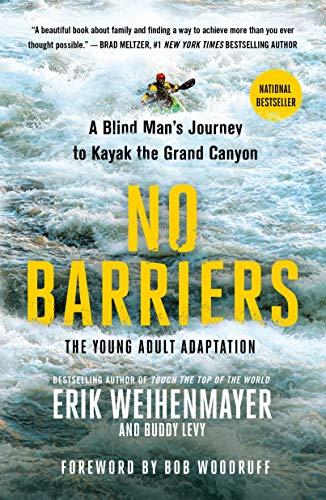
A Blind Man's Journey to Kayak the Grand Canyon
It was discussed that Erik Weihenmayer co-authored this book. It discussed the concept of uniting challenges to create a sense of shared experience among humanity and how to lean on each other to learn from our struggles.
Yeah for sure and I find humans are very similar you know kids going through any kind of struggle I mean you might be blind or you might struggle with depression I mean obviously those are different t...
— Episode: 288: Erik Weihenmayer | A Blind Man Sees...
It was discussed that Erik Weihenmayer co-authored this book. It discussed the concept of uniting challenges to create a sense of shared experience among humanity and how to lean on each other to learn from our struggles.
Yeah for sure and I find humans are very similar you know kids going through any kind of struggle I mean you might be blind or you might struggle with depression I mean obviously those are different things but when you get really deep down the feelings that you have about them the psychological stuff that happens around that challenge are very very similar and so one of the premises behind No Barriers is to unite that umbrella group of challenges and say hey you know when we have successes we feel pretty proud and egotistical but when we have challenge it's kind of something that unites us as human beings and how do you lean into each other and try to figure out how to learn from each other you know to learn some cool things about each other about each other's challenges and also figure out what we all have in common what every human being has in common when you struggle through life
I hated being removed from things and you're at 100% right I hated being looked down on I have to admit that you know it is ego but it would like feel like you know people were sort of treating you like they felt sorry for you and they had gloves on and you were maybe the way I described it No Barriers was like you're like an egg that had cracked in the hallway and everyone's sort of stepping around it you know kind of awkwardly what do I do here
It was mentioned as a book that introduced the concept of uniting different kinds of challenges and encouraging individuals to learn and grow from them.
one of the premises behind No Barriers is to unite that umbrella group of challenges and say hey you know when we have successes we feel pretty proud and egotistical but when we have challenge it's kind of something that unites us as human beings and how do you lean into each other and try to figure out how to learn from each other you know to learn some cool things about each other about each other's challenges and also figure out what we all have in common what every human being has in common when you struggle through life that to me is a super powerful feeling
It was mentioned as a book that he co-authored, which likely explores the theme of overcoming challenges and breaking through perceived limitations.
Yeah for sure and I find humans are very similar you know kids going through any kind of struggle I mean you might be blind or you might struggle with depression I mean obviously those are different things but when you get really deep down the feelings that you have about them the psychological stuff that happens around that challenge are very very similar and so one of the premises behind No Barriers is to unite that umbrella group of challenges and say hey you know when we have successes we feel pretty proud and egotistical but when we have challenge it's kind of something that unites us as human beings and how do you lean into each other and try to figure out how to learn from each other you know to learn some cool things about each other about each other's challenges and also figure out what we all have in common what every human being has in common when you struggle through life that to me is a super powerful feeling to walk away from a trip with that kind of connection with these kids we visited you know disability schools and in that area in a school for the deaf and to be honest American kids no matter what your disability is you're pretty darn fortunate.
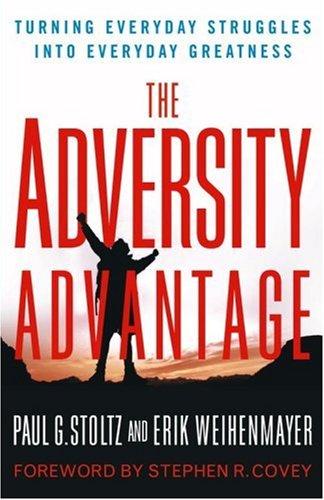
Turning Everyday Struggles into Everyday Greatness
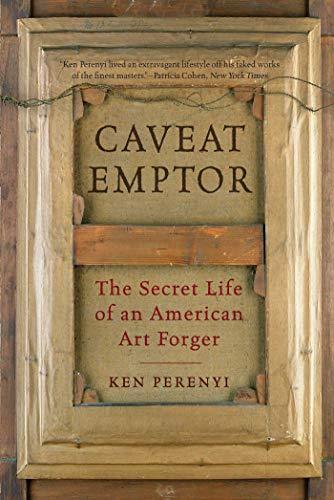
It was mentioned as the book where Ken Perenyi, a former art forger, detailed his 34-year career and how he fooled experts with his forgeries of old masters.
reading your book, caveat and tour it wasn't super surprising that you kind of started off as a student who didn't really care about school daydream to lot.
— Episode: 282: Ken Perenyi | The Secret Life of an...
It was mentioned as the book where Ken Perenyi, a former art forger, detailed his 34-year career and how he fooled experts with his forgeries of old masters.
reading your book, caveat and tour it wasn't super surprising that you kind of started off as a student who didn't really care about school daydream to lot.
and kind of half jokingly said read the story and maybe you could do the same thing. Maybe you could make some fakes and sell them because Tom noted that my style of painting had the stamp of the old masters in all the technique that I incorporated and everything I did.
the book went into the basic principles of how he made forgery.
So it was very basic. Again, I guess in the brishness of youth I followed the instructions that I in the book and I made my first fake.
the book title is caveat emtor grace idol for somebody who wrote a book about forgery and selling forgeries links to that will be in the show notes
Ken Perenyi's book, "Caveat Emptor", was mentioned as an account of his life as a former art forger, detailing how he learned and perfected the techniques of forgery and the lengths to which he went to deceive art experts.
reading your book, caveat and tour it wasn't super surprising that you kind of started off as a student who didn't really care about school daydream to lot.
It recounted the history of a famous art forgery named Van Migrin who worked in the 1940s and he was very successfully paint.
He created Dutch masters cracked them, aged them and he sold them and made a lot of money for himself.
Tom gave me this book and kind of half jokingly said read the story and maybe you could do the same thing.
the book went into the basic principles of how he made forgery.
Ken Perenyi's book, 'Caveat Emptor', detailed his 34-year career as a successful art forger, including his techniques and the people he encountered along the way.
reading your book, caveat and tour it wasn't super surprising that you kind of started off as a student who didn't really care about school daydream to lot.
Tom gave me this book and kind of half jokingly said read the story and maybe you could do the same thing. Maybe you could make some fakes and sell them because Tom noted that my style of painting had the stamp of the old masters in all the technique that I incorporated and everything I did.
the book went into the basic principles of how he made forgery.
the fake has to be above all logical and what I used to do was when I targeted a particular artist for my work I did a lot of research I spent a lot of money on books on that particular artist I would cut out every print that was significant to my work out of the book and throw the book away I got large sheets of foam board and I created what I called a visual flow chart of the artist's work so I could see the evolution of his work in one glance and I would look for an area in that evolution where I could create another painting that would be on that same wavelength that would have the same characteristics so that an expert could look at it and logically place that painting in a certain time and place in the artist's work and that takes a lot of research and a lot of contemplation and study that's what success is all about I always said that if you want a fooling expert you have to have all the knowledge that the expert has and more to be able to make a high-class fake and sell it and that's what I did
the book title is caveat emtor grace idol for somebody who wrote a book about forgery and selling forgeries links to that will be in the show notes there's also worksheets for each episode including this once you can review what you've learned here from Ken perennie
Snow Days, Bakery Air, Finding Money in Your Pocket, and Other Simple, Brilliant Things
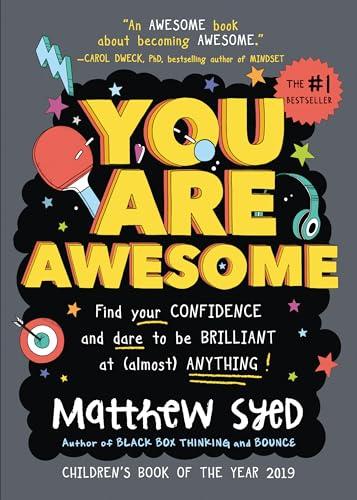
An Uplifting and Interactive Growth Mindset Book for Kids and Teens - Find Your Confidence and Dare to be Brilliant at (Almost) ... Gifts, Middle School Graduation Gifts)
It was discussed throughout the episode, particularly the concepts of 'lose more to win more' and the 'failure budget'. It was described as helping people navigate change and failure, and live a more intentional life.
I have a chapter in 'You Are Awesome' called 'lose more to win more'.
— Episode: 277: Neil Pasricha | You Are Awesome
It was discussed throughout the episode, particularly the concepts of 'lose more to win more' and the 'failure budget'. It was described as helping people navigate change and failure, and live a more intentional life.
I have a chapter in 'You Are Awesome' called 'lose more to win more'.
The concept of my new book, 'You Are Awesome', came from an untouchable day.
It's published in some HBR books. I'm like this is gotta be a chapter in the book because there isn't ingredient to curing some of the anxiety that we're suffering.
The book title is 'You Are Awesome'. He's got multiple books, so look for 'You Are Awesome: How to Navigate Change, Wrestle with Failure, and Live an Intentional Life'.
The reason the book's called 'You Are Awesome', by the way, it's because I'm trying to tell people on run you really are.
It was discussed in depth during the podcast, particularly in relation to the concepts of failure, resilience, and navigating through life's challenges. It contains a chapter on 'lose more to win more'.
I lay out all the other blogs I tried along the way and they were endless mess ups.
So what I would say to you about your book is you know what? Your first book might stink but your fourth book might be awesome and you won't know that till you get the first one out.
I have a chapter in 'You Are Awesome' called lose more to win more.
I brought a whole chapter about it in the new book how to do it, how to design.
The book title is 'You Are Awesome', he's got multiple books, so look for 'You Are Awesome: How to Navigate Change, Wrestle with Failure, and Live an Intentional Life'.
It was discussed at length throughout the episode, including the main thesis "lose more to win more", and was recommended as a good read to overcome anxiety.
I lay out all the other blogs I tried along the way and they were endless mess ups.
So what I would say to you about your book is you know what? Your first book might stink but your fourth book might be awesome and you won't know that till you get the first one out.
I have a chapter in You Are Awesome called lose more to win more.
I'm trying to tell people on run you really are and we are looking at Instagram too much is what you started us on it's right we're thinking we're lesser than we're looking at everyone else's greatest hits we think we stink and I want to read people of that thinking.
how to navigate change wrestle with failure and live an intentional life
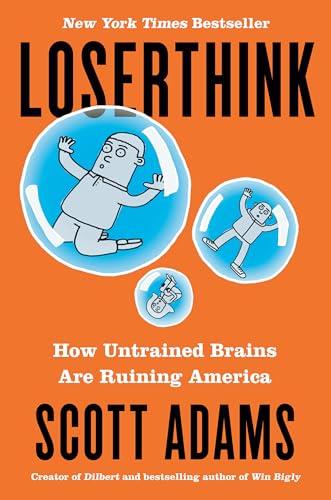
How Untrained Brains Are Ruining America
It was discussed as a guide to avoid unproductive thinking and identify mental traps that can lead to poor decision-making, especially in a world saturated with misinformation.
His new book is called Loser Think, How Untrained Brains Are Ruining America.
— Episode: 273: Scott Adams | How Untrained Brains...
It was discussed as a guide to avoid unproductive thinking and identify mental traps that can lead to poor decision-making, especially in a world saturated with misinformation.
His new book is called Loser Think, How Untrained Brains Are Ruining America.
I was just using your example of or your idea to hey take a photo of this page of the book when someone engages in loser think, show them the page that it's from and it will take emotion out of the equation.
People don't like to be shown that they're wrong but you have to admit that showing them a printed book that somebody thought was worth publishing gives it a little bit of under credibility.
So loser think isn't about being uninformed it's about unproductive thinking right?
If you have certainty about a complicated issue that should be a little little signal that maybe maybe you should back that up a little bit maybe you should have a little less certainty a little more humility and that's something I talk about as well.
It was discussed as a way of thinking that can lead to unproductive outcomes, due to untrained brains and flawed mental models, and how to counter it.
His new book is called Loser Think, How Untrained Brains Are Ruining America.
So loser think the news great title by the way, I'm sure that's one of those where people think ah I do that I'm going to pick that up.
I was just using your example of or your idea to hey take a photo of this page of the book when someone engages in loser think, show them the page that it's from and it will take emotion out of the equation.
People don't like to be shown that they're wrong but you have to admit that showing them a printed book that somebody thought was worth publishing gives it a little bit of under credibility.
Yeah, so loser think isn't about being uninformed it's about unproductive thinking right?
It was discussed as a way of thinking that can lead to unproductive paths, using examples of bad thinking techniques and ways to fix them.
So loser think the news great title by the way, I'm sure that's one of those where people think ah I do that I'm going to pick that up.
I was just using your example of or your idea to hey take a photo of this page of the book when someone engages in loser think, show them the page that it's from and it will take emotion out of the equation.
Yeah, well it's better than saying here's everything that's wrong with your thoughts and then they go well I don't like you so now I'm going to poke holes and that is just like you should read this page and find out what is objectively wrong with your line of reasoning.
So loser think isn't about being uninformed it's about unproductive thinking right?
I love this from the book because it explains so much of what's going on in public discourse yeah if you have no good argument just say well you're saying that because you're a racist or you're saying that because you're uneducated there's a million ways to do that instead of just saying here's all these reasons that you're actually wrong.
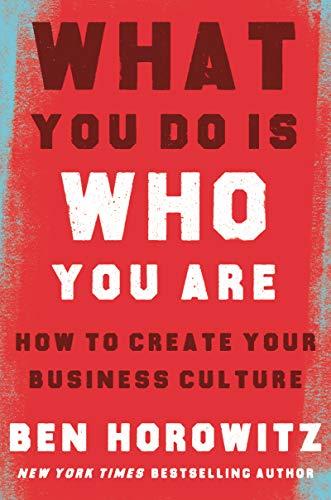
How to Create Your Business Culture
It was mentioned as Ben Horowitz's latest book, exploring how to create a thriving business culture using historical examples.
And if you want to know how I managed to book guests like Ben Horowitz, I've got a crazy network and I want to teach you how to do the same.
— Episode: 270: Ben Horowitz | What You Do Is Who Y...
It was mentioned as Ben Horowitz's latest book, exploring how to create a thriving business culture using historical examples.
And if you want to know how I managed to book guests like Ben Horowitz, I've got a crazy network and I want to teach you how to do the same.
his new book is titled What You Do Is Who You Are How To Create Your Business Culture will link to that in the show notes as we always do
It was mentioned as Ben Horowitz's latest book, focusing on creating a business culture and using historical examples to illustrate business principles.
I did notice the reading both books you've got some street in you you know you quote a little rap here and there hip hop here and there.
I think that that might sound a little bit like corporate speak here but today we're going to explore what the Haitian slave revolt can teach us about running a business.
The new book uses history like the Haiti slave revolt and takes corporate culture ideas and notes out of history, which is a really interesting way to look at corporate culture.
People may like or not like the book but you have not read a business book like this.
I thought that this part of the book was worth the price of admission for the book period like if it was just that yeah I thought it was incredible.
It was the primary focus of the podcast episode, and it delves into the creation of a business culture using historical examples from a variety of sources.
I will say this like people may like or not like the book but you have not read a business book like this.
I thought that this part of the book was worth the price of admission for the book period like if it was just that yeah I thought it was incredible.
his new book is titled What You Do Is Who You Are How To Create Your Business Culture
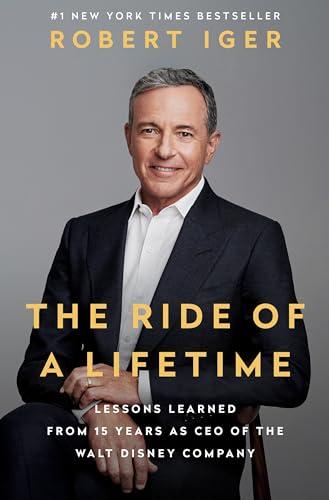
Lessons Learned from 15 Years as CEO of the Walt Disney Company
It was mentioned that Bob Iger, CEO of Disney, recently wrote a book called 'The Ride of a Lifetime'.
Bob Eiger interesting guy he's really a company he's very very accomplished yeah accomplish you can be yeah I mean he's the chairman of Disney or the president of the no chairman CEO Disney and he has...
— Episode: 267: Brian Grazer | The Art of Human Con...
It was mentioned that Bob Iger, CEO of Disney, recently wrote a book called 'The Ride of a Lifetime'.
Bob Eiger interesting guy he's really a company he's very very accomplished yeah accomplish you can be yeah I mean he's the chairman of Disney or the president of the no chairman CEO Disney and he has been he just wrote a book himself called right of a lifetime I'm now selling his book
Bob Iger's book, 'Right of a Lifetime', was discussed in the context of it being a recent release and was also mentioned in relation to Brian Grazer's own book.
he just wrote a book himself called Right of a Lifetime
It was mentioned briefly that Bob Iger had written a book, which was released around the same time as Brian Grazer's book, and was being sold.
he just wrote a book himself called right of a lifetime I'm now selling his book
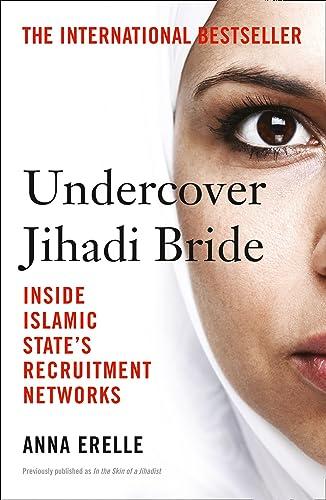
Inside Islamic State's Recruitment Networks
It was mentioned as the book Mubin co-authored, which discusses his experiences as an undercover counter-terrorism operative and the Toronto 18 terrorist plot, and its origins.
Mubin Shaikh is... the co-author of*Undercover Jihadi: Inside the Toronto 18 -- Al Qaeda Inspired, Homegrown Terrorism in the West*.
— Episode: 261: Mubin Shaikh | Up Close with an Und...
It was mentioned as the book Mubin co-authored, which discusses his experiences as an undercover counter-terrorism operative and the Toronto 18 terrorist plot, and its origins.
Mubin Shaikh is... the co-author of*Undercover Jihadi: Inside the Toronto 18 -- Al Qaeda Inspired, Homegrown Terrorism in the West*.
It was mentioned as a book co-authored by Mubin Shaikh about his experience as an undercover counter-terrorism operative, specifically focusing on the Toronto 18 and their plot to attack Canadian Parliament.
Mubin Shaikh is... the co-author of*Undercover Jihadi: Inside the Toronto 18 -- Al Qaeda Inspired, Homegrown Terrorism in the West*.
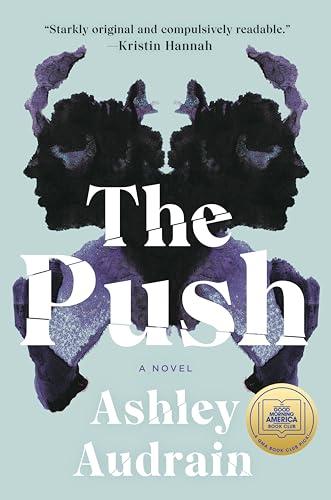
A Novel
Tommy Caldwell's book, "The Push," was mentioned as a product of his experiences and journey in rock climbing, specifically the Dawn Wall climb, and was discussed as being available for purchase.
the book is called The Push available where wherever fine books are sold
— Episode: 255: Tommy Caldwell | The Push for the P...
Tommy Caldwell's book, "The Push," was mentioned as a product of his experiences and journey in rock climbing, specifically the Dawn Wall climb, and was discussed as being available for purchase.
the book is called The Push available where wherever fine books are sold
Tommy Caldwell's book, 'The Push', was mentioned as detailing his journey as a climber and his pursuit of mastery in the face of adversity.
the book is called The Push available where wherever fine books are sold
Tommy Caldwell's book, 'The Push', was mentioned as being about his journey and experiences in rock climbing, including his overcoming various challenges and obstacles.
the book is called The Push available where wherever fine books are sold
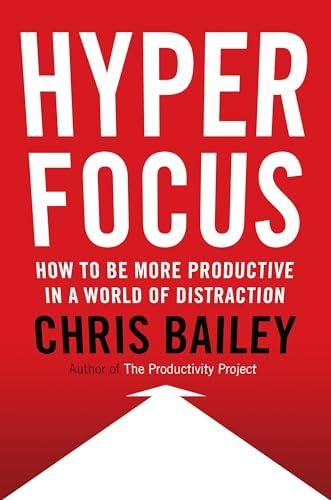
How to Be More Productive in a World of Distraction
It was discussed that the average person can focus for only 40 seconds before getting distracted, with this decreasing when a phone is present. The book explores this and offers solutions for improving focus and productivity.
Hyperfocus was pretty interesting for me, Chris because it was a little shocking. First of all that we can work for an average of 40 seconds in front of our computer before getting di...
— Episode: 247: Chris Bailey | Hyperfocus Secrets f...
It was discussed that the average person can focus for only 40 seconds before getting distracted, with this decreasing when a phone is present. The book explores this and offers solutions for improving focus and productivity.
Hyperfocus was pretty interesting for me, Chris because it was a little shocking. First of all that we can work for an average of 40 seconds in front of our computer before getting distracted.
And I thought there's no way that's true. I'm going to time myself and I didn't really make it much further than that.
So it was a little bit depressing. I hate throwing that word around, but I thought for sure I'm super productive.
And so I went in deep into the research and that 42nd study was one of them that I encountered is conducted by a team of researchers at Microsoft, Mary Sherwin, Skis, Shams, Yikbal.
And so I thought, okay, I'm going to fly out to Microsoft's research campus just to see how they conduct this study.
It was discussed how the average person can only focus for about 40 seconds before becoming distracted, and the concept of "scatterfocus" was introduced as a way to combat this.
Hyperfocus was pretty interesting for me, Chris because it was a little shocking. First of all that we can work for an average of 40 seconds in front of our computer before getting distracted.
And I thought there's no way that's true. I'm going to time myself and I didn't really make it much further than that.
So it was a little bit depressing. I hate throwing that word around, but I thought for sure I'm super productive.
The whole book is hyper focused and then it's like, but also sometimes you should probably not do this at all and you call this in the book scatter focus letting our mind wander.
Chris thank you so much for all of this this is very useful and practical which I like and hyper focus has a lot of it's a lot of practicals and not a lot of like kids these days which I feel a lot of productivity books or focus books are often like rants and there's not a whole lot of how to fix it and this book is different.
It was discussed that the average person can only focus for 40 seconds at a time before getting distracted. It also delves into 'scatterfocus', which is the opposite of hyperfocus, and how it can be used to help solve complex problems.
Hyperfocus was pretty interesting for me, Chris because it was a little shocking. First of all that we can work for an average of 40 seconds in front of our computer before getting distracted.
And I thought there's no way that's true. I'm going to time myself and I didn't really make it much further than that.
So it was a little bit depressing. I hate throwing that word around, but I thought for sure I'm super productive.
But then there are the other moments where our mind is off somewhere else and maybe the listener has experienced one or two of these as you've been listening just because this is the way our mind is wired.
The whole book is hyper focused and then it's like, but also sometimes you should probably not do this at all and you call this in the book scatter focus letting our mind wander.
Accomplishing More by Managing Your Time, Attention, and Energy
It was mentioned that 40% of everything we do every day is pure autopilot. The book discusses how to initiate and follow through with habits.
In fact, 40% of everything we do every single day is pure autopilot.
— Episode: 247: Chris Bailey | Hyperfocus Secrets f...
It was mentioned that 40% of everything we do every day is pure autopilot. The book discusses how to initiate and follow through with habits.
In fact, 40% of everything we do every single day is pure autopilot.
autopilot mode is actually quite handy because we can initiate any habit and then we can follow through with that habit.
Surviving and Thriving with the Self-Absorbed
The book, written by a narcissism expert, offers strategies and tools to help readers identify, understand, and navigate relationships with narcissists, as well as to determine if someone is merely self-absorbed or truly narcissistic.
The original title for my book was going to be 'A Nightmare in Shining Armor'.
— Episode: 246: Wendy Behary | Disarming the Narcis...
The book, written by a narcissism expert, offers strategies and tools to help readers identify, understand, and navigate relationships with narcissists, as well as to determine if someone is merely self-absorbed or truly narcissistic.
The original title for my book was going to be 'A Nightmare in Shining Armor'.
In 1963, adolescents are asked if they considered themselves important. 12% said yes. 30 years later, in 1993, that percentage had risen to 80.
The more individualistic the culture, the more narcissistic people tend to be.
If you're growing up in a home where again there is very little unconditional love and love or praise or whatever you want to call it, acceptance is based on your performance.
I always say give me the surgeon who has worked his butt off, her butt off to overcompensate by being the best of the best.
The book provides strategies and tools to identify narcissistic traits and behaviours, helping to differentiate between common selfishness and clinical narcissism.
The original title for my book was going to be 'A Nightmare in Shining Armor'. I thought that was a little too dark.
In 1963, adolescents are asked if they considered themselves important. 12% said yes. 30 years later, in 1993, that percentage had risen to 80.
I always say give me the surgeon who has worked his butt off, her butt off to overcompensate by being the best of the best.
So I say this so often in my treatment room when my narcissistic clients are saying things like, 'So I'm supposed to feel bad that I'm doing so well?'
I'm not your assistant, so it's got to stop.
The book discussed how to identify the difference between narcissistic traits and clinical narcissism, as well as the various types of narcissism, including malignant and covert.
The original title for my book was going to be 'A Nightmare in Shining Armor'. I thought that was a little too dark.
In 1963, adolescents are asked if they considered themselves important. 12% said yes. 30 years later, in 1993, that percentage had risen to 80.
I'm not letting them off the hook by saying they're unaware. I'm saying what they're doing, the driver behind that is 'I am going to do whatever it takes to make myself look good'.
So give me the surgeon who has worked his butt off, her butt off, to overcompensate by being the best of the best. I just want them to be the best technician when I go under anesthesia and I'm being operated on.
They can be very charming and appear to be these amazing superheroes, oh my knight in shining armor.
An Inside Look at How the Criminal Justice System Works...and Sometimes Doesn't
The book, co-authored by Mark Geragos, provides an insider's perspective on how the criminal justice system functions, and sometimes malfunctions, which was discussed in relation to the Mueller investigation.
He is the co-author of Mistrial: An Inside Look at How the Criminal Justice System Works...and Sometimes Doesn't.
— Episode: 243: Mark Geragos | How Celebrities Stay...
The book, co-authored by Mark Geragos, provides an insider's perspective on how the criminal justice system functions, and sometimes malfunctions, which was discussed in relation to the Mueller investigation.
He is the co-author of Mistrial: An Inside Look at How the Criminal Justice System Works...and Sometimes Doesn't.
It was co-authored by Mark Geragos and provided an inside look at how the US criminal justice system functions and sometimes fails to function.
He is the co-author of Mistrial: An Inside Look at How the Criminal Justice System Works...and Sometimes Doesn't.
Master Hard Skills, Outsmart the Competition, and Accelerate Your Career
It was discussed as a method for accelerating skill mastery, particularly in areas like computer science and languages, and was highlighted as a response to the increasing cost and irrelevance of traditional education.
The book is called ultra learning we'll link to that in the show notes of course
— Episode: 241: Scott Young | Ultralearning Your Wa...
It was discussed as a method for accelerating skill mastery, particularly in areas like computer science and languages, and was highlighted as a response to the increasing cost and irrelevance of traditional education.
The book is called ultra learning we'll link to that in the show notes of course
one of the main reasons that I wrote this book ultra learning was because I recognize that what is going on right now is that school is it's great you can get degrees like we were talking about earlier it can rubber stamp you from some professions but the costs are accelerating dramatically it's getting increasingly unaffordable
the difference between the people who have world class skills that are top performers and the people who are mediocre or are not able to do complex things is widening
what our assumptions are what our culture has baked in about what you need to do to succeed in life is based on this outdated notion that you just you know you work hard you get a job you get your seniority you get your paycheck and you will have a comfortable middle class life and that's what's disappearing
either you learn skills constantly you go into these sort of high skilled professions where you always have to be upgrading you always have to be adapting to change and learning new things or you fall out into this lower skilled end which is things like you know customer service representatives janitors clerks people who require social skills and they have to interact with people so it's not going to be automated and replaced by a machine but at the same time it's also not going to be a career that necessarily pays very well or gives you that much financial security for your future
It was discussed as a method of learning skills outside of traditional education, with examples of learning a computer science degree and several languages through focused effort.
I'm definitely not arguing that school is bad and that no one should ever go to school and that you should do this instead.
I think the problem is is a lot of people go into school unthinkingly so they're struggling in their career they this is kind of nebulous problem that they don't really know how to advance they don't know how to get promoted they don't know how to get the job they want so they say to themselves you know what I'm going to go back and do my masters or I'm going to go get an MBA and then a hundred thousand dollars later they find out that well actually doesn't get them that many better opportunities than they had before and they're kind of puzzled by that.
I think it's all about analyzing what actually drives progress in your career and sometimes that's going to be having that certificate.
I think there's sometimes a conflation between well you need to have a degree versus you need to be able to do the things that employers want to hire you for and sometimes a degree is the way to do that but I think this example illustrates it's not the only way of doing it.
I think a lot of people who are feeling maybe stuck in their career they go oh I need to go back and get my MBA or I need to go back and get another degree that's going to allow people to take me seriously. You take three, four years and your life is miserable during that time you get tens of thousands if not six figures in debt and then you're kind of no better off than you were before in many cases.
It was discussed as a method for accelerating one's career through skill acquisition outside of traditional education, particularly highlighting the author's MIT computer science curriculum challenge.
I'm definitely not arguing that school is bad and that no one should ever go to school and that you should do this instead but I think the problem is is a lot of people go into school unthinkingly.
I think it's all about analyzing what actually drives progress in your career and sometimes that's going to be having that certificate.
I think there's sometimes a conflation between well you need to have a degree versus you need to be able to do the things that employers want to hire you for and sometimes a degree is the way to do that but I think this example illustrates it's not the only way of doing it.
I recognize that what is going on right now is that school is it's great you can get degrees like we were talking about earlier it can rubber stamp you from some professions but the costs are accelerating dramatically it's getting increasingly unaffordable.
and at the same time the difference between the people who have world class skills that are top performers and the people who are mediocre or are not able to do complex things is widening.
You Can't Be Seen Until You Learn to See
Seth Godin's latest book, 'This Is Marketing', was discussed, emphasizing the idea that marketers should focus on serving their audience instead of forcing them to change.
what i write about in This Is Marketing is most marketers say i have a key show me the lock it fits hmm that's a really dumb way to get into the house yeah the smart way to say here's...
— Episode: 234: Seth Godin | Shining in the Light o...
Seth Godin's latest book, 'This Is Marketing', was discussed, emphasizing the idea that marketers should focus on serving their audience instead of forcing them to change.
what i write about in This Is Marketing is most marketers say i have a key show me the lock it fits hmm that's a really dumb way to get into the house yeah the smart way to say here's a lock why don't you go make a key that will open that that makes much more sense that is a service mindset both on empathy to say i'm not going to force you to change for me to serve you i'm going to go to who you are and where you are going and bring you something that you that you know you need
It was mentioned as Seth Godin's latest book, and it was said to be one of his 19 international bestsellers, and it was the subject of this podcast episode.
His latest is This Is Marketing: You Can't Be Seen Until You Learn to See.
It was discussed as a way for marketers to think differently about reaching audiences and creating something remarkable, instead of simply trying to fit into existing markets.
His latest is This Is Marketing: You Can't Be Seen Until You Learn to See.
what i write about in This Is Marketing is most marketers say i have a key show me the lock it fits

Japanese Wisdom for a Perfectly Imperfect Life
The concept of 'Wabi Sabi' was explained, referencing Leonard Koren's book. It was discussed in the context of accepting imperfection and valuing authenticity in one's work.
was actually a psychoanalyst in the United States Leonard I want to say a lessons corn wrote a book called Wabi Sabi in which he conflated two words Wabi and Sabi and basically I'm no...
— Episode: 234: Seth Godin | Shining in the Light o...
The concept of 'Wabi Sabi' was explained, referencing Leonard Koren's book. It was discussed in the context of accepting imperfection and valuing authenticity in one's work.
was actually a psychoanalyst in the United States Leonard I want to say a lessons corn wrote a book called Wabi Sabi in which he conflated two words Wabi and Sabi and basically I'm not doing a literal translation one means depth and one means nature and one implies handmade it's the reality of use
It was mentioned as a book that conflated two Japanese words, Wabi and Sabi, to describe the beauty of imperfection and the natural world.
was actually a psychoanalyst in the United States Leonard I want to say a lessons corn wrote a book called Wabi Sabi in which he conflated two words Wabi and Sabi and basically I'm not doing a literal translation one means depth and one means nature and one implies handmade it's the reality of use and so
It was discussed as a Japanese aesthetic concept related to the beauty of imperfection and natural processes, which was contrasted with the artificial perfection often sought in media and entertainment.
Wabi Sabi correct me if I'm wrong is where the is a Japanese art form worth they sort of do they deliberately break the pot and then glue it together with gold or does it just there is a thing it starts with a K I can never yeah that's called okay
was actually a psychoanalyst in the United States Leonard I want to say a lessons corn wrote a book called Wabi Sabi in which he conflated two words Wabi and Sabi and basically I'm not doing a literal translation one means depth and one means nature and one implies handmade it's the reality of use
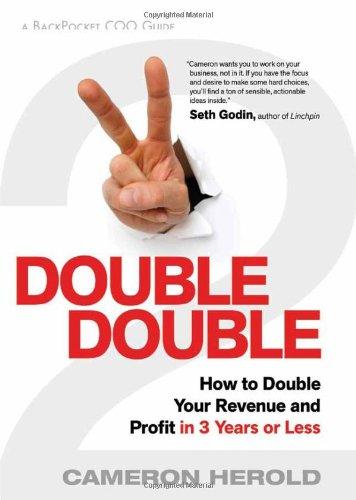
How to Double Your Revenue and Profit in 3 Years of Less
It was discussed as a resource for understanding the emotional ups and downs of entrepreneurship, including the 'CEO disease' and how it could be leveraged as a superpower.
I would even say versus Double Double I cover this in the book the miracle morning for entrepreneurs
— Episode: 229: Cameron Herold | Making the Most of...
It was discussed as a resource for understanding the emotional ups and downs of entrepreneurship, including the 'CEO disease' and how it could be leveraged as a superpower.
I would even say versus Double Double I cover this in the book the miracle morning for entrepreneurs
and is probably better applicable for anyone who's listening or watching today
women are really good at talking and sharing and communicating
and I don't know whether it's that that old story that we've heard that you know 10,000 years ago the women were out gathering and they would be communicating and talking and sharing with each other
and men had to be very quiet and stoic because we were trying to hunt an animal and if we were out talking and sharing we'd scare them all away
It was discussed how the book details the entrepreneurial roller coaster, including the five stages of the curve: uninformed optimism, informed pessimism, crisis of meaning, crash and burn, and informed optimism/hopeful realization.
I would even say versus Double Double, I cover this in the book The Miracle Morning for Entrepreneurs.
and probably the curve and or the book Double Double at least or this chapter of the book into the hands of those people
women are really good at talking and sharing and communicating and I don't know whether it's that that old story that we've heard that you know 10,000 years ago the women were out gathering and they would be communicating and talking and sharing with each other and men had to be very quiet and stoic because we were trying to hunt an animal and if we were out talking and sharing we'd scare them all away so men were always inside and women were always communicating and sharing and that kept the animals away right it protected them I don't know if that's true but we're good but women tend to share like women talk to each other and they communicate about their fears and their worries and their insecurities and their frustrations and they kind of work through it all and then they come back into their relationships guys need to tap into that a little bit more and be okay with that
women tend to have a better social network than the men do and the men tend to be more workaholics than the women are women tend to disconnect and spend time and take care of themselves take care of you know family take care of friends and relationships they tend to be much better at compartmentalizing their business and and men tend to I think make it there everything which is to their detriment
I think if you're listening or watching this right now and you're going this is me then the key thing for you to do is get this show and probably the curve and or the book Double Double at least or this chapter of the book into the hands of those people
It was discussed as a resource for understanding the entrepreneurial roller coaster, particularly the emotional ups and downs faced by entrepreneurs and how those around them are impacted.
I think if you're listening or watching this right now and you're going this is me then the key thing for you to do is get this show and probably the curve and or the book Double Double at least or this chapter of the book into the hands of those people so they can go ah got it
women are really good at talking and sharing and communicating
guys need to tap into that a little bit more and be okay with that
I think it's starting more it feels to me like it's starting more or maybe I'm just opening up to it more but it feels like men are more than we were maybe back in the 50s and our parents generation are 60s we don't have to pretend we ever shit together you know it's okay to say I'm going to a therapist
and realize that when you ask for help it's kind of like this can you help me when the person comes in it feels amazing right and we're also if you don't ask someone else for hug or for help you're kind of robbing them of the chance to help you right

Life Behind Bars in America
It was mentioned as a book written by a man who spent 26 years in prison and earned a master's degree while incarcerated, highlighting a successful example of productive prison time.
wrote a very popular book called Inside life behind bars in america the same martin's press brought out he wrote it from prison
— Episode: 226: Justin Paperny | Lessons From Priso...
It was mentioned as a book written by a man who spent 26 years in prison and earned a master's degree while incarcerated, highlighting a successful example of productive prison time.
wrote a very popular book called Inside life behind bars in america the same martin's press brought out he wrote it from prison
Michael Santos' book about his prison experience was referenced as a source of inspiration and encouragement for Justin Paperny. It showed how using time in prison productively can prepare someone for a better life.
my other mentor who had the most influence on me in my life probably as much as my father i could say his name is michael santo's who's served 26 years in prison he'd been in 22 years when i shook his hand got an undergraduate masters degree in prison wrote a very popular book called Inside life behind bars in america the same martin's press brought out he wrote it from prison
It was mentioned as the book that Michael Santos wrote while serving a 26-year sentence in prison, and it was noted that the author was still smiling after 22 years.
he'd been in 22 years when I shook his hand got an undergraduate masters degree in prison wrote a very popular book called Inside life behind bars in america the same martin's press brought out he wrote it from prison
Note: The book recommendations on this page are discovered automatically from podcast transcripts, and may be incorrect or incomplete.
Podcast Name