Police Exam Prep 7th Edition
Kaplan Test Prep
Mentioned 5 months ago
1288: Test Prep | Skeptical Sunday

(Apple's Best of 2018) In-depth conversations with people at the top of their game. Jordan Harbinger unpacks guests' wisdom into practical nuggets you can use to impact your work, life, and relationships. Learn from leaders (Ray Dalio, Simon Sinek, Mark Cuban), entertainers (Moby, Tip "T.I." Harris,...
Recently mentioned
Kaplan Test Prep
Mentioned 5 months ago
1288: Test Prep | Skeptical Sunday

David Killoran
Mentioned 5 months ago
1288: Test Prep | Skeptical Sunday

Kaplan Test Prep
Mentioned 5 months ago
1288: Test Prep | Skeptical Sunday

Eve Ensler
Mentioned 5 months ago
1282: The Vagina | Skeptical Sunday
Richard Shotton
Mentioned 6 months ago
1273: Richard Shotton & MichaelAaron Flicker | Marketing to Human Minds
Derek Thompson
Mentioned 6 months ago
1273: Richard Shotton & MichaelAaron Flicker | Marketing to Human Minds
Milan Kundera
Mentioned 1 year ago
1042: Sex Trafficking | Skeptical Sunday
Ryan Holiday
Mentioned 1 year ago
1041: Groped In Your Sleep, Betrayal Runs Deep | Feedback Friday
James J. Sexton
Mentioned 1 year ago
1035: James Sexton | A Divorce Lawyer's Guide to Lasting Love Part One
Charles Duhigg
Mentioned 1 year ago
1034: Fat-Free Foods | Skeptical Sunday
Glennon Doyle
Mentioned 1 year ago
1031: Sarah Hill | How Birth Control Rewires Women's Brains Part One
Toni Weschler
Mentioned 1 year ago
1031: Sarah Hill | How Birth Control Rewires Women's Brains Part One
Unlocking the Power of Friendship
It was mentioned as another helpful book that discusses how contemporary societal ideals of masculinity can hinder emotional intimacy and connection between men.
Another book that's supposed to be great is called Breaking the Male Code it's by Robert Garfield and he's a psychotherapist he talks about how our modern idea of masculinity leaves v...
— Episode: 442: Sextortion Scam Security for Naive...
It was mentioned as another helpful book that discusses how contemporary societal ideals of masculinity can hinder emotional intimacy and connection between men.
Another book that's supposed to be great is called Breaking the Male Code it's by Robert Garfield and he's a psychotherapist he talks about how our modern idea of masculinity leaves very little room for emotional intimacy that's exactly what we're just talking about I think this will be a really good read for you even if it just makes you realize why you enjoy being friends with women more
It was mentioned as a good book for those struggling with male friendships, focusing on how modern masculinity often limits emotional intimacy, which can impact relationships and lead to a preference for female companionship.
another book that's supposed to be great is called Breaking the Male Code it's by Robert Garfield and he's a psychotherapist he talks about how our modern idea of masculinity leaves very little room for emotional intimacy
Dark Money and the Science of Deception
It discussed how corporations and industries utilize misleading or false science, often paid for by the companies themselves, to cast doubt on the dangers of their products to delay regulations or avoid liability, often to the detriment of public health.
There are two sides to every story, but there are not necessarily two valid sides to every story -- especially if one of them has been purchased at a high price.
— Episode: 440: David Michaels | Dark Money and the...
It discussed how corporations and industries utilize misleading or false science, often paid for by the companies themselves, to cast doubt on the dangers of their products to delay regulations or avoid liability, often to the detriment of public health.
There are two sides to every story, but there are not necessarily two valid sides to every story -- especially if one of them has been purchased at a high price.
It's hard to convince a man of something when his salary depends on him not believing it.
Every exposure to a carcinogen increases cancer risk by some small amount.
Statistics, they're real people with the tears wiped away.
If it's possibly unsafe, let's halt it until we can prove that it is safe, not hey, you have to prove like in a murder trial that this is completely unsafe and then we're going to say you can you have to stop using it.
It discussed how dark money and the science of deception were used to mislead the public, specifically relating to the tobacco and chemical industries. The book also covered examples of how flawed science was used to delay or obstruct public health protections.
There are two sides to every story, but there are not necessarily two valid sides to every story -- especially if one of them has been purchased at a high price.
It's hard to convince a man of something when his salary depends on him not believing it.
Statistics, they're real people with the tears wiped away.
Every exposure to a carcinogen increases cancer risk by some small amount.
Money changes everything. You get paid enough, you'll say whatever it is.
It explored how corporations and their hired scientists have used misleading data and uncertainty to delay or prevent regulations that protect public health, specifically highlighting examples in tobacco, Teflon, and the NFL.
There are two sides to every story, but there are not necessarily two valid sides to every story -- especially if one of them has been purchased at a high price.
If you make a product, you've got to put some money into fund the higher scientists to examine whether or not it's dangerous without the manufacturer deciding who should do the study how they're going to do the study.
Every exposure to a carcinogen increases cancer risk by some small amount.
Statistics, they're real people with the tears wiped away.
Most science is well done. It's not perfect, but it's done by people with real integrity who want to make the world a better place.
How Creating Value for Others Built One of the World's Most Successful Companies
It was previously published by Charles and discusses creating value, a concept that also is central to 'Believe in People'. It was mentioned in passing as a prior work by Charles.
In the book you mentioned that people are more able and free to act on their gifts when they're unencumbered and when people can't contribute society is measurably worse off and I tend to agree with t...
— Episode: 437: Charles Koch & Brian Hooks | Bottom...
It was previously published by Charles and discusses creating value, a concept that also is central to 'Believe in People'. It was mentioned in passing as a prior work by Charles.
In the book you mentioned that people are more able and free to act on their gifts when they're unencumbered and when people can't contribute society is measurably worse off and I tend to agree with that right we tend to force the square peg through the round hole when it comes to putting people in jobs and getting education as we just discuss
And profit needs to be a side effect of value creation and create value for the customer not just for the business itself bad profit.
The book Good Profit which I know is not the same book as we're talking about now but the concepts do stretch into this new work as well.
It was previously written by the author and explored the concepts which extended into his new work, 'Believe in People'. It discusses the idea that profit is a side effect of creating value, not the goal itself.
And then the book Good Profit which I know is not the same book as we're talking about now but the concepts do stretch into this new work as well. Profit itself isn't the goal right it's the result of creating value as you just explained.
Profit needs to be a side effect of value creation and create value for the customer not just for the business itself bad profit.
It was previously discussed by Charles Koch, but the concepts from this book are relevant to the themes of 'Believe in People,' particularly the idea of profit as a byproduct of value creation, not the primary objective.
And then the book Good Profit which I know is not the same book as we're talking about now but the concepts do stretch into this new work as well.
Profit itself isn't the goal right it's the result of creating value as you just explained.
And profit needs to be a side effect of value creation and create value for the customer not just for the business itself bad profit.
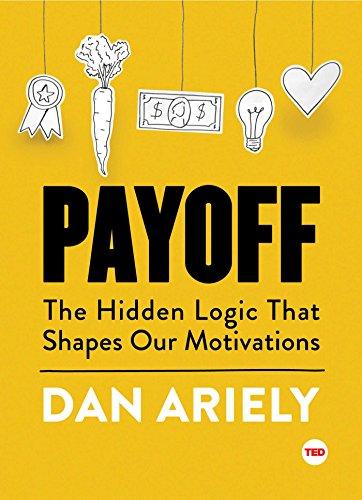
The Hidden Logic That Shapes Our Motivations (TED Books)
It was mentioned as one of Dan Ariely's books that discusses motivation and how it works, or doesn't work, and how to use psychology to motivate people in a business context.
But there are lots of different types of work part of the thing that we actually don't know a lot about the body of academic knowledge is not that large about it's about motivation at the workplace an...
— Episode: 417: Dan Ariely | The Hidden Logic That...
It was mentioned as one of Dan Ariely's books that discusses motivation and how it works, or doesn't work, and how to use psychology to motivate people in a business context.
But there are lots of different types of work part of the thing that we actually don't know a lot about the body of academic knowledge is not that large about it's about motivation at the workplace and the reason for that is that it's just really hard to do.
It was mentioned as one of Dan Ariely's books, and discussed in the context of workplace motivation, bonuses, and the difficulty of researching this area.
...what's so amazing about motivation is that we had this incredible capacity to be motivated by things...
It was mentioned as one of Dan Ariely's books, and the podcast discussed the various concepts mentioned in the book, such as motivation, workplace motivation, and the impact of bonuses and compensation on employee well-being and motivation.
but there are lots of different types of work part of the thing that we actually don't know a lot about the body of academic knowledge is not that large about it's about motivation at the workplace and the reason for that is that it's just really hard to do so I can sell some stuff I can give people painkillers I can change the prices of the painkillers I can get people to steal some money from me but what is really hard to do is to basically change people's bonuses for six months and see what happens or to give people large bonuses like we gave people five months bonus in one experiment so they could make a tremendous amount of money this body of work is actually I think took advantage of some of the early success we had because all of us on companies were willing to work with us right so sure so I couldn't do things like these without ten years ago without intel and Microsoft and you know big companies allowing us to run experiments on employees and getting them to have real bonuses and different amounts and different incentive structure
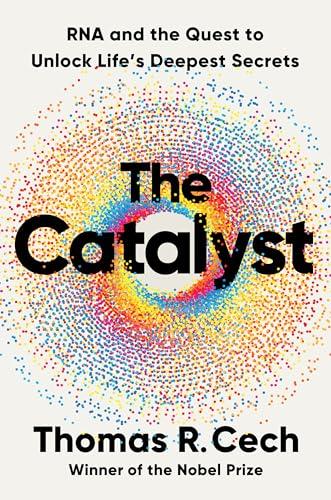
RNA and the Quest to Unlock Life's Deepest Secrets
This book was described as being similar in some ways to 'Invisible Influence', focusing on persuasion and how to get people to persuade themselves.
And this book, The Catalyst, actually in many ways is similar.
— Episode: 414: Jonah Berger | How to Change Anyone...
This book was described as being similar in some ways to 'Invisible Influence', focusing on persuasion and how to get people to persuade themselves.
And this book, The Catalyst, actually in many ways is similar.
But I think the challenge for us as people try to change minds, whether it's our kids' minds, whether it's our clients' mind or our boss' mind is not so much to persuade but to get people to persuade themselves.
So happy to talk more about some specific strategies of how to do that.
One thing I talk a lot about in the Reactions chapter is really how can you shift the role of the person who's listening to you?
The book was mentioned as Jonah Berger's latest book and it discusses the concept of "anti-persuasion radar", as well as strategies to work around it.
And this book, The Catalyst, actually in many ways is similar. You know we start off with a little bit of persuasion and you note that most of the time we just hit the gas and try to force our way to get someone to do something else.
And so I think the challenge for us as people try to change minds, whether it's our kids' minds, whether it's our clients' mind or our boss' mind is not so much to persuade but to get people to persuade themselves.
One thing I talk a lot about in the Reactions chapter is really how can you shift the role of the person who's listening to you? Not that you're pushing on them, but you're involving them in the process. They're participating in a way.
So happy to talk more about some specific strategies of how to do that. But that is a high level of sort of one of the principles, right? Rather than persuading people, get them to persuade themselves, rather than trying to sell them, get them to buy into what you're suggesting themselves and they'll be much more amenable to changing.
And so really what this book is all about is rather than pushing or finding more facts or figures and reasons, figure out what those obstacles are and removing them.
The Catalyst was mentioned as Berger's latest book, which focuses on persuasion and how to get people to persuade themselves rather than being forced to do so.
And this book, The Catalyst, actually in many ways is similar.
And so really what this book is all about is rather than pushing or finding more facts or figures and reasons, figure out what those obstacles are and removing them.
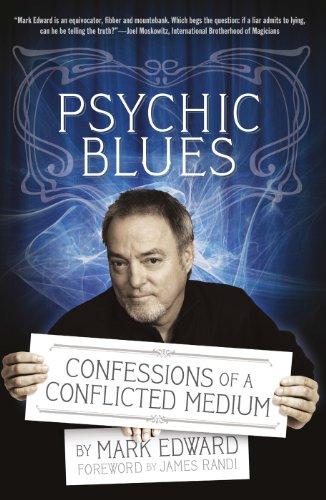
Confessions of a Conflicted Medium
It detailed Mark's experiences working as a fake psychic on the Psychic Friends Network, providing insights into the techniques and scams employed by psychics.
Everything in my books Psychic Blues is true, I didn't elaborate it all and it's only the tip of the iceberg because how the book started to really get written was I was taking these...
— Episode: 413: Mark Edward | True Confessions of a...
It detailed Mark's experiences working as a fake psychic on the Psychic Friends Network, providing insights into the techniques and scams employed by psychics.
Everything in my books Psychic Blues is true, I didn't elaborate it all and it's only the tip of the iceberg because how the book started to really get written was I was taking these calls and they were just absolutely horrific.
That's why I wrote the book because day after day night after night it was not a cheery... people think that life of the psychic must be so wonderful you know to see things and know things it was a fricking nightmare and every day brought another one of these stories that I couldn't believe was really happening so I wrote them down and I said okay now we got we're starting to get some information for this book.
Everything that you see in that book is true, it actually happened and some of them are really funny.
In my book Total Darkness, which is available at my website, there's a chapter called 'The Clown and the Graveyard'.
I've got a book it's called Psychic Blues, he's got a lot of other work, we'll link it in the show notes as well.
It detailed how the author, a mentalist, worked as a fake psychic for the Psychic Friends Network, exposing the techniques used to manipulate people, and the darker side of the industry.
So I read the book, which I thought was very interesting. I thought, okay, I've always wanted to kind of get the lowdown on, I mean, what do you call it? Fake psychic network, psychic hotlines. I know they're all fake, right? There is no such thing as a psychic.
I was a skeptic all along. My idea was to scam the scammers, so the book is leaning towards a believer, but the idea was that I wanted to learn and understand all the methods they were using.
Everything in my book, Psychic Blues, is true. I didn't elaborate it all, and it's only the tip of the iceberg because how the book started to really get written was I was taking these calls, and they were just absolutely horrific.
That's why I wrote the book because day after day, night after night, it was not a cheery... you know, people think that life of the psychic must be so wonderful, you know, to see things and know things. It was a fricking nightmare, and every day brought another one of these stories that I couldn't believe was really happening, so I wrote them down, and I said, okay, now we got we're starting to get some information for this book.
Everything that you see in that book is true. It actually happened, and some of them are really funny, and I that's why TV producers have I got a show for yeah, no kidding, no kidding.
It detailed Mark Edward's experiences as a fake psychic on the Psychic Friends Network and revealed the techniques used to scam people, including cold and hot reading.
So I read the book, which I thought was very interesting.
if you read the book you'll get a drift pretty strong.
everything in my books Psychic Blues is true.
how the book started to really get written was I was taking these calls and they were just absolutely horrific.
so everything that you see in that book is true, it actually happened.
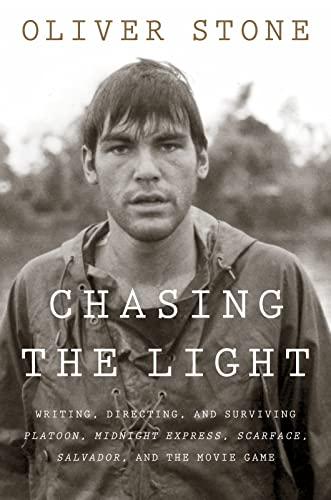
Writing, Directing, and Surviving Platoon, Midnight Express, Scarface, Salvador, and the Movie Game
Oliver Stone's memoir was discussed, detailing his life experiences, including his upbringing, Vietnam War experiences, and career in Hollywood. It was mentioned as being recently released, a month prior to the podcast.
The name of it is Chasing the Light.
— Episode: 411: Oliver Stone | Writing, Directing,...
Oliver Stone's memoir was discussed, detailing his life experiences, including his upbringing, Vietnam War experiences, and career in Hollywood. It was mentioned as being recently released, a month prior to the podcast.
The name of it is Chasing the Light.
It came out a month ago or so.
Yeah, it's in the book.
Yeah, well yeah. A lot of this is in the book. We're trying to get people to get really interested and then go out and buy it.
I tried to say in the book, Parley suicidal it was a death instinct it was like I have no place in the world.
It was mentioned multiple times throughout the podcast as Oliver Stone's autobiography, detailing his life, career, and experiences, including his time in Vietnam and his drug use.
Yeah, well yeah. A lot of this is in the book. We're trying to get people to get really interested and then go out and buy it.
The name of it is Chasing the Light.
It came out a month ago or so.
I tried to say in the book, "Parley suicidal", it was a death instinct; it was like I have no place in the world.
I write about that in the book. It's important because the Pentagon always covers that over. They don't want the parents to know their little boy died from friendly fire.
Oliver Stone discussed his memoir, which detailed his upbringing, experiences in Vietnam, and his journey through Hollywood, including his drug use and eventual sobriety.
Yeah, it's in the book.
The name of it is Chasing the Light. It came out a month ago or so.
I was a book writer really and I really wanted it to succeed but they when they rejected it I felt like I was overreaching myself and then I was out of line.
I wanted to go to the bottom of the barrel. I didn't want to go to school back to school. I didn't want any special treatment. I wanted to be in the army. I wanted to be anonymous and I wanted to be infantry and I wanted to go if you had not because I didn't want to get bored to death in Germany or South Korea.
I write about that in the book. It's important because the Pentagon always covers that over. They don't want the parents to know their little boy died from friendly fire.
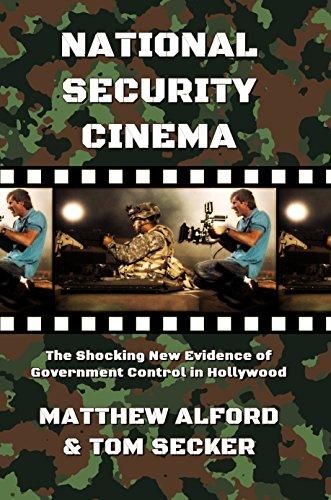
The Shocking New Evidence of Government Control in Hollywood
The book was mentioned by Oliver Stone, which delves into the influence of the Pentagon and the CIA within the Hollywood film industry, specifically regarding the creation of numerous films. It was said to go into detail about this influence.
did you read this book? 1917 Matthew Alfred he's a co-writer it's called National Security Cinema I Read It he goes into detail on some 800 movies the Pentagon has worked on goes into...
— Episode: 411: Oliver Stone | Writing, Directing,...
The book was mentioned by Oliver Stone, which delves into the influence of the Pentagon and the CIA within the Hollywood film industry, specifically regarding the creation of numerous films. It was said to go into detail about this influence.
did you read this book? 1917 Matthew Alfred he's a co-writer it's called National Security Cinema I Read It he goes into detail on some 800 movies the Pentagon has worked on goes into detail on it and he goes into detail on the CIA working in Hollywood
It was discussed as a book detailing the Pentagon's involvement in Hollywood films, with an emphasis on the CIA's influence and the extent of their collaboration with filmmakers.
Did you read this book? 1917 Matthew Alfred, he's a co-writer, it's called National Security Cinema. I read it.
Oliver Stone mentioned this book, which details the Pentagon's influence on Hollywood films and how the CIA has a deep involvement in the film industry.
did you read this book? 1917 Matthew Alfred. he's a co-writer. It's called National Security Cinema I Read It. he goes into detail on some 800 movies the Pentagon has worked on. goes into detail on it and he goes into detail on the CIA working in Hollywood.
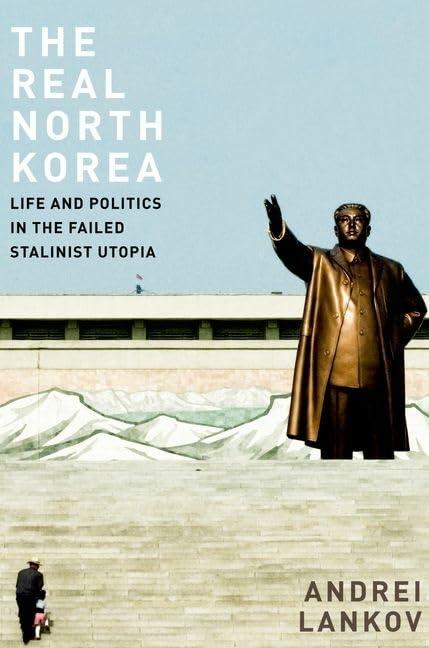
Life and Politics in the Failed Stalinist Utopia
It was described as well-done and discussed, particularly highlighting Lankov's perspective on the psychological barrier between North and South Korea, and the importance of providing access to information for North Koreans.
I cite this book by Lankov called 'The Real North Korea' and I used it heavily as I was writing the chapters really well done and the guys are one of the most foremost experts and wha...
— Episode: 410: H.R. McMaster | The Fight to Defend...
It was described as well-done and discussed, particularly highlighting Lankov's perspective on the psychological barrier between North and South Korea, and the importance of providing access to information for North Koreans.
I cite this book by Lankov called 'The Real North Korea' and I used it heavily as I was writing the chapters really well done and the guys are one of the most foremost experts and what was I think neat about what he said he talked about how the you know the the moon government South Korean government is really anxious you know to remove the minefields and barriers between North and South and the point that like off makes us hate the main barrier is psychological right these are people who have been conditioned that you can't even have an independent thought so he thinks as you're looting to what is most important is to give them access to information get them to begin to have their own thoughts and that's the psychological barrier the mental barrier that is going to be I think most important you know when eventually the peninsula unifies right that's going to be the biggest obstacle I think yeah it seems like it almost will happen from within the military.
It was heavily used as a resource while writing chapters for 'Battlegrounds' and highlighted the psychological barrier as the main obstacle to reunification of the Korean Peninsula.
I cite this book by Lankov called 'The Real North Korea' and I used it heavily as I was writing the chapters really well done and the guys are one of the most foremost experts and what was I think neat about what he said he talked about how the you know the the moon government South Korean government is really anxious you know to remove the minefields and barriers between North and South and the point that like off makes us hate the main barrier is psychological right these are people who have been conditioned that you can't even have an independent thought.
It was referenced as a well-done book that provided insights into the psychological barriers and conditioning within North Korea, highlighting the importance of information access for potential change.
I cite this book by Lankov called The Real North Korea and I used it heavily as I was writing the chapters really well done and the guys are one of the most foremost experts and what was I think neat about what he said he talked about how the you know the the moon government South Korean government is really anxious you know to remove the minefields and barriers between North and South and the point that like off makes us hate the main barrier is psychological right these are people who have been conditioned that you can't even have an independent thought so he thinks as you're looting to what is most important is to give them access to information get them to begin to have their own thoughts and that's the psychological barrier the mental barrier that is going to be I think most important you know when eventually the peninsula unifies right that's going to be the biggest obstacle I think
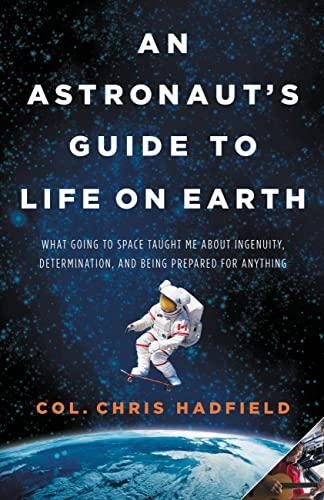
What Going to Space Taught Me About Ingenuity, Determination, and Being Prepared for Anything
It was mentioned multiple times in the podcast, and it discussed topics like training for your own demise and sweating in space. It contains a photo of a floating maple cookie at the back of the book.
It's funny because you graduated the top of the US fighter pilot school and I guess the local newspaper wanted to write an article about it.
— Episode: 408: Chris Hadfield | An Astronaut's Gui...
It was mentioned multiple times in the podcast, and it discussed topics like training for your own demise and sweating in space. It contains a photo of a floating maple cookie at the back of the book.
It's funny because you graduated the top of the US fighter pilot school and I guess the local newspaper wanted to write an article about it.
In the book, An Astronaut's Guide to Life on Earth, it's funny because you graduated the top of the US fighter pilot school and I guess the local newspaper wanted to write an article about it.
In An Astronaut's Guide to Life on Earth, you're training for your own demise doing these death sims.
In Astronaut's Guide to Life on Earth, you mentioned no matter how big a problem is, you can always make it worse.
An astronaut that doesn't sweat the small stuff is a dead astronaut, also from that section of your book as well.
It was mentioned that the book discussed topics like toenail clippings and sweat in space, and also covered Chris's journey to becoming an astronaut from a young age.
It seems like human bodies create all kinds of stuff that doesn't mesh well with space stations.
in the book there's a lot of talk about enrichment classes and things like that.
in the book An Astronaut's Guide to Life on Earth it's funny because you graduated the top of the US fighter pilot school
in astronauts guide to life on earth you're training for your own demise doing these death sims
in astronauts guide to life on earth you mentioned no matter how big a problem is you can always make it worse
It was discussed several times throughout the podcast, with topics such as training for potential failures and the importance of small wins. The book was referenced when discussing the astronaut's mindset.
Author of the Astronauts Guide to Life on Earth.
In the book there's a lot of talk about enrichment classes and things like that.
in the book An Astronaut's Guide to Life on Earth it's funny because you graduated the top of the US fighter pilot school
in astronauts guide to life on earth you're training for your own demise doing these death sims
in astronauts guide to life on earth you mentioned no matter how big a problem is you can always make it worse

It was mentioned briefly at the beginning as another book written by Chris Hadfield, but no further details or discussion occurred.
Chris Hadfield ... author of An Astronaut's Guide to Life on Earth and The Darkest Dark.
— Episode: 408: Chris Hadfield | An Astronaut's Gui...
It was mentioned briefly at the beginning as another book written by Chris Hadfield, but no further details or discussion occurred.
Chris Hadfield ... author of An Astronaut's Guide to Life on Earth and The Darkest Dark.
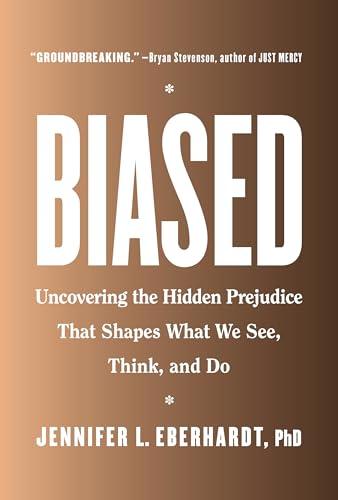
Uncovering the Hidden Prejudice That Shapes What We See, Think, and Do
It was discussed at length and used as a basis for much of the conversation, highlighting the science of bias and how it shapes perceptions and behaviors, particularly regarding race.
Yeah, when you wrote this book, the world wasn't on fire. At least not as much as it is right now.
— Episode: 399: Jennifer L. Eberhardt | The Science...
It was discussed at length and used as a basis for much of the conversation, highlighting the science of bias and how it shapes perceptions and behaviors, particularly regarding race.
Yeah, when you wrote this book, the world wasn't on fire. At least not as much as it is right now.
I assume you're more busy than usual.
And so they associate, you know, issues of race and inequality, you know, with civil rights, right? But not so much science.
So if you're focused on African Americans, for example, as a cop, as you're trying to solve crime, these are the people you're going to see as suspicious.
Your knowledge of bias doesn't make you immune to it.
It was discussed in detail throughout the podcast. The podcast host and guest highlighted various research findings from the book, focusing on topics such as implicit bias, racial bias, and how they impact everyday life and systems.
When you wrote this book, the world wasn't on fire. At least not as much as it is right now.
Your book starts with kind of a sad story about your own son thinking that this man might rob the plane.
It seems almost impossible that that would have made its way into the mind of a five year old, but that just shows you how pervasive these stereotypes are or is it just what else is kind of going on?
A lot of people are down on the police right now and I don't suppose you've caught that in the news. And the book, again, written several years ago, includes the story of this police officer who accidentally profiles himself.
There was a study that you mentioned in the book about how I'm going to phrase this in a weird way but our brain essentially sort of dulls our response after we see something over and over.
It was discussed in the context of racial bias and how it impacts perception and decision-making, with anecdotes from the author's personal experiences and research.
Yeah, when you wrote this book, the world wasn't on fire. At least not as much as it is right now.
Your book starts with kind of a sad story about your own son thinking that this man might rob the plane. Can you take us through that?
And that's how I start the book out because I feel like it's a story that really underscores just how prevalent, you know, bias is and you know, how damaging it can be.
A lot of people are down on the police right now and I don't suppose you've caught that in the news. And the book, again, written several years ago, includes the story of this police officer who accidentally profiles himself.
So we define implicit bias or some people call it unconscious bias as the beliefs and feelings we have about social groups that can influence our decision making in our actions even when we're not aware of it.
How to Deal with People Who Treat You Like Dirt
It discussed a variety of ways to deal with difficult people and how to identify those who intentionally try to make others miserable.
So of course the new book The Asshole Survival Guide how to deal with people who treat you like dirt
— Episode: 375: Bob Sutton | The A-hole Survival Gu...
It discussed a variety of ways to deal with difficult people and how to identify those who intentionally try to make others miserable.
So of course the new book The Asshole Survival Guide how to deal with people who treat you like dirt
in the assholes survival guide you've got some different types of assholes
It was written as a response to numerous emails and the available academic research, providing practical strategies for managing and coping with difficult individuals.
So of course the new book The Asshole Survival Guide how to deal with people who treat you like dirt.
I collected all my emails and responses and then there's a pretty big peer reviewed literature on all things asshole.
I kind of keep track of it and there's a good 200,000 peer reviewed academic articles in the last decade about all aspects of jerks.
Given that body of work it's amazing how little academic study what to do.
They mostly study all the ways and if you work with somebody who's rude to you who bullies you who yells at you who treats you like you're invisible what effect does it have on your physical health your mental health your productivity.
It was written in response to the many people who had read 'The No Asshole Rule' and were asking for guidance on dealing with difficult individuals.
So of course the new book The Asshole Survival Guide how to deal with people who treat you like dirt
He's got another book, The Asshole Survival Guide and you cannot sensing a theme here.
How Self-Control Works, Why It Matters, and What You Can Do To Get More of It
True Accounts of Slave Rescues-then and Now
It was described as drawing parallels between historical African American slavery in the United States and the current child sex trafficking that is occurring globally.
I think it's really cool how you framed the book about African American slavery in the United States.
— Episode: 369: Tim Ballard | Putting a Stop to Chi...
It was described as drawing parallels between historical African American slavery in the United States and the current child sex trafficking that is occurring globally.
I think it's really cool how you framed the book about African American slavery in the United States.
I thought this is going to be like a little treatise from a ex-cop on the slavery industry or the child trafficking industry and it really is like this African American slave story that tells the same unfortunately very similar story of what we have going on right now although this happened hundreds of years ago which is in a way things haven't changed.
and it's the slavery is different it's different I would never want to you know lose the integrity of the transatlantic slave trade not stories for sure but there's enough parallels that were just so crazy not to try to learn from what happened before how we eradicated before.
and just like in the 18th 19th century no one's really talking about it it's too hard people look away they don't want to engage and so again there's so many parallels how do you create a movement how do you get people interested in the suffering of others and the children don't have a voice you know they can't protest they can't rally they can't organize these children who are abused their and they're the most precious in the world and yet you don't hear there's no marches for them there's no.
I think you're on to something there because when I first saw this I think I was introduced to you through this documentary which will link in the show notes is available is it Amazon Prime or something like that I always recommend these things.
It was described as a book that utilized the story of Harriet Jacobs, an African American slave, to draw parallels with modern-day child trafficking.
I think it's really cool how you framed the book about African American slavery in the United States.
I thought that was an especially hopeful story or part of the story coming from somebody who had lived a really hard life and honestly didn't have a whole lot of hope to live a better life and they still were trying to improve themselves that's amazing really.
I just want to be able to read so that I know how to live that way I won't be so afraid to die.
Yeah, and the risk they were taking, you know, that Harry Jacobs was taking and he was taking, you know, like we could be whipped, we could be beaten to death and they said we don't care let's do it let's do it anyway.
I just left her spirit, I tried to write my that book that story many many times over the years, this is embarrassing but I just couldn't emotionally I would just fall apart.
It was said to draw parallels between the transatlantic slave trade and the modern-day slave trade. It also highlighted Harriet Jacobs' story.
I think it's really cool how you framed the book about African American slavery in the United States. That was something that really stood out to me and a couple of the things that you'd quoted from these little sidebars that you have one was that there was a slave who wanted to learn so he wanted to learn how to read so bad that he so they could read the Bible and I think the quote was something like I just want to be able to read so that I know how to live that way I won't be so afraid to die.
and it really is like this African American slave story that tells the same unfortunately very similar story of what we have going on right now although this happened hundreds of years ago which is in a way things haven't changed and looking at some of the stats it's gotten even worse and and we'll get into that in a second I just I thought that was an especially hopeful story or part of the story coming from somebody who had lived a really hard life and honestly didn't have a whole lot of hope to live a better life and they still were trying to improve themselves that's amazing really.
that's why I turned to history because I thought okay if I don't have a curriculum what do I have I have history I have the original underground road I've Harriet Tubman I have Frederick Douglass and that's when I discovered Harriet Jacobs who becomes my hero in the end that's where I wrote about enslaved Steelers that's why I got into that history that's why I turned to them because there was no one else to turn to yeah we were kind of breaking ground on how to do these investigations so yes to your point it's a whole new game so we have to teach ourselves to be pedophiles.
the bulk of the book is drawing parallels towards slavery here in America in the Americas and the current slave trade right now so it's a fascinating reading itself it's just unbelievable how common the practices links to all of Tim stuff will be in our website in the show notes please do use our website links if you buy the book it does help support the show.
Bill Nye mentioned writing about climate change for the first time in this book, published in 1993, which he said had not been acted upon since.
the first thing I wrote about climate change was in 1993 in a kid's book called Bill Nye's Big Blast of Science
— Episode: 366: Bill Nye | Radical Curiosity Saves...
Bill Nye mentioned writing about climate change for the first time in this book, published in 1993, which he said had not been acted upon since.
the first thing I wrote about climate change was in 1993 in a kid's book called Bill Nye's Big Blast of Science
Bill Nye mentioned writing about climate change in this book in 1993, which he believes is what made him political, as it had not been addressed since then.
the first thing I wrote about climate change was in 1993 in a kid's book called Bill Nye's Big Blast of Science
It was mentioned that Bill Nye wrote about climate change in this book, first published in 1993, which he considered the start of his political awareness.
the first thing I wrote about climate change was in 1993 in a kid's book called Bill Nye's Big Blast of Science
A Memoir
Bill Nye's book, 'Everything All at Once', was mentioned in the context of discussing radical curiosity and the importance of developing a mindset of continuous learning.
the main thing is to get a copy of my book of course
— Episode: 366: Bill Nye | Radical Curiosity Saves...
Bill Nye's book, 'Everything All at Once', was mentioned in the context of discussing radical curiosity and the importance of developing a mindset of continuous learning.
the main thing is to get a copy of my book of course
one of those was looking at the world with radical curiosity
well here's the thing it's very easy to not go to the trouble to investigate things but matter what the thing is how to tie your shoe how to best write a letter how to best send an email whatever it is a lot of things we can tune out because it's just we feel it's too much to take in however my claim is if you're always curious the world's always exciting and every day you will learn something
Bill Nye's book, which he encouraged listeners to purchase, was discussed in relation to radical curiosity and strategies that always yield results.
the main thing is to get a copy of my book of course
you mentioned there are certain strategies that always get results one of those was looking at the world with radical curiosity
It was mentioned by Bill Nye and Jordan Harbinger, as the book where he discusses radical curiosity and other strategies for getting results.
the main thing is to get a copy of my book...the eclipse is coming up I encourage everybody to get out and under the eclipse
so here's the thing when you tie your shoe you want it to be a symmetrical bow because then it doesn't come untied
one of those was looking at the world with radical curiosity what is that
the other strategy that gets results you mentioned was being driven by a desire for a better future
reviews of the book...which came out this morning
How to Debunk Conspiracy Theories Using Facts, Logic, and Respect
It was discussed as a guide for understanding and debunking conspiracy theories, particularly how to help individuals escape the rabbit hole of false beliefs.
You've got different types of conspiracy theories that you lay out in the book Escaping the Rabbit Hole, can we go over these? There's like event conspiracies and different layers of...
— Episode: 363: Mick West | How to Debunk Conspirac...
It was discussed as a guide for understanding and debunking conspiracy theories, particularly how to help individuals escape the rabbit hole of false beliefs.
You've got different types of conspiracy theories that you lay out in the book Escaping the Rabbit Hole, can we go over these? There's like event conspiracies and different layers of like the government made it happen or just let it happen.
What I talk about in my book a lot is talking to a friend.
How do we get our friends to start coming out of the rabbit hole? This is part of what your book is about, Escaping the Rabbit Hole.
Mick West, thank you very much for coming on the show. We'll link to your stuff in the show notes. I find it fascinating and I appreciate your time. Yeah, thank you very much. It's been a very interesting discussion. Big thank you to Mick West, his book is called Escaping the Rabbit Hole.
If they've already started down this rabbit hole, you said it doesn't matter which theories they might believe, it matters where they draw the line, this demarcation line. Can you take us through this? This is a useful practical for people who are like, I'm listening to you and it's interesting, but like, tell me how does stop Uncle Frank from talking about this crap at Christmas.
It was discussed as a helpful guide for understanding and debunking conspiracy theories, particularly for helping people escape harmful rabbit holes of false beliefs.
If you want to know how I managed to book all these great guests, it's always been about my network. Check out our 6 Minute Networking course which is free that's over at jordanharbinger.com/course.
Mick West thank you very much for coming on the show we'll link to your stuff in the show notes I find it fascinating and I appreciate your time.
Big thank you to Mick West his book is called Escaping the Rabbit Hole he's also got metabunk.com will be linking to him in the show notes of course as we always do
How do we get our friends to start coming out of the rabbit hole? This is part of what your book is about Escaping the Rabbit Hole if they've already started down this rabbit hole you said it doesn't matter which theories they might believe it matters where they draw the line, this demarcation line can you take us through this this is a useful practical for people who are like I'm listening to you and it's interesting but like tell me how does stop Uncle Frank from talking about this crap at Christmas.
You've got different types of conspiracy theories that you lay out in the book Escaping the Rabbit Hole can we go over these there's like event conspiracies and different layers of like the government made it happen or just let it happen can we outline this is kind of a way a cool way to parse these things
It was discussed as a guide for helping people understand and escape conspiracy theories, with tips and techniques on how to approach conversations and provide evidence against those theories.
If people are going to take actions based on their morals, you want them to also have it based on accurate information rather than information that doesn't actually reflect reality.
So that's one of the reasons why I debunk. I want people to focus on real issues and not on the fake issues.
How do we get our friends to start coming out of the rabbit hole? This is part of what your book is about Escaping the Rabbit Hole if they've already started down this rabbit hole you said it doesn't matter which theories they might believe it matters where they draw the line, this demarcation line can you take us through this this is a useful practical for people who are like I'm listening to you and it's interesting but like tell me how does stop Uncle Frank from talking about this crap at Christmas.
Well we talked about a lot of different conspiracy theories here some of them are fairly straightforward like say pharmaceutical companies trying to cover up the lack of efficacy of their drugs for profit that's like a very straightforward thing you could say that there were good things like you know the tobacco companies that was a real conspiracy so not much of a stretch to say that there could be other similar conspiracies and there's more extreme conspiracies there's like 9-11 conspiracies and there's a wide range within that there's controversial conspiracy theories there's things like false flags saying sandy hook was fake then there's more even more extreme ones like the flatter and aliens and alien shape-chifting aliens being running the world so this is spectrum of conspiracy theories now everyone has kind of a point on this spectrum where they draw the line for me it's fairly low down like I think there are conspiracies to do with industry and those conspiracies to do with government and corruption and things like that some people have draw the line a little bit further along they will think that you know JFK was associated by the CIA even further along they will say you know the vaccines are bad for you it's being covered up by the government and then further along the 9-11 was an inside job things like that and understanding where people draw the line on this conspiracy spectrum is very important when you want to talk to them because there's no point talking to them about things that they think are ridiculous they'll draw lines somewhere on a conspiracy spectrum and on one side of it they think everything is sensible everything on the other side of the line is ridiculous so talk to them about that they'll think you're making fun of that if you talk to them on things that are too far down the sensible side of their line then you won't get very far because those are such entrenched beliefs there's such foundational beliefs so far away from the line that there's no way you're going to shift them on those beliefs so what you're going to do is focus on the beliefs that actually exist around where they draw the line things where they think at this point I believe this but I don't believe this thing which is a little bit more extreme than that and a common place for say 9-11 truth is where they draw the line is whether a cruise missile hit the Pentagon a lot of people who believe that 9-11 was an inside job think that the planes hit the buildings but the Pentagon was actually attacked by a cruise missile and that is something that they don't generally believe things that are way more extreme than that they do and believe that the towers were destroyed by laser beams from space or something like that so if you can get them to focus on this one thing you've got a much better chance of changing their opinion about this thing that's close to where they draw the line then you have in something like say the JFK Magic Bullet Theory or something like that something that's a foundational belief for them so you focus on these things around this line and you get them to shift the line a little bit that gives you a little bit of momentum they've shifted the line down they've seen that these things in this region around the line are in depth and I think if this is false you know what else might be false and sometimes you don't even need to debunk something around the line you can simply point out well you believe this I say you believe the towers were brought down by control demolition why don't you believe the thing that's just on the other side of the line why don't you believe if they don't why don't you believe that the Pentagon was hit by a cruise missile as all is supposed evidence is the evidence so much better for this thing than it is for this thing why do you believe one thing but not the other giving them to examine why they believe what they believe is a very important part of getting them to accept more reasonable explanations for their beliefs and for seeing why their beliefs are actually wrong or why other beliefs might be correct.
If I Can Do It, You Can Do It
Mark Cuban shared advice he's been giving to his CEOs and founders during times of uncertainty, emphasizing transparency, honesty, and communication.
I'm telling them all the exact same thing. One, you have to be transparent. Two, you have to be honest. Three, you have to be authentic. Four, you have to talk. You have to communicate because everybo...
— Episode: 362: Mark Cuban | Tales from the Shark S...
Mark Cuban shared advice he's been giving to his CEOs and founders during times of uncertainty, emphasizing transparency, honesty, and communication.
I'm telling them all the exact same thing. One, you have to be transparent. Two, you have to be honest. Three, you have to be authentic. Four, you have to talk. You have to communicate because everybody's freaked out. Everybody's uncertain. Everybody's working with imperfect information.
Mark Cuban discussed the advice he's been giving to his CEOs and founders during the COVID-19 crisis, emphasizing transparency, honesty, and communication, as well as the evolving perceptions of businesses in the current environment.
I'm telling them all the exact same thing. One, you have to be transparent. Two, you have to be honest. Three, you have to be authentic. Four, you have to talk. You have to communicate because everybody's freaked out. Everybody's uncertain. Everybody's working with imperfect information.
You have to be recognized that when everybody's afraid, the best way to deal with it is by coming together.
How to Keep Out-of-Control Emotions from Destroying Your Relationship
It was recommended as a helpful book for gaining a better understanding and coping strategies when dealing with someone with borderline personality disorder.
there are also some really really good books on coping with borderline personality disorder one of the best that I've heard mentioned from some experts recently is Loving Someone with Borderli...
— Episode: 358: Is My Friend Blowing Her IVF Money...
It was recommended as a helpful book for gaining a better understanding and coping strategies when dealing with someone with borderline personality disorder.
there are also some really really good books on coping with borderline personality disorder one of the best that I've heard mentioned from some experts recently is Loving Someone with Borderline Personality Disorder
It was suggested as a helpful book for understanding and coping with the challenges of a relationship with someone with BPD.
one of the best that I've heard mentioned from some experts recently is Loving Someone with Borderline Personality Disorder
It was recommended as a useful resource for understanding and coping with the challenges of having a relationship with someone with BPD, particularly in regards to setting boundaries.
one of the best that I've heard mentioned from some experts recently is Loving Someone with Borderline Personality Disorder
Note: The book recommendations on this page are discovered automatically from podcast transcripts, and may be incorrect or incomplete.
Podcast Name