The Clash of Civilizations and the Remaking of World Order
Samuel P. Huntington
Mentioned 5 months ago
It Could Happen Here Weekly 220
There’s a reason the History Channel has produced hundreds of documentaries about Hitler but only a few about Dwight D. Eisenhower. Bad guys (and gals) are eternally fascinating. Behind the Bastards dives in past the Cliffs Notes of the worst humans in history and exposes the bizarre realities of th...
Recently mentioned
Samuel P. Huntington
Mentioned 5 months ago
It Could Happen Here Weekly 220
Robert D. Kaplan
Mentioned 5 months ago
It Could Happen Here Weekly 220
Elizabeth J. Perry
Mentioned 5 months ago
It Could Happen Here Weekly 220

J.R.R. Tolkien
Mentioned 5 months ago
Part One: How Jeffrey Epstein Helped Build the Modern World

Joshua Green
Mentioned 5 months ago
Part One: How Jeffrey Epstein Helped Build the Modern World

Professor Gilles Deleuze
Mentioned 5 months ago
It Could Happen Here Weekly 219
Madoka Kishi
Mentioned 5 months ago
It Could Happen Here Weekly 219
Samuel Miller McDonald
Mentioned 5 months ago
It Could Happen Here Weekly 219

Klaus Mann
Mentioned 5 months ago
It Could Happen Here Weekly 219
Mentioned 5 months ago
The Greg Bovino Episode Extravaganza!
Robert A. Heinlein
Mentioned 5 months ago
The Greg Bovino Episode Extravaganza!
John Lindsay-Poland
Mentioned 5 months ago
It Could Happen Here Weekly 218
A Social History of Health Quackery in 20th Century America (Princeton Legacy Library)
The book 'Medical Messiahs' was mentioned as a source of information related to the various organizations that supported Harry Hoxie's cancer treatment.
And the book Medical Messiahs points out that American rally was one of a number of Hoxie supporting organizations,
— Episode: Part Two: The Founding Father of Fake Ca...
The book 'Medical Messiahs' was mentioned as a source of information related to the various organizations that supported Harry Hoxie's cancer treatment.
And the book Medical Messiahs points out that American rally was one of a number of Hoxie supporting organizations,
Defined as the right of every individual to seek treatment from Hoxie's clinic and other clinics and practitioners frowned on by the Orthodox medical establishment,
The Medical Messiahs was referenced multiple times throughout the episode, specifically in relation to Harry Hoxsey's cancer cure claims. It was mentioned as a source for information regarding Hoxsey's practices and the FDA's investigation into his methods.
Shortly the local paper began to run stories of deaths that were occurring at the Institute. Local doctors began to be concerned. One of them wrote the high priests at the American Medical Association telling of examining a man who would receive the Hoxide treatment.
To avoid burdening the council with trivial and patently feudal suggestions, criteria had been established to govern which methods of treating cancer among those proposed warranted investigation and possible testing.
When Hoxie, the congressman in tow, showed up at the institute, the NCI's director, Dr. R. R. Spencer explained these criteria. The institute, he said, would be glad to present Hoxie's case to the advisory council if he would furnish certain information.
What made things worse as the experts assessed the Hoxy theories was that the Hoxy literature condemned the only treatments yet found valid in cancer therapy.
One of the most poignant cases presented involved a high school boy of 16 who after a football injury developed an extremely malignant cancer in a leg bone.
It was mentioned that the book highlighted how the American Rally and other groups were unified by the concept of 'medical freedom,' which was the right to receive treatment from Hoxie or similar practitioners despite disapproval from mainstream medical authorities.
And the book Medical Messiahs points out that American rally was one of a number of Hoxie supporting organizations, all of whom were united by an idea called medical freedom, which is, quote, Defined as the right of every individual to seek treatment from Hoxie's clinic and other clinics and practitioners frowned on by the Orthodox medical establishment.
The book was frequently referenced throughout the episode, providing context and details about Harry Hoxsey's cancer treatments and the AMA's attempts to stop him.
Shortly the local paper began to run stories of deaths that were occurring at the Institute. Local doctors began to be concerned. One of them wrote the high priests at the American Medical Association telling of examining a man who would receive the Hoxide treatment.
To avoid burdening the council with trivial and patently feudal suggestions, criteria had been established to govern which methods of treating cancer among those proposed warranted investigation and possible testing.
When Hoxie, the congressman in tow, showed up at the institute, the NCI's director, Dr. R. R. Spencer explained these criteria. The institute, he said, would be glad to present Hoxie's case to the advisory council if he would furnish certain information.
One of the most poignant cases presented involved a high school boy of 16 who after a football injury developed an extremely malignant cancer in a leg bone. When the boy's physician recommended amputation the parents could not face this prospect and took their son instead to Hoxie's clinic.
What made things worse as the experts assessed the Hoxy theories was that the Hoxy literature condemned the only treatments yet found valid in cancer therapy.
The book was mentioned in a discussion about the concept of 'medical freedom' as it pertains to Harry Hoxsey and his cancer treatment, and some groups that supported him.
And the book Medical Messiahs points out that American rally was one of a number of Hoxie supporting organizations, all of whom were united by an idea called medical freedom, which is, quote, Defined as the right of every individual to seek treatment from Hoxie's clinic and other clinics and practitioners frowned on by the Orthodox medical establishment,
The Medical Messiahs was referenced several times throughout the episode, as a source for information about Harry Hoxsey and his cancer cure claims. It was discussed how Hoxsey's claims and methods were examined and debunked in the book.
Shortly the local paper began to run stories of deaths that were occurring at the Institute. Local doctors began to be concerned. One of them wrote the high priests at the American Medical Association telling of examining a man who would receive the Hoxide treatment.
What made things worse as the experts assessed the Hoxy theories was that the Hoxy literature condemned the only treatments yet found valid in cancer therapy.
To avoid burdening the council with trivial and patently feudal suggestions, criteria had been established to govern which methods of treating cancer among those proposed warranted investigation and possible testing.
When Hoxie, the congressman in tow, showed up at the institute, the NCI's director, Dr. R. R. Spencer explained these criteria. The institute, he said, would be glad to present Hoxie's case to the advisory council if he would furnish certain information.
One of the most poignant cases presented involved a high school boy of 16 who after a football injury developed an extremely malignant cancer in a leg bone. When the boy's physician recommended amputation the parents could not face this prospect and took their son instead to Hoxie's clinic.
The book 'Medical Messiahs' was mentioned as pointing out that the American Rally and other groups supporting Hoxie's methods shared the belief in 'medical freedom'.
And the book Medical Messiahs points out that American rally was one of a number of Hoxie supporting organizations, all of whom were united by an idea called medical freedom, which is, quote, Defined as the right of every individual to seek treatment from Hoxie's clinic and other clinics and practitioners frowned on by the Orthodox medical establishment,
The Medical Messiahs was frequently referenced throughout the podcast and used to detail many of Harry Hoxsey's crimes and unethical practices with regard to his false cancer cures, highlighting the negative impacts on his patients.
Shortly the local paper began to run stories of deaths that were occurring at the Institute. Local doctors began to be concerned. One of them wrote the high priests at the American Medical Association telling of examining a man who would receive the Hoxide treatment. The paste had been applied to a tumor on the cheek. Two days before the man died, the doctor wrote, 'I was called to see him and found necrosis of not only soft tissue of his face, but a complete destruction of the mallard bone.' The man died of hemorrhage at the hospital.
To avoid burdening the council with trivial and patently feudal suggestions, criteria had been established to govern which methods of treating cancer among those proposed warranted investigation and possible testing. When Hoxie, the congressman in tow, showed up at the institute, the NCI's director, Dr. R. R. Spencer explained these criteria. The institute, he said, would be glad to present Hoxie's case to the advisory council if he would furnish certain information. He must reveal his formula and explain his techniques of treatment in detail. He must also present a record of at least 50 cases treated by his method. Each case must represent an individual in whom the presence of internal cancer had been confirmed by competent biopsy who had been treated by physicians and given up as hopeless and who had then been treated by Hoxie and had survived from three to five years.
One of the most poignant cases presented involved a high school boy of 16 who after a football injury developed an extremely malignant cancer in a leg bone. When the boy's physician recommended amputation the parents could not face this prospect and took their son instead to Hoxie's clinic. The medical director, the father testified had guaranteed a cure for some four months while Ed took Hoxie's tonics. They did no good. Several months later, the boy was dead. Had the amputation been performed, the physician who had first treated the boy testified he would have had a fighting chance.
What made things worse as the experts assessed the Hoxy theories was that the Hoxy literature condemned the only treatments yet found valid in cancer therapy.
The FDA appealed and asked the circuit court to grant the injunction instead, arguing that Atwell had been swayed by incompetent testimony, which he absolutely had been. The three judge court reviewed the evidence and agreed unanimously. In particular, they found that only a biopsy could accurately diagnose cancer. A random dude's opinion that something was probably cancer was not a real diagnosis. They chided Judge Atwell for being so blind and deaf as to fail to see, hear and understand the important effect of such matters on general public knowledge and acceptance.
A Boyhood Friend Recounts Growing Up with the Future Fuhrer of the Third Reich
The hosts noted that Savitri Devi used passages from August Kubizek's memoir The Young Hitler I Knew in her own writings.
She used several segments from August Kuba's ex illadvised book, The Young Hitler I Knew.
— Episode: CZM Rewind: Part Two: Savitri Devi The W...
The hosts noted that Savitri Devi used passages from August Kubizek's memoir The Young Hitler I Knew in her own writings.
She used several segments from August Kuba's ex illadvised book, The Young Hitler I Knew.
It was written by Hitler's childhood friend after the war, and is a debated source of information. It was mentioned in relation to Hitler's early years, including his relationship with a girl named Stephanie and his views on women and sexuality.
All this is no good Adolf, I replied, Stephanie is fond of dancing. If you want to conquer her, you will have to dance around just as aimlessly and idiotically as the others.
That was all that was needed to set him off raving. No, no, never, he screamed at me, I shall never dance. Do you understand Stephanie only dances because she is forced to by society on which she unfortunately depends. Once she is my wife, she won't have the slightest desire to dance.
On promenades girls and women would often slightly glance at them. At first Kubizek thought their interest was directed to him, but it soon became apparent that the reserved Adolf was the object. He coldly ignored their silent invitations.
If the two did nothing about sex, they spent hours at night discussing women, love, and marriage with Adolf as usual dominating the conversation. Over and over he insisted that he must keep the flame of life pure.
Where decency demanded that women were scarcely allowed to even show an ankle, Hitler's embarrassment and the rapidity with which he fled with his friend when a prospective landlady during a search for a room for Kubizek let her silk dressing gown fall open to reveal that she was wearing nothing but a pair of knickers.
It was discussed as a source of information about Hitler's early life and was used by Savitri Devi to support her theories about Hitler being the Kali Yuga.
Adolf Hitler is the reincarnation of the God Vishnu.
It was mentioned as a book written by Hitler's childhood friend about his early years, and was a source for information on his early romantic life, particularly his obsession with a girl named Stephanie. It's considered an irreplaceable source of information about Hitler's early life, but one that must be read critically.
All this is no good Adolf, I replied Stephanie is fond of dancing if you want to conquer her you will have to dance around just as aimlessly and idiotically as the others.
That was all that was needed to set him off raving. No, no never he screamed at me I shall never dance. Do you understand Stephanie only dances because she is forced to by society on which she unfortunately depends once she is my wife she won't have the slightest desire to dance.
On promenades girls and women would often slightly glance at them at first Kubizek thought their interest was directed to him but it soon became apparent that the reserved Adolf was the object. He coldly ignored their silent invitations.
If the two did nothing about sex they spent hours at night discussing women love and marriage with Adolf as usual dominating the conversation over and over he insisted that he must keep the flame of life pure. That is he believed in accordance with his Catholic upbringing a man and a woman should keep themselves chaste in body and soul until marriage and just thus be worthy of producing healthy children for the nation.
Where decency demanded that women were scarcely allowed to even show an ankle Hitler's embarrassment and the rapidity with which he fled with his friend when a prospective landlady during a search for a room for Kubizek let her silk dressing gown fall open to reveal that she was wearing nothing but a pair of knickers.
It was described as an irreplaceable source about Hitler's early life, but needs to be read critically because of potential inaccuracies or embellishments by the author, who was Hitler's close friend in his youth.
All this is no good, Adolf, I replied. Stephanie is fond of dancing. If you want to conquer her, you will have to dance around just as aimlessly and idiotically as the others.
Poet, Seducer, and Preacher of War
It was highly recommended for its compulsively readable nature and critical perspective on D'Annunzio's life. It was described as one of the best biographies ever read.
as interesting as I find this guy, his biography, Gabriel Denoncio, a poet, seducer and the preacher of war by Lucy Hughes Hallett, I really recommend.
— Episode: Part Two: The Man Who Invented Fascism
It was highly recommended for its compulsively readable nature and critical perspective on D'Annunzio's life. It was described as one of the best biographies ever read.
as interesting as I find this guy, his biography, Gabriel Denoncio, a poet, seducer and the preacher of war by Lucy Hughes Hallett, I really recommend.
Hughes Hallett is a fantastic writer and very critical eye in a really interesting way.
I really appreciate her perspective on this guy so I very much recommend that book.
I mean all the quotes you've read from it are amazing.
It's fantastic. And he is just absolutely a fascinating piece of shit.
It is a biography about Gabriele D'Annunzio, the author's writing emphasizes D'Annunzio's talent as a writer while concurrently exploring the dark and problematic sides of his personality.
Funerals, the Biaire followed by a long lines of hooded mourners. Their faces covered all by but a slit for the eyes or processions of girls and sacrificial white on the way to their first communion provide the town's main spectacles.
Many of the stories Denonzio related about his childhood concerned dying animals. There was the death of his little Sardinian horse, a bay with a white muzzle named Aquilino and the death of his little Sardinian horse, a bay with a white muzzle named Aquilino. And the death of his little Sardinian horse, a bay with a white muzzle named Aquilino whom he would feed with apples and sugar lumps in the peace of the nighttime stable.
There was the quail the farm manager gave him in a cage made of twigs. Half a century later, Denonzio could still recall how the tiny creature had dashed itself against its makeshift bars, gashing its head until the bone showed.
On killing days, the howling of stuck pigs and their blood spurting into basins so appalled him that he would hide in a corner, face to the wall, his hand over his contorted mouth. Life scared me as though it stalked me with a pig-sticking knife in hand.
After the mass of the little Sardinian horse, he sobbed all night.
He luxuriated in the idea of her unhappiness. He even told her how much you would like to see her corpse.
He loved it that she was deathly pale like the blessed damoselle, the dead girl of her city's famous poem and painting, but he would have preferred her even paler.
I want you even paler, I want you dead.
He's an emotional manipulator like and he's a fundamentally abusive person.
In the political rhetoric and poetry of the period civilian existence is gray, dim, morally compromised and physically grubby. The battlefield by contrast is bright a glitter with weapons and flashing with joy above all it is clean.
Italy was no longer a pension defamilie of museum but a living nation he declared in one interventionalist demagogic speech to general acclaim.
The prospect of mass deaths thrilled him.
He was fast developing a brilliantly manipulative oratorical technique.
He allowed his public no break in his contrivances of their hysteria.
Hear me, he cried, listen to me, understand me.
The sheer rage he worked these crowds into eventually made any outcome but war basically impossible.
He attacked the advocates of peace in vitriolic terms.
The very air of Rome stank with their treachery.
Those who still hung back from war were traitors, assassins of the patria, Italy's executioners.
He called upon the Roman mob to take the law into their own hands.
He urged his listeners to attack the appeasers who licked the boots on sweaty Prussian feet.
He called for stonings and arson.
I tell you there is treason here in Rome.
We were being sold like a herd of diseased cattle.
He urged the people to hunt down anti-war deputies, form squads, 'squadra' was one of the many words the fascists would pick up from him.
And wait, seize them, capture them.
An observer reports that the applause when he paused was like a storm when he resumed to denounce Geoliti in ever more vituperative terms, that diabolical old blubber-lipped hangman, the storm was transformed into a cyclone.
He was high on his own eloquence, on the frenzy of the crowds he flattered and inflamed and on the prospect of blood.
52 years old, he extolled the ruthless purity of youth.
A poet whose life's work had been the threading together of obscure and beautiful words, he inveighed against verbiage and called for action, cruel if need be, and unambiguous.
It is not the time for speaking but for doing.
He ended by leading the crowd in an anthem, beating time with his little white hands while the people below bellowed out through a frame, 'Let us join the cohort, we are ready to die, Italy has called'.
He was the rage. A woman who had not slept with him made herself ridiculed.
It was highly recommended for its compulsively readable style and critical perspective on D'Annunzio's life. The book's quotes were described as amazing, offering a deep dive into the life of a complex and fascinating historical figure.
as interesting as I find this guy, his biography, Gabriel Denoncio, a poet, seducer and the preacher of war by Lucy Hughes Hallett, I really recommend. It's one of the best biographies I've ever read. Like very compulsively readable.
Hughes Hallett is a fantastic writer and very critical eye in a really interesting way. I really appreciate her perspective on this guy so I very much recommend that book.
Blessed are those who are now 20 years old, he said. He worshipped and envied their beauty and took enormous pleasure in the opportunities that war afforded him to live alongside them as companions and arms. Their deaths were marvelous to him.
I have a horror of sedentary work, of the pin, of the ink, of paper, of all those things now become so futile. A feverish desire for action takes me.
am I not the precursor of all that's good about fascism?
It was quoted extensively in the podcast episode to provide insight into D'Annunzio's early life and writing style, focusing on his childhood memories and his visceral writing.
Funerals, the Biaire followed by a long lines of hooded mourners. Their faces covered all by but a slit for the eyes or processions of girls and sacrificial white on the way to their first communion provide the town's main spectacles.
Many of the stories Denonzio related about his childhood concerned dying animals. There was the death of his little Sardinian horse, a bay with a white muzzle named Aquilino and the death of his little Sardinian horse, a bay with a white muzzle named Aquilino.
and the death of his little Sardinian horse, a bay with a white muzzle named Aquilino whom he would feed with apples and sugar lumps in the peace of the nighttime stable.
There was the quail the farm manager gave him in a cage made of twigs. Half a century later, Denonzio could still recall how the tiny creature had dashed itself against its makeshift bars, gashing its head until the bone showed.
On killing days, the howling of stuck pigs and their blood spurting into basins so appalled him that he would hide in a corner, face to the wall, his hand over his contorted mouth. 'Life scared me as though it stalked me with a pig-sticking knife in hand.' After the mass of the little Sardinian horse, he sobbed all night.
It was highly recommended for its compulsively readable style and critical perspective on D'Annunzio's life. It was described as one of the best biographies ever read by one of the podcast hosts.
as interesting as I find this guy, his biography, Gabriel Denoncio, a poet, seducer and the preacher of war by Lucy Hughes Hallett, I really recommend.
Hughes Hallett is a fantastic writer and very critical eye in a really interesting way.
I really appreciate her perspective on this guy so I very much recommend that book.
I mean all the quotes you've read from it are amazing.
I really recommend the biography by Lucy Hughes, Howlett, Gabriel Denunzio, poet, seducer and preacher of war. It's fantastic.
It was a biography of Gabrielle d'Annunzio, referenced throughout the episode, and offered a detailed account of his life and personality, along with insights into his childhood and writing.
Funerals, the Biaire followed by a long lines of hooded mourners. Their faces covered all by but a slit for the eyes or processions of girls and sacrificial white on the way to their first communion provide the town's main spectacles. Many of the stories Denonzio related about his childhood concerned dying animals.
There was the death of his little Sardinian horse, a bay with a white muzzle named Aquilino and the death of his little Sardinian horse, a bay with a white muzzle named Aquilino. And the death of his little Sardinian horse, a bay with a white muzzle named Aquilino whom he would feed with apples and sugar lumps in the peace of the nighttime stable.
There was the quail the farm manager gave him in a cage made of twigs. Half a century later, Denonzio could still recall how the tiny creature had dashed itself against its makeshift bars, gashing its head until the bone showed. On killing days, the howling of stuck pigs and their blood spurting into basins so appalled him that he would hide in a corner, face to the wall, his hand over his contorted mouth. Life scared me as though it stalked me with a pig-sticking knife in hand.
After the mass of the little Sardinian horse, he sobbed all night.
He luxuriated in the idea of her unhappiness he even told her how much you would like to see her corpse he loved it that she was deathly pale like the blessed damoselle the dead girl of her city's famous poem and painting but he would have preferred her even paler he told her that he would go around all the florists in the city and he would have carried her with assorted flowers to come and bury her beneath them yes to bury you I want to make you die he wrote to Tito Zucconi not as one might expect promising to cherish and protect Tito's daughter but announcing I and Elda cannot live long both he and Giselda were so far as we know in perfectly good health yet Denunzio wrote our cold bodies will fall to the earth to feed the flowers and we'll be swept away unconscious atoms.
It was highly recommended as one of the best biographies ever read, praised for its compulsively readable style and critical perspective on D'Annunzio's life.
as interesting as I find this guy, his biography, Gabriel Denoncio, a poet, seducer and the preacher of war by Lucy Hughes Hallett, I really recommend. It's one of the best biographies I've ever read. Like very compulsively readable.
Hughes Hallett is a fantastic writer and very critical eye in a really interesting way. I really appreciate her perspective on this guy so I very much recommend that book.
Blessed are those who are now 20 years old, he said. He worshipped and envied their beauty and took enormous pleasure in the opportunities that war afforded him to live alongside them as companions and arms. Their deaths were marvelous to him.
I have a horror of sedentary work, of the pin, of the ink, of paper, of all those things now become so futile. A feverish desire for action takes me.
You whose own spirit is so hardworking and so generous must understand me. He stressed his physical competence. He was not a man of letters as of the old type and skullcap and slippers. He was an adventurer.
It was referenced as a biography of Gabriele D'Annunzio, with details about his early life and writing style being referenced and quoted from the book.
Funerals, the Biaire followed by a long lines of hooded mourners. Their faces covered all by but a slit for the eyes or processions of girls and sacrificial white on the way to their first communion provide the town's main spectacles.
Many of the stories Denonzio related about his childhood concerned dying animals. There was the death of his little Sardinian horse, a bay with a white muzzle named Aquilino and the death of his little Sardinian horse, a bay with a white muzzle named Aquilino. And the death of his little Sardinian horse, a bay with a white muzzle named Aquilino whom he would feed with apples and sugar lumps in the peace of the nighttime stable.
There was the quail the farm manager gave him in a cage made of twigs. Half a century later, Denonzio could still recall how the tiny creature had dashed itself against its makeshift bars, gashing its head until the bone showed. On killing days, the howling of stuck pigs and their blood spurting into basins so appalled him that he would hide in a corner, face to the wall, his hand over his contorted mouth. Life scared me as though it stalked me with a pig-sticking knife in hand.
After the mass of the little Sardinian horse, he sobbed all night.
In the political rhetoric and poetry of the period civilian existence is gray dim morally compromised and physically grubby the battlefield by contrast is bright a glitter with weapons and flashing with joy above all it is clean.
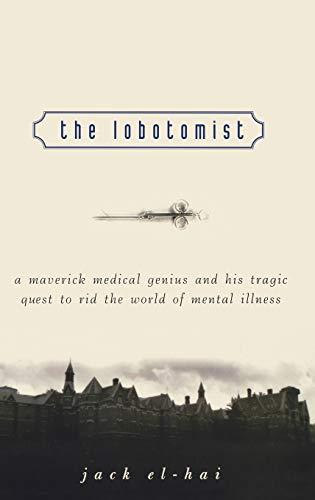
A Maverick Medical Genius and His Tragic Quest to Rid the World of Mental Illness
The book was referenced multiple times throughout the podcast, providing a detailed account of Walter Freeman's lobotomy practices and the consequences of his actions.
I'm going to quote now from the book The Lobotomist.
— Episode: Part Two: The Bastard Who Invented The L...
The book was referenced multiple times throughout the podcast, providing a detailed account of Walter Freeman's lobotomy practices and the consequences of his actions.
I'm going to quote now from the book The Lobotomist.
In 1948 Patricia Darian a student nurse at the University of Virginia in Charlottesville watched Freeman perform a transorbital lobotomy at a nearby state hospital.
Freeman selected the patients for operation she reported by twisting their joints to determine their flexibility not by reading or taking histories after a special lunch in honor of the occasion of his visit he occupied a conference room and had each patient shocked and photographed.
When all was ready he would plunge the leukotome in Darian noted. He wore no gown mask or gloves afterwards he would sit the patients up and have them walked out of the room.
He was very proud of the fact that the people walked in and walked out none had to be carried although one or two of them sagged badly on the way out she remembered.
It was discussed extensively throughout the episode, including details of Walter Freeman's life and his work on lobotomies. It was mentioned as a biography of Walter Freeman.
The wonderful biography of Walter, The Lobotomist, notes that he also nursed a lifelong fear of horses but never knew why.
Now, I'm gonna quote now from Jack El-Hai who wrote The Lobotomist and also wrote this piece for The Washington Post.
To him, the intoxicating thing about psychosurgery, Moniz's coin term for psychiatric surgery, was its potential to sever the links between the over excited emotions of an unhealthy thalamus and the behavioral functions of the prefrontal lobes of the brain.
If it worked, the destruction of these nerve fibers would prevent the thalamus from poisoning patients' thinking.
He absorbed the details of Moniz's work and, with neurosurgeon Watts, became figuring out how to adapt the Portuguese physician's techniques.
The book was referenced throughout the episode, particularly regarding the content of Freeman's actions and his lobotomy practices. It was mentioned as a good source of information on the topic and the host provided several quotes from it.
In 1948 Patricia Darian a student nurse at the University of Virginia in Charlottesville watched Freeman perform a transorbital lobotomy at a nearby state hospital.
Freeman selected the patients for operation she reported by twisting their joints to determine their flexibility not by reading or taking histories after a special lunch in honor of the occasion of his visit he occupied a conference room and had each patient shocked and photographed.
When all was ready he would plunge the leukotome in Darian noted. He wore no gown mask or gloves afterwards he would sit the patients up and have them walked out of the room.
He was very proud of the fact that the people walked in and walked out none had to be carried although one or two of them sagged badly on the way out she remembered.
In his classified report titled, Some Areas of Psychiatric Interest, Loefflin commented that the procedure would be adaptable to intelligence work and noted that he watched Dr. Freeman perform 22 transorbital lobotomies with an average of about 6 minutes per operation.
It was referenced several times throughout the episode as a source of information about Walter Freeman, detailing his life and work with lobotomies.
The wonderful biography of Walter, The Lobotomist, notes that he also nursed a lifelong fear of horses but never knew why.
To him, the intoxicating thing about psychosurgery, Moniz's coin term for psychiatric surgery, was its potential to sever the links between the over excited emotions of an unhealthy thalamus and the behavioral functions of the prefrontal lobes of the brain.
If it worked, the destruction of these nerve fibers would prevent the thalamus from poisoning patients' thinking.
He absorbed the details of Moniz's work and, with neurosurgeon Watts, became figuring out how to adapt the Portuguese physician's techniques.
Freeman and Watts used brains from the hospital morgue to practice the coring of sections of the prefrontal lobes with a leukotome, which is the device they used for that.
The book was referenced multiple times during the discussion of Walter Freeman and his lobotomies. It was used as a source to understand the context and details of his practices and was mentioned in quotes read by the host.
In 1948, Patricia Darian, a student nurse at the University of Virginia in Charlottesville, watched Freeman perform a transorbital lobotomy at a nearby state hospital.
Freeman selected the patients for operation she reported by twisting their joints to determine their flexibility not by reading or taking histories after a special lunch in honor of the occasion of his visit he occupied a conference room and had each patient shocked and photographed.
When all was ready he would plunge the leukotome in Darian noted. He wore no gown mask or gloves afterwards he would sit the patients up and have them walked out of the room.
He was very proud of the fact that the people walked in and walked out none had to be carried although one or two of them sagged badly on the way out she remembered.
In his classified report titled, Some Areas of Psychiatric Interest, Loefflin commented that the procedure would be adaptable to intelligence work and noted that he watched Dr. Freeman perform 22 transorbital lobotomies with an average of about 6 minutes per operation.
It was referenced multiple times as a biography of Walter Freeman and his work, including detailing his early life, career, and the development and implementation of lobotomies.
To him, the intoxicating thing about psychosurgery, Moniz's coin term for psychiatric surgery, was its potential to sever the links between the over excited emotions of an unhealthy thalamus and the behavioral functions of the prefrontal lobes of the brain.
If it worked, the destruction of these nerve fibers would prevent the thalamus from poisoning patients' thinking.
He absorbed the details of Moniz's work and, with neurosurgeon Watts, became figuring out how to adapt the Portuguese physician's techniques.
The authors regret to announce that they have been unable to reach an agreement on the subject of transorbital lobotomy.
Freeman believes that he has proved the method to make a person as effective and safe to entrust to the psychiatrist.
The book was referenced as a source for the episode. It was discussed numerous times and cited for multiple quotes related to Walter Freeman and his lobotomies.
I'm going to quote now from the book The Lobotomist.
In 1948 Patricia Darian a student nurse at the University of Virginia in Charlottesville watched Freeman perform a transorbital lobotomy at a nearby state hospital.
Freeman selected the patients for operation she reported by twisting their joints to determine their flexibility not by reading or taking histories after a special lunch in honor of the occasion of his visit he occupied a conference room and had each patient shocked and photographed.
When all was ready he would plunge the leukotome in Darian noted. He wore no gown mask or gloves afterwards he would sit the patients up and have them walked out of the room.
He was very proud of the fact that the people walked in and walked out none had to be carried although one or two of them sagged badly on the way out she remembered.
It was used as a source throughout the episode and discussed Freeman's fascination with accessing the brain and his surgical techniques. It was also mentioned in regards to a passage that described his father's lack of interest in his work.
To him, the intoxicating thing about psychosurgery, Moniz's coin term for psychiatric surgery, was its potential to sever the links between the over excited emotions of an unhealthy thalamus and the behavioral functions of the prefrontal lobes of the brain.
If it worked, the destruction of these nerve fibers would prevent the thalamus from poisoning patients' thinking.
He absorbed the details of Moniz's work and, with neurosurgeon Watts, became figuring out how to adapt the Portuguese physician's techniques.
Freeman and Watts used brains from the hospital morgue to practice the coring of sections of the prefrontal lobes with a leukotome, which is the device they used for that.
The authors regret to announce that they have been unable to reach an agreement on the subject of transorbital lobotomy.

A History of the U.S. Border Patrol (Volume 29) (American Crossroads)
It was mentioned in the context of the Texas Rangers' history, detailing their violent tactics against indigenous groups, runaway slaves, and those opposing Anglo-American interests in Texas.
they battled indigenous groups for dominance in the region, chased down runaway slaves who struck for freedom deep within Mexico and settled scores with anyone who challenged the Anglo-American Projec...
— Episode: Part One: The Complete, Insane History o...
It was mentioned in the context of the Texas Rangers' history, detailing their violent tactics against indigenous groups, runaway slaves, and those opposing Anglo-American interests in Texas.
they battled indigenous groups for dominance in the region, chased down runaway slaves who struck for freedom deep within Mexico and settled scores with anyone who challenged the Anglo-American Project in Texas.
Whatever the task however, raw physical violence was the Rangers principle strategy.
It was mentioned in relation to the Border Patrol and specifically the actions of Harlan Carter and the Texas Rangers in Laredo. It described the Border Patrol's actions as a refuge for white violence.
He charged local officials, the chief patrol inspector and border patrol officers in the Laredo station with immigrant smuggling and forced just under half of Laredo's 28 border patrol inspectors and the chief patrol inspector to quit or be fired. Perkins then transferred select border patrolmen who had all been Texas Rangers into the Laredo sector because all were experienced, well-disciplined fighters who knew the country well.
Detailing former Texas Rangers to Laredo was a strategy used to divorce the border patrol station from the local Mexican-American political elite. Tension quickly mounted between the ex-Rangers in the Laredo community, particularly the Laredo Police Department.
Although most local stations develop their own strategies, policies and procedures, the Laredo station was exempt until the men and the infamously brutal racial violence of the Texas Rangers slashed away at the bonds between the Laredo Border Patrol and local Mexican-American leadership.
The cleanup transformed the Laredo Border Patrol into a refuge for white violence within Mexican dominated Laredo.
Carter had convened a meeting to request the assistance of the U.S. military and the National Guard to purge the nation of undocumented Mexican nationals and seal the U.S.-Mexico border.
It was referenced multiple times throughout the episode, and was used as a source for many of the details of the Border Patrol's history, particularly its early days of violence and racism.
On June 12th, 1901, a Mexicano rancher named Gregorio Cortez stood at the gate of his home in Cairnes County, Texas. There he resisted arrest for a crime that he did not commit. The sheriff persisted, drew his gun and shot Gregorio's brother in the mouth when he charged at the sheriff to protect Gregorio.
early officers may have lived in white neighborhoods, worshipped at white churches and sent their children to white schools. But as salesmen, chauffeurs, machinists and cow punchers, they had labored at the edges of whiteness in the borderlands.
Policing Mexicans, in other words, presented officers with the opportunity to enter the region's primary economy and in the process shore up their tentative claims upon whiteness.
They entered Newton's parents' bedroom and began shining the flashlights in my mother's eyes and my father's eyes, telling them to get up. We're gonna go out and find where your Mexicans are.
Between June 17th and July 26th, 1954, 2,827 of the 4,403 migrants apprehended by task, the task force assigned to the Los Angeles area had worked in industry.
It was mentioned in relation to the history of the US Border Patrol, detailing how the Texas Rangers were involved in violence and maintaining white dominance in Texas.
they battled indigenous groups for dominance in the region, chased down runaway slaves who struck for freedom deep within Mexico and settled scores with anyone who challenged the Anglo-American Project in Texas.
Whatever the task however, raw physical violence was the Rangers principle strategy.
It was mentioned multiple times throughout the podcast as a source for information about the history of the Border Patrol and its role in enforcing white supremacy in Laredo, Texas.
He charged local officials, the chief patrol inspector and border patrol officers in the Laredo station with immigrant smuggling and forced just under half of Laredo's 28 border patrol inspectors and the chief patrol inspector to quit or be fired.
Detailing former Texas Rangers to Laredo was a strategy used to divorce the border patrol station from the local Mexican-American political elite.
Although most local stations develop their own strategies, policies and procedures, the Laredo station was exempt until the men and the infamously brutal racial violence of the Texas Rangers slashed away at the bonds between the Laredo Border Patrol and local Mexican-American leadership.
The cleanup transformed the Laredo Border Patrol into a refuge for white violence within Mexican dominated Laredo.
Carter had convened a meeting to request the assistance of the U.S. military and the National Guard to purge the nation of undocumented Mexican nationals and seal the U.S.-Mexico border.
The book was referenced and recommended as a more in-depth look into the history of the US Border Patrol, especially concerning the internalized racism within the force.
On June 12th, 1901, a Mexicano rancher named Gregorio Cortez stood at the gate of his home in Cairnes County, Texas. There he resisted arrest for a crime that he did not commit.
early officers may have lived in white neighborhoods, worshipped at white churches and sent their children to white schools. But as salesmen, chauffeurs, machinists and cow punchers, they had labored at the edges of whiteness in the borderlands.
Policing Mexicans, in other words, presented officers with the opportunity to enter the region's primary economy and in the process shore up their tentative claims upon whiteness.
one day in 1928, explained Stovall, who was a Border Patrol agent, he was patrolling alone near San Elizario, Texas when he decided to drive through town.
Between June 17th and July 26th, 1954, 2,827 of the 4,403 migrants apprehended by task, the task force assigned to the Los Angeles area had worked in industry.
It was mentioned in the context of the Texas Rangers' history, detailing their violent actions against indigenous groups, runaway slaves, and those who challenged Anglo-American control in Texas.
they battled indigenous groups for dominance in the region, chased down runaway slaves who struck for freedom deep within Mexico and settled scores with anyone who challenged the Anglo-American Project in Texas.
The book was referenced multiple times and highlighted the history of the US Border Patrol, detailing its origins in racism and violence, including its brutality toward Mexican migrants and the use of terms like "wetback".
On June 12th, 1901, a Mexicano rancher named Gregorio Cortez stood at the gate of his home in Cairnes County, Texas. There he resisted arrest for a crime that he did not commit.
When they came, Gregorio and his family, including his wounded brother, were gone. All that remained was the dead body of the sheriff.
early officers may have lived in white neighborhoods, worshipped at white churches and sent their children to white schools. But as salesmen, chauffeurs, machinists and cow punchers, they had labored at the edges of whiteness in the borderlands.
Policing Mexicans, in other words, presented officers with the opportunity to enter the region's primary economy and in the process shore up their tentative claims upon whiteness.
one day in 1928, explained Stovall, who was a Border Patrol agent, he was patrolling alone near San Elizario, Texas when he decided to drive through town.

It was referenced in the context of the character Pangloss and the idea that everything is the best it could be, a philosophy that the hosts found similar to Jordan Peterson's worldview.
This is why Voltaire in fucking Candide I brought up Pangloss like he is mocking this idea that like the Pangloss is this like philosopher guy who's saying like this is the best of al...
— Episode: Part One: We Watch More of Jordan Peters...
It was referenced in the context of the character Pangloss and the idea that everything is the best it could be, a philosophy that the hosts found similar to Jordan Peterson's worldview.
This is why Voltaire in fucking Candide I brought up Pangloss like he is mocking this idea that like the Pangloss is this like philosopher guy who's saying like this is the best of all possible worlds and everything that happens and it is like the best that can possibly be which is if you're in charge always the way in which you want people to feel like that's all Jordan Peterson is is fucking Pangloss with a fucking binzo problem.
It was discussed as a book in which Voltaire provides a Turkish Dervish with the final word, supporting the idea that Eastern religions and mythology have sacred truths that Westerners have forgotten.
He gives kind of the final word in the book to a Turkish Dervish
It was mentioned as a book where Voltaire provided a final viewpoint, through a Turkish Dervish, on the importance of Eastern and Asian religion and mythology in a way he believed provided moral superiority over Westerners.
in Candide. He gives kind of the final word in the book to a Turkish Dervish
The conversation suggested that Peter Thiel might have read Candide in college as an example of the kind of literature he references.
Maybe he read Candide and he was like, so that's what they do in college.
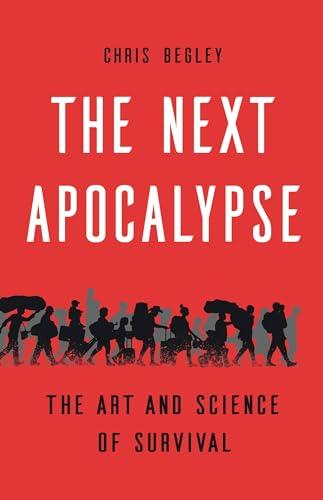
The Art and Science of Survival
The book explores the concept of societal collapse and decline, arguing that popular perceptions of such events as sudden and catastrophic are inaccurate. Instead, the author emphasizes the gradual and often subtle processes that lead to decline, using historical examples like the Maya civilization to illustrate these dynamics.
The basic thrust of your book is that the way in which we think about civilizations falling or collapsing or however you you know the ways in which folks tend to discuss that and we're talking about t...
— Episode: It Could Happen Here Weekly 19
The book explores the concept of societal collapse and decline, arguing that popular perceptions of such events as sudden and catastrophic are inaccurate. Instead, the author emphasizes the gradual and often subtle processes that lead to decline, using historical examples like the Maya civilization to illustrate these dynamics.
The basic thrust of your book is that the way in which we think about civilizations falling or collapsing or however you you know the ways in which folks tend to discuss that and we're talking about the Maya or the Romans Is is very different from what archaeologists who tend to study these cultures how they tend to perceive of What you might more accurately call a decline or you know, the decentralization or whatever I think there's a number of terms that we could use but these ideas that like you have these civilizations and then they suddenly fall apart Are not really based in rigorous historical analysis.
It became obvious to me over time that People were taking these courses not just to learn how to deal with being lost out in the wilderness Which is sort of was my vision What do you do if you unexpectedly have to spend a night out in the woods or or two or three? They're really thinking about what I do when things fall apart. How do I take care of myself? How do I take care of my family using these skills that you could use in a situation where things had fallen apart?
You know a lot of that stems from the research of some other archaeologists and they um You know You're exactly right. We don't think about that. We're not taught about it that way, you know, we sort of have this this contradictory and sort of uh, um, uh Doubly problematic way of talking about this first for a long time. We denied uh, sort of the the how Traumatic and and how much of a genocide it was when europeans arrived um and then After denying that we sort of say well native americans are Gone and no longer relevant so we can cease to talk about them, uh, of course That's not true. And one of the things that we see when we look more in detail at The histories or we listen to the oral histories or we look at the archaeology is that there are a number of things that that that people did and do to uh To create the outcomes that they want and that was no different for the native american groups, you know I mean they had ways of dealing with disease and some of them will be will be able to Understand it via our sort of our system right isolating people cleanliness minimizing contact Especially with sort of problematic groups like the colonizers um You know, but in other ways there are things that are going to be unfamiliar to us and we're not going to see The effectiveness or the value in it But one of the things that that all of these things did that these groups were doing was created or maintained group identity and cohesion and allowed the perseverance of of community and so there are You know, it's it's easy to think about people as sort of passive victims of something especially When it serves your purpose to to think about it in these ways And we just see that it's it's not the case
One of the things I talk about in In my book are ideas of you know, diversity and inclusion which we talk about in certain ways now and often I think unfortunately it's talked about as if It's done to benefit The people that are marginalized and left out Only and while it is partly that it benefits everybody, of course, I mean anyone in a business knows anybody in a university knows uh the benefits of Diversity in the same way anybody that's trying to do something Understands the benefit of a diverse range of experiences You know, that's why we make these multidisciplinary teams that go out and do things Uh, you know, it's so that you have this this wide variety that can help you keep going
I really am hoping that this sort of uh community-based idea Becomes the way we think about things, uh, you know, it doesn't mean it's easy or that we're gonna like it It doesn't mean that that's what I want. I mean tell you the truth. I would love it if it was just me out in the woods With my family, you know, I can do that It's much harder to be part of a community and make things work for a big group of people But that's just the way it's going to be
The book discussed the way in which we think about civilizations falling, arguing that the popular conception of sudden collapse is inaccurate and that declines are often more gradual and uneven. It also highlighted the importance of community and local knowledge in navigating potential societal disruptions.
The basic thrust of your book is that the way in which we think about civilizations falling or collapsing or however you you know, the ways in which folks tend to discuss that when we're talking about the Maya or the Romans is is very different from what archaeologists who tend to study these cultures, how they tend to perceive of what you might more accurately call a decline or, you know, a decentralization or whatever. I think there's a number of terms that we could use.
And I'm kind of wondering how the idea to write this sort of came together because you started it before the COVID-19 pandemic.
A huge percent of the population was engaged directly in agriculture. And, you know, here in the well, in the industrialized world is typically less than five percent, less than that, even in the United States.
And it's not just because of that last move. It's because of the last 10 moves.
It is absolutely the right thing to do to try to have two, three weeks of relatively storable food, some water, you know, some other emergency supplies.
The author, an underwater archaeologist, wrote a book about collapses throughout history and how they actually differ from the popular conceptions of them. He also talks about the misconception of jungles and how lost cities are often discovered by asking the local people.
I've been reading this very good book just started last night. And I think we're going to have the author on the show soon. Chris Begley, he's an underwater archaeologist, and he wrote a book called The Lost City of the Apocalypse that's about collapses throughout history and how they actually differ from the popular conceptions of them.
And one of the points he makes is that this idea of like lost cities in dark jungles and whatnot is based entirely on misconceptions, first of all, about like what jungles are. And then second, unlike these these very Eurocentric ideas towards what lost means, like he points out that every time there's been a lost city discovered, it's because archaeologists just like ask the people living there where the ruins were.
And they're like, oh, yeah, it's like right over there. Like we've known about this since forever. It was never lost. We just stopped living in that specific area.
And the other thing he points out is that like this idea of a jungle as like a difficult and primeval place is ridiculous. If you had to pick anywhere to be stranded in the world of terms of bio regions, you would pick a jungle like the Amazon because it's pretty easy to survive there.
It's called The Next Apocalypse, and it's very good so far.
The book examines collapses throughout history and how they differ from the popular conceptions of them. The author also discusses the concept of lost cities in dark jungles, explaining that they were never truly lost but were merely abandoned by the people who lived there.
And I think we're gonna have the author on the show soon Chris Begley. He's an underwater archaeologist and he wrote a book called The Next Apocalypse that's about Collapses throughout history and how they actually differ from the popular
He actually talks about a lot of the stuff we talked about in this show And one of the points he makes is that This idea of like lost cities in dark jungles and whatnot is based entirely on
misconceptions first of all about like what jungles are and then second on like the these these very Eurocentric ideas towards what lost means like he points out that every time there's been a lost
City or civilization discovered it's because archaeologists just like asked the people living there where the ruins were in there. Oh, yeah It's like right over there. Like we've known about this since forever. It was never lost We just stopped living in that specific area
It's called The Next Apocalypse and it's it's very good so far. Chris Begley is the author
The book focuses on the historical perspective of societal collapse and how it contrasts with the common fictional narratives. It explores the impact of climate change, globalization, and the politicization of crises on societal resilience.
The basic thrust of your book is that the way in which we think about civilizations falling or collapsing or however you you know the ways in which folks tend to discuss that and we're talking about the Maya or the Romans Is is very different from what archaeologists who tend to study these cultures how they tend to perceive of What you might more accurately call a decline or you know the decentralization or whatever I think there's a number of terms that we could use but these ideas that like you have these civilizations and then they suddenly fall apart Are not really based in rigorous historical analysis. Usually there's some cases as you go into the book
The big thing for me was How it became politicized so quickly, you know that was You know in the You know you know well now you see all of the memes you know Talking about the zombie movies where half the population doesn't believe there's zombies or something You know that was never really on the radar at least not on my radar Before and so now You know it is because clearly Not only do these things happen and then you have a group of people that are dealing with it You have obviously the dynamics within the group which which of course we knew but to see it play out in this way in this sort of dramatic way that really altered the course of History, I mean the pandemic could have turned out You know differently.
It's uneven It's not equal for everybody It's not Equal over space and time and certainly depending on your position in society There's different ways in which it It plays out for you You know and that's something that we see we see it from you know access to Vaccines to Well, I mean even things like you know, if we think about folks that are unvaccinated now there's a you know a chunk of those people that are Doing it for a sort of political reasons or other ideological reasons, but there's also a big A big group of those folks that are doing it because History shows that they should be wary of anything that Society tries to do to them and so, you know, you have these these things playing out for different ways for you know people from different regions of the country or political orientations or race or ethnicity or You know a whole variety of things and so seeing how uneven it was the pandemic Makes me think that you know, it certainly was that way then
The last time that humans lived where a significant portion of the population was Hunters and gatherers that is not farmers there was like 1 15th of the current population, you know less than 500 million people in the world So even a catastrophic disaster that you know reduced us to 85 percent of you know 15 percent of the current population We're still going to have more people in the world than ever lived without agriculture. And so we're gonna have to um Recreate some of these systems and you know agriculture by and large is going to be a community-based
A huge percent of the population Was engaged directly in agriculture And you know here in the it well in the industrialized world is typically less than five percent less than that even in the united States most people like me don't Don't engage in it and you know I know something about gardening perhaps like everybody else but you know I'm not a farmer. I don't really have that collective Wisdom and if I had to do that, um You know Probably it's like a lot of other things when everything's easy. It's not so bad Yeah When it goes bad, it really helps to know what you're doing and of course everything goes bad sooner or later and so um you know that's that kind of uh things very important, you know, and I think also there could certainly local systems and some flexible scale Would be really important you know, so i'm also like you a proponent of Of this sort of thing you know if we can get everybody to participate in ways that we aren't now That'll give us some flexibility What if what if we do have supply chain problems Well, we have a number of people in the community that are already doing some of this stuff that could maybe be Expanded or get us through this Period so yeah yeah
The book challenges the common perception of societal collapses as sudden events, suggesting a more gradual decline based on historical analysis.
The basic thrust of your book is that the way in which we think about civilizations falling or collapsing or however you you know, the ways in which folks tend to discuss that when we're talking about the Maya or the Romans is is very different from what archaeologists who tend to study these cultures, how they tend to perceive of what you might more accurately call a decline or, you know, a decentralization or whatever. I think there's a number of terms that we could use.
The big thing for me was how it became politicized so quickly.
And that's the that's really something that, you know, even with covid, it shows that right, you know, the the problems are not only the existence or the appearance of this virus, but first of all, how did it appear? And that has to do with, you know, decreasing habitat for wild animals and the proximity of human populations to animals.
The stockpiling, you know, as well.
And one of the things that, you know, that I found was that the last time that humans lived, where a significant portion of the population was hunters and gatherers, that is not farmers. There was like one 15th of the current population, you know, less than 500 million people in the world.
It is a book about collapses throughout history and how they differ from popular conceptions of them. It was said to be a very good book, specifically about a third of the way through, and that it talked about a lot of the stuff mentioned in the podcast.
I've been reading this very good book just started last night. And I think we're going to have the author on the show soon. Chris Begley, he's an underwater archaeologist, and he wrote a book called The Lost City of the Apocalypse that's about collapses throughout history and how they actually differ from the popular conceptions of them. And he actually talks about a lot of the stuff we talk about in this show.
And one of the points he makes is that this idea of like lost cities in dark jungles and whatnot is based entirely on misconceptions, first of all, about like what jungles are. And then second, unlike these these very Eurocentric ideas towards what lost means, like he points out that every time there's been a lost city discovered, it's because archaeologists just like ask the people living there where the ruins were. And they're like, oh, yeah, it's like right over there. Like we've known about this since forever. It was never lost. We just stopped living in that specific area.
It's called The Next Apocalypse, and it's very good so far.
The book examines historical collapses and how they differ from popular conceptions. The author debunks the misconception of lost cities and jungles, arguing that the idea of 'lost' is Eurocentric and that such cities were never truly lost, but rather abandoned. The book also highlights the unique features of jungles, specifically the Amazon, and how they are not barren but rather contain food forests that were deliberately engineered by native populations.
And I think we're gonna have the author on the show soon Chris Begley
It's called The Next Apocalypse and it's it's very good so far
I think we're gonna have him on next week
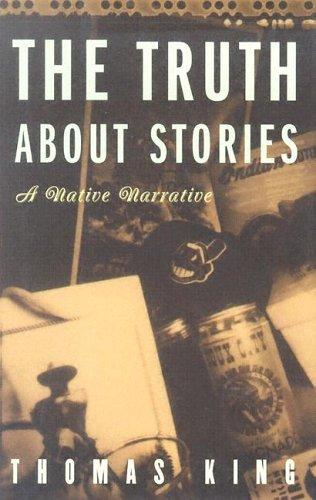
A Native Narrative (Volume 1) (Indigenous Americas)
It was recommended as an excellent book that emphasizes the importance of stories and how stories impact how we navigate the world.
Like I forget his name right now, but there's this excellent excellent book called the The Truth About Stories and I think What it really emphasizes throughout the book is the importa...
— Episode: It Could Happen Here Weekly 6
It was recommended as an excellent book that emphasizes the importance of stories and how stories impact how we navigate the world.
Like I forget his name right now, but there's this excellent excellent book called the The Truth About Stories and I think What it really emphasizes throughout the book is the importance of stories and how stories impact how we navigate the world.
The Truth About Stories was mentioned as an excellent book that emphasizes the importance of stories and how they impact how we navigate the world, explaining why the speaker embraces solar punk as a story to work with going forward.
I forget his name right now, but there's this excellent, excellent book called The Truth About Stories. And I think what it really emphasizes throughout the book is the importance of stories and how stories impact how we navigate the world, which is why I sort of embraced solar punk as a story that we can work with going forward.
The book was mentioned as an example of the importance of stories and how they impact how we navigate the world, and it was described as excellent.
It reminds me actually of, I forget his name right now, but there's this excellent, excellent book called The Truth About Stories. And I think what it really emphasizes throughout the book is the importance of stories and how stories impact how we navigate the world, which is why I sort of embraced solar punk as a story that we can work with going forward.
The book, "The Truth About Stories", was mentioned as emphasizing the importance of stories in shaping our understanding of the world, a sentiment that resonates with St. Andrew's belief in the power of Solarpunk as a positive narrative.
Like I forget his name right now, but there's this excellent excellent book called "The Truth About Stories"
The speaker mentioned a book called "The Truth About Stories" and noted that it emphasizes the importance of stories and how they affect our navigation of the world.
It reminds me actually of, I forget his name right now, but there's this excellent, excellent book called The Truth About Stories. And I think what it really emphasizes throughout the book is the importance of stories and how stories impact how we navigate the world, which is why I sort of embraced solar punk as a story that we can work with going forward.
It was mentioned as an excellent book that emphasizes the importance of stories and how they impact how we navigate the world.
It reminds me actually of um, Like I forget his name right now, but there's this excellent excellent book called the The Truth About Stories and I think What it really emphasizes throughout the book is the importance of stories and how stories impact how we navigate the world
The speaker referenced a book called "The Truth About Stories" and said it emphasized the importance of stories and how stories impact how we navigate the world. The speaker also said this book reminded them of a quote from Werner Herzog in the 1970s.
It reminds me actually of, I forget his name right now, but there's this excellent, excellent book called The Truth About Stories. And I think what it really emphasizes throughout the book is the importance of stories and how stories impact how we navigate the world, which is why I sort of embraced solar punk as a story that we can work with going forward.
It was mentioned as an excellent book that emphasized the importance of stories and how they impact how we navigate the world. It was said to be why the speaker embraced solar punk.
It reminds me actually of, I forget his name right now, but there's this excellent, excellent book called The Truth About Stories. And I think what it really emphasizes throughout the book is the importance of stories and how stories impact how we navigate the world, which is why I sort of embraced solar punk as a story that we can work with going forward.

(40th Anniversary Ed.)
It was described as an older book from 1975, and the first of its kind in eco-utopian genre, but not all aspects of its politics are agreed with.
It's actually a book that was published in the night in 1975
— Episode: It Could Happen Here Weekly 6
It was described as an older book from 1975, and the first of its kind in eco-utopian genre, but not all aspects of its politics are agreed with.
It's actually a book that was published in the night in 1975
And not all aspects of its politics things I agree with but I think for a first
Ecotopia is an older book, published in 1975, and is recommended for sparking imagination and getting people thinking about different ways of doing things, even if the reader doesn't agree with every aspect of the book. It is seen as one of the first of its kind in the eco-utopian genre, laying out what the society would look like.
The one I read most recently was Ecotopia, which is much older than all the others. It's actually a book that was published in 1975. And not all aspects of its politics are things I agree with. But I think for a first, it was one of the really the first of its kind in that sort of eco-utopian genre that really laid out what the society would look like.
The book was described as one of the first of its kind in the eco-utopian genre and was written in 1975. The book was structured in a series of novel entries and notebook reports by a journalist from the United States who has gone to this country called Ecotopia.
And the one I read most recently was Ecotopia, which is quite as much older than all the others. It's actually a book that was published in 1975. And not all aspects of its politics are things I agree with. But I think for a first, it was one of the really the first of its kind in that sort of eco utopian genre that really laid out what this society would look like.
The book is structured in a series of novel entries and notebook reports by a journalist from the United States who has gone to this country called Ecotopia, which is sort of where the Pacific Northwest states are. And he's basically breaking down, he's going to different parts of the country and breaking down how they have lived and how they have decided to structure their lives.
"Ecotopia", published in 1975, is considered one of the earliest examples of eco-utopian fiction and explores the potential of a sustainable society. Although the book's politics aren't fully aligned with St. Andrew's views, he still recommends it as a stimulating read for those new to the genre.
Ecotopia
Published in 1975, "Ecotopia" is considered one of the first eco-utopian novels. The book follows a journalist who travels to a sustainable society called Ecotopia and documents its societal structures and way of life.
And the one I read most recently was Ecotopia, which is quite as much older than all the others. It's actually a book that was published in 1975. And not all aspects of its politics are things I agree with.
It was mentioned as a book published in 1975 that was one of the first of its kind in the eco-utopian genre and laid out what a society with those values would look like. It was structured in a series of novel entries and notebook reports by journalists from the United States who had gone to Ecotopia, which was sort of where the Pacific Northwest states are. The book was mentioned as a good starting point for people interested in Solarpunk, even if not every aspect of it is one that the speaker would want to see implemented.
It's actually a book that was published in the night in 1975
And not all aspects of its politics things I agree with but I think for a first
The speaker recommended a book called "Ecotopia" as a potential recommendation for listeners interested in solar punk. The speaker also said that not all aspects of the book's politics aligned with their own but they felt it was a useful book to spark the imagination and get people thinking about different possibilities.
And the one I read most recently was Ecotopia, which is much older than all the others. It's actually a book that was published in 1975. And not all aspects of its politics are things I agree with. But I think for a first, it was one of the really the first of its kind in that sort of eco-utopian genre that really laid out what the society would look like.
The book was called one of the first in its kind and it was said to lay out what a society would look like. It was published in 1975. While the speaker doesn't agree with every aspect of the book's politics, they do say that it sparks the imagination and makes people think about how it could be done differently.
And the one I read most recently was Ecotopia, which is quite as much older than all the others. It's actually a book that was published in 1975. And not all aspects of its politics are things I agree with.
But I think for a first, it was one of the really the first of its kind in that sort of eco utopian genre that really laid out what this society would look like.
And even though not every aspect of it is one that I would want to see implemented, I still think that it really sparks the imagination, really gets you thinking, well, maybe I wouldn't do it this way, but how else could this be done?

It was used to reference the history of Seattle, particularly regarding the Seattle Amateur Rifle Association and the Seattle Rifles.
History of Seattle from the Earliest Settlement to the Present Time, Volume Two, which I started pouring through and found that there was in 1874, there was a group called the Seattle Amateur Rifle As...
— Episode: It Could Happen Here Weekly 6
It was used to reference the history of Seattle, particularly regarding the Seattle Amateur Rifle Association and the Seattle Rifles.
History of Seattle from the Earliest Settlement to the Present Time, Volume Two, which I started pouring through and found that there was in 1874, there was a group called the Seattle Amateur Rifle Association, which leased land for a range on current present day Capitol Hill,
This book is mentioned as a source for information about the history of community armed response in Seattle. Specifically, the speaker references the Seattle Amateur Rifle Association, the Seattle Rifle Team, and the Chinese riots of 1886 as examples of how community armed response has been a long-standing historical presence.
I did some digging and found in a book called History of Seattle from the earliest settlement to the present time volume two which I started pouring through and found that there was uh in 1874 there was a group called the Seattle Amateur Rifle Association which leased land for a range on current present day capitol hill
The book was mentioned as containing historical information on the Seattle Amateur Rifle Association and the Seattle Rifles in Seattle, Washington.
I did some digging and found in a book called History of Seattle from the earliest settlement to the present time volume two which I started pouring through and found that there was in 1874 there was a group called the Seattle amateur rifle association which leased land for a range on current present day capitol hill like right where the train station is if you're familiar with the area so like right where protests always happen these days yeah later on there's record record in 1877 of the Seattle rifle team organizing and shooting contests and then later on in 1886 which is a number that probably rings a bell the chinese riots as they called them at the time uh happened which was sort of the start of the labor movement where everyone decided that chinese immigrants were the cause of all of our woes that the low wages being paid to chinese immigrants were because of chinese immigrants and not racism so they decided to run every person who looked chinese out of town literally uh they referred to this as the tacoma method and i'm guessing because that's what they did in tacoma exactly it started there and uh it was a february 7th of 1886 this massive angry racist mob tried to push all the chinese folks out of seattle or anyone they thought might look like chinese and they tried to push them onto a steamboat but there weren't there wasn't enough room for them all there um cops got involved a bunch of other stuff happened they decided no give them time in court but uh in the process of making this decision you know the racist got a mob together and we're basically just going to try and put a stop to this before they the legal proceedings could to go forward so they reached out to local allies in arms they had the home guards which i'm not exactly sure exactly what the home guards were but i assume there's something related to national guard later on or maybe just an extension of military but the home guards and the seattle rifles as well as the university cadets which i'm assuming are of course soldiers in training and uh pulled them all out and made a community self-defense group out of them they put a rifle line and held the mob back and enabled those folks to get you know safely to have their day in court and then to protect them for a while afterward they actually organized uh a sort of a watch because they didn't have enough police to to manage the mob they used folks from the seattle rifles and these other groups to uh to sort of bolster the police forces and keep peace in the town so the sort of thing that we do is long standing historical presence but i think there's a lot of things you can look at the history of and sort of take lessons from so um as as fray mentioned a unified response is of course a huge benefit of having a huge strength of having an organized armed group and it's it's literally if someone reaches out and says we need help help is available but there are a lot of weaknesses uh businesses and clubs can be held liable legally and this is an endemic problem within gun laws it stands the laws are written such that they effectively they're that it comes down to situational context to determine how a gun law should be enforced and the law will never be on the side of a group trying to abolish parts of the law so you have to be very careful about how you how especially an organized or formally organized armed group has to be very careful about how they put their their work in play with that in mind
This book, "History of Seattle from the Earliest Settlement to the Present Time, Volume Two", was used to research the historical context of community self-defense in Seattle, specifically looking at events from the 1870s and 1880s, such as the "Chinese riots" and the role of armed groups in protecting Chinese immigrants from mob violence.
History of Seattle from the Earliest Settlement to the Present Time, Volume Two
The speaker referenced this book to highlight the historical context of community armed response in Seattle, particularly noting the formation of the Seattle Amateur Rifle Association and the involvement of armed groups in the 1886 Chinese Riots.
I did some digging and found in a book called History of Seattle from the Earliest Settlement to the Present Time, Volume Two which I started pouring through and found that there was in 1874 there was a group called the Seattle Amateur Rifle Association which leased land for a range on current present day Capitol Hill like right where the train station is if you're familiar with the area so like right where protests always happen these days yeah later on there's record record in 1877 of the Seattle Rifle Team organizing and shooting contests and then later on in 1886 which is a number that probably rings a bell the Chinese riots as they called them at the time uh happened which was sort of the start of the labor movement where everyone decided that Chinese immigrants were the cause of all of our woes that the low wages being paid to Chinese immigrants were because of Chinese immigrants and not racism so they decided to run every person who looked Chinese out of town literally uh they referred to this as the Tacoma method and I'm guessing because that's what they did in Tacoma exactly it started there and uh it was a February 7th of 1886 this massive angry racist mob tried to push all the Chinese folks out of Seattle or anyone they thought might look like Chinese and they tried to push them onto a steamboat but there weren't there wasn't enough room for them all there um cops got involved a bunch of other stuff happened they decided no give them time in court but uh in the process of making this decision you know the racist got a mob together and we're basically just going to try and put a stop to this before they the legal proceedings could to go forward so they reached out to local allies in arms they had the home guards which I'm not exactly sure exactly what the home guards were but I assume there's something related to national guard later on or maybe just an extension of military but the home guards and the Seattle rifles as well as the university cadets which I'm assuming are of course soldiers in training and uh pulled them all out and made a community self-defense group out of them they put a rifle line and held the mob back and enabled those folks to get you know safely to have their day in court and then to protect them for a while afterward they actually organized uh a sort of a watch because they didn't have enough police to to manage the mob they used folks from the Seattle rifles and these other groups to uh to sort of bolster the police forces and keep peace in the town so the sort of thing that we do is long standing historical presence but I think there's a lot of things you can look at the history of and sort of take lessons from so um as as fray mentioned a unified response is of course a huge benefit of having a huge strength of having an organized armed group and it's it's literally if someone reaches out and says we need help help is available but there are a lot of weaknesses uh businesses and clubs can be held liable legally and this is an endemic problem within gun laws it stands the laws are written such that they effectively they're that it comes down to situational context to determine how a gun law should be enforced and the law will never be on the side of a group trying to abolish parts of the law so you have to be very careful about how you how especially an organized or formally organized armed group has to be very careful about how they put their their work in play with that in mind
It was mentioned as a book that provided historical context for armed community response in Seattle, particularly in relation to the Chinese Riots of 1886, when the Seattle Rifle Team and other groups were called on to provide armed self-defense.
I did some digging and found in a book called History of Seattle from the Earliest Settlement to the Present Time, Volume Two
The speaker referenced a book called "History of Seattle from the Earliest Settlement to the Present Time, Volume Two" in their discussion about armed community response in Seattle. The speaker said that the book provided information about armed groups that were active in Seattle in the 1800s, including the Seattle Amateur Rifle Association and the Seattle Rifles.
i did some digging and found in a book called history of seattle from the earliest settlement to the present time volume two which i started pouring through and found that there was uh in 1874 there was a group called the seattle amateur rifle association which leased land for a range on current present day capitol hill um like right where the train station is if you're familiar with the area so like right where protests always happen these days yeah later on there's record record in 1877 of the seattle rifle team organizing and shooting contests and then later on in 1886 which is a number that probably rings the bell the chinese riots as they called them at the time uh happened which was sort of the start of the labor movement where everyone decided that chinese immigrants were the cause of all of our woes that the low wages being paid to chinese immigrants were because of chinese immigrants and not racism so they decided to run every person who looked chinese out of town literally uh they referred to this as the tacoma method and i'm guessing because that's what they did in tacoma exactly it started there and uh it was a february 7th of 1886 this massive angry racist mob tried to push all the chinese folks out of seattle or anyone they thought might look like chinese and they tried to push them onto a steamboat but there weren't there wasn't enough room for them all there um cops got involved a bunch of other stuff happened they decided no give them time in court but uh in the process of making this decision you know the racists got a mob together and were basically just going to try and put a stop to this before they the legal proceedings could to go forward so they reached out to local allies in arms they had the home guards which i'm not exactly sure exactly what the home guards were but i assume there's something related to national guard later on or maybe just an extension of military but the home guards and the seattle rifles as well as the university cadets which i'm assuming are of course soldiers in training and uh pulled them all out and made a community self-defense group out of them they put a rifle line and held the mob back and enabled those folks to get you know safely to have their day in court um and then to protect them for a while afterward they actually organized uh a uh sort of a watch because they didn't have enough police to to manage the mob they used folks from the seattle rifles and these other groups to uh to sort of bolster the police forces and keep peace in the town so the sort of thing that we do is long-standing historical presence but i think there's a lot of things you can look at the the history of and sort of take lessons from so
The speaker was able to find information in the book about the Seattle Amateur Rifle Association, Seattle Rifle Team, and the Chinese Riots of 1886. The book gave insight into the historical context of armed response and community armed response in Seattle.
I did some digging and found in a book called History of Seattle from the earliest settlement to the present time volume two which I started pouring through and found that there was in 1874 there was a group called the Seattle amateur rifle association which leased land for a range on current present day capitol hill like right where the train station is if you're familiar with the area so like right where protests always happen these days yeah later on there's record record in 1877 of the Seattle rifle team organizing and shooting contests and then later on in 1886 which is a number that probably rings a bell the chinese riots as they called them at the time uh happened which was sort of the start of the labor movement where everyone decided that chinese immigrants were the cause of all of our woes that the low wages being paid to chinese immigrants were because of chinese immigrants and not racism so they decided to run every person who looked chinese out of town literally uh they referred to this as the tacoma method and i'm guessing because that's what they did in tacoma exactly it started there and uh it was a february 7th of 1886 this massive angry racist mob tried to push all the chinese folks out of seattle or anyone they thought might look like chinese and they tried to push them onto a steamboat but there weren't there wasn't enough room for them all there um cops got involved a bunch of other stuff happened they decided no give them time in court but uh in the process of making this decision you know the racist got a mob together and we're basically just going to try and put a stop to this before they the legal proceedings could to go forward so they reached out to local allies in arms they had the home guards which i'm not exactly sure exactly what the home guards were but i assume there's something related to national guard later on or maybe just an extension of military but the home guards and the seattle rifles as well as the university cadets which i'm assuming are of course soldiers in training and uh pulled them all out and made a community self-defense group out of them they put a rifle line and held the mob back and enabled those folks to get you know safely to have their day in court and then to protect them for a while afterward they actually organized uh a sort of a watch because they didn't have enough police to to manage the mob they used folks from the seattle rifles and these other groups to uh to sort of bolster the police forces and keep peace in the town so the sort of thing that we do is long standing historical presence but i think there's a lot of things you can look at the history of and sort of take lessons from so um as as fray mentioned a unified response is of course a huge benefit of having a huge strength of having an organized armed group and it's it's literally if someone reaches out and says we need help help is available but there are a lot of weaknesses uh businesses and clubs can be held liable legally and this is an endemic problem within gun laws it stands the laws are written such that they effectively they're that it comes down to situational context to determine how a gun law should be enforced and the law will never be on the side of a group trying to abolish parts of the law so you have to be very careful about how you how especially an organized or formally organized armed group has to be very careful about how they put their their work in play with that in mind

A Novel (Zoey Ashe, 2)
The book, written by the podcast's guest, was promoted as being a fun read by Robert Evans who suggested the reader ignore the title and potentially pretend it is called Wuthering Heights instead. It was also mentioned as being the guest's most recent book and his fifth novel.
Yes, my most recent book is called Zoe Punches the Future in the Dick.
— Episode: Part Two: How The Dulles Brothers Create...
The book, written by the podcast's guest, was promoted as being a fun read by Robert Evans who suggested the reader ignore the title and potentially pretend it is called Wuthering Heights instead. It was also mentioned as being the guest's most recent book and his fifth novel.
Yes, my most recent book is called Zoe Punches the Future in the Dick.
If you are dissuaded by that title or by my personality, read the reader reviews. They're all very good.
Or just pretend it's called Wuthering Heights.
It was mentioned by Jason Pargin as his most recent, and among other, New York Times best-selling books.
yes plug out yes since i abandoned uh the online publishing industry last year and left my job at crack i'm a full-time author i i am a new york times best-selling author of several increasingly stupid books uh the last one was called zoe punches the future in the dick it is book two in a series you do not have to have read the first one it is as good of a place to start as any or you can go to amazon or if you have a more ethical place you buy your books from you can browse any of them by looking up my name
It was mentioned as the most recent book written by Jason Pargin, the guest on the podcast, with a humorous and provocative title.
Yes, my most recent book is called Zoe Punches the Future in the Dick.
The podcast guest, Jason Pargin, mentioned his newest book 'Zoe Punches the Future in the Dick' and invited listeners to read it and find his other works online.
Yes, my most recent book is called Zoe Punches the Future in the Dick.
Otherwise, I'm on all of the social media platforms. Just Google my name. It's they'll come up.
The Naked Truth About Hot Dogs
The book, which is about hot dogs, was mentioned by Jamie Loftus as a plug for her own work.
You buy my book Raw Dog, which is about hot dogs.
— Episode: Part Three: The Finders: CIA Child Traff...
The book, which is about hot dogs, was mentioned by Jamie Loftus as a plug for her own work.
You buy my book Raw Dog, which is about hot dogs.
It was mentioned as Robert Evans's book about hot dogs and America, plugged at the end of the podcast, and with a reference to the podcast episode about hot dogs.
Hey, it's never too late to start reading about hot dogs. It's never too late to start learning. Reading about hot dogs and also America. Fascinating story. Raw Dog. Find it wherever books are found.
You're welcome. What a spicy plug that was. Gorgeous. Gorgeous plug.
I have heard that the subject of that episode, George Shea, that the hot dog eating community is actively protecting him from its existence. He does not know it exists. He does not know the book.
The book is a humorous and insightful look into the hot dog industry, exploring the history, production, and culture surrounding the beloved food.
So it's so good to be here to talk about things. This is like the thingiest thing available, I think.
I read this book in OK, I don't know how you're actually supposed to divide up. If you stand up to go to the bathroom in the middle of a sitting, is that still one sitting?
But is it now increased to two? Yeah. So I read this book in one sitting and it was great. Oh, one sitting with a with a bathroom break there.
I think there was two technically. But yeah, yeah. It was a good time.
So I read this book in OK, I don't know how you're actually supposed to divide up. If you stand up to go to the bathroom in the middle of a sitting, is that still one sitting?
It was mentioned as a book about hot dogs that was available for pre-order, and the speaker encouraged listeners to check out the author's social media for more information.
I want to plug two books that are available for preorder right now. The first of which is Jamie Loftus' book about hot dogs called Raw Dog.
It was mentioned as a book Jamie Loftus is writing about hot dog culture and competitive eating, that will be released in 2023.
So if you enjoy this episode, please buy my book that comes out next year.
This is a very tiny part of it.
It's about, um, this, I mean, truly this George Shay stuff takes up a couple of pages.
There's just so much about hot dogs and their history.
And, uh, and there's just a lot. So I hope you read it.
It was mentioned that the book is about the history of hot dogs, including the story of George Shea and his role in competitive eating. The book was set to be released in April 2023.
If you enjoy this episode, please buy my book that comes out next year.
This is a very tiny part of it.
So I hope you read it when it comes out.
It's about, um, this, I mean, truly this George Shay stuff takes up a couple of pages. There's just so much about hot dogs and their history.
And, uh, and there's just a lot.
Robert bragged that he had written a bestselling book called Raw Dog, which he suggested listeners could read about hot dogs.
And I've heard that you have a bestselling book, Raw Dog.
Reading about hot dogs and also America. Fascinating story. Raw Dog. Find it wherever books are found.

It was described as a wonderful book that provided a detailed history of Elon Musk's business ventures, including his successes and setbacks, as well as his technological pursuits.
Ashley Vance spends the bulk of her biography of Elon Musk outlining the entrepreneur's history of business setbacks and successes.
— Episode: Part Two: I Do Not Like Elon Musk Very M...
It was described as a wonderful book that provided a detailed history of Elon Musk's business ventures, including his successes and setbacks, as well as his technological pursuits.
Ashley Vance spends the bulk of her biography of Elon Musk outlining the entrepreneur's history of business setbacks and successes.
She writes a lot about his cool technology and it is cool.
they were more or less broke after getting the office space, licensing software and buying some equipment.
almost every day I'd come in at 7.30 or 8 a.m. And he'd be asleep right there on that bag.
The Canadian had a knack for calming Musk and ended up being something of a mentor.
It was discussed as the main source for the podcast episode, providing biographical details about Elon Musk's early life, family, and career up to 2015, before his Twitter presence became more controversial.
I'd informed him of my plans to write a book about him, and he'd informed me of his plans not to cooperate.
He could make my life very difficult or he could help with the project after all.
Musk has his version of the truth and it's not always the version of the truth that the rest of the world shares.
Do you think I'm insane?
The perplexing thing was that Elon seemed to drift off into a trance at times.
It was described as a wonderful book that outlined Elon Musk's history of business setbacks and successes, including his early businesses like Zip2 and X.com, as well as his later ventures like SpaceX and Tesla.
Ashley Vance spends the bulk of her biography of Elon Musk outlining the entrepreneur's history of business setbacks and successes.
She writes a lot about his cool technology and it is cool.
they were more or less broke after getting the office space, licensing software and buying some equipment. For the first three months of Zip2's life, Musk and his brother lived at the office.
almost every day I'd come in at 7.30 or 8 a.m. And he'd be asleep right there on that bag.
the Canadian had a knack for calming Musk and ended up being something of a mentor.
It was discussed as the main source for the episode, particularly regarding Elon Musk's early life and relationships, with a focus on his father, Errol Musk. The book was described as generally positive about his technological achievements but also critical of his personality.
I'd informed him of my plans to write a book about him, and he'd informed me of his plans not to cooperate.
Plenty of people had left Musk's companies, Tesla Motors and SpaceX and would talk. And I already knew a lot of his friends.
He could make my life very difficult or he could help with the project after all.
Musk has his version of the truth and it's not always the version of the truth that the rest of the world shares.
Do you think I'm insane?
It was described as a wonderful book that outlines the entrepreneur's history of business failures and successes, also touching on his cool technology.
Ashley Vance spends the bulk of her biography of Elon Musk outlining the entrepreneur's history of business setbacks and successes.
She writes a lot about his cool technology and it is cool.
they were more or less broke after getting the office space, licensing software and buying some equipment.
almost every day I'd come in at 7.30 or 8 a.m. And he'd be asleep right there on that bag.
The Canadian had a knack for calming Musk and ended up being something of a mentor.
The book was discussed at length, focusing on Elon Musk's business history and personality, including his founding of Zip2, X.com, Tesla, and SpaceX. It was highlighted as a useful resource for understanding his career.
they were more or less broke after getting the office space, licensing software and buying some equipment. For the first three months of Zip2's life, Musk and his brother lived at the office.
almost every day I'd come in at 7.30 or 8 a.m. And he'd be asleep right there on that bag.
the Canadian had a knack for calming Musk and ended up being something of a mentor.
Elon is not someone who would say, 'I feel you. I see your point of view.' Because he doesn't have that 'I feel you' dimension where things that seemed obvious to other people that weren't that obvious to him.
I don't really give a damn what you think
The biography of Elon Musk by Walter Isaacson was mentioned in passing, as the podcast had previously covered Elon Musk in a previous episode. It was described as tackling his ingenuity.
i'm evan rattliffe last season we tackled the ingenuity of Elon Musk with biographer walter isaacson this time we're diving into the story of benjamin franklin another genius who's desperate to be dusted off from history his media empire makes him the most successful self-made business person in america i mean he was never early to bed an early to rise type person he's enormously famous women start wearing their hair and what was called the quaffur a la franklin and who's more relevant now than ever the only other person who could have possibly been the first president would have been benjamin franklin but he's too old and once washington to do it listen to on benjamin franklin with walter isaacson on the i heart radio app apple podcast or wherever you get your podcasts
The Architecture of Belief
It was described as a terrible book, possibly due to its content or the speaker's personal opinion of it.
So I've been looking at my copy of Maps of Meaning and yeah. Terrible book, I apologize.
— Episode: Part One: How The Southern Baptist Conve...
It was described as a terrible book, possibly due to its content or the speaker's personal opinion of it.
So I've been looking at my copy of Maps of Meaning and yeah. Terrible book, I apologize.
It was discussed as Peterson's first book, a dense academic treatise on the architecture of belief that includes Jungian and Campbellian ideas and focuses on order and chaos.
Terrible chaotic forces lurk behind the facade of the normal world. These forces are kept at bay by the maintenance of social order. The reign of order is insufficient, however, because order itself becomes overbearing and deadly if allowed unregulated or permanent expression.
The actions of the hero constitute an antidote to the deadly forces of chaos and to the tyranny of order. The hero creates order from chaos and reconstructs the order when necessary, that order when necessary.
Religion was for the ignorant, weak and superstitious, he wrote. I stopped attending church. I joined the modern world.
Peterson has a way of making even the mildest pronouncement sound like the dying declaration of a political prisoner.
When he started to speak, he would hear a voice telling him, you don't believe that. That isn't true.
It was described as a terrible book, and an apology was given for even mentioning it.
Well, that's all the time Dr. Peterson has for us today.
So I've been looking at my copy of Maps of Meaning and yeah. Terrible book, I apologize.
It was discussed as his first book, detailing the architecture of belief and featuring his interest in hero myths and collective unconsciousness, along with the concepts of order and chaos.
Terrible chaotic forces lurk behind the facade of the normal world. These forces are kept at bay by the maintenance of social order. The reign of order is insufficient, however, because order itself becomes overbearing and deadly if allowed unregulated or permanent expression. The actions of the hero constitute an antidote to the deadly forces of chaos and to the tyranny of order. The hero creates order from chaos and reconstructs the order when necessary, that order when necessary. His actions simultaneously ensure that novelty remains tolerable and that security remains flexible.
Peterson has a way of making even the mildest pronouncement sound like the dying declaration of a political prisoner. In Maps of Meaning, he traced this sense of urgency to a feeling of fraudulence that overcame him in college. When he started to speak, he would hear a voice telling him, 'you don't believe that. That isn't true.' To ward off mental breakdown, he resolved not to say anything unless he was sure he believed it.
Religion was for the ignorant, weak and superstitious, he wrote. I stopped attending church. I joined the modern world.
It was mentioned in passing as a potential source of ideology, as the speakers discussed the influence of Jordan Peterson.
And then you read about it more in books by Dr. George Peterson.
It was discussed at length, with its focus on the hero myth and the concept of a collective unconsciousness. It was also noted for its emphasis on order and chaos.
Terrible chaotic forces lurk behind the facade of the normal world. These forces are kept at bay by the maintenance of social order. The reign of order is insufficient, however, because order itself becomes overbearing and deadly if allowed unregulated or permanent expression.
The actions of the hero constitute an antidote to the deadly forces of chaos and to the tyranny of order. The hero creates order from chaos and reconstructs the order when necessary, that order when necessary. His actions simultaneously ensure that novelty remains tolerable and that security remains flexible.
Religion was for the ignorant, weak and superstitious, he wrote. I stopped attending church. I joined the modern world.
Peterson has a way of making even the mildest pronouncement sound like the dying declaration of a political prisoner.
When he started to speak, he would hear a voice telling him, you don't believe that. That isn't true.
A Theory
The author's most famous book, it focuses on bureaucracy and the impact it has on work.
Bureaucratic knowledge is all about schematization. In practice, bureaucratic procedure invariably means ignoring all the subtleties of real-life existence and reducing everything to preconceived mech...
— Episode: It Could Happen Here Weekly 69
The author's most famous book, it focuses on bureaucracy and the impact it has on work.
Bureaucratic knowledge is all about schematization. In practice, bureaucratic procedure invariably means ignoring all the subtleties of real-life existence and reducing everything to preconceived mechanical or statistical formula.
Bureaucratic violence should consist first and foremost on attacks on those who insist on alternative schemas or interpretations.
The book highlighted how many jobs, particularly in the service economy, are practically worthless.
If you've read Bullshit Jobs by David Graeber, you'll see that a lot of particularly service economy jobs are practically worthless.
It was discussed as a great modern resource about anti-work ideas. The book was partially inspired by 'The abolition of work', and it was mentioned in the context of the argument that a lot of work isn't necessary.
Bullshit Jobs by David Graeber and Bullshit Jobs was also kind of partially inspired by Bob Black's the the abolition of work
The Bullshit Jobs is definitely very timely and even even even crime thinks workbook Also also addresses stuff or even though it's wasn't not written within the past I I think it is maybe slightly older than a decade
One of the things he's argues in Bullshit Jobs. Is that basically? You know, okay. So so if you have
And another part of like anti-work theories is looking is looking at our society as it's built, you know Because it is it is tied to anarchism be like how much of this is actually necessary
The amount of extra energy we have by not having 10-hour horrible shifts that drain ourselves mentally and physically and More in with you know with the amount of most of the work that we people do as shown in David Graeber's
Bullshit Jobs was said to be a great resource for a modern outlook on anti-work ideas, and was partially inspired by Bob Black's "The Abolition of Work".
Also "Bullshit Jobs" by David Graeber and "Bullshit Jobs" was also kind of partially inspired by Bob Black's "The" the abolition of work.
The Bullshit Jobs is definitely very timely and even even even crime thinks workbook Also also addresses stuff or even though it's wasn't not written within the past I I think it is maybe slightly older than a decade
One of the things he's argues in "Bullshit Jobs" Is that basically? You know, okay, So so if you have like you have the Soviet economy, right?
And you know what it points to is it like yeah, you know a graver called this total bureaucratization which is that you know What we did instead of like giving ourselves more free time is created this just like endless enormous incredibly violent bureaucracy
And another part of like anti-work theories is looking is looking at our society as it's built, you know Because it is it is tied to anarchism be like how much of this is actually necessary like how do we do we really need a McRib?
The book "Bullshit Jobs" by David Graber was mentioned as a great modern anti-work resource that was partially inspired by "The Abolition of Work" by Bob Black.
And also Bullshit Jobs by David Graber.
And the Bullshit Jobs is definitely very timely.
And I think this is one of the things speaking of you talk about David Graeber earlier, who's an anarchist, anthropologist and widely seen to be like one of the most brilliant anthropologists of his generation. He recently deceased. But a book that he wrote before he died with another and another fellow came out recently called The Dawn of Everything that talks a lot about how, yeah, these ideas that kind of capitalism has a vested interest in you believing that the world was always hard in the way that it's hard.
And I think also even if you go towards things that like look more like labor to us, right, like I don't know, like look like if you look at like feudal levies, right, you're a peasant. You have to give some amount of grain to your lord. But like, OK, we work way longer than medieval peasants did. And not only do we work longer, it is something Graber and David Wenger talk about in that book is like, yeah, like not only do we work much longer, like the amount that we work would have been considered absolutely like even even a feudal lord would look at that much work and go, no, like this is this is this is like.
And this is also something that comes up in tribe by younger, the way in which like during the early period of colonization of North America, it was very common for, you know, Europeans to leave the cities and towns being established behind and join up with the tribes. Yeah. The reverse never happened. Like, yeah, like not willingly, not without kidnapping being a part of it. And it's because like their attitude was they were looking at the lives these people were living in these cities and like, well, why would you agree to do that?
One of the things he argues in Bullshit Jobs is that basically. You know, OK, so so if you have like you have the Soviet economy, right? OK, so the Soviet economy has has a policy of full employment. And for a little bit, they were like, OK, what if we make everyone work less? And then they stopped and then like everything went to shit. So, you know, OK, but if you can't make people work less hours and everyone has to work, what do you do?
And one of the great is like funniest points that he brings up is that the total number of bureaucrats in the ex USSR like increased dramatically after the USSR fell. Which is incredible.
And another part of like anti work theory is looking is looking at our society as it's built, you know, because it is it is tied to anarchism and be like, how much of this is actually necessary? Like, how do we do we really need a McRib? Like, do we do? Well, what do you what do you what do you do?
And there's been some criticisms of that, but it is undoubted that a very significant amount of total labor time spent is stuff that isn't necessary for any reason of like making people's lives better.
Yeah, there's like there's some quibbling about because the book was based off of a study, like a survey that kind of showed a lot of very significant chunk of the workforce thinks their job is like pointless and doesn't do anything.
And, you know, with the amount of most of the work that we people do, as shown in David Graper's Bullshit Jobs, is like not necessary. Like a lot of like a lot of the work that we do as a whole is not.
And I think the best thing about what you've said, in my opinion, is the idea that like this is not. The importance is not on whether or not this this causes everyone to stop having to work immediately, like whether or not it leads to, you know, directly to like the measure of success of this movement isn't that nobody ever has to work again. That's a that's a long term goal.
The measure of the success of this movement is that people accept in mass that know the American dream as it's sold to people is not a good thing. It's not a thing to aspire to. Work is bullshit and we should aspire to a society that doesn't do it.
It was mentioned as a good resource for a modern outlook on the anti-work movement, with the author's insights on the pointless nature of work in modern society.
Bullshit Jobs by David Graber.
And Bullshit Jobs was also kind of partially inspired by Bob Black's "The Abolition of Work".
And the Bullshit Jobs is definitely very timely.
And I think this is one of the things speaking of you talk about David Graeber earlier, who's an anarchist, anthropologist and widely seen to be like one of the most brilliant anthropologists of his generation.
And in fact, most of human civilization, people have not done a thing that we would recognize as labor.
And I think also even if you go towards things that like look more like labor to us, right, like I don't know, like look like if you look at like feudal levies, right, you're a peasant.
And not only do we work longer, it is something Graber and David Wenger talk about in that book is like, yeah, like not only do we work much longer, like the amount that we work would have been considered absolutely like even even a feudal lord would look at that much work and go, no, like this is this is this is like.
He wrote a piece called Turning Modes of Production Inside Out where he has this argument that like, OK, so if you take, you know, if you take like Plato, right, you're like you take any of the Greek philosophers, even the conservative ones, and you show them this, the thing the thing that we do every day.
And I think the specific thing with Greece is that like, you know, you the only way you could do that to someone in Greece is if you owned them.
But it's just to say that, like the kinds of things that we think of as normal, like are things that like the people who, you know, the people who run the system and the people who, you know, get cited all the time, justify stuff would have looked at as like the worst thing that could possibly have happened to a society.
Like it's it's and if you think about it that way, like one of the things Graber does a good job of going into is like the way in which and this is also something that comes up in tribe by younger, the way in which like during the early period of colonization of North America, it was very common for, you know, Europeans to leave the cities and towns being established behind and join up with the tribes.
And this is turning anyway, Garrison, you should you should take us back on the rails.
And I think, you know, but I think the specific thing with Greece is that like, you know, you the only way you could do that to someone in Greece is if you owned them.
One of my favorite ways to think about anti work is just like anti capitalism put into actual practice.
So it's sort of, you know, just debating online about anti capitalism as some, you know, future things like, no, like what can you do to actually, you know, make capitalism a less important part of how you live your life every day, which means, you know, not obsessing over careers and all these kind of other things.
And another part of like anti work theory is looking is looking at our society as it's built, you know, because it is it is tied to anarchism and be like, how much of this is actually necessary?
And I think, you know, it's humans.
So, you know, the the main point, one of the main points of the abolition of work, I say by Bob Black is about like no one should work because because work is as defined as like as like as like a forced labor practice is you can kind of track this to being the source of most of the misery in the world from, you know, in individual people who are forced to do this.
So, you know, I I kind of I kind of I kind of look at this as like the I kind of look at this as like whenever I have to turn the compost, which is not my favorite thing to do.
It's not the problem is not the individual tasks necessarily.
And again, one of the things and I think this is one of the things speaking of you talk about David Graeber earlier, who's an anarchist, anthropologist and widely seen to be like one of the most brilliant anthropologists of his generation.
The Fountainhead could be made into a good movie.
The Fountainheads actually could be like a fine movie.
— Episode: It Could Happen Here Weekly 115
The Fountainhead could be made into a good movie.
The Fountainheads actually could be like a fine movie.
It was humorously mentioned in a context about Ron Paul, suggesting a bizarre scenario of him having sex with a copy of the book, highlighting the unusual and comical nature of some political figures and their actions.
Why is Ron Paul hollowing a six inch hole out of a copy of the fountain head?
It was mentioned that Bibi Netanyahu was heavily influenced by this book in his youth, particularly identifying with the character Howard Roark, and it played a role in his decision to pursue a degree in architecture.
From an early age, he fell in love with the writing of Ayn Rand, particularly The Fountainhead, which is, I know.
This book has a big influence on the guy.
It was mentioned as a book that Rand Paul was imagined to be hollowing a six inch hole out of, while shuffling in Vaseline.
Why is Ron Paul hollowing a six inch hole out of a copy of the fountain head?
Bibi Netanyahu was heavily influenced by it in his youth, particularly identifying with the main character, and it was a significant factor in his decision to pursue a degree in architecture.
Yeah, face palm. Yeah. Bibi identified strongly with Howard Rourke, the heroic architect ubermensch of the story.
This book has a big influence on the guy.
How do you have your formative years during the civil rights era, and that's what you pick up? You pick up Ayn Rand.
It was mentioned that Bibi Netanyahu was heavily influenced by the book during his formative years, particularly identifying with the main character Howard Roark.
From an early age, he fell in love with the writing of Ayn Rand, particularly The Fountainhead, which is, I know.
This book has a big influence on the guy.
How do you have your formative years during the civil rights era, and that's what you pick up? You pick up Ayn Rand.
It was mentioned as a possible title whose exclusive TV rights were purchased, alongside Atlas Shrugged.
They bought exclusive TV rights to one of the books. I forget if it was Fountainhead or Atlas Shrugged.

It was published in 1969 and described as a self-help book with an edgy theme. It was not taken seriously by many but sparked public fear.
Anton LaVey publishes The Satanic Bible in 1969 which became the central text for the Church of Satan which probably had its heyday in the 1970s.
— Episode: Part One: The Satanic Panic: America's F...
It was published in 1969 and described as a self-help book with an edgy theme. It was not taken seriously by many but sparked public fear.
Anton LaVey publishes The Satanic Bible in 1969 which became the central text for the Church of Satan which probably had its heyday in the 1970s.
Now the reality is that The Satanic Bible was both largely plagiarized and more or less just a self-help book with an edgy wrapping to it.
It was published in 1969 and became the central text for the Church of Satan, but was largely plagiarized and more or less a self-help book with a dark theme, which caused panic amongst the public.
Anton LaVey publishes The Satanic Bible in 1969 which became the central text for the Church of Satan which probably had its heyday in the 1970s.
It was published in 1969, and while described as largely plagiarized and a self-help book, it became the central text for the Church of Satan and caused widespread panic amongst those who had not read it.
Anton LaVey publishes The Satanic Bible in 1969 which became the central text for the Church of Satan which probably had its heyday in the 1970s.
more or less just a self-help book with an edgy wrapping to it.
It was initially published as a pamphlet and later as a book, and its themes inspired violence and toxic masculinity in certain individuals and groups. It was discussed at length for its racist, sexist and anti-Semitic themes, and for the author's general negativity towards society.
In this arid wilderness of steel and stone, I raise up my voice that you may hear to the east and to the west I beckon, to the north and to the south I show a sign, proclaiming death to the weakling,...
— Episode: Part Two: Ragnar Redbeard: The Patron Sa...
It was initially published as a pamphlet and later as a book, and its themes inspired violence and toxic masculinity in certain individuals and groups. It was discussed at length for its racist, sexist and anti-Semitic themes, and for the author's general negativity towards society.
In this arid wilderness of steel and stone, I raise up my voice that you may hear to the east and to the west I beckon, to the north and to the south I show a sign, proclaiming death to the weakling, wealth to the strong.
Mankind is a weary, a weary of its sham profits, its demagogues and its statesmen. It cryeth out for kings and heroes. It demands an ability, an ability that cannot be hired with money like slaves or beasts of burden. The world awaits the coming of mighty men of valor, great destroyers, destroyers of all that is vile, angels of death. We are sick unto nausea of the good Lord Jesus. Terror is stricken under that executive of priest mob and pro-console. We are tired to death of equality. Gods are at a discount. Devils are in demand.
The free man is born free lives free and dies free he is even though living in an artificial civilization above all laws all constitutions all theories of right and wrong he supports and defends them of course as long as they suit his own end but if they don't then he annihilates them by the easiest and most direct method of royalty.
A man's family is his property. It is part of himself. Therefore, his natural business is to defend it as he would his own life. Women and children belong to man who must hunt for them as well as for himself. He is their lord and master in theory and in fact.
From Sandy Hook to London Tower, from Jaffa to Japan. They can take who have the power. They may keep who can. This is the law of heaven and hell, stupendous and divine. The highest holiest law of all that governs mine and thine.
It was mentioned as a famous book, not necessarily the most prominent, but influential in white nationalist literature. It was also said that a mass shooter posted about reading it online, shortly before carrying out a mass shooting.
read Might is Right by Ragnar Redbeard
And the guy who wrote it used to pseudonym because no one has ever been named Ragnar Redbeard.
So, Might is Right is a very famous book. It's not the most prominent piece of white nationalist literature, but it's up there.
Might is Right or the Survival of the Fittest by Ragnar Redbeard this is an historical and scientific reivindication of the grand old Anglo-Saxon war philosophy they can take who have the power and they can keep who can in rugged boldness of style and volcanic energy of thought this epic marking volume is without doubt the most remarkable pronouncement that has appeared in christened them for 15 centuries Ragnar redbeard taking up the threat of Darwinism where Spencer and fear and trembling had laid it down points out that the higher type of organism is the warrior and that battle is the process ordained by nature for dividing the born subordinates and cowards from born nobles and proprietors then war for life and land and love for women power and gold this earth and all its treasures vast is booty for the bold booty for the bold booty for the bold
Might is right the only book of its kind ever printed if you don't like this book don't keep it send it back at once and I will refund your money and pay postage both ways
It was discussed as a book that inspired violence and toxic masculinity, particularly in its promotion of might-makes-right philosophy, misogyny, and racism.
In this arid wilderness of steel and stone, I raise up my voice that you may hear to the east and to the west I beckon, to the north and to the south I show a sign, proclaiming death to the weakling, wealth to the strong.
Mankind is a weary, a weary of its sham profits, its demagogues and its statesmen. It cryeth out for kings and heroes. It demands an ability, an ability that cannot be hired with money like slaves or beasts of burden. The world awaits the coming of mighty men of valor, great destroyers, destroyers of all that is vile, angels of death. We are sick unto nausea of the good Lord Jesus. Terror is stricken under that executive of priest mob and pro-console. We are tired to death of equality. Gods are at a discount. Devils are in demand.
The free man is born free lives free and dies free he is even though living in an artificial civilization above all laws all constitutions all theories of right and wrong he supports and defends them of course as long as they suit his own end but if they don't then he annihilates them by the easiest and most direct method of royalty.
A man's family is his property. It is part of himself. Therefore, his natural business is to defend it as he would his own life. Women and children belong to man who must hunt for them as well as for himself. He is their lord and master in theory and in fact.
Women are frail beings at the best of times and in their secret hearts are probably lovers of the unlimited. For the welfare of the breed and the security of descent they must be held in thorough subjection. Man has captured them and besides providing for and protecting them it is necessary to keep them on the chain as it were. Woe to him, woe unto them, and woe unto our race if ever these lovable creatures should break loose from master'ship and become rulers or equals of man. But that is impossible, he adds in parentheses.
It was mentioned as a famous, if not the most prominent, piece of white nationalist literature. The book was referenced in a social media post by a mass shooter, and the podcast hosts discussed its harmful influence.
read Might is Right by Ragnar Redbeard
Might is Right is a very famous book. It's not the most prominent piece of white nationalist literature, but it's up there.
might as right
we're about 90% sure it was Arthur Desmond.
might is right which we're going to cover the book in a lot of detail in part 2
It was discussed as a book that inspired violence and toxic masculinity, particularly amongst young men. The book's content was discussed in detail, including its anti-Semitic, racist, and misogynistic views, and its promotion of a violent, nihilistic worldview.
In this arid wilderness of steel and stone, I raise up my voice that you may hear to the east and to the west I beckon, to the north and to the south I show a sign, proclaiming death to the weakling, wealth to the strong.
Mankind is a weary, a weary of its sham profits, its demagogues and its statesmen. It cryeth out for kings and heroes. It demands an ability, an ability that cannot be hired with money like slaves or beasts of burden. The world awaits the coming of mighty men of valor, great destroyers, destroyers of all that is vile, angels of death.
We're living and dying, mostly dying, in a poisonous environment of deep-seated moral dementia, social disease and political illusions. The righteous and the just, hypocrites, deceivers, enemies of all that is noble, courageous and manly, destroyers of self-assertiveness, annihilators of heroism, wood that I had a legion of demons to ring neck.
A woman is primarily a reproductive cell organism, a womb structurally embastioned by a protective defensive osseous network surrounded with the antennae and blood vessels necessary for supplying nutriment to the growing ovum or embryo.
Sexualism and maternity dominate the lives of all true women to such an extent is this so that they have very little time left or inclination to think and therefore they've never been fitted out ab in it with reasoning organs. Probably this is what Muhammad alluded to when he sentiously affirmed that women have no soul, even in man the soul is probably a fiction, but in woman its absence is an absolute certainty.
It was mentioned in a social media post by the Gilroy Garlic Festival shooter, and is considered a significant piece of white nationalist literature.
read Might is Right by Ragnar Redbeard
So, Might is Right is a very famous book. It's not the most prominent piece of white nationalist literature, but it's up there.
Might is Right or the Survival of the Fittest by Ragnar Redbeard this is an historical and scientific reivindication of the grand old Anglo-Saxon war philosophy they can take who have the power and they can keep who can in rugged boldness of style and volcanic energy of thought this epic marking volume is without doubt the most remarkable pronouncement that has appeared in christened them for 15 centuries Ragnar redbeard taking up the threat of Darwinism where Spencer and fear and trembling had laid it down points out that the higher type of organism is the warrior and that battle is the process ordained by nature for dividing the born subordinates and cowards from born nobles and proprietors then war for life and land and love for women power and gold this earth and all its treasures vast is booty for the bold booty for the bold booty for the bold
If you don't like this book don't keep it send it back at once and I will refund your money and pay postage both ways
It was discussed in detail, with a focus on its themes of toxic masculinity, racism, and misogyny. The podcasters also highlighted how it influenced later ideologies, such as those of Anton LaVey and the Gilroy Garlic Festival shooting.
Might is Right was originally published under the title The Survival of the Fittest.
In this arid wilderness of steel and stone, I raise up my voice that you may hear to the east and to the west I beckon, to the north and to the south I show a sign, proclaiming death to the weakling, wealth to the strong. Open your eyes that you may hear.
Mankind is a weary, a weary of its sham profits, its demagogues and its statesmen. It cryeth out for kings and heroes. It demands an ability, an ability that cannot be hired with money like slaves or beasts of burden. The world awaits the coming of mighty men of valor, great destroyers, destroyers of all that is vile, angels of death. We are sick unto nausea of the good Lord Jesus. Terror is stricken under that executive of priest mob and pro-console. We are tired to death of equality. Gods are at a discount. Devils are in demand.
The free man is born free lives free and dies free he is even though living in an artificial civilization above all laws all constitutions all theories of right and wrong he supports and defends them of course as long as they suit his own end but if they don't then he annihilates them by the easiest and most direct method of royalty.
From Sandy Hook to London Tower, from Jaffa to Japan. They can take who have the power. They may keep who can. This is the law of heaven and hell, stupendous and divine. The highest holiest law of all that governs mine and thine.
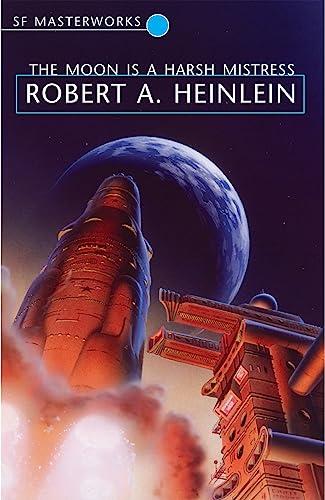
It was considered a foundational text for the American libertarian movement, featuring a lunar colony rebelling against Earth's rule and exploring libertarian ideals, but also containing contradictory elements.
Heinlein's own apparent anti-government ethos is channeled through the elderly Peruvian born professor Prof. Bernardo de la Paz.
— Episode: Part One: The Not-At-All-Sad History of...
It was considered a foundational text for the American libertarian movement, featuring a lunar colony rebelling against Earth's rule and exploring libertarian ideals, but also containing contradictory elements.
Heinlein's own apparent anti-government ethos is channeled through the elderly Peruvian born professor Prof. Bernardo de la Paz.
Prof's cheap comrades in arms are an Amazonian blonde rabble rouser, Wyoming knot, and a one armed computer technician, the narrator hero, Manuel Garcia O'Kelly Davis.
The ragtag trio spearheads a revolutionary movement to make this ramshackle outpost for the marginalized into a self-governing nation free of the repressive rule of earth.
It was described as a foundational text for American libertarianism, depicting a lunar colony rebelling against Earth's government to achieve independence, with elements of libertarian and monarchist ideals.
Heinlein's own apparent anti-government ethos is channeled through the elderly Peruvian born professor Prof. Bernardo de la Paz.
Prof's cheap comrades in arms are an Amazonian blonde rabble rouser, Wyoming knot, and a one armed computer technician, the narrator hero, Manuel Garcia O'Kelly Davis.
The ragtag trio spearheads a revolutionary movement to make this ramshackle outpost for the marginalized into a self-governing nation free of the repressive rule of earth.
the Moonage the Hearst mistress is about like people who are part of, who are living in a colony that's being oppressed by a government rebelling in order to become independent and seasteading, which is heavily influenced by this book is about sailing to the ocean to just hide from the government and, and mine Bitcoin.
It was considered a foundational text for the American libertarian movement, where a lunar colony fights for freedom from Earth's rule, but also contains strange ideas on government and monarchy.
Heinlein's own apparent anti-government ethos is channeled through the elderly Peruvian born professor Prof. Bernardo de la Paz.
Prof is one of among hundreds of outcasts, outlaws and outsiders inhabiting underground colonies on the moon, or as it's known in the late 21st century, Luna.
Prof's cheap comrades in arms are an Amazonian blonde rabble rouser, Wyoming knot, and a one armed computer technician, the narrator hero, Manuel Garcia O'Kelly Davis.
The ragtag trio spearheads a revolutionary movement to make this ramshackle outpost for the marginalized into a self-governing nation free of the repressive rule of earth.
it's a mix of Congress is dumb and like governments can't get anything done. And also monarchy would be cool.
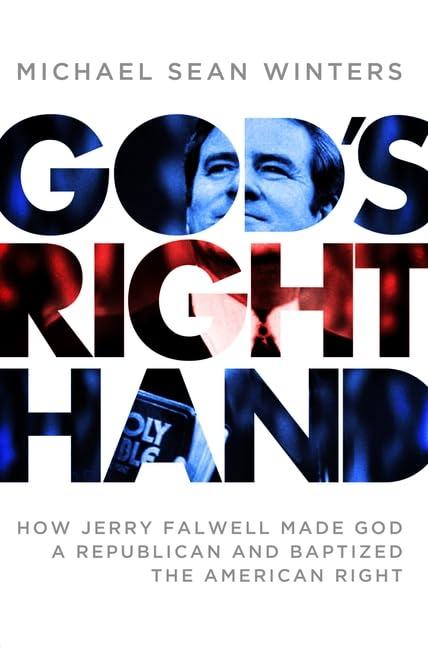
How Jerry Falwell Made God a Republican and Baptized the American Right
It was described as a very fantastic book, and was referenced multiple times throughout the podcast for details of Jerry Falwell's upbringing and his father's life, including the violent and abusive pranks that took place.
Kerry Falwell would later recall that his father was a prankster. Kerry once brought a friend home who admitted he was scared of Kerry. Kerry told his father of his friend's fear, half-cautioning, hal...
— Episode: Part One: Jerry Falwell: Founder of the...
It was described as a very fantastic book, and was referenced multiple times throughout the podcast for details of Jerry Falwell's upbringing and his father's life, including the violent and abusive pranks that took place.
Kerry Falwell would later recall that his father was a prankster. Kerry once brought a friend home who admitted he was scared of Kerry. Kerry told his father of his friend's fear, half-cautioning, half-goat-ing Kerry as he brought the young man into the house. When the young friend walked in, Kerry shouted, Stopped, aimed a pistol at the boy's feet and shot a hole in the floor a few inches in front of his shoes.
Some of the pranks were cruel, however, as when Kerry decided he had enough complaints from one of his workers. When the man called in sick, Kerry offered to have lunch brought to his house, then killed and skinned the man's cat, putting it into a squirrel stew, and sent it to the man's home for lunch.
Falwell had been profoundly disturbed by the actions of the federal government legalizing abortion, removing prayer from the public schools, sending the IRS after Christian academies to him this amounted to a political assault on his turf, the moral fiber of the nation and he could begin to envision politics as the means to beating back the assault.
God's Right Hand is like a really good biography by Winters. It has a lot of really good info in it but Winters also kind of comes across as well he's critical of a lot that Falwell did fundamentally sympathetic to the man as a human being and I think he misses like the fact that he phrases it as sending the IRS after Christian academies and I'm sure that's how Falwell would like to report it like what Falwell was pissed about was them stopping Christians from segregating schools.
It was mentioned in relation to Jerry Falwell's eating habits, specifically that he was 'constitutionally incapable' of consuming healthy meals.
In God's Right Hand, Michael Winters notes that Falwell was constitutionally incapable of eating healthy food.
Falwell's Liberty Journal discerned a sinister agenda regarding Tinky Winky.
He is purple, the gay pride color and his antenna is shaped like a triangle, the gay pride symbol noted the February issue.
It was referenced multiple times as a source on Jerry Falwell's life, detailing his upbringing, and detailing how his early life experiences may have influenced his later actions and beliefs.
Kerry Falwell would later recall that his father was a prankster. Kerry once brought a friend home who admitted he was scared of Kerry. Kerry told his father of his friend's fear, half-cautioning, half-goat-ing Kerry as he brought the young man into the house.
When the young friend walked in, Kerry shouted, 'Stopped', aimed a pistol at the boy's feet and shot a hole in the floor a few inches in front of his shoes. 'I've been trying to get that fly all day,' Kerry's father announced returning to his newspaper while the boy fled the house. Kerry admitted that he and his father held with laughter.
Some of the pranks were cruel, however, as when Kerry decided he had enough complaints from one of his workers. When the man called in sick, Kerry offered to have lunch brought to his house, then killed and skinned the man's cat, putting it into a squirrel stew, and sent it to the man's home for lunch.
The next day the man complained that the squirrel meeting the stew had been tough, and Kerry told him he had eaten his own cat.
Falwell had been profoundly disturbed by the actions of the federal government legalizing abortion, removing prayer from the public schools, sending the IRS after Christian academies to him this amounted to a political assault on his turf, the moral fiber of the nation and he could begin to envision politics as the means to beating back the assault.
The book was referenced multiple times, specifically regarding Jerry Falwell's eating habits, and his tendency to make controversial statements about various groups.
In God's Right Hand, Michael Winters notes that Falwell was constitutionally incapable of eating healthy food.
Falwell's Liberty Journal discerned a sinister agenda regarding Tinky Winky.
It was described as Jerry Falwell's best biography, and was referenced several times throughout the episode to give context to Jerry's upbringing and worldview.
Kerry Falwell would later recall that his father was a prankster. Kerry once brought a friend home who admitted he was scared of Kerry. Kerry told his father of his friend's fear, half-cautioning, half-goading Kerry as he brought the young man into the house. When the young friend walked in, Kerry shouted, 'Stopped, aimed a pistol at the boy's feet and shot a hole in the floor a few inches in front of his shoes.'
'I've been trying to get that fly all day.' Kerry's father announced, returning to his newspaper while the boy fled the house. Kerry admitted that he and his father held with laughter.
Some of the pranks were cruel, however, as when Kerry decided he had enough complaints from one of his workers.
When the man called in sick, Kerry offered to have lunch brought to his house, then killed and skinned the man's cat, putting it into a squirrel stew, and sent it to the man's home for lunch.
The next day the man complained that the squirrel meeting the stew had been tough, and Kerry told him he had eaten his own cat.
It was mentioned multiple times as a source for information about Jerry Falwell and his beliefs, particularly regarding his stance on homosexuality and the AIDS crisis.
In God's Right Hand, Michael Winters notes that Falwell was constitutionally incapable of eating healthy food.
I'm going to quote from God's Right Hand again.
Falwell's Liberty Journal discerned a sinister agenda regarding Tinky Winky.
He is purple, the gay pride color and his antenna is shaped like a triangle, the gay pride symbol noted the February issue.
It was used as a source for information about Jerry Falwell's life, including his upbringing and actions. The podcast hosts also questioned the author's apparent sympathy for Falwell.
Kerry Falwell would later recall that his father was a prankster.
Kerry once brought a friend home who admitted he was scared of Kerry. Kerry told his father of his friend's fear, half-cautioning, half-goat-ing Kerry as he brought the young man into the house. When the young friend walked in, Kerry shouted, 'Stopped,' aimed a pistol at the boy's feet and shot a hole in the floor a few inches in front of his shoes. 'I've been trying to get that fly all day,' Kerry's father announced returning to his newspaper while the boy fled the house. Kerry admitted that he and his father held with laughter.
Some of the pranks were cruel, however, as when Kerry decided he had enough complaints from one of his workers. When the man called in sick, Kerry offered to have lunch brought to his house, then killed and skinned the man's cat, putting it into a squirrel stew, and sent it to the man's home for lunch. The next day the man complained that the squirrel meeting the stew had been tough, and Kerry told him he had eaten his own cat.
The decision by the Supreme Court legalizing abortion on demand did more to destroy our nation than any other decision it has made.
The family is the fundamental building block and basic unit of our society and it's continued health as a prerequisite for a healthy and prosperous nation. No nation has ever been stronger than the families within her.
Note: The book recommendations on this page are discovered automatically from podcast transcripts, and may be incorrect or incomplete.
Podcast Name