Podcast
Behind the Bastards
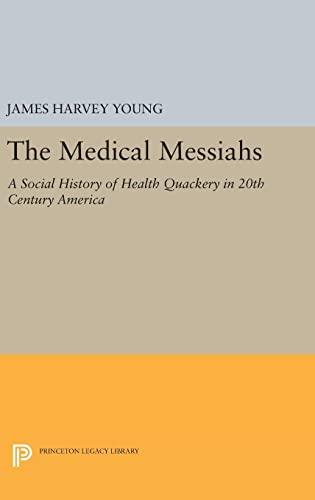
The book 'Medical Messiahs' was mentioned as a source of information related to the various organizations that supported Harry Hoxie's cancer treatment.
And the book Medical Messiahs points out that American rally was one of a number of Hoxie supporting organizations,
— Episode: Part Two: The Founding Father of Fake Ca...
Episode: Part Two: The Founding Father of Fake Cancer Cures
The book 'Medical Messiahs' was mentioned as a source of information related to the various organizations that supported Harry Hoxie's cancer treatment.
And the book Medical Messiahs points out that American rally was one of a number of Hoxie supporting organizations,
Defined as the right of every individual to seek treatment from Hoxie's clinic and other clinics and practitioners frowned on by the Orthodox medical establishment,
Episode: Part One: The Founding Father of Fake Cancer Cures
The Medical Messiahs was referenced multiple times throughout the episode, specifically in relation to Harry Hoxsey's cancer cure claims. It was mentioned as a source for information regarding Hoxsey's practices and the FDA's investigation into his methods.
Shortly the local paper began to run stories of deaths that were occurring at the Institute. Local doctors began to be concerned. One of them wrote the high priests at the American Medical Association telling of examining a man who would receive the Hoxide treatment.
To avoid burdening the council with trivial and patently feudal suggestions, criteria had been established to govern which methods of treating cancer among those proposed warranted investigation and possible testing.
When Hoxie, the congressman in tow, showed up at the institute, the NCI's director, Dr. R. R. Spencer explained these criteria. The institute, he said, would be glad to present Hoxie's case to the advisory council if he would furnish certain information.
What made things worse as the experts assessed the Hoxy theories was that the Hoxy literature condemned the only treatments yet found valid in cancer therapy.
One of the most poignant cases presented involved a high school boy of 16 who after a football injury developed an extremely malignant cancer in a leg bone.
Episode: Part Two: The Founding Father of Fake Cancer Cures
It was mentioned that the book highlighted how the American Rally and other groups were unified by the concept of 'medical freedom,' which was the right to receive treatment from Hoxie or similar practitioners despite disapproval from mainstream medical authorities.
And the book Medical Messiahs points out that American rally was one of a number of Hoxie supporting organizations, all of whom were united by an idea called medical freedom, which is, quote, Defined as the right of every individual to seek treatment from Hoxie's clinic and other clinics and practitioners frowned on by the Orthodox medical establishment.
Episode: Part One: The Founding Father of Fake Cancer Cures
The book was frequently referenced throughout the episode, providing context and details about Harry Hoxsey's cancer treatments and the AMA's attempts to stop him.
Shortly the local paper began to run stories of deaths that were occurring at the Institute. Local doctors began to be concerned. One of them wrote the high priests at the American Medical Association telling of examining a man who would receive the Hoxide treatment.
To avoid burdening the council with trivial and patently feudal suggestions, criteria had been established to govern which methods of treating cancer among those proposed warranted investigation and possible testing.
When Hoxie, the congressman in tow, showed up at the institute, the NCI's director, Dr. R. R. Spencer explained these criteria. The institute, he said, would be glad to present Hoxie's case to the advisory council if he would furnish certain information.
One of the most poignant cases presented involved a high school boy of 16 who after a football injury developed an extremely malignant cancer in a leg bone. When the boy's physician recommended amputation the parents could not face this prospect and took their son instead to Hoxie's clinic.
What made things worse as the experts assessed the Hoxy theories was that the Hoxy literature condemned the only treatments yet found valid in cancer therapy.
Episode: Part Two: The Founding Father of Fake Cancer Cures
The book was mentioned in a discussion about the concept of 'medical freedom' as it pertains to Harry Hoxsey and his cancer treatment, and some groups that supported him.
And the book Medical Messiahs points out that American rally was one of a number of Hoxie supporting organizations, all of whom were united by an idea called medical freedom, which is, quote, Defined as the right of every individual to seek treatment from Hoxie's clinic and other clinics and practitioners frowned on by the Orthodox medical establishment,
Episode: Part One: The Founding Father of Fake Cancer Cures
The Medical Messiahs was referenced several times throughout the episode, as a source for information about Harry Hoxsey and his cancer cure claims. It was discussed how Hoxsey's claims and methods were examined and debunked in the book.
Shortly the local paper began to run stories of deaths that were occurring at the Institute. Local doctors began to be concerned. One of them wrote the high priests at the American Medical Association telling of examining a man who would receive the Hoxide treatment.
What made things worse as the experts assessed the Hoxy theories was that the Hoxy literature condemned the only treatments yet found valid in cancer therapy.
To avoid burdening the council with trivial and patently feudal suggestions, criteria had been established to govern which methods of treating cancer among those proposed warranted investigation and possible testing.
When Hoxie, the congressman in tow, showed up at the institute, the NCI's director, Dr. R. R. Spencer explained these criteria. The institute, he said, would be glad to present Hoxie's case to the advisory council if he would furnish certain information.
One of the most poignant cases presented involved a high school boy of 16 who after a football injury developed an extremely malignant cancer in a leg bone. When the boy's physician recommended amputation the parents could not face this prospect and took their son instead to Hoxie's clinic.
Episode: Part Two: The Founding Father of Fake Cancer Cures
The book 'Medical Messiahs' was mentioned as pointing out that the American Rally and other groups supporting Hoxie's methods shared the belief in 'medical freedom'.
And the book Medical Messiahs points out that American rally was one of a number of Hoxie supporting organizations, all of whom were united by an idea called medical freedom, which is, quote, Defined as the right of every individual to seek treatment from Hoxie's clinic and other clinics and practitioners frowned on by the Orthodox medical establishment,
Episode: Part One: The Founding Father of Fake Cancer Cures
The Medical Messiahs was frequently referenced throughout the podcast and used to detail many of Harry Hoxsey's crimes and unethical practices with regard to his false cancer cures, highlighting the negative impacts on his patients.
Shortly the local paper began to run stories of deaths that were occurring at the Institute. Local doctors began to be concerned. One of them wrote the high priests at the American Medical Association telling of examining a man who would receive the Hoxide treatment. The paste had been applied to a tumor on the cheek. Two days before the man died, the doctor wrote, 'I was called to see him and found necrosis of not only soft tissue of his face, but a complete destruction of the mallard bone.' The man died of hemorrhage at the hospital.
To avoid burdening the council with trivial and patently feudal suggestions, criteria had been established to govern which methods of treating cancer among those proposed warranted investigation and possible testing. When Hoxie, the congressman in tow, showed up at the institute, the NCI's director, Dr. R. R. Spencer explained these criteria. The institute, he said, would be glad to present Hoxie's case to the advisory council if he would furnish certain information. He must reveal his formula and explain his techniques of treatment in detail. He must also present a record of at least 50 cases treated by his method. Each case must represent an individual in whom the presence of internal cancer had been confirmed by competent biopsy who had been treated by physicians and given up as hopeless and who had then been treated by Hoxie and had survived from three to five years.
One of the most poignant cases presented involved a high school boy of 16 who after a football injury developed an extremely malignant cancer in a leg bone. When the boy's physician recommended amputation the parents could not face this prospect and took their son instead to Hoxie's clinic. The medical director, the father testified had guaranteed a cure for some four months while Ed took Hoxie's tonics. They did no good. Several months later, the boy was dead. Had the amputation been performed, the physician who had first treated the boy testified he would have had a fighting chance.
What made things worse as the experts assessed the Hoxy theories was that the Hoxy literature condemned the only treatments yet found valid in cancer therapy.
The FDA appealed and asked the circuit court to grant the injunction instead, arguing that Atwell had been swayed by incompetent testimony, which he absolutely had been. The three judge court reviewed the evidence and agreed unanimously. In particular, they found that only a biopsy could accurately diagnose cancer. A random dude's opinion that something was probably cancer was not a real diagnosis. They chided Judge Atwell for being so blind and deaf as to fail to see, hear and understand the important effect of such matters on general public knowledge and acceptance.