Podcast
Behind the Bastards
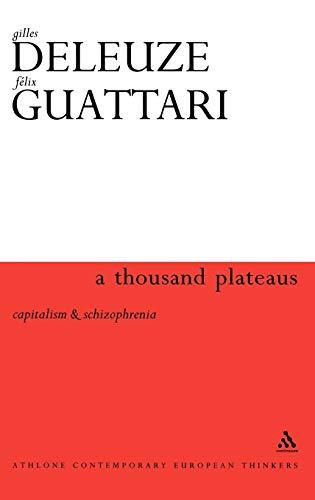
The analysis from these philosophers was referenced to discuss the ways in which fascism and totalitarianism differ, noting that fascism involves a war machine taking over the state. The text was also quoted to illustrate realized nihilism within fascism, characterized by an intense line of escape that transforms into pure destruction.
They discuss the ways in which fascism and totalitarianism differ. They write that totalitarianism is a state affair made up of material components that overmanage society. Quote, even in the case of...
— Episode: It Could Happen Here Weekly 219
Episode: It Could Happen Here Weekly 219
The analysis from these philosophers was referenced to discuss the ways in which fascism and totalitarianism differ, noting that fascism involves a war machine taking over the state. The text was also quoted to illustrate realized nihilism within fascism, characterized by an intense line of escape that transforms into pure destruction.
They discuss the ways in which fascism and totalitarianism differ. They write that totalitarianism is a state affair made up of material components that overmanage society. Quote, even in the case of a military dictator it is a state army, not a war machine, that takes power and elevates the state to the totalitarian stage. Totalitarianism is quintessentially conservative. Fascism, on the other hand, involves a war machine. When fascism builds itself a totalitarian state, it is not in the sense of a state army taking power, but of a war machine taking over the state. Unquote.
So-called total war seems less a state undertaking than an undertaking of a war machine that appropriates the state and channels it into a flow of absolute war whose only possible outcome is the suicide of the state itself. There is, in fascism, a realized nihilism.
A war machine that no longer had anything but war as its object and would rather annihilate its own servants than stop the destruction, to quote a thousand plateaus.